How Overwatering During Humid Weeks Can Hurt Georgia Gardens
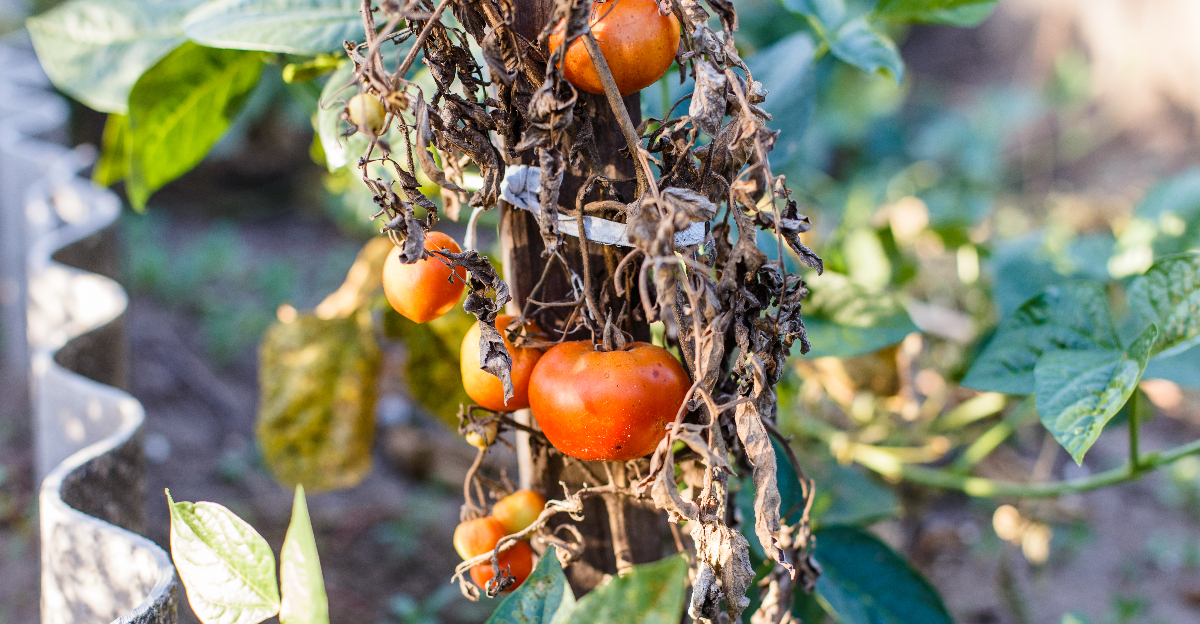
Georgia summers have a reputation, and your garden feels every bit of it. The watering schedule feels responsible. The mulch looks tidy. The sprinklers run every morning like clockwork. Everything looks like a garden that is being taken care of.
But Georgia summers play by different rules. The humidity alone changes everything, and a lot of well-meaning gardeners have no idea their routine is working against them during those long, sticky, rain-soaked weeks.
The damage does not show up right away. That is the tricky part. Plants can look perfectly fine on the surface for days while something far more serious builds underneath. By the time the yellowing starts or the stems go soft, the problem has already had a head start.
While some Georgia gardens thrive through summer, others struggle despite plenty of water and care. The answer is not what most people expect. What your garden actually needs during humid weeks might surprise you.
1. Muddy Beds Invite Root Rot Trouble
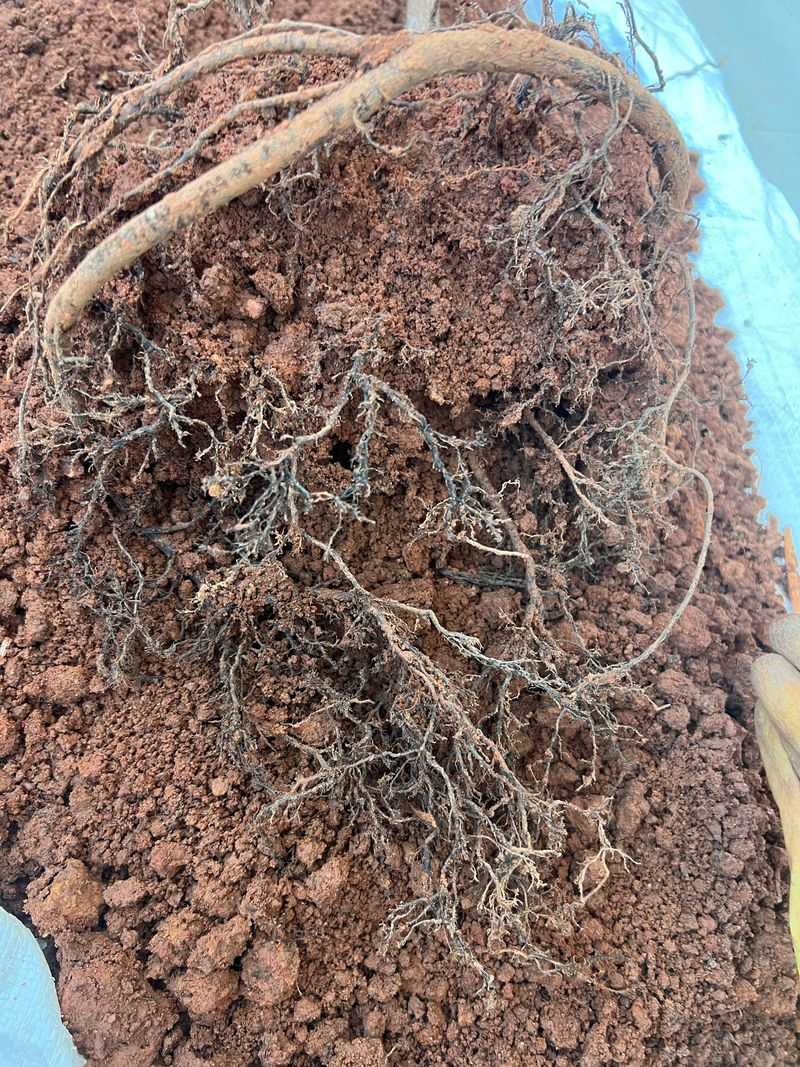
A little mud after a rainstorm is perfectly normal. A garden bed that stays muddy for three days straight is a different story entirely. That soggy soil is not just messy. It is creating conditions that fungi find genuinely inviting.
Waterlogged soil holds moisture tight against plant roots, and root rot does not need much more of an invitation than that.
University of Georgia Extension links poorly drained, overly wet soils to fungal root rot in both vegetable and ornamental beds, and the damage tends to build quietly before it becomes obvious.
That is the sneaky part. Plants above ground can look completely fine right up until they do not.
Sudden wilting, yellowing leaves, and that defeated look despite soaking wet soil, those are often signs that rot has already been working underground for a while. Muddy, compacted beds with little drainage are basically fungi’s preferred real estate.
The good news is that a quick check beats guesswork every time. Press two fingers about two inches into the soil. Cool and damp means the roots are already covered. No hose needed.
For Georgia gardens dealing with heavy clay soil, which describes a lot of the state, adding compost can loosen things up and improve drainage over time. Raised beds are another solid option for spots that tend to hold water after every rain.
Watering on a fixed schedule feels organized, but during humid weeks, the soil dries much more slowly than usual. What worked in May may be too much by July. Read the soil, not the calendar. Your plants are already doing that.
2. Swamped Roots Struggle For Air
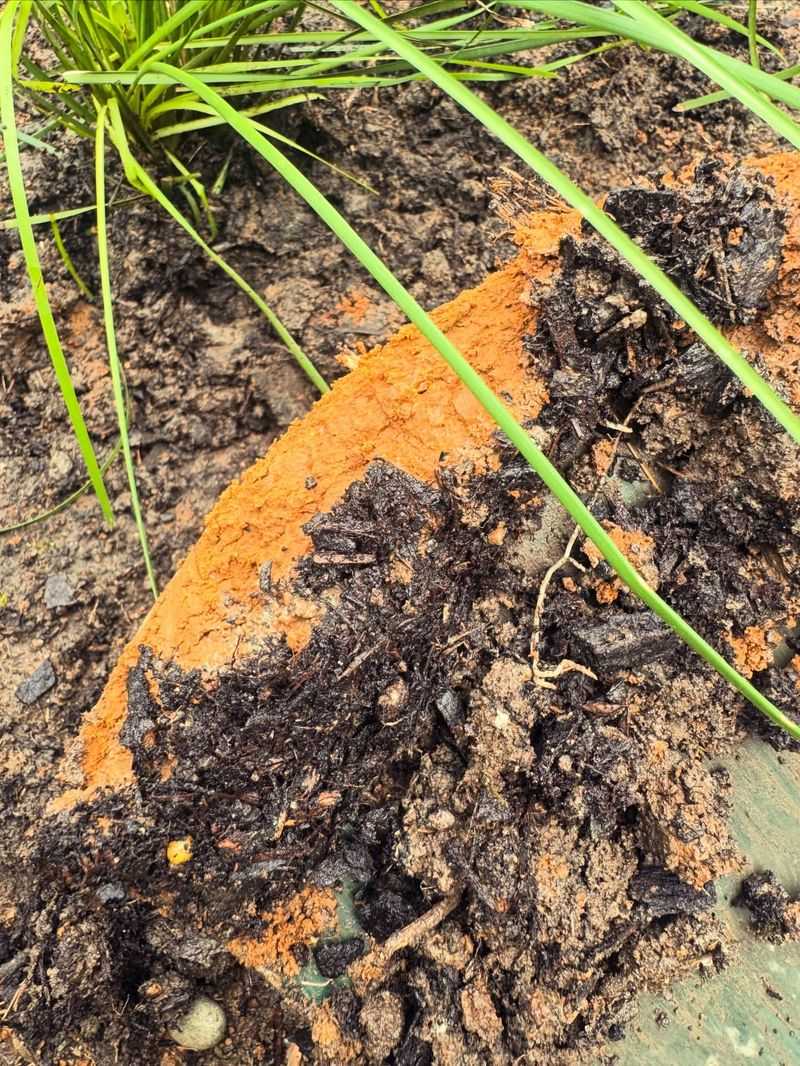
Roots are not just on a water hunt underground. They need air just as badly, and soggy Georgia soil can cut off both at once.
Healthy soil has tiny air pockets woven through it. Those spaces hold a balance of moisture and oxygen that roots depend on to function.
When soil becomes fully saturated, water fills every one of those pockets and oxygen levels drop fast. Roots in that environment are essentially holding their breath.
Your Georgia Garden Changes Every Week. Your Plan Should Too.
Gardening in Georgia changes quickly throughout the season. Every Friday you’ll receive a simple weekly plan showing exactly what to plant, prune, fertilize, harvest, and protect so you never miss the right timing.
Georgia summers make the problem worse in a very specific way. Humid air slows evaporation dramatically.
Saturated soil that might dry out in a day or two during a dry spell can stay wet for nearly a week when the air is already thick with moisture. The ground has nowhere to send the water.
Roots sitting in oxygen-poor soil get stressed. They lose their ability to pull up nutrients efficiently, even when fertilizer is sitting right there in the ground.
The plant above may look pale, droopy, or just oddly slow, which often leads gardeners to reach for the hose and make things considerably worse.
A quick soil check changes everything. Push a trowel or your finger down three to four inches into the root zone. Wet soil that clumps together is a clear signal to step back and wait.
Sandy soils drain faster and may need water again sooner. Clay-heavy soils, common across the Georgia Piedmont, hold water much longer. Location, shade coverage, and plant type all factor in, too.
Roots need room to breathe between waterings. Giving them that space, especially after a rainy stretch, is one of the simplest and most effective things you can do.
3. Humid Leaves Give Fungus A Head Start
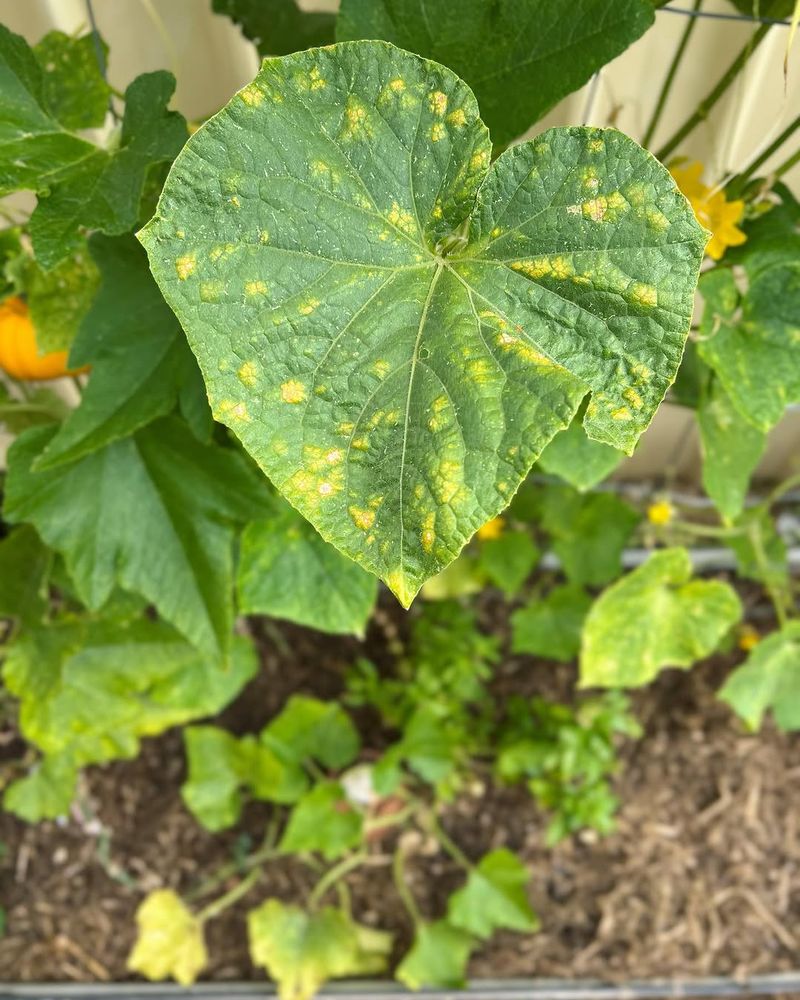
Wet leaves in humid air are essentially a welcome mat. Georgia summers hand fungi exactly what they need: warmth, moisture, and an endless supply of both.
Overhead watering on top of already-humid conditions keeps leaves wet for hours at a stretch. That extended dampness does not just feel unpleasant. It makes conditions significantly more favorable for fungal diseases to move in and set up permanently.
Powdery mildew, downy mildew, and various leaf blights all spread more readily when foliage stays damp. Georgia summers give those problems a very long runway.
Plant spacing matters here more than many gardeners realize. Crowded plants trap humid air between them and block the airflow that would otherwise help leaves dry faster. A garden that looks lush can actually be creating its own microclimate of trouble.
Switching to drip irrigation or a soaker hose removes a lot of that risk. Water goes directly to the soil at root level, leaves stay dry, and fungi lose one of their most important advantages.
Yes, overhead watering is not always avoidable. But when it is the only option, early morning is strongly preferable. Leaves have hours of daylight to dry before evening temperatures drop and humidity climbs again.
Late afternoon and nighttime watering keeps foliage wet through the most vulnerable part of the day. Small timing adjustments do not feel dramatic. Their results often are.
4. Rain Soaked Soil Leaves Roots Stressed
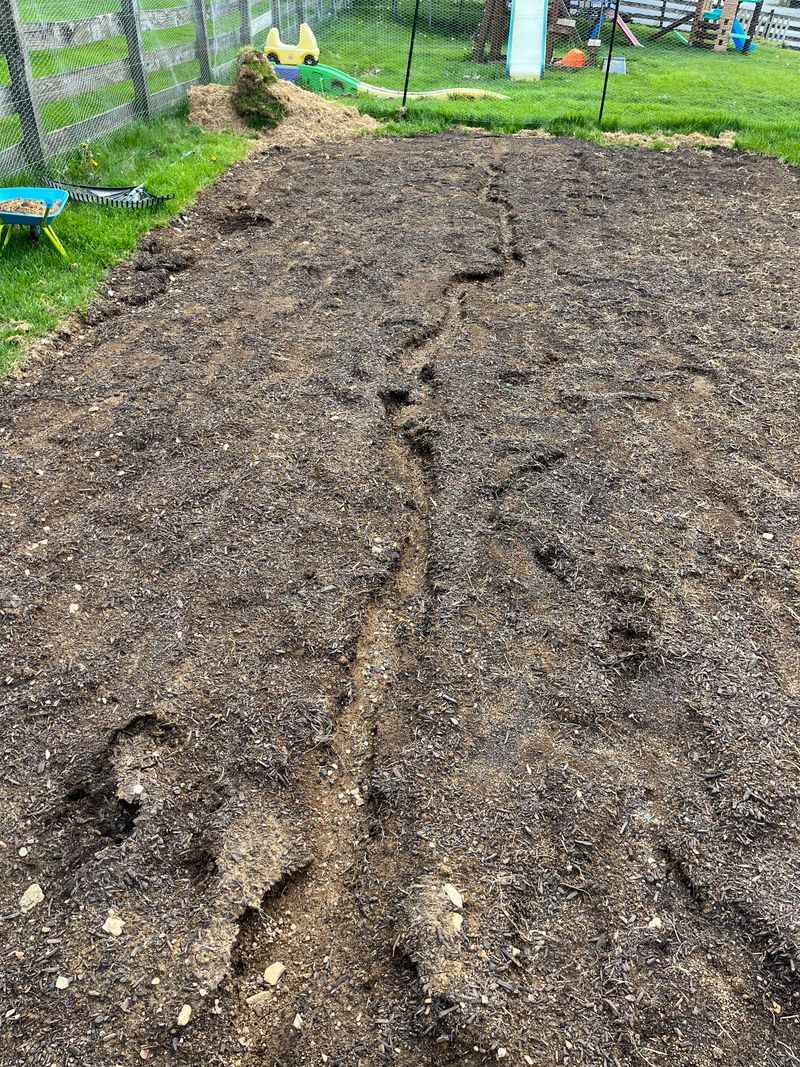
Rain already clocked in. The hose can take the day off. Georgia pulls in plenty of summer rainfall, and during humid weeks, that rain does not leave quietly.
Soil soaked during a storm can stay wet for two to three days, sometimes longer, in gardens with clay-heavy soil or limited sun exposure.
Adding more water on top of that is not generous. It is stressful for the roots, and they will show it eventually.
Saturated soil after heavy rain can contribute to poor growth, yellowing leaves, and reduced nutrient uptake. Roots that stay waterlogged for extended periods struggle to function the way they should.
The garden starts to look a little off, and the temptation to water more can make a frustrating cycle even worse.
This is not a problem that stays in the vegetable garden. Flower beds, shrubs, and container plants all show signs of strain after repeated wet cycles without a dry period in between. The whole yard can feel the effect.
Pausing the irrigation system after significant rain is one of the most straightforward adjustments a gardener can make. A basic rain gauge takes the guesswork out of the decision.
If about an inch of rain fell, many established in-ground plants may not need more water right away.
Most established Georgia vegetable gardens need roughly one inch of water per week during the growing season. Summer rain often handles most or all of that without any help.
Check the soil a few inches down before reaching for the hose. Real information beats a fixed schedule every single time.
5. Daily Sprinklers Encourage Shallow Roots
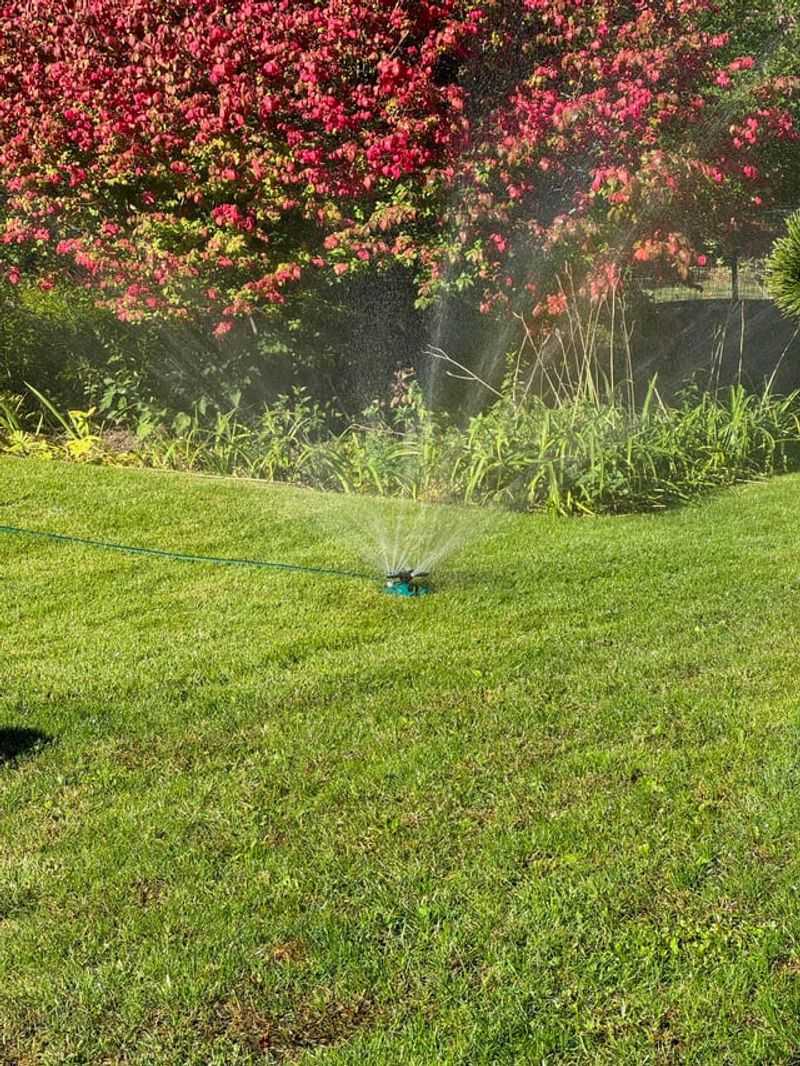
That daily sprinkler run feels responsible. It is also quietly training your plants to be fragile. Frequent, light watering only wets the top inch or two of soil.
Roots follow moisture, so they stay near the surface where the water shows up reliably, rather than pushing downward toward more stable ground. The result is a root system that looks fine until conditions get tough, and then it struggles fast.
University of Georgia Extension recommends deep, thorough watering precisely because it encourages roots to grow downward. Deep roots are more resilient.
They reach moisture that does not evaporate after a hot afternoon, and they stay more stable when rain patterns shift.
Shallow roots, by contrast, make plants more vulnerable to heat stress, uneven moisture, and dry spells between waterings. Daily light sprinkler use essentially builds that vulnerability in from the start.
There is another problem layered on top in humid Georgia summers. Keeping the soil surface constantly damp creates favorable conditions for weed seeds to germinate.
It can also encourage surface-level fungal activity that a drier top layer would not support. Watering deeply two to three times per week, and letting the soil partially dry between sessions, tends to produce stronger plants and a more stable root system over time.
Though during rainy stretches, rainfall often covers that need entirely. So, adding more water on top of saturated soil does more harm than good.
A simple test confirms depth after watering. Push a wooden dowel or screwdriver into the soil. Easy penetration to about six inches means the water reached where it needs to go.
Running sprinklers on autopilot is easy. Building a garden that can handle the Georgia summer is better.
6. Wet Foliage Gives Leaf Spot A Head Start
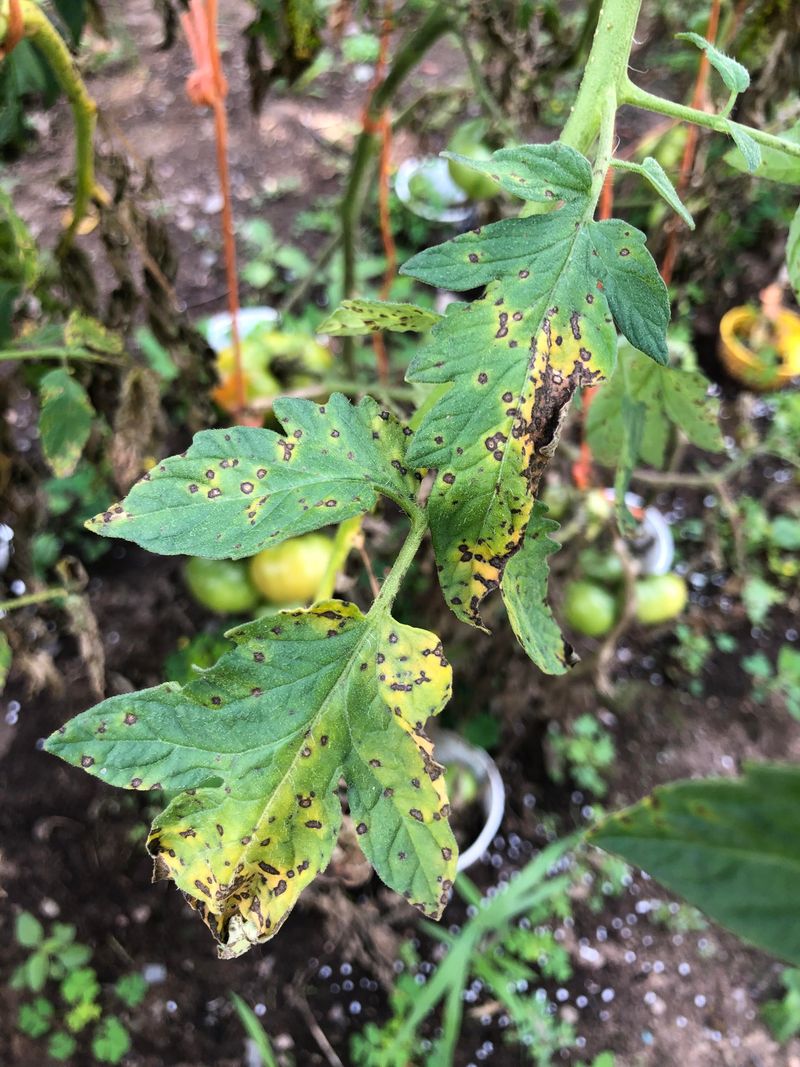
Overhead watering looks refreshing from across the yard. But from the perspective of a fungal pathogen, it looks like an open invitation.
Leaf spot and blight need surface moisture on leaves to begin an infection. Georgia’s humidity already keeps moisture levels high. Add overhead watering to that equation, and the leaves may not dry out for hours.
Leaf spot affects a wide range of common Georgia garden plants. Tomatoes, peppers, roses, and ornamental shrubs are all on the list.
The early signs are easy to miss: small brown or yellow spots that gradually grow larger. By the time leaves start dropping, the problem has been building for a while.
Spread happens through water splash, wind movement, and direct contact between wet leaves. Overhead watering during humid weeks can accelerate all three of those pathways at once.
Drip irrigation is probably the most practical fix available. Water goes directly to the soil at the base of plants, and the conditions that leaf spot needs to thrive are largely removed from the situation.
When overhead watering is unavoidable, morning is the right time. Leaves get several hours of daylight to dry before evening humidity peaks again.
Proper plant spacing also helps considerably, since air moving freely between plants speeds up drying after any watering.
Good timing and good spacing do not eliminate every risk. However, they do make leaf spot’s job noticeably harder.
7. Heavy Mulch Traps Moisture Around Tender Stems
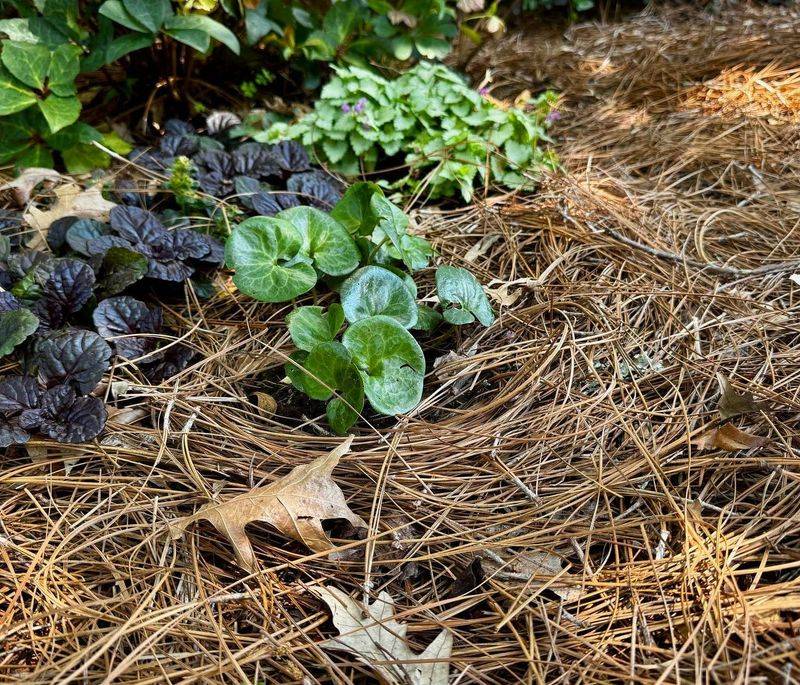
Mulch is one of the best tools in a Georgia garden. It also has a way of causing problems when gardeners get a little too generous with it.
A reasonable layer of mulch conserves moisture, moderates soil temperature, and keeps weeds from taking over. That is the version that works well.
The version that causes trouble is when mulch gets piled thick against plant stems and tree trunks, holding constant humidity right up against bark and stem tissue.
UGA Extension specifically cautions against what is sometimes called a mulch volcano, where mulch mounds up high around the base of trees and shrubs. Moist mulch pressed against bark for extended periods can create favorable conditions for fungal stem rot.
It can also attract pests that prefer damp, sheltered environments, which adds another layer of potential problems.
Young transplants and vegetable stems tend to be especially sensitive to this kind of moisture buildup at the soil line. The damage can develop quietly and look like other issues before the real cause becomes clear.
Luckily, the fix is not complicated. Pull mulch back two to three inches from the base of stems, trunks, and crowns. That gap allows air to reach the tissue that needs it most.
Across the rest of the bed, two to three inches of mulch is generally enough to do the job well. Deep piling beyond that can actually block lighter rain from reaching the soil below, which defeats part of the purpose.
During humid weeks, it is worth digging into the mulch occasionally to check how wet it is underneath. Soggy all the way through is a signal that the bed needs more airflow and a lighter touch going forward.