8 Backyard Fixes Georgia Gardeners Make Before Mosquito Season Peaks
Everything about a Georgia backyard evening sounds perfect in theory. The garden cools down, the porch starts calling, and the grill sounds like exactly the right idea.
Then something tiny finds you before you even sit down. And then again. And then once more, right on the ankle.
Many gardeners blame the obvious culprits and call it a season. Fewer stop to ask where the real problem actually begins, because the answer is rarely where you expect it.
It is not the pond down the street. It is not the neighbor’s yard. It is your backyard, and it is hiding in the spots you walk past every single day without a second glance.
Those little spots are where the season shifts from enjoyable to frustrating, and they are entirely within your control.
A few simple changes around your outdoor space can make a remarkable difference before the buzzing reaches its peak. Start close. The clues are smaller than you think.
1. Empty Standing Water Before Larvae Build Up
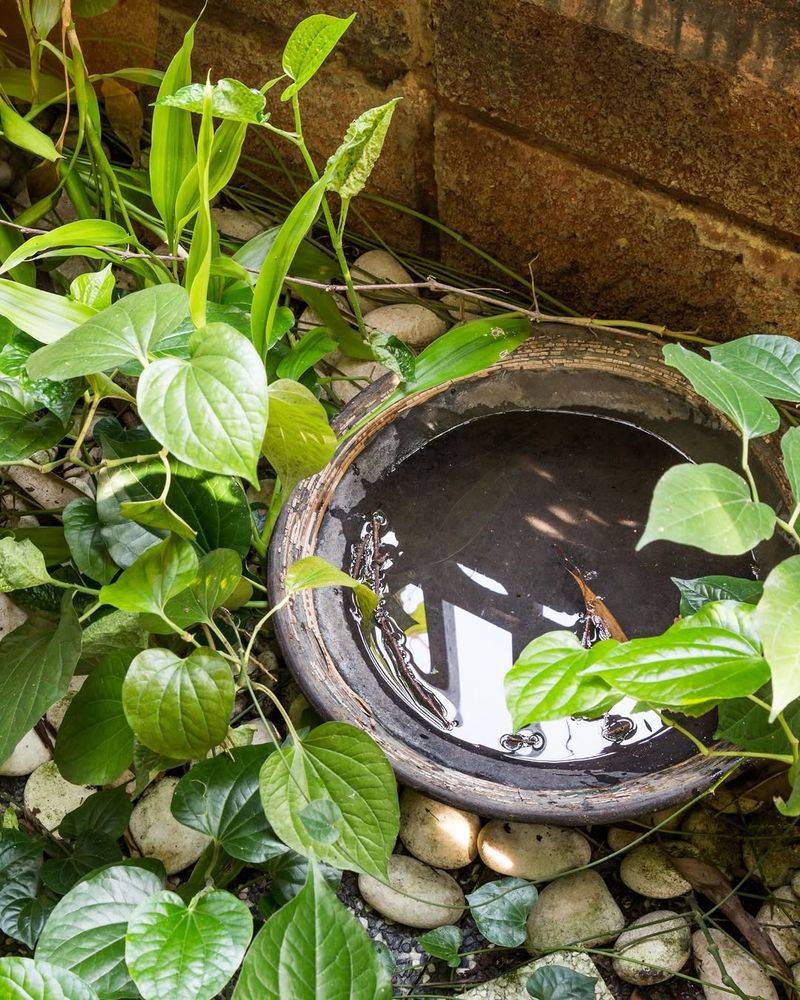
Here is the backyard truth many people miss: mosquitoes do not need a pond, swamp, or messy yard to get comfortable. A tiny pocket of standing water can be enough.
That is why a quick water check can matter so much before Georgia’s mosquito season peaks. Warm weather and spring rain create plenty of little hiding places. Some are obvious. Others are sneaky enough to sit untouched for days.
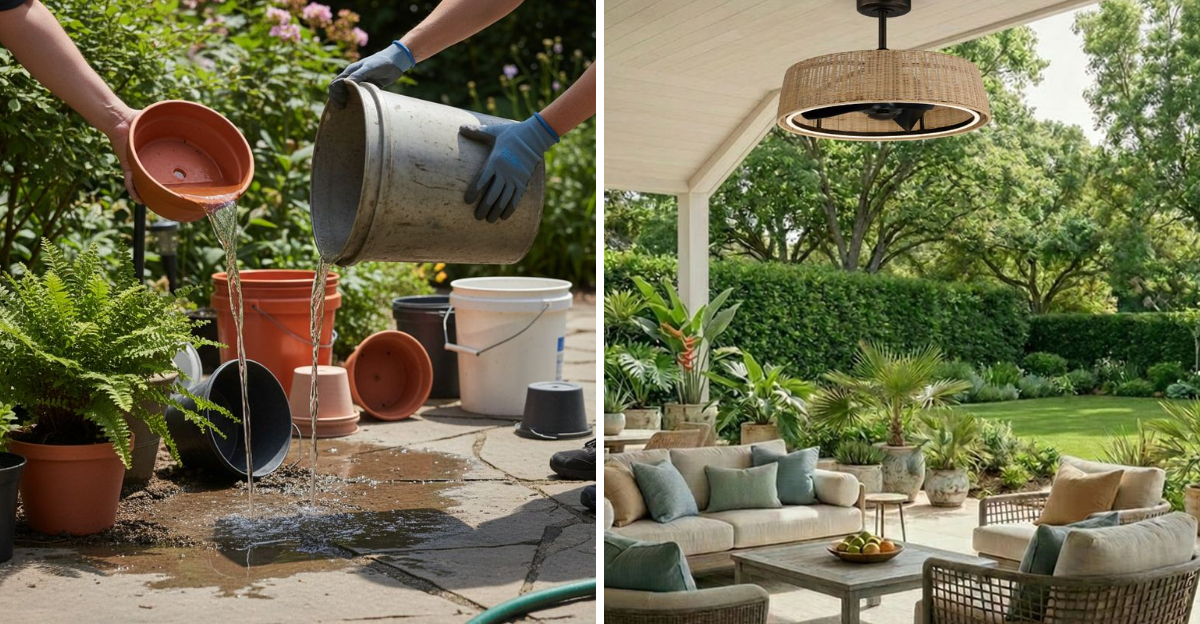
Walk your yard slowly after rain. Look at buckets, flower pots, old trays, tarps, toys, plant saucers, and low lawn spots. If water sits there, it deserves your attention. This is not a glamorous garden job. But it is one of the easiest ways to get ahead.
Tip containers upside down when you are not using them. Turn over empty pots. Straighten tarps so rain slides off. Move loose items under cover if they tend to collect water.
Low lawn spots can be more stubborn. If puddles linger there for several days, add topsoil or sand to improve the grade. You may not fix the whole yard in one afternoon, but you can reduce the worst pockets.
If water cannot be removed, use a mosquito dunk or similar larva-targeting product made for standing water. These can be useful in drainage areas, ditches, or other spots that stay wet.
Make this a weekly habit during warm months. It only takes a few minutes once you know where to look. Think of it as your backyard bucket list. Except the goal is to empty the buckets.
A little search-and-dump routine can interrupt the cycle before it turns into a bigger porch problem.
2. Clean Gutters So Rainwater Cannot Sit
Gutters are easy to ignore because they are above eye level. Mosquitoes do not mind.
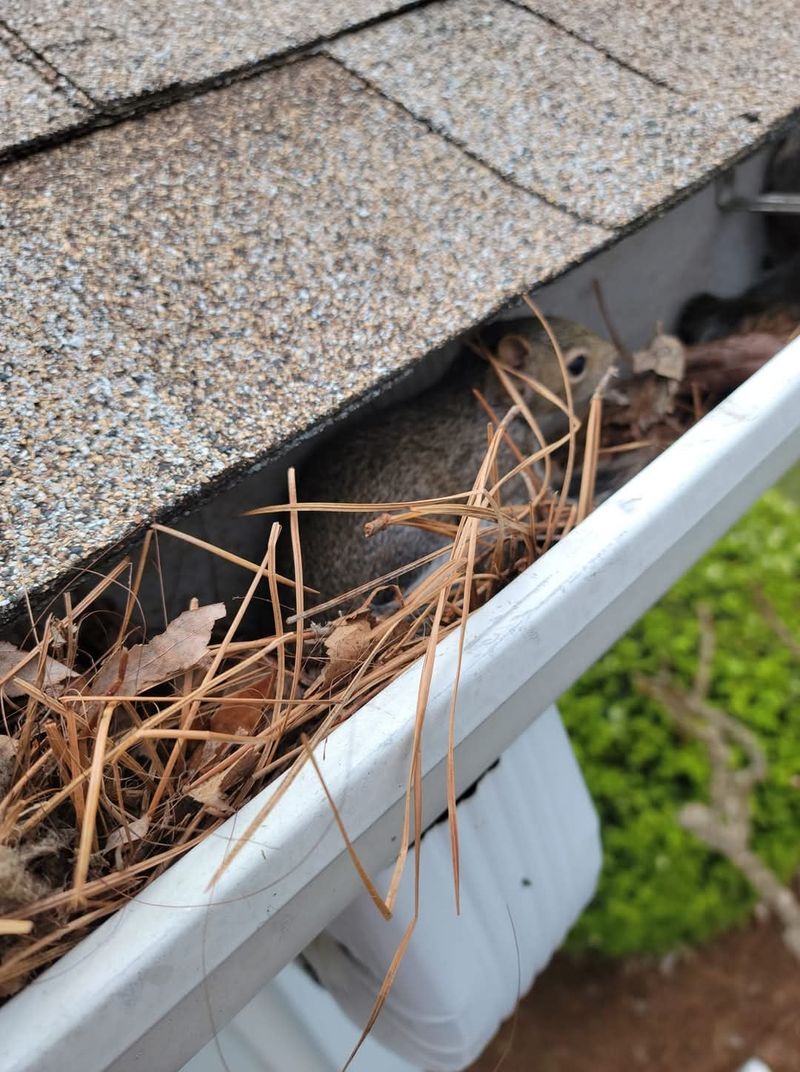
A gutter packed with leaves, pine needles, pollen, or seed debris can hold shallow water after rain. From the ground, everything may look fine. Up top, there may be a damp little trough quietly causing trouble.
Georgia yards can fill gutters fast. Pines drop needles. Oaks drop leaves. Sweet gums add their own confetti. Spring pollen and seed bits can collect in corners and downspout openings. That buildup slows drainage. When rainwater cannot move freely, it sits longer than you want.
Your Georgia Garden Changes Every Week. Your Plan Should Too.
Gardening in Georgia changes quickly throughout the season. Every Friday you’ll receive a simple weekly plan showing exactly what to plant, prune, fertilize, harvest, and protect so you never miss the right timing.
Before mosquito season gets busy, give your gutters a careful cleanout. Remove leaves and debris. Then run water through the channel with a hose.
Watch whether it flows toward the downspout or pools in a low stretch. If water gathers in one area, the gutter may be sagging. A small adjustment can help restore the slope.
Do not forget the downspouts. A clogged downspout can back water up into the gutter. It can also send water spilling near the foundation, where it may collect in mulch or low soil.
Direct downspout extensions away from the house if possible. Aim for a sloped area where water can soak in without sitting.
Gutter guards can help, but they still need checking. Fine debris can collect on top or along the edges. Some inserts can even trap damp material if they are not cleaned. So take a look after storms, especially if your home sits under trees.
Think of gutter cleaning as roofline housekeeping with mosquito math. Less debris means better flow. Better flow means fewer hidden water pockets. It is not the most exciting chore, but your summer porch nights may thank you.
3. Refresh Birdbaths At Least Once A Week
Birdbaths bring charm to a Georgia garden. They invite songbirds. They add movement. They make a yard feel peaceful in that soft, morning-coffee way. But still water has a second audience.
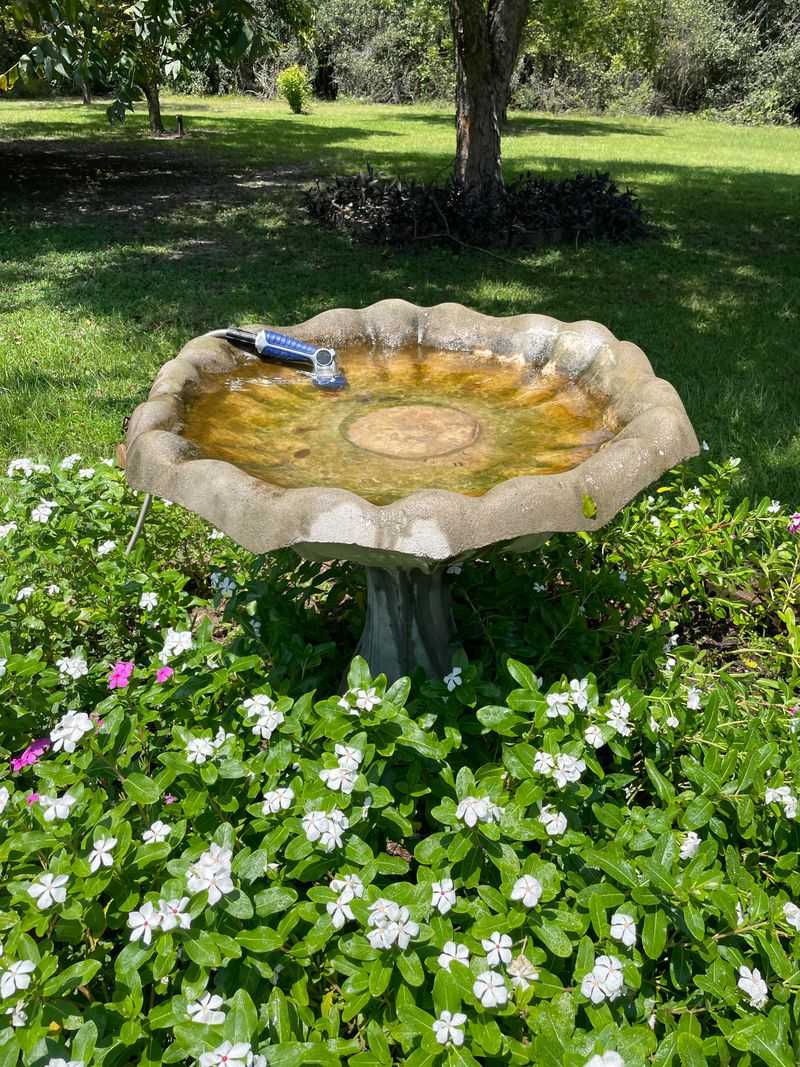
If a birdbath sits unchanged too long, it can become far less charming. Mosquitoes prefer calm, shallow water, and many birdbaths fit that description perfectly. The fix is simple: refresh the water often.
Once a week is a good rhythm for many yards. During very warm spells, you may want to check more often. If the water looks cloudy, green, or full of debris, do not wait.
Dump the old water completely. Give the basin a quick scrub with a stiff brush. Then refill it with fresh water.
You do not need harsh cleaners for routine care. A firm scrub usually removes algae, residue, and anything clinging to the surface. This helps birds too. Fresh water is more inviting and cleaner for the wildlife you actually want to visit.
If you enjoy low-maintenance tricks, consider adding a small solar fountain. Even gentle movement can make the water less appealing for mosquitoes. It also gives the birdbath a pleasant little sparkle.
Placement can help as well. A spot with some shade may slow algae growth and keep the water cooler. Birds often appreciate that cover, especially during hot afternoons.
Take a moment to watch how your birdbath behaves after rain. Does water splash into a nearby saucer or low spot? Does the base collect puddles? Those nearby pockets need attention too.
Keep the water moving, clean, and changed. That way, the bath stays better suited for feathers than for backyard buzzers.
4. Cover Rain Barrels Before Warm Weather Arrives
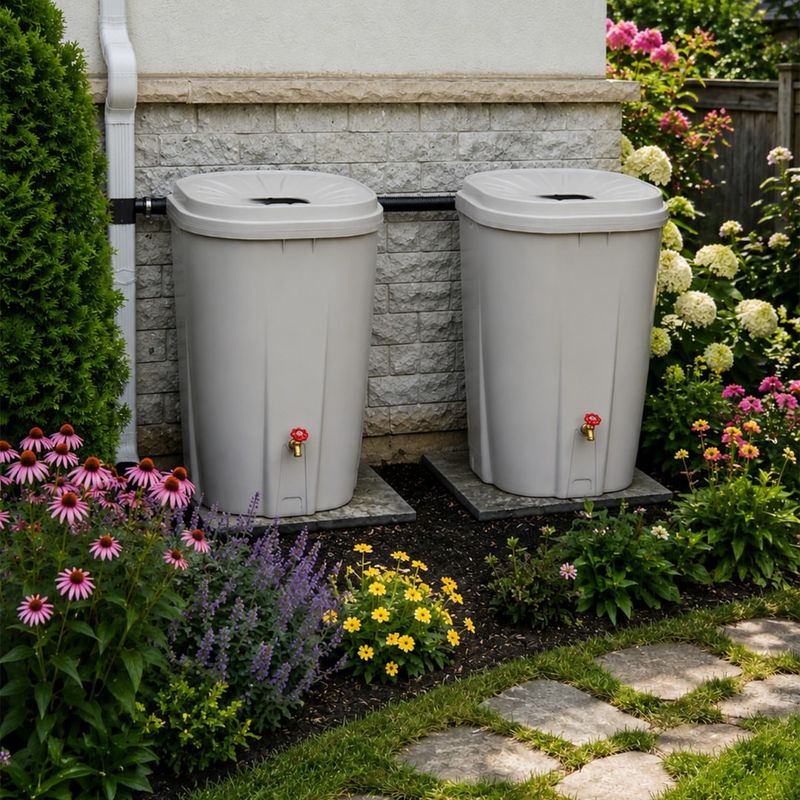
Rain barrels are smart garden tools. But if it has gaps, it can create a hidden mosquito problem. The issue is access. Mosquitoes only need a small opening to reach the water inside. A loose lid, torn screen, open overflow, or poorly sealed connection can be enough.
Before warm weather settles in, inspect the whole barrel. Start with the lid. Does it fit tightly? Can you see gaps around the edge? If yes, adjust or replace it.
Next, check any screen. Fine mesh works best because it blocks small insects while still allowing water through. If the screen is sagging, torn, or clogged, fix it before the season gets busy.
Now look at the overflow port. This spot is easy to forget. During heavy rain, water may spill from the barrel and collect around the base. That puddle can become its own issue.
Attach a hose or pipe to guide overflow away from the barrel. Send water toward a garden bed, rain garden, or sloped area where it can soak in quickly.
Also check the spigot area. Small leaks can keep the ground damp below the barrel. A slow drip may not seem like much, but it can create a steady wet spot.
After big storms, walk by and inspect. Is the lid still secure? Is the overflow working? Is the ground around the barrel dry enough?
A covered rain barrel should be an asset, not a backyard mystery tank. You keep the water for your plants, while keeping unwanted guests out.
5. Remove Plant Saucers That Hold Hidden Water
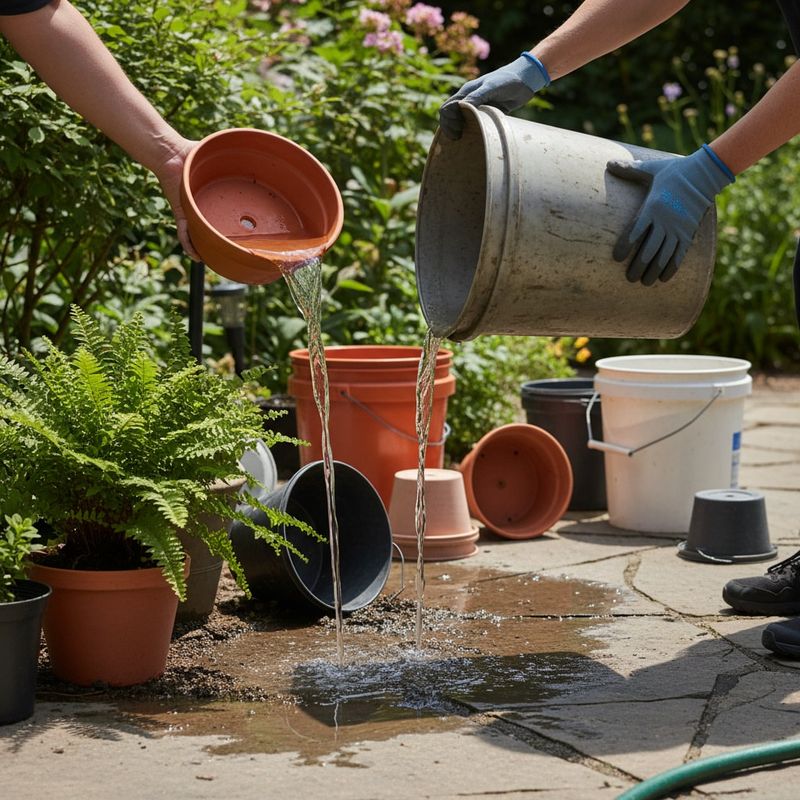
Container gardens are everywhere in Georgia. Herbs on the porch. Annuals by the steps. Tropicals near the patio. A few hanging baskets for good measure. Then come the saucers.
Plant saucers are useful because they protect floors, decks, and furniture. But outdoors, they can collect water after every watering session or rainstorm.
In Georgia humidity, that water may sit longer than expected. That makes saucers one of the sneakiest backyard water spots.
Check under your pots after rain. You may be surprised by how much water collects there. Even a shallow layer can become a problem if it lingers.
The easiest fix is to remove saucers outdoors during mosquito season. Let extra water drain freely onto gravel, soil, or a surface that dries quickly.
If you need saucers to protect a deck or porch, empty them often. Do not let water sit for more than a short stretch.
You can also add pea gravel or coarse sand to the saucer. This helps reduce open standing water while still catching overflow. It is a simple workaround for pots that need protection underneath.
Self-watering containers can be another option. Many keep water inside a covered reservoir rather than leaving it exposed in an open dish.
Grow bags and raised planters deserve a look too. Sometimes trays beneath them hold water after storms. Flat patio surfaces can also create little puddles around containers.
Lift the pot. Check the tray. Dump what is sitting there. This is a five-second habit, and it can make a real difference.
Plant saucers are tiny patio puddle traps. They seem harmless until you start noticing how many you have. Your pots can still look beautiful. They just do not need a hidden water dish underneath all summer.
6. Store Buckets And Toys So Rain Cannot Collect
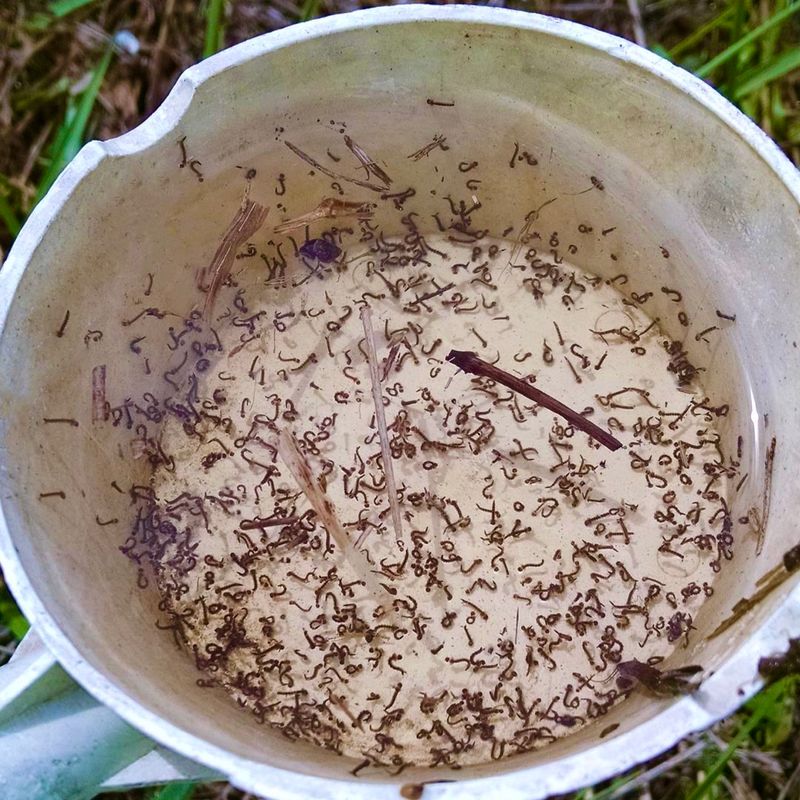
A Georgia backyard can collect small water traps without anyone noticing. A toy truck, sand bucket, and a frisbee flipped the wrong way.
None of these look like a big issue on their own. Together, they can turn a yard into a scavenger hunt for standing water. The fix is not complicated. Store anything that can hold rain upside down or under cover.
Start with buckets. Flip them over or stack them in a shed. The same goes for watering cans, unused pots, and garden trugs.
Wheelbarrows should be tipped forward or stored under a roof. Even a slight dip can collect water after a summer storm.
Kids’ toys need a system too. Use a covered bin, deck box, or garage shelf. Anything cup-shaped should be emptied and put away when playtime is over.
Tarps deserve special attention. A loose tarp can form pockets that hold rainwater for days. Pull it tight, angle it, or store it properly when not in use.
Check outdoor furniture covers as well. If they sag in the middle, they may collect water. A small prop underneath can create a slope so rain runs off.
Before peak mosquito season, do one full yard sweep. Look low. Look behind shrubs. Look near fences. Look under play equipment. You are searching for anything that can become a mini reservoir.
Make it a family habit if kids use the yard. After outdoor play, flip, stack, or store. Think of this as backyard clutter control with a buzz-off bonus.
A neater yard is nice. A yard with fewer hidden water pockets is even better. Small fixes add up quickly when the rain starts coming often.
7. Keep Water Features Moving Through Mosquito Season
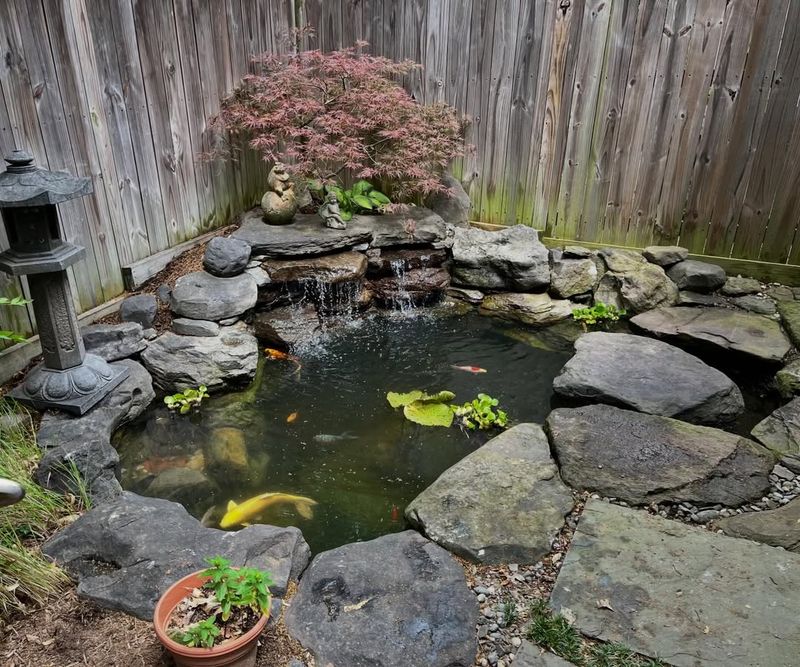
A water feature can make a backyard feel special. The sound is relaxing, and the look can be beautiful. But still water needs attention in Georgia’s warm season. Mosquitoes are drawn to calm water surfaces. Moving water is much less inviting.
That is why pumps, bubblers, and fountains matter. They keep the surface disturbed, which helps make the feature less suitable for mosquito activity.
Before the season gets busy, check your pump. Is the intake clean? Is water moving strongly? Is the surface rippling across the whole feature?
A pump can be running but still moving too little water if debris clogs the filter. Leaves, algae, pine needles, and sediment can reduce flow without making the pump stop entirely.
Clean the filter and intake every few weeks during heavy use. After storms, check again. Georgia weather can drop plenty of debris into a water feature fast.
For small basins where a pump is not practical, mosquito dunks or bits may help. Use products labeled for ornamental water features and follow the directions carefully. If you have fish, frogs, or other wildlife visiting, choose treatments designed for that setting.
Aquatic plants can be beautiful, but do not let them cover the entire surface. Too much still, sheltered water between leaves can reduce movement. Balance plants with open, moving water.
Also look at the edges. Sometimes water splashes out and collects in nearby rocks, saucers, or low soil. Those small side puddles matter too.
8. Use Fans To Make Patio Seating Less Inviting

Here is one of the simplest patio tricks. Turn on a fan. It sounds almost too easy, but airflow can make a seating area much less attractive to mosquitoes.
They are not strong fliers, especially when air is moving across a porch or patio. A fan will not fix the whole yard. But it can make the place where you sit feel much more comfortable.
For covered patios, a ceiling fan can help. Set it high enough to move air steadily through the space. You want a noticeable breeze, not a barely-there spin.
For open patios, use an outdoor-rated floor fan or oscillating fan. Aim it across the seating area rather than directly into someone’s face. That creates a moving air zone where mosquitoes have a harder time hovering.
Fans can also help disrupt the signals mosquitoes use to find people. Air movement spreads out body heat and breath cues, making your seating area less inviting.
Choose outdoor-rated equipment. Georgia humidity, rain splash, and damp evenings are not kind to indoor fans. Look for fans labeled for damp or wet locations, depending on where you plan to use them.
Placement matters. One fan near the table may help. Two smaller fans on opposite sides can work even better for larger seating areas.
Pair fans with the other backyard fixes. Remove standing water. Refresh birdbaths. Cover barrels. Keep ponds moving. That layered approach usually works better than relying on one trick.
Think of fans as your patio’s breeze bodyguard. They do not need chemicals, sprays, or complicated setup. They just move air where you need it most. A little airflow can turn a sticky evening into a porch night worth staying for.