How Row Covers And Low Tunnels Keep North Carolina Fall Greens Thriving
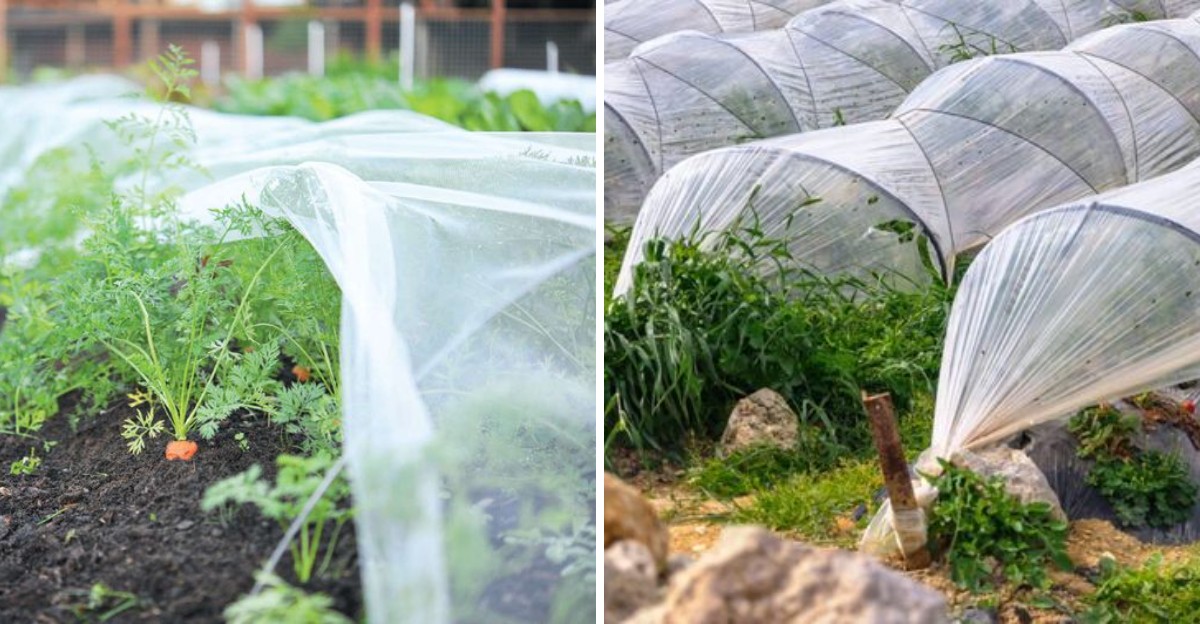
A thin sheet of fabric stretched over hoops might look flimsy, but it can add several critical degrees of warmth around fall greens right when a cold snap threatens to end the season early.
Row covers work by trapping a layer of warmer air close to the plants underneath, buffering against both light frost and the drying effects of cold wind that can stress leafy crops even when temperatures don’t drop low enough to freeze them outright.
Low tunnels take this a step further, creating a small, enclosed microclimate that extends the growing window for lettuce, spinach, and other cool-season greens well past when they’d normally give out.
Because North Carolina’s fall temperatures can swing dramatically within a single week, having this kind of flexible protection on hand makes a real difference in salvaging crops during an unexpected cold stretch.
A little extra warmth at the right moment can mean weeks of additional harvest from plants that would otherwise be finished.
1. Holding In Warmth On Frosty Nights
Frost has a sneaky habit of showing up on the calmest, clearest nights of fall. You go to bed under a sky full of stars, and by sunrise your lettuce looks like it spent the night in the freezer.
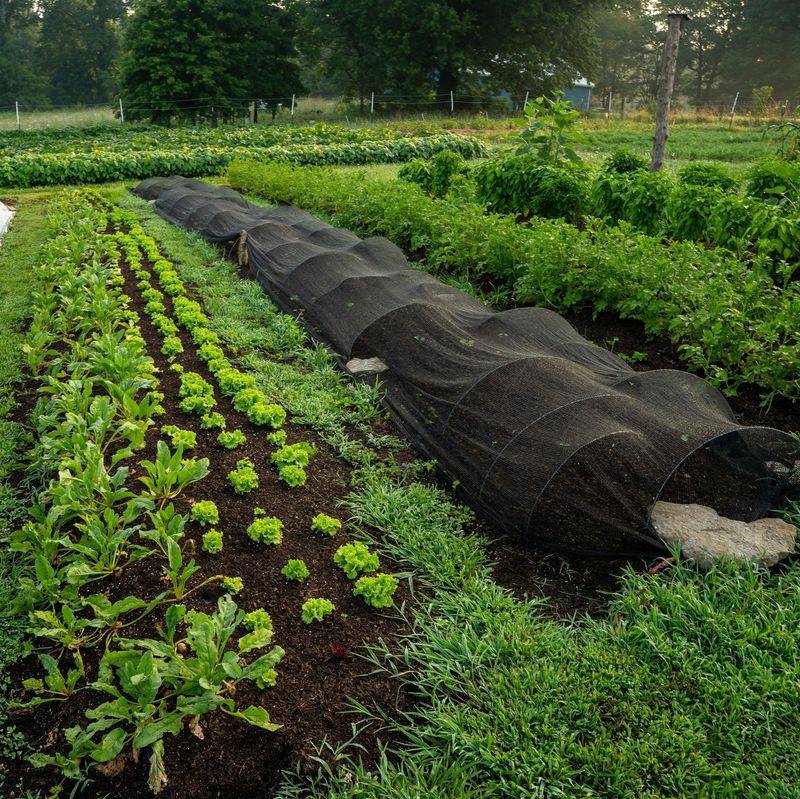
A simple sheet of row cover can change that story for lettuce, spinach, kale, collards, and mustard.
The secret lies in the soil. All day long, the ground soaks up heat from the sun, and after sunset it slowly releases that warmth back into the air.
On a clear, still night, that heat drifts straight up and away, but a cover catches it and holds it close to your plants.
Depending on the fabric, a cover can keep greens several degrees warmer than the open air. That small gap often decides whether leaves stay crisp or turn limp and damaged.
Timing makes a big difference. Put covers in place before the first predicted frost, and make sure the edges reach all the way to the ground. Any gap lets warm air leak out like heat from an open door.
On the coldest nights, add a heavier fabric or lay a second layer on top for extra protection. North Carolina gardeners have a real advantage here.
First frost usually arrives in October in the Mountains, late October to early November in the Piedmont, and later in November in the Coastal Plain.
Better yet, that first chill often gives way to weeks of mild weather. With a cover in place, your greens ride out the frosty night and keep growing through those bonus weeks, filling your salad bowl well past the usual season.
2. Blocking Insects Before They Find Young Greens
Bugs are fast learners, and they know exactly where to find a free meal. The moment you tuck tiny collard or kale seedlings into the ground, flea beetles, cabbage loopers, imported cabbageworms, diamondback moths, harlequin bugs, and aphids start moving in.
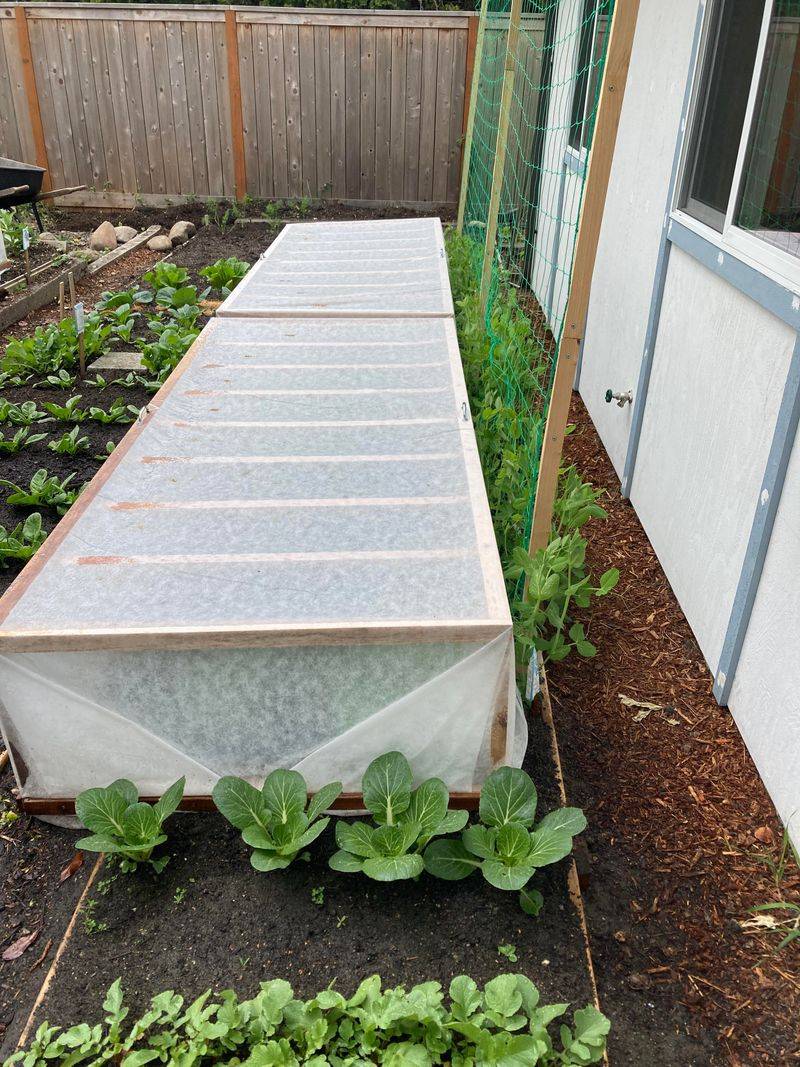
Row covers stop them with a simple trick. A thin layer of fabric creates a wall they cannot chew or crawl through, so young leaves grow in peace.
Your North Carolina Garden Changes Every Week. Your Plan Should Too.
Gardening in North Carolina changes quickly throughout the season. Every Friday you’ll receive a simple weekly plan showing exactly what to plant, prune, fertilize, harvest, and protect so you never miss the right timing.
Timing is everything with this method. Pests locate fall greens almost right after planting, so covers need to go on before the insects show up.
If a few beetles or aphids get sealed inside, they can multiply quickly, since ladybugs and other helpful predators cannot reach them.
The best plan is to install covers the same day you sow seeds or set out transplants. Seal every edge with soil, sandbags, or landscape pins so nothing can sneak under the sides.
Even a small gap works like an open gate for a hungry cabbageworm moth. Once a week, lift one side and take a peek. Check the undersides of leaves for eggs, holes, or clusters of aphids, and remove anything you spot before it spreads.
North Carolina gardeners need this protection more than most. September and early October often stay warm across the state, which keeps insects busy and hungry right when fall greens are small and tender.
A covered bed gives those seedlings a safe head start, and a strong start means bigger harvests later.
3. Choosing The Right Fabric Weight
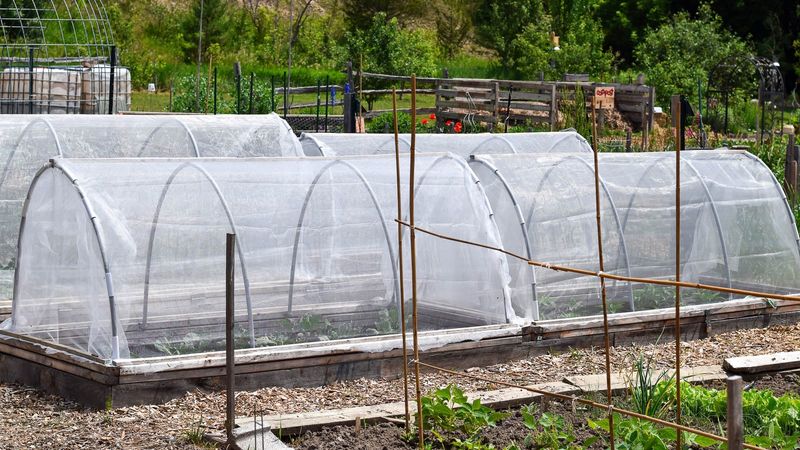
Not all row covers are created equal, and walking into a garden store can feel a bit like shopping for jackets. Some are thin as a T-shirt, while others feel more like a light blanket.
Each weight has its own job, and picking the right one keeps your greens both cozy and well fed with sunlight.
Lightweight fabric lets most sunlight pass through, often around 85 to 90 percent. It works best as an insect barrier and adds only a small amount of frost protection, usually just a couple of degrees.
Medium and heavy fabrics hold much more warmth, sometimes guarding plants several degrees below freezing. The tradeoff is light.
Heavier covers block more sunshine, and greens growing under them for too long can slow down or stretch toward the light.
A smart approach follows the calendar. Start the season with lightweight covers to keep pests off young plants. As nights grow colder, switch to a heavier fabric or simply add one on top of the thin layer.
On mild, sunny days, pull the heavy cover off so your greens can soak up the light they need to grow. Put it back before evening if the forecast calls for a cold night.
North Carolina fall weather keeps gardeners on their toes. A Tuesday afternoon might feel like summer, and by Thursday night you could be scraping frost off the car.
Keeping both a light and a heavy cover on hand lets you match the fabric to the forecast, almost like choosing the right outfit each morning.
4. Building A Low Tunnel With Hoops
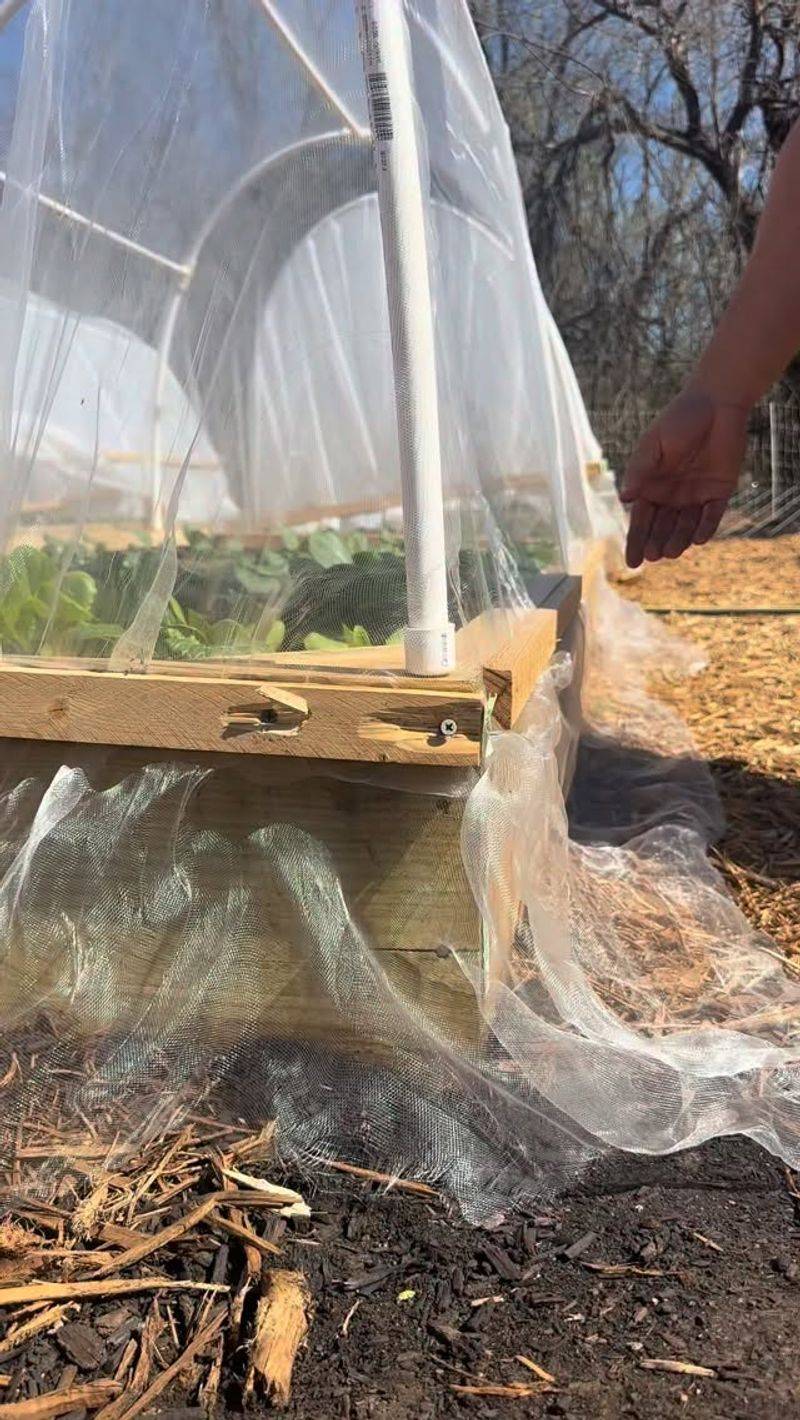
Ever noticed how frost looks heaviest on the tips of leaves that touch a cover? Fabric resting directly on plants passes the cold right through to the leaves, leaving those spots damaged.
Hoops fix that problem by lifting the cover up and creating a little tent of protected air.
That space helps in another way too. Tender greens like lettuce and spinach bruise easily when fabric rubs against them in the wind, and hoops keep the cover from scraping across the leaves.
Building a low tunnel is easier than it sounds. Bend 9-gauge wire, PVC pipe, or electrical conduit into arches wide enough to span your bed.
Space the hoops about 3 to 4 feet apart and push each end several inches into the soil so they stand firm.
Next, drape your row cover or plastic over the top. Leave a few extra feet of material at each end, then gather it together like the end of a candy wrapper and hold it down with a stake, rock, or sandbag.
Conduit costs a little more than PVC but holds up well to snow and wind, while 9-gauge wire is cheap and easy to store. Many gardeners find a simple hoop bender makes shaping conduit a breeze.
For North Carolina home gardeners, low tunnels offer one of the most affordable ways to keep fresh greens coming through much of the winter. You can cover a single 20-foot bed for a small cost, and the hoops last for years.
That means homegrown kale and spinach in January without building a greenhouse.
5. Using Clear Plastic For Colder Weather
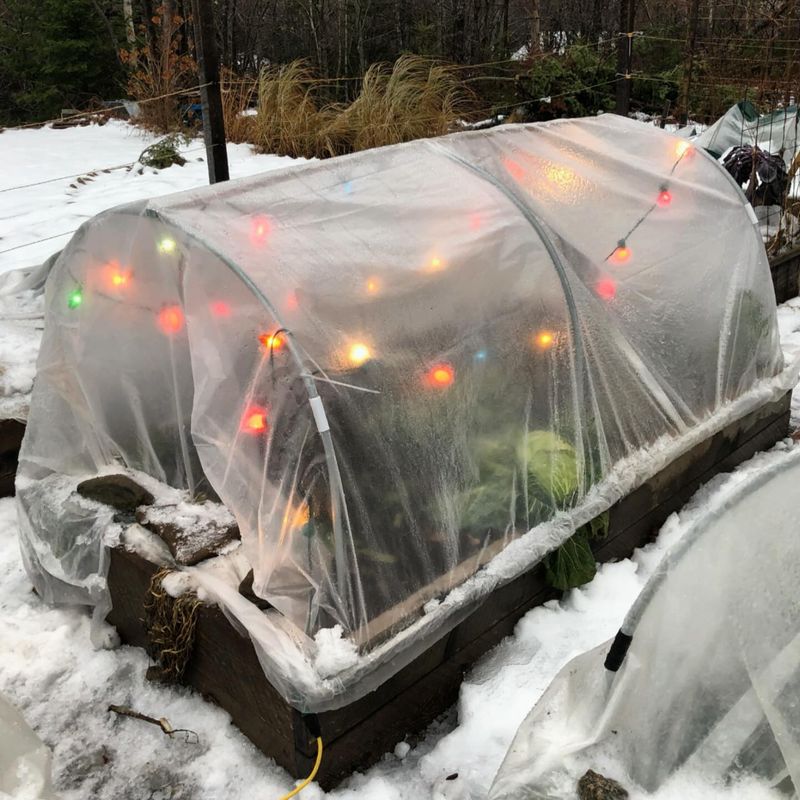
When December arrives and the nights turn truly cold, fabric sometimes needs backup. Clear greenhouse plastic stretched over your hoops acts like a mini greenhouse, trapping more heat than row cover fabric can.
Your spinach and kale will thank you on those bitter mornings. There is a catch, though, and it matters a lot. Plastic heats up fast when the sun comes out, even in winter.
On a bright afternoon, the air inside a closed tunnel can climb well above 80°F, which can scorch leaves and stress cool season greens that prefer mild temperatures.
Venting solves the problem. On sunny days above about 50°F, open the ends of the tunnel or roll up the sides to let hot air escape.
Close everything again in late afternoon so the plastic can trap warmth before the evening chill sets in.
Save plastic for the coldest weeks of late fall and winter, and switch back to fabric as spring approaches. A tunnel covered in plastic all season can easily overheat on warm days in October or March.
Watering needs extra attention too. Rain cannot pass through plastic, so the soil underneath can dry out even during a wet week.
Check moisture with your finger every few days and water gently at the base of the plants. North Carolina winters love to surprise people. Even in January, a day in the Piedmont or Coastal Plain can turn sunny and reach the 60s.
A quick morning check of the forecast tells you whether to open the tunnel before heading out the door.
6. Securing Covers Against Wind And Storms
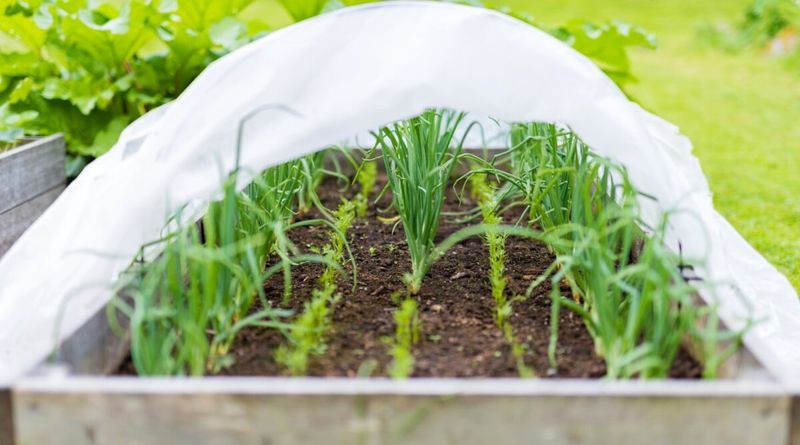
Wind causes more row cover trouble than almost anything else. A cover that looked perfect at bedtime can end up tangled in a neighbor’s fence by morning, leaving your greens exposed to cold air and hungry insects.
Loose fabric flaps, tears, and slowly pulls away from the bed until it offers no protection at all.
Strong edges are your best defense. Sandbags work wonderfully because they are heavy, easy to move, and won’t rip the fabric. Landscape pins, long boards, or a line of soil piled along the sides also do a solid job.
Many experienced gardeners mix methods, using soil on the long sides and sandbags at the ends where they open the tunnel most often. Snap clamps or simple clips fasten the fabric to each hoop, so gusts cannot lift it off in one big sheet.
Pins alone sometimes tear through lightweight fabric in high wind, so pairing them with a board or sandbag spreads out the pull. After every storm, walk your beds and look for loose corners, torn spots, or hoops that shifted.
North Carolina fall weather gives covers a real workout. The Coastal Plain often catches the leftovers of tropical storms and blustery nor’easters, while Mountain gardens on open slopes face strong gusts that roll over the ridges.
Even Piedmont yards see sudden windy cold fronts sweep through.
A few extra minutes spent anchoring your covers pays off in a big way. Tight, secure fabric keeps plants warm, pests out, and your weekend free from chasing runaway row cover across the yard.
7. Checking Water And Pests Under The Cover
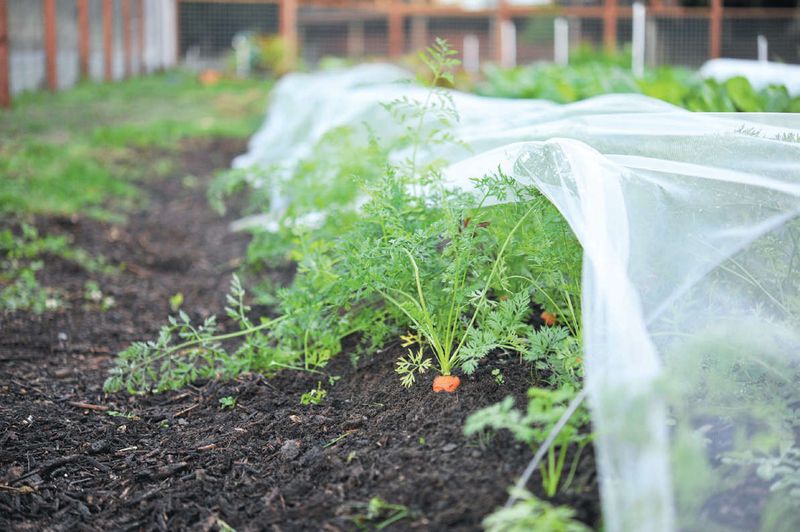
Out of sight should never mean out of mind. Row covers do a fantastic job of shielding greens, but they also hide trouble that can sneak up on you.
Dry soil, hungry slugs, and aphid colonies that got trapped inside can all grow quietly under that white fabric.
Make a habit of lifting your covers once a week. Turn over a few leaves and look at the undersides, where aphids love to cluster in tight little groups. Scan the soil surface too, since slugs and their shiny trails often show up there first.
Slugs adore the cool, moist space under a cover because it feels like a cozy hideout. Pick them off by hand in the evening, or set a board on the soil overnight and scrape off the slugs that gather underneath by morning.
Water is the other big thing to watch. Fabric covers let rain soak through, but plastic tunnels block it completely.
Push a finger into the soil, and when the top inch feels dry, water deeply at the base of the plants rather than over the leaves.
A strong spray of water or insecticidal soap usually knocks aphids back. Catching them early keeps a small group from turning into a big problem.
North Carolina falls tend to bring mild temperatures and plenty of damp, cloudy days. Those conditions feel perfect to slugs and aphids, especially in the snug shelter of a covered bed.
A quick weekly peek takes only a few minutes and keeps your harvest clean, healthy, and ready for the kitchen.
8. Keeping Deer And Rabbits Away From Greens

Deer seem to have a calendar marked for the exact day your lettuce reaches perfect salad size. By fall, many summer plants have faded, and a bed of tender kale and lettuce looks like an all-you-can-eat buffet to hungry deer and rabbits.
Row covers and low tunnels offer a surprisingly helpful line of defense. Covers work in two ways. First, they hide the greens, so animals passing by are less likely to spot an easy snack.
Second, the fabric forms a physical barrier that discourages casual nibbling, since most browsers prefer food they can grab without effort.
Rabbits are clever diggers and squeezers, so secure every edge tightly. A gap of just a few inches is all a rabbit needs to slip underneath and feast in private.
Sturdy hoops matter too. Thin wire can bend or collapse if a deer brushes against it, so conduit or thick PVC holds up better in busy yards.
In neighborhoods where deer visit every night, pair your tunnels with fencing for the strongest protection.
White-tailed deer live in all 100 counties across North Carolina, from quiet farm towns to busy suburbs. Wildlife experts estimate the state is home to roughly a million of them.
In late fall, when gardens have little else to offer, your greens may be one of the few fresh foods left in the yard.
A well-built tunnel keeps those crisp leaves for your dinner plate instead of theirs. With a little planning, you can enjoy homegrown salads and hearty collards all season long.