Stop Fertilizing North Carolina Lawns This Way Before The First Frost
It is early October outside Charlotte, and a homeowner is filling the spreader with the same high-nitrogen fertilizer that worked all summer, mostly out of habit built up over years of doing exactly this same routine.
On a Bermuda or zoysia lawn, that one extra feeding can cause real damage the moment frost finally settles in overnight.
North Carolina makes this whole picture confusing too, since the state grows both warm-season and cool-season grasses side by side, and the two need completely opposite treatment once autumn arrives.
Most homeowners never stop to check which grass is actually under their feet before reaching for the spreader again.
That single detail decides how the whole yard looks come next spring, more than almost anything else you could do in October.
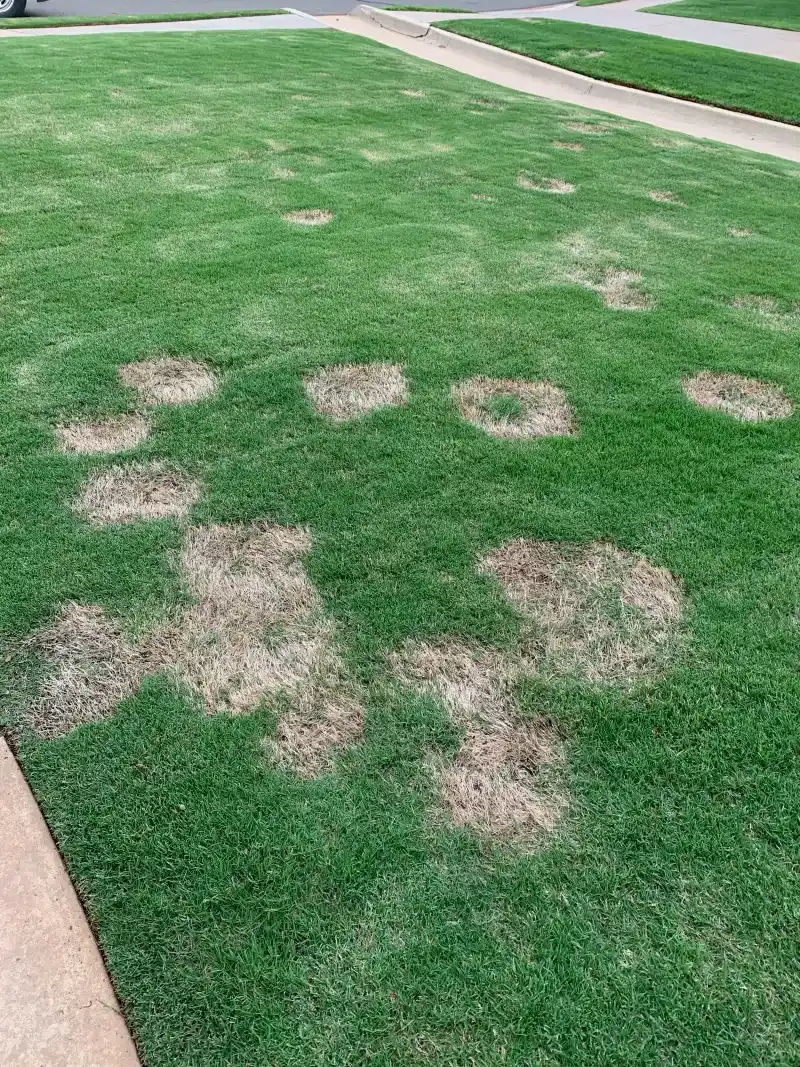
Get the timing wrong, and one routine October feeding turns into a lawn full of brown, bare patches nobody can explain by May.
Late Nitrogen Pushes Risky New Growth
Picture a spreader loaded with high-nitrogen fertilizer sitting in the garage in early October, ready for one last pass across the yard before winter sets in.
That habit feels productive, but for Bermuda or zoysia it works like an alarm clock ringing at exactly the wrong hour.
Nitrogen is the nutrient that tells grass to grow leaves. When you feed it late in the season, the plant answers by pushing soft, thin, water-filled blades instead of storing energy in its roots and stems.
NC State Extension advises stopping nitrogen on warm-season lawns roughly six to eight weeks before the average first frost, which lands in late August for much of the state.
In the mountains that cutoff comes earlier, and along the coast it can stretch slightly later into the season.
The problem is not that the grass suffers right away. The trouble is timing, because tender tissue takes weeks to harden off, and fall simply does not hand over those weeks once it gets started.
Extra leaf growth also pulls carbohydrates away from the underground parts that carry the lawn through winter months ahead.
A lawn that spends its savings in October has far less to draw from once March finally arrives.
There is a disease angle too worth mentioning here. Lush, juicy growth sitting in cool, damp weather is basically an open invitation to large patch and other fall fungal troubles waiting nearby.
If you already fertilized late, skip any additional applications, mow at the recommended height, and let the lawn settle into dormancy on its own natural schedule.
Warm Season Grasses Need To Slow Down
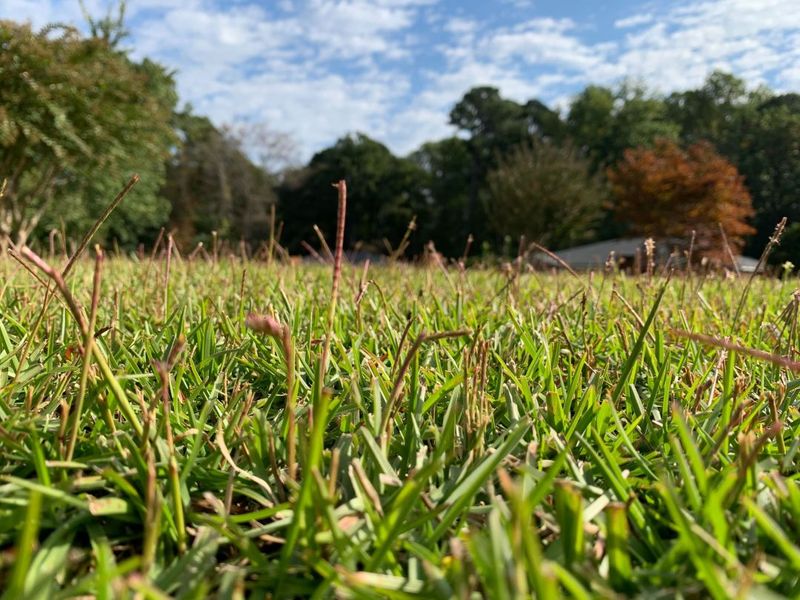
Bermuda, zoysia, centipede, and St. Augustine all share one rhythm running underneath the surface. They wake up when the soil warms, sprint through July heat, then quietly power down as the days shorten again.
Shorter daylight and cooler nights act as clear signals here. The plants stop stretching upward and start moving sugars and starches into rhizomes, stolons, and crowns, the parts that actually survive winter.
That storage process is really the entire point of fall for a warm-season lawn. Interrupting it with a nitrogen feeding is a bit like shaking someone awake right as they finally drift off to sleep.
Your North Carolina Garden Changes Every Week. Your Plan Should Too.
Gardening in North Carolina changes quickly throughout the season. Every Friday you’ll receive a simple weekly plan showing exactly what to plant, prune, fertilize, harvest, and protect so you never miss the right timing.
Centipedegrass deserves an extra warning here specifically. NC State Extension has long described it as a low-maintenance grass that suffers from overfeeding, and heavy or late nitrogen is a well-known cause of centipede decline over time.
St. Augustine and zoysia recover from stress more slowly than Bermuda does, so a late push of growth leaves them noticeably thin heading into spring.
Most warm-season lawns in North Carolina should receive their final nitrogen application in mid to late summer, with the exact date shifting somewhat by region and grass type involved.
Better fall tasks include mowing until growth truly stops, raking or mulching leaves so the turf can breathe properly, and fixing low spots that stay soggy after rain events.
Dormant brown turf in December is completely normal and healthy for these grasses. Bright green in December usually means something pushed the plant out of its natural rhythm instead.
Frost Can Damage Tender New Blades
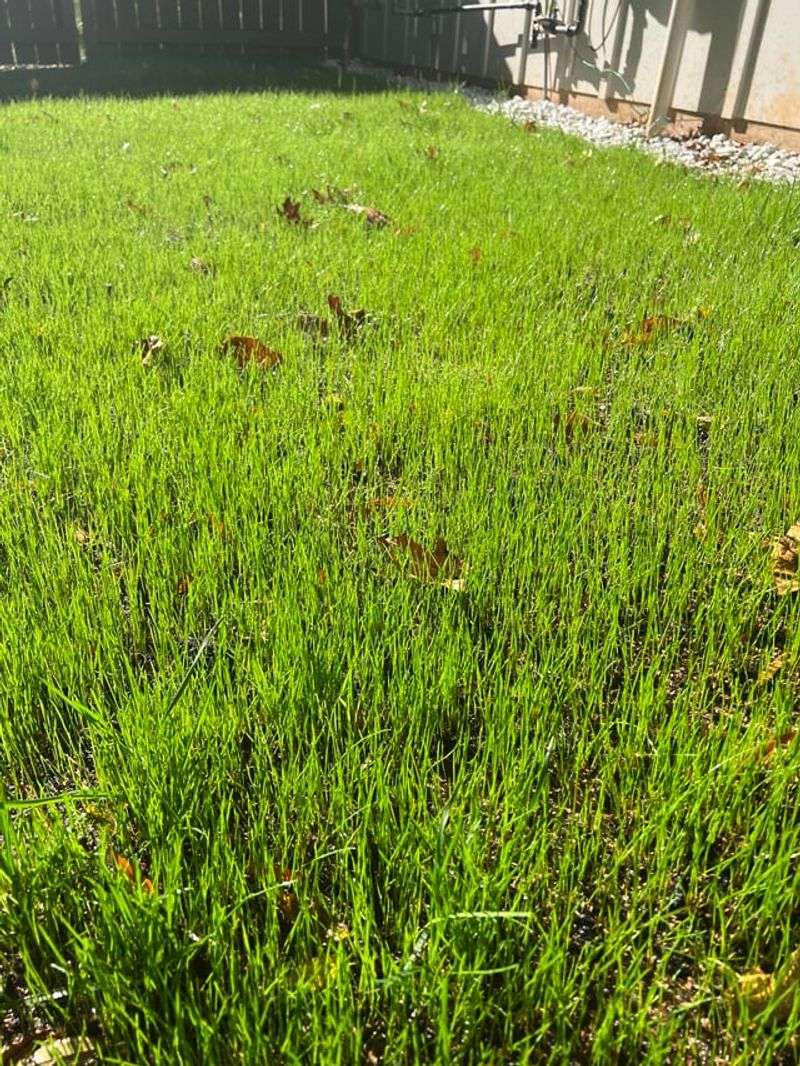
A light frost looks harmless enough sitting on a driveway. Inside a grass blade, it is a completely different story, because ice crystals form in and around the plant cells themselves.
New growth carries more water and thinner cell walls than mature tissue does. When that water freezes, cells rupture, and the blade turns water-soaked before fading to tan or gray within a day or two afterward.
Hardened tissue handles the same cold far better by comparison. Grass that spent September building reserves and thickening cell walls simply goes dormant instead of getting injured in the process.
Across North Carolina, first frost dates vary widely by region. Mountain counties can see frost in early October, the Piedmont usually mid to late October, and coastal areas sometimes wait until November before it arrives.
Frost damage on warm-season turf is rarely dramatic in the moment it happens. It shows up instead as patchy, slow-greening areas the following May, right when a neighbor’s lawn has already filled in nicely.
Foot traffic makes everything worse during this window. Walking across frost-covered blades crushes the frozen cells, which is why crews often leave footprint-shaped tracks on frosty sports fields.
Stay off the lawn on frosty mornings until sunlight melts it away naturally. Wait for that melt before mowing, and put the spreader away entirely once nighttime temperatures start dipping into the thirties consistently.
Irrigation adds risk as well here, since soggy soil and cold nights together stress roots considerably. Cutting back on water as growth slows helps the grass harden off the way it needs to.
Potassium Matters More Than Nitrogen Now
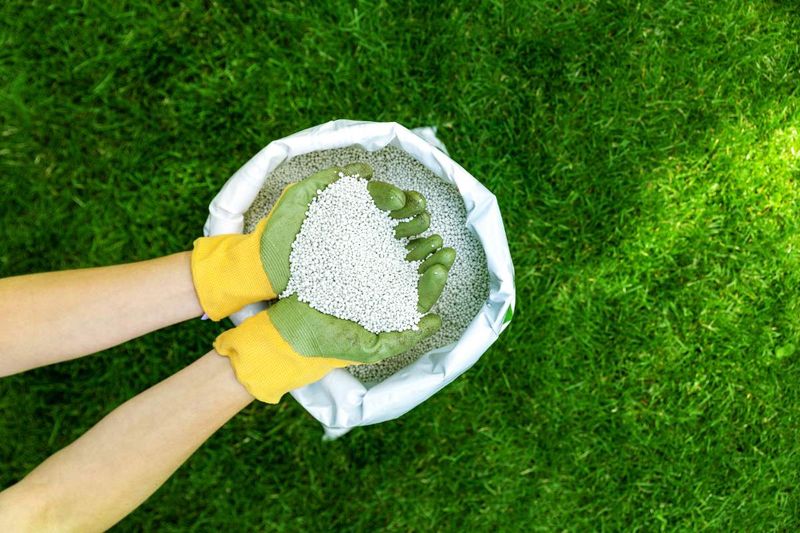
Fertilizer bags list three numbers, and the last one, potassium, rarely gets any real attention from homeowners filling the spreader. Late in the season on warm-season lawns, it is the number actually worth thinking about.
Potassium does not make grass grow taller at all. It helps regulate water movement inside the plant, supports cell wall strength, and is widely linked to better cold and stress tolerance overall.
Some turf specialists recommend a fall potassium application on warm-season lawns, though research results stay somewhat mixed and the benefit appears clearest where soil potassium is genuinely low to begin with.
That last part matters quite a bit. Sandy coastal soils leach potassium easily, while many Piedmont clay soils already hold plenty, so blanket applications can waste money without adding value.
A soil report tells you which situation you are actually dealing with. If potassium tests medium or high, adding more will not buy any extra winter protection.
When potassium truly is low, a product such as muriate of potash or a low-nitrogen blend can be applied in early fall at the rate listed on your report.
Avoid grabbing a winterizer product off the shelf without reading the label carefully first. Many so-called winterizers are heavy in nitrogen, which is exactly what warm-season grass does not need in October.
Think of potassium as insulation and nitrogen as the gas pedal here. Heading into winter, insulation is clearly the smarter purchase to make.
Cool Season Lawns Follow Different Rules
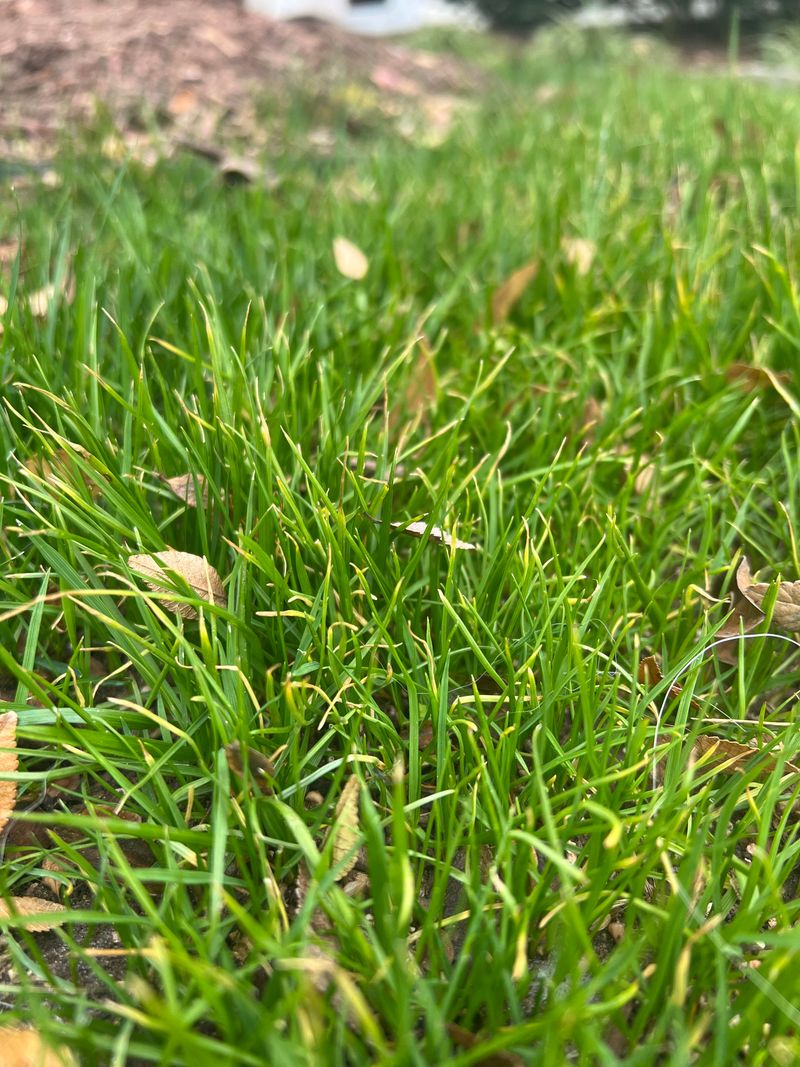
Here is where a single statewide rule falls apart completely. Tall fescue, the dominant cool-season grass in the Piedmont and mountains, treats fall as its main growing season instead of a wind-down period.
While Bermuda is shutting down for winter, fescue is actually doing its best work of the entire year. Cool air, still-warm soil, and autumn rain create ideal conditions for root growth and tillering.
NC State Extension guidance for tall fescue calls for fall nitrogen applications, generally beginning in September, with additional applications later in fall depending on the maintenance level you choose to pursue.
Skipping those feedings is a genuine mistake for fescue owners. A fescue lawn left unfed in autumn enters summer thin and shallow-rooted, and July in North Carolina punishes thin fescue badly.
Fall is also the correct window for seeding fescue, usually running from September into early October. New seedlings need nutrients to establish before cold weather slows everything down.
Spring is the season fescue owners should treat carefully instead. Heavy spring nitrogen produces lush top growth right before summer heat and brown patch disease arrive together.
So the two grass families follow mirror-image calendars entirely. Warm-season lawns get fed in late spring and summer, then left alone; fescue gets fed in fall and left alone heading into summer instead.
Identify your grass before buying anything at the store. Fescue grows in clumps with wide, coarse blades, while Bermuda and zoysia spread sideways by runners and turn tan after frost hits.
Soil Tests Beat Guessing Every Time
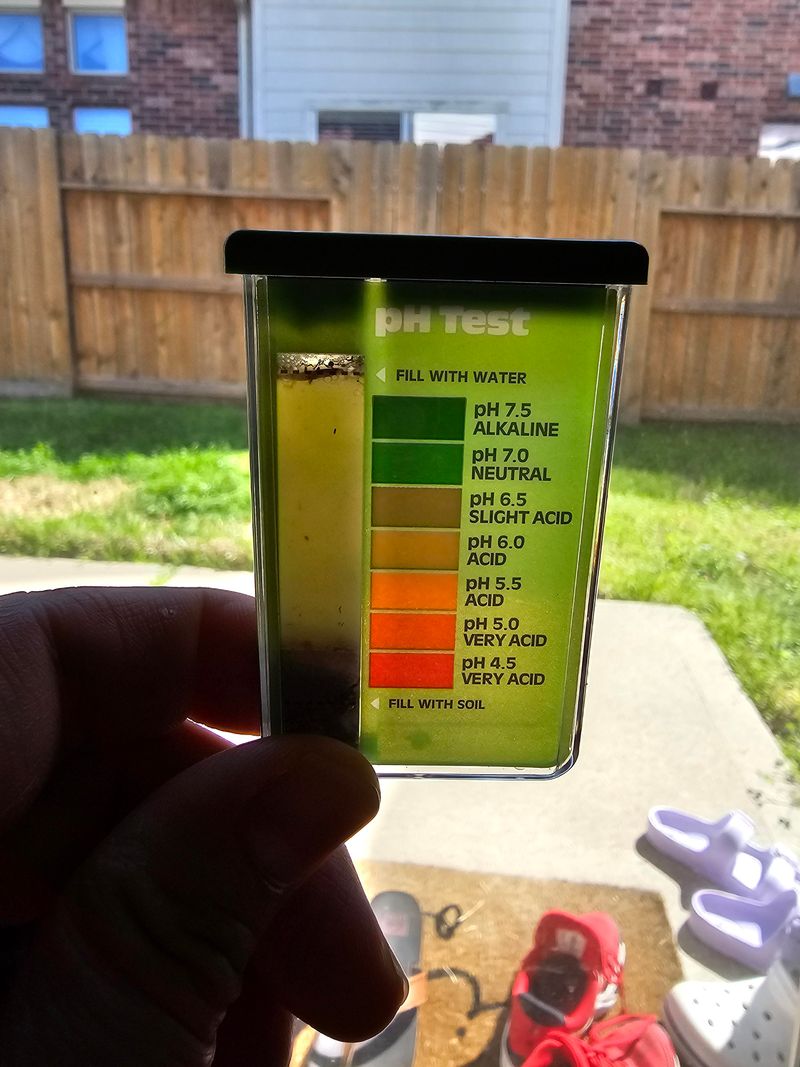
The North Carolina Department of Agriculture Agronomic Services lab in Raleigh tests soil samples for state residents, and the service stays free for most of the year without any charge.
A small per-sample fee applies during the peak season, roughly late November through the end of March, so sampling in late summer or early fall saves both money and waiting time overall.
Reports come back with pH, phosphorus, potassium, and other nutrient levels, plus lime and fertilizer recommendations matched to the crop you list, including home lawns specifically.
Guessing costs more than testing does in the long run. Plenty of lawns already hold abundant phosphorus and potassium, so a standard complete fertilizer adds nutrients the grass simply cannot use anyway.
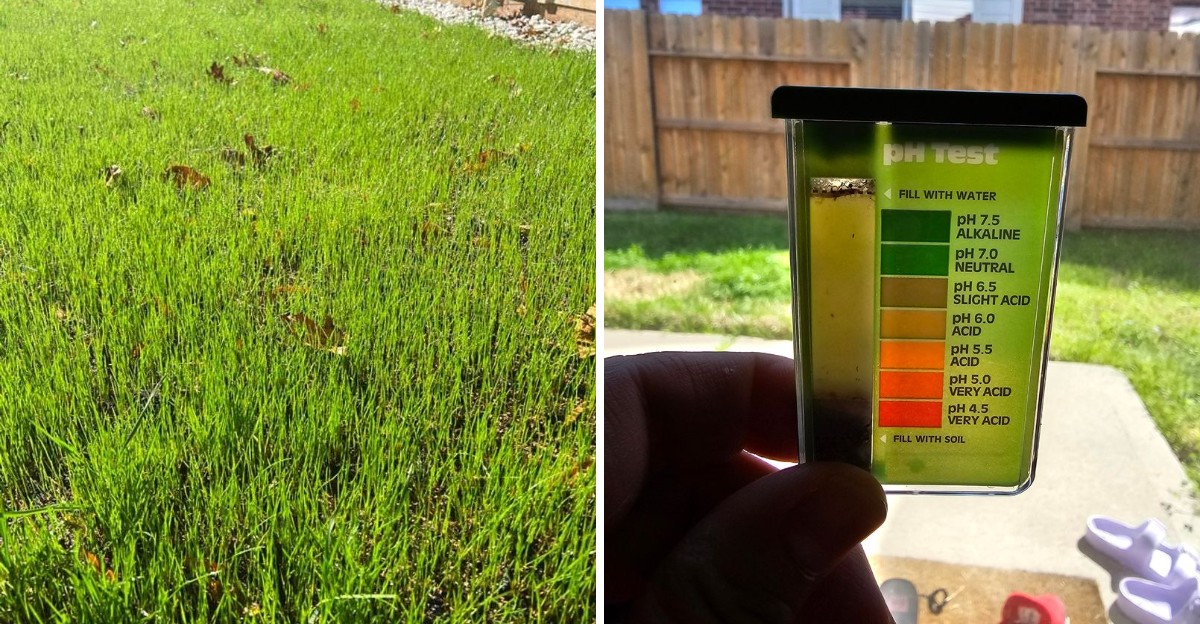
pH is often the hidden culprit behind lawn struggles. Centipedegrass prefers acidic soil near 5.0 to 5.5, while fescue performs better closer to 6.0 to 6.5, and the wrong pH locks up nutrients no matter how much you apply.
Collecting a sample is easy enough to do yourself. Use a clean plastic bucket, pull ten to fifteen small cores from around the yard, mix them together thoroughly, and fill the sample box provided.
Your county Cooperative Extension office supplies boxes and forms and will help you read the results afterward. That conversation is often worth more than the test itself in the end.