4 Perennials That Struggle In Georgia Clay Soil And What To Plant Instead
Georgia clay soil can look fine at first, then quietly cause problems that show up weeks later. Plants stall out, roots sit in heavy ground, and what should be steady growth turns into a cycle of slow decline.
It is one of those issues that does not always get noticed right away, but once it does, it explains a lot.
Some perennials simply do not handle dense, compacted soil the way people expect. Even with regular care, they can struggle to settle in, push new growth, or stay consistent through the season.
That frustration builds fast when nothing seems to respond the way it should.
There are better choices that match these conditions and handle clay without constant effort. Once the right plants go in, the difference shows in stronger growth, fewer setbacks, and a yard that starts to feel far more reliable.
1. Russian Sage Fails In Wet Dense Soil Conditions
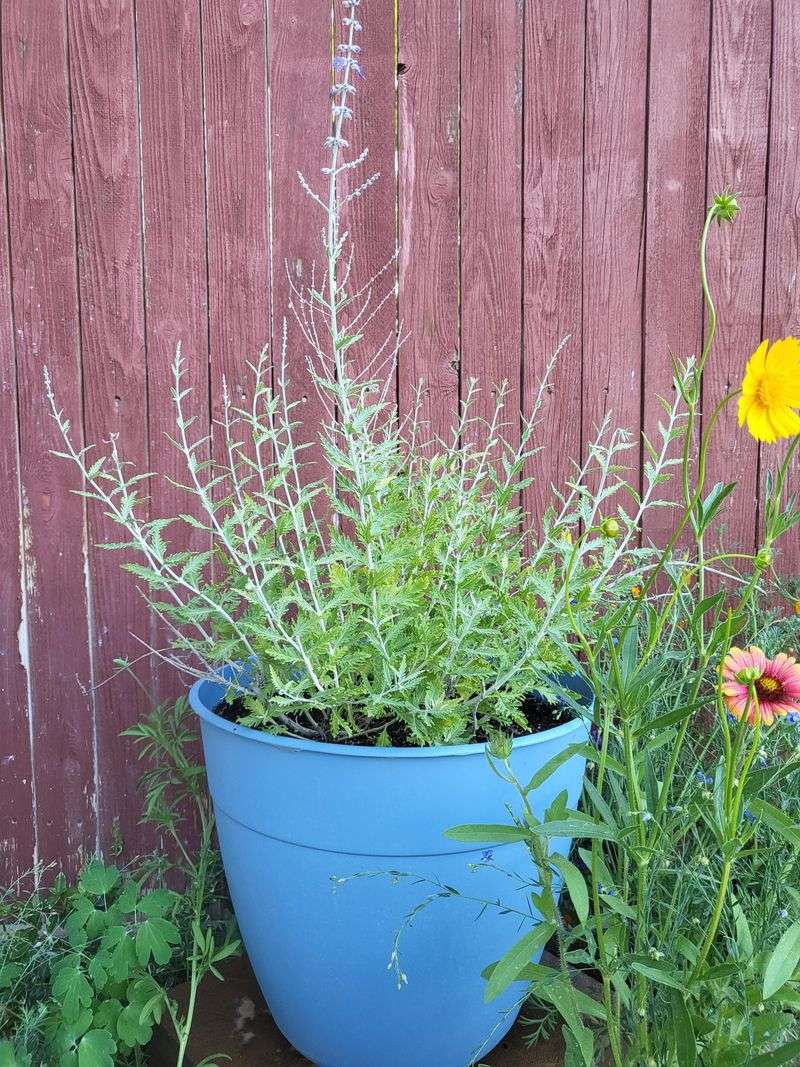
Russian sage has a reputation as a tough, drought-tolerant perennial, and in the right conditions, that reputation holds up. But plant it in heavy, wet Georgia clay and you’ll see a different story pretty fast.
Dense soil cuts off the oxygen that roots need, and Russian sage responds badly to that kind of stress.
Standing water after rain is the main problem. Georgia gets significant rainfall, especially from late spring through early fall, and clay soil drains slowly enough that roots stay saturated for days at a time.
Russian sage roots essentially suffocate in those conditions, and the plant weakens from the bottom up before you even notice something is wrong.
The stems may look fine for a while, but if you pull a struggling plant and check the roots, you’ll often find brown, mushy tissue instead of firm, healthy growth. Recovery from that kind of damage is unlikely without major intervention.
Some gardeners across Georgia have tried planting Russian sage on slopes or mounded beds to encourage drainage, and that approach can improve survival rates. Still, it remains a finicky choice compared to plants that are naturally suited to the region.
If you’re working with flat ground and average Georgia clay, Russian sage is going to frustrate you more seasons than not. Spending your energy on a plant that fits the soil just makes more sense.
2. Gaura Suffers From Root Rot In Slow Draining Soil
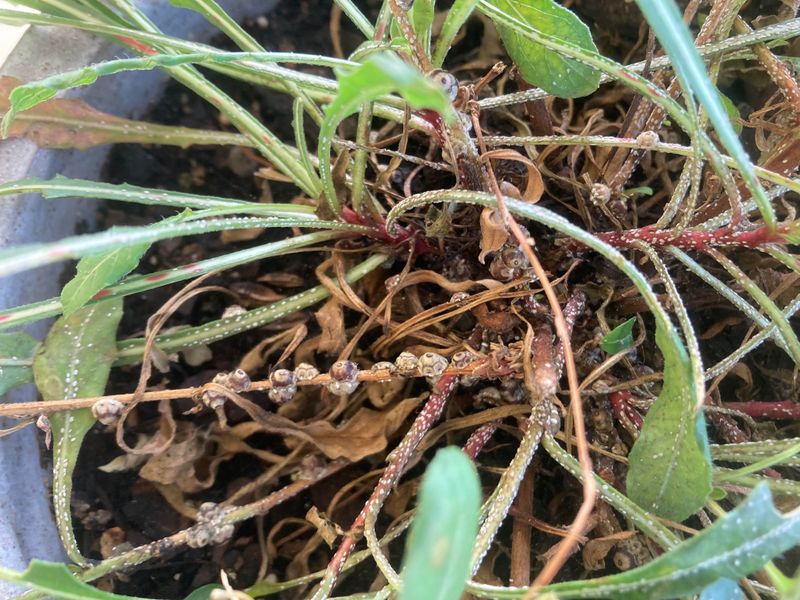
Gaura has a delicate, airy look that a lot of gardeners fall for at the nursery. Those thin stems and butterfly-like flowers are genuinely pretty.
But underneath that graceful appearance is a plant with very specific soil needs, and Georgia clay does not meet them.
Root rot is the main threat. Gaura needs soil that dries out between waterings, and clay just doesn’t cooperate with that.
After a few days of rain, the soil around gaura roots stays wet long enough to cause fungal infection at the crown. Once crown rot sets in, there’s not much you can do to bring the plant back.
What makes this especially frustrating is that gaura can look completely healthy right up until it collapses. The foliage stays green, flowers keep appearing, and then one morning the whole plant is flat on the ground with a rotted base.
Your Georgia Garden Changes Every Week. Your Plan Should Too.
Gardening in Georgia changes quickly throughout the season. Every Friday you’ll receive a simple weekly plan showing exactly what to plant, prune, fertilize, harvest, and protect so you never miss the right timing.
Georgia gardeners in the Atlanta metro area and throughout the Piedmont have reported this exact pattern repeatedly.
Sandy or loamy soil is where gaura actually performs well. If your garden sits on heavy clay, you’re essentially working against the plant’s natural preferences from the start.
Amending a small planting hole doesn’t fully solve the problem because surrounding clay still slows drainage across the root zone. Choosing plants that are genuinely comfortable in your soil will save you the disappointment of losing gaura year after year.
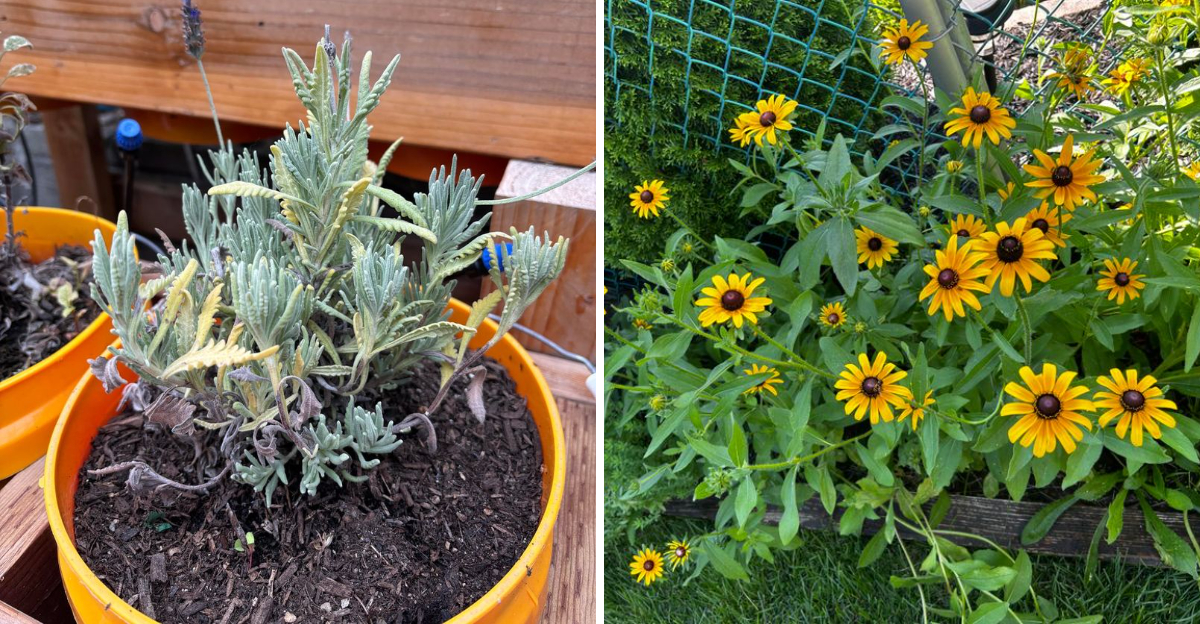
3. Lavender Struggles In Heavy Clay And Poor Drainage
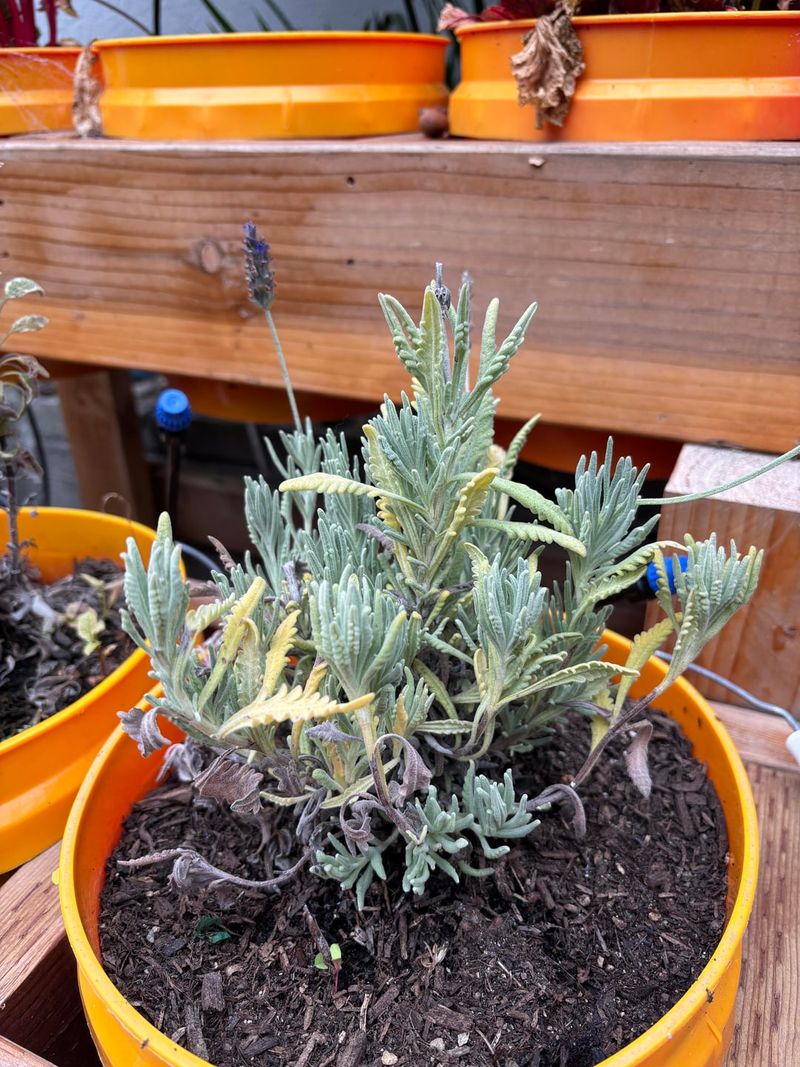
Lavender looks stunning in photos, but growing it in Georgia clay is a constant uphill battle. It comes from the dry, rocky hillsides of the Mediterranean, where water drains fast and roots never sit in soggy ground.
Georgia clay is almost the exact opposite of that environment.
When lavender roots stay wet for extended periods, the plant develops root rot fairly quickly. You might see yellowing leaves, mushy stems near the base, or the whole plant collapsing after a heavy rain.
Summer thunderstorms hit Georgia hard, and clay holds every drop of that water right around the root zone.
Humidity makes things worse. Lavender needs good air circulation to stay healthy, and Georgia’s muggy summers create the kind of conditions that lead to fungal problems.
Even if you amend the soil at planting time, the surrounding clay still slows drainage and keeps moisture levels too high for lavender to tolerate long-term.
Raised beds with added grit or coarse sand can help, but that adds cost and work. Gardeners in the Georgia Piedmont region report that lavender rarely survives more than a season or two without significant soil modification.
If you want fragrant, silvery foliage without the constant worry, there are far better options for your Georgia garden that won’t require as much intervention to stay alive.
4. Salvia Struggles When Roots Stay Too Wet In Clay
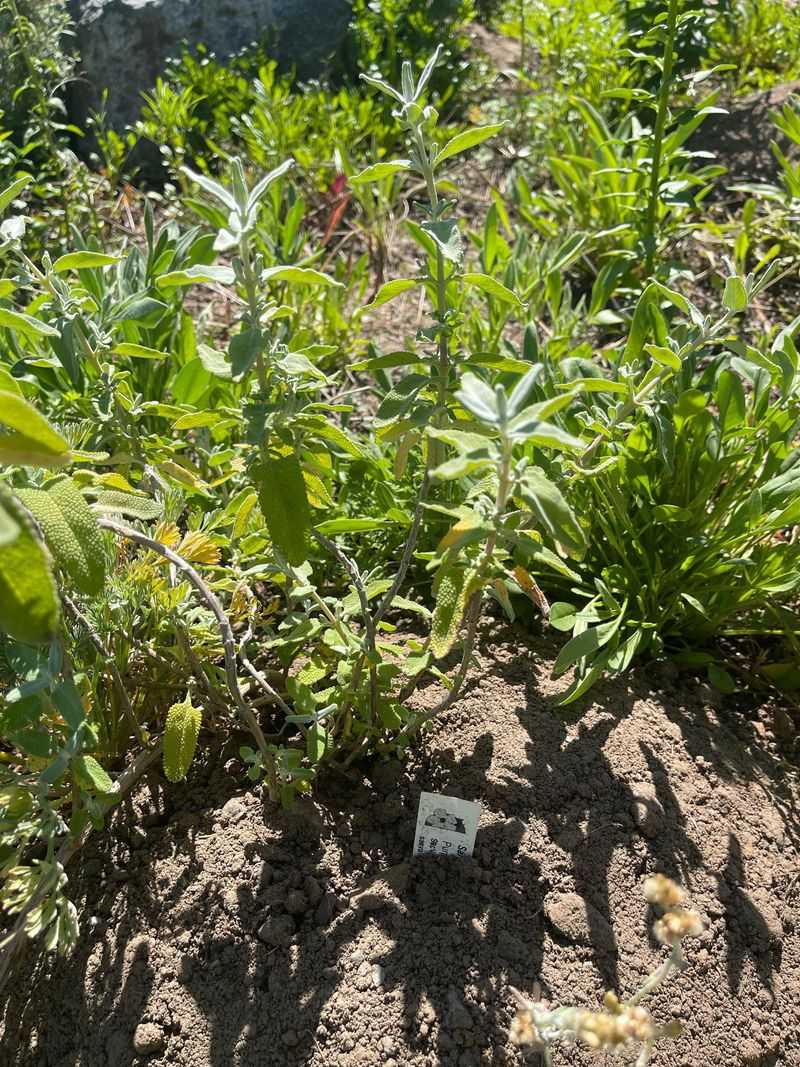
Salvia is sold everywhere in Georgia, and plenty of varieties do fine in the state’s heat. The problem comes down to soil type.
Ornamental salvias bred for Mediterranean climates need fast-draining ground, and Georgia clay simply doesn’t offer that. Wet roots during Georgia’s rainy stretches put these plants under real stress.
Root oxygen deprivation is a serious issue in dense clay. When water sits around salvia roots for too long, the plant can’t absorb nutrients properly and starts showing signs of decline.
Yellowing leaves, stunted new growth, and wilting even when the soil is wet are all signals that the roots are struggling.
Not every salvia behaves this way. Some native and adapted varieties handle heavier soils better than others.
But the popular ornamental types commonly sold at garden centers across Georgia tend to be the ones that suffer most in clay-heavy beds. Checking the specific variety before purchasing makes a difference.
Improving drainage with raised planting mounds or mixing in coarse compost can help, but results vary depending on how heavy the clay is in your specific yard. Georgia’s summer rain patterns make it hard to keep ornamental salvia consistently dry enough between storms.
If you’ve already lost salvia plants in clay beds more than once, that’s a reliable sign your soil is better suited to something else. Matching plants to your actual ground conditions leads to far better results over time.
5. Black Eyed Susan Handles Clay And Summer Heat Well
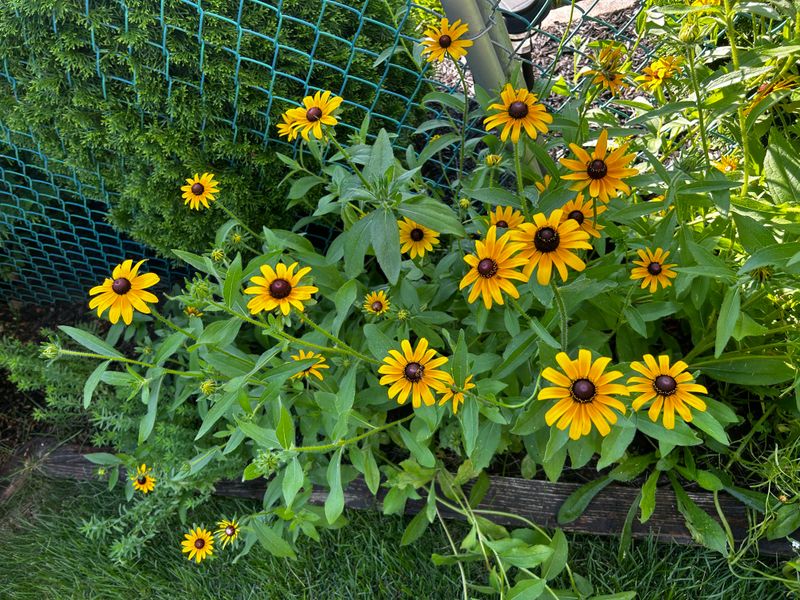
Black-eyed Susan is one of those plants that seems to understand Georgia. It blooms hard through the hottest part of summer, handles both dry spells and wet stretches without much complaint, and doesn’t need you to constantly fuss over it.
Clay soil doesn’t bother black-eyed Susan the way it does more finicky perennials. The roots are tough enough to push through dense ground, and the plant can handle short periods of standing water without collapsing.
That resilience matters a lot in Georgia where summer storms can dump inches of rain in a single afternoon.
Bright golden-yellow flowers attract bees, butterflies, and other pollinators throughout the season. Leaving the seed heads standing in fall also brings in birds, which is a bonus if you enjoy wildlife in your yard.
Black-eyed Susan spreads gradually over time, filling in garden beds without becoming invasive in most situations.
Across Georgia, this plant shows up reliably in roadside plantings, naturalized areas, and home gardens alike, which tells you something about how well it fits the region’s conditions.
You don’t need perfect soil or a special watering routine to get consistent results.
Plant it in a sunny spot, give it a little room to spread, and it will reward you with reliable color from midsummer into early fall. For clay-heavy Georgia gardens, it’s one of the most practical choices available.
6. Purple Coneflower Adapts To Dense Soil And Drought
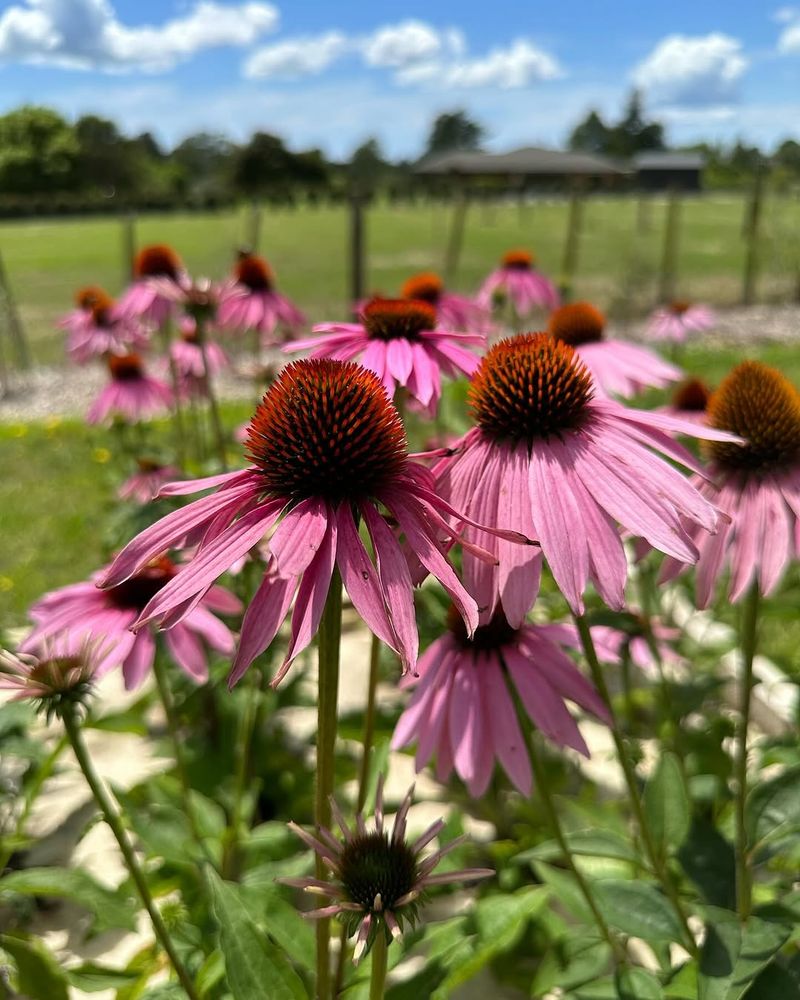
Purple coneflower has a stubbornness that Georgia gardeners genuinely appreciate. Plant it in clay, forget to water it during a dry week, and it still comes back swinging.
Few perennials offer that kind of reliability in the Southeast.
Echinacea purpurea develops a deep, strong root system over time that can work its way into compacted clay without giving up. Once those roots are established, the plant becomes noticeably more drought-tolerant and weather-resistant.
Getting through the first season is the hardest part, and even then, it usually pulls through with minimal support.
Summer heat doesn’t knock it back the way it affects more delicate perennials. Purple coneflower blooms from early summer well into fall across most of Georgia, providing consistent color when many other plants are struggling with heat stress.
Pollinators love the flowers, and the spiky seed heads that follow are just as useful for birds heading into winter.
Spacing matters with coneflower. Planting them too close together in clay soil can reduce airflow and invite fungal issues, so giving each plant a little breathing room helps.
Beyond that, they’re genuinely forgiving. No special fertilizer schedule, no complicated drainage setup required.
Georgia gardeners working with heavy Piedmont clay have found coneflower to be one of the most dependable perennials in their entire yard, season after season, without dramatic intervention.
7. Bee Balm Grows Strong In Moist Clay Conditions
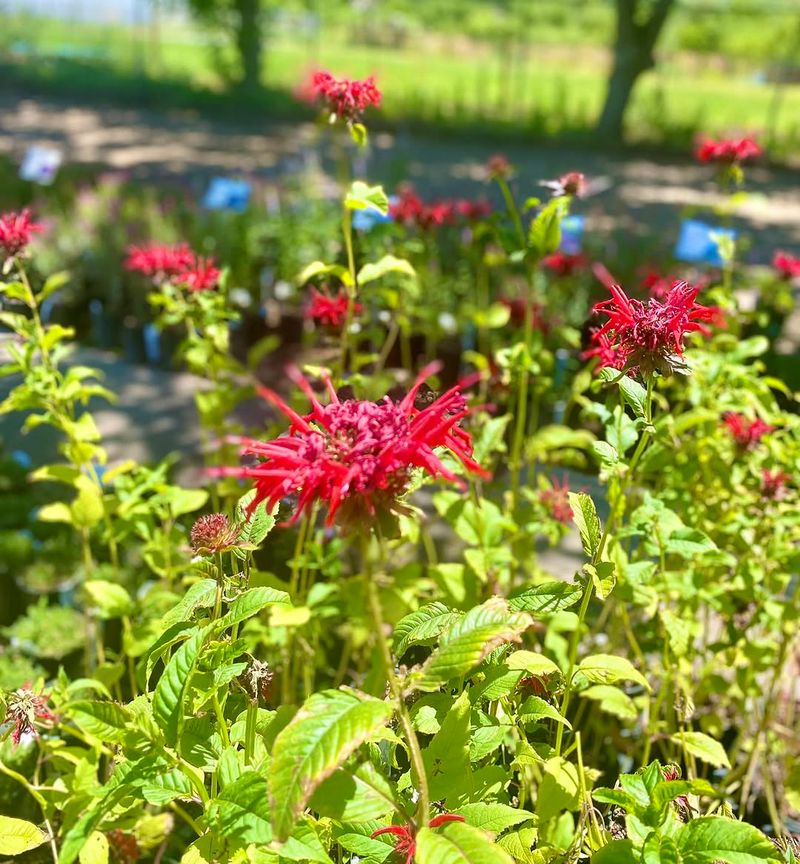
Wet clay that ruins lavender and gaura is practically a welcome mat for bee balm. Monarda genuinely likes moisture, and Georgia’s heavy soils with their tendency to hold water are not a problem for this plant — they’re actually part of what helps it grow so vigorously.
Bee balm spreads by underground runners and can fill a garden bed fairly quickly in good conditions.
That spreading habit means you’ll likely need to divide it every few years to keep it from crowding out neighboring plants, but that’s a manageable trade-off for a plant that performs this consistently in difficult soil.
Hummingbirds and bees are strongly attracted to the flowers, which is a real draw for gardeners who want their yard to support local pollinators.
Blooms typically appear in midsummer and last several weeks, adding bold color during a stretch when many other perennials have already finished their show.
Powdery mildew can be an issue in Georgia’s humid summers, especially when plants are crowded. Choosing mildew-resistant varieties and giving each plant adequate space reduces that risk significantly.
Full sun to light shade works well, and the plant doesn’t need much fertilizer to perform.
For gardeners across Georgia who’ve struggled to find perennials that actually want to live in their clay beds, bee balm is a refreshingly straightforward answer that doesn’t require constant problem-solving.
8. Joe Pye Weed Thrives In Heavy Soil With Consistent Moisture
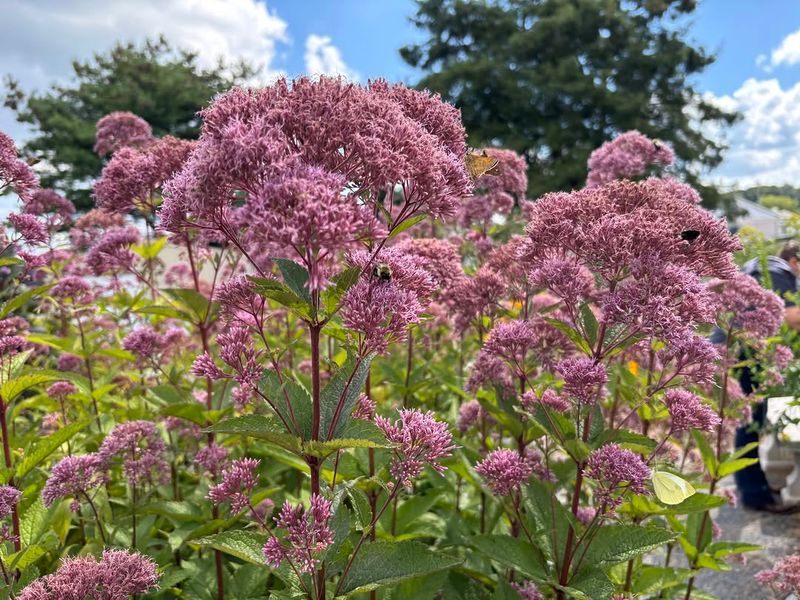
Joe Pye weed is one of those plants that looks like it belongs in a Georgia landscape — tall, bold, and completely unbothered by the conditions that send other perennials into decline. Heavy clay with consistent moisture is practically its preferred environment.
Plants can reach five to seven feet tall in a good season, so placement matters. Back of the border or along a fence line gives Joe Pye weed the room it needs without overwhelming shorter plants nearby.
The height is actually useful in Georgia gardens where you want something with real visual presence through late summer and early fall.
Clusters of dusty mauve-pink flowers appear in late summer right when many other perennials are winding down.
Butterflies show up in significant numbers, particularly monarchs and swallowtails, which makes Joe Pye weed a standout choice if supporting pollinators is a priority for your yard.
Consistent moisture suits it well, and Georgia clay delivers exactly that in most seasons.
Unlike the Mediterranean-origin plants that struggle in wet ground, Joe Pye weed evolved in conditions similar to what you find across the Georgia Piedmont and other parts of the state with dense, moisture-retaining soil.
It doesn’t need amended beds, raised mounds, or special drainage setups. Put it in a sunny to partly shaded spot, give it space to grow, and it will handle the rest with very little help from you.