How To Care For A Norfolk Island Pine As A Living Christmas Tree In Virginia
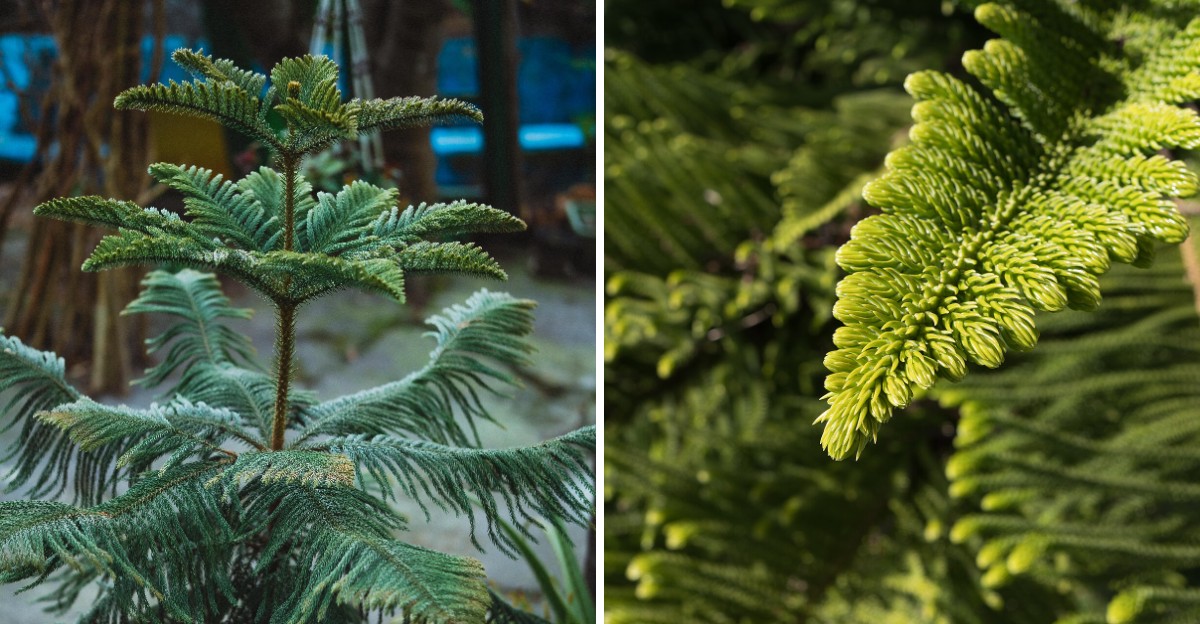
You can buy a holiday tree that stays green into March. Across Virginia, living rooms gain height, sparkle, and a tidy tiered silhouette.
Picture soft layered branches stacked like a polite little skyscraper. Needles fall sparingly, so cleanup stays quick and light.
Norfolk Island pines carry this talent, though they are not true pines. Subtropical Pacific origins explain why they adapt to warm homes.
Virginia winters are too chilly for them outdoors, so keep the pot inside. Give it bright light and water when the soil surface feels dry.
Place it near a sunny south window, away from heating vents. Growth continues indoors, adding several inches in good light.
Rotate the pot so branches grow evenly toward all sides. Ornaments matter, since featherweight baubles protect those tiered branches. Then comes the repotting move that sends your tree toward the ceiling.
1. Choose A Healthy Tree At The Store
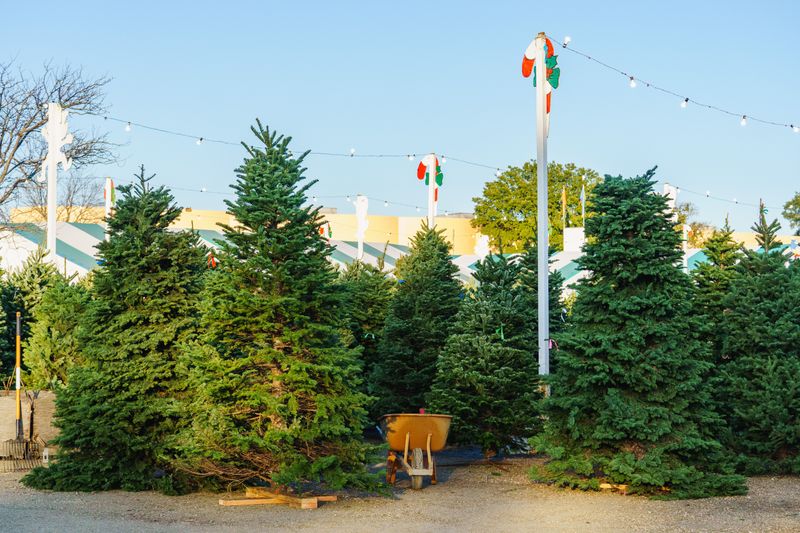
Picking a winner starts before you ever leave the garden center. A strong tree will handle Virginia winters indoors much better than a weak one.
Look for bright green branches that spread out evenly in neat layers. Skip trees with brown tips, yellow patches, or bare spots near the bottom.
Gently run your hand along a branch to test its health. Soft, flexible needles are a good sign, while dry, brittle ones suggest a problem.
Many stores sell painted or glitter-sprayed trees around the holidays. They look festive, but the coating can block light and weaken the needles over time.
Check the soil by pressing a finger into the pot. It should feel slightly moist, not soggy or very dry.
Several small trunks are often planted together in one pot to look fuller. That is normal, so do not worry if you spot more than one stem.
Peek under the pot for roots poking out of the drainage holes. Lots of roots there may mean the tree needs a bigger home soon.
Also inspect the undersides of branches for tiny bugs or webbing. Spider mites and mealybugs love crowded store shelves, so a quick look saves effort later.
Ask a store employee when the shipment arrived. A tree that landed recently has had less time to adjust to bright shelves and dry air.
Shopping in October or early November often gives you wider choices. Many stores restock before Thanksgiving, and popular trees sell quickly.
Wrap your tree loosely before driving home on a chilly day. Cold wind can stress subtropical plants faster than you might expect.
Check pet safety before you buy, since the ASPCA lists this tree as non-toxic, yet some veterinary sources warn that chewing needles may upset a pet’s stomach.
2. Find The Brightest Spot In The House
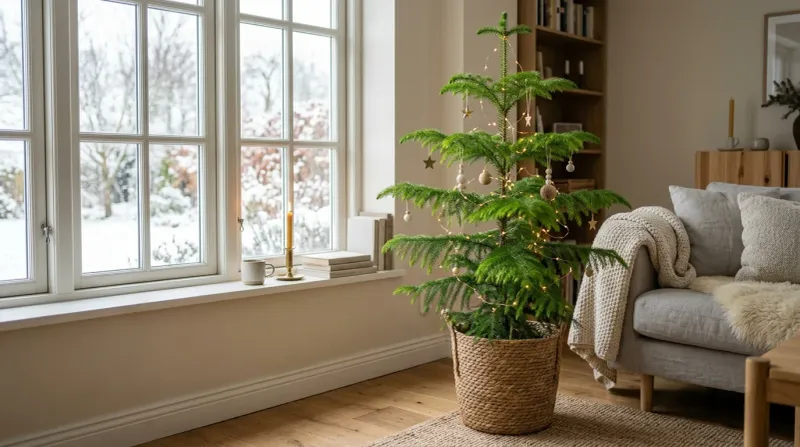
Think of your new tree as a sun lover from a faraway island. Norfolk Island sits in the South Pacific, where light is strong and steady.
Indoors, a spot near a bright south or east window works best. Your tree wants several hours of good light each day.
Your Virginia Garden Changes Every Week. Your Plan Should Too.
Gardening in Virginia changes quickly throughout the season. Every Friday you’ll receive a simple weekly plan showing exactly what to plant, prune, fertilize, harvest, and protect so you never miss the right timing.
Virginia days get short in December, so light matters even more. A dim corner will make branches stretch, droop, and lose their tidy shape.
Open curtains and blinds during daylight hours so the tree gets full benefit. Sheer curtains soften strong afternoon rays while still letting plenty of brightness through.
Rotate the pot a quarter turn each week or so. Otherwise, the tree will lean toward the window like a curious puppy.
Keep it a few inches back from cold glass on frosty nights. Leaves touching freezing windows can brown quickly and stay that way.
If your home lacks sunny windows, a simple grow light can help. Set it on a timer for about twelve hours daily.
Avoid placing the tree beside heating vents, fireplaces, or radiators. Hot, dry air pulls moisture from needles and leaves them dry.
Drafty doorways cause problems too, especially in January cold snaps. Sudden chills can make lower branches drop without warning.
Once you find a good spot, try not to move the tree often. Steady conditions help it settle in and stay happy all season.
A little planning now pays off with a fuller, greener tree later. Light is the fuel that keeps everything else working.
3. Water With A Steady And Gentle Hand
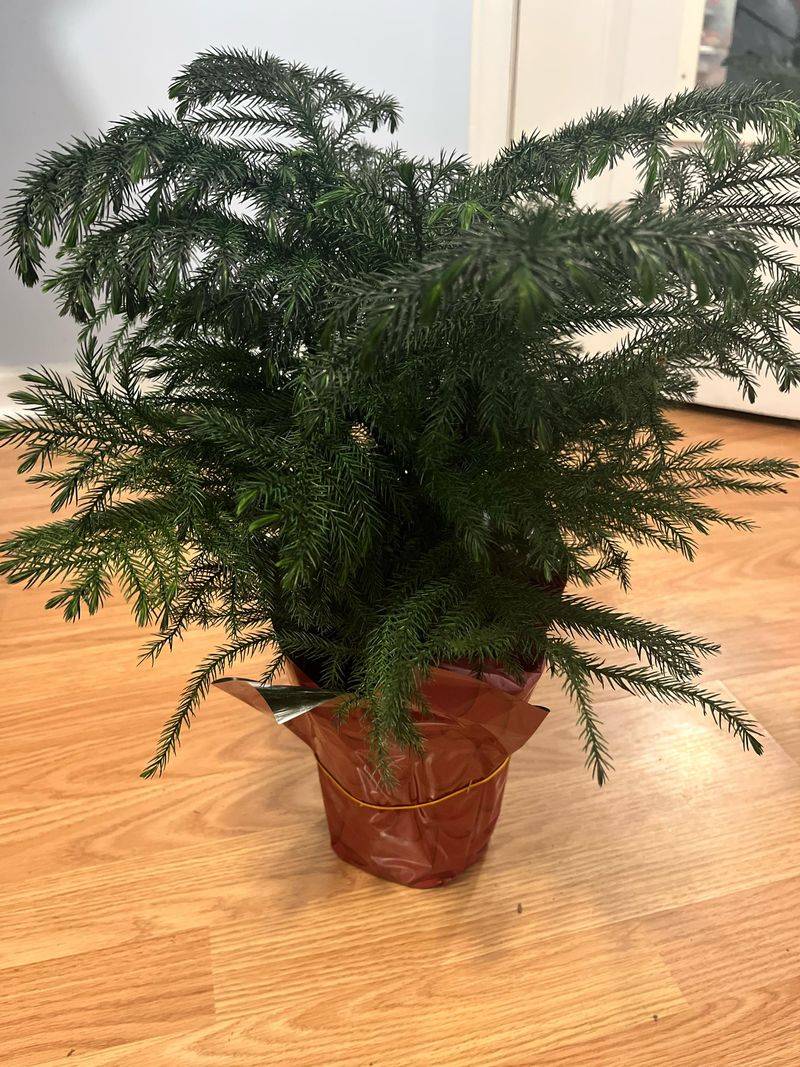
Overwatering trips up many tree owners. Soggy roots weaken quietly, and the effects often show up late.
Here is a simple rule that works well for many homes. Water when the top inch of soil feels dry to your fingertip.
Pour slowly until water drains out the bottom holes. Then empty the saucer so roots are not sitting in a puddle.
In a heated Virginia house, that often works out to roughly once a week. Smaller pots and sunny rooms may need it a bit more often.
Lift the pot occasionally to learn its weight when dry versus freshly watered. A light pot usually signals thirsty soil.
Room-temperature water is kinder than icy tap water. Cold water can slow roots, especially during chilly winter months.
Watch the branches for clues about your watering habits. Yellow lower branches often mean too much water, while brown tips suggest too little.
A cheap moisture meter can take the guessing out of it. Stick it into the soil and read the number before grabbing the can.
Remember that pots with no drainage holes are risky. If yours came in a decorative wrap, poke holes or remove it before watering.
Some people place ice cubes on the soil for slow watering. That trick is not ideal here, since subtropical roots dislike the cold.
Keep a little note on the calendar for watering days. Soon it becomes a habit, like brushing your teeth before bed.
4. Boost Humidity During Dry Winter Months

Have you ever touched a doorknob in January and felt a spark? That static means your indoor air is very dry.
Furnaces in Virginia homes can drop humidity to very low levels. Your island tree, used to ocean breezes, is sensitive to the change.
Dry brown needle tips are a common warning sign. Branches may also look dull instead of shiny and bright.
A small humidifier placed nearby helps noticeably. Aim for around 50 percent humidity if you can manage it.
Keep the tree a short distance from cold windows when using a humidifier. Damp air near chilly glass can leave condensation on nearby branches. No humidifier? Try a pebble tray instead, which is cheap and easy to build.
Fill a shallow tray with pebbles and add water just below the top. Set the pot on the stones so it stays above the water line.
As the water evaporates, it adds a little moisture around the branches. Refill the tray a few times weekly during the coldest weeks.
Grouping houseplants together also raises humidity a little. Plants release moisture, so they help each other like a tiny rainforest team.
Misting can help for a short time, but it fades quickly. Use it as a bonus, not your main plan. Your own skin and lips will thank you for the extra moisture too. Healthy air helps both people and plants thrive in winter.
5. Decorate With Light And Careful Touches
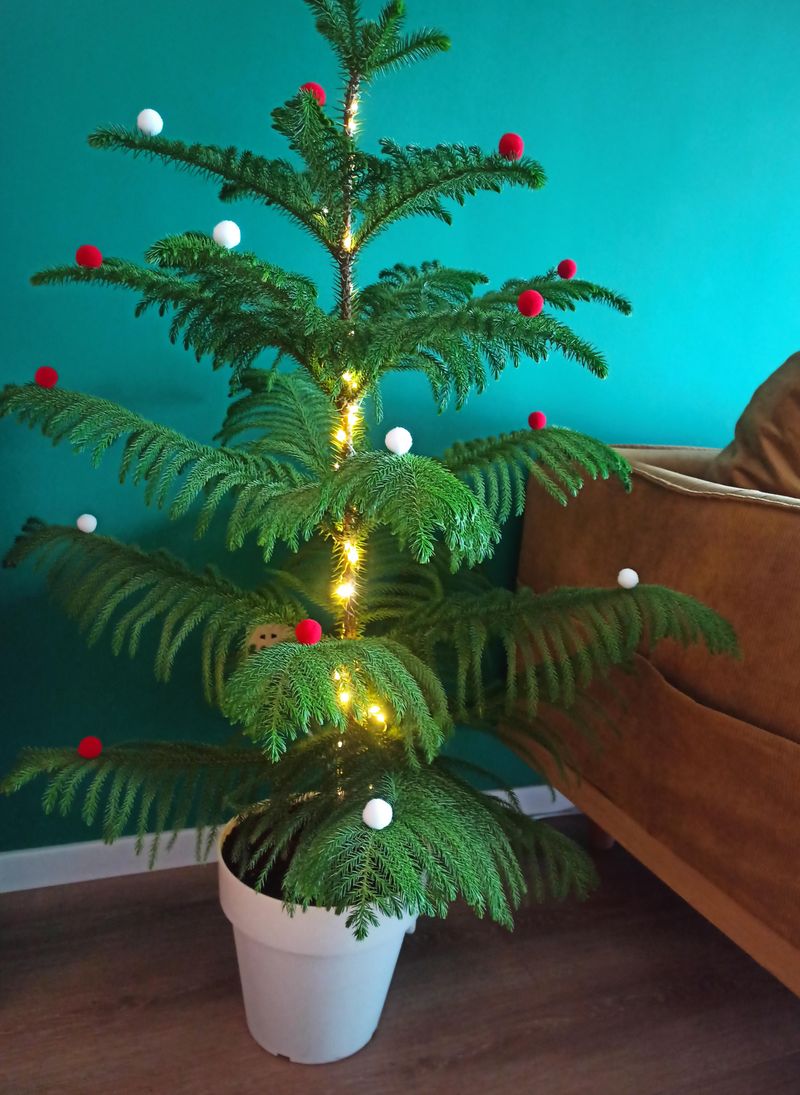
Grandma’s heavy glass ornaments might look lovely, but they need extra thought here. Norfolk branches are soft and bend under weight more than fir trees.
Choose small, lightweight decorations instead. Felt shapes, paper stars, and tiny plastic balls work well.
Hang ornaments close to the trunk where branches are strongest. Tips are delicate and may bend too far if loaded heavily.
Add decorations gradually over a few days. This lets you check how each branch handles the weight before you add more.
For lights, pick LED mini strands that stay cool to the touch. Old-style bulbs give off heat that can warm and dry needles.
Wrap the lights loosely, without pulling branches tight. Gentle draping keeps the tree’s natural layered shape looking neat.
Skip spray snow, glitter, and paint in your plans. These coatings block light and cover the tiny pores on needles.
Ribbon looks charming when tucked lightly along the tiers. Just avoid wire ribbon that presses into tender bark.
A small, light topper keeps the crown from bending over. A paper star or a bow works well for this job.
Plan to take decorations down soon after the New Year. A long decorated season can tire the tree and limit its light.
Kids love helping with this part, so let them join in. Handmade ornaments add memories without adding extra weight.
6. Feed The Tree At The Right Time
Feeding a resting tree is like serving dinner to someone asleep. It does not help much and can even cause problems.
During fall and winter, your Norfolk pine grows very slowly. Less light in Virginia means it needs fewer nutrients.
Hold off on fertilizer from about November through February. Salt from unused fertilizer can build up and irritate roots.
When spring arrives and days get longer, growth picks up. That is a good time to start feeding again.
Use a balanced liquid houseplant fertilizer mixed at half strength. Feed about once a month from March through September.
Read the label on your fertilizer before mixing. Products differ in strength, so a careful measure protects the roots and rewards you with steady growth.
Water the soil first before adding fertilizer. Dry roots absorb food too fast and can get overwhelmed.
Watch for white crust on the soil surface or pot rim. That buildup means it is time to flush the soil with plain water.
To flush, slowly run water through the pot for a minute or two. Let it drain fully before returning it to the saucer.
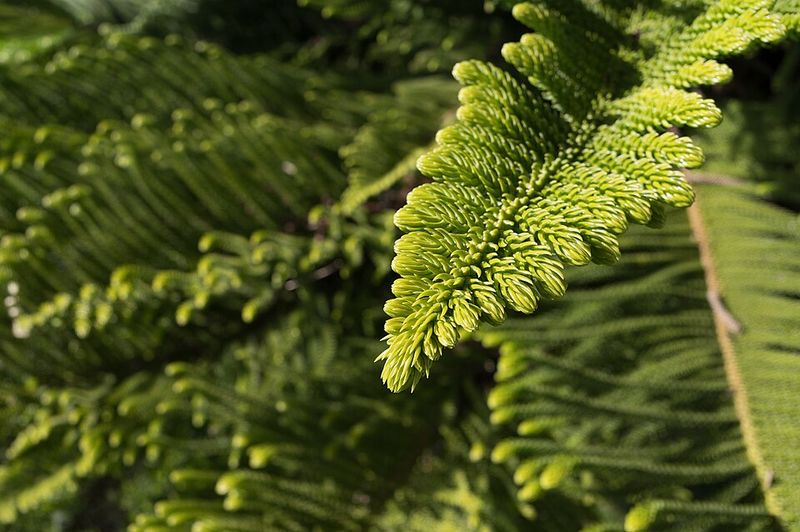
New growth at the top shows your feeding plan is working. Fresh, light green tips are a happy sign.
Slow and steady wins here, much like the famous tortoise. A little food at the right time beats a lot at the wrong time.
7. Move It Outdoors When Spring Warms Up
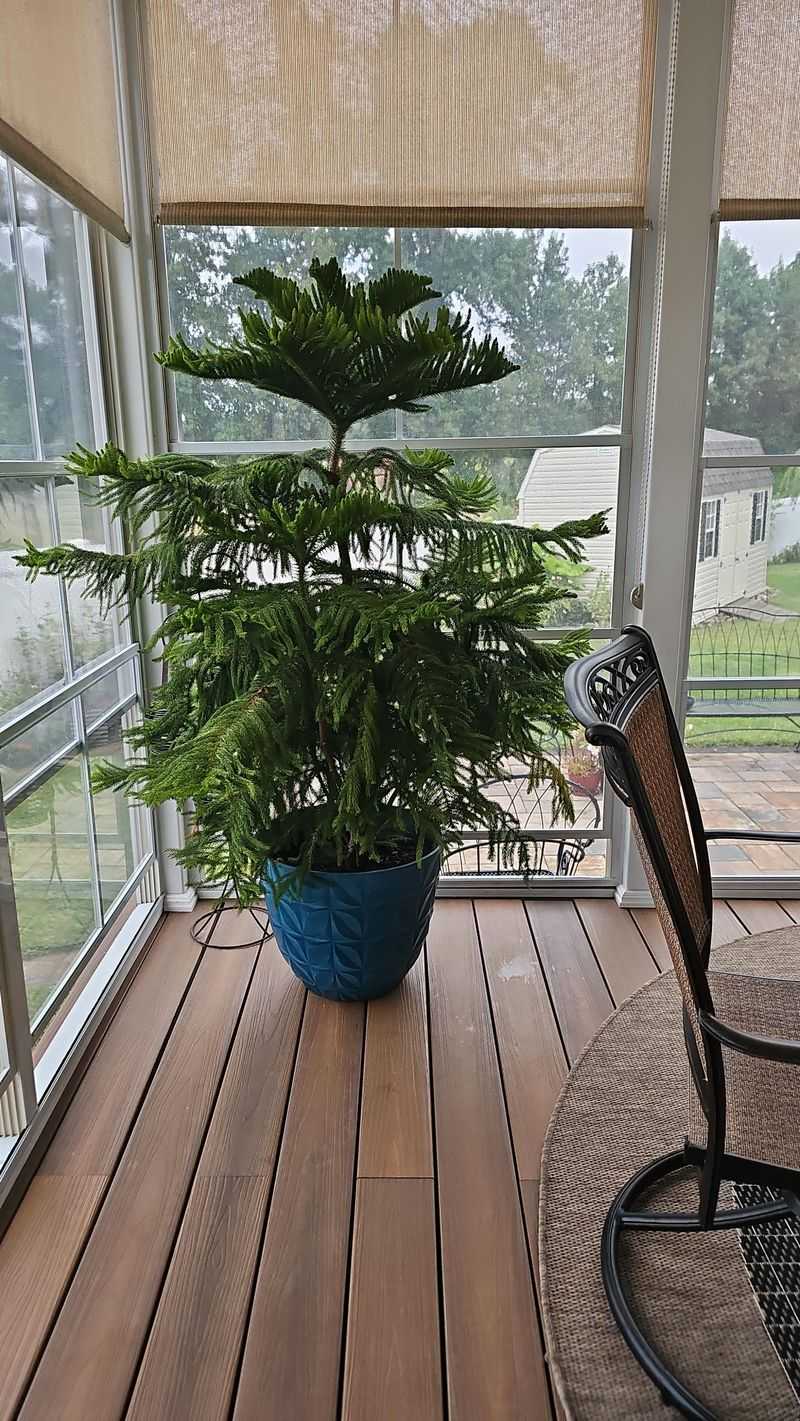
Picture your tree enjoying a summer vacation on the porch. Some Virginia owners do just that once the weather turns warm.
Wait until nighttime temperatures stay above 50 degrees Fahrenheit. In much of Virginia, that usually happens in May, depending on your region.
Norfolk pines cannot handle our winters planted in the ground outside. They belong in pots so they can come back inside each fall.
Start in a shady spot to avoid sun stress. Indoor trees are not used to strong outdoor rays yet.
Over two weeks, slowly move it toward brighter light. Morning sun with afternoon shade works best in hot Virginia summers.
Set the pot on a wheeled stand or sturdy plant caddy. That makes the seasonal move easier on your back and gentler on the tree.
Outdoor trees dry out faster, especially in July heat. Check the soil a couple of times weekly and water as needed.
Watch for strong storms and heavy winds. Tall trees in pots can tip over, so a heavy pot or sheltered corner helps.
Bring the tree back inside before nights dip below 50 degrees Fahrenheit. That often means late September or early October, depending on your region.
Before moving it in, rinse the branches gently with a hose. That removes hitchhiking bugs that would love your warm living room.
A summer outside often brings a burst of fresh growth. Your tree then returns ready for another holiday season.
8. Repot And Plan For Years Of Holidays
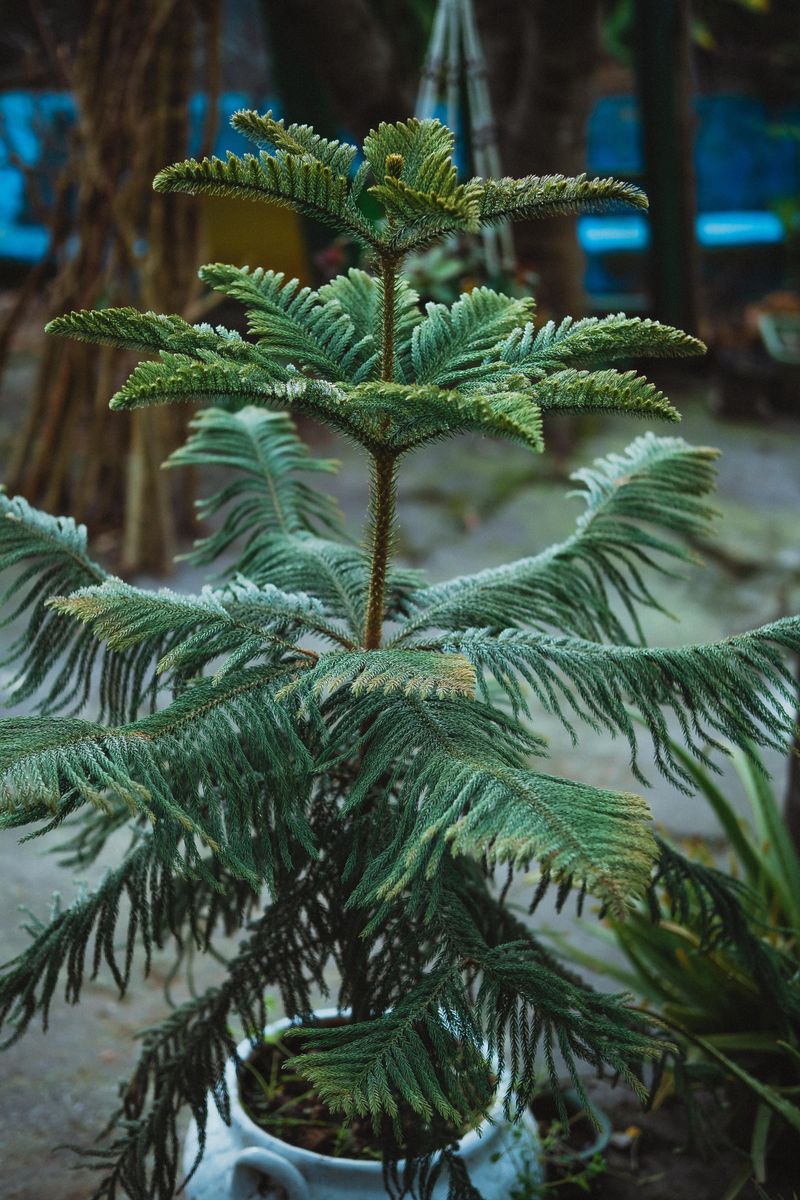
Imagine a Richmond family decorating the same Norfolk pine for twelve Christmases. It could start on a tabletop and eventually nearly touch the ceiling.
That kind of success comes from repotting after a few years. Crowded roots limit growth and make watering tricky. Spring is the best season for this job. The tree is waking up and can recover quickly.
Pick a pot only one or two inches wider than the old one. Too much extra soil stays wet and keeps roots soggy.
Use a fast-draining potting mix made for houseplants. Adding a little perlite or sand helps water flow through easily.
Handle the roots gently and avoid burying the trunk deeper. Keep the soil line at the same height as before.
Mark the repotting date on a calendar and measure your tree against a doorframe. Watching the progress adds fun to the yearly routine.
Water well after repotting, then let the tree rest in bright shade. A week of calm helps it settle into its new home.
Do not trim the top of a Norfolk pine to control height. The trunk does not form a new leader, and the shape becomes uneven.
Lower branches may fade naturally as the tree ages. Snip off brown ones close to the trunk for a cleaner look.
With care, your tree can become a family tradition. Each December, it will greet you a little taller than before.