Why Are Seals Lounging On New York’s Beaches Right Now
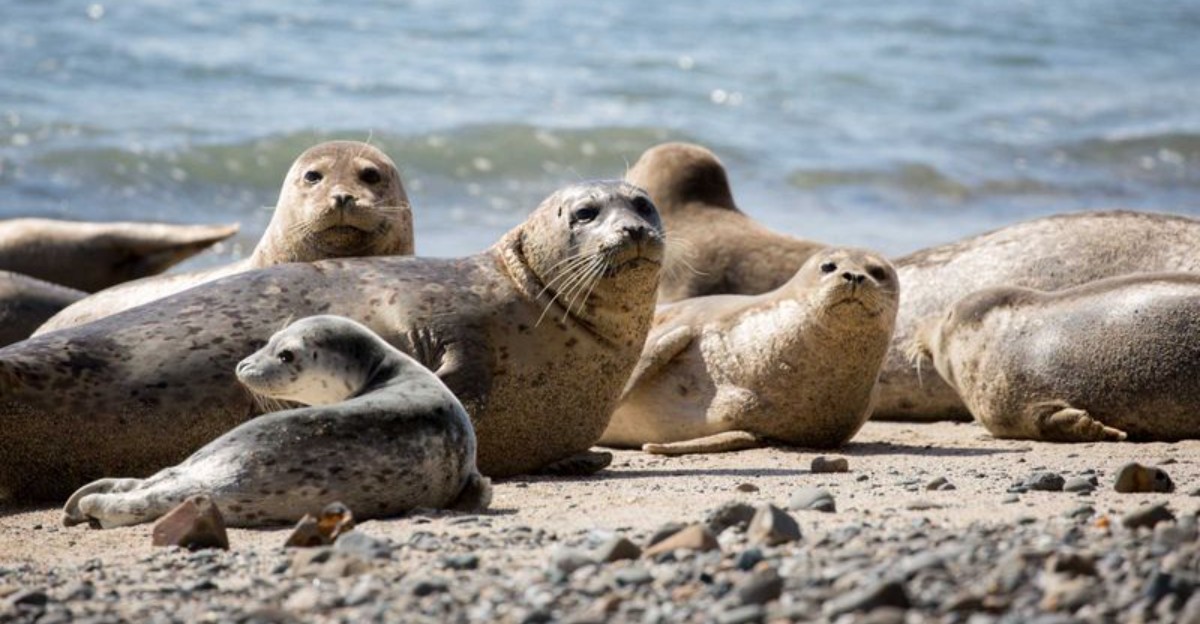
You step onto a Queens beach and meet a whiskered stranger who ignores you. Dark eyes track you for a moment, then close again.
Gulls scream overhead, but that seal does not flinch. Your eyes widen when you learn its journey to New York began far north.
Harbor seals leave colder northern waters and head south as autumn arrives. Picture empty harbors, yet fish now swarm in cleaner city waters near you.
Decades of cleanup turned a polluted harbor into a feast you cannot see. Sand makes a perfect rest stop between hunting trips.
Rescue crews ask you to stay far back, since stress harms resting seals. Federal law shields these animals, so your close selfie risks a heavy fine.
Then comes the hunting trick scientists keep studying in New York. Whiskers sharper than your eyes reveal how it hunts.
A Long Swim South Each Fall
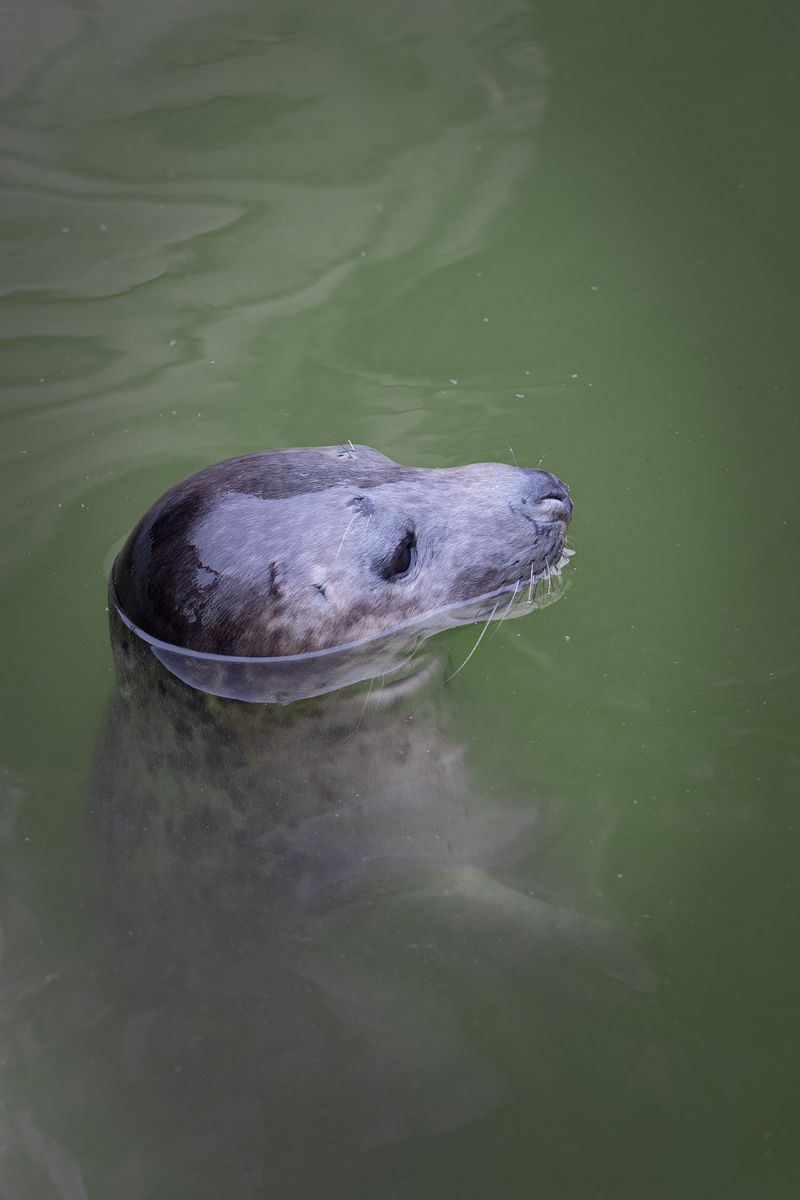
Every fall, harbor seals and gray seals start a road trip without the road. They leave the icy waters of Maine and Canada and head toward warmer southern coasts.
New York sits right in the sweet spot for this yearly move. The water here stays chilly but not frozen, which suits a seal just fine.
By October, the first early travelers begin showing up along Long Island and Staten Island. Their numbers keep growing through winter, and the peak varies by site and year.
Think of it like snowbirds who fly from New York to Florida each winter. Seals do the same thing, just from much farther north and by swimming.
Harbor seals are the most common visitors you will spot around the city. Gray seals are larger, with long noses that look a bit like a horse.
Harp seals and hooded seals sometimes wander down too, though sightings of them are less common. Spotting one is like finding a golden ticket for wildlife fans.
Once spring warms the water, most seals head back north to their summer homes. Then the beaches return to sunbathers, volleyball games, and ice cream trucks.
If you want to see them, plan a trip between November and April. October is a great month to watch for the first brave arrivals, though.
Bring binoculars and a warm hat, because ocean wind can feel very cold. A thermos of hot cocoa makes the wait feel a lot shorter too.
Fish Are The Main Draw
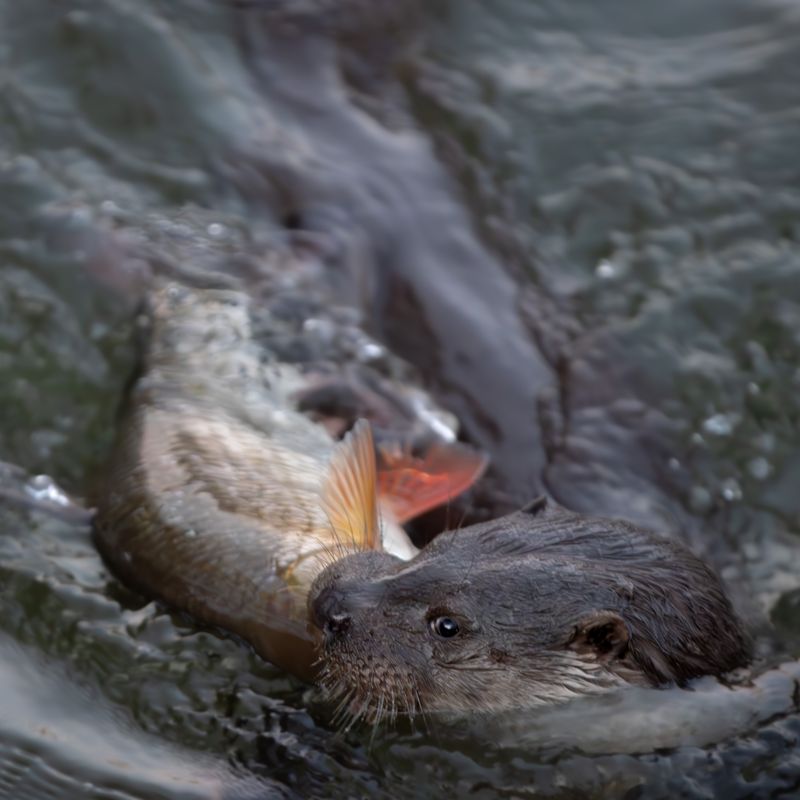
Ask any seal what matters most, and the answer would probably be lunch. Seals eat a lot, sometimes around five percent of their body weight each day.
New York waters are packed with tasty options in the cooler months. Herring, sand lance, flounder, and silver hake all swim through local bays and inlets.
Cleaner water over the past few decades has helped these fish return in bigger numbers. More fish means more reasons for hungry seals to stick around.
Seals are clever hunters with highly sensitive whiskers that detect the trails fish leave behind. Those whiskers can sense tiny movements from a fish swimming many feet away.
Your New York Garden Changes Every Week. Your Plan Should Too.
Gardening in New York changes quickly throughout the season. Every Friday you’ll receive a simple weekly plan showing exactly what to plant, prune, fertilize, harvest, and protect so you never miss the right timing.
Even in dark or murky water, a seal can track down dinner using its whiskers. Impressive for an animal that looks so sluggish on land.
After a long hunt, seals need a place to rest and digest their meal. That is when they climb onto beaches, rocks, and sandbars to nap.
So when you spot a seal lounging, it may simply be full and happy. Imagine eating a large holiday dinner and then curling up on the couch.
Whales, dolphins, and seabirds also follow these same fish into New York waters. Some lucky boaters have watched humpback whales feeding just miles from Manhattan.
Local fishermen often notice seals first, since both chase the same schools. Some even joke that the seals are better at fishing than they are.
Seeing seals is one sign that the local ocean food web has recovered. That is something worth cheering about, even on a cold October afternoon.
Hauling Out Is How Seals Recharge
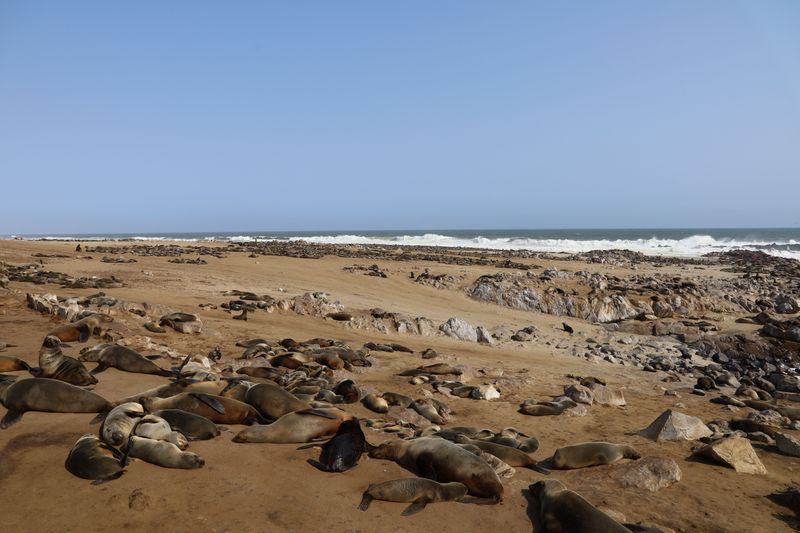
Picture swimming in icy water for hours, then finally flopping onto a sunny rock. That cozy feeling is exactly what seals are chasing when they come ashore.
Scientists call this behavior hauling out, and it is a normal part of seal life. A seal on the beach is usually resting, not lost or in trouble.
Seals have thick blubber to stay warm, but swimming still uses lots of energy. Lying on land lets them save that energy and soak up some sunshine.
Hauling out also gives them time to digest and conserve energy.
You might notice a seal holding its head and tail up in a curved shape. People call this the banana pose, and scientists are still studying why seals do it.
Seals also sleep on land, sometimes for many hours at a stretch. They may look lazy, but they are recharging for their next big hunt.
Popular resting spots near the city include Hoffman Island and Swinburne Island off Staten Island. Montauk Point on Long Island hosts large groups each winter too.
A staring seal may be deciding whether you are a threat. Give it space so it can keep enjoying its well-earned break.
A seal left undisturbed gets the rest it needs. Let it snooze, just like you would want after a long swim.
Seals can rest on land for hours, often until the tide changes, before slipping back into the sea. Watching that slow, wiggly exit is a treat for any beachgoer.
Legal Protection Brought Their Numbers Back
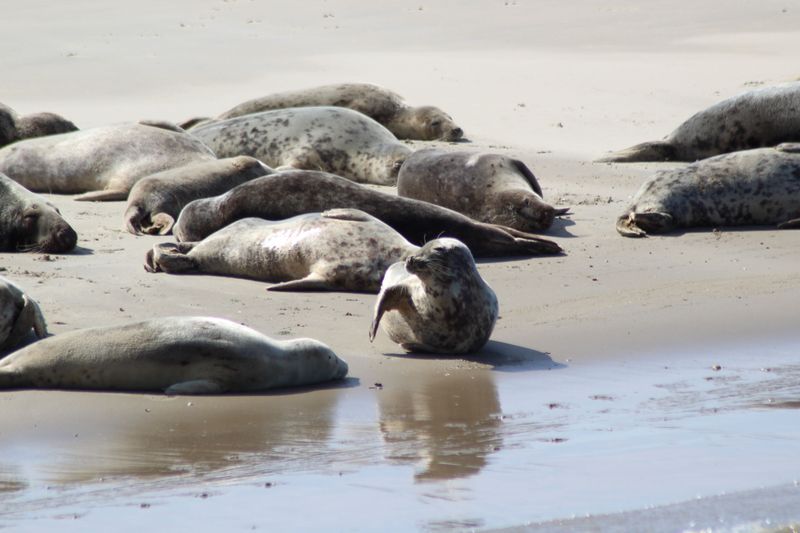
Decades ago, seals were uncommon in New York. Today, they return to local shores each winter in growing numbers.
So what changed? A big law called the Marine Mammal Protection Act passed in 1972.
Before that law, seals were hunted and often treated as pests by fishermen. Some states even paid people money for every seal they caught.
Once the hunting stopped, seal families slowly began to recover along the East Coast. Their numbers in New England grew quickly, and young seals started exploring farther south.
Gray seals made an especially big comeback after almost disappearing from the region. Now large colonies live on Cape Cod and islands off Massachusetts.
As those colonies grew crowded, some seals went looking for new places to rest. New York’s quiet islands and sandbars made a perfect choice for many.
Local rescue and research groups track seal sightings each year, and reports have climbed over time.
It is an example of how protection can work. When people give wildlife a chance, animals can bounce back in amazing ways.
You can help by supporting local wildlife groups and joining a seal count. Some organizations welcome young volunteers who want to learn about ocean animals.
A few decades ago, seeing seals here was uncommon. Now you can watch them nap near the city.
Cleaner Water Means More Fish
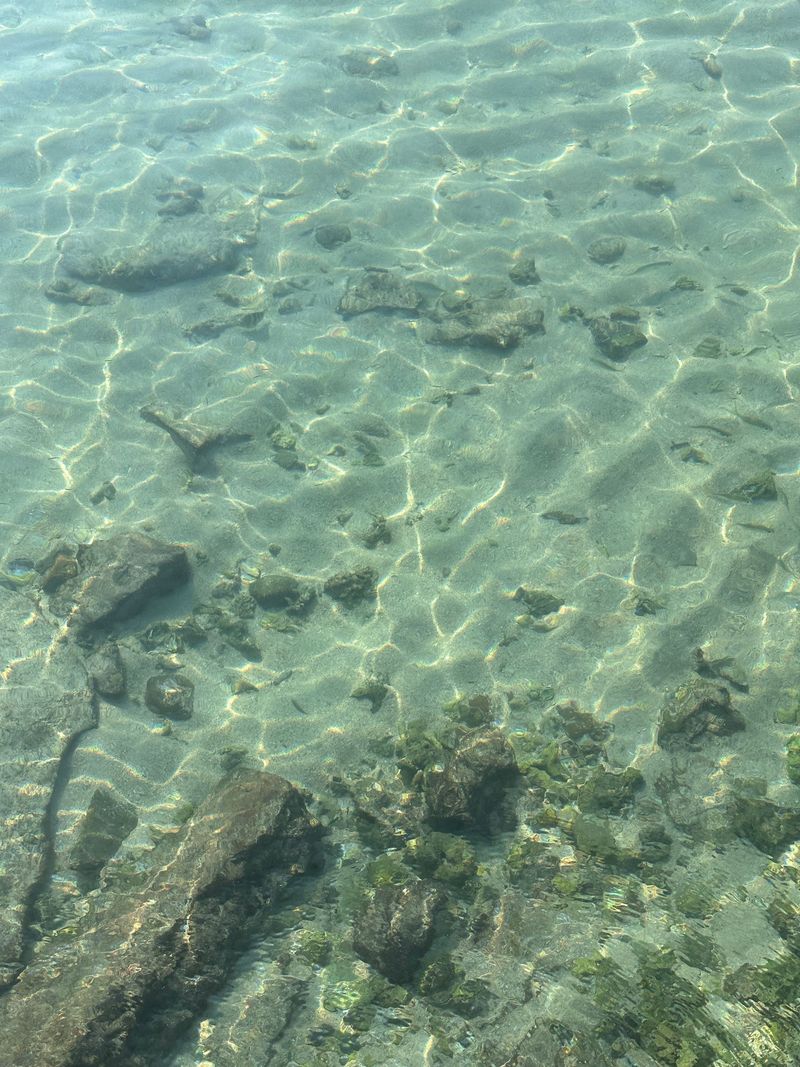
Back in the 1970s, New York Harbor was heavily polluted. Trash, sewage, and chemicals left the water in poor condition.
Then came the Clean Water Act in 1972, which led to major improvements for local rivers and bays. Cities had to stop dumping so much waste straight into the water.
Slowly but surely, the harbor started to heal over the following decades. Oxygen levels went up, and tiny sea creatures returned to the mud and water.
Those tiny creatures fed small fish, and small fish fed bigger fish. Before long, the whole food chain was buzzing with life again.
Seals noticed the change, just like people notice when a messy room gets cleaned. A tidy home is much more inviting, whether you have fins or feet.
Oyster restoration projects have also helped clean the water around the city. A single adult oyster can filter up to about fifty gallons of water a day.
Groups like the Billion Oyster Project work with students to rebuild oyster reefs. Students from New York schools have helped place oysters in the harbor.
The water still has problems, especially after heavy rainstorms push runoff into the bays. Picking up litter on the beach is one easy way you can help.
Even a single plastic bag can hurt a curious seal that mistakes it for food. Every piece of trash you toss in a bin keeps the ocean safer.
Clean water brings seals, and seals bring smiles. That is a pretty great trade for a little extra effort.
Sheltered Bays Offer A Place To Rest
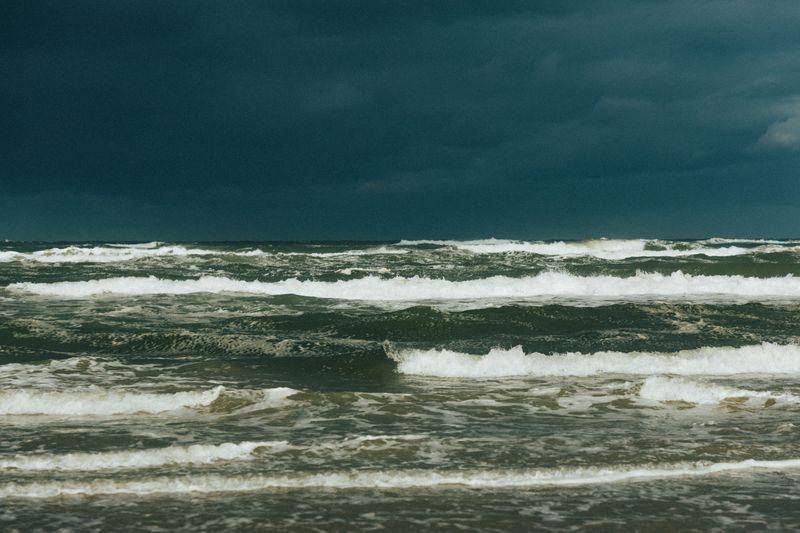
Fall storms can make the Atlantic Ocean rough. Waves grow large, and swimming takes more effort.
Seals are strong swimmers, but even they need a break from rough seas. Calm bays, sheltered coves, and quiet beaches may offer a spot to rest during bad weather.
New York has plenty of these protected nooks thanks to its many islands and inlets. Peconic Bay and other sheltered waters give seals a place to rest.
A young seal alone on the beach can look worrying to a kind passerby. Most of the time, though, it just needs rest and quiet.
Hurricane season lasts through November, so October can bring powerful weather to the coast. Nor’easters also roll in during the colder months, packing strong winds and big waves.
If you spot a seal after stormy weather, call a local rescue hotline if it looks hurt. The New York Marine Rescue Center has staff ready to check on it.
Do not try to push it back into the water yourself. Trained experts know how to tell if a seal truly needs help. Think of a quiet beach as a resting spot where a seal can recover after a long swim.
Year After Year, Favorite Spots Call Them Back
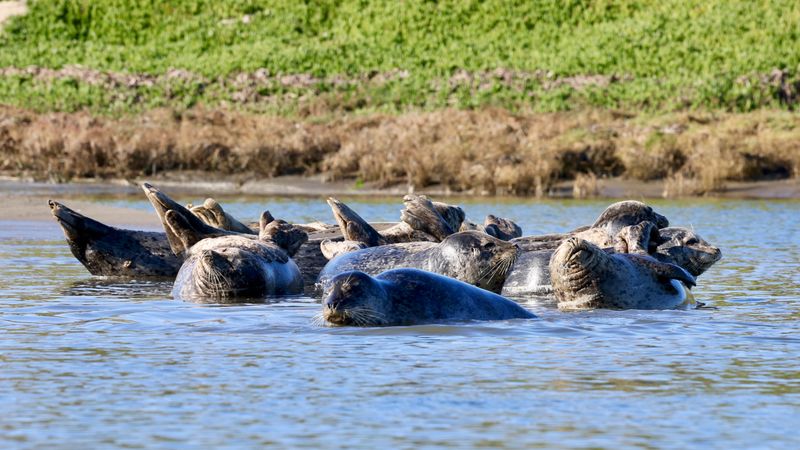
Seals seem to have excellent memories when it comes to their favorite hangouts. Many return to the very same rocks and sandbars year after year.
Researchers tracking tagged seals along the Northeast coast have found that many return to the same sites season after season. It is a bit like a family visiting the same beach house every summer.
Young seals may learn these spots by following older seals during their first trips. Over time, the best resting places become well-known hangouts for whole groups.
Safety is a big reason they stick with what works. A good haul-out spot has easy water access, so seals can slip away quickly from danger.
Low tide matters too, since many rocks and sandbars only appear when the water drops. Seals plan their naps around the tides like people plan around a bus schedule.
Staten Island’s Swinburne Island is a favorite, with many seals lounging there on winter days. Montauk Point and Cupsogue Beach on Long Island are also popular spots.
Seal watching boat tours run from several Long Island ports during the colder months, so check current schedules. Guides share cool facts while you watch seals bob their heads above the waves.
Local nature groups also lead guided seal walks along quiet Long Island shores. These walks are usually low cost, making them a great family weekend plan.
October is a smart time to check tour schedules and book early. Spots fill up fast once the first seals start posing for cameras.
Bring a notebook and sketch the seals you see each visit. You might even recognize the same spotted face returning next year.
Why Distance Matters For Resting Seals
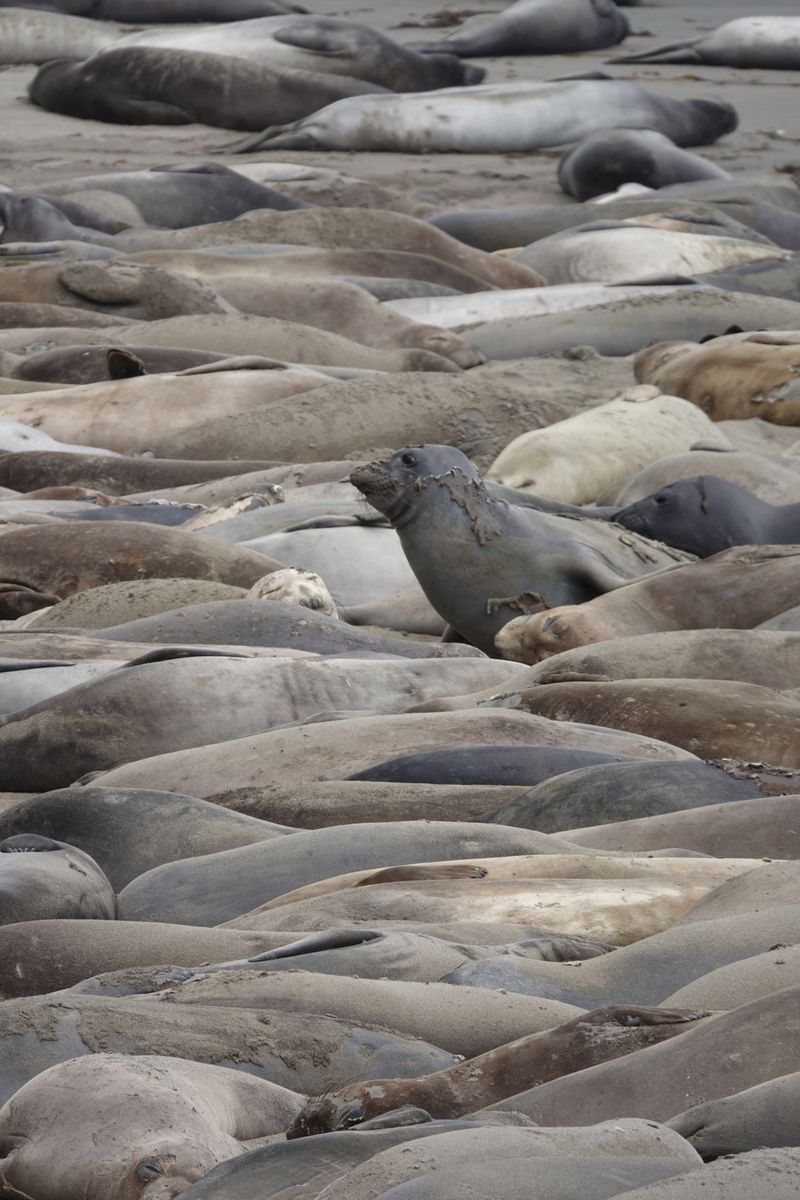
Here is the golden rule of seal watching: stay at least 150 feet away. That is about half the length of a football field.
Getting too close can disturb a resting seal and send it back into the cold water. That uses energy it needs to stay warm and healthy.
Federal law protects seals, and bothering them can lead to big fines. Touching, feeding, or chasing a seal is against the rules, even for a quick selfie.
Watch for warning signs that a seal feels stressed by your presence. Head raising, staring, or scooting toward the water all mean you should back away.
Dogs should stay on leashes near seal areas at all times. Seals and dogs can pass illnesses to each other, and a curious dog can get injured.
Binoculars and zoom lenses are your best friends for getting a closer look. You get amazing views while the seal keeps snoozing peacefully.
Seals sometimes rest alone on the beach between feeding trips. If people crowd around, they may become stressed and flee into the water.
Spotted a seal that looks sick, hurt, or tangled in fishing line? Call a marine rescue group instead of trying to help it yourself.
Share these tips with friends and family before your next beach walk. The more people who know the rules, the safer local seals will be.
Respect turns a simple sighting into a lasting memory for everyone involved. The seal gets its nap, and you get a story worth bragging about.