Your Scented Geraniums Need Winter Care In Virginia For Fruity Scents Next Spring
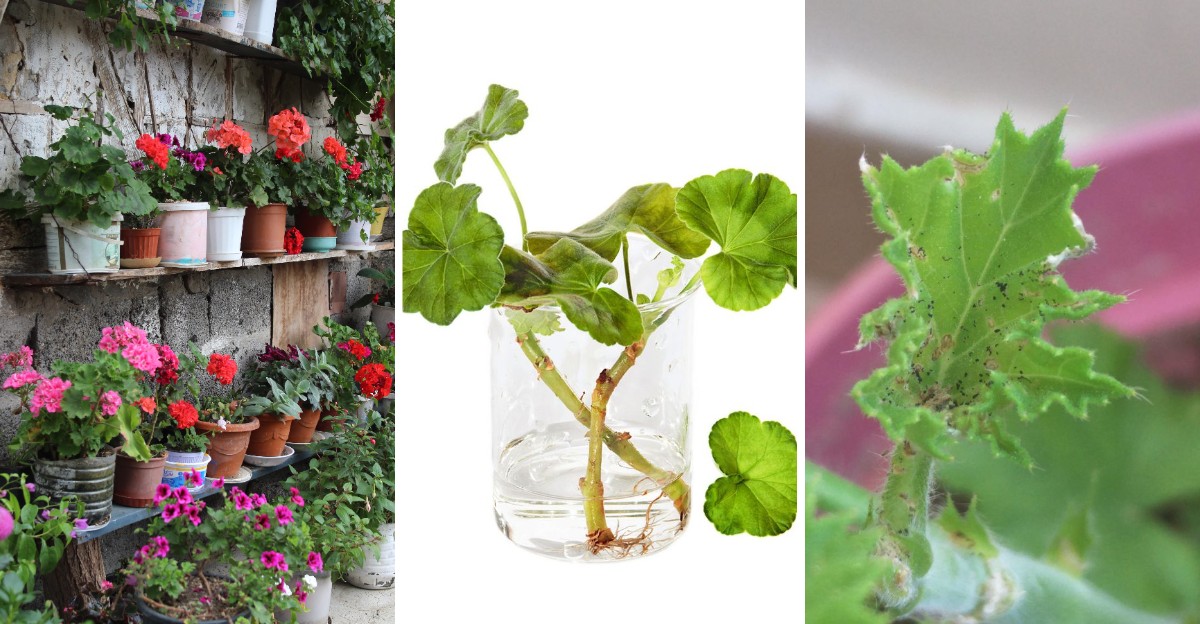
Your scented geraniums have a tight window, and Virginia’s first frost sets the schedule. Cold nights arrive and your lemon, apple, and strawberry varieties turn limp.
Pinch a leaf today and you release oils that perfume your whole room. Those oils live in tiny leaf hairs that tender plants cannot shield from cold.
Lift your pots indoors once Virginia nights turn sharply cold. Trim leggy stems hard and you trade sprawl for compact, scented bushes.
Sunny windows sustain them, but cool rooms keep their growth slow and steady. Water sparingly, because soggy soil harms roots faster than a chill.
Snip tips now, and you gain spare plants for spring. Rubbing a leaf in January can release a burst of lemon.
Light placement and pruning timing decide whether your windowsill smells like summer. Preserve uncommon varieties with cuttings that root in damp mix.
1. Bring Them Indoors Before The First Frost
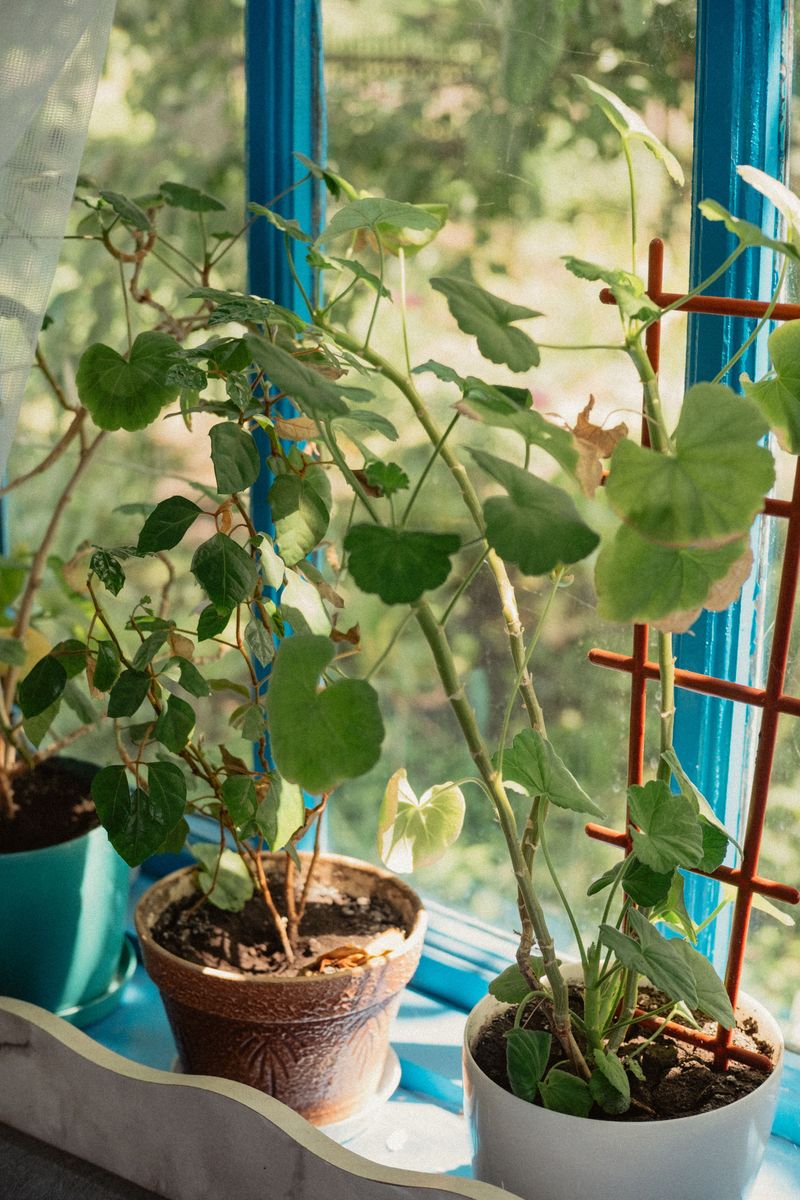
Picture a crisp Virginia morning in late October, with frost sparkling on the grass like sugar. Scented geraniums dislike that look, because their soft stems handle freezing temperatures poorly.
Many parts of Virginia see a first frost in October or early November, so check your local forecast. Mountain towns get chilly sooner, while coastal areas like Norfolk often stay mild a bit longer.
A smart move is to watch the weather forecast closely this month. Once nighttime temperatures dip near 45 degrees, or frost appears in the forecast, it is time to start carrying pots inside.
Plants growing in garden beds need a little extra work before the trip. Dig gently around each one, keeping a good ball of soil around the roots.
Slide the dug plant into a pot with fresh potting mix that drains well. Water it lightly, then let it rest in a shady spot for a day.
Keep a few extra pots handy for this chore. Choose containers with drainage holes and a width slightly larger than the root ball, so each plant has room to settle comfortably before winter arrives.
Moving plants gradually also helps them adjust without shock. Try bringing them in at night and setting them out on sunny afternoons for about a week.
Your patience now pays off with lemon, rose, and apple fragrances next spring. Waiting too long, though, could cost you those lovely leaves in one surprise cold snap.
2. Take Cuttings To Save Your Favorite Scents
Victorian gardeners prized scented geraniums and often shared cuttings with friends. You can keep that old habit alive right on your kitchen windowsill.
Cuttings take up much less space than big potted plants. They also give you fresh, young growth that carries a lively fragrance by spring.
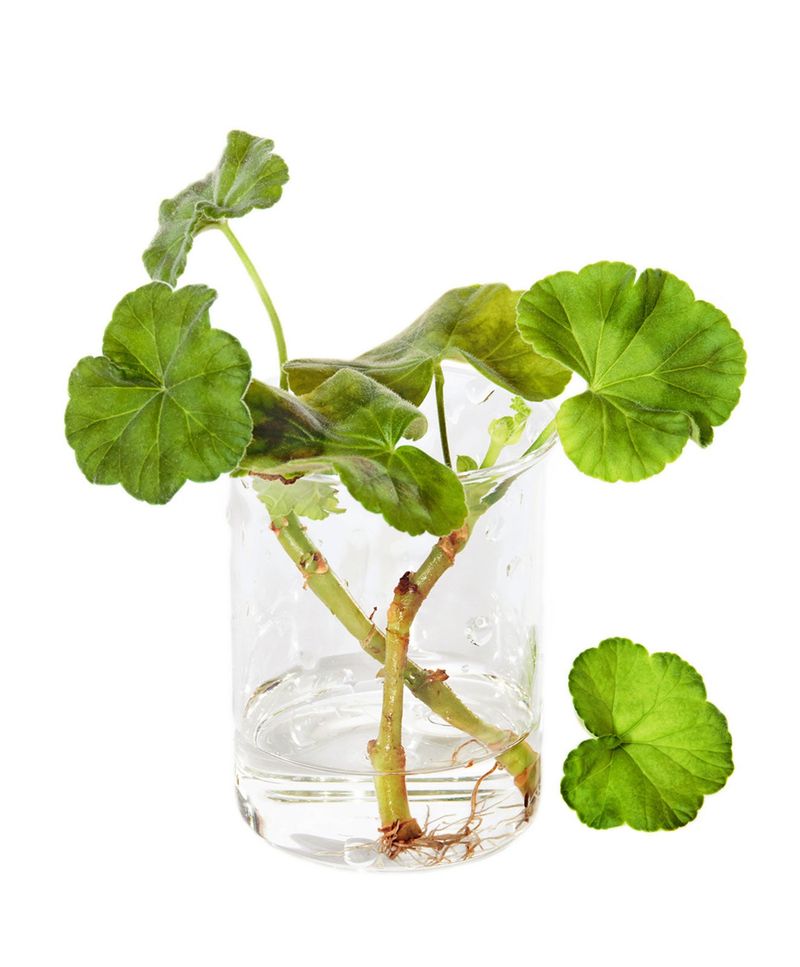
Start by choosing healthy stems about four to six inches long. Snip just below a leaf joint using clean, sharp scissors or pruners.
Pull off the lower leaves so only two or three remain at the top. Let the cut ends dry for a few hours to form a light callus.
Your Virginia Garden Changes Every Week. Your Plan Should Too.
Gardening in Virginia changes quickly throughout the season. Every Friday you’ll receive a simple weekly plan showing exactly what to plant, prune, fertilize, harvest, and protect so you never miss the right timing.
Next, poke each stem into a small pot of damp seed-starting mix or sand. Rooting powder can help, though many scented types root fine without it.
Place the pots in bright, indirect light and keep the soil lightly moist. Too much water harms the stems, so resist the urge to fuss over them.
Label each pot with the scent and the date you took the cutting. A simple paper tag helps you remember which plant smells like lemon and which one carries a hint of chocolate mint.
Roots usually form within three to four weeks. A gentle tug that meets resistance tells you the cutting is ready for a bigger home.
By March, you could have a whole tray of baby plants. Share a few with friends, and spread those peppermint and lime scents around the neighborhood.
3. Trim Them Back Before The Move

Think of it as a haircut before a long trip. A big, leggy plant takes up room indoors and struggles to stay healthy in lower light.
Cutting stems back by about one third to one half works well for many scented varieties. Make each cut just above a leaf node, where new shoots will sprout.
Sturdy plants usually tolerate a firm trim. Geraniums are resilient and usually recover once they settle into their winter home.
Remove any yellow, brown, or spotted leaves while you work. Old flower stalks should go too, since they draw on the plant’s energy.
Use clean pruners and wipe the blades with rubbing alcohol between plants. This small, simple habit helps you avoid quietly passing germs from one geranium to the next, which keeps your whole collection healthy.
A handy bonus comes with each snip you make. Those trimmed stems can become cuttings, so very little goes to waste.
The leftover leaves are useful in other ways as well. Rose-scented leaves can flavor sugar when grown without sprays, and lemon types add a bright smell to homemade potpourri.
Keep pots out of reach of curious cats and dogs, since geraniums can upset their stomachs. A tidy, compact plant also makes pest checks much easier later. You can spot trouble faster when leaves are not crowded together in a messy tangle.
Come spring, a trimmed plant pushes out bushy new growth instead of long, bare stems. That fresh foliage carries a rich fruity fragrance.
4. Check Each Leaf For Hitchhiking Pests
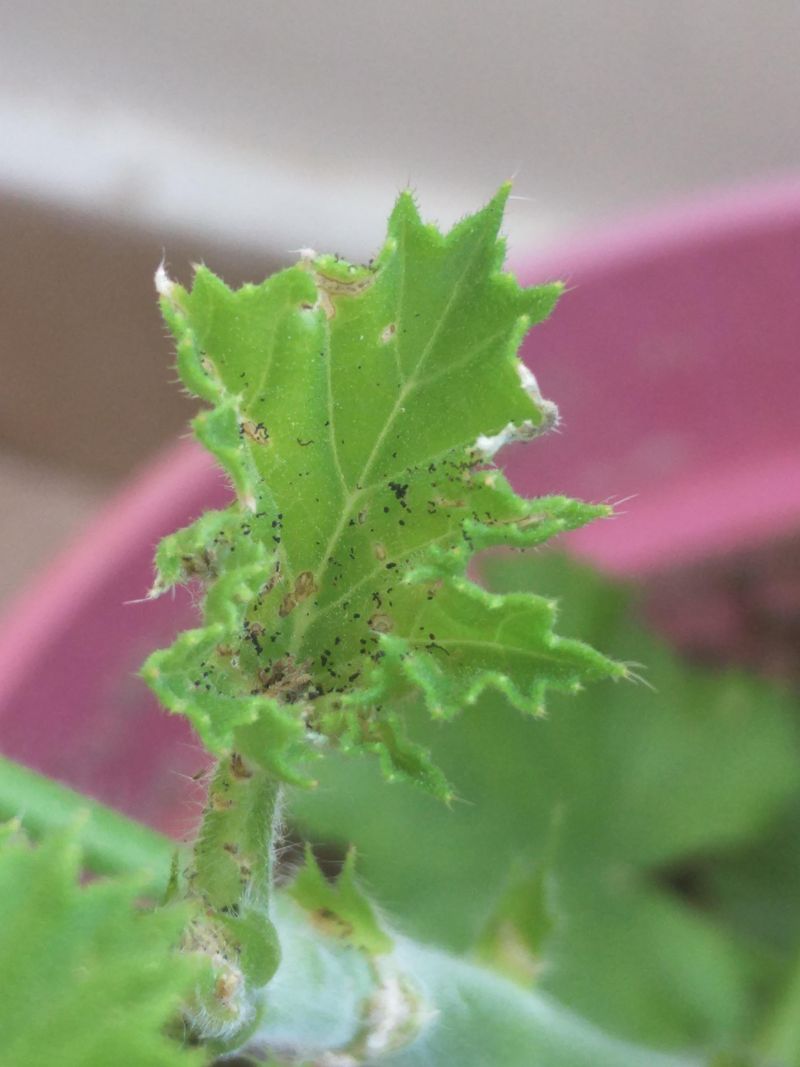
Unwelcome houseguests are easy to avoid, including the tiny six-legged kind. Bugs love catching a free ride indoors on plants that spent summer outside.
Whiteflies, aphids, mealybugs, and spider mites are common pests on geraniums. Once inside, they can multiply fast in the warm, still air of a home.
Grab a flashlight and look closely at the undersides of leaves. Watch for sticky spots, fine webbing, speckled leaves, or tiny insects that flutter away.
Check the soil surface and the bottom of the pot as well. Slugs, ants, and earwigs sometimes hide under the rim or in drainage holes.
Inspect the leaves gently by hand before bringing the pots indoors for winter. This simple step helps you spot eggs and sticky residue without disturbing the fuzzy hairs that hold the scent oils.
A gentle spray with the garden hose can knock off many pests, so let the plants dry fully before the move. For stubborn bugs, spray leaves with insecticidal soap, testing a small area first and following the label carefully.
Keeping new arrivals apart from your other houseplants is a wise idea. Give them about two weeks in their own room to see whether anything hatches.
Yellow sticky traps placed near the pots can catch flying pests early. They are cheap, easy to use, and show you if a problem is growing.
Clean plants tend to stay healthier through the winter months. A few minutes of inspection now helps you avoid trouble in January.
5. Give Them A Bright Sunny Window
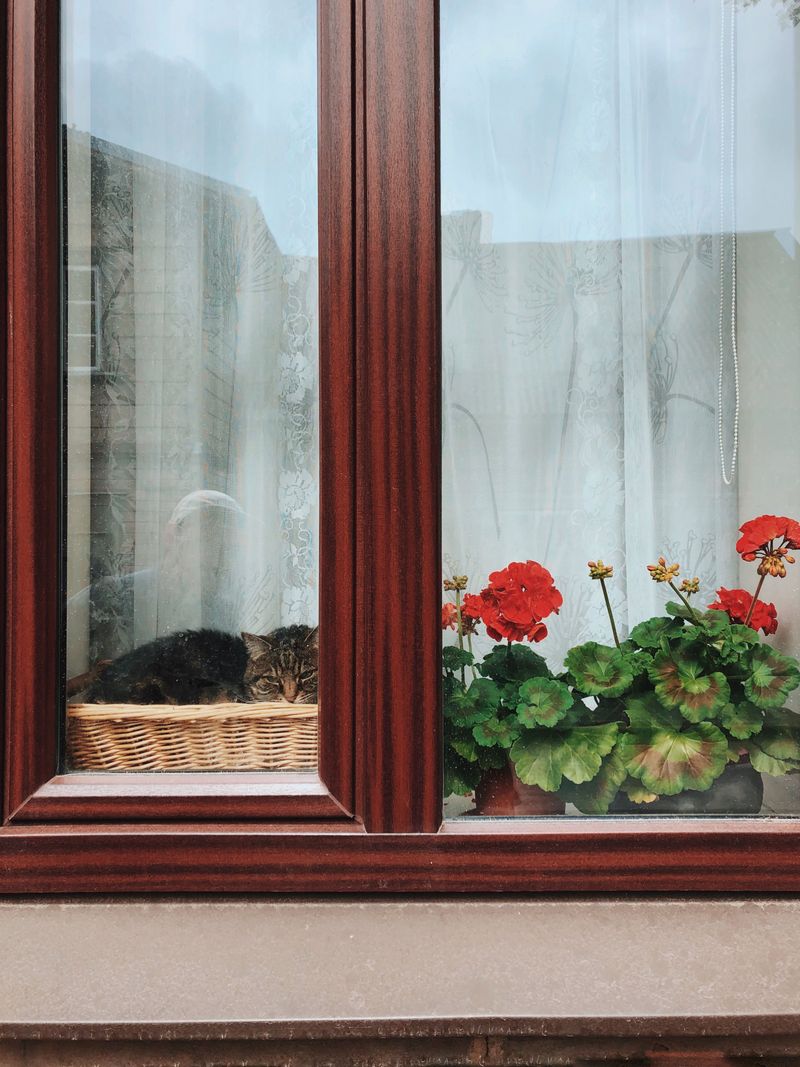
Sunshine is basically breakfast, lunch, and dinner for a scented geranium. Without enough light, stems stretch out thin and the leaves lose their rich perfume.
A south-facing window is the top choice during Virginia winters. West-facing windows come in second, offering strong afternoon light on clear days.
Aim for at least six hours of bright light each day. Short December days make that tricky, so each bit of sunshine counts.
Turn the pots a quarter turn every few days. Plants lean toward the glass, and rotating them keeps growth even and balanced.
If your home feels dim, an inexpensive LED grow light can help considerably. Follow the maker’s guidance for distance and run it twelve to fourteen hours daily.
Give each pot some breathing room on the shelf or table. Good airflow keeps leaves dry and helps you avoid fungal problems and pests, especially in homes where the furnace runs through winter.
Keep leaves from touching cold window glass on frosty nights. That chilly surface can harm foliage and leave brown patches behind.
Dusty windows block more light than many people realize. A quick wipe with a damp cloth helps those weak winter rays reach your plants.
Some gardeners use a sunny enclosed porch or sunroom for extra light. That works well, as long as temperatures stay above freezing overnight.
Happy, sun-fed plants stay compact and full through winter. When spring arrives, they will be ready to produce orange, coconut, and apricot aromas.
6. Water Them Less During The Cold Months
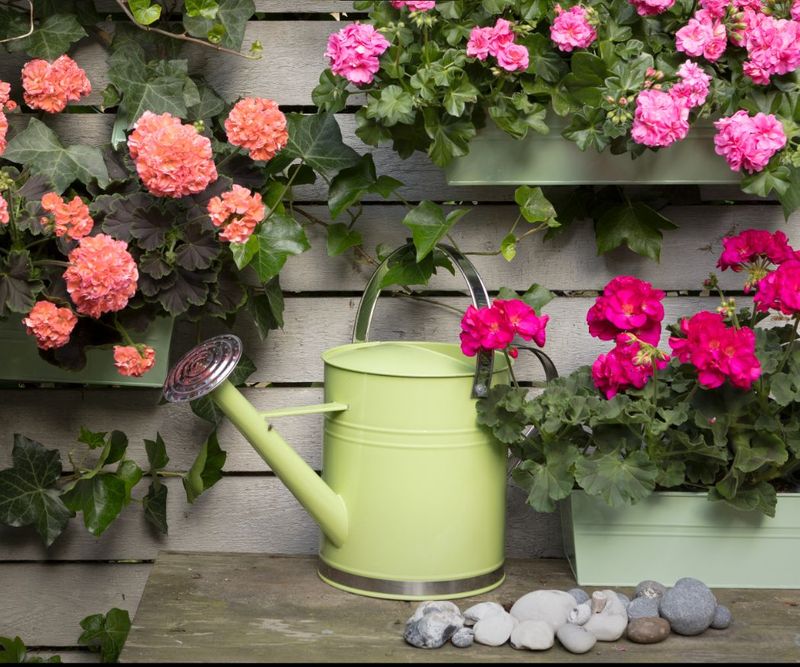
A common mistake catches many new growers off guard. More plants struggle from too much water in winter than from too little.
Geraniums slow way down when days get short and cool. Their roots drink less, so soggy soil can quickly harm them.
Stick a finger about an inch into the soil before watering. If it feels dry, go ahead and give the pot a good drink.
Water slowly until a little drains from the bottom holes. Empty the saucer afterward so roots are not sitting in a puddle.
Use room temperature water so the roots are not shocked by a sudden chill. Let a pitcher of tap water sit out overnight, and the water will warm up to match the room.
For many homes, watering every one to two weeks works well. Warm, dry rooms with a running furnace may need checks a bit more often.
Clay pots help because they let extra moisture escape through their walls. Plastic pots hold water longer, so adjust your schedule if you use them.
Hold off on fertilizer until late winter as well. Feeding a resting plant tends to push weak, floppy growth that attracts pests.
Drooping, yellow leaves with wet soil usually mean too much water. Crispy edges and dry soil suggest the plant wants a drink sooner.
Learning this rhythm keeps roots healthy until spring. Strong roots then fuel lush leaves packed with that sweet, fruity fragrance.
7. Keep The Room Cool But Above Freezing
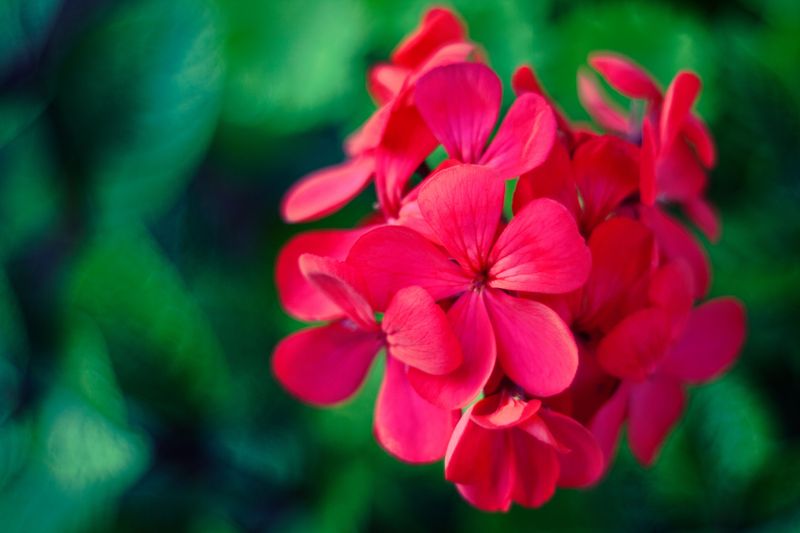
Oddly enough, these plants prefer a chilly bedroom over a toasty living room in winter. Cool temperatures help them rest, just like a cozy nap.
Daytime temperatures between 60 and 70 degrees work great. At night, they do well around 50 to 55 degrees.
Rooms that feel a little cold to you are often perfect for them. A spare bedroom, mudroom, or bright enclosed porch can be ideal.
Keep pots away from heat vents, radiators, and wood stoves. Dry heat can crisp leaves and invite spider mites to move in.
Space your pots loosely on a sturdy shelf or table so air can move between the leaves. Moving them just a few inches away from cold glass on frosty nights also helps considerably.
Cold drafts cause trouble too, especially near outside doors that open often. Sudden chills can make leaves drop or turn reddish around the edges.
An inexpensive indoor thermometer helps you track conditions easily. Some models also show humidity, which is handy during dry winter months.
Try to keep temperatures from falling below 40 degrees in any room. Freezing air can harm stems and roots quickly, even indoors.
Cooler conditions also slow down leggy growth while light is limited. The result is a sturdier plant that wakes up strong in March.
Many experienced growers say a cool winter rest supports healthy growth later. Your plants may show the difference with each new leaf.
8. Try Dormant Storage In A Basement Or Attached Garage
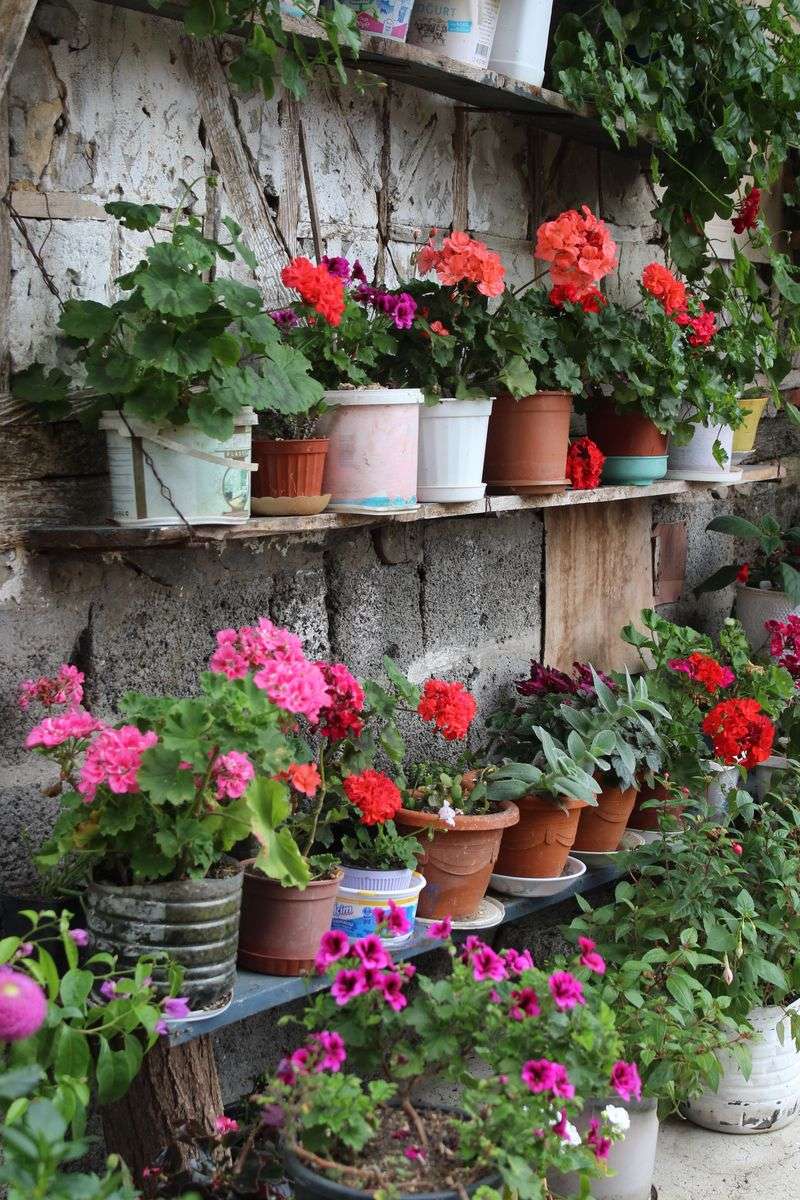
Gardeners once hung bare-root geraniums upside down in cool cellars through winter. That old-fashioned trick still works today when space is tight.
Dormant storage lets plants sleep through the cold without needing sunlight. You will need a dark spot that stays between 45 and 50 degrees.
Before the first frost, dig up the plants and gently shake off most of the soil. Trim stems back to about half their length.
Place each plant in a paper bag or hang it upside down from rafters. Basements, cool closets, or attached garages that stay above freezing work well.
Spread a thin layer of newspaper under the stored geranium plants to catch falling dry leaves. Tidy, organized storage keeps the area clean, and it makes each monthly check feel quick, simple, and easy.
Check on them about once a month. If stems look wrinkled, soak the roots in water for an hour, then hang them up again.
Expect some leaves to fall off, since the plants are resting. Firm, green stems mean things are fine underneath that sleepy look.
In late March, pot them up in fresh soil and water well. Place them in a bright window so new shoots can wake up.
This method suits many plants, though a few may not wake up in spring. It still offers a clever backup for crowded homes with little window space.
Pairing storage with cuttings gives you the best of both worlds. One way or another, those fruity fragrances will greet you next spring.