How To Care For Roses In May In Georgia
May is when rose season in Georgia really starts showing off. Garden beds burst with color, blooms seem to open overnight, and the whole yard suddenly smells amazing after a warm morning rain.
It is also the month when roses start asking for a little more attention. One stretch of hot weather, a few humid afternoons, or a surprise pest invasion can turn a gorgeous plant into a high-maintenance diva pretty quickly.
Roses definitely know how to keep gardeners on their toes. The good news is that a few smart habits in May can make a big difference as the season rolls toward summer.
Paying attention to watering, mulch, fading blooms, and leaf problems now helps roses handle Georgia’s heat and humidity much more smoothly later on.
Plus, spending time around blooming roses in spring is not exactly a difficult chore.
1. Water Deeply And Consistently
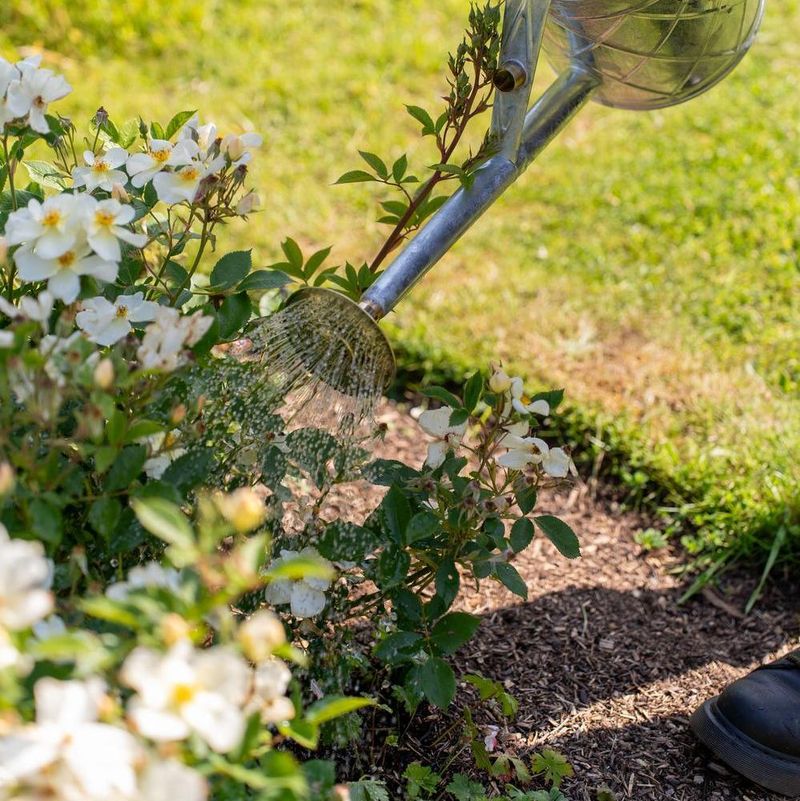
Georgia mornings in May can feel deceptively cool, but by midday the sun is strong and the soil dries out faster than you might expect. Roses need water that reaches deep into the root zone, not just a quick sprinkle on the surface.
Shallow watering encourages roots to stay near the top of the soil, where they are more vulnerable to heat stress as summer draws closer.
A good rule of thumb is to water rose beds slowly and thoroughly so that moisture soaks down at least six to eight inches. Doing this a few times each week, rather than a little every day, tends to support stronger root development.
The exact frequency may vary depending on your soil type, how much rain Georgia has received that week, and how much sun your rose bed gets.
Sandy soils found in parts of Georgia drain quickly and may need more frequent watering, while clay-heavy soils hold moisture longer but can become waterlogged if overwatered.
Checking the soil an inch or two below the surface before watering can help you avoid guessing.
Consistent, deep watering during May sets roses up to handle the intense Georgia summer heat that follows, making it one of the most useful habits you can build in your spring garden routine.
2. Mulch Around The Base
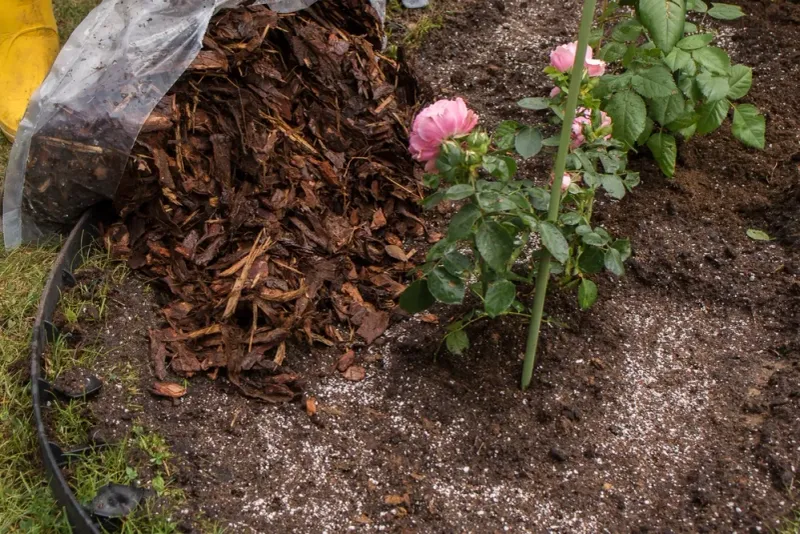
Few things help a rose bed more during a Georgia May than a fresh layer of mulch spread around the base of each plant. As temperatures rise and humidity swings up and down, mulch acts like a buffer between the soil and the heat above it.
It slows moisture evaporation, which means you spend less time at the hose and your roses spend more time thriving.
Pine straw is a popular mulching choice across Georgia because it is widely available, breaks down gradually, and tends to stay in place even during heavy spring rains.
Shredded wood mulch and pine bark nuggets are also solid options that many Georgia gardeners rely on.
Whatever you choose, aim for a layer about two to three inches deep around the base of each rose plant.
One thing worth keeping in mind is that mulch should not be piled directly against the canes or crown of the plant.
Your Georgia Garden Changes Every Week. Your Plan Should Too.
Gardening in Georgia changes quickly throughout the season. Every Friday you’ll receive a simple weekly plan showing exactly what to plant, prune, fertilize, harvest, and protect so you never miss the right timing.
Keeping a small gap between the mulch and the base of the stem helps reduce the chance of moisture-related problems developing right at the soil line.
Refreshing your mulch in May, especially if winter broke it down, gives your roses a cushion of protection heading into the warmer and more humid months ahead in Georgia.
3. Fertilize After The First Flush Of Blooms
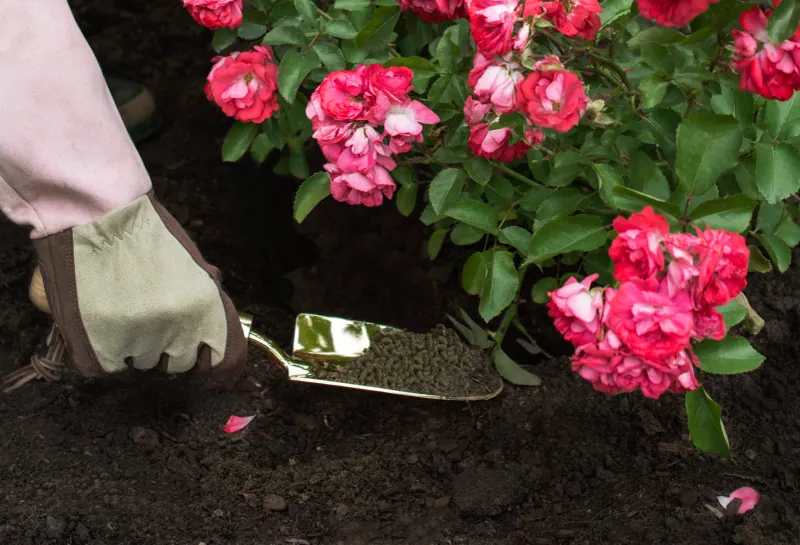
Watching that first wave of spring blooms open across a Georgia rose bed is one of the most rewarding parts of the gardening season.
Once those initial flowers begin to fade, that is a natural signal that the plant has spent a good amount of energy and is ready to be replenished.
Fertilizing at this point helps support the next round of growth and blooms rather than pushing the plant too hard before it has had a chance to recover.
A balanced rose fertilizer, whether granular or water-soluble, applied according to the product label gives roses a mix of nutrients they need to keep growing steadily through late spring.
Nitrogen supports leafy green growth, phosphorus helps with root strength and blooming, and potassium plays a role in overall plant health.
Many Georgia gardeners find that a slow-release granular fertilizer is easier to manage and reduces the risk of over-feeding.
Watering the rose bed well before and after applying fertilizer helps move nutrients into the soil and reduces the chance of root irritation. Fertilizing on a dry, hot afternoon is not ideal and can sometimes stress the plant.
Aim for a cooler part of the day, such as early morning, when Georgia temperatures are still manageable and the soil has had a chance to absorb overnight moisture.
4. Monitor For Black Spot
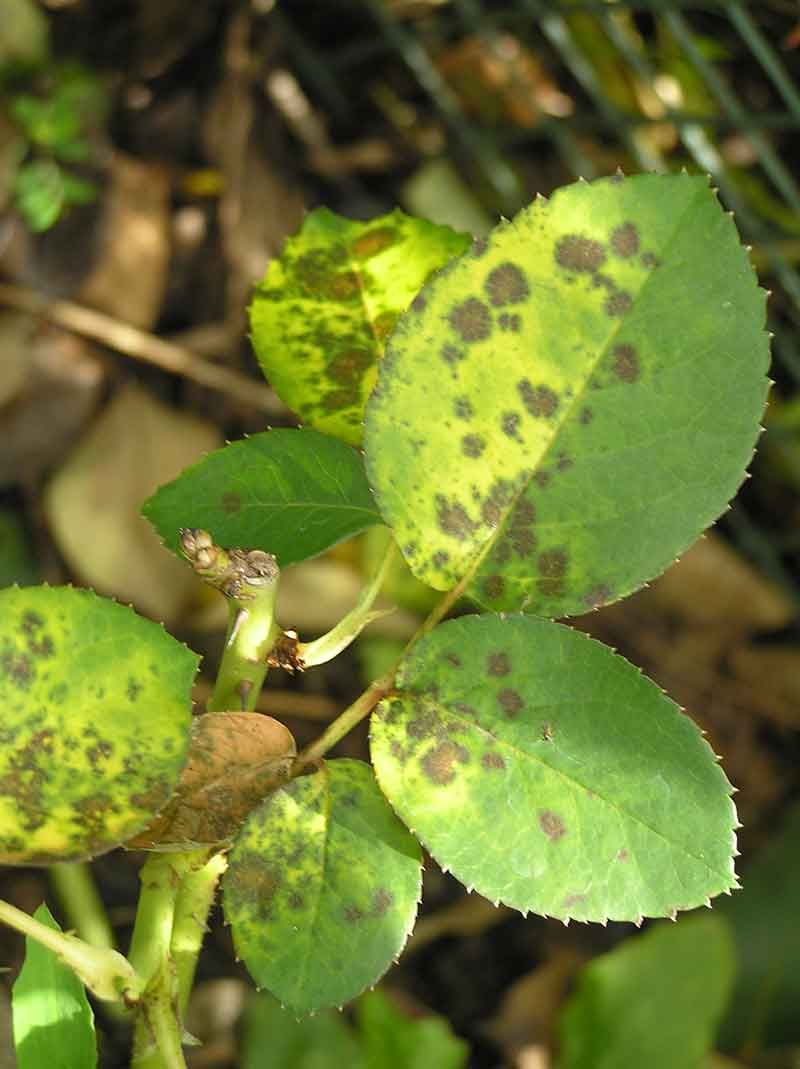
Black spot is one of the most common and frustrating problems that Georgia rose gardeners deal with, especially as May humidity begins to climb.
The disease shows up as circular dark spots on the upper surface of rose leaves, often surrounded by a yellow halo.
Affected leaves tend to drop from the plant earlier than they should, which weakens the rose over time if left unchecked.
The fungus that causes black spot thrives when leaves stay wet for extended periods, which makes Georgia’s warm and humid spring weather a particularly favorable environment.
Checking your rose plants regularly, at least once or twice a week during May, gives you a head start on catching the problem before it spreads across the entire plant or jumps to neighboring bushes in your garden bed.
Removing and disposing of infected leaves promptly, rather than composting them, helps slow the spread.
Fungicide sprays labeled for black spot on roses can be applied as a preventive measure or at the first sign of infection, following the product directions carefully.
Choosing rose varieties with some natural resistance to black spot is also worth considering for future plantings in Georgia landscapes.
Keeping the garden area clean of fallen leaves and debris under rose bushes reduces the places where the fungus can survive between wet weather events.
5. Watch For Aphids And Thrips
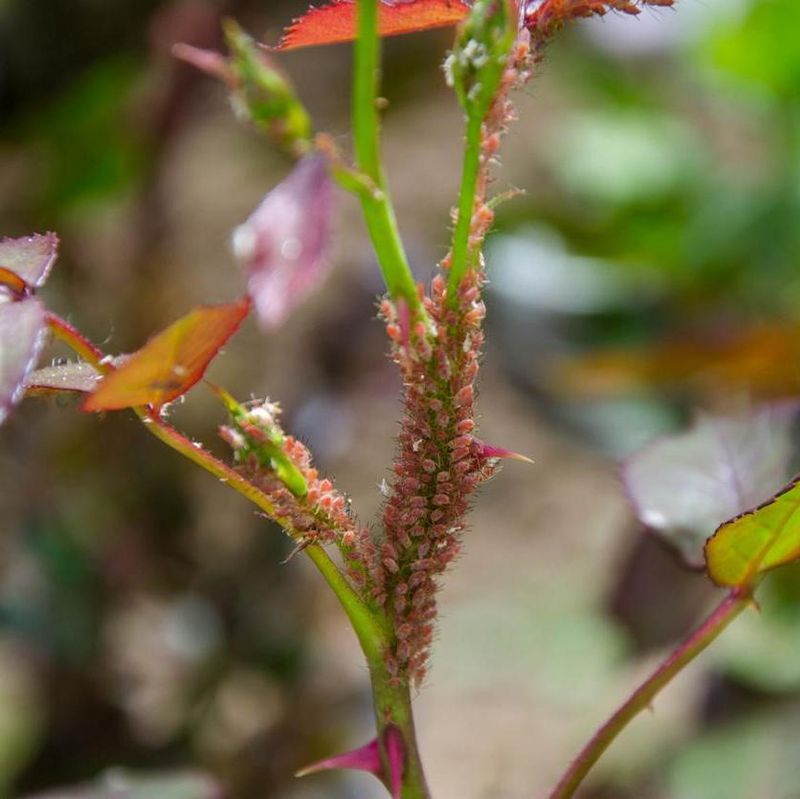
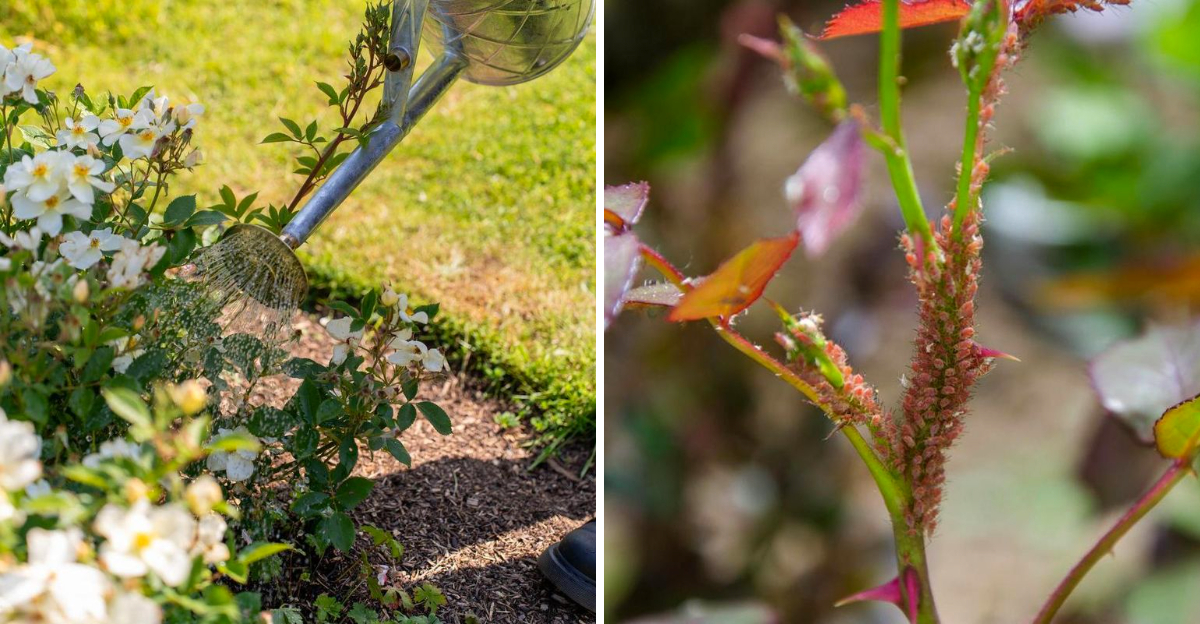
Soft new growth on roses in May is like an open invitation for aphids and thrips, two of the most common insect pests in Georgia rose gardens.
Aphids are tiny, soft-bodied insects that tend to cluster in groups on tender new shoots, buds, and the undersides of young leaves.
Thrips are even smaller and harder to spot but often hide inside flower buds, causing petals to look streaked, distorted, or browned at the edges before the bloom even opens fully.
A simple way to check for aphids is to look closely at the tips of new growth and squeeze a stem gently between your fingers. A sticky residue on leaves, sometimes accompanied by a black sooty mold, can also suggest that aphids have been feeding nearby.
For light infestations, a strong stream of water directed at the affected stems can knock many of them off without the need for any spray products.
Thrips are trickier to manage because they tend to shelter deep inside buds where sprays have trouble reaching. Removing and discarding heavily infested buds can help reduce their numbers.
Insecticidal soap or neem oil products are commonly used options for both pests and tend to be gentler on beneficial insects than some stronger treatments.
Checking roses frequently in May gives Georgia gardeners a better chance of catching these pests early.
6. Deadhead Spent Blooms
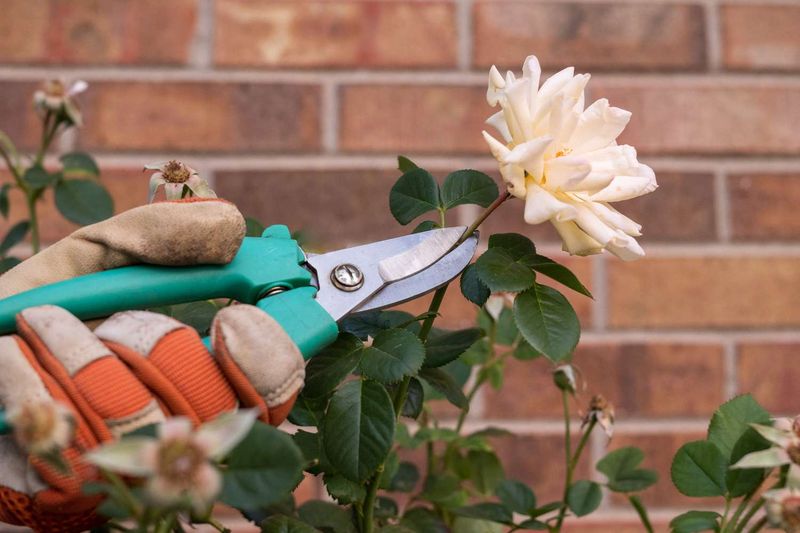
There is something satisfying about walking through a Georgia rose garden in May with a pair of clean pruning shears, snipping off faded blooms and watching the plant respond with fresh new buds in the weeks that follow.
Deadheading, which simply means removing spent or fading flowers, encourages repeat-blooming rose varieties to put their energy toward producing new flowers rather than forming seed hips.
When removing a spent bloom, cutting back to just above a set of five leaflets that faces outward from the center of the plant is a commonly recommended approach.
This helps direct new growth in a direction that keeps the plant open and well-shaped rather than crowded in the middle.
Sharp, clean pruning shears make cleaner cuts and reduce the chance of tearing or bruising the cane.
Regular deadheading throughout May also keeps the rose bed looking tidy and well-maintained, which matters a lot in foundation plantings and front-yard Georgia landscapes where curb appeal is part of the goal.
Leaving spent blooms on the plant for too long can sometimes attract certain insects and may give the garden a neglected appearance.
Making deadheading a weekly habit during the blooming season, starting in May, helps keep roses looking their most attractive while also supporting the plant’s continued flowering through late spring and into summer.
7. Check For Japanese Beetles
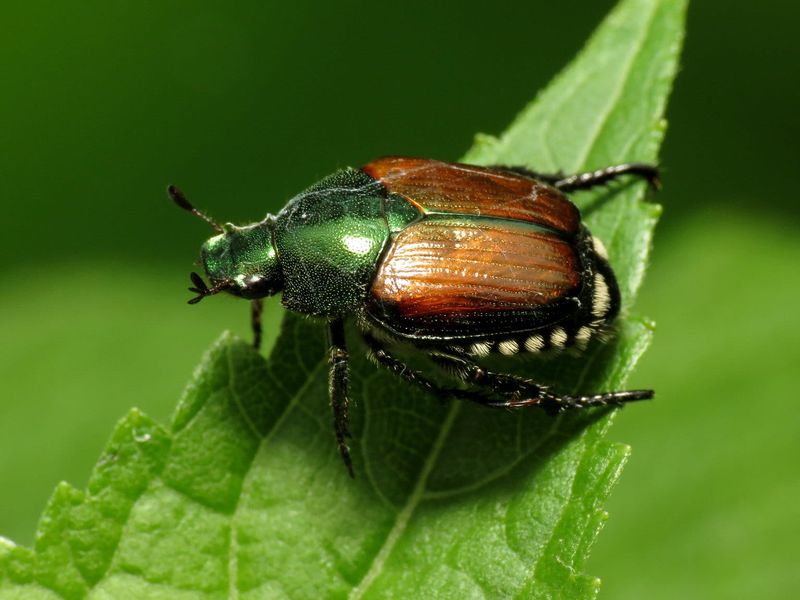
Few garden pests cause as much visible damage to roses as quickly as Japanese beetles, and Georgia gardeners typically start seeing them in May as temperatures warm and the insects emerge from the soil.
These metallic green and copper-colored beetles chew through rose petals and leaves in a distinctive lacy pattern, leaving behind ragged, skeletonized foliage and tattered blooms that can make a rose bush look rough very quickly.
Checking your rose plants in the morning, when beetles tend to be slower and easier to spot, can give you a chance to catch an infestation before it grows.
Hand-picking beetles off the plant and dropping them into a bucket of soapy water is a low-tech approach that works reasonably well for smaller infestations.
It takes some patience but avoids the need for chemical treatments when numbers are still manageable.
Japanese beetle traps are widely available but should be placed well away from rose beds if you use them, since they can sometimes attract more beetles to the general area than were already present.
Neem oil and certain insecticide sprays labeled for Japanese beetles on roses are other options that Georgia gardeners use, following label directions carefully.
Monitoring rose beds consistently through May and into June gives you the best chance of staying ahead of these persistent and destructive pests before they reach peak population levels in Georgia.
8. Avoid Overhead Watering
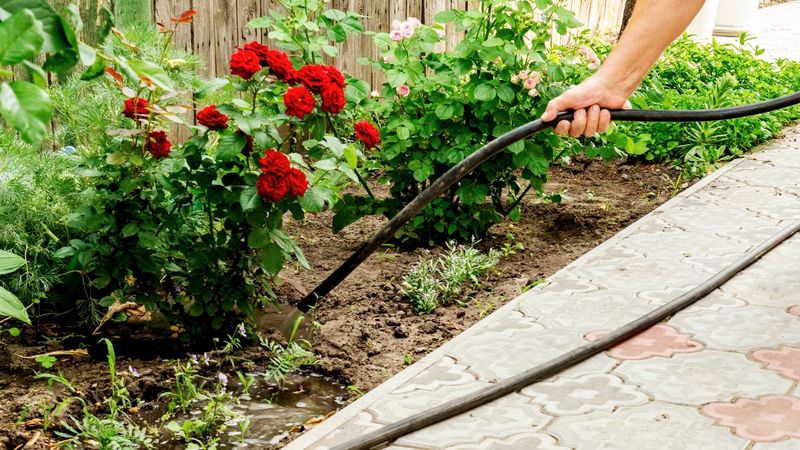
The way you water your roses matters just as much as how often you water them, especially in a humid state like Georgia where moisture on leaves can quickly lead to fungal problems.
Overhead watering, such as using a sprinkler that sprays water across the entire plant from above, keeps foliage wet for extended periods and creates conditions where diseases like black spot and powdery mildew tend to develop more easily.
Directing water at the base of the plant rather than over the top keeps the leaves drier and puts moisture right where the roots need it most.
Soaker hoses and drip irrigation are two approaches that many Georgia rose gardeners find very practical because they deliver water slowly and consistently at ground level without splashing soil or wetting the canes and leaves above.
If overhead watering is unavoidable due to your setup, watering early in the morning gives foliage a chance to dry out during the day before cooler evening temperatures arrive.
Watering late in the afternoon or evening and leaving wet leaves overnight is a habit worth breaking, especially during Georgia’s humid May weather when drying conditions are already less reliable.
Making even small adjustments to how and when you water can have a noticeable impact on how healthy your rose plants look and feel throughout the spring and into summer.