How North Carolina Gardeners Can Grow Colorful Coleus With Simple Tips
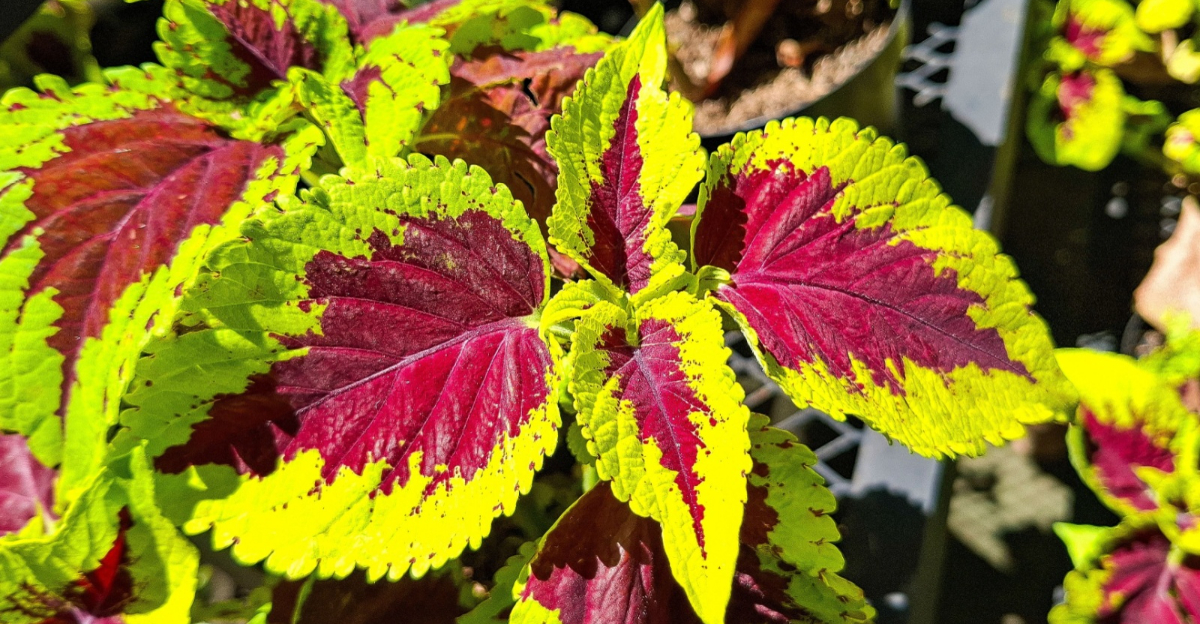
Coleus has a way of making everything around it look a little more exciting. One plant can show off splashes of burgundy, lime, gold, and deep purple like it got dressed up just to impress the neighborhood.
In North Carolina, that kind of bold foliage earns plenty of attention, especially in shady porches, patio pots, and garden beds that need color without relying on nonstop blooms.
Honestly, coleus can do a lot of heavy lifting.
What makes it even more appealing is that it tends to handle North Carolina’s sticky summer weather better than many gardeners expect. A few simple habits can make a big difference.
The right light keeps those colors vivid, steady moisture helps the plant stay lush, and a little pinching here and there can work wonders.
Put all that together, and coleus can bring months of bright, leafy drama to a North Carolina garden.
Not bad for a plant grown mostly for its leaves.
1. Part Shade Helps Coleus Hold Its Color
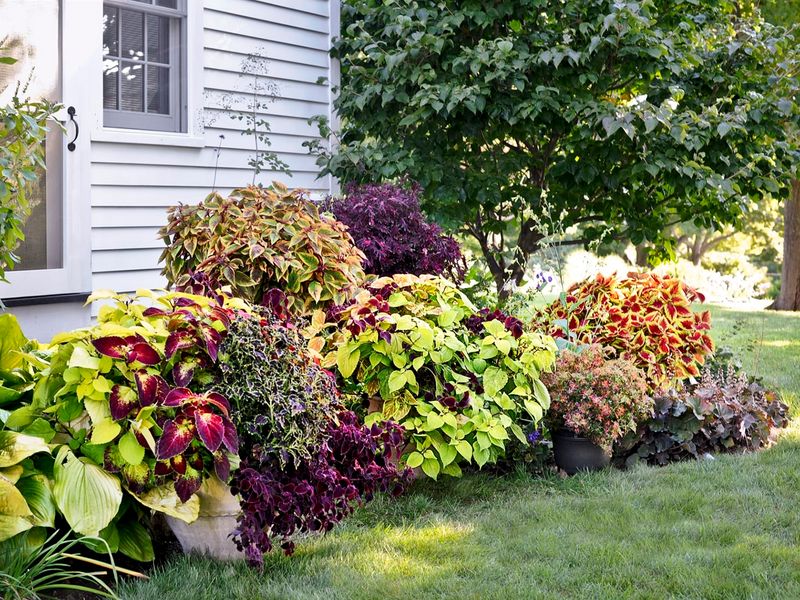
Bold leaf color is one of the biggest reasons gardeners reach for coleus in the first place, and light plays a huge role in whether that color stays vivid or starts to fade.
Coleus tends to perform well in part shade, which typically means a few hours of morning sun followed by protection from the harsh afternoon rays.
In North Carolina, where summer afternoons can get intensely bright and hot, that afternoon shade often makes a noticeable difference in how the leaves look.
Too much direct sun can cause the leaves to bleach out or develop scorched edges, especially on varieties with lighter or more delicate coloring. On the flip side, very deep shade can dull the color and cause the plant to stretch out awkwardly.
The sweet spot for most coleus varieties is bright, indirect light or filtered sun for a good portion of the day.
North Carolina gardeners planting near deciduous trees or on the east side of a building often find that coleus thrives in those spots. Observing how sunlight moves across your yard at different times of day can help you choose the right location.
Adjusting container placement is also an easy way to fine-tune light exposure as the season changes.
2. Rich Well-Drained Soil Supports Better Growth
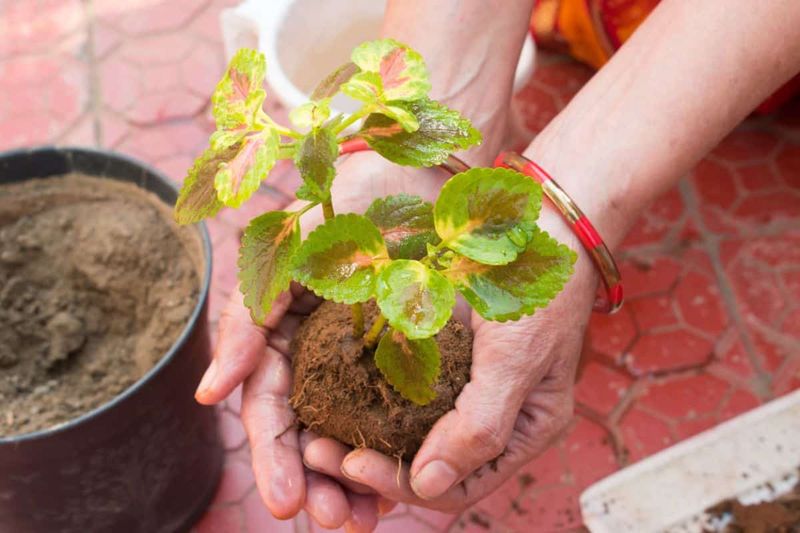
Soil quality matters more than many first-time coleus growers expect. Coleus roots need a growing medium that holds enough moisture to stay hydrated between waterings but drains well enough that water does not sit around the roots for long periods.
Heavy clay soil, which is common in parts of North Carolina, can hold too much water and may cause root problems if it is not amended before planting.
Working compost or other organic matter into garden beds before planting helps improve both drainage and nutrient availability.
A loose, rich soil gives coleus roots room to spread and supports the kind of lush, leafy growth that makes these plants so attractive.
Raised beds are another option that North Carolina gardeners sometimes use to get better control over drainage and soil quality in areas where native soil is less than ideal.
Your North Carolina Garden Changes Every Week. Your Plan Should Too.
Gardening in North Carolina changes quickly throughout the season. Every Friday you’ll receive a simple weekly plan showing exactly what to plant, prune, fertilize, harvest, and protect so you never miss the right timing.
For container planting, a high-quality potting mix designed for containers tends to work better than garden soil, which can compact over time in pots. Some gardeners add perlite to their container mix to improve drainage further.
Giving coleus a healthy foundation from the start often reduces problems with wilting, slow growth, and dull foliage later in the season.
3. Even Moisture Helps Coleus Stay Full And Fresh
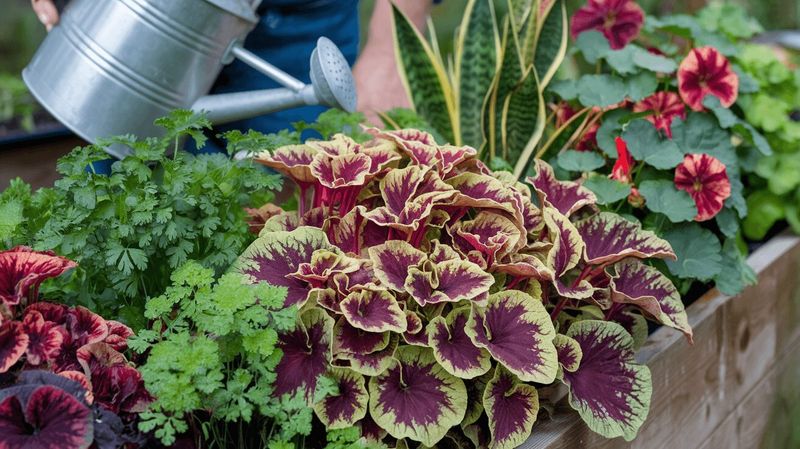
Watering coleus is one of those tasks that rewards consistency.
When the soil dries out too much between waterings, coleus leaves can wilt quickly, and while plants often recover after a good drink, repeated dry spells can stress the plant and affect overall appearance.
In North Carolina, summer heat can dry out garden beds faster than gardeners sometimes expect, especially during stretches of low rainfall.
Keeping the soil evenly moist, without letting it become waterlogged, is the general goal. Checking the top inch of soil before watering is a simple habit that helps avoid both underwatering and overwatering.
Mulching around coleus plants in garden beds can help slow moisture evaporation from the soil surface and keep roots cooler during hot spells.
Coleus planted in the ground often handles brief dry periods a little better than those in containers, since garden soil holds more volume of moisture.
That said, even in-ground plants benefit from regular attention during dry stretches in the North Carolina summer.
Morning watering is often preferred because it gives the leaves a chance to dry before evening, which can reduce the risk of fungal issues in the humid conditions that are common across much of the state.
4. Containers Often Need More Frequent Watering
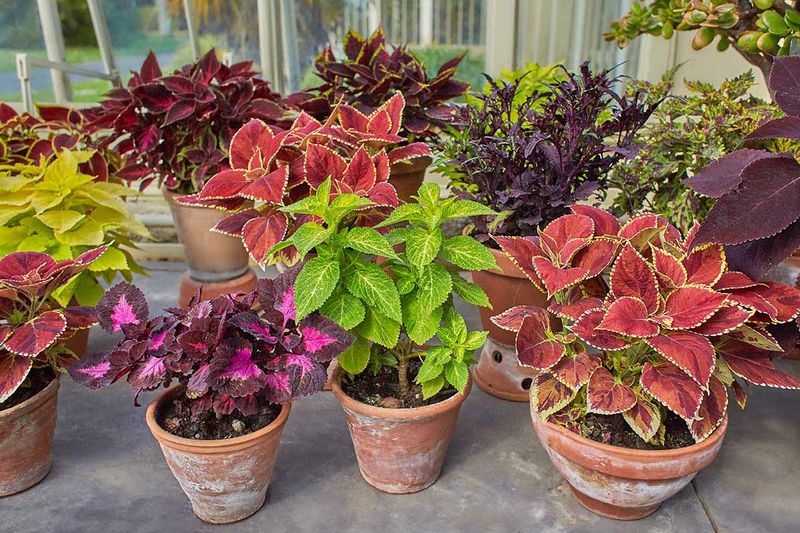
Pots and planters are among the most popular ways to grow coleus in North Carolina, and for good reason.
Containers let gardeners move plants around to find the best light, refresh the display easily, and bring plants indoors if an unexpected cold snap arrives in fall.
However, container-grown coleus does have one habit that catches some gardeners off guard: it can dry out surprisingly fast.
Because container soil has a limited volume compared to a garden bed, it loses moisture more quickly, especially in warm weather.
During the height of a North Carolina summer, some containers may need watering every day or even twice a day if the weather is especially hot and dry.
Larger pots tend to hold moisture longer than small ones, which is worth keeping in mind when selecting containers.
Checking containers daily during hot stretches is a straightforward way to stay ahead of moisture stress. Self-watering containers are another option that some gardeners find helpful for keeping moisture more consistent without constant monitoring.
Grouping containers together can also slow moisture loss slightly, since the plants create a bit of a microclimate around each other. Paying attention to your specific containers and how quickly they dry out is the most reliable guide.
5. Pinching Tips Helps Plants Grow Bushier
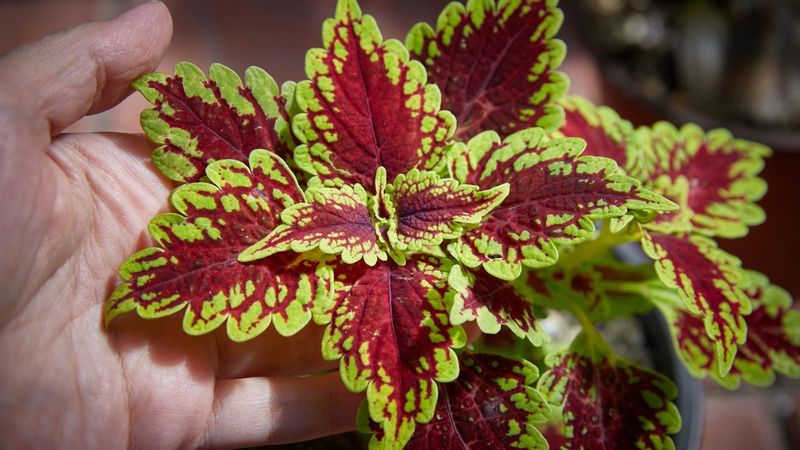
One of the most rewarding things you can do for a coleus plant takes only a few seconds.
Pinching out the growing tips, which means removing the topmost pair of leaves or the soft tip of each stem, encourages the plant to branch out rather than grow tall and thin.
The result is a fuller, more compact plant with more leaves and a rounder overall shape that tends to look much more attractive in both containers and garden beds.
Many coleus plants will naturally try to grow upward, especially in lower light conditions. Regular pinching redirects that energy into side branches, creating a bushier habit over time.
North Carolina gardeners who pinch their coleus every couple of weeks through the growing season often end up with plants that look dramatically different from those left to grow without any attention.
The technique itself is simple. Using clean fingers or small pruning snips, remove the tip of each stem just above a set of leaves.
New growth will emerge from the nodes below the cut, and the plant will gradually fill in. Starting this habit early in the season, when plants are still young and actively growing, tends to produce the best results.
It is a low-effort practice with a noticeable payoff.
6. Removing Flower Spikes Keeps The Focus On Foliage
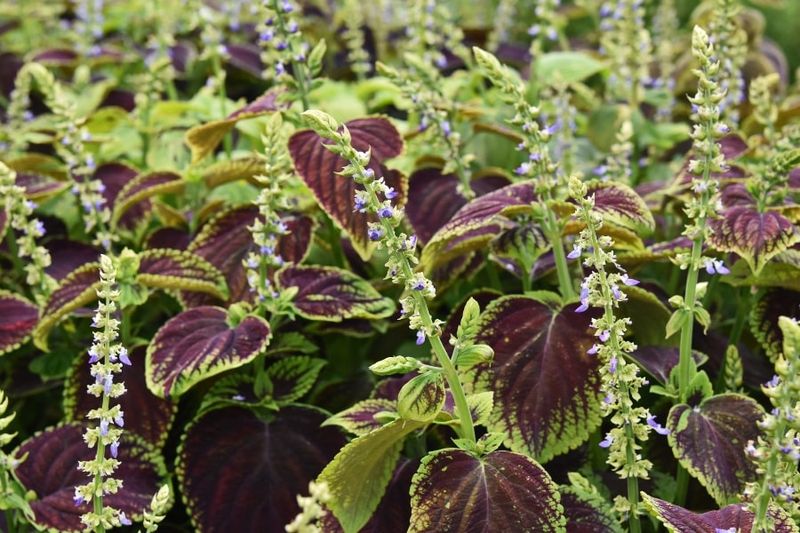
Coleus is grown for its leaves, not its flowers, which makes flower spike removal one of the more important maintenance habits for keeping plants looking their best.
When coleus sends up a flower spike, which is a tall stem topped with small, often bluish or purplish blooms, the plant shifts some of its energy toward producing seeds.
That shift can cause the foliage to become less vibrant and the plant to slow down its leafy growth.
Removing flower spikes as soon as they appear redirects the plant’s energy back into producing the bold, colorful foliage that makes coleus so appealing.
In North Carolina, the warm, long summers can sometimes trigger coleus to bolt and flower earlier than gardeners expect, especially toward the latter part of the season.
Staying alert to the appearance of those tall central spikes is a habit worth developing.
Pinching off flower spikes is quick and easy. Simply snap or snip the spike off at its base before it has a chance to fully develop.
Some gardeners do this at the same time they pinch back growing tips, making it part of a regular weekly or biweekly check.
Keeping up with flower removal through summer helps maintain the lush, leafy appearance that coleus is known for and keeps the display looking its most colorful.
7. Deep Shade Can Lead To Leggy Growth
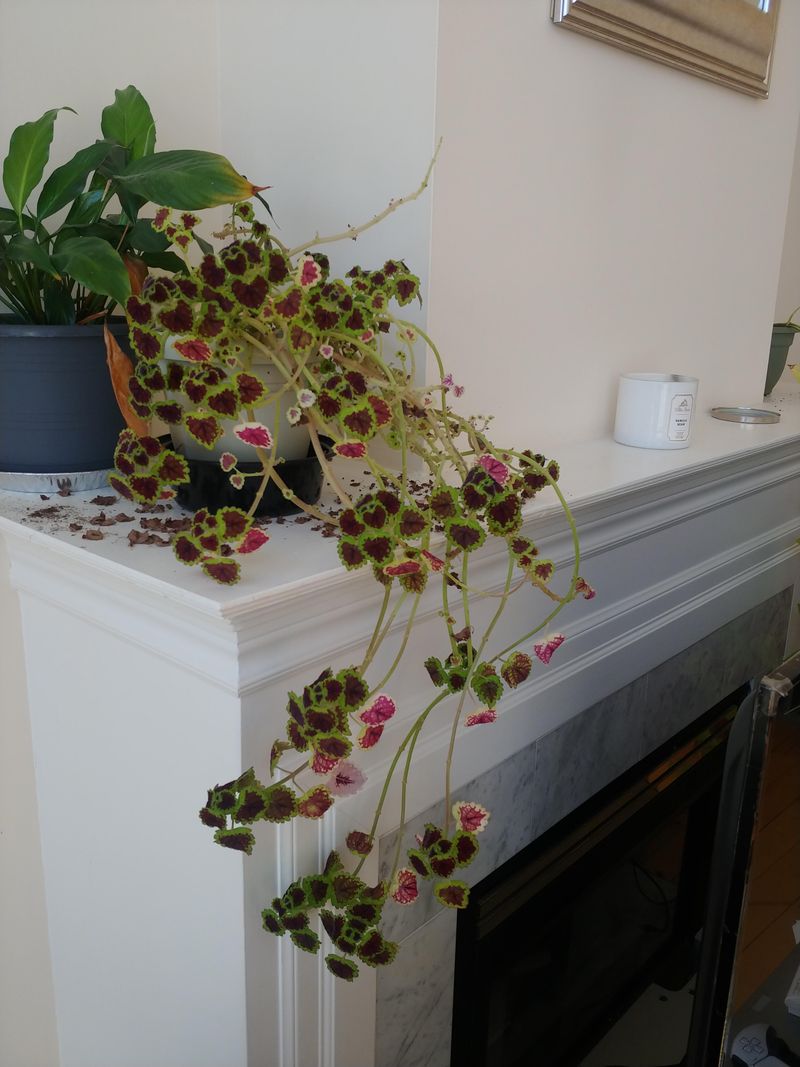
Shade is often recommended for coleus, and for good reason, but there is a difference between the kind of light, filtered shade where coleus thrives and the dense, deep shade where it tends to struggle.
When coleus does not receive enough light, it responds by stretching its stems upward in search of brighter conditions.
The result is a leggy plant with long gaps between leaves and a sparse, open appearance rather than the full, lush look most gardeners are going for.
In North Carolina, spots under dense evergreen trees or on the north-facing side of structures with no reflected light can sometimes be too shady for coleus to perform well.
The leaves may also appear duller or less intensely colored in very low light, since some of the pigment development in coleus foliage is influenced by light levels.
Varieties bred for deeper shade tolerance tend to handle low-light spots better than standard varieties, so checking the label before planting can be helpful.
If a coleus plant starts looking stretched and sparse, moving it to a slightly brighter location, even just a few feet, can make a real difference.
Pinching the leggy stems back at the same time helps encourage fresh, compact regrowth.
Finding that middle ground between too much sun and too little light is often the key to keeping coleus looking full and vibrant through the North Carolina summer.
8. Warm Weather Makes Outdoor Planting Safer
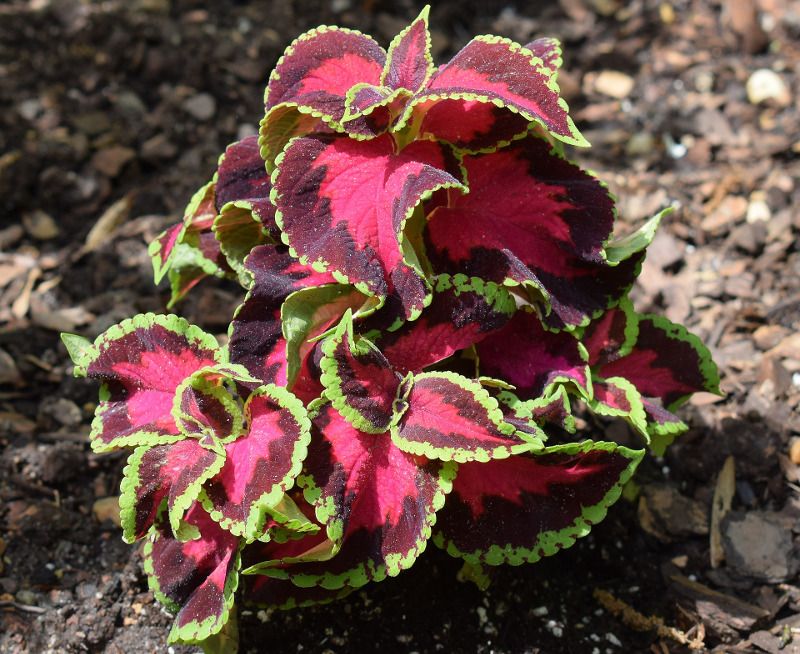
Timing matters when it comes to getting coleus off to a strong start outdoors. Coleus is a tropical plant at heart and is sensitive to cold temperatures.
Planting too early in spring, before nighttime temperatures have settled into a reliably warm range, can stress young plants and slow their establishment.
In North Carolina, that safe planting window typically arrives sometime in mid-to-late spring, though the exact timing can vary depending on your location in the state.
The mountains of western North Carolina, for example, often see cooler spring temperatures that linger longer than in the Piedmont or coastal plain.
Gardeners in those higher-elevation areas may want to wait a bit longer before moving coleus outdoors permanently.
Watching the forecast for any late cold snaps is a reasonable precaution, since even a brief cold night can set young plants back noticeably.
Hardening off transplants before placing them in their final outdoor spot is also worth the effort.
This process involves gradually exposing young plants to outdoor conditions over several days, starting with short periods outside and slowly increasing their time outdoors.
It helps them adjust to wind, sun, and temperature shifts without the shock that can come from going directly from a greenhouse or indoor environment to a full outdoor setting in North Carolina’s sometimes unpredictable spring weather.
9. Cuttings Make It Easy To Grow More Coleus
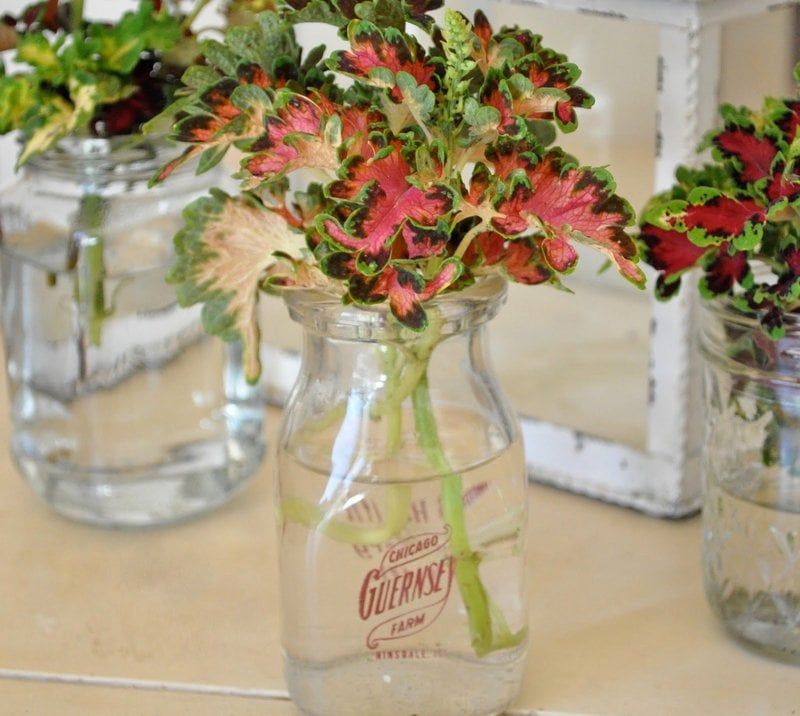
One of the most satisfying things about growing coleus is how easily it can be multiplied. Taking stem cuttings is a straightforward propagation method that lets gardeners grow more plants from ones they already love, without spending extra money.
It is also a practical way to save favorite varieties at the end of the growing season before cooler North Carolina fall temperatures arrive.
To take a cutting, snip a healthy stem about four to six inches long, just below a leaf node. Remove the lower leaves so the bottom portion of the stem is bare, then place it in a glass of water or moist potting mix.
Coleus cuttings tend to root fairly quickly, often within a week or two in water, and new root growth is usually visible before long. Once roots are established, the cutting can be potted up into soil.
Cuttings taken in late summer or early fall can be rooted and kept indoors through winter as houseplants, then moved back outside the following spring when temperatures warm up again.
This is a popular approach among North Carolina gardeners who find a coleus variety they especially like and want to carry it forward into the next season.
It takes very little effort and can be a fun way to expand a garden display with plants that are already proven performers in your specific conditions.