How To Choose A Porch Plant That Naturally Keeps Wasps Away In California
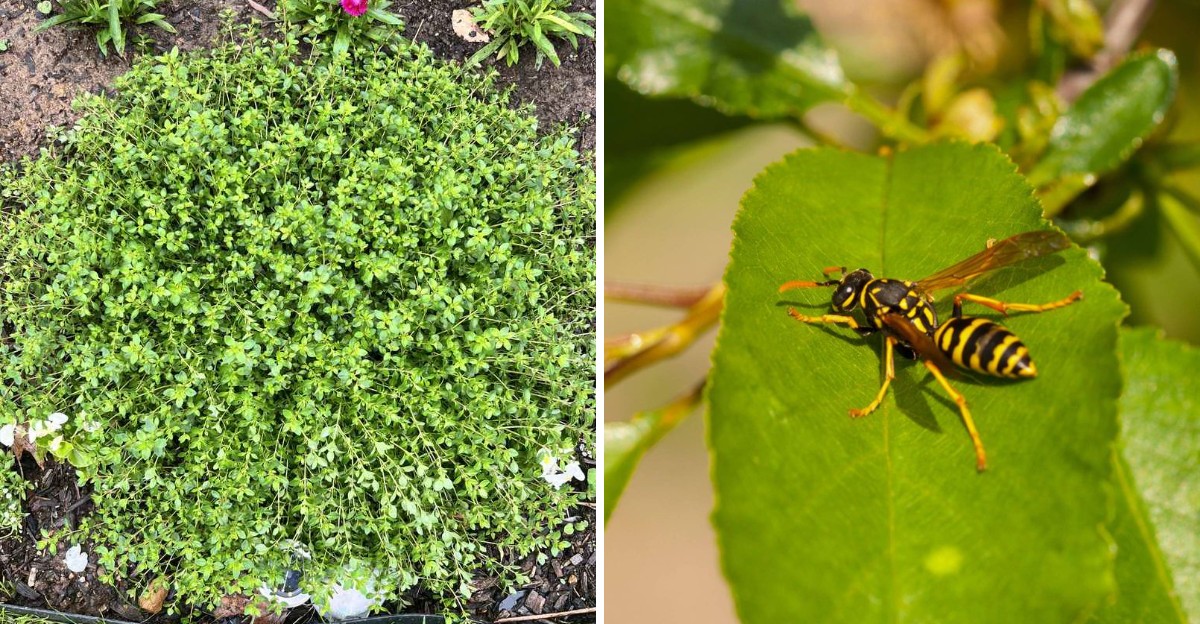
A sunny porch in California often comes with an uninvited buzzing guest or two. Paper wasps love sheltered entries, and yellowjackets seem to appear the moment food hits the table.
Plenty of gardeners turn to plants for help. Certain fragrant favorites have earned a long-standing reputation for making porches feel less inviting to wasps.
Their strong scents may not work like a force field. Placed and cared for thoughtfully, though, they can add a gentle layer of defense.
The right choices also bring color, flavor, and fragrance to the doorstep.
A few smart container tricks and simple habits help those plants do their best work all season long.
1. Aromatic Herbs Offer At Best A Mild Deterrent
A crushed rosemary leaf releases a scent that hits hard. Strong smells like that explain why herbs appear on so many wasp-repellent lists, with mint, basil, lemongrass, thyme, and rosemary mentioned again and again.
Those scents come from natural oils packed into the leaves. Many insects rely on smell to find food and nest sites, so powerful aromas may make an area feel less appealing.
Research offers some encouraging hints. Lab studies on plant oils, such as mint oil blends, found that wasps tended to avoid them in controlled setups.
USDA researchers also reported that a blend of clove, geranium, and lemongrass oils kept some yellowjackets and paper wasps away from traps. Those findings help explain the long-standing popularity of fragrant herbs.
A living plant releases less scent than a concentrated oil, so expectations work best set at mild deterrent rather than full-time bodyguard. Several plants grouped together near the entry give the effect a better chance.
Brushing or lightly crushing leaves releases more aroma. A quick pinch while walking past can freshen the scent around the door.
Herbs bring plenty of other rewards, too. They smell wonderful, look tidy in pots, and many grow beautifully in California sun.
Fresh mint in iced tea, basil on pizza, and rosemary on roasted potatoes add real value to every harvest. Even a modest effect on wasps comes as a welcome bonus on top of all that flavor.
2. Mint Brings A Fresh Scent Wasps May Avoid
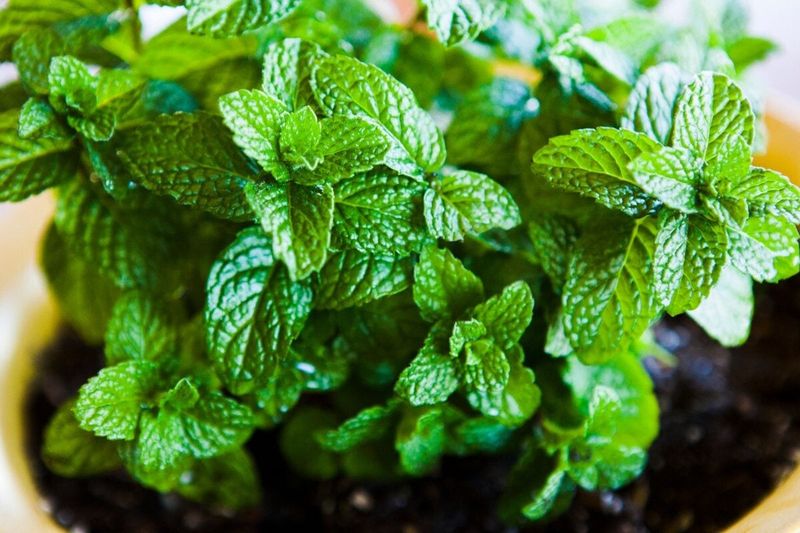
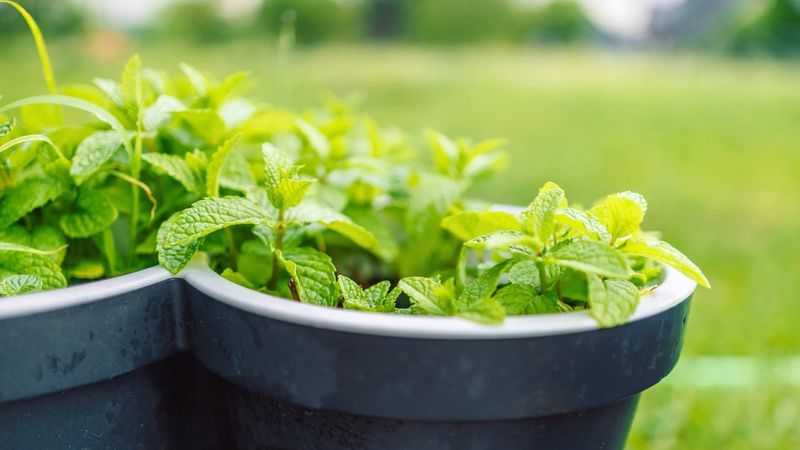
A brush against a pot of mint fills the air with a cool, sharp fragrance. That powerful aroma makes mint one of the most popular choices for gardeners hoping to discourage wasps.
Peppermint and spearmint both carry strong oils in their leaves. Studies on mint oil blends showed that wasps tended to steer clear in lab settings, which helps explain the herb’s reputation.
Mint does come with one big quirk. It spreads aggressively through underground stems called rhizomes, sending up shoots far from the parent plant.
In a garden bed, it can crowd out flowers, vegetables, and even small shrubs within a season or two. A container keeps all that energy in check.
A pot at least 12 inches wide with good drainage works well. Setting it on a paver or plant stand, rather than sinking it into the ground, helps block sneaky runners.
Your California Garden Changes Every Week. Your Plan Should Too.
Gardening in California changes quickly throughout the season. Every Friday you’ll receive a simple weekly plan showing exactly what to plant, prune, fertilize, harvest, and protect so you never miss the right timing.
Mint likes regular water and some afternoon shade in hot inland areas like Fresno or Riverside. Coastal porches can give it more sun.
Frequent trimming keeps it bushy and releases more scent each time. Snipping off flowers matters, too, since blooms can draw bees and wasps rather than discourage them.
A few pots placed near the door, along steps, or beside seating areas spread the fragrance where it counts.
Fresh sprigs for tea make a tasty bonus, and a tidy pot of mint is something no gardener will mint-ly regret.
3. Lemongrass Adds A Bright Citrus Scent
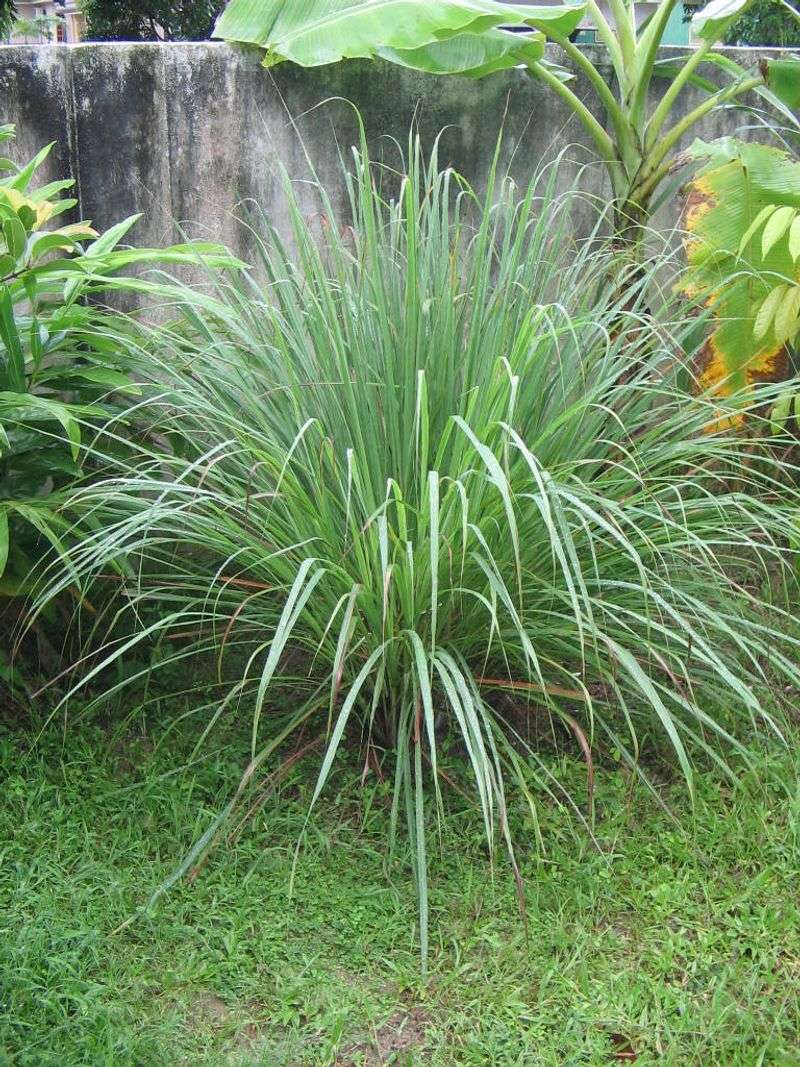
A gentle squeeze of a lemongrass blade releases a bright, lemony fragrance. That scent comes from citral, a natural compound also found in many citrus-scented repellent products.
Lemongrass is a close relative of citronella grass, a familiar name in outdoor insect products. USDA research found that a blend including lemongrass oil helped keep some yellowjackets and paper wasps away from traps.
Those results make lemongrass a natural pick for a fragrant porch lineup. Its tall, arching clumps also add a soft, tropical look beside the door.
This grass loves heat and sun, which makes it a great match for much of California. Plants can reach three to four feet tall in a single warm season.
Frost is its main weakness. In colder inland valleys and foothills, potted lemongrass can move into a garage or sheltered spot during winter cold snaps.
Coastal and Southern California gardeners can often leave it outdoors year-round. A large container with good drainage and regular summer water keeps it lush.
Brushing past the leaves releases extra fragrance, so a spot near the walkway works well. Gloves help when trimming, since the blades have sharp edges.
The stalks also bring flavor to soups, curries, and tea. A clump that adds scent, style, and supper ingredients earns its place on almost any sunny porch.
Its cheerful citrus note greets every visitor at the door.
4. Basil Works Best With Flowers Pinched Off
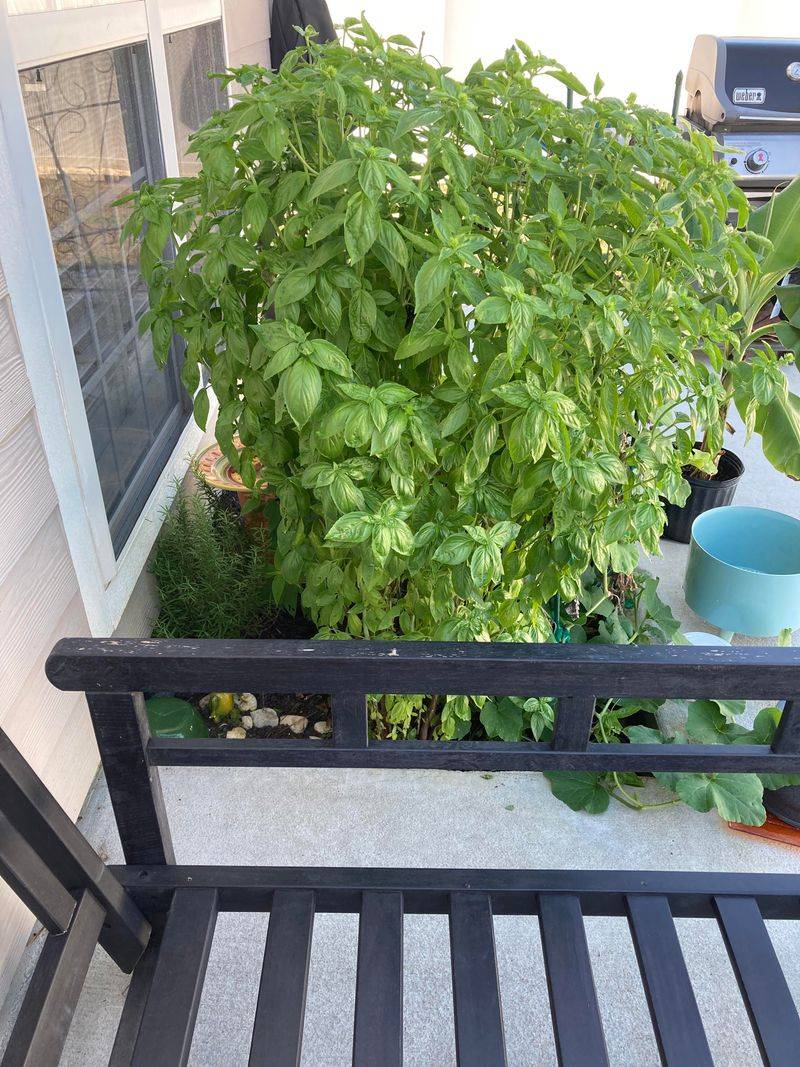
Few herbs smell as warm and sweet as fresh basil on a lazy summer afternoon. That rich aroma has earned basil a regular spot on lists of plants that may help discourage wasps.
Basil leaves hold aromatic oils that release easily when brushed or picked. Gardeners often report fewer buzzing visitors around porches lined with fragrant pots.
The herb thrives in California’s long, warm summers. Full sun, rich soil, and steady moisture keep plants lush and full of rich scent.
One habit makes a big difference. Basil flowers when left untrimmed, and those blooms can attract bees and wasps rather than send them away.
Pinching off flower buds as soon as they appear keeps the plant leafy and fragrant. The herb also grows bushier as a happy side effect.
Regular harvesting works the same way. Snipping stems just above a pair of leaves encourages fresh growth and keeps the aroma strong and steady.
Basil is a warm-season annual and strongly dislikes cold nights. Planting after the last frost and enjoying it through early fall makes the most sense in most of the state.
Several varieties offer extra fragrance. Sweet basil, lemon basil, and Thai basil each bring a slightly different scent.
A mix of pots near the door creates a fragrant welcome while supplying fresh leaves for pasta, salads, and pizza all summer long.
5. Rosemary Suits Sunny California Porches
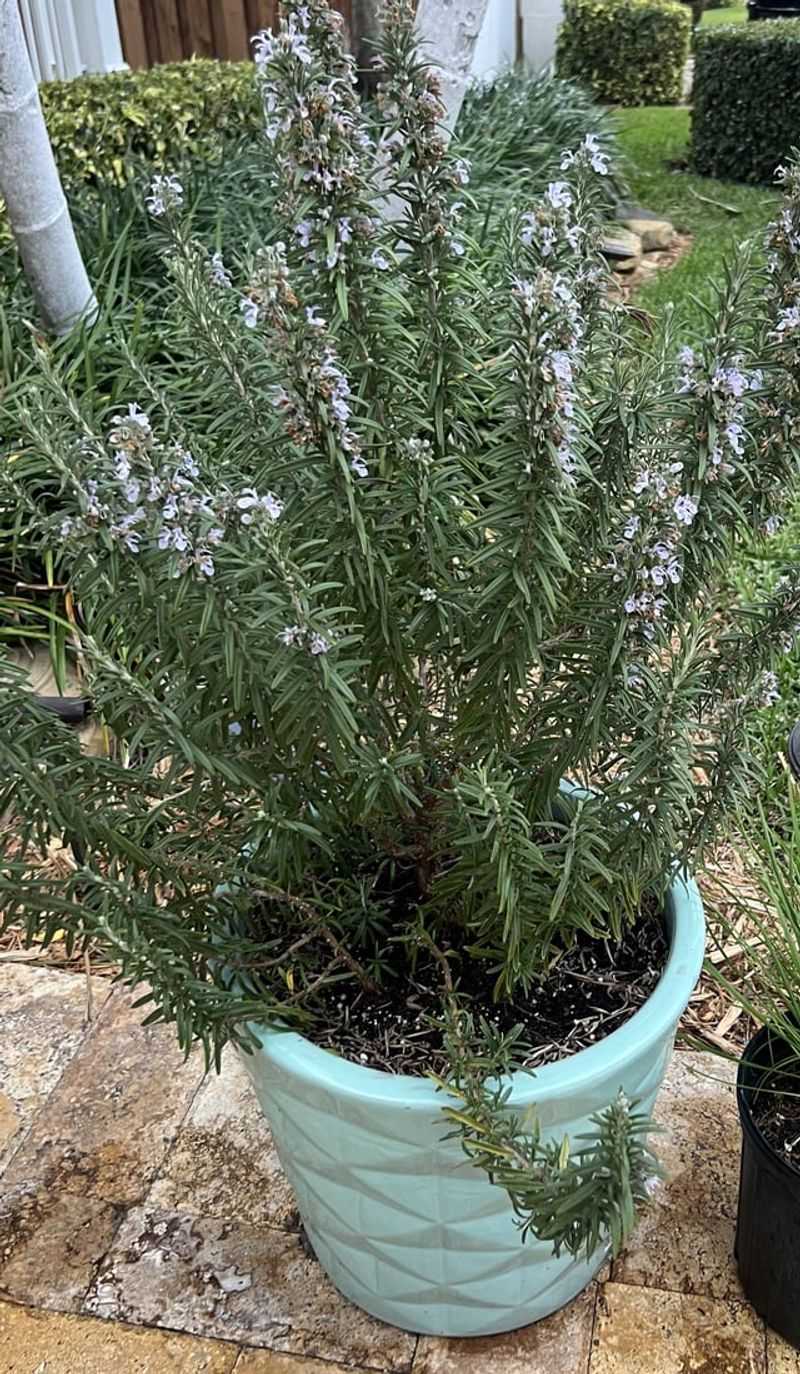
Every brush of a pant leg against a rosemary shrub by the front steps releases a piney fragrance. That bold scent explains why rosemary shows up on so many lists of wasp-discouraging plants.
Its needle-like leaves are packed with aromatic oils. Many gardeners consider it one of the most reliable herbs for adding strong fragrance around a busy entry.
Rosemary comes from Mediterranean hillsides, so California sun feels like home. It handles heat, drought, and reflected warmth from walls and walkways with remarkable ease.
Upright types like ‘Tuscan Blue’ make striking vertical accents in large pots. Trailing types spill nicely over the edge of a container or raised planter.
Drainage matters more than almost anything else. Gritty potting mix and a pot with drainage holes keep roots from sitting wet, since soggy soil causes most rosemary troubles.
Once established, it needs only occasional deep water. Rich fertilizer is best skipped, since lean conditions keep the scent stronger and the plant tougher.
Small blue flowers often appear in late winter and spring, drawing plenty of bees. A light trim after bloom keeps the plant compact and encourages fresh, fragrant growth.
Rosemary stays evergreen, so its scent lingers through every season. A pot near the door doubles as a handy kitchen herb, ready for roasted vegetables and grilled dishes.
Few plants deliver this much fragrance with so little fuss.
6. Thyme Packs Strong Scent Into Small Pots
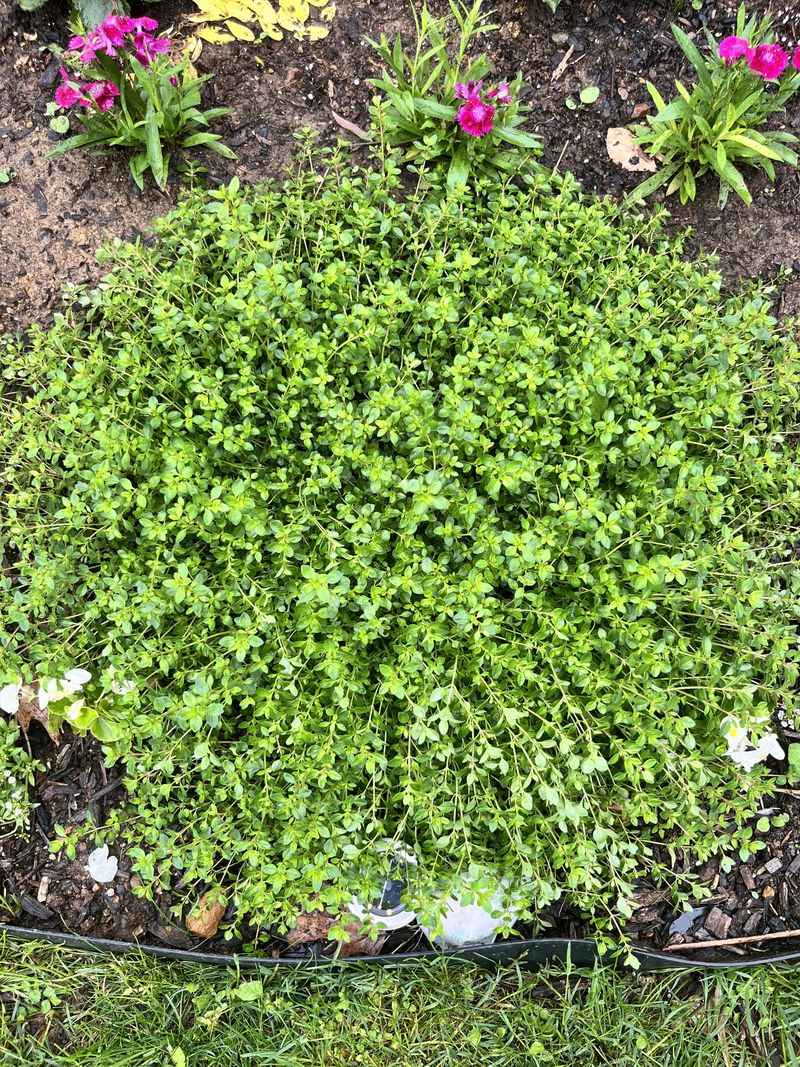
Small porches and narrow steps don’t leave much room for big planters. Thyme solves that problem by packing a surprisingly strong fragrance into a compact, low-growing plant.
Its tiny leaves hold aromatic oils similar to those in other Mediterranean herbs. That scent has earned thyme a place on many lists of plants that may help discourage wasps.
Common thyme, lemon thyme, and creeping varieties all work well in containers. Lemon thyme adds a citrusy twist that pairs nicely with nearby lemongrass.
Like rosemary, thyme loves sun and dislikes soggy soil. A shallow pot with gritty mix and good drainage keeps it healthy.
Watering only when the top inch of soil feels dry suits it best. Too much water causes more trouble than too little.
Thyme blooms in late spring and summer with tiny pink, purple, or white flowers. Those blossoms attract bees and other pollinators, so a quick trim right after bloom helps keep buzzing traffic away from the door.
That same trim encourages fresh leaves and keeps the plant tidy. Regular snips for cooking work much the same way.
Several small pots of thyme tucked along railings, steps, or window ledges spread fragrance without crowding the space.
The plants stay evergreen in much of California, offering year-round scent and a steady supply for soups, roasts, and sauces. Every pot adds up to thyme well spent.
7. Movable Containers Put Scent Where It Counts
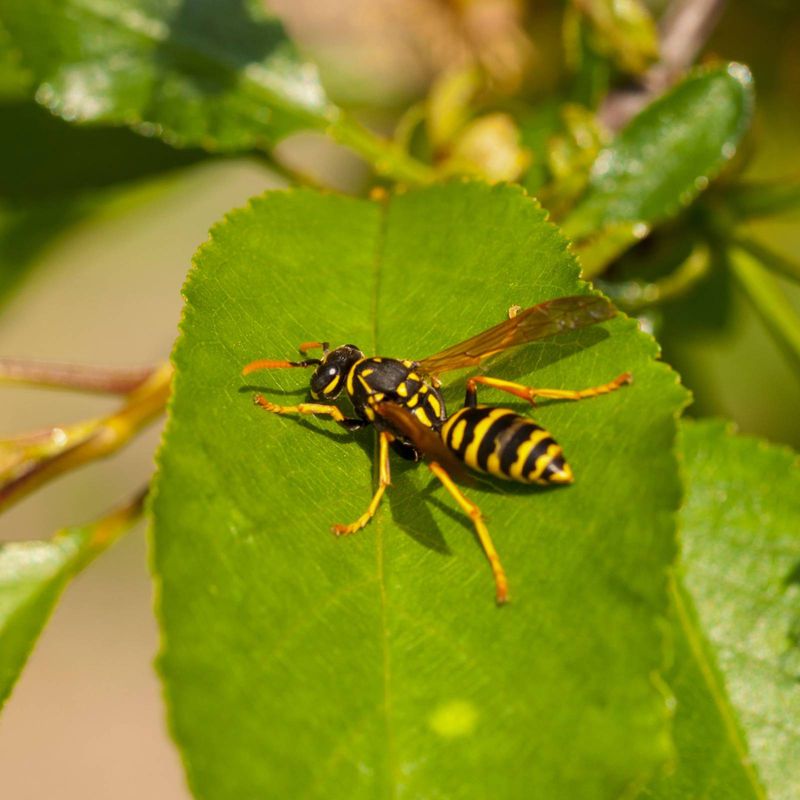
Fragrant herbs work best right where people gather. Movable containers make it easy to place them beside doors, benches, and outdoor dining spots, then shift them as needs change.
Plastic, fiberglass, and resin pots weigh much less than ceramic or concrete. Rolling plant caddies help with larger containers like lemongrass or upright rosemary.
Grouping several scented pots together builds a stronger aroma than a single plant on its own. A cluster of mint, basil, and thyme near the door creates a fragrant zone worth walking through.
Placement matters for other plants, too. Some flowers can actually attract wasps, since adults need sugar for energy and nectar offers an easy source.
Fennel, dill, yarrow, sweet alyssum, and many open, shallow blooms rank as common wasp favorites. Those plants work well along the back fence or at the edge of the yard rather than beside the entry.
Fruit-bearing plants deserve similar thought. Ripe and fallen fruit draws yellowjackets in late summer and fall, so potted figs and citrus are best rolled away from doors as harvest nears.
Every container needs drainage holes, since soggy soil causes root rot. California summers dry pots quickly, so grouping them also makes watering easier.
A quick weekly look at which plants draw the most insect traffic helps fine-tune the layout. Shifting a pot a few feet often makes a noticeable difference.
8. Scented Plants Work Best With Good Porch Habits
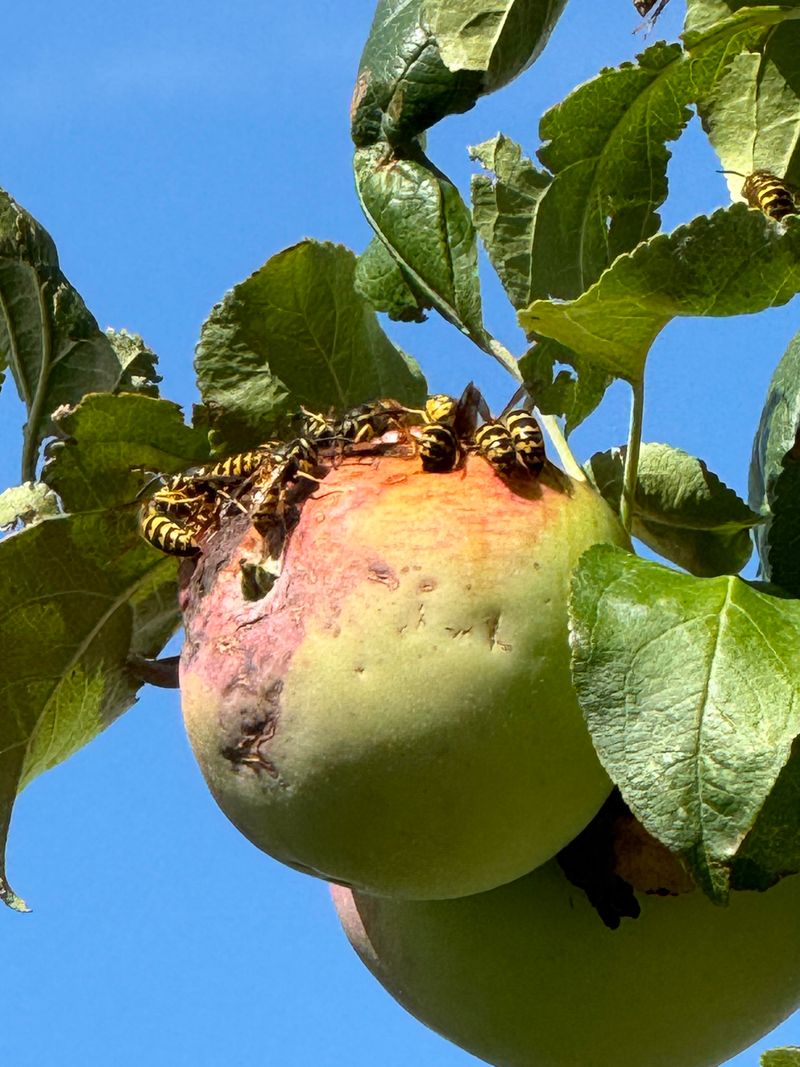
Fragrant plants make a lovely first line of defense, and a few simple habits help them shine. Together, they keep a porch far less inviting to nesting wasps.
Early spring is the key season. A single queen paper wasp wakes up, finds a sheltered spot, and starts building a tiny umbrella-shaped nest.
UC IPM notes that paper wasps often nest under eaves, porch ceilings, railings, light fixtures, and window frames. A late-winter walk around the house helps spot cracks and gaps worth sealing with caulk.
Checking those areas every week or two through spring catches starter nests early. UC IPM notes these walnut-sized nests can be knocked down, ideally at night or in cool weather.
Long sleeves and a safe distance offer sensible protection.
Larger nests and yellowjacket ground nests call for a licensed pest control professional. Those colonies can hold thousands of insects and defend themselves aggressively.
Food habits matter, too. Covered drinks and plates at outdoor meals, rinsed soda cans, and lidded trash and compost bins remove the sugary rewards yellowjackets hunt for in late summer.
Wasps still deserve a little respect from a distance. Many species hunt caterpillars and other garden pests, and some help with pollination.
A porch lined with mint, lemongrass, basil, rosemary, and thyme, backed by these steady habits, encourages wasps to work out in the yard instead. The entry stays fragrant and welcoming, and everyone enjoys fewer stings.