What It Means When A Possum Visits Your California Garden At Night
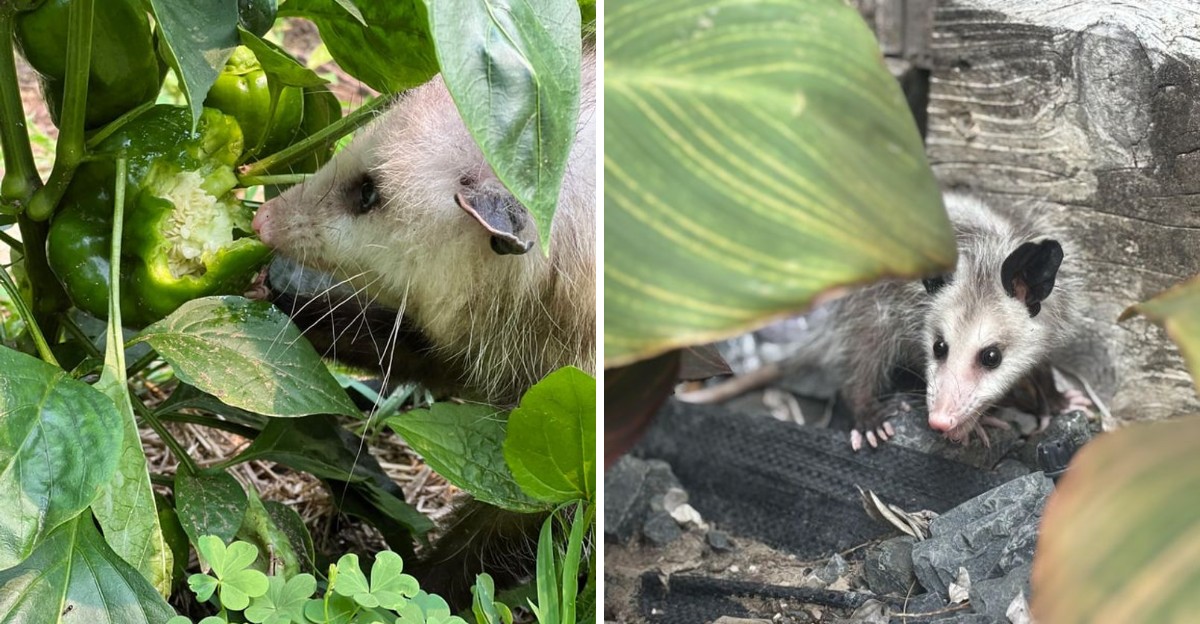
Virginia opossums rank among the most common nighttime visitors in California gardens, from San Diego suburbs to Sacramento backyards.
They aren’t native here. The California Department of Fish and Wildlife notes they were brought to the state in the early 1900s and have spread widely since.
A pale face and long, bare tail spotted under a fruit tree can cause plenty of alarm. Most of the time, though, the visit means something simple: the garden has food, and an opossum found it.
These animals are quiet, shy, and far more interested in snails and overripe fruit than in people or pets.
Understanding what draws them makes it easier to welcome the free pest patrol or gently encourage a move elsewhere.
Opossums Are Simply Nocturnal Foragers
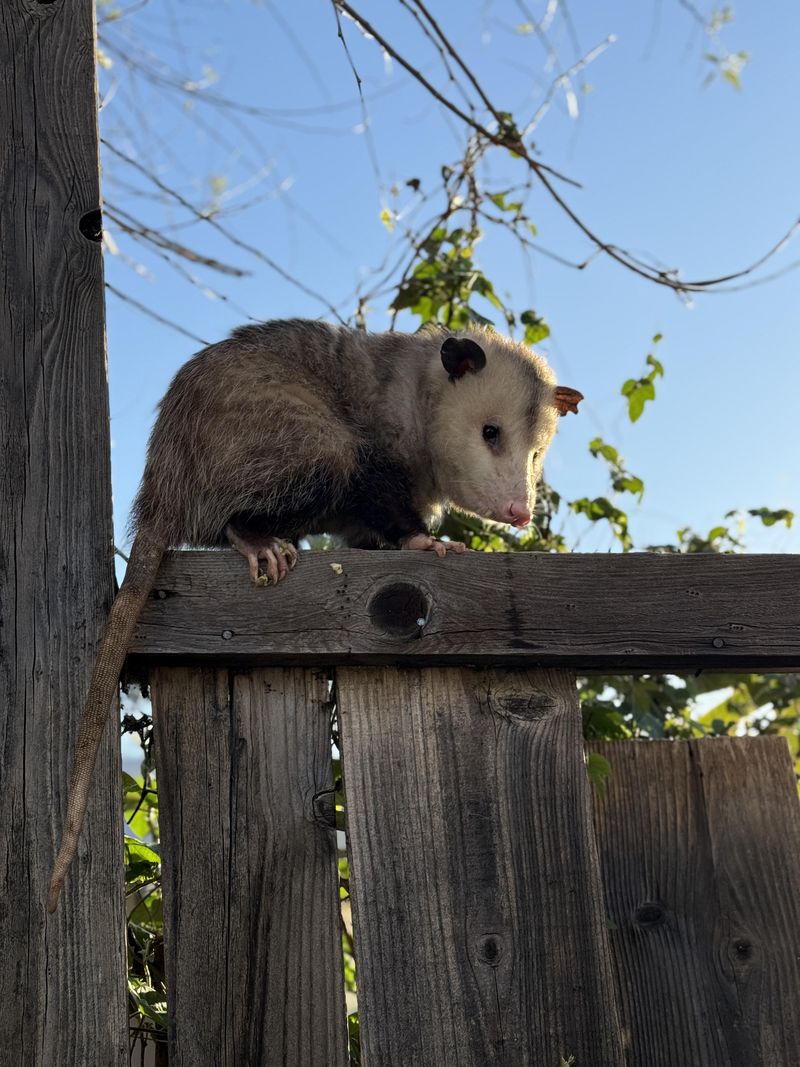
A night shift worker clocking in just as everyone else heads to bed keeps the same schedule as an opossum. These animals sleep through the day in hidden spots and wake after sunset, ready to search for a meal.
A sighting at 11 p.m. doesn’t signal a problem of any kind. Nighttime visits are normal behavior, and a yard is simply one stop on a regular feeding route.
Opossums often travel a loop through several yards each night, checking for anything tasty along the way. It’s a bit like a bus line with a dozen dinner stops.
Daytime hiding places include brush piles, thick ivy, sheds, decks, and the space under porches. Since opossums don’t dig their own burrows, they borrow shelter wherever it turns up.
After dark, they wander with a slow, shuffling walk, nose close to the ground, sniffing. Outside of mothers carrying young, they usually travel alone.
A single visitor is common and rarely means a whole crowd lives nearby. In the moment, very little needs to happen at all.
Switching off the flashlight and giving the animal space lets it finish its rounds. Opossums aren’t looking for trouble and generally avoid people whenever possible.
Quiet watching from a window offers a fun peek into the garden’s hidden nightlife. It’s a free wildlife show with no subscription required and no commercials.
Possum Is A Nickname, Not A Different Animal
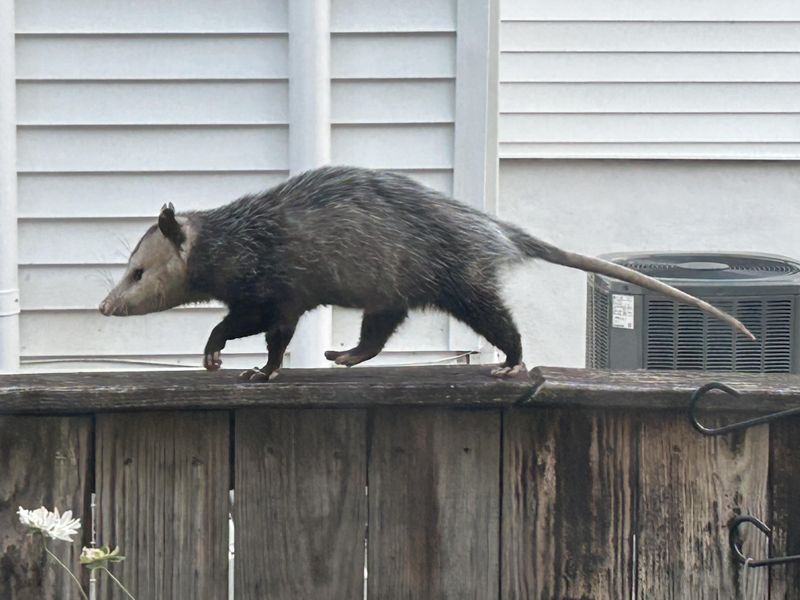
Australians picture something quite different when they hear the word possum. Their possums are fluffy tree dwellers with bushy tails, while the California visitor sports a bald, ratlike tail and a white, pointy face.
In the United States, possum is a casual nickname for the Virginia opossum. It’s the only marsupial found anywhere north of Mexico.
Marsupials carry their babies in a pouch, just like kangaroos and koalas. A mother opossum may carry a dozen or so tiny young in her pouch, and later they ride on her back.
True possums live in Australia and nearby islands. Both groups are marsupials, but they belong to separate families and aren’t especially close relatives.
Early explorers noticed some similarities and borrowed the name. That borrowing explains the confusion that still lingers today.
Calling the visitor a possum is perfectly fine in everyday conversation. Most people, and even many wildlife workers, use the short version.
Your California Garden Changes Every Week. Your Plan Should Too.
Gardening in California changes quickly throughout the season. Every Friday you’ll receive a simple weekly plan showing exactly what to plant, prune, fertilize, harvest, and protect so you never miss the right timing.
Agencies like the California Department of Fish and Wildlife stick with opossum in official writing.
Opossums have 50 teeth, more than any other North American land mammal. That toothy grin looks intimidating but mostly serves a varied, flexible menu.
The tail offers another quirk, since it can grip branches for balance. Young opossums may briefly hang by it, but adults are too heavy to dangle for long, despite what classic cartoons might suggest.
They Come For Snails Slugs And Fallen Fruit
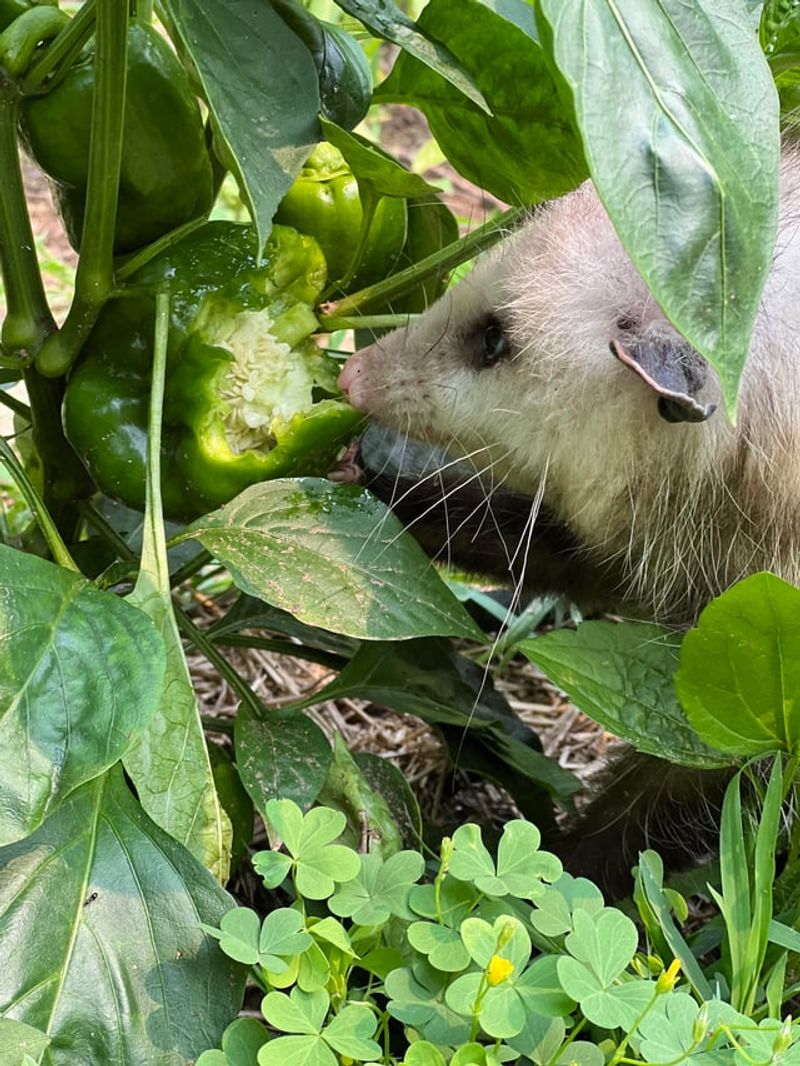
Slimy trails across a lettuce bed can work like a clear welcome sign for an opossum. Snails and slugs rank high on its menu, and watered California gardens often host plenty of both.
Opossums are opportunistic feeders, meaning they eat whatever is easy to find. Their diet includes insects, beetles, worms, snails, slugs, small rodents, eggs, bird seed, and plant matter.
They also scavenge, which helps clean up scraps that would otherwise rot. That habit makes them surprisingly useful backyard tidiers.
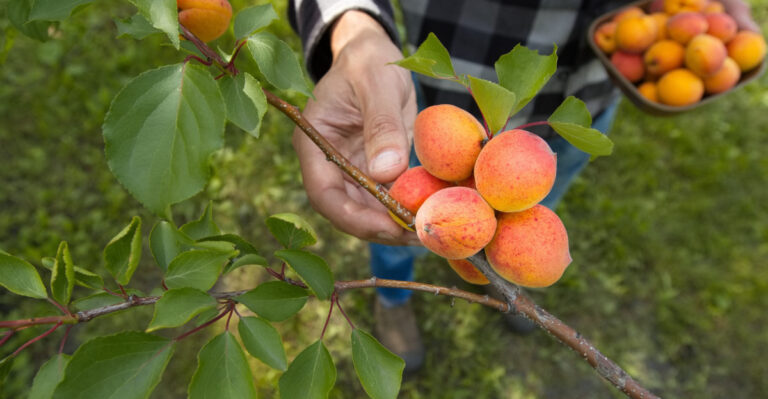
Fruit is a big draw, especially in late summer and fall. Fallen figs, plums, apricots, avocados, and citrus can pull an opossum in from several yards away.
The sweet smell of fruit softening on the ground is hard for it to resist. Some gardeners actually appreciate the snail patrol that comes with it.
An opossum crunching through a few dozen snails protects seedlings without pellets or sprays. That’s a pretty good trade for a quiet visitor that leaves before breakfast.
Opossums do nibble ripe tomatoes, strawberries, or melons now and then. Raised beds with netting or light fencing protect the best crops, and picking fruit as soon as it ripens helps a lot.
Raking up dropped fruit each evening keeps the nightly buffet small. It also cuts down on fruit flies and ants, so the chore pays off in more than one way.
A Nightly Visit Means Easy Food Nearby
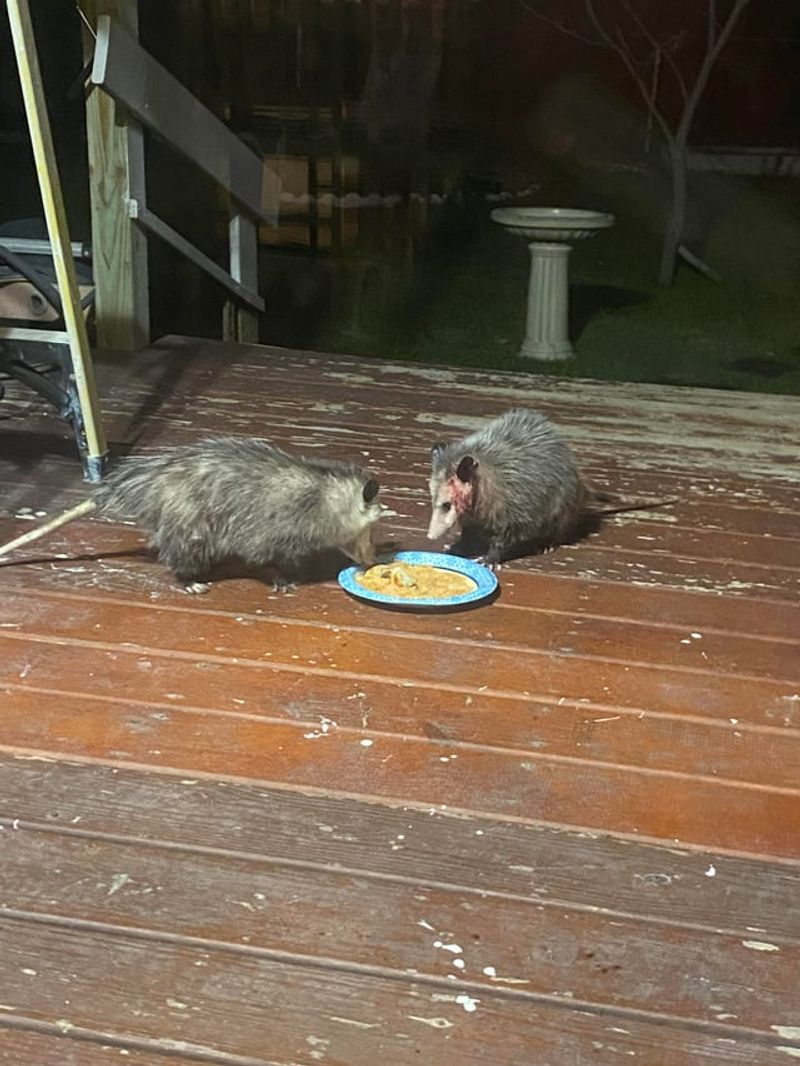
Same time, same place, every single night. An opossum that shows up on a regular schedule has almost certainly found a dependable meal.
Wild animals remember where food appears and plan their routes around it. A yard with a steady supply works like a restaurant with glowing reviews.
An opossum that finds a reliable buffet of fallen avocados or a dish of cat kibble will return night after night. The attachment isn’t to the house, only to the free dinner.
Common food sources include fruit trees that drop daily, bird feeders that spill seed, outdoor pet bowls, and trash bins with loose lids. Even a leaky hose helps by keeping soil damp, which attracts worms and snails.
Water dishes left out for pets offer a handy drink as well. Each of these adds to the yard’s nightly appeal for wildlife.
A quick walk-through before dark often reveals the attraction. Checking under feeders, near the back door, and around fruit trees usually turns up the reason for repeat visits.
Removing that food often slows visits within a week or two. Opossums roam over a fairly wide area, so they simply shift to a better spot nearby.
Patience matters here. The animal may check back a few times out of habit before deciding the yard has closed for business.
Consistency keeps that closed sign firmly in place.
They Clean Up Ticks And Insects
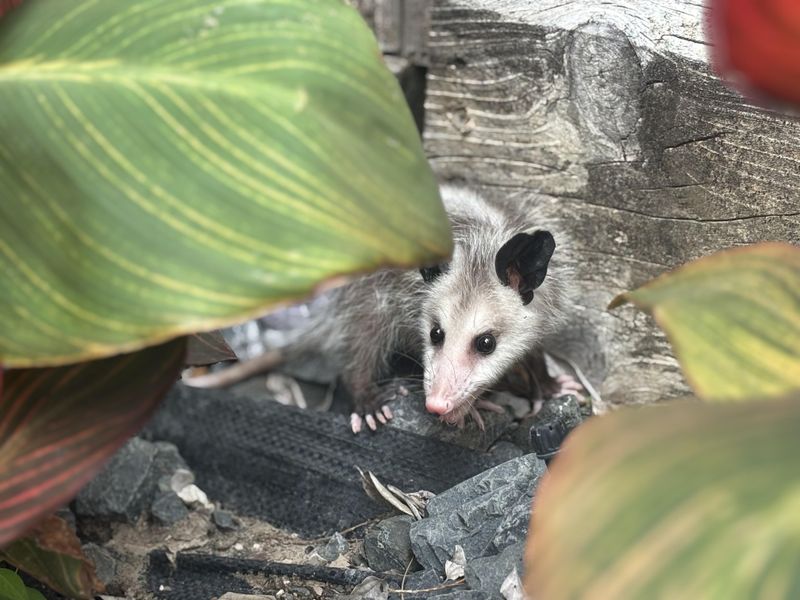
Plenty of online posts claim a single opossum eats thousands of ticks each week. That number gets shared widely, though the real story is more interesting and a bit more complicated.
Opossums do eat ticks. They groom themselves carefully, and a well-known lab study found they swallowed many of the ticks that latched onto them.
They also snack on beetles, crickets, cockroaches, and other insects while poking around garden beds. That part of the story holds up well under scrutiny.
Later field research questioned how often opossums actually eat ticks in the wild. Scientists examining the stomach contents of wild opossums found few tick remains.
The big tick-control claims remain debated, so opossums shouldn’t be counted on to protect families from tick bites. Regular tick checks and repellents are still the best defense.
Insects tell a clearer story. Opossums readily gobble up crawling bugs, grubs, and other garden pests.
That help is real, steady, and free, and it pairs nicely with their taste for snails and slugs.
Many California gardeners consider this cleanup a fair trade for a few nibbled tomatoes. An opossum sharing the yard quietly handles some bug duty overnight while everyone sleeps.
Realistic expectations still matter. An opossum works more like a helpful part-time worker than a full pest control service.
Clearing leaf litter and keeping weeds trimmed remain important garden habits.
Playing Possum Is A Defense, Not A Threat
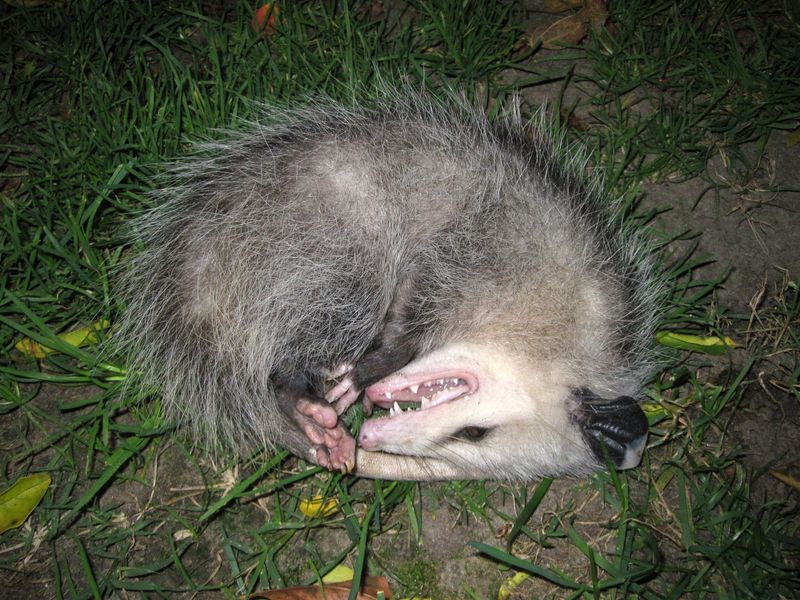
A barking dog, a sudden flop, and an opossum lying stiff on the lawn with its mouth hanging open can send anyone into a panic. That scene is one of nature’s strangest acts, known as playing possum.
The response is involuntary and triggered by extreme fear. The opossum doesn’t choose it, since its body simply shuts down, much like fainting.
It may drool, stick out its tongue, and even release a stinky, musky smell from glands near its tail. The whole display helps protect it from predators.
Many predators lose interest in prey that appears lifeless and smells awful. Once the danger leaves, the opossum slowly comes back around, which can take a few minutes or sometimes much longer.
A frightened opossum may first hiss, growl, or open its mouth wide to show all 50 teeth. It looks fierce, but it’s mostly a bluff from a generally non-aggressive animal that would rather escape than fight.
Pets belong inside right away when this happens. Kids should stay back, and poking, picking up, or moving the animal is best avoided.
Quiet time and space allow a natural recovery. A later check from a distance usually shows an empty lawn, with the opossum long gone by morning, waddling off as if nothing happened.
Like any wild animal, an opossum can bite when handled. Keeping hands off protects everyone involved, including the opossum.
Pet Food And Compost Invite Return Trips
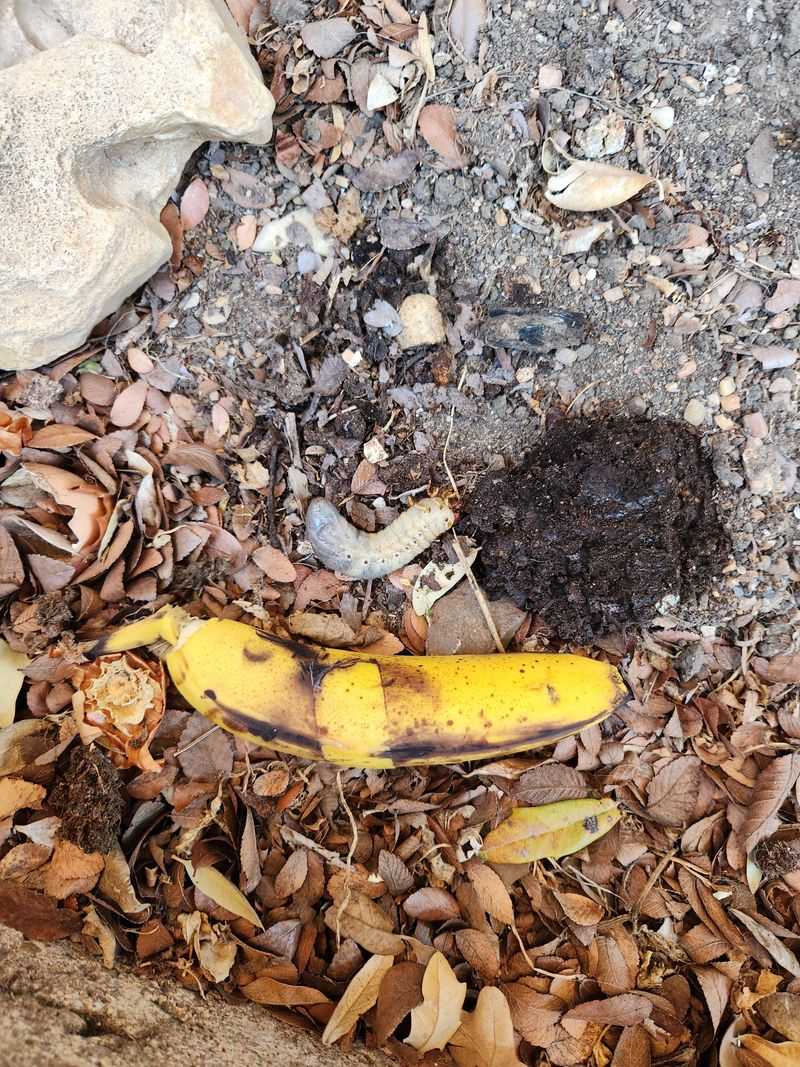
Leftover kibble on the patio works like an engraved invitation. Pet food ranks among the top reasons opossums return again and again, since it’s rich, easy to reach, and refilled almost daily.
Feeding cats or dogs outside creates a nightly snack bar. Opossums can slip through pet doors too, which leads to some very surprising kitchen encounters.
Indoor feeding, or picking up bowls before sunset, removes that temptation entirely. Water dishes are best brought in at night as well.
Compost is another big nighttime draw. Open piles with fruit peels, vegetable scraps, or eggshells smell like a feast to a hungry forager.
A closed bin with a tight lid helps a lot. Burying fresh scraps under leaves or dry material and skipping meat, dairy, and oily foods entirely reduces the appeal further.
Trash cans deserve attention, too. Opossums are decent climbers and can tip over light cans, so bins with locking lids stored in a garage or secured area until pickup day work best.
Rinsing sticky containers cuts down on tempting late-night smells. Bird feeders round out the list, since spilled seed pulls in rodents and opossums alike.
A seed tray under the feeder, or bringing feeders inside at night, solves that issue.
None of these steps cost much, but together they turn a five-star diner into a place with nothing on the menu.