How To Deep-Water Established Arizona Landscape Plants During Extreme Heat
If your first response to extreme heat is watering every day, it may be time to change your approach.
Established landscape plants rarely need constant surface watering, even when temperatures become unbearable.
Their roots are built to search much deeper for moisture, but only if water reaches them in the first place. Giving them quick, shallow drinks can leave them struggling through the hottest part of summer.
That is why deep watering deserves a place in every Arizona landscape care routine. It helps trees, shrubs, and perennials develop stronger roots and stay more resilient during extended heat.
Before adding extra watering days to your schedule, take a closer look at how you are applying water.
A few thoughtful changes can make your landscape healthier, reduce wasted water, and help established plants handle extreme temperatures with far less stress overall.
1. Water Slowly So Moisture Reaches The Entire Root Zone
Slow watering is one of the most underrated moves you can make for your landscape. When water hits the soil too fast, it runs off the surface before it ever reaches the roots.
Roots on established plants often extend several feet deep, so surface-level moisture barely counts.
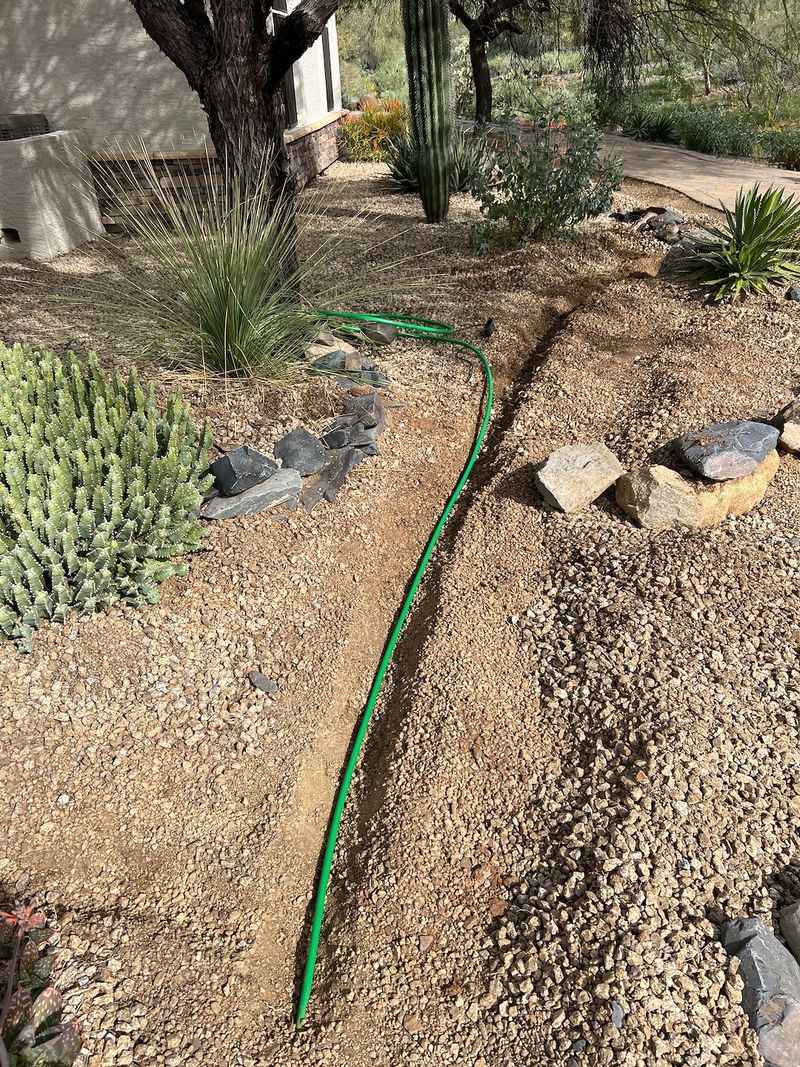
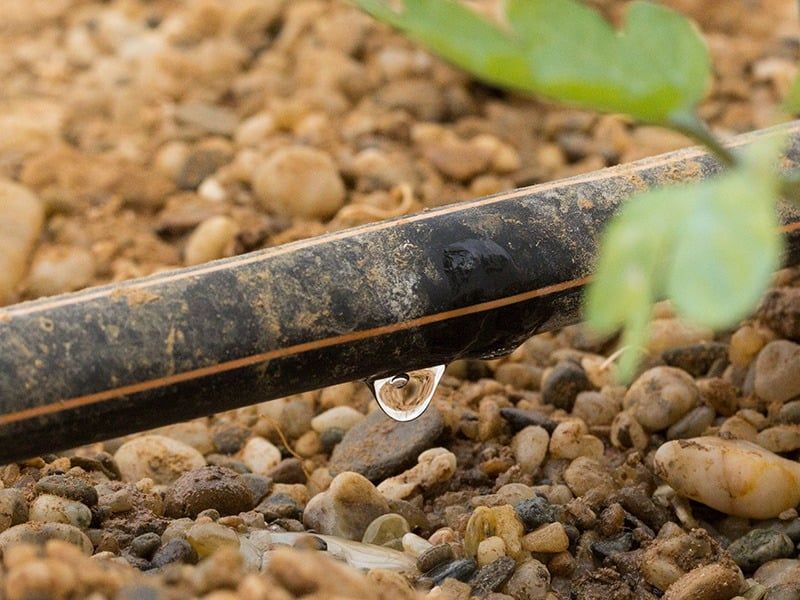
A drip emitter or soaker hose set to run for a longer period works far better than a quick blast from a garden hose. The goal is to push water down past the top few inches of soil, where it actually does some good.
Sandy desert soils drain fast, so even slow watering may need to run longer than you think.
Aim for moisture to reach at least 18 to 24 inches deep for most established shrubs and trees. You can check depth by pushing a long screwdriver or soil probe into the ground after watering.
It slides easily through wet soil and stops when it hits dry ground.
Running your irrigation in two shorter cycles with a break in between helps reduce runoff. The first cycle softens the top layer, and the second pushes water deeper.
2. Water Only After The Root Zone Begins To Dry
Overwatering is just as damaging as underwatering, especially in desert soils. Roots need oxygen, and waterlogged soil pushes air out of the ground.
Watering before the soil has a chance to partially dry out can lead to root rot and weak plant health over time.
Established desert plants are wired to handle dry spells. Most of them developed root systems that store moisture and search deep into the soil profile.
Watering too frequently interrupts that natural process and keeps roots shallow.
A good rule of thumb is to let the top 2 to 3 inches of soil dry out before watering again. Below that layer, you want some residual moisture still present.
Completely bone-dry soil all the way down signals it is time to water soon.
During extreme heat, the soil surface may feel dry within a day or two. That does not mean the root zone is dry.
Check a few inches down before deciding to run irrigation again.
Your Arizona Garden Changes Every Week. Your Plan Should Too.
Gardening in Arizona changes quickly throughout the season. Every Friday you’ll receive a simple weekly plan showing exactly what to plant, prune, fertilize, harvest, and protect so you never miss the right timing.
Adjust your watering schedule based on actual soil conditions, not just the calendar. Heat spikes, wind, and humidity all shift how quickly moisture leaves the ground.
3. Check Moisture Below The Surface Before Irrigating
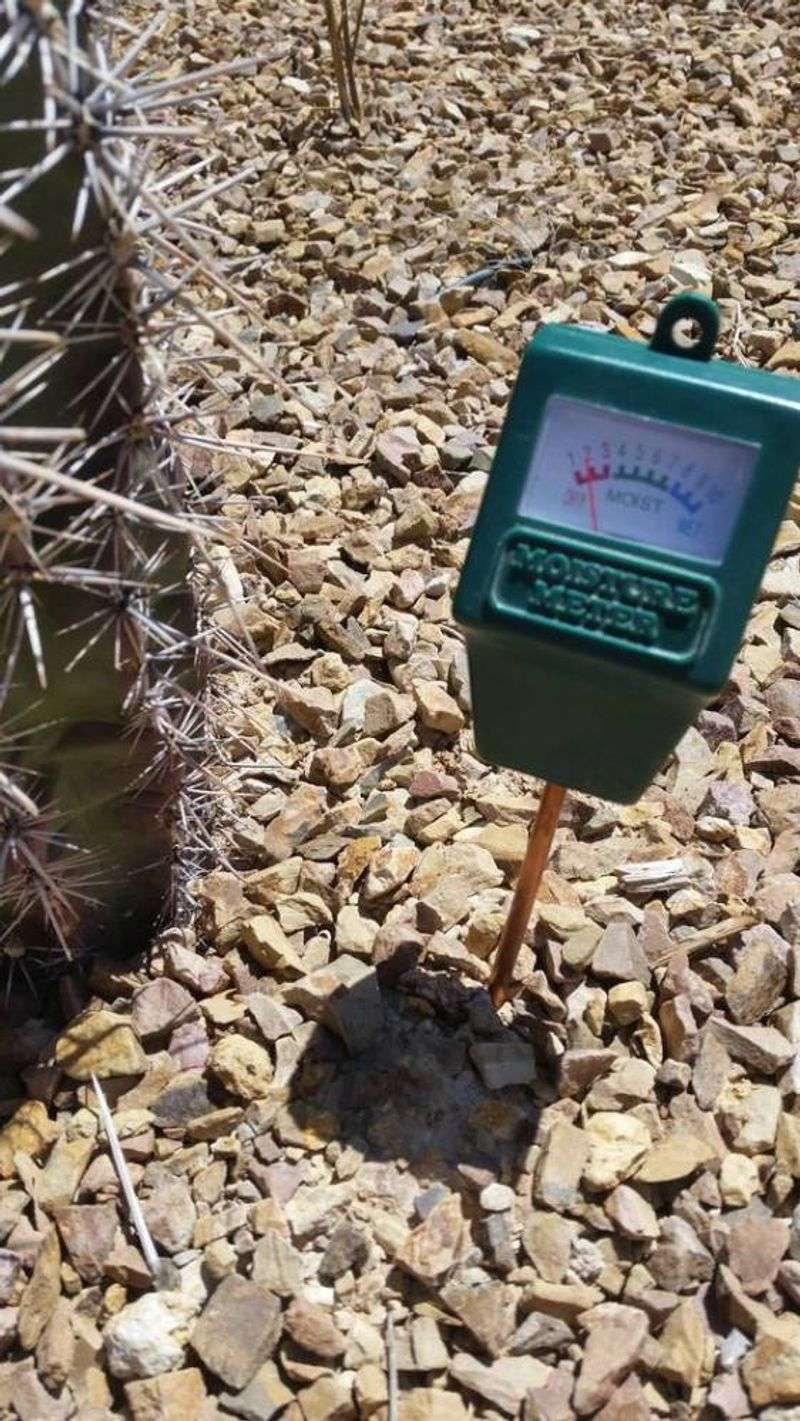
Guessing when to water is one of the easiest ways to get it wrong. Soil can look dry on top while still holding decent moisture a few inches down.
Checking below the surface gives you actual information instead of assumptions.
A simple tool like a wooden dowel, a metal rod, or an inexpensive soil moisture meter works well for this. Push it into the ground near the outer edge of the plant canopy, not right at the trunk.
That outer zone is where most of the active roots are feeding.
If the probe slides in with little resistance and comes out with damp soil clinging to it, there is still enough moisture present. If it feels hard and comes out dry, it is time to water.
This takes about 30 seconds and removes the guesswork completely.
Checking moisture is especially useful after a monsoon storm. Rain can wet the surface while leaving deeper soil layers dry.
A quick probe check tells you whether that storm actually helped or just looked impressive.
Doing this check in two or three spots around a plant gives a more accurate picture. Soil texture and compaction vary across even a small area.
4. Expand Watering Beyond The Base Of The Plant
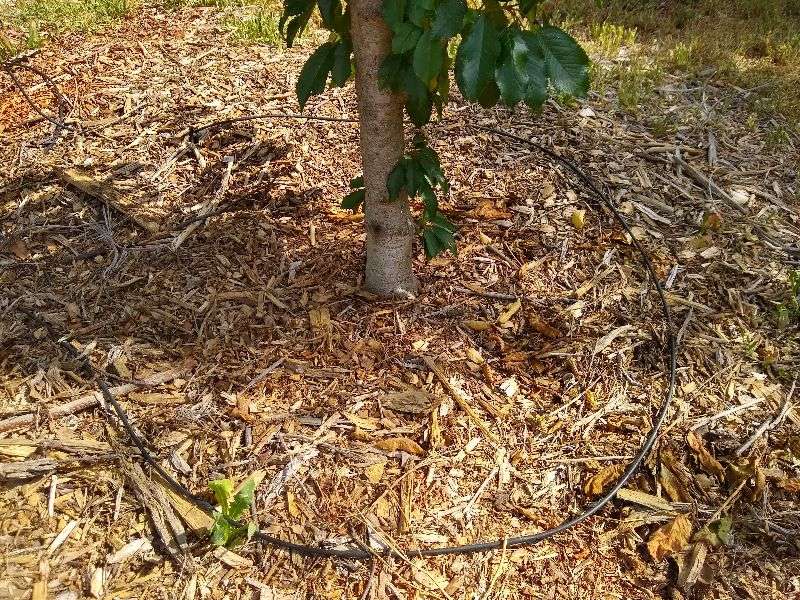
Watering right at the trunk is one of the most common mistakes in desert landscaping. Roots do not stay clustered at the base of a plant.
They spread outward, often extending well beyond the width of the canopy above.
For established trees and large shrubs, the most active feeder roots are typically found at or beyond the drip line. That is the outer edge of the canopy where rain would naturally drip off the leaves.
Placing emitters there instead of near the trunk puts water where it is actually needed.
Moving emitters outward is something many Arizona homeowners skip because the plant looks centered and tidy when watered at the base. But aesthetics do not feed roots.
Practical placement does.
As plants grow, emitter placement should shift outward to keep pace with expanding root zones. A tree that has been in the ground for five years has a much wider root spread than when it was first planted.
Watering in the same spot year after year misses a growing portion of the root system.
Spreading water across a wider area also encourages deeper and more stable root development. Roots follow moisture, so placing water further out trains them to anchor deeper into the soil.
5. Adjust Irrigation After Monsoon Rainfall
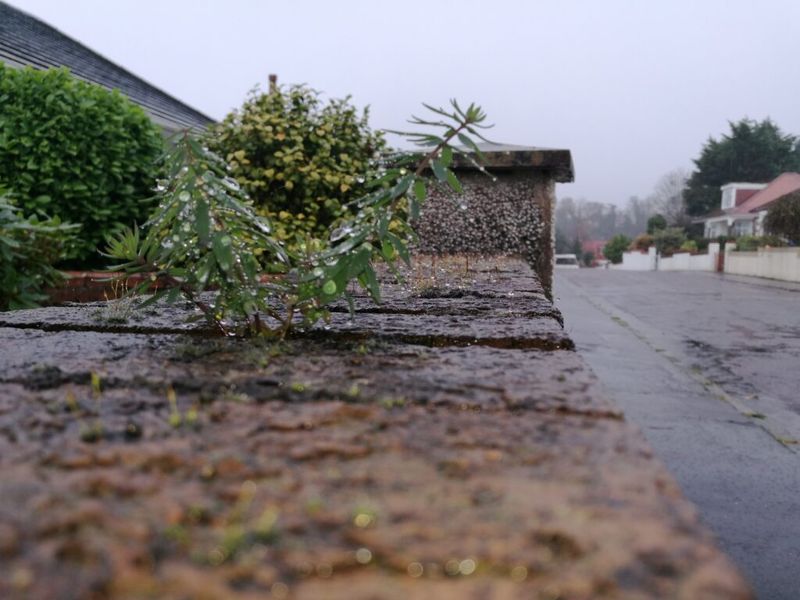
Monsoon season brings a false sense of relief to a lot of gardeners. Rain hits hard, the ground looks wet, and it feels like the irrigation system can take a break.
But monsoon storms are often short and intense, meaning water runs off fast and does not soak in as deep as it appears.
After a storm, check the soil a few inches down before skipping your next watering cycle. If moisture is present below the surface, go ahead and delay irrigation by a day or two.
If the soil is dry below two inches, the storm likely did not help as much as it seemed.
Monsoon humidity also plays a role. Higher humidity slows evaporation slightly, which means soil holds onto moisture a bit longer than it does during dry summer heat.
Factoring that in when adjusting your schedule makes sense.
Smart irrigation controllers with rain sensors can automatically skip cycles after measurable rainfall. That kind of automation reduces overwatering without requiring manual adjustments every time a storm rolls through.
It is worth the setup if you have a large landscape to manage.
Skipping cycles based on actual soil checks rather than just rainfall totals is the most reliable approach. Rainfall amounts vary block by block during monsoon season.
6. Add Mulch To Keep The Soil Cooler Longer
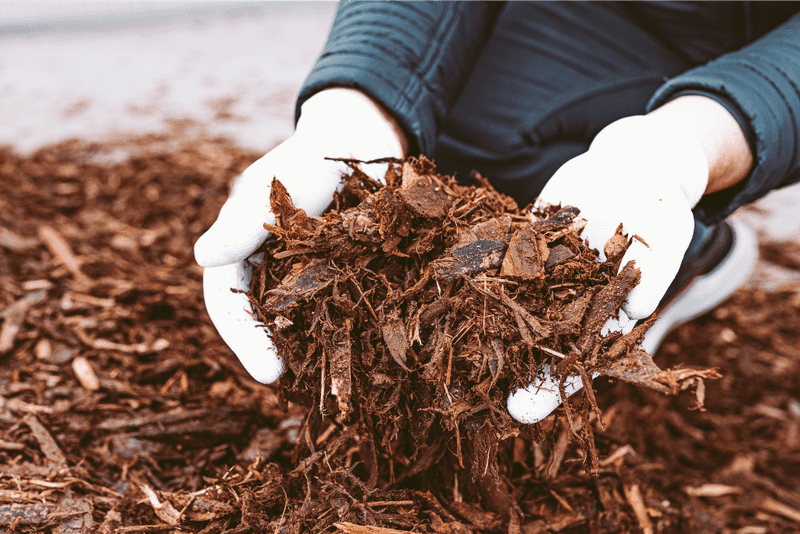
Bare soil in a desert summer bakes fast. Surface temperatures on exposed ground can reach extreme levels that stress shallow roots and speed up moisture loss.
A layer of mulch acts like insulation between the sun and the soil beneath it.
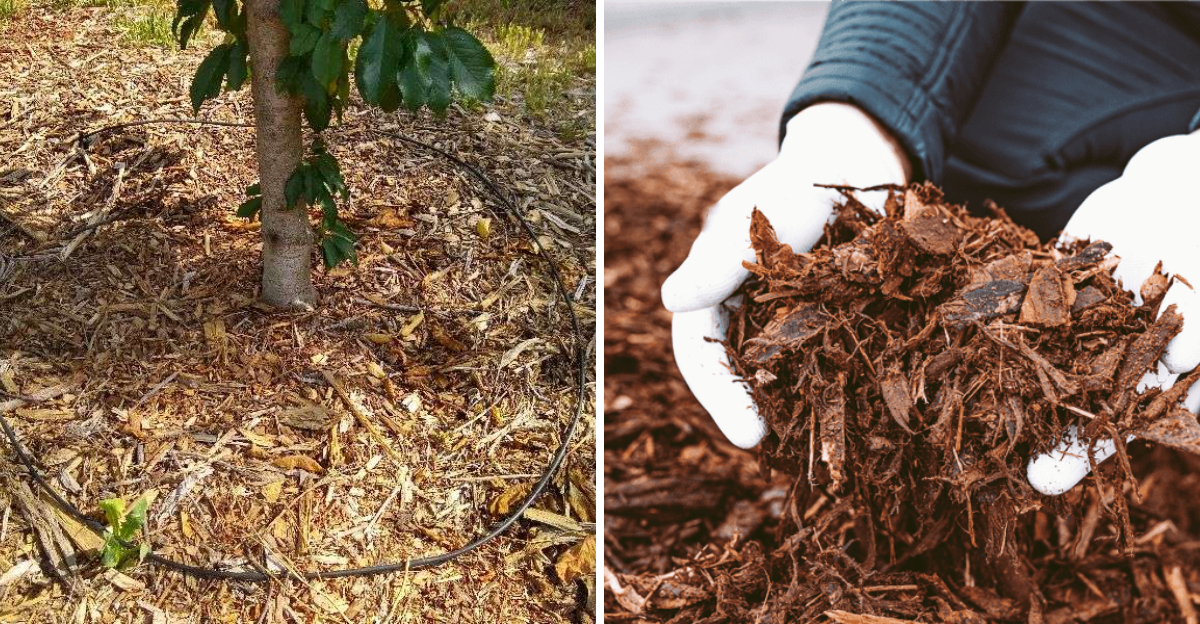
Organic mulch like wood chips or shredded bark works well for this purpose. A layer about 3 inches deep can noticeably reduce soil temperature and slow evaporation between watering cycles.
That means water you put in stays available to roots for longer.
Keep mulch pulled back a few inches from the trunk or main stem of the plant. Mulch pressed against bark can hold moisture against the wood in a way that encourages fungal problems over time.
A small gap around the base is a simple fix.
Decomposed granite is popular in desert landscaping for its clean look, but it does not insulate soil the way organic mulch does. It reflects heat and can actually raise ground temperatures near the surface.
Mixing organic mulch under gravel layers adds some insulating benefit without changing the appearance much.
Refreshing mulch once or twice a year keeps the layer effective as it breaks down. As organic mulch decomposes, it also adds small amounts of nutrients back into the soil.
7. Watch Leaves For Early Signs Of Water Stress
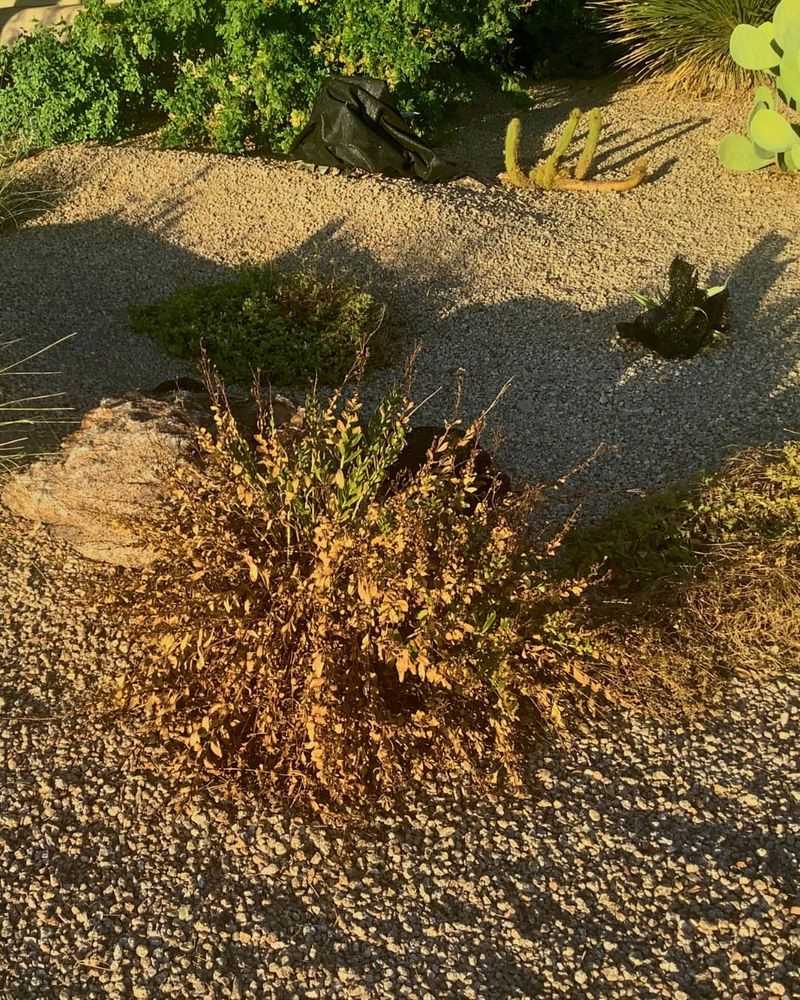
Leaves tell you a lot if you know what to look for. Wilting in the early morning, when temperatures are still relatively cool, is one of the clearest signs that a plant is not getting enough water.
Afternoon wilting is normal for many plants during peak heat and does not always signal a problem.
Leaf curl is another early indicator. Some plants curl their leaves inward to reduce surface area exposed to the sun, which is a built-in survival response.
Seeing this consistently, even in the morning, suggests the root zone may be drying out faster than your irrigation schedule is keeping up.
Yellowing leaves can point to either overwatering or underwatering, which makes it a trickier sign to read. Check the soil moisture first before drawing conclusions.
Wet soil plus yellow leaves often points to root stress from too much water, while dry soil plus yellow leaves suggests the opposite.
Scorched leaf edges, especially on the outer tips, often result from heat combined with low moisture. That browning can look alarming but is not always a sign of severe stress.
Adjusting watering depth and frequency usually helps slow that pattern.
Checking plants early in the morning gives you the clearest picture of their actual condition. Heat distorts how plants look midday.