What Florida Lawns Need In July Before Rainy Season Does The Most Damage
July in Florida turns lawn care into a genuine workout, and not just because of the heat.
Afternoon storms arrive almost daily, humidity hangs around from sunrise to well past sunset, and grass that looked perfectly manageable on Monday can need mowing again by Thursday.
That combination of moisture, heat, and fast growth creates exactly the kind of conditions where fungal disease, insect pressure, and mowing stress show up at the same time and make each other worse. Fun, right?
The good news is that a few careful steps taken now, before rainy season hits its absolute peak, can reduce a lot of that damage before it has a chance to spread.
Checking irrigation schedules, mowing habits, blade sharpness, and overall lawn health right now gives your turf a noticeably better shot at holding up through the wettest stretch of summer.
1. A Rainfall-Based Irrigation Check
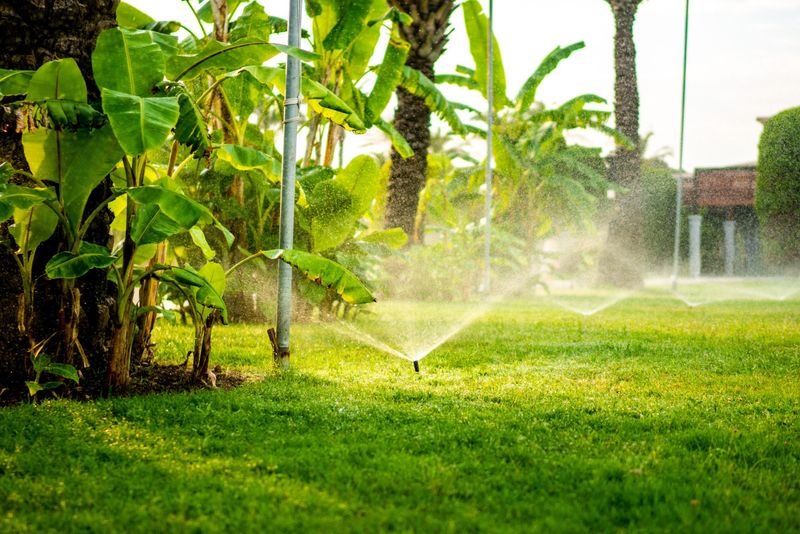
Sprinkler systems running on a fixed timer after a heavy afternoon storm are one of the most common ways lawns get too much water in July.
When soil stays saturated for long stretches, grass roots struggle to get the oxygen they need, and the turf can weaken even when it looks green on the surface.
Overwatering is a real problem during Florida’s rainy season, and it often goes unnoticed until turf stress becomes visible.
Florida lawns generally need about half an inch to three-quarters of an inch of water twice a week, but July rainfall can easily cover that need on its own.
Homeowners should check whether their irrigation controller has a rain sensor or a weather-based adjustment feature and confirm that it is actually working.
A sensor that has malfunctioned can allow watering to run right after a soaking storm.
Rather than relying only on a schedule, watch the grass for signs of actual thirst. Leaf blades that fold along the midrib, a blue-green color shift in the turf, or footprints that stay pressed into the grass for several minutes all suggest the lawn could use water.
If none of those signs appear after recent rain, hold off on running the system.
Adjusting irrigation based on real need rather than habit can reduce disease pressure, lower water bills, and keep turf healthier through the longest stretch of the rainy season.
2. Proper Mowing Height
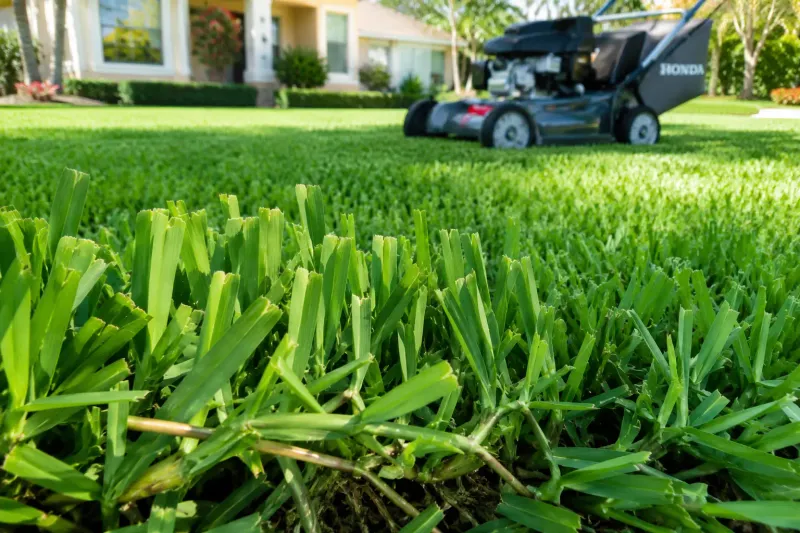
Cutting grass too short during Florida’s rainy season is one of those habits that seems harmless at first but can cause real trouble fast.
When mowing height drops too low, the turf loses the leaf surface it needs to produce energy, and shallow-cut grass tends to develop thinner, weaker coverage that gives weeds and disease more room to move in.
Height matters a lot more in July than most homeowners realize.
Different turfgrasses have different recommended mowing heights, and matching the cut to the grass type makes a noticeable difference.
St. Augustinegrass generally does well when maintained between three and a half and four inches in home lawns, while bahiagrass is often mowed at three to four inches as well.
Your Florida Garden Changes Every Week. Your Plan Should Too.
Gardening in Florida changes quickly throughout the season. Every Friday you’ll receive a simple weekly plan showing exactly what to plant, prune, fertilize, harvest, and protect so you never miss the right timing.
Zoysiagrass can be kept a bit lower, often between one and two and a half inches depending on the variety. Cutting below the recommended range for any of these grasses puts extra stress on the turf during an already demanding time of year.
Raising the mowing deck slightly for the summer can help Florida lawns maintain better density and shade the soil surface, which slows moisture loss between rains and limits some weed germination.
A taller canopy also shades out some opportunistic weeds that tend to sneak in when turf thins out.
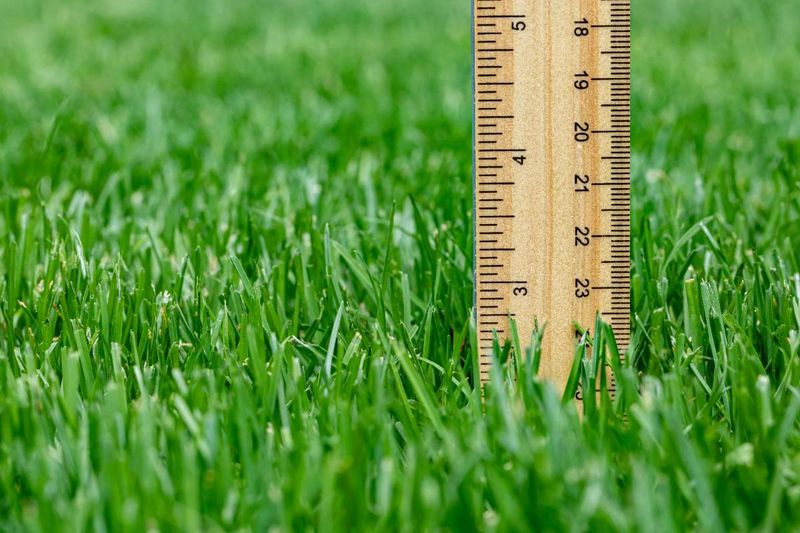
Checking the actual cut height with a ruler before mowing is a quick step that helps avoid cutting lower than intended across uneven yard terrain.
3. Dry-Grass Mowing Only
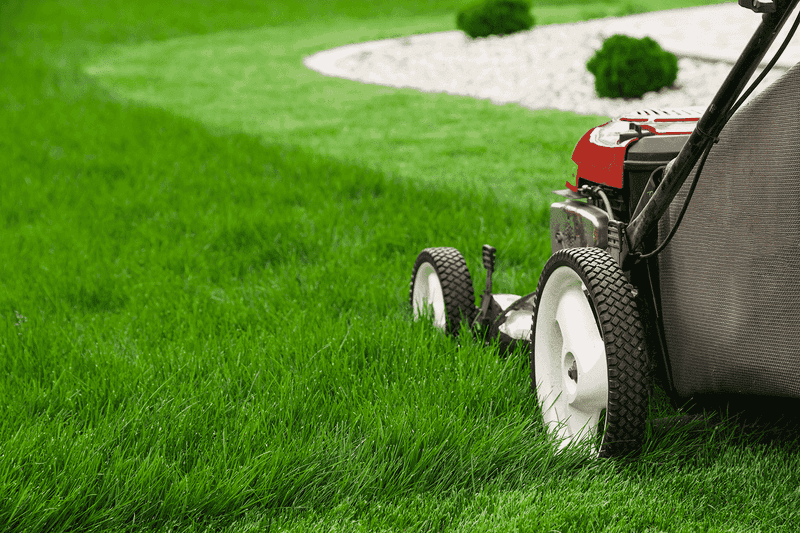
Wet grass and mower blades are a frustrating combination that most homeowners have dealt with at least once during rainy season.
When turf is soaked from a morning storm or overnight humidity, mowing tends to tear the grass rather than cut it cleanly, and the clippings clump together instead of dispersing evenly across the lawn.
Those clumps block sunlight and trap moisture against the turf, which can encourage fungal activity in spots where the grass was already stressed.
Mowing wet turf also creates a practical equipment problem. Wet clippings stick to the underside of the mower deck, reducing airflow and making the mower work harder than it should.
Buildup under the deck can affect cut quality and may cause the engine to bog down on thicker sections of Florida grass that grow quickly during humid summer weeks.
There is another concern that often gets overlooked: mowing wet turf can spread disease-causing pathogens from one area of the lawn to another.
If a section of the yard has early signs of a fungal issue, the mower can carry infected plant material across the entire lawn in a single pass.
Waiting until grass blades are dry to the touch before mowing is a straightforward habit that reduces several of these risks at once.
In Florida’s July schedule, that often means mowing in the late morning after dew has burned off but before afternoon storms return.
4. Sharp Mower Blades
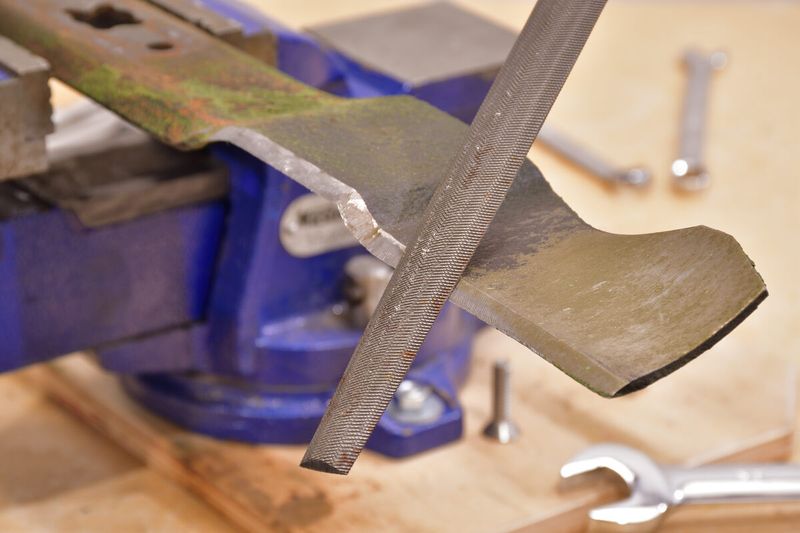
Ragged grass tips across a Florida lawn in July are usually a sign that the mower blade has not been sharpened recently enough. A dull blade does not slice through grass cleanly.
Instead, it beats and tears the tissue at the top of each blade, leaving a frayed edge that turns tan or brown within a day or two.
From a distance, that browning can look like a disease problem or drought stress, which leads some homeowners to treat the wrong issue entirely.
During rainy season, torn grass tips create small entry points where fungal spores can move into the plant tissue more easily. Warm temperatures, high humidity, and frequent moisture give those spores the conditions they need to develop quickly.
A lawn that is already dealing with wet roots and rapid growth does not need the added stress of torn tissue on every single blade of grass from one end of the yard to the other.
Sharpening mower blades at least once a month during the active growing season is a reasonable target for most Florida home lawns.
Homeowners who mow frequently or have sandy soil that dulls blades faster may want to check sharpness every few weeks instead.
A sharp blade should produce a clean, even cut across the tip of the grass blade without visible tearing or bruising. Keeping a spare sharpened blade on hand makes it easy to swap blades and keep mowing without a long pause in the routine.
5. A One-Third Rule Cut
Florida grass can grow surprisingly fast during July, especially after a stretch of afternoon rain and warm nights that barely cool down.
When mowing gets skipped for a week or more because of busy schedules or daily storms, the lawn can shoot up well past the point where a single mowing brings it back to the right height without stressing the turf.
That is where the one-third rule becomes one of the most practical habits a homeowner can follow during the rainy season.
The rule is straightforward: remove no more than one-third of the total grass blade height at any single mowing. If St. Augustinegrass has grown to six inches, cutting it back to four inches follows the rule.
Cutting that same grass down to three inches in one pass removes half the blade, which puts significant stress on the plant. Stressed turf during hot, wet weather is more vulnerable to disease, insect pressure, and slow recovery.
When July rain causes the lawn to grow faster than usual, mowing frequency may need to increase temporarily to keep up without violating the one-third limit.
Mowing every five to six days instead of every seven to ten days during growth surges is a reasonable adjustment for many Florida yards.
It takes a little more time, but it keeps the turf healthier and reduces the recovery stress that comes from scalping overgrown grass in a single session. Consistent, moderate cuts serve Florida lawns much better than infrequent heavy ones.
6. Disease Scouting Before Treating
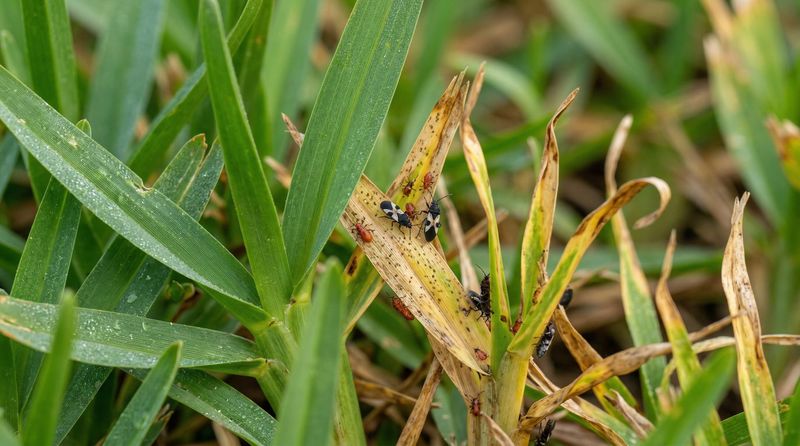
Brown patches showing up in a Florida lawn during July can come from several different sources, and jumping straight to a fungicide without checking the cause first is a common and costly mistake.
Fungal diseases like large patch, gray leaf spot, and take-all root rot do occur in Florida turfgrasses during warm, wet conditions, but so do chinch bug damage, mowing stress, irrigation problems, and nutritional issues.
Many of those problems look similar at first glance.
Scouting means getting down close to the turf and actually looking at the grass blades, crowns, and soil surface in the affected area. Fungal lesions often appear as spots or rings on individual blades with distinct margins or color patterns.
Roots that are short, dark, or rotted near the soil surface can suggest a root-affecting disease. Turf that pulls up easily in sheets with no roots attached points toward a different concern altogether and may involve insects rather than fungal activity.
Taking a few minutes to inspect the lawn carefully before purchasing or applying any treatment saves money and avoids making the problem worse.
Some fungicides applied to non-fungal issues can stress the turf further, and some insecticides applied without confirming pest presence can disrupt beneficial organisms in the soil.
Florida lawns during rainy season face enough overlapping pressures without adding unnecessary chemical applications.
When the cause is genuinely unclear, a local Extension office or certified lawn professional can often help identify what is actually happening in the turf.
7. Pest Checks In Patchy Areas
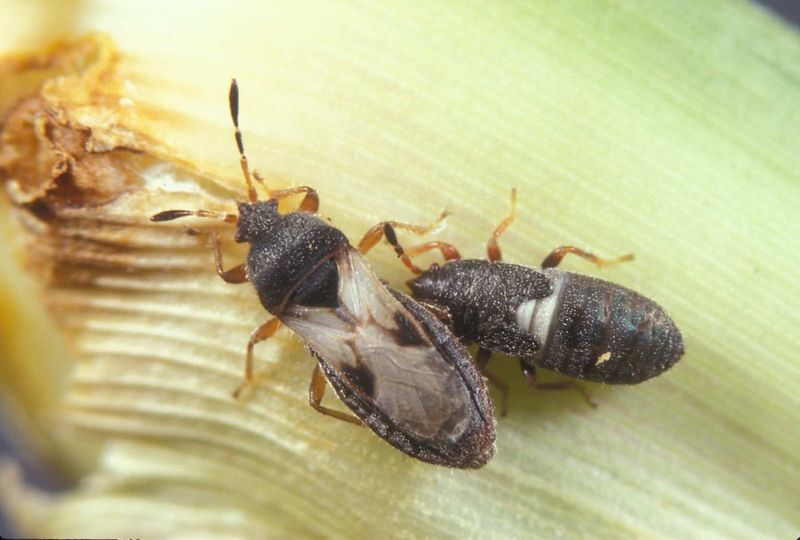
Sunny edges along driveways, sidewalks, and fence lines that start looking thin or off-color in July are worth a much closer look before assuming the cause.
Those dry-looking, patchy spots near pavement or in open sunny sections of a Florida lawn are a common place where chinch bugs show up during the hottest stretch of the rainy season.
Chinch bugs feed on grass at the base of the plant and cause damage that spreads outward from a central point, often making the turf look drought-stressed even when the yard has received plenty of rain.
Tropical sod webworms are another pest that tends to show up in Florida lawns during summer months. They feed on grass blades at night and leave ragged, chewed tips and thinning turf that can look similar to mowing stress or disease.
Checking for small green caterpillars in the thatch layer or noticing increased moth activity around the lawn at dusk are signs worth noting before treating.
Mole crickets and grubs are more common in bahiagrass and sandy-soil areas, and spongy turf that pulls back from the soil easily may indicate grub feeding on roots below the surface.
Each of these pests requires a different response, so confirming which one is actually present before choosing a product matters a great deal.
Inspecting multiple patchy spots across the yard, rather than just one, gives a clearer picture of whether the damage pattern is consistent with pest activity or something else entirely.
8. Careful Fertilizer Timing
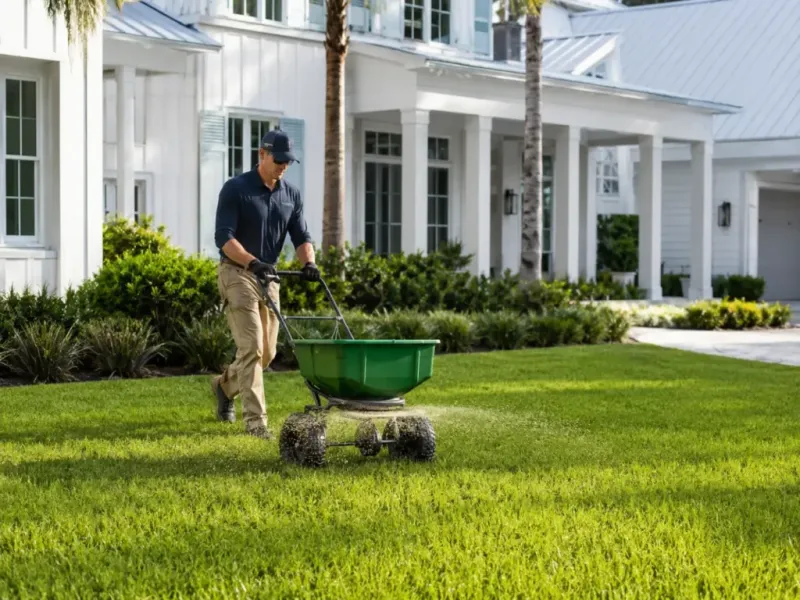
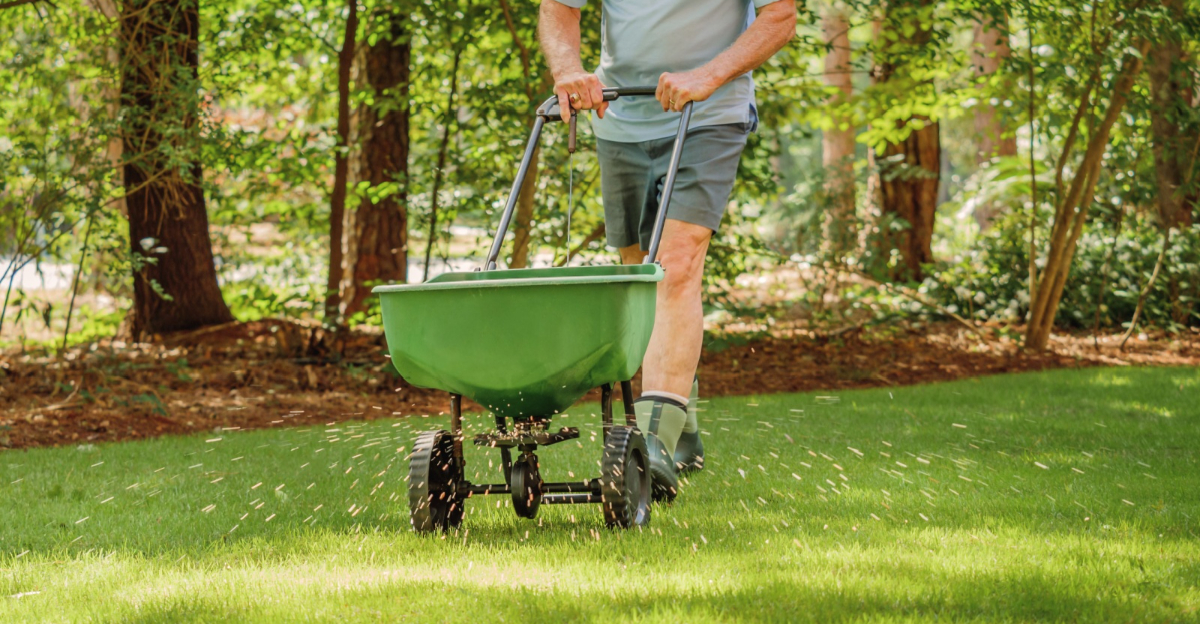
Spreading fertilizer on a Florida lawn right before a heavy afternoon storm is one of those situations that feels productive in the moment but rarely works out well.
July rain can move nitrogen and other nutrients through sandy soil quickly, carrying them away from the root zone and sometimes into nearby waterways before the grass has a chance to absorb anything useful.
Many Florida counties and municipalities have fertilizer ordinances that restrict or prohibit nitrogen applications during the rainy season, so checking local rules before fertilizing is a necessary first step.
Excessive nitrogen applied during periods of high humidity and frequent rainfall can also worsen certain turf disease problems. Some fungal diseases in turfgrasses are more active in lush, fast-growing turf that has been pushed with heavy feeding.
That does not mean fertilizing in July is always the wrong choice, but it does mean the timing, rate, and product type all deserve careful thought rather than a routine seasonal application.
If the lawn shows signs of genuine nutrient deficiency, such as overall yellowing that is not linked to a disease or pest issue, a slow-release fertilizer product applied at a conservative rate on a day when no storms are expected can be a reasonable approach.
Following the label directions and staying within the guidelines for the specific grass type helps avoid overfeeding.
Florida turf during rainy season often needs less fertilizer than homeowners expect, not more, because rapid growth from rain and warmth is already pushing the grass hard.