8 Arizona Native Plants That Hit Their Peak Right When The Heat Is At Its Worst
Arizona summer does not ask politely. It walks into the yard, turns the gravel bright, and dares every plant to prove itself.
Most flowers lose their sparkle by lunch. Then a few natives start acting like July is their favorite month. That is the part worth watching.
The best heat-season plants do not just tolerate dry air and hard sun. They use the season like a stage cue.
Some throw trumpet blooms at hummingbirds. Some cover themselves in yellow daisies after the garden looks tired. Some wait until late summer to bring color, texture, or seed heads right when the yard needs a second act.
The trick is knowing which plants belong in that heat story and which ones only look tough on a nursery bench.
Want a yard that still has life when the thermometer gets dramatic? Start with plants that already know Arizona’s rules.
The real summer performers are quieter at first, then suddenly impossible to ignore. They do not flinch. They get interesting right on cue too.
1. Desert Willow Brings Summer Trumpets
A tree that flowers harder in July already understands the assignment.
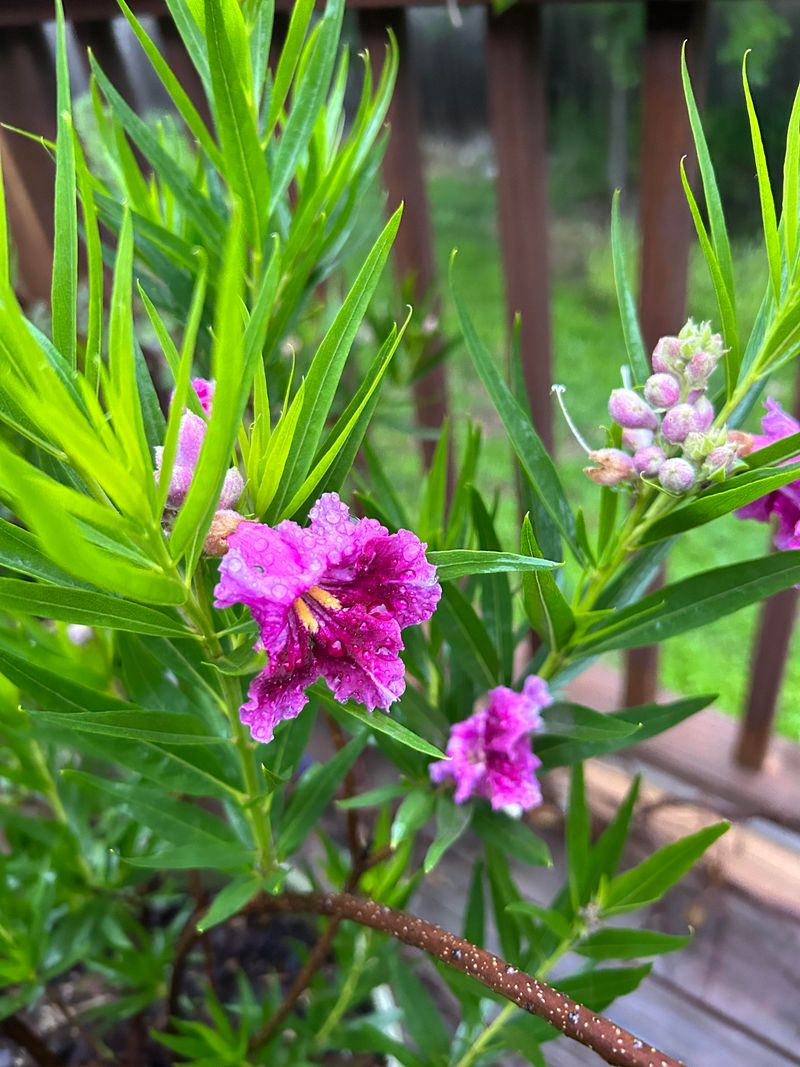
Desert willow looks graceful, almost delicate, until the heat arrives and the branches load up with trumpet-shaped blooms. The flowers can appear from late spring into fall, with strong color through the hottest stretch.
This is a small desert tree, often around fifteen to twenty-five feet tall and wide. That size suits front yards, patio edges, and open gravel beds where a massive shade tree would feel too bossy.
The blooms come in shades of pink, lavender, burgundy, and soft white, depending on the variety. Named cultivars give more predictable flower color and size than random seedlings.
Hummingbirds notice the flowers quickly. Bees may visit too, which gives the yard movement during a season when many gardens feel strangely quiet.
Give desert willow full sun and fast-draining soil. Skip the rich, soggy bed treatment. This tree comes from washes and arroyos, so it prefers deep, occasional water followed by time to dry.
A light winter trim can improve shape and encourage fresh branch tips for flowers. Heavy summer pruning just steals the show before it starts.
Desert willow brings shade, bloom, and wildlife without acting needy. That is a pretty good summer résumé, especially from a tree with desert in its name.
2. Arizona Yellow Bells Turn Heat Into Color
A blank wall in full sun needs a plant with some nerve.
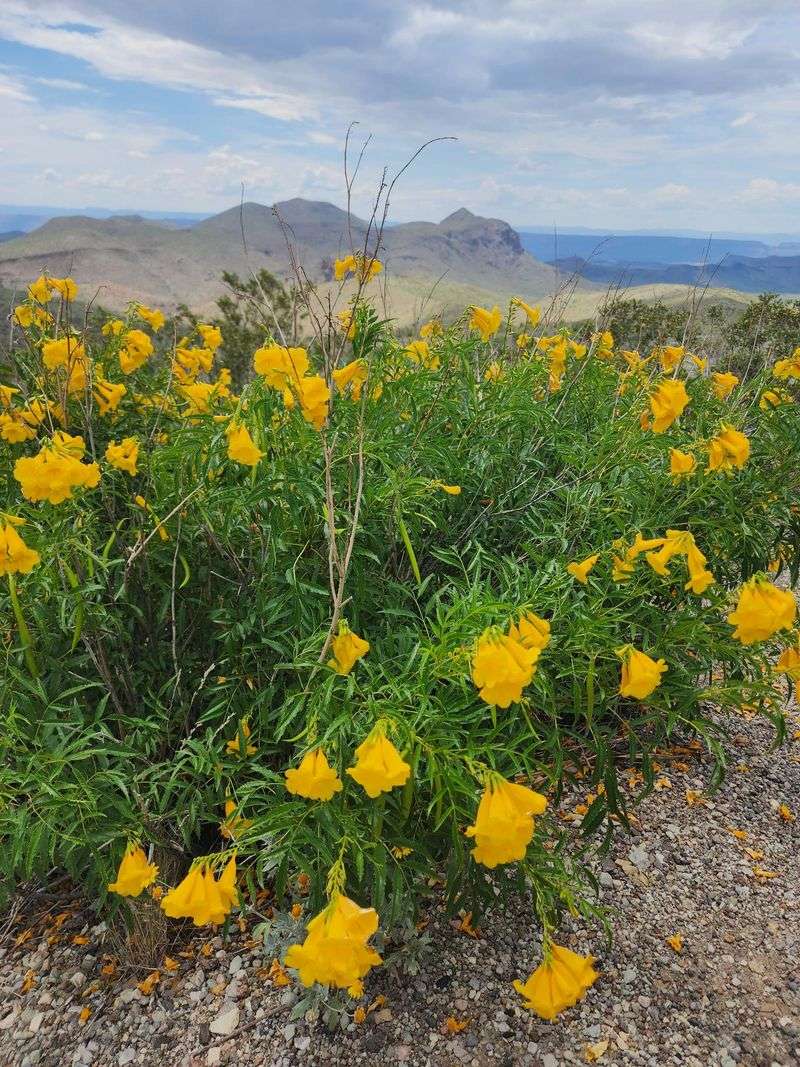
Arizona yellow bells can handle that job with bright trumpet flowers and a cheerful shape that looks fresh through brutal weather.
The yellow blooms often run through the warm months, and hummingbirds treat them like tiny drive-through windows.
This shrub or small tree can grow fast, especially with sun and occasional deep water. In a low-water landscape, it adds a softer green look than many desert plants, which helps gravel yards feel less severe.
The flowers bring the main drama. Clusters of golden trumpets stand out from a distance, and the color makes patios, front beds, and hot corners feel alive again.
Your Arizona Garden Changes Every Week. Your Plan Should Too.
Gardening in Arizona changes quickly throughout the season. Every Friday you’ll receive a simple weekly plan showing exactly what to plant, prune, fertilize, harvest, and protect so you never miss the right timing.
Give it full sun for the best bloom count. Part shade may keep the plant alive, but the flower show can lose strength. This one likes the bright seat, preferably without apology.
Well-drained soil matters. Water deeply during establishment, then ease into a less frequent rhythm. A plant that gets too much water and too much fertilizer may grow leafy and loose instead of compact and floral.
Prune after cold risk passes to shape the plant and encourage fresh growth. Do not fuss every week. It is not a poodle.
Arizona yellow bells gives summer color with a friendly attitude. Hot yard, golden flowers, hummingbirds included. That is not a bad deal.
3. Desert Marigold Keeps The Yellow Coming
A bare sunny patch can become useful fast with the right little yellow overachiever.
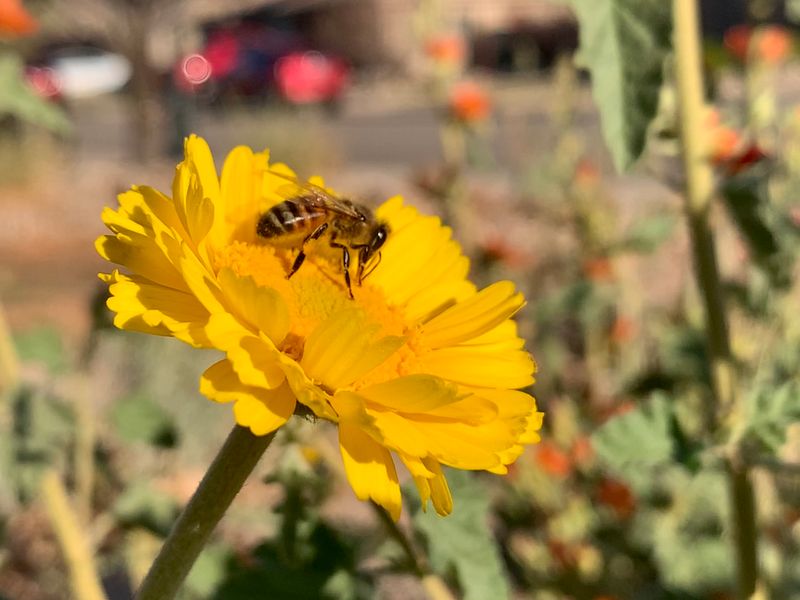
Desert marigold brings bright daisy-like flowers over silvery foliage, and it can bloom across a long stretch from spring into fall. In Arizona heat, that extended color matters because summer beds often start to look tired before the season ends.
This plant stays fairly low, usually around one to two feet tall. That makes it useful along paths, in wildflower beds, near boulders, or in open spaces between larger shrubs.
The flowers attract bees and butterflies, so the plant does more than decorate. It gives pollinators a reason to keep visiting while the yard looks cheerful from the sidewalk.
Full sun suits it best. The silver leaves help reflect light, which gives the plant a tough desert look with a soft color contrast. It prefers well-drained soil and does not need rich treatment.
Too much water can shorten its charm. A deep drink during establishment helps, but mature plants handle dry spells with much more grace than fussy bedding flowers.
Let some seed heads mature for a more natural look and possible reseeding. Tidy gardeners can snip old stems for a cleaner border.
Desert marigold is sunny, scrappy, and generous. Basically, it is the friend who brings snacks and stays late to help clean up.
4. Blackfoot Daisy Handles Hot Gravel Edges
The edge of a driveway can feel like a plant dare.
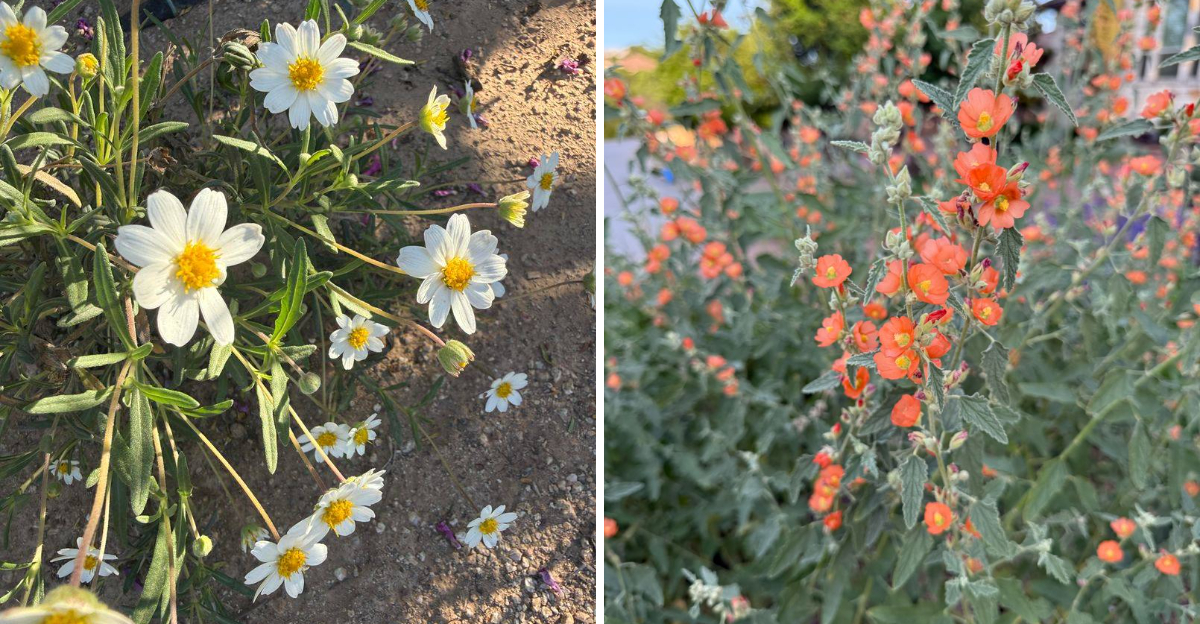
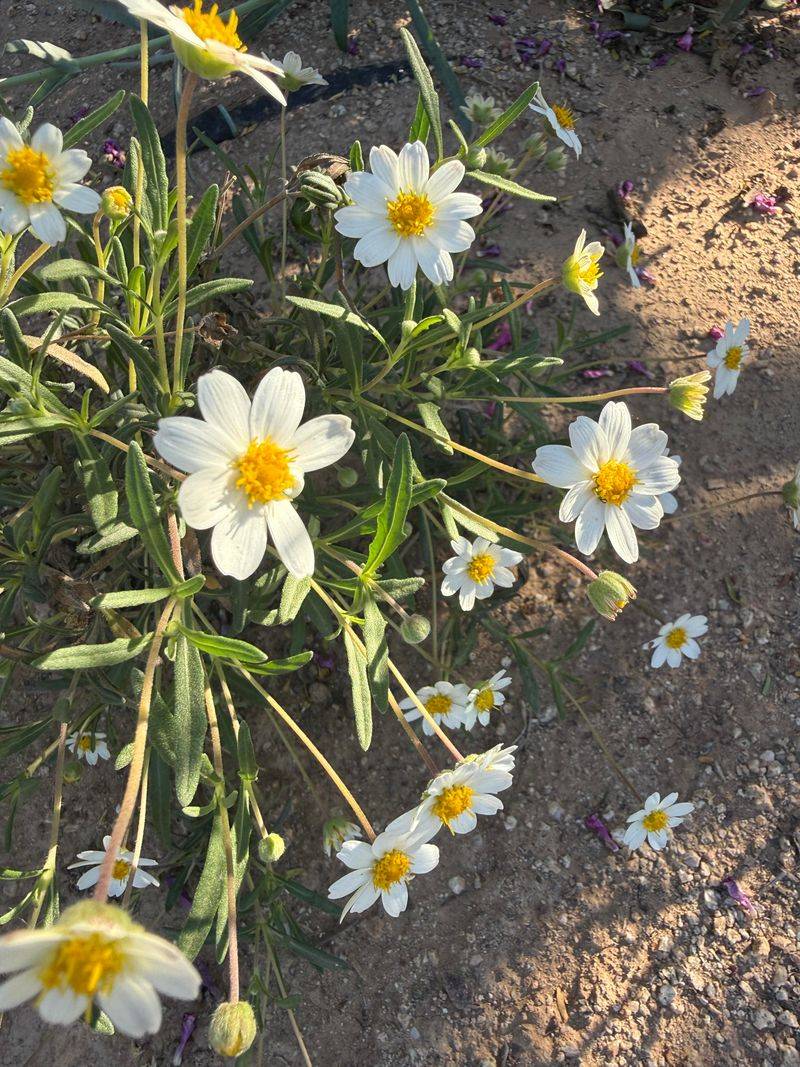
Blackfoot daisy accepts that dare better than most soft-looking flowers. It forms a low mound of narrow leaves and small white daisies with yellow centers, often blooming from spring into fall.
This plant shines in hot, exposed spots where richer garden flowers get dramatic. Gravel borders, dry slopes, sidewalk edges, and sunny curb strips can all suit it, as long as drainage stays sharp.
The scent can surprise you. The flowers may carry a light honey-like fragrance, which feels almost too sweet for such a tough plant. Arizona does enjoy a plot twist.
Full sun keeps the mound tight and full. Too much shade can make it stretch and bloom less. Lean soil works better than a pampered bed with heavy compost.
Water deeply during establishment, then cut back. Mature blackfoot daisy often prefers a dry rhythm. Wet soil can cause trouble quickly, especially during warm weather.
A light trim after a bloom wave can refresh the plant and keep it from looking tired. Avoid a hard chop into woody growth. Gentle shaping does the job.
Blackfoot daisy gives a hot yard a crisp, bright edge without much complaint. Tiny flowers, tough roots, big attitude. That is a very respectable desert combination.
5. Angelita Daisy Blooms Like It Has A Backup Plan
Some plants save color for one dramatic season.
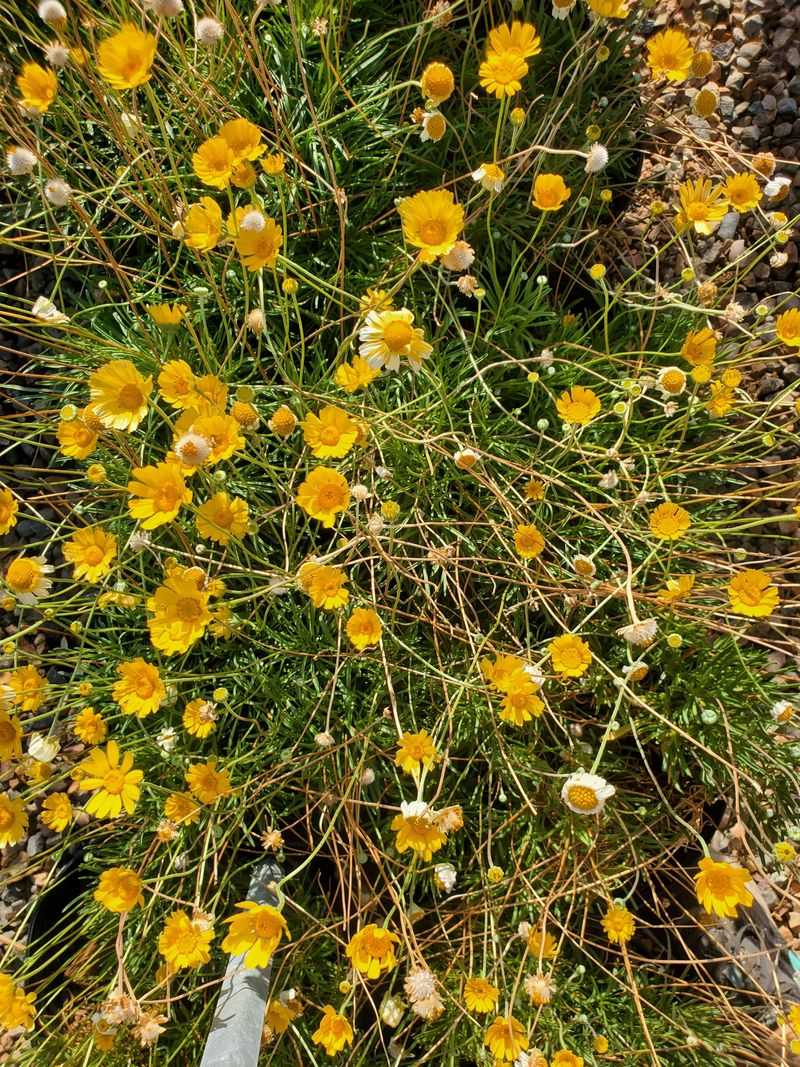
Angelita daisy seems to keep a spare round ready. In warm Arizona areas, it can bloom for much of the year, with bright yellow flowers that look especially useful when other plants pause during heat.
The plant stays compact, which makes it easy to tuck near walkways, patios, boulders, and low-water borders. The narrow leaves give it a tidy look, while the flowers rise above the foliage like tiny sunny buttons.
Pollinators appreciate the reliable nectar. Bees and butterflies may visit the blooms, adding small motion to a hot yard that might otherwise feel still in midafternoon.
Give Angelita daisy full sun and well-drained soil. It does not need heavy fertilizer. Rich treatment can make many desert perennials act floppy, and nobody plants daisies for awkward posture.
Water young plants regularly enough to establish roots. After that, use deeper, less frequent drinks. The plant handles dry periods well once settled, especially in soil that does not stay wet.
Trim spent flower stalks to keep the clump looking fresh. This is a quick cleanup, not a garden workout.
Angelita daisy works like a small yellow repeat button in the landscape. It keeps color close to the ground, asks for little, and looks cheerful enough to make gravel seem friendlier.
6. Desert Spoon Sends Up Summer Drama
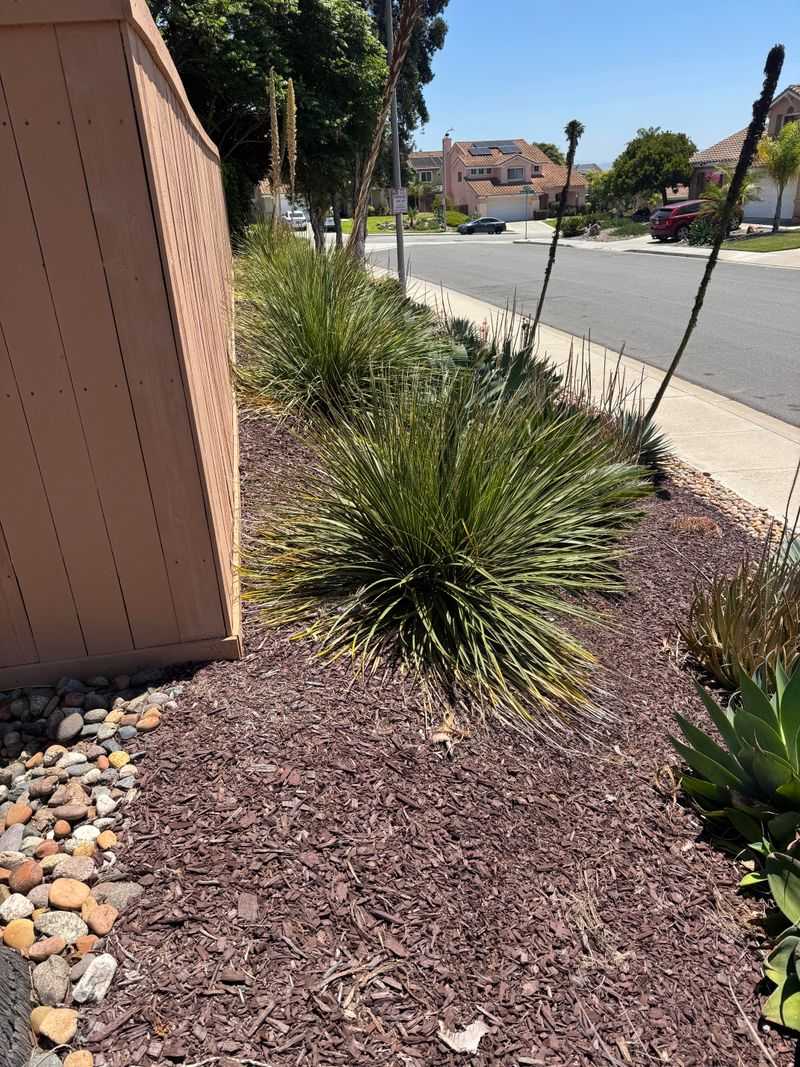
A plant can peak without covering itself in soft petals.
Desert spoon proves that with a sculptural rosette and a tall flower spike that rises in summer. The leaves form a dramatic rounded shape, while the bloom stalk shoots upward like the plant suddenly remembered it had theater training.
This native succulent works well in gravel gardens, modern desert landscapes, and wide open beds that need structure. It brings year-round form, then adds seasonal height when the flower spike appears.
Full sun suits it well. The plant prefers well-drained soil and handles drought once established. It is a strong choice for gardeners who want bold shape without constant trimming, feeding, or watering.
Place it where the leaf edges will not scrape ankles. Desert spoon is handsome, but it is not cuddly. Give it space away from tight walkways, pool edges, and spots where kids race past with snacks.
Water deeply during the first year, then reduce frequency. The roots handle dry conditions much better after the plant settles in.
The flower spike can attract pollinators and gives the yard a strong vertical accent during the warm season. After it fades, remove the stalk near the base.
Desert spoon brings architecture to the heat. It does not shout in color every day, but when that spike rises, the whole bed stands taller.
7. Turpentine Bush Waits For Late Summer
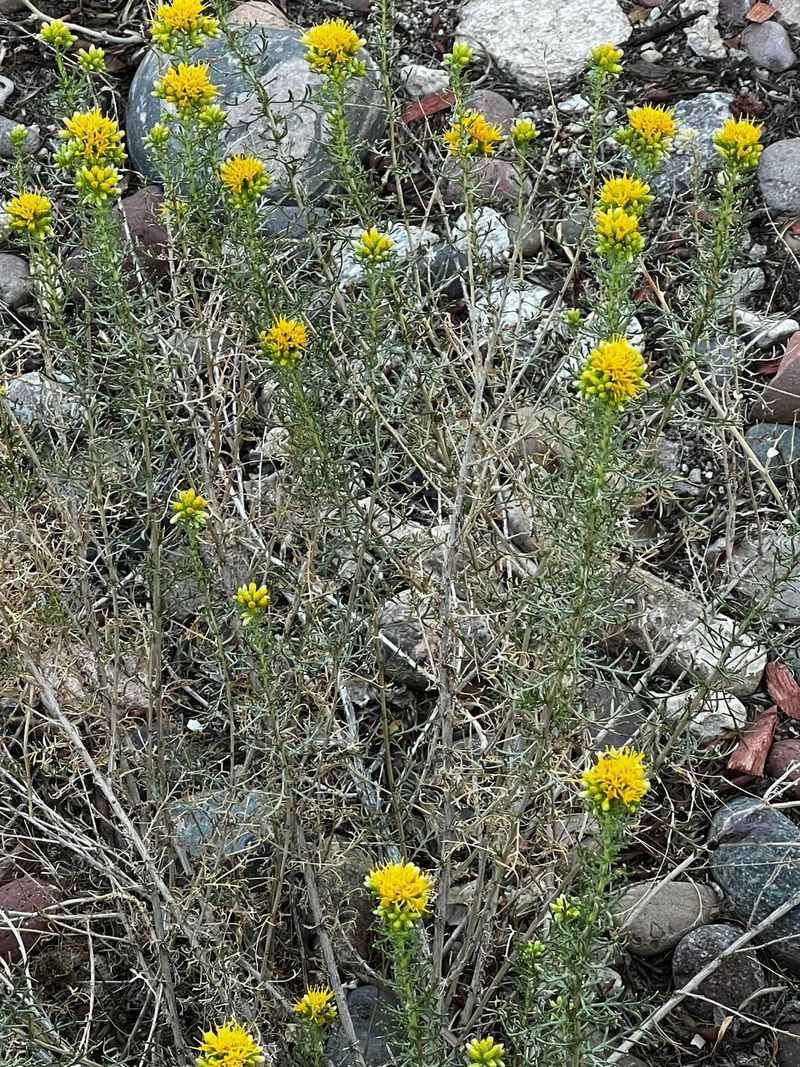
Late summer color feels extra valuable in Arizona.
By the time many plants look tired, turpentine bush starts preparing its yellow flower show. This small evergreen shrub carries fine, resin-scented foliage and bright daisy-like blooms from late summer into fall.
That timing makes it useful in native landscapes. Spring has plenty of stars. The late heat needs plants that can carry the second act without asking for a daily rescue mission.
Turpentine bush stays fairly compact, often around two to three feet tall and wide. It fits along dry borders, in pollinator beds, near boulders, or on sunny slopes where smaller shrubs make more sense than trees.
The scent is part of the personality. Brush the foliage and you may notice a sharp, resinous smell. Some gardeners love it. Some need a minute. The plant does not take it personally.
Full sun and well-drained soil bring the best shape. Too much water can make it loose and less tidy. Deep, occasional irrigation during dry stretches is usually more useful than constant attention.
Light trimming after bloom can keep it compact. Avoid heavy summer cuts before the flowers arrive, since that removes the fun part.
Turpentine bush is the late guest who saves the party. Just when the yard gets quiet, it walks in wearing yellow.
8. Globe Mallow Brings Desert Color In Waves
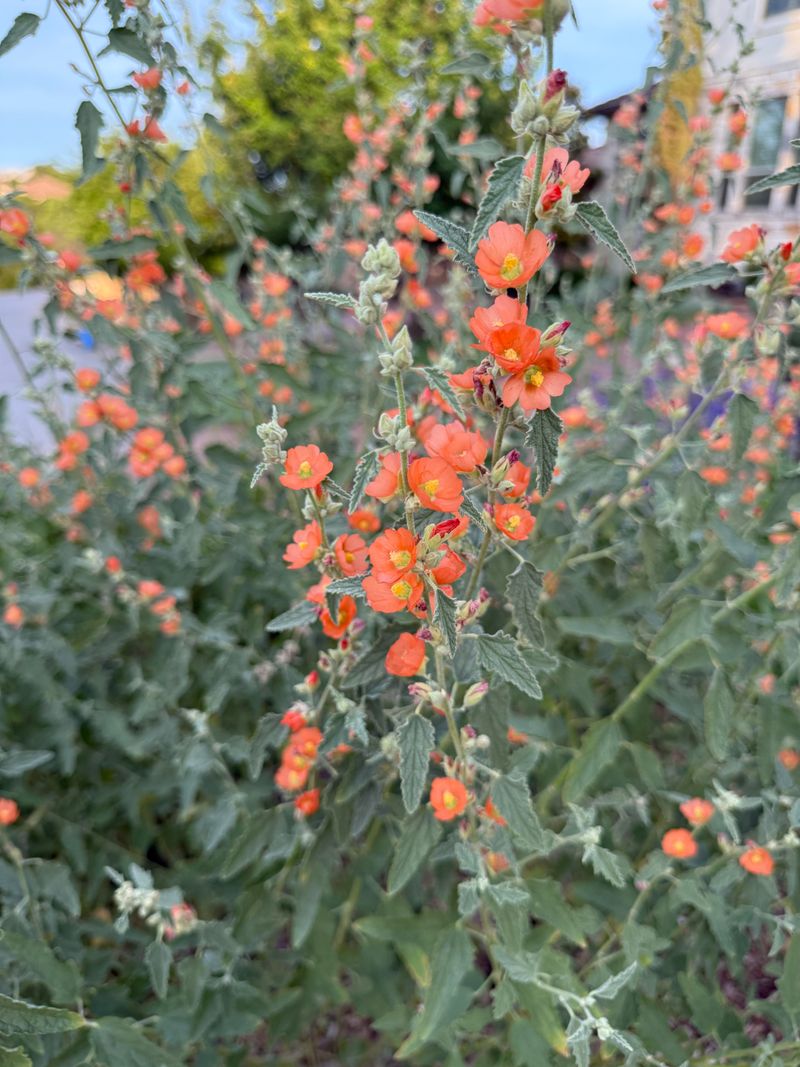
A tough plant with soft-looking flowers feels like a good desert joke.
Globe mallow gives Arizona gardens papery cup-shaped blooms in orange, pink, apricot, or red tones, depending on the selection. It often blooms heavily in spring, then can send out more color after summer rain or during milder breaks in the heat.
The plant has gray-green leaves that fit beautifully with gravel, boulders, agave, and other desert textures. That foliage helps the flowers look even brighter, like tiny flames above dusty velvet.
Use globe mallow in sunny borders, wildflower-style beds, dry slopes, or open spaces that need color without a water-hungry habit. It can look relaxed and informal, which suits natural desert gardens well.
Pollinators visit the flowers, and the plant can support local wildlife in ways a purely ornamental import may not. That gives the color more purpose.
Full sun and fast drainage matter. Globe mallow does not need rich soil. Too much fertilizer can push awkward growth instead of the sturdy bloom habit gardeners want.
Cut back lightly after a bloom wave to encourage a fresher shape. Leave some seed for a wilder look, or tidy it more often near paths.
Globe mallow is not a stiff little bedding plant. It is desert color with movement, charm, and just enough chaos to keep things interesting.