How To Design A Michigan Garden That Looks Intentional In All Four Seasons
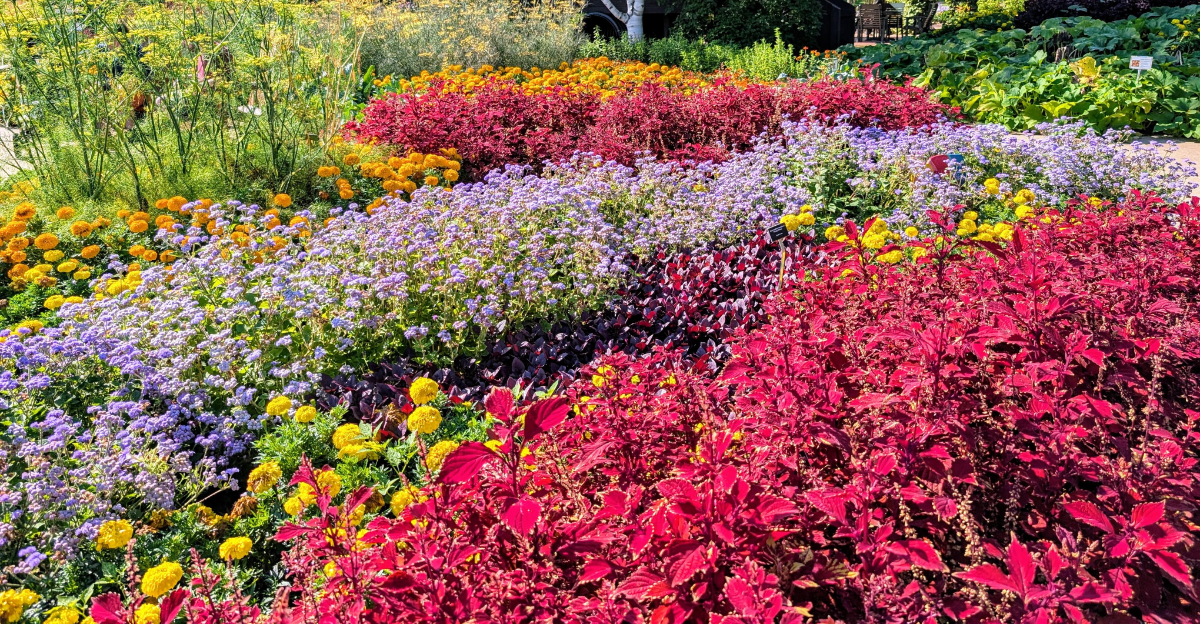
A garden that looks beautiful in June and completely forgotten by November is a missed opportunity, especially in Michigan where the landscape spends a significant portion of the year outside the traditional growing season.
Designing for four seasons requires thinking about structure, texture, and plant selection in ways that go well beyond what most gardening advice covers.
It involves making deliberate choices that pay off when flowers are long finished and foliage has dropped.
The gardeners in Michigan whose outdoor spaces look considered and intentional in January and March are working from a different framework than those who plan only around bloom time.
That framework is learnable, and applying even parts of it transforms how a garden reads through the full calendar year.
1. Use Evergreens For Year-Round Structure
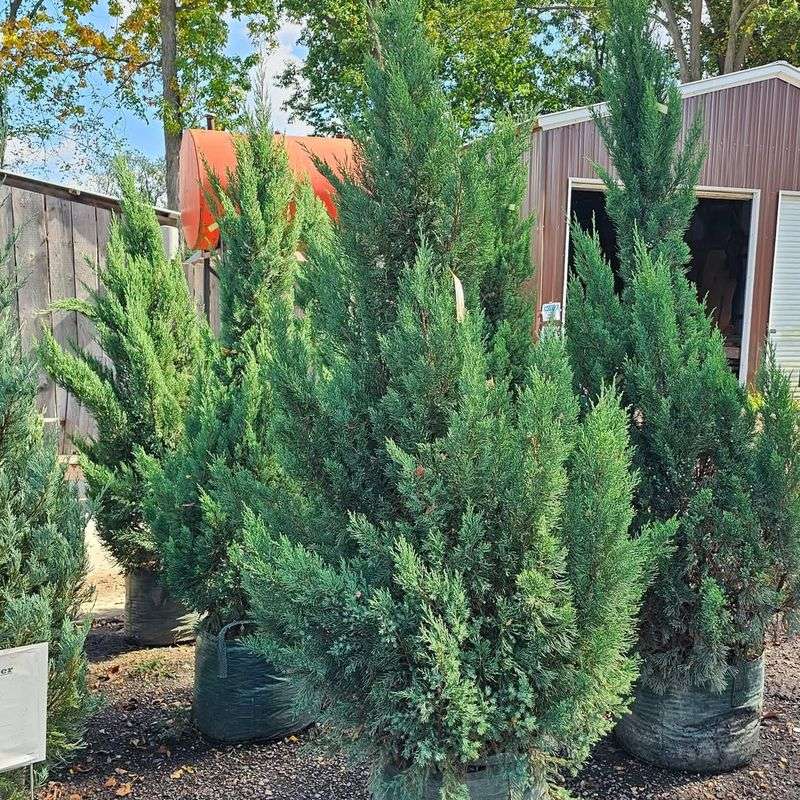
Every garden needs a backbone, and in Michigan, evergreens are exactly that.
Plants like Concolor Fir, Dwarf Alberta Spruce, and Blue Star Juniper hold their color and form through every season, giving your yard a sense of permanence even when everything else goes dormant.
Placing evergreens at the corners of garden beds or as anchors at the back of a border creates instant visual weight. They act like punctuation marks in your landscape, telling the eye where to stop and what to focus on.
Blue Star Juniper, with its striking silver-blue foliage, works especially well as a low focal point at the front of mixed beds.
Dwarf Alberta Spruce grows slowly and stays compact, making it ideal for smaller Michigan yards where scale really matters. Concolor Fir, on the other hand, grows taller over time and provides a strong vertical element that draws the eye upward.
Grouping different sizes and textures of evergreens together creates depth that looks intentional rather than accidental.
Even in the middle of a gray Michigan February, a well-placed evergreen grouping reminds you that your garden was thoughtfully designed from the very start.
2. Include Native Perennials For Seasonal Blooms
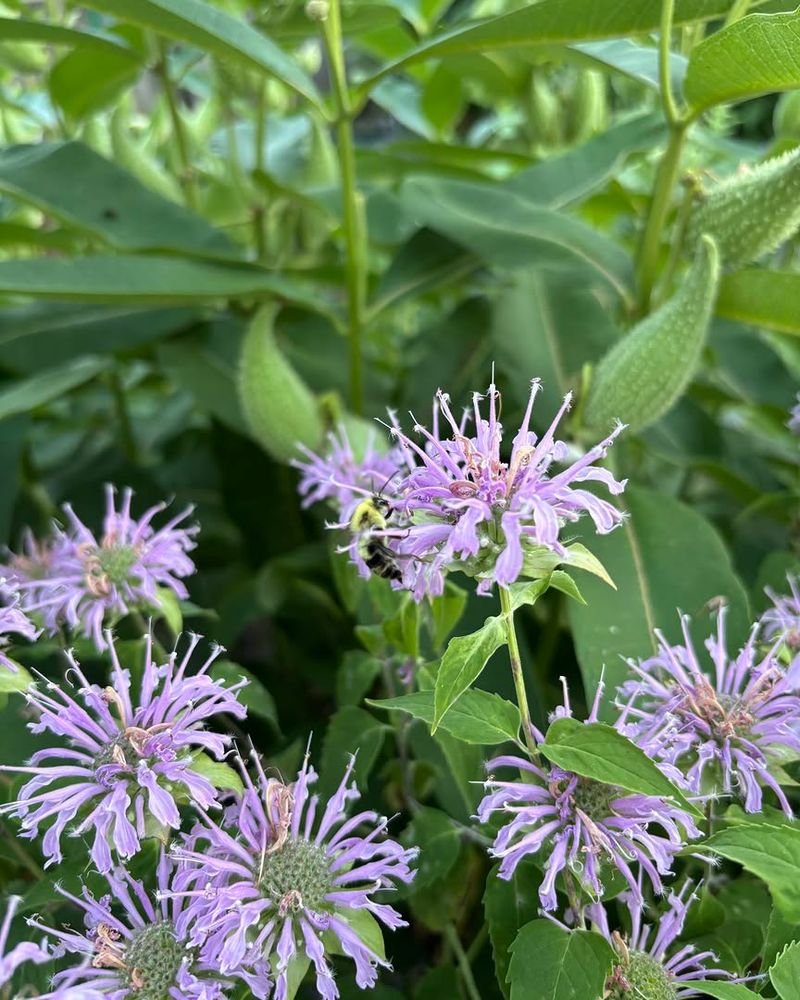
Nothing fills a summer garden with life quite like Michigan-native perennials.
Wild Bergamot (Monarda fistulosa), Black-Eyed Susan (Rudbeckia hirta), and Bee Balm (Monarda didyma) are tough, reliable bloomers that thrive in Michigan’s climate without a lot of fuss.
They come back stronger each year, and their vibrant colors make any garden bed feel energetic and full.
Black-Eyed Susans prefer full sun and well-drained soil, making them a great choice for open, sunny borders. Bee Balm tolerates a bit more moisture and spreads gradually, filling in gaps beautifully over time.
Wild Bergamot is incredibly drought-tolerant once established, which is a huge bonus during Michigan’s drier summer stretches.
Spacing matters more than most gardeners realize. Giving each plant enough room to breathe reduces disease pressure and lets each one reach its natural shape.
Planting in clusters of three or five rather than single plants creates a more polished, intentional look that reads well from a distance. Native perennials also tend to have attractive seed heads in fall, adding bonus texture after the blooms fade.
Your Michigan Garden Changes Every Week. Your Plan Should Too.
Gardening in Michigan changes quickly throughout the season. Every Friday you’ll receive a simple weekly plan showing exactly what to plant, prune, fertilize, harvest, and protect so you never miss the right timing.
Once you see how little maintenance these plants actually need compared to how much beauty they provide, you will wonder why you ever planted anything else.
3. Plant Ornamental Grasses For Texture And Winter Interest
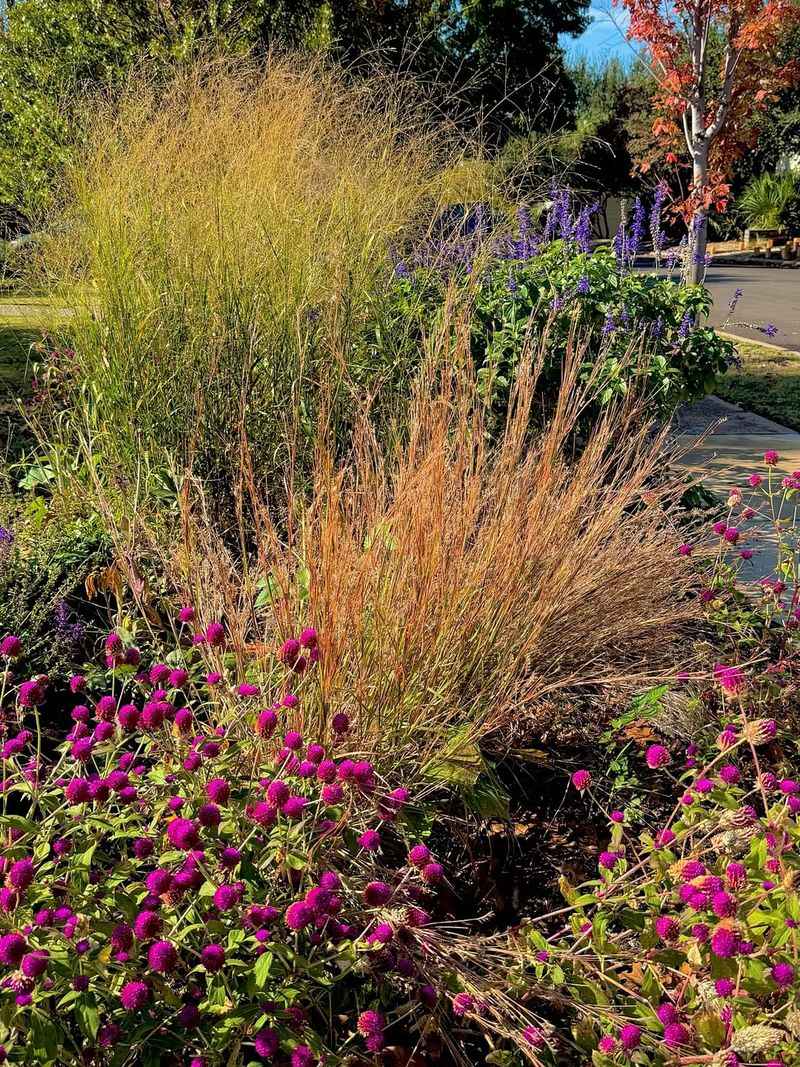
Ornamental grasses are one of the most underrated tools in four-season garden design.
Little Bluestem (Schizachyrium scoparium) and Switchgrass (Panicum virgatum) bring movement, texture, and color that shifts beautifully from summer green to rich bronze and gold as the seasons change.
In winter, their upright seed heads catch frost and snow in a way that looks almost magical.
Little Bluestem is a true Michigan native that stays compact, usually reaching about two to four feet tall. Its blue-green summer color turns a warm reddish-bronze in fall, and it holds that color well into winter.
Switchgrass grows taller and more upright, creating strong vertical lines that add drama to any planting design.
Grouping grasses in odd numbers, like threes or fives, creates a natural, flowing look rather than a stiff, planted-in-a-row appearance. Placing them mid-border lets shorter plants in front and taller shrubs behind frame them nicely.
Grasses also pair beautifully with late-blooming perennials like Black-Eyed Susans and Coneflowers, creating layered combinations that extend the visual season well into October and beyond.
Cutting them back in early spring before new growth emerges keeps them tidy and ready for another great year of performance in your Michigan garden.
4. Add Shade-Tolerant Groundcovers
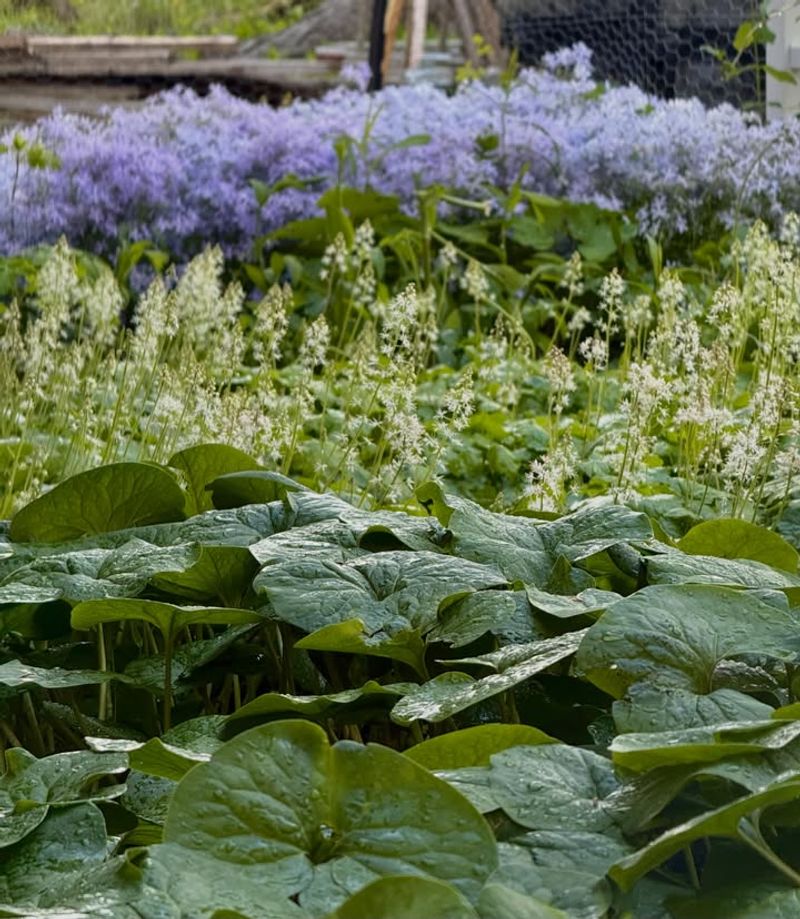
Shady spots under trees and large shrubs can feel like a design challenge, but they are actually a great opportunity.
Shade-tolerant natives like Wild Ginger (Asarum canadense) and Foamflower (Tiarella cordifolia) thrive in exactly those low-light conditions, spreading steadily to create a lush, finished look that bare soil simply cannot match.
Wild Ginger is a slow but reliable spreader with broad, heart-shaped leaves that stay green well into late fall in Michigan. It handles dry shade better than most groundcovers, making it especially useful under shallow-rooted trees like maples.
Foamflower, on the other hand, produces delicate white to pale pink flower spikes in spring that add a soft, airy quality to shaded beds.
Both plants suppress weeds naturally once established, which means less time pulling and more time enjoying your garden. Planting them in drifts rather than isolated clumps helps them look intentional and cohesive across a larger area.
They also create a visual bridge between tree trunks and the rest of the garden, making the whole space feel more connected and designed. Mulching lightly around new plants helps retain moisture during the establishment period.
Within a couple of seasons, these groundcovers will fill in beautifully, turning previously neglected shady corners into some of the most inviting spots in your entire yard.
5. Include Deciduous Shrubs For Spring And Fall Interest
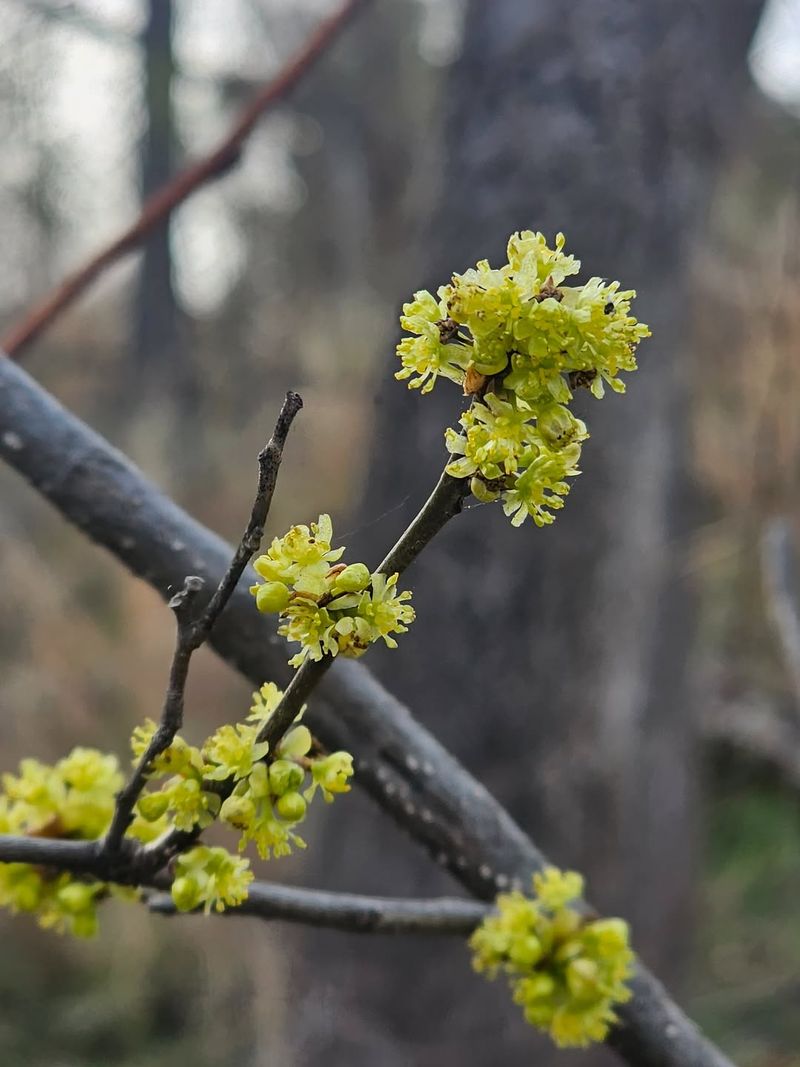
Deciduous shrubs are the workhorses of a four-season Michigan garden.
Spicebush, Northern Bush Honeysuckle, and Mapleleaf Viburnum each bring something genuinely exciting to the table across multiple seasons, from early spring flowers to brilliant fall foliage and colorful berries.
Spicebush is one of the first shrubs to bloom in Michigan spring, producing tiny yellow flowers before the leaves even emerge. In fall, female plants produce bright red berries that birds absolutely love, and the foliage turns a warm golden yellow.
Mapleleaf Viburnum delivers stunning burgundy and purple fall color that rivals any ornamental maple, and it tolerates shade far better than most shrubs.
Northern Bush Honeysuckle is incredibly tough, thriving in both sun and part shade while producing cheerful yellow flowers in summer and reddish fall foliage.
Placing these shrubs in the middle layer of a border, between taller evergreens and lower perennials, creates the kind of layered planting that looks like it was designed by a professional.
Their varying heights and seasonal changes mean there is always something new happening in that part of the garden.
Mixing at least two or three of these shrubs together creates a dynamic, evolving display that keeps your landscape interesting from the first warm day of April straight through to the last color of November.
6. Mix Heights And Layers Strategically
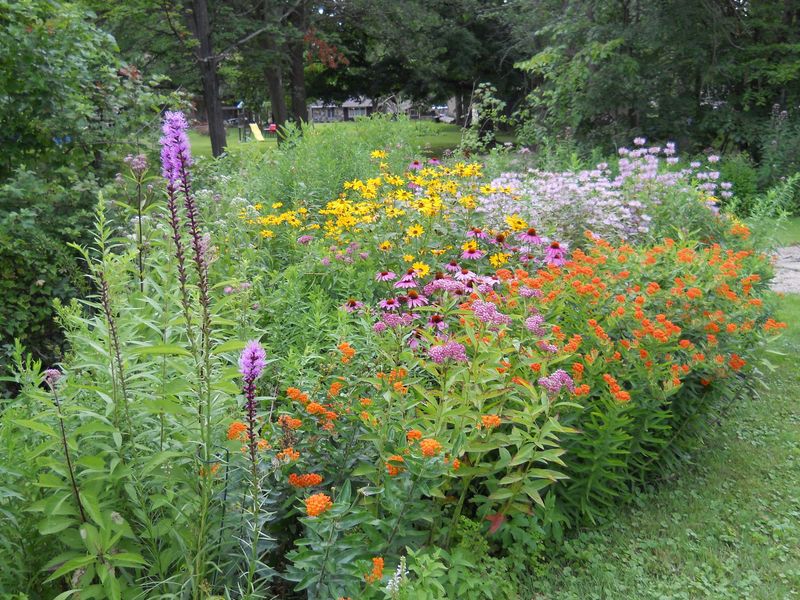
One of the biggest differences between a garden that looks designed and one that just looks random is layering.
Mixing tall, medium, and low plants in a thoughtful way creates visual depth that makes even a modest Michigan yard feel lush, full, and professionally planned throughout the year.
Think of your garden in three distinct layers. The back layer should include your tallest elements, like small ornamental trees, large shrubs, or tall grasses.
The middle layer works best with medium shrubs and bold perennials. The front layer is where low groundcovers, compact perennials, and spring bulbs shine brightest.
Varying heights also solves a common problem in Michigan gardens: the flat, one-dimensional border that looks fine in summer but completely disappears in winter.
When you have evergreens at different heights anchoring the back and sides, structural grasses in the middle, and low groundcovers at the front, the garden retains its shape even when most plants are dormant.
Staggering plants so taller ones do not completely block shorter ones from view creates a tiered effect that photographs beautifully and feels satisfying to walk through.
The goal is not symmetry for its own sake but a natural-looking progression of heights that guides the eye smoothly from one end of the garden to the other in every single season.
7. Include Spring Bulbs For Early Color
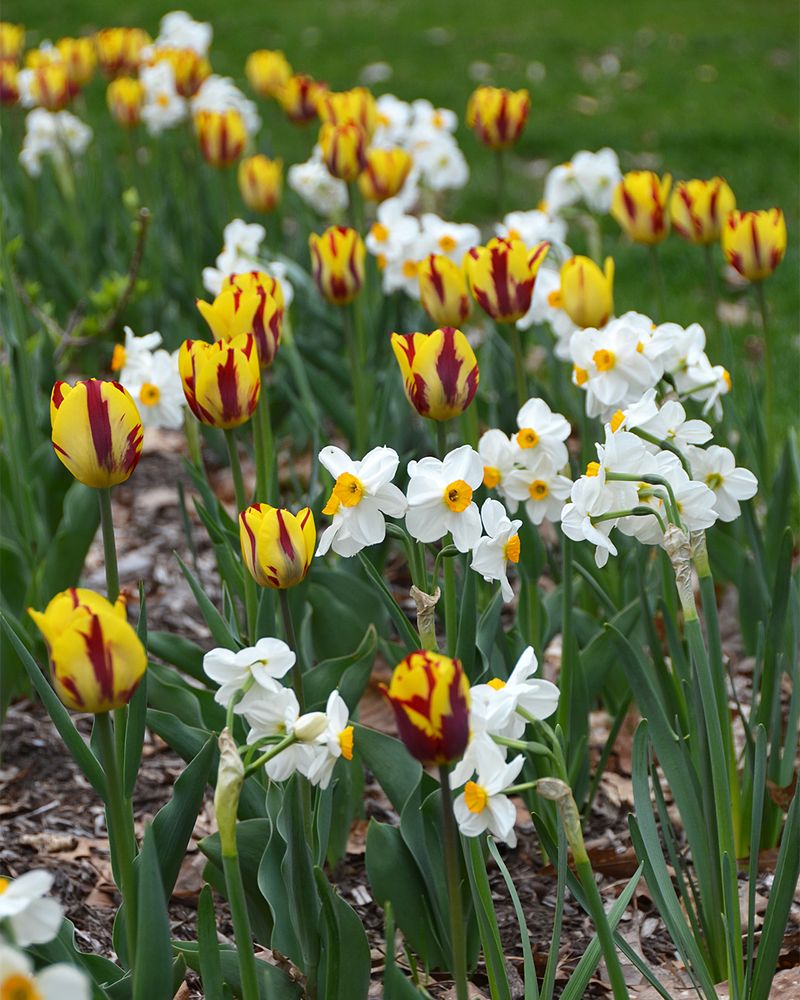
After a long Michigan winter, nothing is more exciting than the first pop of color pushing up through the soil.
Spring bulbs like Daffodils (Narcissus spp.), Tulips (Tulipa spp.), and Crocus (Crocus spp.) are planted in fall and reward you with glorious early-season color before most perennials have even started to wake up.
Crocus are often the first to appear, sometimes blooming while there is still snow on the ground in late March or early April.
Daffodils follow shortly after and are a particularly smart choice for Michigan gardens because deer and squirrels tend to leave them alone.
Tulips come in an enormous range of colors and bloom times, so mixing early, mid, and late varieties extends the show by several weeks.
Planting bulbs in clusters of ten or more rather than scattered singles creates bold, intentional-looking drifts of color that read well from the street and from inside the house.
Well-drained soil is critical since bulbs sitting in wet soil through Michigan’s freeze-thaw cycles can rot before they ever get a chance to bloom. Planting them in raised beds or on gentle slopes helps with drainage naturally.
Tucking bulbs between perennials also works beautifully since the perennial foliage emerges just as the bulb leaves start to look tired, hiding them perfectly and keeping the bed looking tidy all season long.
8. Use Winter Interest Plants
Winter in Michigan does not have to mean a bare, boring yard. With the right plant choices, your garden can actually look stunning in January and February, full of color, structure, and texture that stands out beautifully against snow and gray skies.
Red Twig Dogwood (Cornus sericea) is a showstopper in winter. Its vivid red stems glow against white snow in a way that feels almost theatrical.
Planting it near a window or along a walkway means you get to enjoy the display every single day during the coldest months.
American Holly (Ilex opaca) brings both glossy evergreen leaves and bright red berries that persist through winter, providing color and feeding birds at the same time.
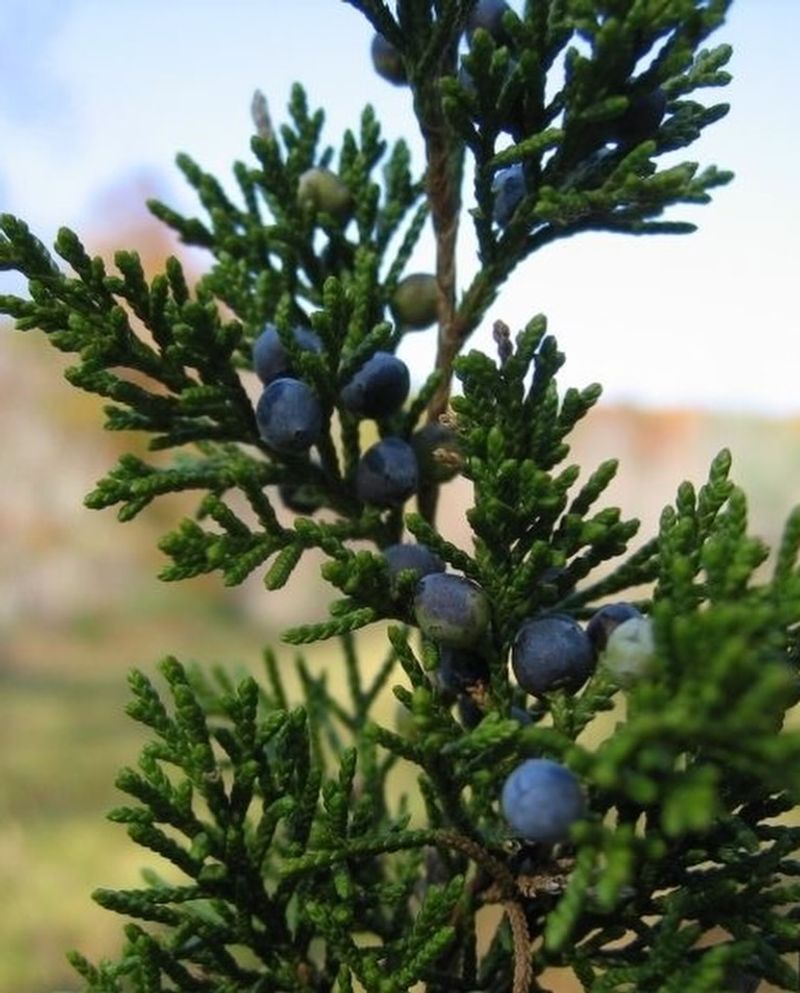
Eastern Redcedar (Juniperus virginiana) is a tough, native evergreen that offers year-round structure while producing small blue-gray berries in winter that attract cedar waxwings and other wildlife.
Using a combination of these three plants together creates a winter garden scene that feels intentional and alive rather than dormant and forgotten.
Placing Red Twig Dogwood near water features or in low spots where it naturally thrives adds an extra layer of smart design thinking.
The key to great winter interest is planning for it during the growing season, choosing plants whose best moments happen to fall in the months when everything else has gone quiet.
9. Pair Plants For Complementary Bloom Times
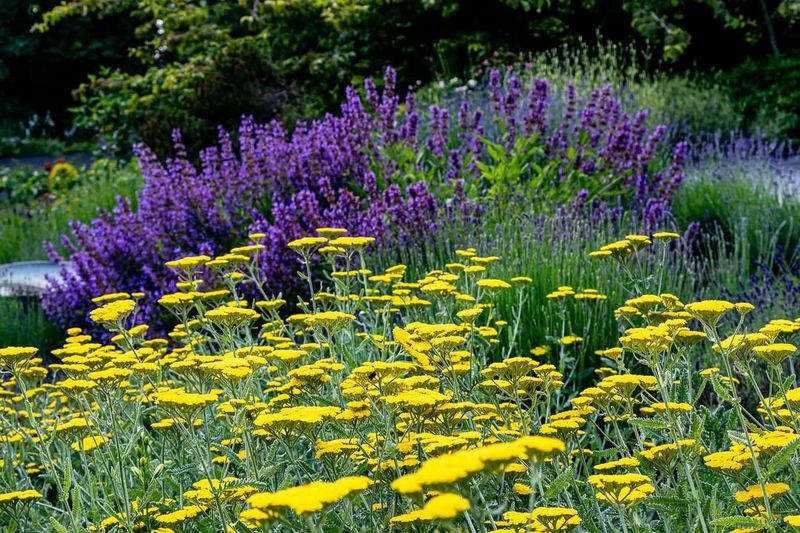
A garden that blooms only in June and then goes quiet for the rest of the year is a missed opportunity.
Pairing plants with different bloom times creates a rolling sequence of color and texture that keeps your Michigan garden looking fresh and interesting from April all the way through October.
Start by mapping out when each plant in your garden blooms. Spring bulbs and early perennials like Bleeding Heart kick things off.
Early summer brings Salvia, Baptisia, and native Columbine. Mid-summer is when Black-Eyed Susans, Coneflowers, and Bee Balm hit their peak.
Late summer and fall belong to native Asters, Goldenrod, and ornamental grasses that shift into their best color just as everything else is winding down.
Placing early bloomers next to plants that fill in and bloom later creates seamless transitions where there is rarely a gap or a bare patch.
For example, pairing spring-blooming Spicebush with summer-blooming Wild Bergamot and fall-glowing Little Bluestem in the same border gives you something beautiful to look at across three full seasons in a single planting zone.
Keeping a simple garden journal or sketch of bloom times helps you spot gaps and fill them intentionally.
Over time, this kind of thoughtful sequencing becomes second nature, and your garden will reward you with a continuous, ever-changing display that never feels tired or predictable.
10. Consider Wildlife And Pollinator Support
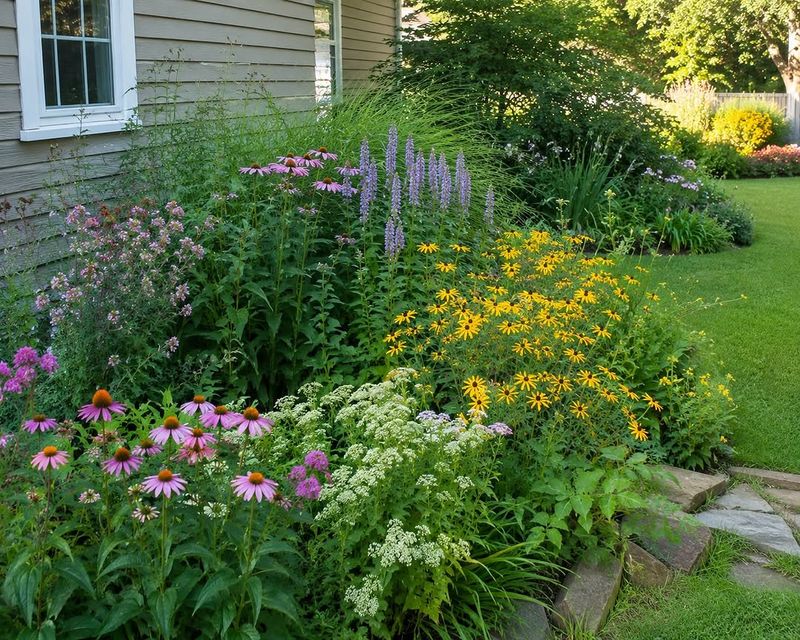
A garden that supports wildlife is a garden that is always doing something interesting. When you plant for birds, bees, and butterflies, you add movement, sound, and life to your yard in a way that no hardscape or decorative feature ever could.
The good news is that the best plants for wildlife happen to be some of the most beautiful plants for Michigan gardens anyway.
Black-Eyed Susan attracts a wide range of native bees and goldfinches that feed on the seed heads well into winter.
Bee Balm is practically irresistible to hummingbirds and bumblebees, and its bright red or pink flowers are a genuine summer highlight.
Spicebush supports the Spicebush Swallowtail butterfly, which uses it as a host plant, and its berries attract migrating birds in fall.
Avoiding pesticides in areas where these plants grow is important for keeping the wildlife you attract actually safe and healthy.
Leaving seed heads on plants through winter rather than cutting everything back in fall provides critical food and shelter for birds during Michigan’s harshest months.
Even a small section of your yard dedicated to wildlife-friendly planting can have a noticeable impact on local pollinator populations.
The added bonus is that wildlife activity makes your garden feel alive and dynamic year-round, giving you something new to notice and enjoy every single time you look out the window or step outside.