North Carolina Lawns That Struggle In Summer Are Often Paying For These 7 Fertilizing Mistakes Made In Spring
The grass is thick, the color is deep, and the whole yard looks like it finally came together after a long winter.
Many homeowners feel good about the effort they put in during spring and head into summer expecting the results to hold.
Then July arrives.
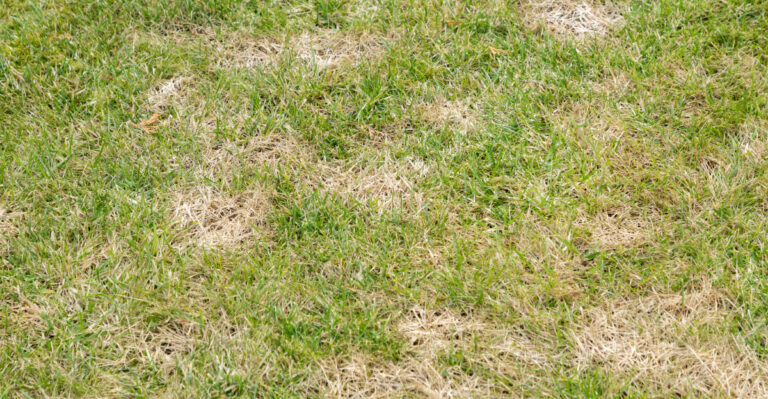
Thin patches. Scorched edges. Grass that wilts faster than it should and recovers slower than it ever did before. The summer that was supposed to be the payoff turns into a month of damage control.
The frustrating part is that the problem usually started months earlier, during the spring fertilizing routine that felt completely reasonable at the time.
Good intentions applied at the wrong moment, in the wrong amount, or to the wrong grass type quietly set the lawn up for a difficult summer before the heat ever arrived.
Have you ever done everything right in spring and still ended up with a struggling lawn in August? Then, these seven fertilizing mistakes explain that outcome more often than anything else.
1. Feeding Tall Fescue Too Late
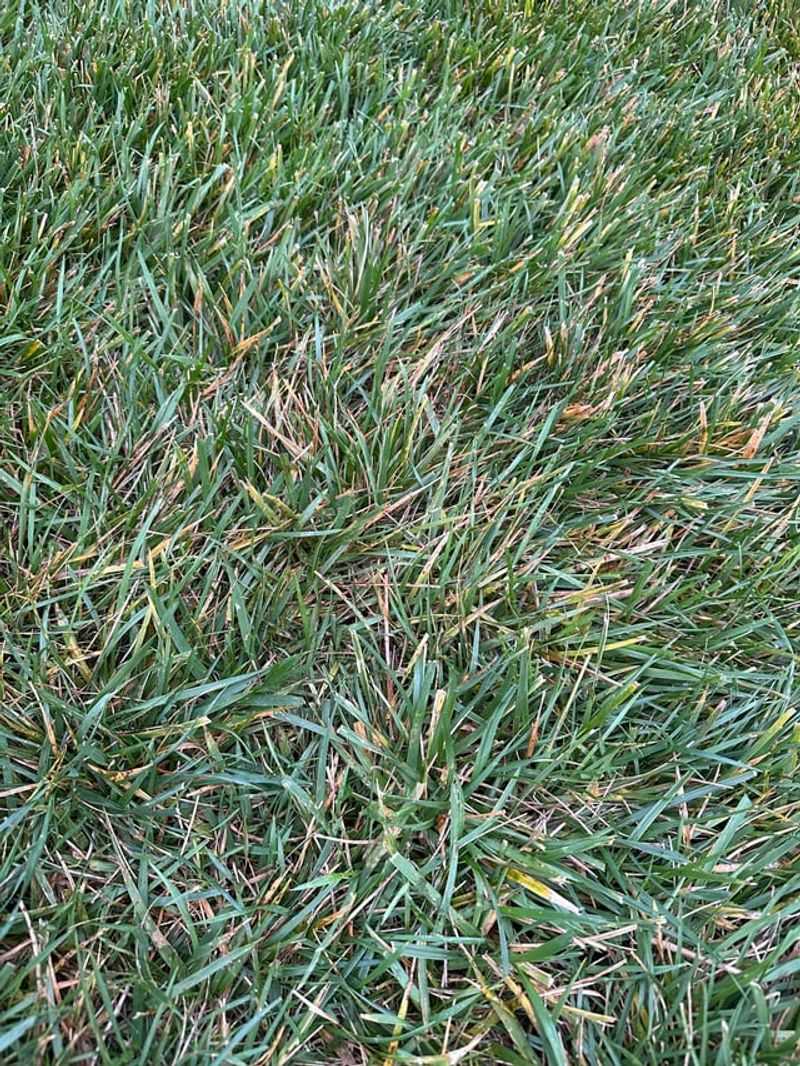
Tall fescue is a cool-season grass, and that single fact shapes every fertilizing decision that follows. Cool-season grasses grow best when soil temperatures are mild.
Once North Carolina summers arrive with full heat and humidity, tall fescue shifts into a conservation mode that is about maintaining rather than growing.
Fertilizing past mid-April pushes the plant to produce new, soft growth at exactly the wrong moment. That new growth is tender.
It has not had time to develop the resilience it needs before the heat arrives. The grass that looks lush and green in May becomes the grass that scorches and wilts first in July.
The primary fertilization window for tall fescue is fall, not spring. A light, careful feeding in early spring is the maximum that most North Carolina tall fescue lawns actually benefit from.
Late spring feeding does more harm than the brief visual improvement justifies.
Gardeners who missed the early spring window face a straightforward choice. Skip the feeding entirely and wait for fall, or push growth into a season the grass was never built to handle well.
Fall is when tall fescue rewards fertilizer with strong root development and dense turf. Spring is when it needs support, not pressure.
The grass that goes into summer without being overfed is the grass that comes out of summer still looking like something worth keeping.
2. Skipping The Soil Test First
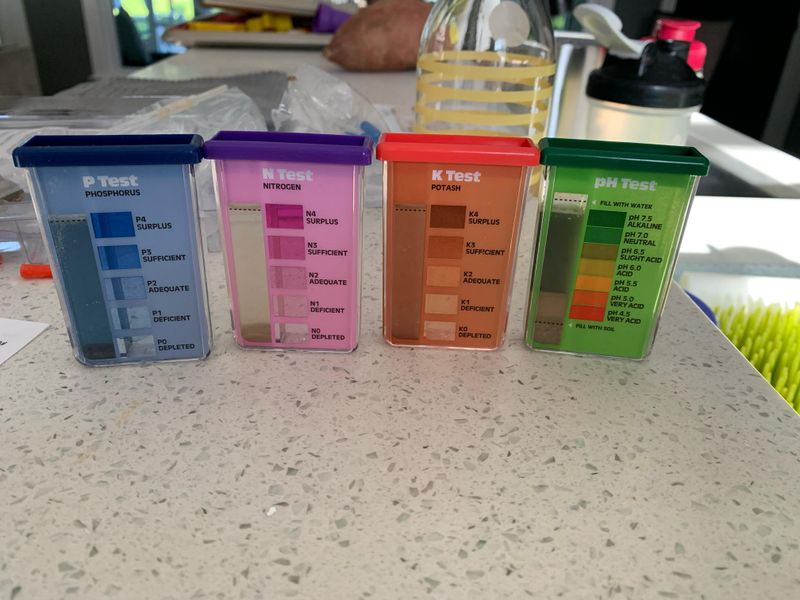
Money goes into the bag. An afternoon goes into the spreading. And then the lawn looks pale and patchy all summer anyway.
That scenario plays out across North Carolina yards every year, and the missing step is almost always the same.
A soil test answers the two questions that matter most before any fertilizer is purchased. What does this lawn actually need, and what does it already have too much of.
North Carolina soils vary widely across the state. Some are naturally low in phosphorus. Others have pH levels that lock nutrients out of root uptake even when fertilizer is applied generously.
Your North Carolina Garden Changes Every Week. Your Plan Should Too.
Gardening in North Carolina changes quickly throughout the season. Every Friday you’ll receive a simple weekly plan showing exactly what to plant, prune, fertilize, harvest, and protect so you never miss the right timing.
Without knowing where the soil stands, the fertilizer program is built on a guess, and guessing with lawn inputs is a reliable way to waste money while making existing problems worse.
The North Carolina Department of Agriculture offers affordable soil testing that produces specific recommendations based on grass type and soil conditions.
The cost is minimal. The turnaround is reasonable. The information changes every subsequent lawn care decision for the better.
Applying nutrients the soil already has in excess throws off the balance further and increases the stress the lawn carries into summer.
Applying what the soil actually needs in the amounts it actually requires produces results that a generic bag of lawn fertilizer selected from a store shelf simply cannot match.
The soil test is the starting point that makes everything else accurate.
3. Using Too Much Quick Nitrogen
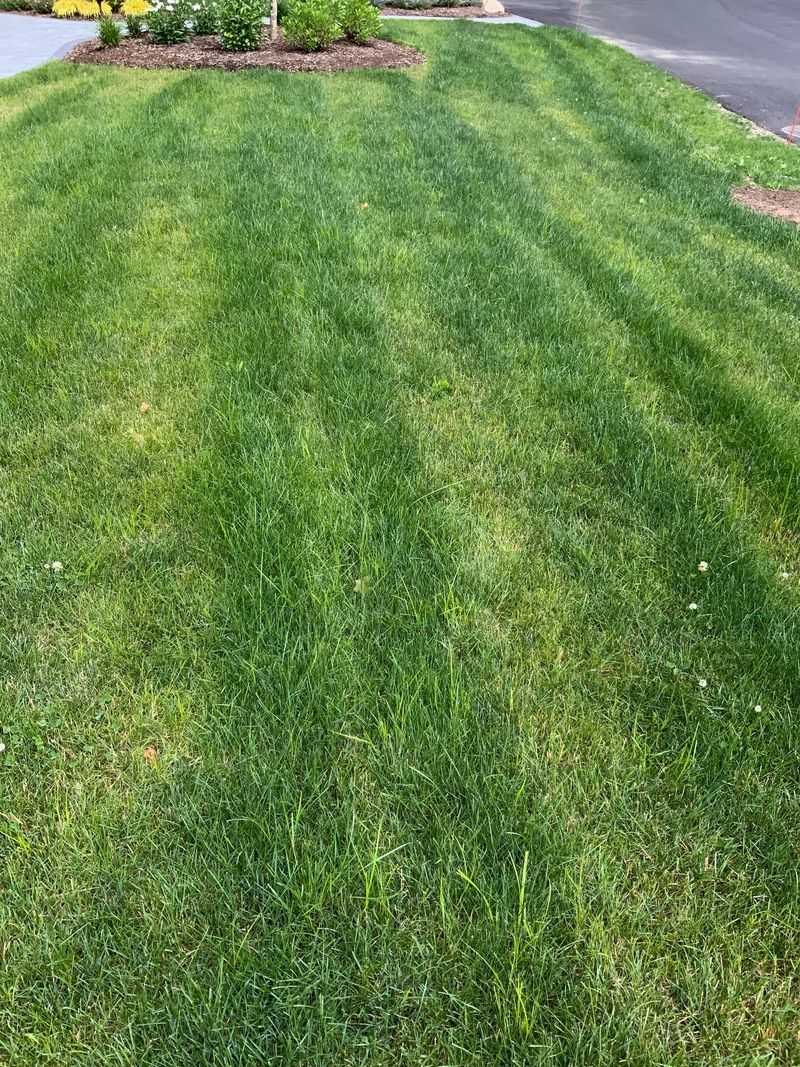
A bag promising thick, green grass fast is one of the more compelling things available in a garden center aisle in April.
Quick-release nitrogen delivers exactly what the label describes. A rapid flush of lush green growth that looks impressive on a Saturday afternoon.
The problem lands a few weeks later.
Quick-release nitrogen drives top growth aggressively but does not encourage the deep root development that North Carolina lawns need to handle summer conditions.
The grass grows up instead of down. Roots stay shallow. When heat and drought arrive in July and August, shallow-rooted grass exhausts its available moisture quickly and shows stress almost immediately.
Fertilizer burn is a related risk. Too much quick-release nitrogen applied at once, or without adequate rain following the application, can damage grass directly rather than feeding it.
Slow-release nitrogen sources are the better choice for spring applications when feeding is needed.
Slow-release products feed the lawn gradually over an extended period, encouraging steadier growth without the dramatic green spike that collapses when summer pressure arrives.
A practical guideline for most North Carolina lawns is to avoid applying more than one pound of nitrogen per thousand square feet in a single spring application.
Reading the fertilizer label carefully and doing the math before spreading determines whether the application rate is appropriate or excessive before any damage occurs.
The fast-green bag is solving the wrong problem at the wrong time of year.
4. Fertilizing Before Heavy Rain
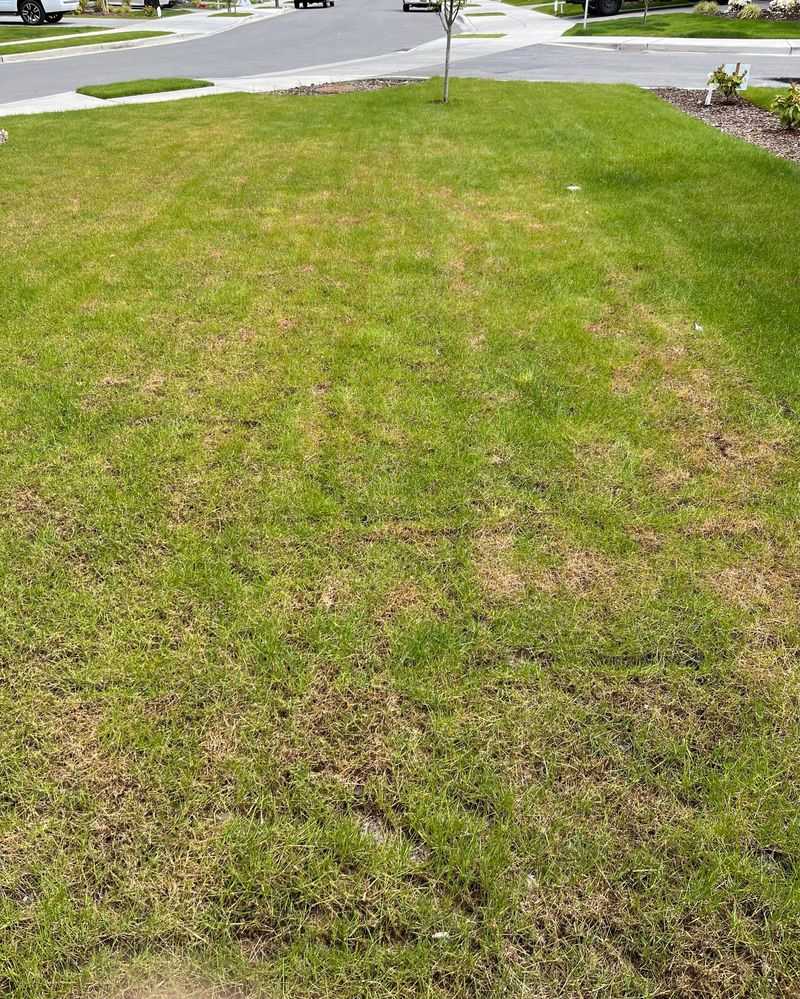
Checking the forecast before fertilizing sounds like an obvious step. It gets skipped with remarkable consistency.
A homeowner picks a free Saturday, spreads fertilizer across the lawn in the morning, and watches a heavy rainstorm arrive by afternoon.
The fertilizer that was supposed to feed the grass is now traveling toward the street, the storm drain, and eventually a nearby waterway.
Heavy rain right after fertilizing causes two problems simultaneously. The nutrients leave the lawn before roots have any opportunity to absorb them, which means the money spent on the product produces no benefit at all.
And the nitrogen and phosphorus that wash off contribute to algae growth and water quality problems in North Carolina’s sensitive streams and ponds. Both outcomes are avoidable with a two-minute forecast check.
The productive approach is to apply fertilizer when no significant rain is expected for at least 24 to 48 hours.
A light watering after application helps move granules off grass blades and into the soil contact zone, which is a very different situation than a heavy downpour carrying everything away.
Mornings tend to work well for timing. Soil is cooler and more receptive. Temperatures are manageable.
A dry stretch following the application gives nutrients time to establish in the root zone rather than in whatever body of water sits downstream.
Fertilizer that stays in the lawn feeds the lawn. Fertilizer that washes away feeds the algae. The forecast is free to check.
5. Treating Every Grass Type The Same
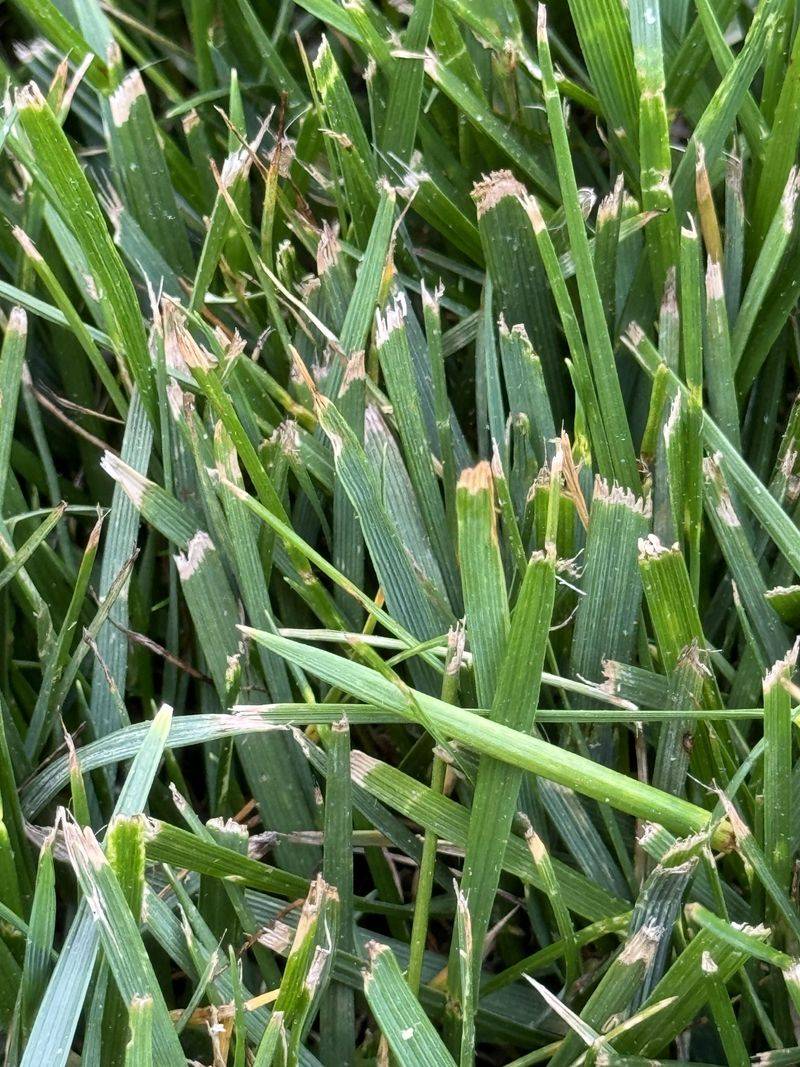
North Carolina sits in a transition zone that allows both cool-season and warm-season grasses to grow across different regions of the state.
The Piedmont and mountain areas carry a lot of tall fescue. The coastal plain and warmer regions support bermuda, zoysia, and centipede.
Treating all of these the same way in spring is one of the most consistently damaging fertilizing habits homeowners develop.
Warm-season grasses should not receive fertilizer until they have fully greened up and are actively growing.
In North Carolina that typically means late April through May depending on location and soil temperature. Feeding bermuda or zoysia before soil temperatures consistently reach around 65 degrees wastes fertilizer and creates favorable conditions for weeds rather than turf.
Centipede grass deserves specific attention here. It is particularly sensitive and genuinely prefers minimal fertilization.
Overfeeding centipede does not produce a healthier lawn. It produces long-term decline that compounds season after season until the turf quality drops significantly below where it started.
Tall fescue follows a completely different schedule, with fall as its primary feeding season and early spring as the only window where a light feeding is potentially useful.
Applying a warm-season schedule to a fescue lawn, or a fescue schedule to bermuda, sets the turf up for poor performance before summer begins.
Knowing the grass type is not optional background information. It is the foundation every other lawn care decision gets built on.
6. Feeding Drought Stressed Turf
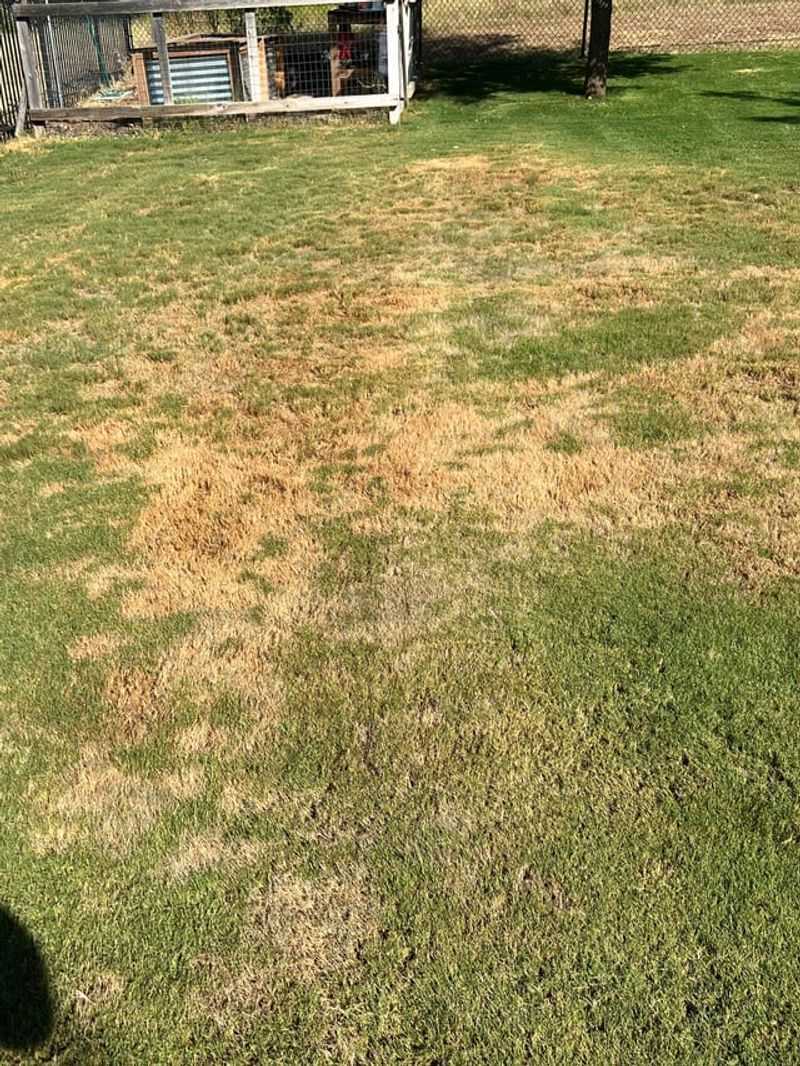
Dry springs happen in North Carolina. When they do, the lawn communicates clearly. Grass blades curl inward. Footprints stay visible longer than usual.
The color shifts from healthy green to a dull blue-gray. Those are drought stress signals, and they mean the lawn needs water, not fertilizer.
Applying fertilizer to drought-stressed grass is one of the faster ways to compound an existing problem. When turf is under moisture stress, roots pull back and the grass slows its nutrient uptake considerably.
Fertilizer salts sitting in dry soil without adequate moisture to dilute them can pull water out of grass roots through osmosis, intensifying the stress rather than relieving it.
A lawn that looked like it needed a nutrient boost can show additional visible damage within days of a dry-condition feeding.
The correct sequence requires patience. Water the lawn deeply and consistently before considering any fertilizer application during a dry spring stretch. Lawns generally benefit from about one inch of water per week from rain or irrigation.
Once the grass is actively growing again and soil moisture is adequate, the question of whether a feeding is even necessary becomes easier to answer accurately.
Grass under stress needs recovery time before it can use fertilizer productively. Skipping the feeding and focusing on soil moisture during a dry stretch is the decision that produces better results by the time summer actually arrives.
The lawn remembers what happened in spring. A well-hydrated lawn going into summer has a considerably better outcome than a fertilized but parched one.
7. Ignoring Potassium Before Summer Stress
Nitrogen gets all the attention in lawn fertilizer conversations. It makes grass green, it drives visible growth, and its effects show up fast enough for homeowners to notice and feel good about.
Potassium, the third number on the fertilizer bag, works quietly in the background doing something that matters more when summer actually arrives.
Potassium helps grass regulate water movement, strengthen cell walls, and build resistance to heat, drought, and fungal disease.
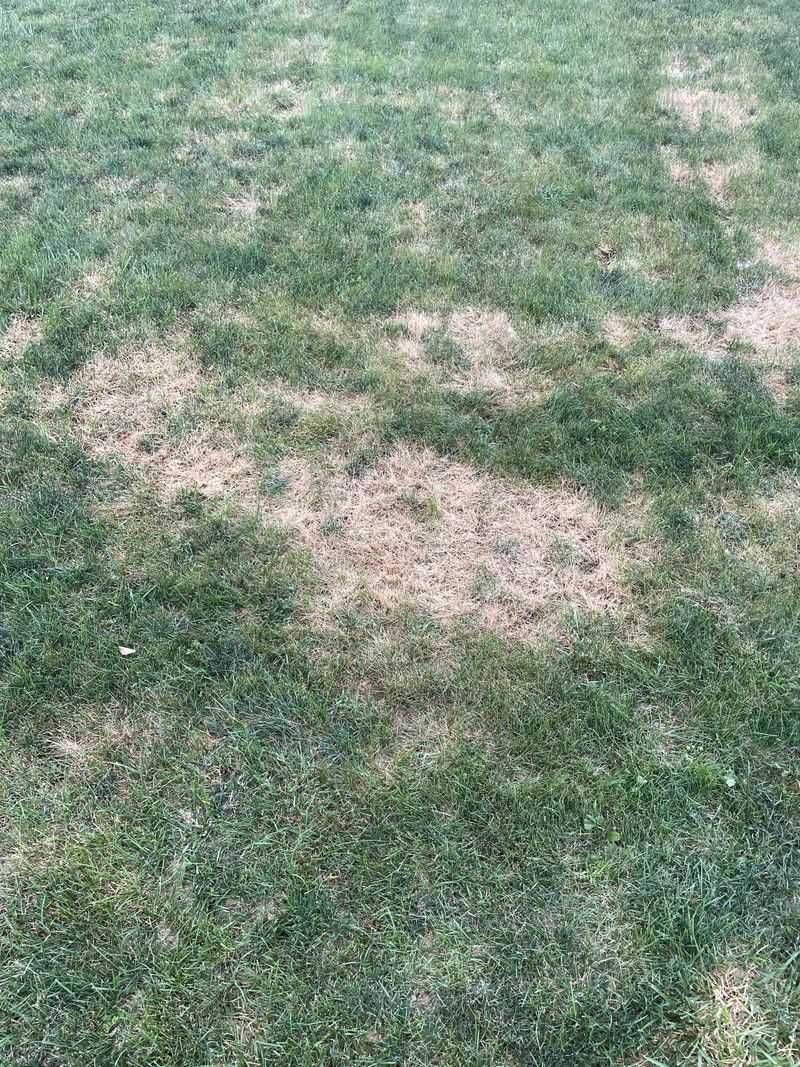
Lawns heading into summer with low potassium levels are more vulnerable to heat damage, more susceptible to the fungal problems that follow humid North Carolina summers, and slower to recover when dry spells arrive in July and August.
The frustrating characteristic of potassium deficiency is that it rarely produces obvious visual symptoms before summer stress hits.
The lawn can look fine in May. The deficiency only announces itself when conditions get difficult, which is exactly when there is no time left to address it.
A soil test in early spring flags low potassium levels and allows for a targeted correction before the growing season advances.
Choosing a balanced fertilizer that addresses the identified shortfall costs no more than a standard nitrogen-heavy product and produces a measurably different outcome by the end of summer.
Lawns that go into summer with adequate potassium have a structural advantage over lawns that went in looking green but running low on their most important stress management nutrient.
Nitrogen makes the lawn look good. Potassium makes the lawn hold together when things get hard. July will test which one was actually more important.