How To Find The Warmest Spot In Your Oregon Yard Before You Plant
The transplants go in on schedule in Oregon, and for a few weeks, everything looks exactly right. The forecast looks fine. The soil feels ready.
Then a cold snap rolls through, or a persistent coastal wind arrives, and the plants that looked so promising a week ago are suddenly struggling to survive.
The problem usually has nothing to do with the plants themselves. It comes down to location, and specifically, the difference between where you planted and where you should have planted.
Every Oregon yard has warm zones and cold zones that many gardeners never bother to find. Believe it or not, they can vary by several degrees within just a few feet of each other.
That temperature difference is exactly what separates a thriving spring garden from a frustrating one. Finding the warm zones before anything goes in the ground tends to make a significant difference.
1. Check South-Facing Walls For Extra Heat
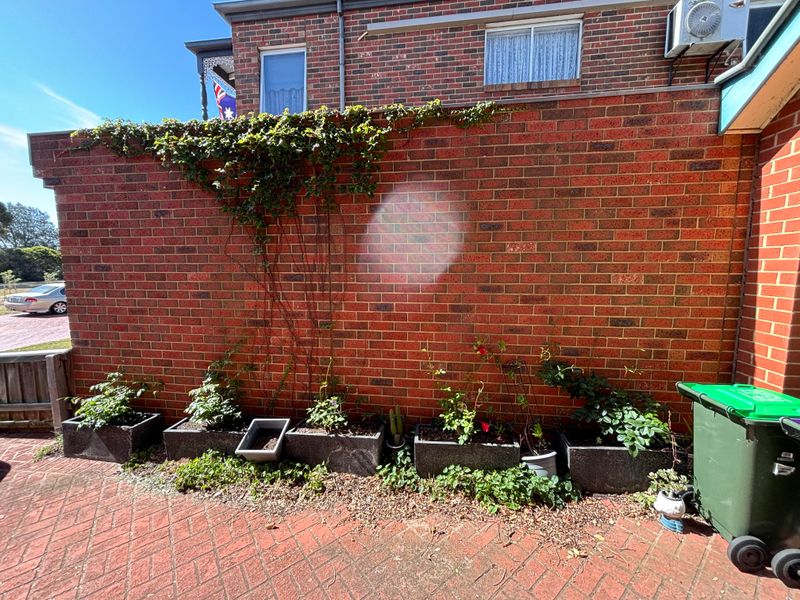
A south-facing wall might be the most underrated real estate in your entire yard. It just sits there, quietly collecting heat all day, and most Oregon gardeners walk right past it without a second thought.
Walls that face south catch sunlight for the longest stretch of the day. From morning through late afternoon, they are working like a slow cooker, soaking up solar energy and holding it. Brick, concrete, and stone are especially good at this job.
The process has a name: thermal mass. The wall absorbs heat during the day and releases it back into the surrounding air at night.
That release can raise temperatures near the wall by several degrees compared to open garden beds just a few feet away.
In Oregon, where cool nights linger well into May and June, those extra degrees are not trivial. They can mean the difference between a tomato plant that thrives and one that just sulks through spring.
You do not need a large wall to benefit. A short garden fence or the south-facing side of a raised bed frame can trap and reflect useful warmth in a surprisingly effective way.
The test is simple. Walk your yard on a clear afternoon and press your hand against different walls. The ones that feel noticeably warm are the ones worth noting.
Mark those spots on a rough sketch of your yard before planting season. That information costs nothing and could save an entire season of heat-loving crops.
2. Use West-Facing Walls For Afternoon Warmth
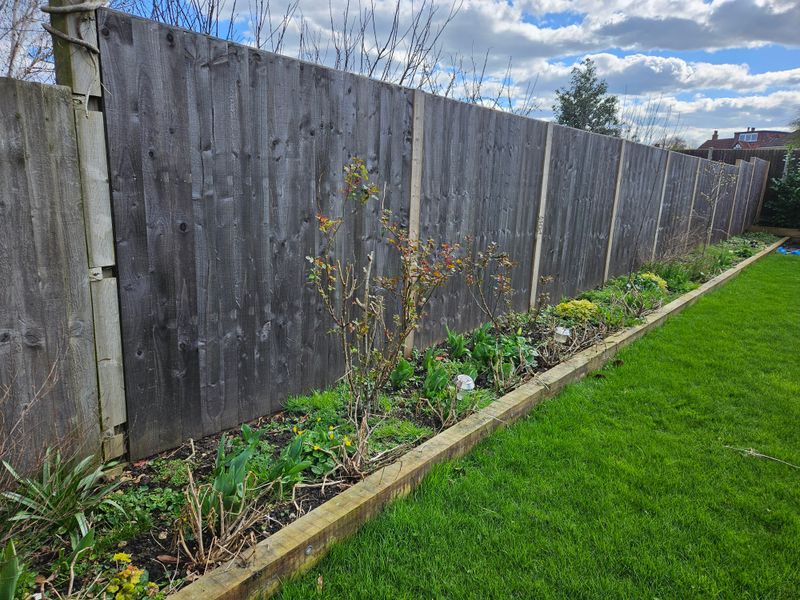
Morning sun gets all the attention in gardening advice. West-facing walls deserve a better publicist.
By the time the sun swings west in the afternoon, it has spent the whole day building heat. West-facing walls catch all of that accumulated energy in the final hours before sunset.
The ground near those structures holds warmth longer after the sun goes down than almost anywhere else in the yard.
For Oregon gardeners navigating cool springs that stretch from March well into May, that lingering evening warmth is genuinely useful. Warm-season crops that struggle through cold nights tend to do noticeably better when they have a warm west wall nearby.
Your Oregon Garden Changes Every Week. Your Plan Should Too.
Gardening in Oregon changes quickly throughout the season. Every Friday you’ll receive a simple weekly plan showing exactly what to plant, prune, fertilize, harvest, and protect so you never miss the right timing.
Fences, shed walls, garage sides, any structure facing west can create this effect. The soil adjacent to those surfaces often stays a few degrees warmer through the night compared to open beds.
One caveat worth noting: west-facing walls can get intense in summer. July and August afternoons against a west wall can push temperatures that stress some plants.
Heat-tolerant herbs like rosemary, thyme, and oregano tend to thrive in these spots without complaint.
The quick check is easy. Visit a west-facing wall around four or five in the afternoon on a sunny day.
Press your hand against it. Warm to the touch means you have found a microclimate worth using.
Pair it with the right plants, and that wall becomes one of the most productive spots in the entire yard.
3. Track Morning Sun Before Choosing Plants
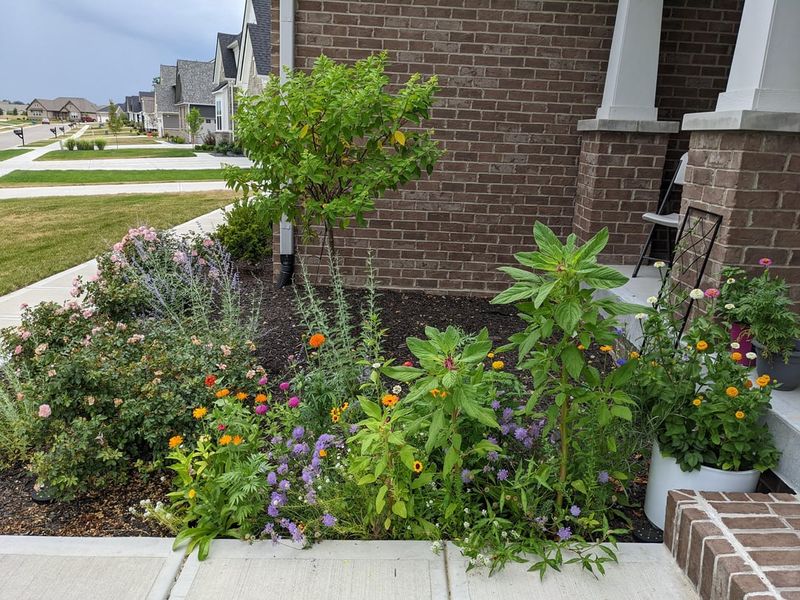
Morning sun is the quiet workhorse of the garden. It does not get the dramatic reputation of midday light, but it does something midday sun cannot: it shows up when the soil needs warming most.
Spots that catch direct sun from sunrise through mid-morning dry out faster and warm up earlier than shaded areas nearby. In Oregon, where heavy spring dew and coastal fog are facts of life, that early drying matters more than people often realize.
Wet foliage that stays wet into midday creates inviting conditions for fungal issues on squash, beans, and tomatoes. A spot with strong morning sun clears that moisture quickly and gets soil temperatures climbing before the day is half over.
Tracking morning sun takes almost no effort. Step outside around seven or eight in the morning on a clear day.
Note which parts of the yard are already lit and which are still in shadow. Repeat for a few days since the sun angle shifts gradually through the season.
Soil in morning-sun zones tends to warm up noticeably faster than shaded beds nearby. That difference is significant for seeds that need consistently warm soil to germinate reliably. Corn, beans, and cucumbers all fall into that category.
Mark the sunny morning spots on a rough yard sketch. Those zones are where warm-season seeds get the best possible start without any additional intervention from you.
4. Watch Windy Corners For Cooler Conditions
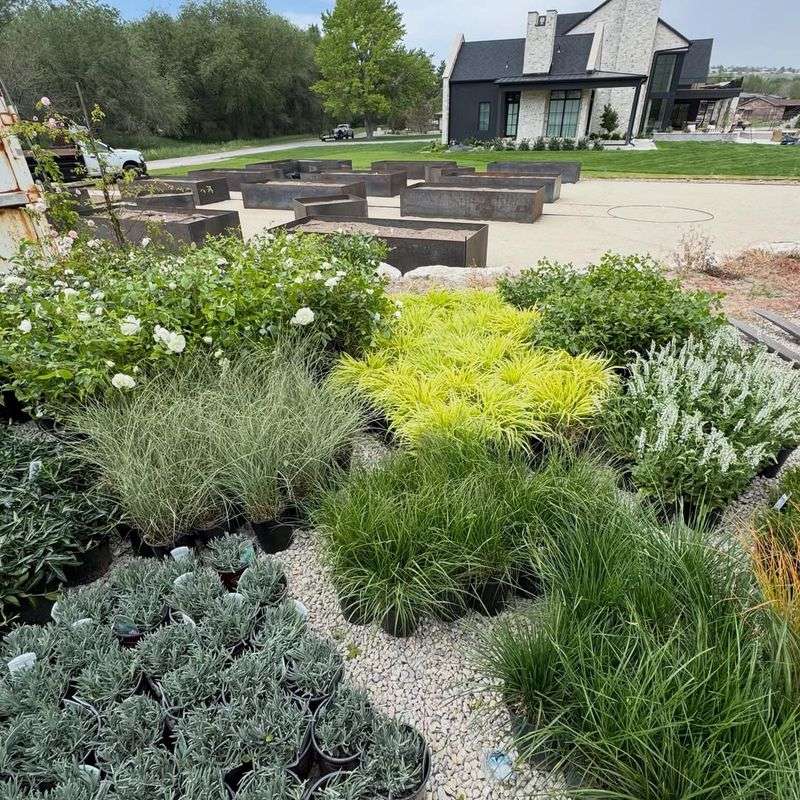
Wind is one of the sneakiest cold-makers in an Oregon garden. A spot that feels warm and promising on a calm day can be a very different environment when a southwest breeze moves through.
Wind pulls moisture from leaves and soil fast. It also drops the effective temperature around plants by several degrees, which matters a lot in spring when temperatures are already borderline for tender crops.
Oregon coastal and valley gardens can experience persistent wind that most gardeners underestimate. Gaps in fences, corners where two structures meet at an angle, and open yard edges are common wind channels.
These spots often look appealing on paper but turn out to be surprisingly harsh for young seedlings.
Finding the windy corners is straightforward. Watch how plants move on a breezy day. Constant movement in a specific zone is a reliable sign that wind is concentrating there. A lightweight ribbon tied to a stake can also reveal airflow patterns over several days.
Once the windy corners are identified, two options open up. The first is to avoid planting tender crops there and stick to tough, wind-tolerant plants instead.
The second is to add a windbreak, a lattice panel, dense shrub, or even stacked straw bales, to reduce airflow.
Blocking even part of the wind can meaningfully raise the effective warmth of a spot. Sometimes a single barrier turns a problem zone into a productive one.
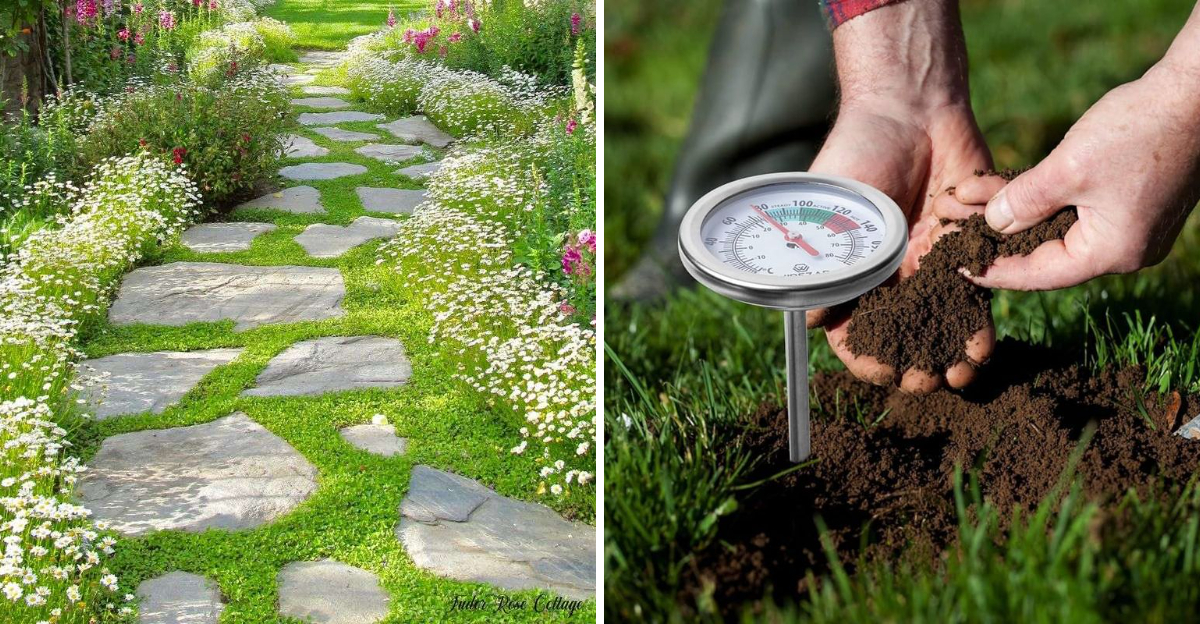
5. Look Near Stone Paths For Stored Warmth

Stone paths are not just practical. They are secret heat banks that work for your garden long after the sun goes down.
During the day, stone, gravel, brick, and concrete absorb solar energy steadily. After sunset, that stored warmth radiates back into the surrounding air and soil.
Beds planted next to stone hardscape often stay a few degrees warmer overnight than beds further away.
In spring and fall, when nights are cool and every degree counts, that warmth makes a real difference.
Stone hardscape may give heat-loving crops a meaningful advantage over the same plants growing in open beds away from paving. The thermal effect is not limited to full stone paths. Gravel mulch works similarly.
A layer of light-colored gravel around plants in a sunny bed absorbs heat during the day and releases it at night. Dark stone absorbs even more heat, though it can occasionally get too intense in peak summer sun.
The test for this one is satisfying. Walk your yard on a cool morning after a sunny day and press your hand near the surface of any stone paths.
The residual warmth still present in the morning is the warmth that kept your soil a few degrees higher overnight.
Map where your stone hardscape runs alongside your other sun observations. Prioritize those zones for heat-loving crops, and you are stacking multiple warming advantages in the same spot.
6. Test Soil Warmth Before Spring Planting

Air temperature and soil temperature are two completely different numbers, and confusing them is one of the more common spring gardening mistakes in Oregon.
A warm, sunny afternoon in April can feel like an invitation to plant. But the soil a few inches down can still be quite cold from months of winter rain and cloud cover.
Warm-season vegetables planted in cold soil tend to sit still, struggle, or rot before they ever get going.
Tomatoes, peppers, squash, and beans generally want soil temperatures of at least 60 degrees Fahrenheit before they settle in comfortably. Melons and cucumbers often prefer closer to 65.
A basic soil thermometer takes the guesswork out of those decisions entirely. To get a useful reading, push the probe about two to three inches into the soil in the morning, before the day has had time to warm things up.
Morning readings capture the low end of the daily temperature range, which is the number that actually matters for plant stress.
Take readings in several spots across the yard and compare them. Soil near south-facing walls, stone paths, and sheltered beds tends to warm up several days or even weeks ahead of open, shaded spots.
That information helps you decide where to plant first and where a row cover or black plastic mulch might give a struggling bed the boost it needs.
Knowing the soil is ready before anything goes in the ground is worth far more than optimism about a sunny forecast.
7. Map Frost Pockets Before Tender Plants Go In

Cold air does not float. It sinks, flows downhill, and settles into the lowest available spots like water filling a bowl.
On still, clear nights, cold air collects in hollows, low corners, and areas blocked by fences or dense hedges. These cold pools, called frost pockets, can run several degrees colder than spots just a short distance away on higher ground.
That gap can be the difference between a plant that survives the night and one that does not.
Oregon’s terrain makes frost pockets a relevant concern across much of the state. Even in mild parts of the Willamette Valley, low spots in a yard can catch frost on spring nights while nearby raised areas stay clear.
Coastal and inland valley gardeners can face late frosts in April and early May long after it feels like the danger has passed.
Mapping frost pockets is one of the more satisfying pieces of yard observation. After a clear, calm spring night, walk the yard early in the morning before the sun has had time to warm things up.
Look for spots where frost is still visible on the grass or soil while other areas have already cleared. Those lingering frosty patches are the frost pockets.
Once identified, plan around them deliberately. Tender crops like tomatoes, basil, and peppers do not belong in frost pockets without solid protection.
Hardy greens, root vegetables, and cold-tolerant herbs are much better fits for those zones.
Save the warmest, higher-ground areas for the plants that need them most. That simple adjustment can change the entire trajectory of your spring season.