What North Carolina Butterfly Bushes Actually Need Before May Ends And Summer Heat Takes Over
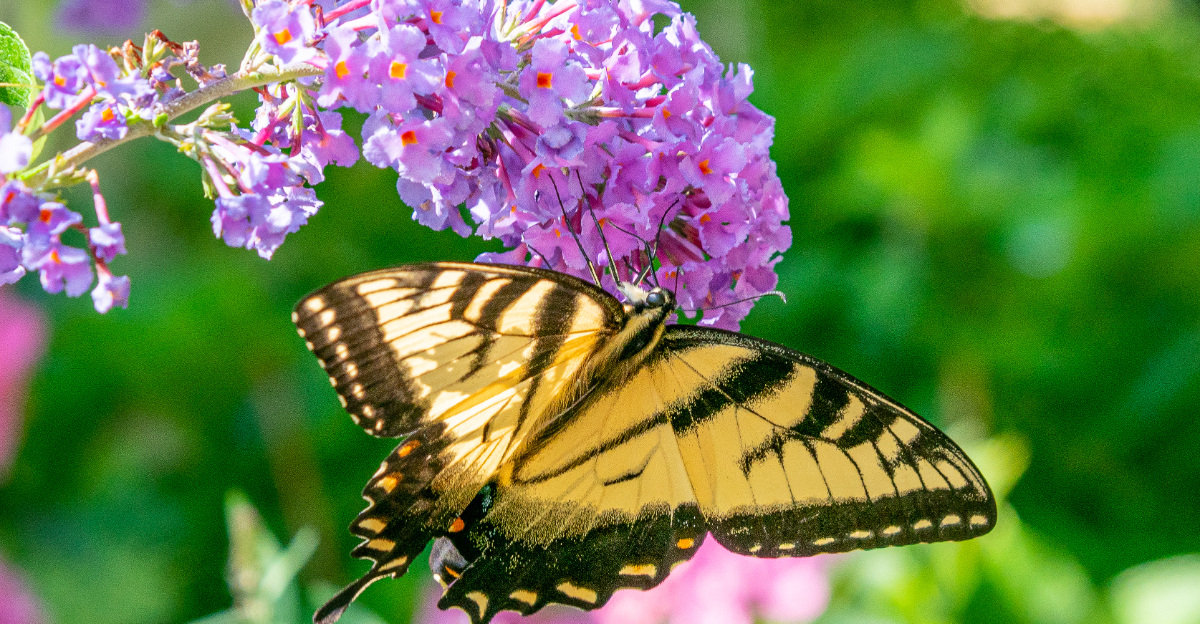
Butterfly bush has a reputation for being tough and low-maintenance in North Carolina, and in some respects that reputation is earned.
The plants are resilient, they bounce back from hard pruning, and they attract pollinators reliably through the warmest months of the year.
But tough does not mean the plant has no needs, and May is the month when meeting those needs actually matters.
What happens to a butterfly bush in the weeks before summer heat takes hold shapes how well it blooms, how long it sustains those blooms, and how much stress it shows by the end of August.
A plant that goes into summer well prepared looks and performs completely differently from one that was simply left to manage on its own once the weather warmed up.
1. Prune Withered Or Weak Stems Early
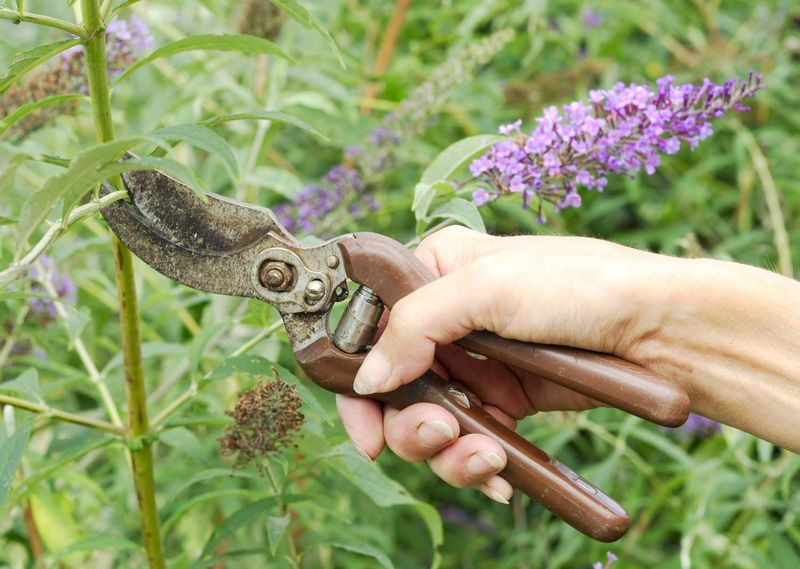
Grab your bypass pruners and take a good look at your butterfly bush before May slips away. Any stems that look thin, pale, or unproductive are not going to give you flowers this summer.
Cutting them out now is one of the best things you can do for your plant. Butterfly bushes bloom on new wood, meaning fresh growth from this season carries all the flowers.
When you remove weak or hollow stems, the plant redirects its energy toward strong, vigorous shoots that will produce those big fragrant flower spikes you are waiting for.
Better airflow through the plant also reduces the chance of fungal issues during North Carolina’s humid summer months.
Aim to prune stems back to about 12 to 24 inches from the ground if you have not already done a hard late-winter prune. Use clean, sharp tools to make smooth cuts just above a healthy leaf node or bud.
Wipe your blades with rubbing alcohol between cuts to avoid spreading any disease. After pruning, you should notice the plant looking more open and structured.
New shoots will emerge quickly in May’s warm temperatures. A well-pruned butterfly bush grows fuller, blooms more generously, and handles summer heat far better than one left to grow wild and unmanaged.
2. Apply Balanced Fertilizer Carefully
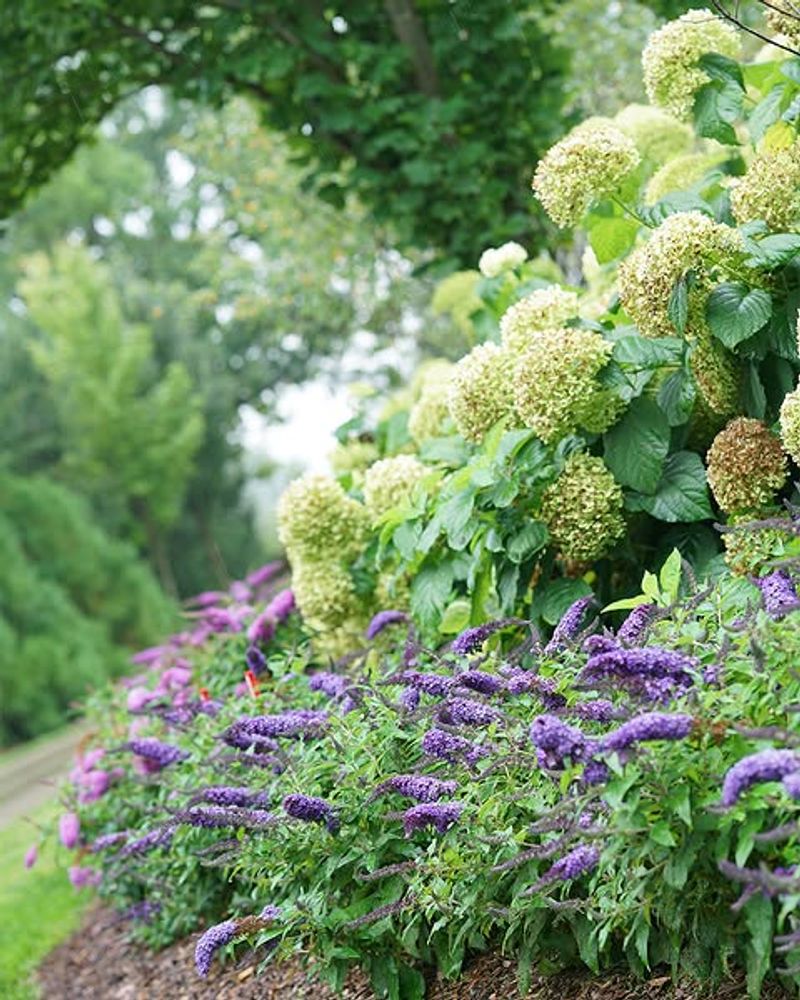
Feeding your butterfly bush in May gives it exactly what it needs right when it needs it most. The plant is actively pushing out new leaves and setting the foundation for flower buds, and a small boost of nutrients at this stage makes a real difference by summer.
A balanced granular fertilizer with an equal ratio, something like a 10-10-10 or a slow-release formula, works well for butterfly bushes. Avoid going heavy on nitrogen because too much of it pushes leafy growth at the expense of flowers.
You want strong stems and lots of blooms, not a big green bush with nothing to show for it. A light application following the package directions is all you need.
Scatter granules evenly around the drip line of the plant rather than right up against the base. Water the area well after applying so nutrients move into the root zone.
Products like Osmocote Smart-Release Plant Food or Espoma Garden-Tone are popular and reliable choices at most garden centers across North Carolina. One application in May is usually enough to carry the plant through early summer.
Your North Carolina Garden Changes Every Week. Your Plan Should Too.
Gardening in North Carolina changes quickly throughout the season. Every Friday you’ll receive a simple weekly plan showing exactly what to plant, prune, fertilize, harvest, and protect so you never miss the right timing.
Over-fertilizing creates soft, lush growth that struggles under intense heat and can attract more pests. Keep it simple, feed lightly, and let the plant channel that energy into the stunning flower spikes your pollinators are waiting for.
3. Ensure Full Sun Exposure
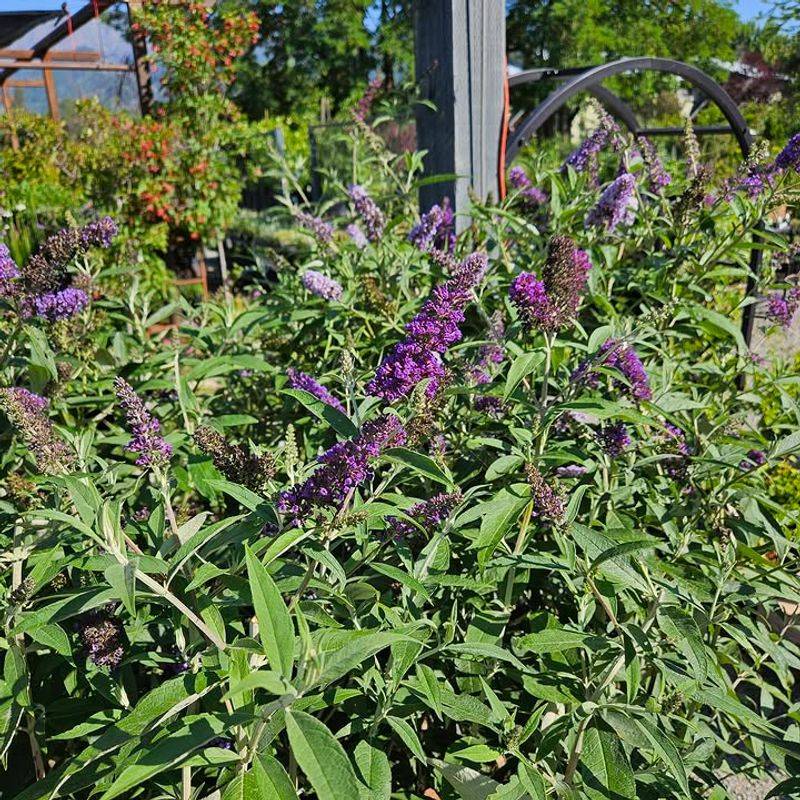
Sunshine is not optional for butterfly bushes. It is basically a requirement.
These plants are sun-lovers through and through, and placing them anywhere that gets less than six to eight hours of direct sunlight each day means you will be settling for far fewer flowers than the plant is capable of producing.
North Carolina gardens offer plenty of strong sunlight in May, which makes this the perfect time to assess whether your butterfly bush is getting what it needs. Walk around your yard at different times of the day and watch where the light falls.
Trees that were bare in winter may now be casting more shade than you expect. If your plant is sitting in partial shade, it might be worth relocating it before summer heat locks it in place.
When choosing a planting site, look for open areas with good air circulation and at least six to eight hours of unobstructed sun. Space multiple plants at least five to six feet apart to prevent crowding as they fill out over the season.
South or west-facing garden beds tend to get the most reliable sunlight in North Carolina. A butterfly bush in full sun grows more compactly, produces deeper-colored flowers, and attracts far more pollinators than one struggling in the shade.
Give it the light it craves, and it will reward you all summer long.
4. Mulch To Retain Moisture And Suppress Weeds
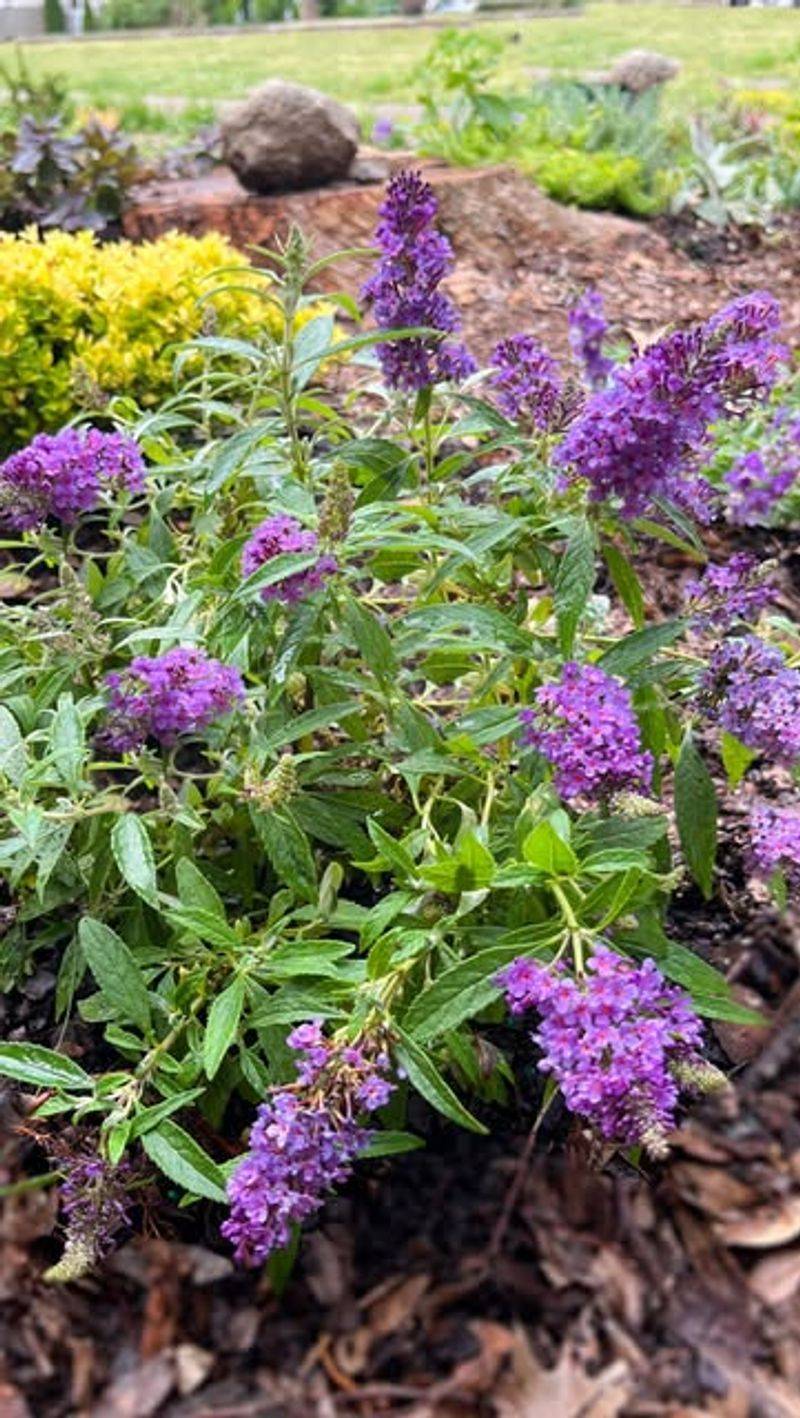
Mulching around your butterfly bush in May is one of the smartest moves you can make before the heat of a North Carolina summer rolls in.
A good layer of organic mulch acts like a protective blanket for the soil, keeping moisture locked in right where the roots need it most.
Apply two to three inches of shredded bark, wood chips, or pine straw around the base of the plant. Keep the mulch a few inches away from the main stem to prevent moisture buildup directly against the wood, which can cause rot.
Spread it out to the drip line for the best coverage. This simple step can dramatically reduce how often you need to water during hot, dry spells.
Beyond moisture retention, mulch does a great job of suppressing weeds that would otherwise compete with your butterfly bush for nutrients and water.
It also helps moderate soil temperature, keeping roots cooler as surface temperatures climb through June and July.
In North Carolina’s clay-heavy soils, mulch breaks down over time and gradually improves soil structure. Refresh your mulch layer mid-season if it thins out.
Organic options like pine straw are especially popular in the region and easy to find at local garden centers. A well-mulched butterfly bush stays healthier, blooms longer, and demands far less maintenance once the summer heat settles in.
5. Monitor For Early Pests
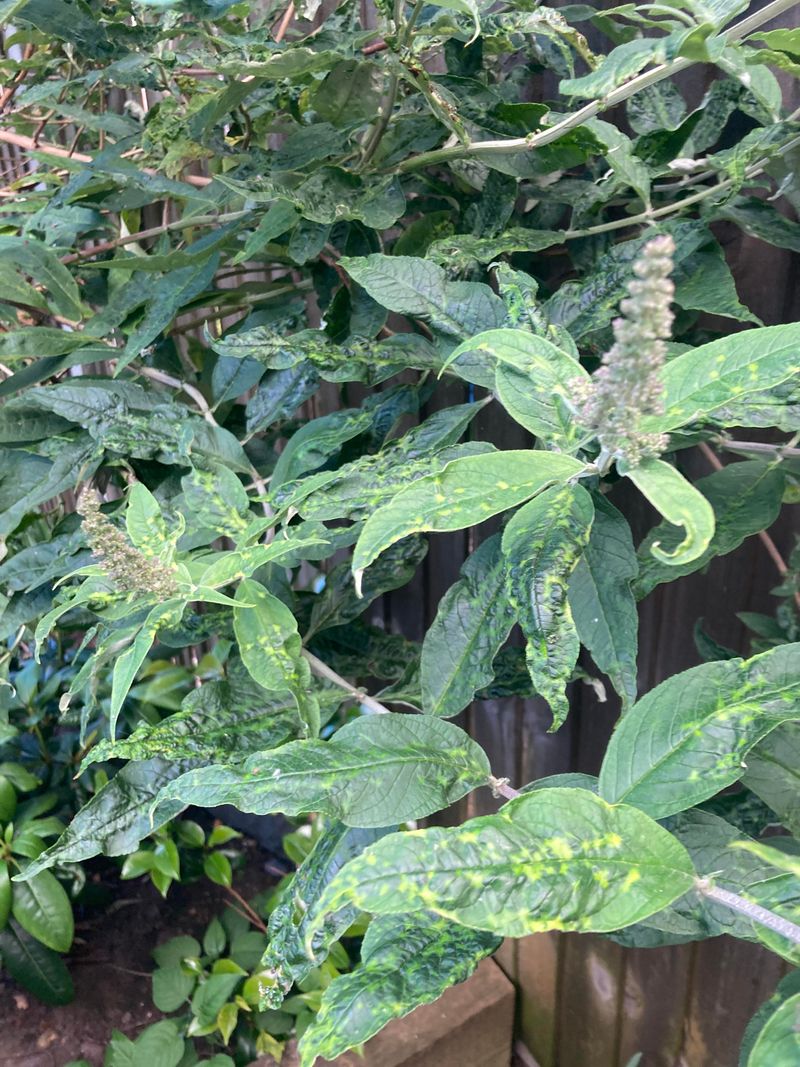
May is prime time to start checking your butterfly bush for unwanted visitors. Aphids, spider mites, and scale insects tend to show up early in the season, and catching them before populations explode makes managing them much easier.
A quick weekly inspection takes only a few minutes and can save you a lot of trouble later. Flip leaves over and look at the undersides, which is where many soft-bodied pests like to hide. Aphids cluster near new growth and look like tiny green, yellow, or black dots.
Spider mites leave fine webbing and cause leaves to look dusty or stippled. Scale insects appear as small bumps along stems and can be easy to overlook. Early detection is the key to keeping these issues from spreading.
For minor infestations, a strong spray of water from a garden hose can knock aphids loose effectively.
Neem oil is a popular and reliable organic option that works well against a range of common pests without harming beneficial insects like butterflies when applied carefully in the early morning or evening.
Insecticidal soap is another gentle choice for soft-bodied insects. North Carolina’s warm spring weather speeds up pest reproduction, so staying consistent with your checks through May really pays off.
Healthy, well-watered plants also tend to resist pest pressure better than stressed ones, giving you one more reason to keep up with basic care this month.
6. Water Deeply But Infrequently
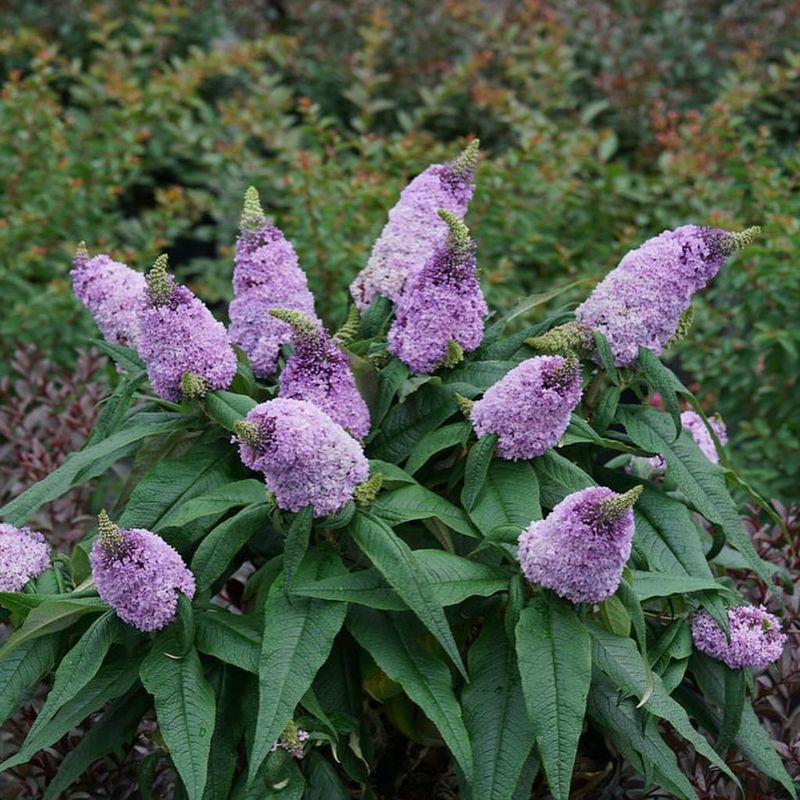
Watering butterfly bushes correctly in May sets the tone for how well they handle summer stress. Many gardeners make the mistake of watering a little bit every day, but shallow watering keeps roots near the surface where they are most vulnerable to heat and drought.
Deep, infrequent watering is the approach that actually builds resilience.
Aim to water your butterfly bush once or twice a week in May, giving the soil a thorough soaking each time. Water slowly at the base of the plant, allowing moisture to penetrate eight to twelve inches into the soil.
This encourages roots to grow downward in search of water, anchoring the plant and making it far more drought-tolerant by the time July arrives. Avoid wetting the foliage, which can promote fungal issues in North Carolina’s humid climate.
Soil type matters here. Sandy soils common in the Piedmont and Coastal Plain regions drain quickly and may need watering twice a week.
Clay-heavy soils in the mountains and foothills hold moisture longer, so once a week is often enough. Stick your finger two inches into the soil before watering.
If it still feels moist, wait another day or two. A simple soil moisture meter can take the guesswork out entirely.
Consistent deep watering in May builds the kind of root system that keeps your butterfly bush blooming strong even during the hottest, driest stretches of a North Carolina summer.
7. Support Weak Or Long Stems
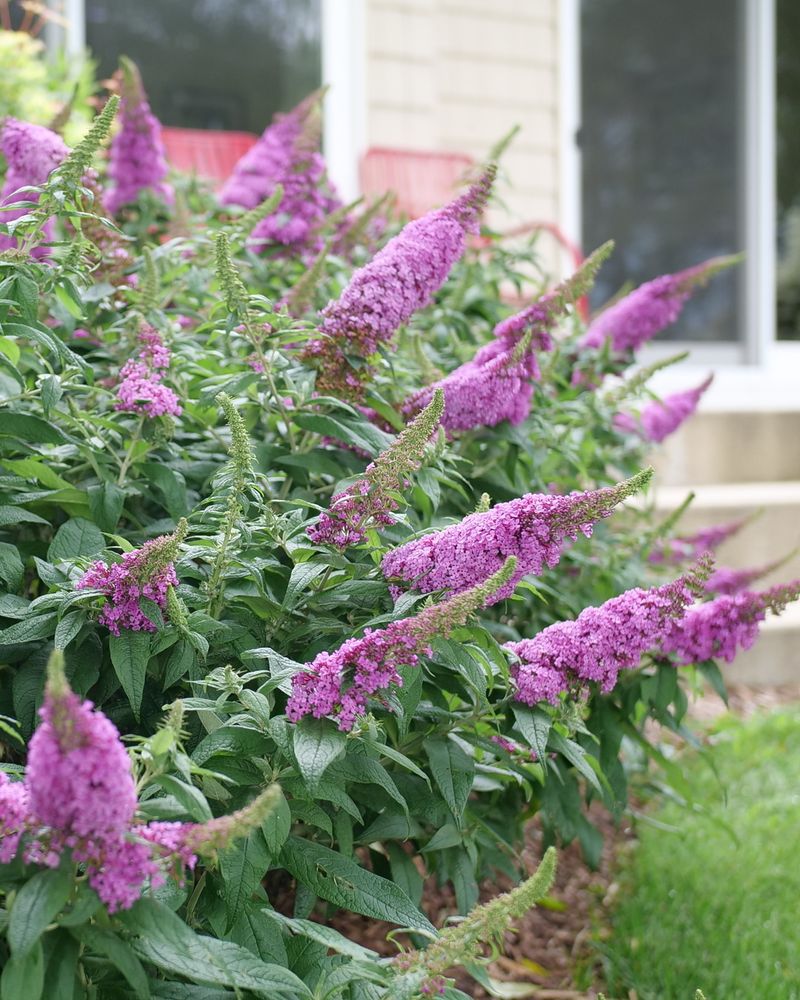
Butterfly bushes can put on a surprising amount of new growth in May, and some of those fresh stems get long and lanky before they have the strength to hold themselves upright.
Add a North Carolina spring storm with gusty winds and heavy rain, and you have a recipe for bent or snapped branches right before your peak bloom season.
Supporting weak or overly long stems early in the month is a proactive move that pays off when summer flowering begins. Use bamboo stakes pushed firmly into the ground near the stem, then loosely tie the stem to the stake using soft garden twine or stretchy plant tape.
Avoid tying too tightly, which can restrict growth or damage the stem as it thickens over the season.
For bushier plants with multiple sprawling branches, a wire ring support or a peony cage placed around the whole plant works beautifully. These supports are nearly invisible once the plant fills in and keeps the entire structure upright without much effort on your part.
Taller varieties like Black Knight or Royal Red, which are popular across North Carolina gardens, are especially prone to flopping without some support.
Keeping stems upright also makes flowers more accessible to butterflies and hummingbirds, which is really the whole point of growing these plants.
A little staking now means a more beautiful, fuller-looking display all summer long without worry.
8. Remove Early Flowers For Second Bloom
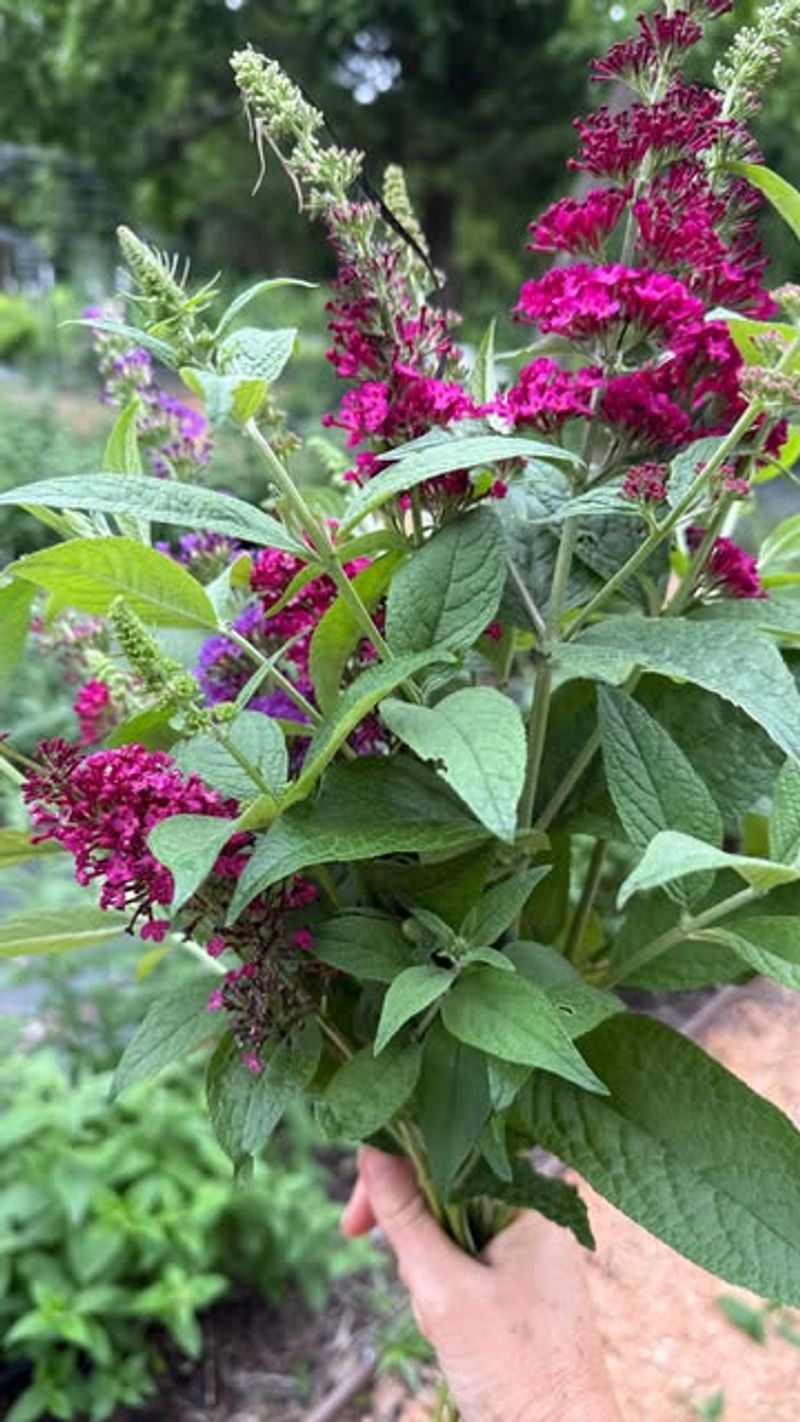
Spotting the first flower spikes on your butterfly bush in May is genuinely exciting.
But here is a gardening trick that pays off big: removing those early blooms before they fully fade encourages the plant to push out a second and even third wave of flowers later in the season.
It sounds counterintuitive, but it works remarkably well. Deadheading, which simply means removing spent or fading flower heads, prevents the plant from putting energy into seed production. When seeds form, the plant naturally slows its flowering cycle.
By snipping off faded spikes just above the next set of healthy leaves or a visible bud, you redirect that energy back into producing fresh new flower clusters. The result is a longer, more generous bloom season that can stretch well into fall.
Use clean, sharp scissors or lightweight pruning shears for this task. Check your butterfly bush every week or two through May and into June, removing any flower heads that are starting to brown or lose their color.
North Carolina’s long growing season gives butterfly bushes plenty of time to rebloom, and regular deadheading keeps the plant looking tidy and well-maintained between flushes. Varieties like Pugster Blue and Miss Molly respond especially well to this practice.
Consistent removal of spent flowers also reduces the chance of unwanted self-seeding, which can be a concern with non-sterile butterfly bush varieties in the region.
9. Check Soil Drainage
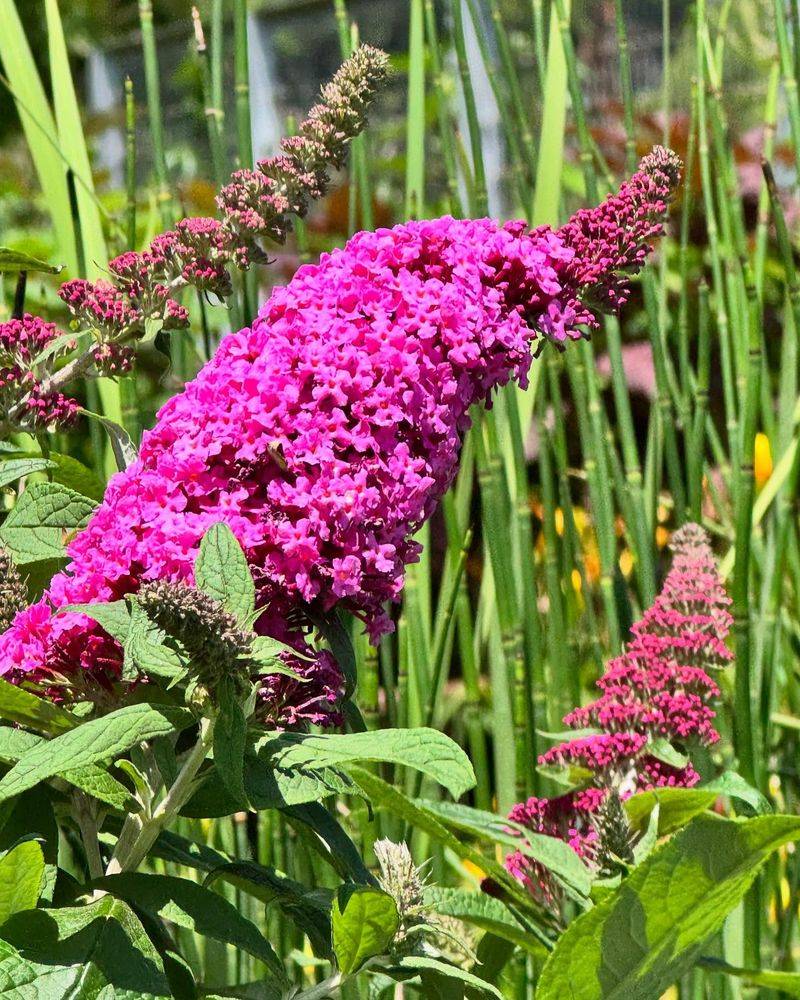
Few things stress a butterfly bush faster than sitting in waterlogged soil.
North Carolina’s clay-rich soils in many regions can hold water far longer than these plants prefer, and May is the perfect time to check whether your drainage is up to the task before summer storms start dropping heavy rain.
A simple drainage test tells you everything you need to know. Dig a hole about twelve inches deep near your plant and fill it with water.
If the water drains within an hour, your drainage is good. If it is still sitting there two hours later, you have a drainage problem worth fixing before summer heat compounds the stress on your plant’s root system.
Improving drainage does not have to be complicated. Working coarse sand or perlite into the planting area helps loosen compacted clay.
Raised beds are another excellent option, giving you complete control over soil composition from the start. A mix of native soil, compost, and coarse grit creates an ideal environment for butterfly bushes.
Adding organic matter like compost not only improves drainage but also feeds soil microbes that support root health. If your yard has low-lying areas that collect water after rain, avoid planting butterfly bushes there altogether.
Slightly elevated spots or sloped garden beds naturally drain faster and stay drier between rain events, giving your plants the well-drained conditions they need to thrive all summer long in North Carolina’s warm, humid climate.