How To Get Lantana Blooming Like Crazy In Your California Garden This Summer
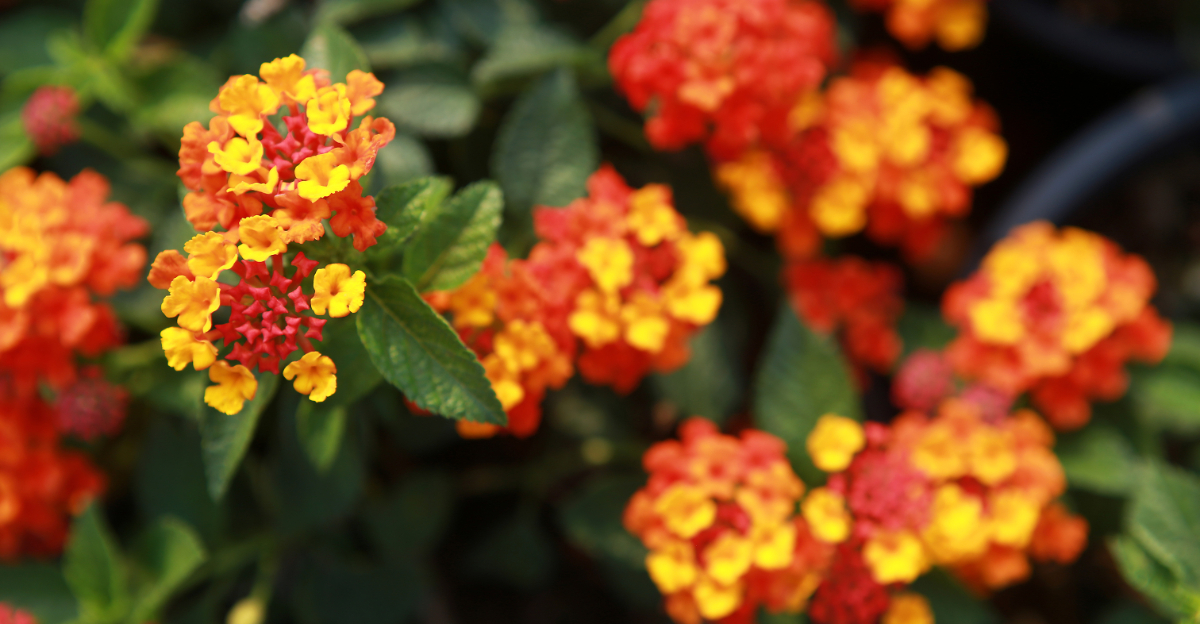
Lantana loves summer, but it still has standards. Give it too much shade, too much water, or too much rich fertilizer, and it may grow leaves instead of flowers.
Give it the right setup, and it can turn into one of the brightest plants in a California garden. Hot sun is the big secret.
Lantana blooms best when it gets long hours of direct light and soil that does not stay soggy. A light trim can also wake up tired stems and push new buds.
Once it starts rolling, the color can last for months with very little fuss. This is the kind of plant that rewards simple care, not constant attention.
Set it up with sun, space, and smart watering, and your lantana can cover itself in cheerful blooms all summer long.
1. Give Lantana As Much Sun As Possible
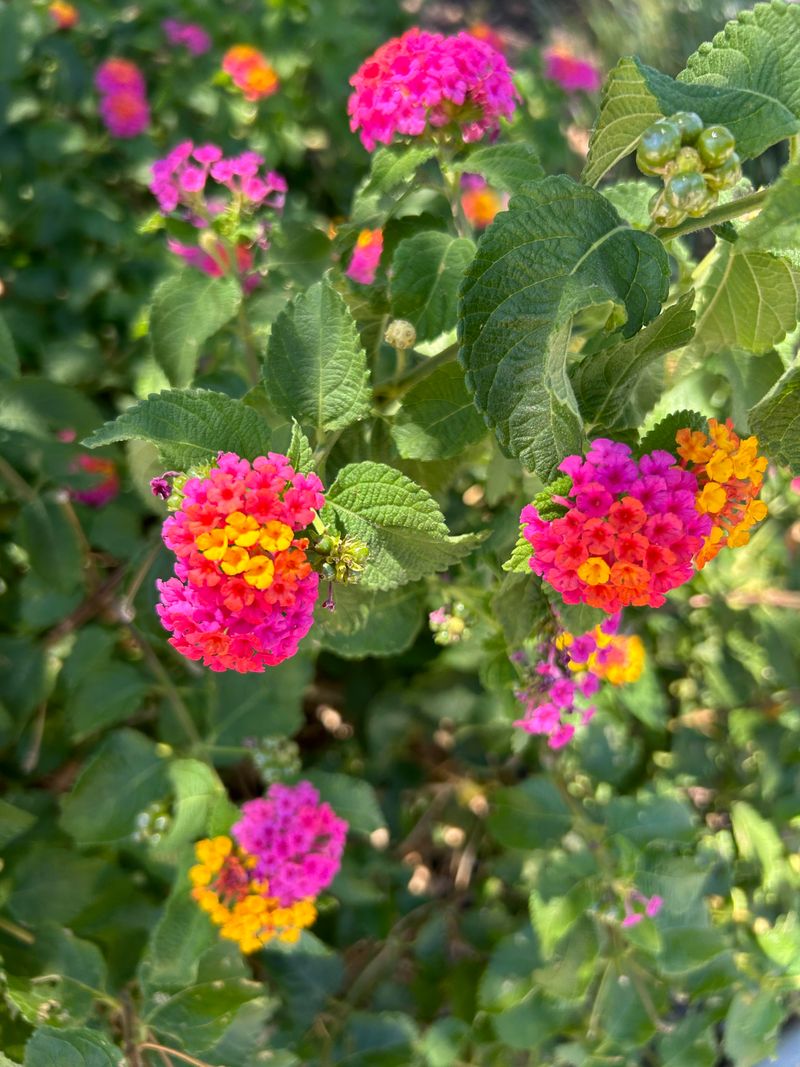
Full sun is not just a preference for lantana. It is an absolute must.
Six to eight hours of direct sunlight each day is the bare minimum this plant needs to put on a real show.
When lantana gets less light than it wants, the stems stretch out, the leaves look pale, and flower production drops fast.
Sunny spots near a south or west-facing wall are perfect because those areas soak up the most heat during the day.
Our state is blessed with long, sunny summers, which makes it one of the best places in the country to grow this plant. Even in coastal areas, try to pick the sunniest spot in your yard.
Avoid planting under trees or near tall shrubs that cast shade during peak afternoon hours.
If you are growing lantana in containers, move the pot to follow the sun throughout the day if needed. A sunny patio, driveway border, or open garden bed works great.
The more sun it gets, the more blooms you will see. Think of sunlight as the fuel that powers every single flower cluster on the plant.
Without enough of it, you simply will not get the performance lantana is famous for.
2. Don’t Baby It With Too Much Water
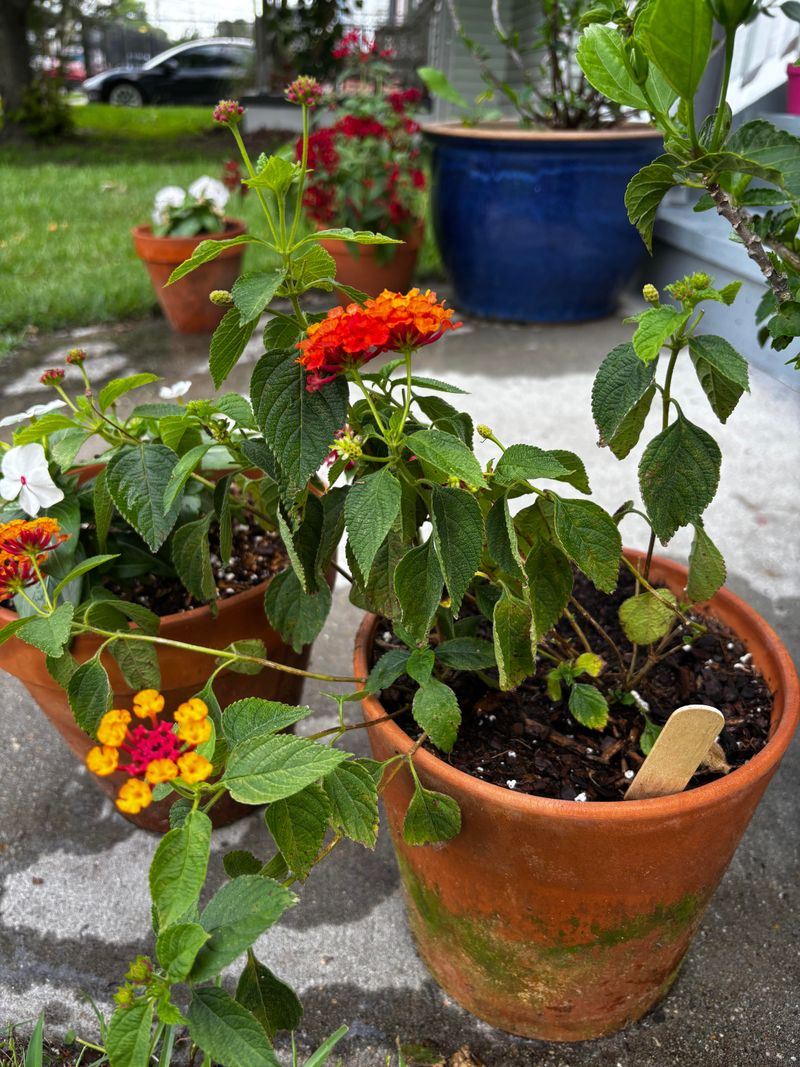
Overwatering is one of the most common mistakes people make with lantana. This plant evolved in hot, dry climates, so it is built to handle some drought.
Too much water actually works against you.
When roots stay wet for too long, they struggle to take in oxygen. The plant becomes stressed, growth slows down, and flowering takes a serious hit.
Soggy soil can also lead to root rot, which is hard to come back from once it sets in.
A good rule of thumb is to water deeply but not often. Let the soil dry out a bit between sessions rather than watering on a strict daily schedule.
Newly planted lantana needs more frequent watering to get established, but once it settles in after a few weeks, you can back off significantly.
During the hottest stretches of summer, watering once or twice a week is usually plenty for in-ground plants. Check the soil with your finger before reaching for the hose.
Your California Garden Changes Every Week. Your Plan Should Too.
Gardening in California changes quickly throughout the season. Every Friday you’ll receive a simple weekly plan showing exactly what to plant, prune, fertilize, harvest, and protect so you never miss the right timing.
If the top inch or two feels dry, go ahead and water. If it still feels moist, wait another day.
Less is genuinely more with this plant, and holding back a little on water often pushes it to bloom harder and more consistently all season long.
3. Let The Soil Dry Slightly Between Waterings
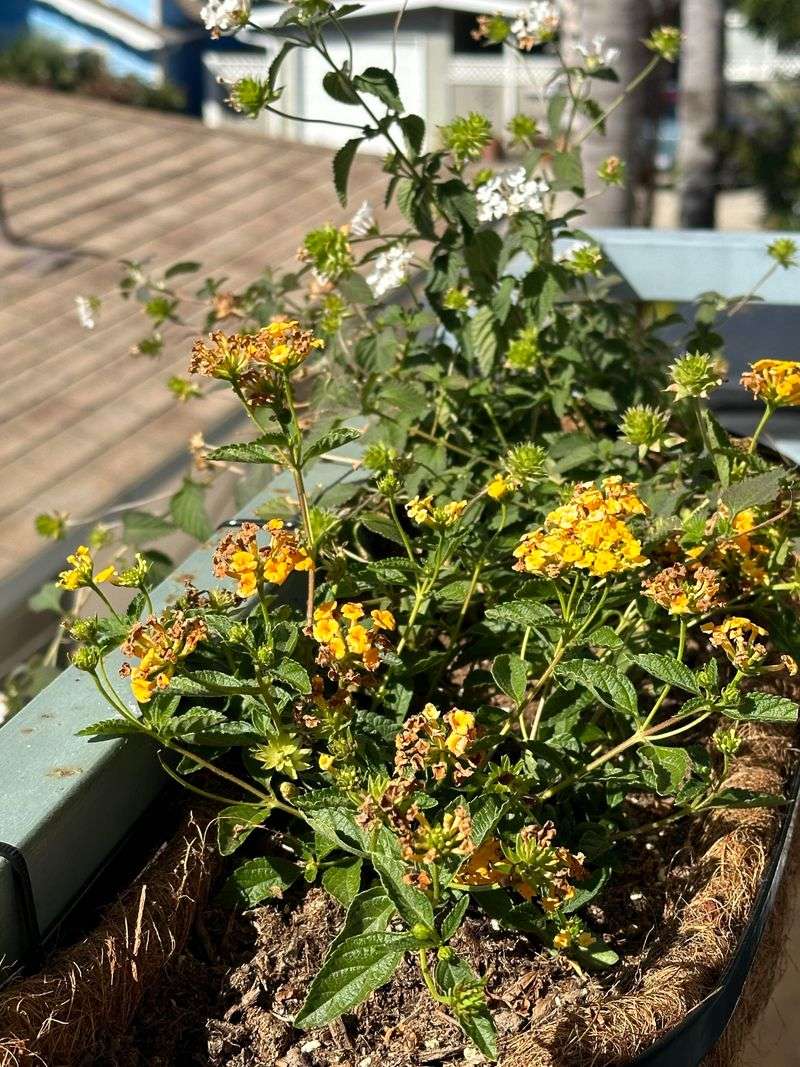
Soil moisture matters more than most gardeners realize. Lantana is happiest when its roots get to breathe between waterings.
Constantly moist soil keeps this plant from reaching its full blooming potential.
Before you water again, push your finger about two inches into the soil near the base of the plant. If it feels damp, step back and check again tomorrow.
If it feels dry at that depth, it is time to water thoroughly until moisture drains out from the bottom of the pot or soaks several inches into the ground.
This cycle of wet and dry actually mimics the natural conditions lantana experiences in the wild.
That stress-free dry period between waterings signals the plant to focus energy on producing flowers instead of growing excess foliage.
It sounds counterintuitive, but a little dryness encourages blooming.
In heavier clay soils, water tends to linger longer, so you may need to stretch the time between waterings even further.
Sandy or loamy soils drain faster and may require slightly more frequent watering during peak summer heat.
Pay attention to how your specific soil behaves rather than following a fixed schedule.
Tuning in to what the soil is actually doing keeps your plant healthy, happy, and covered in blooms from early summer all the way through fall.
4. Skip Heavy Nitrogen Fertilizer
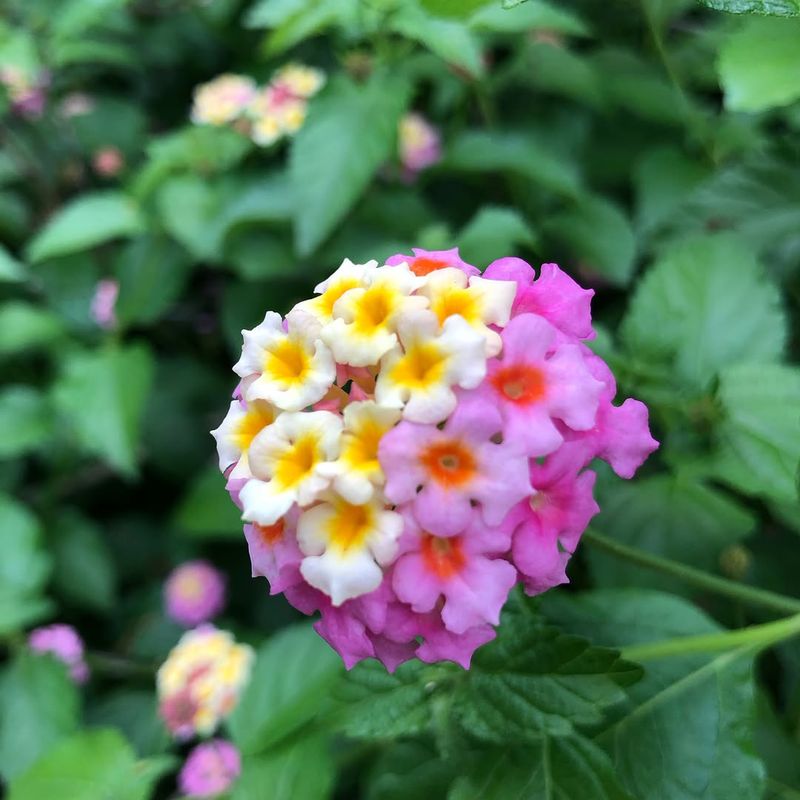
Fertilizer seems like a straightforward way to boost plant growth, but with lantana, you have to be careful about what you use.
High-nitrogen fertilizers push the plant to grow lots of lush green leaves at the expense of flowers.
Nitrogen is the first number on any fertilizer label, and when it is too high, lantana channels all its energy into leafy growth. You end up with a big, bushy plant that looks healthy but barely blooms.
That is the opposite of what you want during summer.
Instead, reach for a balanced or low-nitrogen fertilizer. Something with equal parts nitrogen, phosphorus, and potassium works well, such as a 10-10-10 formula.
Better yet, look for a bloom-boosting fertilizer that has a higher middle or last number, since phosphorus supports flower development and potassium strengthens the plant overall.
Feed lantana lightly, no more than once a month during the growing season. A diluted liquid fertilizer or a slow-release granular formula both work fine.
Avoid the temptation to fertilize heavily, thinking it will speed up blooming. It usually does the opposite.
In our state’s warm, nutrient-rich soils, lantana often needs very little fertilizer at all. Sometimes the best move is to skip fertilizing entirely and let the plant do what it naturally does best.
5. Trim Leggy Stems To Push Fresh Growth
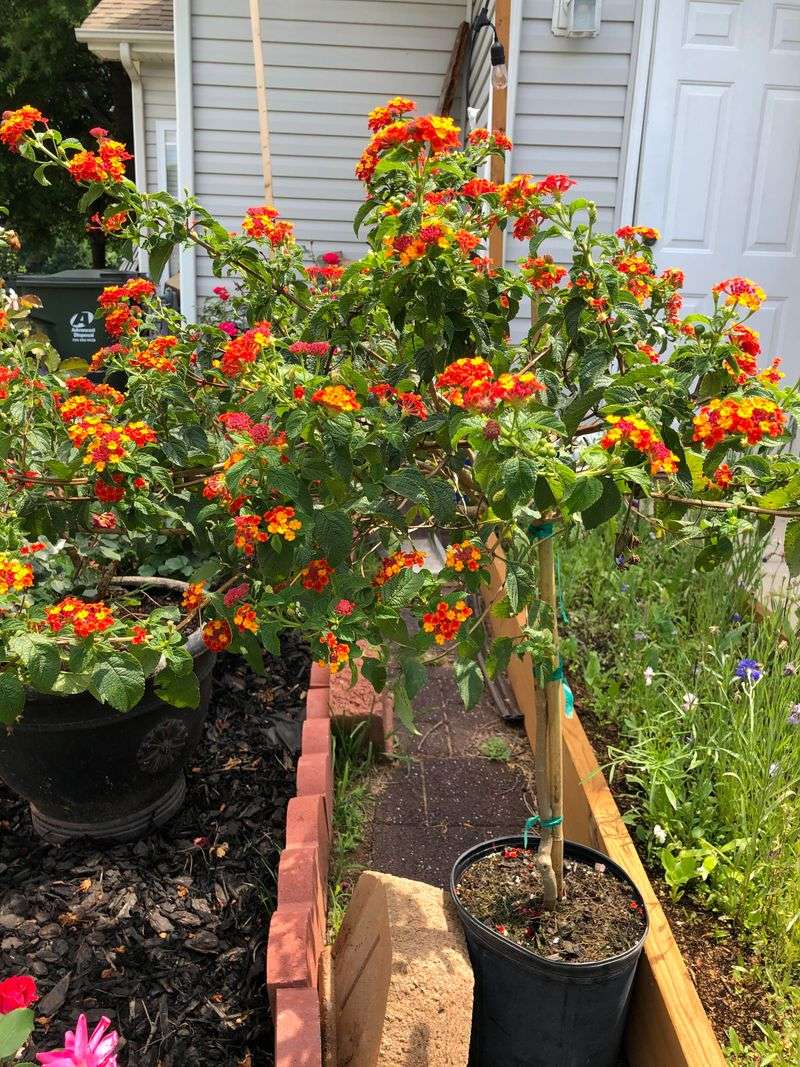
Pruning might feel a little scary if you have never done it before, but trimming lantana is one of the easiest ways to double your bloom count.
When stems grow long and stretched out with few flowers at the tips, that is your signal to cut back.
Leggy growth usually happens when a plant has been blooming hard for a few weeks and starts to slow down.
Cutting stems back by about one-third encourages the plant to push out fresh new growth, and fresh growth is where new flower buds form.
It is a simple reset that pays off fast.
Use clean, sharp pruning shears to make smooth cuts just above a leaf node. Avoid tearing or crushing the stems, which can stress the plant and invite disease.
You do not need to do a major overhaul every time. Light, regular trims every few weeks keep lantana compact and constantly producing new blooms.
Mid-summer is a great time to give lantana a more significant trim if it has gotten unruly. Cut it back by about half, water it well, and watch it rebound within two to three weeks with a fresh flush of colorful flowers.
In our warm climate, this plant recovers quickly and often comes back even fuller than before.
Regular trimming is truly one of the best-kept secrets for a season-long blooming display.
6. Use Fast-Draining Soil In Pots
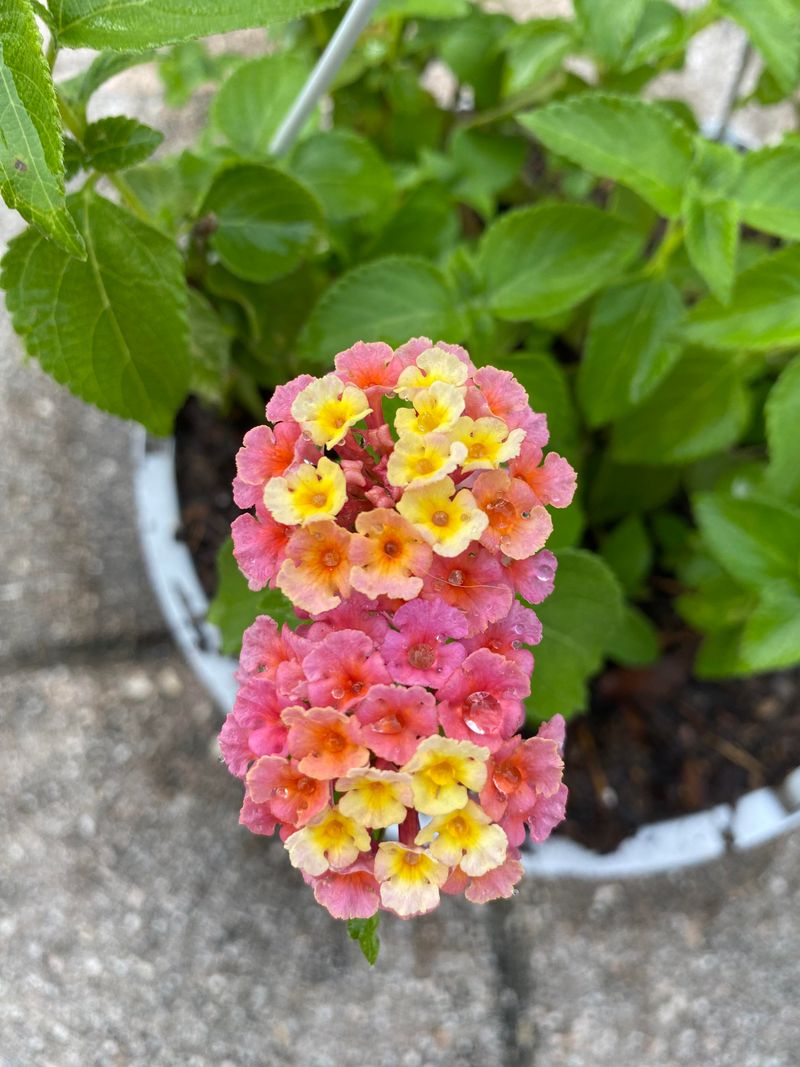
Growing lantana in containers is a fantastic option, especially if your garden soil is heavy or poorly draining.
But the type of potting mix you choose makes a huge difference in how well the plant performs.
Standard potting soil straight from the bag often holds too much moisture for lantana. It stays wet longer than this plant likes, which can slow growth and reduce flowering.
A better approach is to mix regular potting soil with perlite or coarse sand to improve drainage. Aim for a ratio of about two parts potting mix to one part perlite.
Cactus and succulent mixes also work beautifully for potted lantana since they are formulated to drain quickly and stay loose and airy. These mixes mimic the well-draining, gritty soils lantana thrives in naturally.
Good drainage keeps the roots healthy and allows the plant to focus its energy on producing flowers.
Always use pots with drainage holes at the bottom. Without them, water collects at the base and creates the soggy conditions lantana hates.
Terracotta pots are a great choice because they are porous and allow excess moisture to evaporate through the sides.
Plastic pots hold moisture longer, so if that is what you have, be extra cautious about how often you water.
The right soil setup in a container can make your potted lantana just as stunning as anything planted directly in the ground.
7. Keep Containers From Drying Out Completely
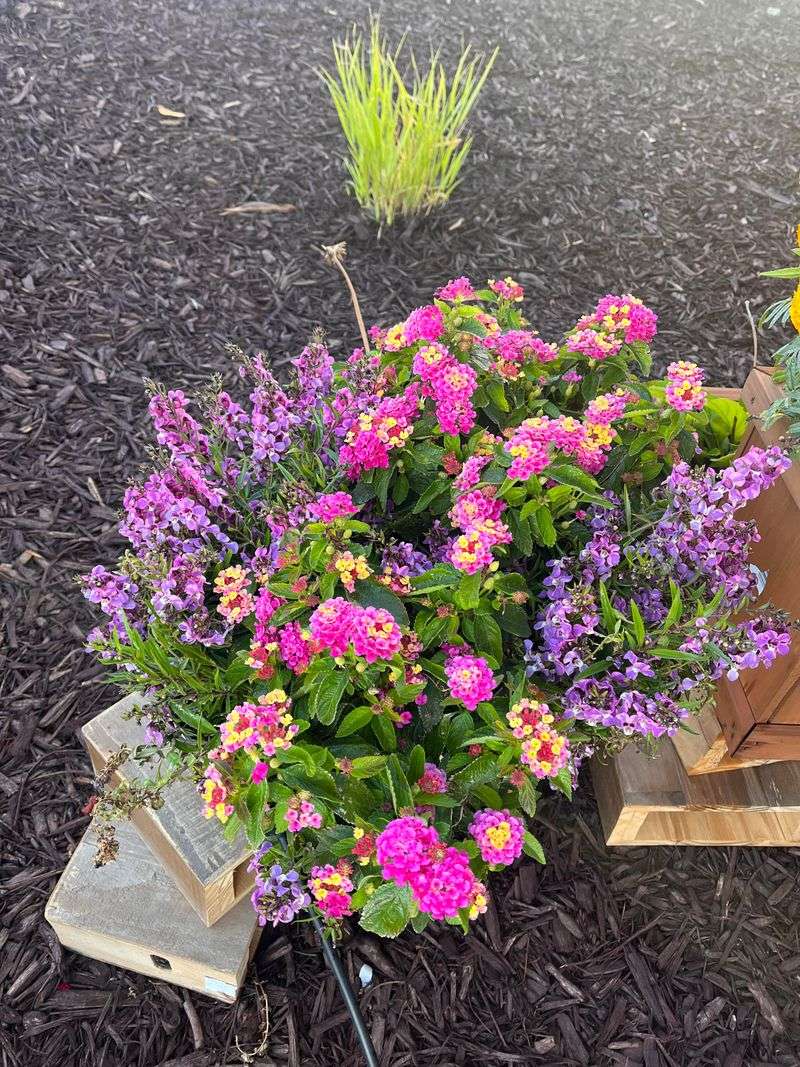
Here is a tricky balance with container-grown lantana. While you do not want to overwater, you also cannot let the pot dry out completely.
Total drought stress pushes the plant into survival mode, and blooming is the first thing to stop. Containers dry out much faster than garden beds, especially during hot summer days.
A pot sitting on a sunny patio can lose moisture within a day or two when temperatures climb into the nineties.
Checking your containers daily during a heat wave is a smart habit to build.
When the soil in a pot pulls away from the edges, that is a clear sign it has dried out too much. At that point, the soil can actually repel water rather than absorb it.
To fix this, set the pot in a tray of water for thirty minutes so the soil can slowly rehydrate from the bottom up.
A layer of mulch on top of the potting mix helps slow evaporation between waterings. Just a thin layer of bark chips or gravel does the trick without trapping too much moisture.
Self-watering pots are another option worth considering since they maintain a consistent moisture level in the reservoir below. The goal is to keep the soil lightly moist but never waterlogged.
Hitting that sweet spot consistently gives container lantana the stable environment it needs to bloom nonstop all summer long.
8. Watch For Whiteflies And Spider Mites
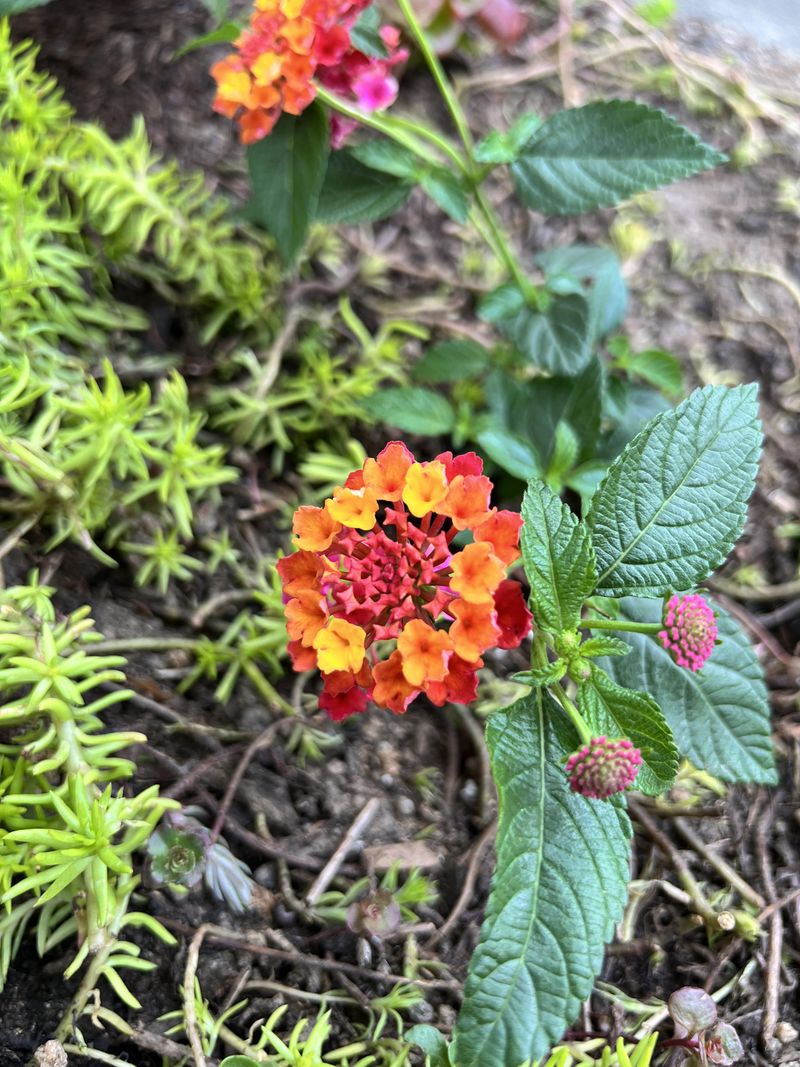
Even tough plants like lantana have a few natural enemies. Whiteflies and spider mites are the two pests most likely to show up during a hot summer and start causing problems.
Catching them early makes all the difference.
Whiteflies are tiny white insects that cluster on the undersides of leaves. When you brush against the plant, they flutter up in a little cloud.
They feed on plant sap and can cause yellowing leaves and reduced flowering when populations get large. Spider mites are even smaller and leave behind fine webbing on leaves and stems.
They also suck sap and thrive in hot, dry conditions.
A strong blast of water from the hose knocks both pests off the plant and is often enough to manage a mild infestation. Repeat every few days to keep numbers down.
For more stubborn cases, insecticidal soap or neem oil sprays work well. Apply in the early morning or evening to avoid burning leaves in direct sun.
Keeping plants healthy and well-watered during extreme heat reduces their vulnerability to spider mites, which love stressed plants.
Avoid over-fertilizing with nitrogen, which creates the lush, soft growth that whiteflies find most attractive.
Checking the undersides of leaves once a week takes only a minute or two and lets you catch problems before they spiral.
Staying on top of pests keeps your lantana looking its best and blooming without interruption all summer long.