Native Ohio Plants That Rabbits Are Less Likely To Destroy
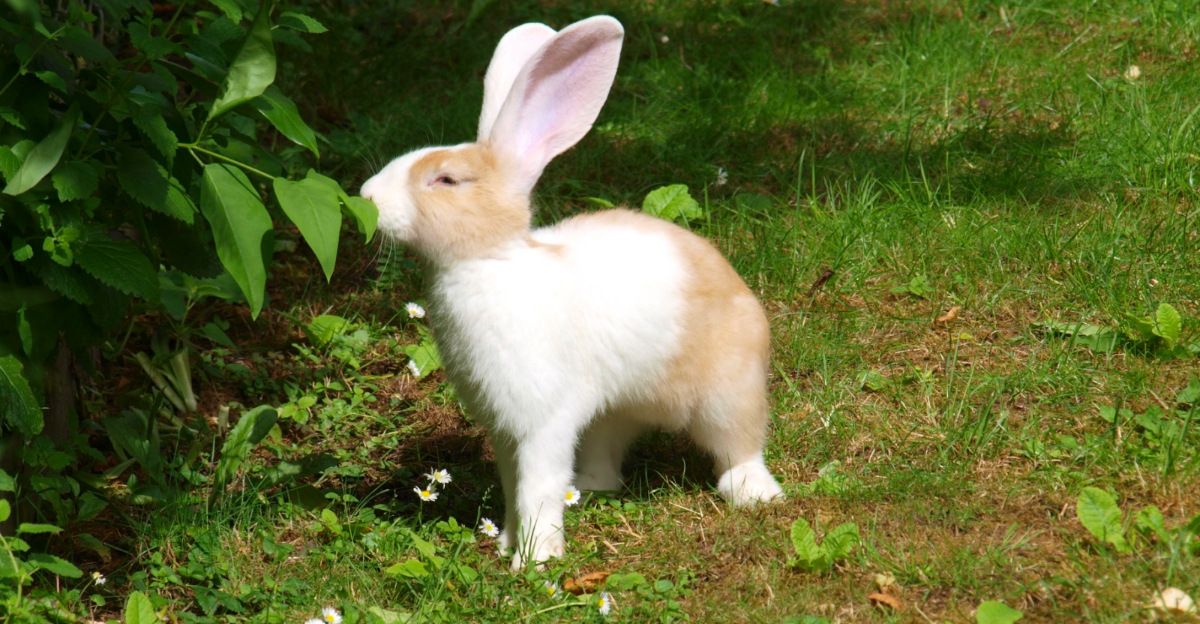
If you garden in Ohio, you probably know the feeling. You step outside with coffee in hand, ready to admire your flower bed, and instead find a few sad stems where your favorite plant used to be.
Rabbits can work fast, and they seem to have excellent timing, too. Fresh spring growth is especially tempting, which makes this one of the more annoying parts of gardening in Ohio.
That is exactly why so many gardeners start looking at native plants a little differently.
Some Ohio natives tend to be less appealing to rabbits thanks to stronger fragrance, rougher texture, tougher leaves, or a taste rabbits seem less excited about.
That does not mean any plant gets a magical free pass, unfortunately. Rabbit pressure, plant age, and what else is growing nearby can all shape the outcome.
Still, choosing the right native plants can give your garden a much better chance to look full, colorful, and far less nibbled.
1. Wild Bergamot Adds Fragrant Summer Color
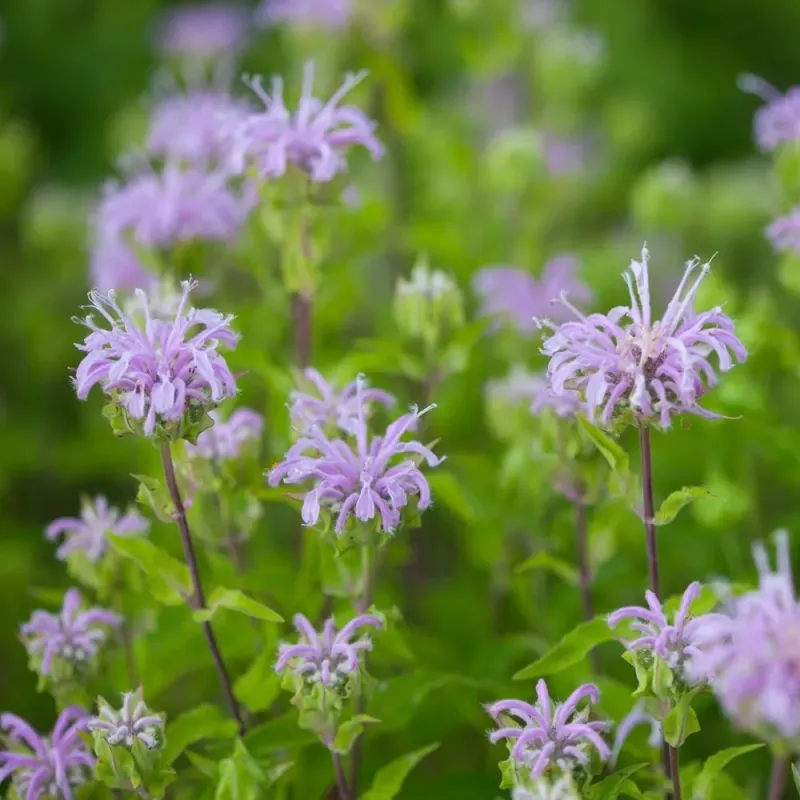
Rabbits tend to rely heavily on scent when deciding what to nibble, and wild bergamot sends a strong aromatic signal that most rabbits seem happy to avoid.
The foliage releases a minty, oregano-like fragrance when brushed or disturbed, which makes it far less appealing than tender, odorless plants nearby.
Ohio gardeners growing bergamot in sunny borders often notice that it comes through the season looking surprisingly intact compared to neighboring plants.
Wild bergamot blooms from midsummer into late summer with clusters of lavender-purple flowers that attract bees, butterflies, and hummingbirds.
It fits well in pollinator gardens, mixed perennial borders, and naturalized areas where it can spread gradually over time.
Plants typically reach two to four feet tall and prefer well-drained soil with full to partial sun.
Because it is a true Ohio native, wild bergamot is well adapted to local rainfall patterns and summer heat. It handles dry spells better than many garden perennials once it settles in after the first season.
For Ohio yards where rabbits are a recurring headache, this fragrant native is often one of the more reliable choices for keeping summer color in the ground.
2. Blue Wild Indigo Brings Bold Spring Beauty
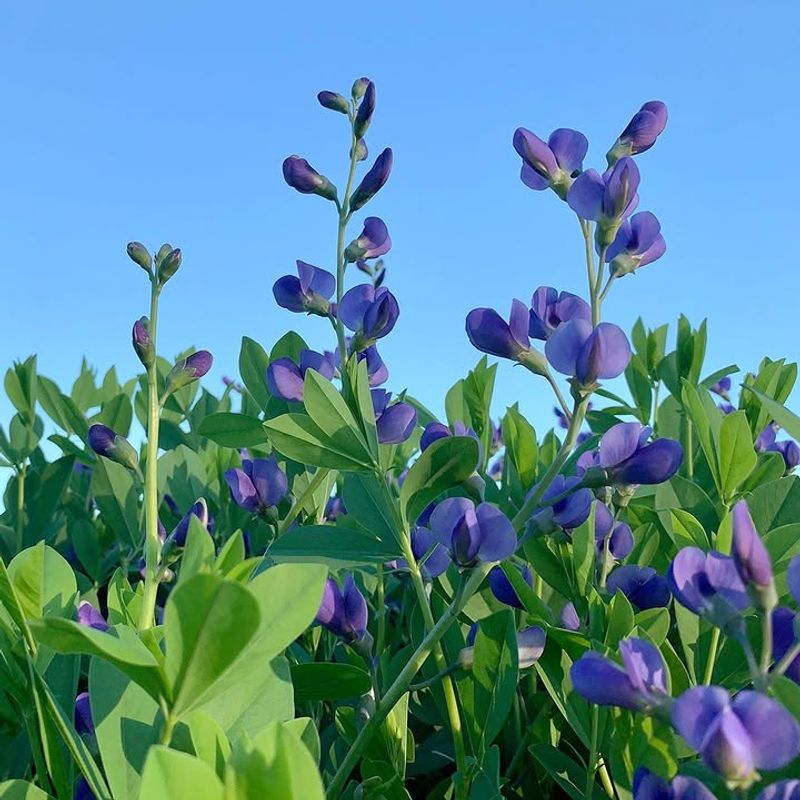
Gardeners who have struggled to keep spring-blooming plants intact often find blue wild indigo to be a welcome change.
The foliage has a slightly waxy, blue-green appearance that rabbits tend to find unappealing, and the plant contains alkaloids that make it bitter and unpleasant to browse.
That natural bitterness gives it a real edge in Ohio yards where rabbits are active from early spring onward.
Blue wild indigo sends up tall flower spikes covered in deep blue-purple blooms in late spring, making it one of the more dramatic native perennials for Ohio home gardens.
After flowering, it develops attractive seed pods that add visual interest through summer and into fall.
The plant can reach three to four feet tall and wide at maturity, giving it a substantial presence in a mixed border or foundation planting.
One thing worth knowing is that blue wild indigo establishes slowly and may take two or three seasons to reach its full size.
Your Ohio Garden Changes Every Week. Your Plan Should Too.
Gardening in Ohio changes quickly throughout the season. Every Friday you’ll receive a simple weekly plan showing exactly what to plant, prune, fertilize, harvest, and protect so you never miss the right timing.
However, once it settles in, it is remarkably long-lived and low maintenance.
Ohio gardeners willing to be patient with the early years are usually rewarded with a tough, beautiful native that holds its own even in yards with consistent rabbit pressure.
3. Butterfly Weed Offers Bright Color And Tough Appeal
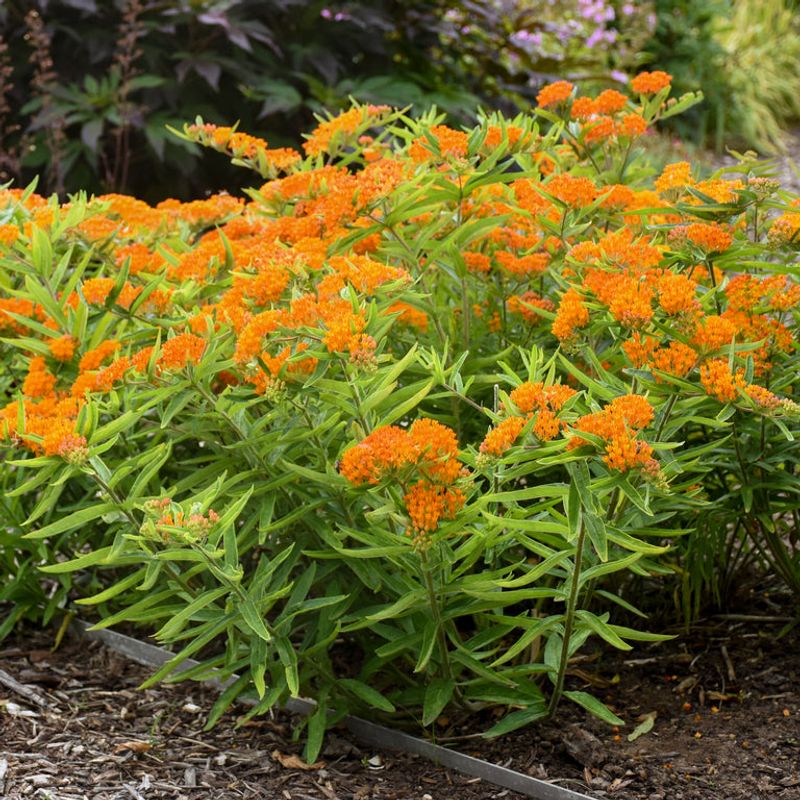
Few native Ohio plants pack as much visual punch as butterfly weed, with its clusters of vivid orange flowers that seem to glow in the summer sun.
Beyond the color, butterfly weed has something else going for it in rabbit-prone yards: the milky sap inside its stems is bitter and mildly toxic to many animals, which makes rabbits far less inclined to chew through it.
It is not a guarantee, but this natural deterrent does seem to reduce browsing compared to more palatable plants nearby.
Butterfly weed thrives in full sun and well-drained soil, making it an excellent choice for Ohio garden beds that tend to dry out in summer.
It is a true native milkweed and serves as an important host plant for monarch butterflies, adding ecological value well beyond its ornamental appeal.
Blooms appear from early summer into midsummer and often attract a steady stream of pollinators throughout the season.
The plant grows one to two feet tall and forms a sturdy, upright clump that fits easily into perennial borders, pollinator gardens, or sunny slope plantings. Because butterfly weed develops a deep taproot, it prefers not to be moved once established.
Ohio gardeners should plan its placement thoughtfully from the start and then let it grow undisturbed for the best long-term results.
4. Purple Coneflower Adds Strong Summer Interest
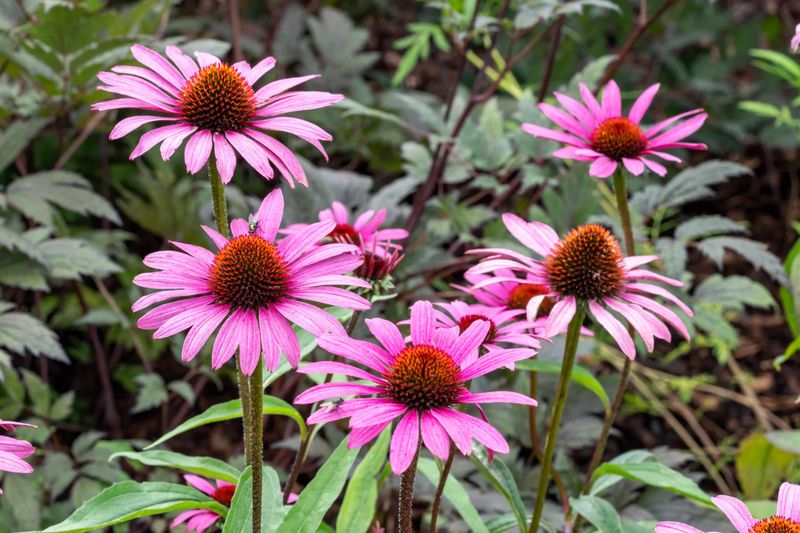
Purple coneflower is one of the most recognized native plants in Ohio, and for good reason. Its coarse, slightly scratchy foliage and sturdy stems are noticeably less palatable to rabbits than soft, tender perennials.
While young plants can occasionally get nibbled during their first season, established coneflowers tend to hold up well even in yards with regular rabbit activity.
The flowers are bold and long-lasting, with rosy-purple petals surrounding a raised, spiky orange-brown cone that gives the plant its name. Blooms appear in midsummer and can continue into early fall, providing weeks of color in Ohio home gardens.
After the petals drop, the seed heads remain attractive and serve as a food source for goldfinches and other birds well into winter.
Purple coneflower grows two to four feet tall in full sun to light shade and adapts well to average Ohio garden soils without needing a lot of extra attention. It spreads slowly by seed over time, which can help fill in a border naturally.
For Ohio gardeners who want a tough, low-maintenance native that delivers summer color and wildlife value while holding its own against rabbit browsing, purple coneflower is a consistent and dependable option worth including in the landscape.
5. Little Bluestem Brings Texture And Warm Fall Color
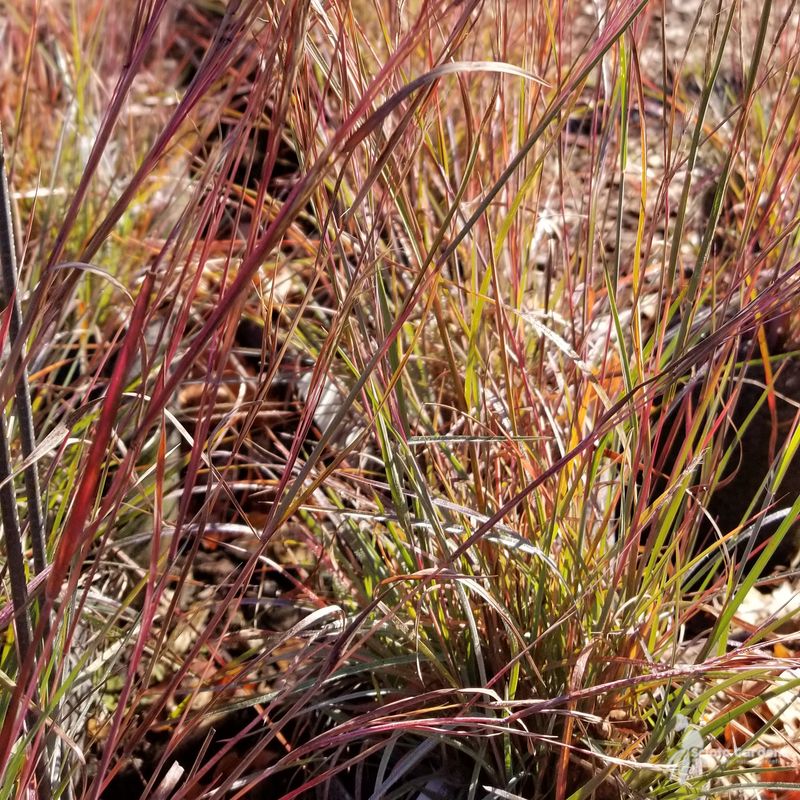
Ornamental grasses are not high on most rabbits’ preferred browsing list, and little bluestem is a native Ohio grass that takes full advantage of that tendency.
Its narrow, upright blades have a slightly rough texture that rabbits generally find less interesting than broad-leaved plants.
In yards where browsing pressure is high, little bluestem often comes through the growing season with minimal damage.
What makes this grass especially appealing for Ohio landscapes is its seasonal transformation.
It starts the year with blue-green foliage, transitions to warm shades of copper, orange, and burgundy in fall, and then holds its color and structure through much of winter.
The fluffy white seed heads that develop in late summer add another layer of visual interest and provide food for small birds during colder months.
Little bluestem grows two to four feet tall and works beautifully in perennial borders, pollinator gardens, and naturalized areas. It prefers full sun and well-drained soil and handles Ohio summers with ease once established.
Because it is a warm-season grass, it greens up later in spring than cool-season grasses, so Ohio gardeners should keep that timing in mind when planning early-season combinations.
Its overall toughness and four-season appeal make it a strong native choice for any rabbit-prone Ohio yard.
6. Christmas Fern Keeps Shady Beds Looking Full
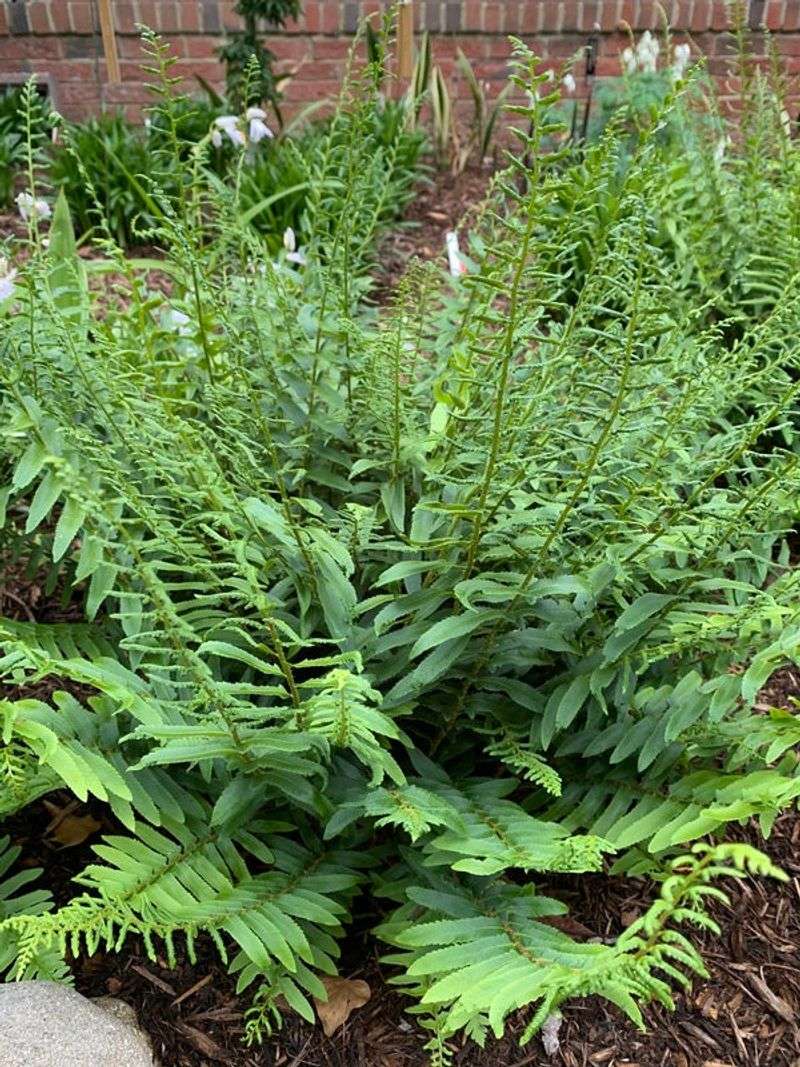
Shady corners of Ohio yards can be some of the hardest spots to keep looking full when rabbits are around, but Christmas fern has a way of holding its own in those spaces.
Its thick, leathery fronds are not the kind of tender, juicy growth that rabbits tend to seek out.
The coarse texture and tough frond structure make it a less attractive target compared to softer shade plants like hostas or impatiens.
Christmas fern is one of the few native Ohio ferns that stays green through winter, which is where it gets its common name. That evergreen quality adds real value in Ohio landscapes where winter interest in shaded beds is hard to achieve.
The dark, glossy fronds look tidy and lush through most of the year and can anchor a shade garden beautifully.
This fern grows one to two feet tall and spreads gradually to form dense, weed-suppressing clumps over time.
It thrives in partial to full shade with moist, well-drained soil and works well along woodland edges, shaded foundations, and naturalized areas under trees.
For Ohio gardeners dealing with rabbit pressure in shaded parts of the yard, Christmas fern offers a native, low-maintenance solution that tends to stay looking full season after season without much intervention.
7. Spicebush Adds Native Beauty With Less Fuss
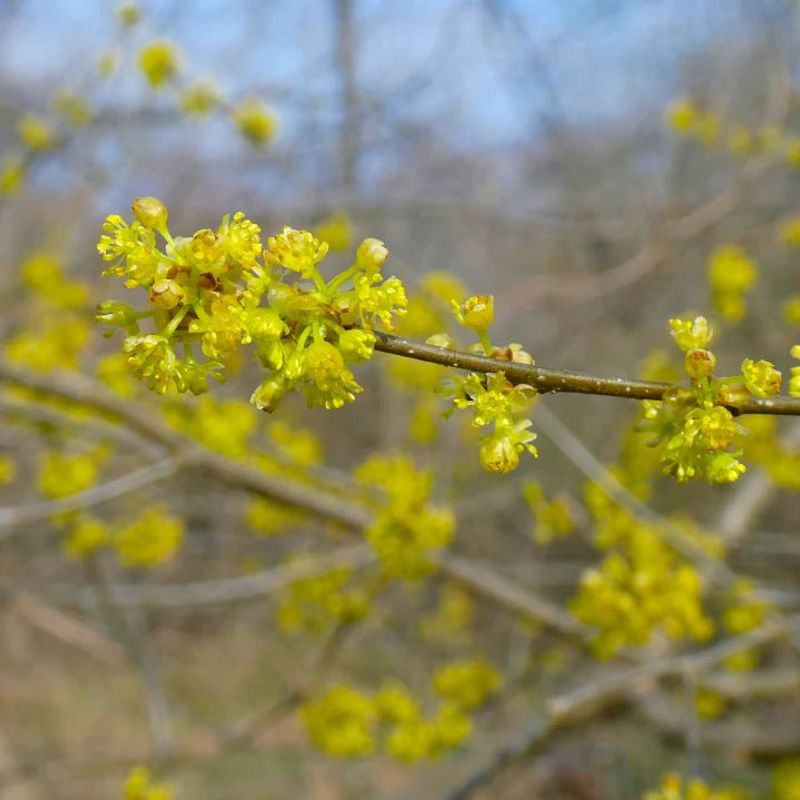
Walk past a spicebush and give a leaf a gentle crush, and you will immediately understand why rabbits tend to leave this native Ohio shrub alone. The foliage releases a strong, spicy fragrance that acts as a natural deterrent for many browsing animals.
In Ohio woodland gardens and shaded borders, spicebush often escapes the kind of damage that affects less aromatic shrubs nearby.
Spicebush is a native understory shrub that earns its keep across multiple seasons. In early spring, before the leaves even emerge, it lights up with tiny clusters of yellow flowers that are among the earliest native blooms in Ohio.
Female plants follow up with bright red berries in late summer and fall that are highly attractive to migrating birds, including wood thrushes and other songbirds that pass through Ohio each year.
The shrub grows six to twelve feet tall and wide at maturity and fits well in naturalized areas, woodland edges, rain gardens, and shaded foundation plantings.
It tolerates wet soil conditions better than many native shrubs, which makes it a useful option for low spots in Ohio yards that stay moist after rain.
Spicebush also serves as a host plant for spicebush swallowtail butterfly caterpillars, adding meaningful wildlife value to any Ohio native planting.
8. Wild Columbine Brings Early Color And Charm
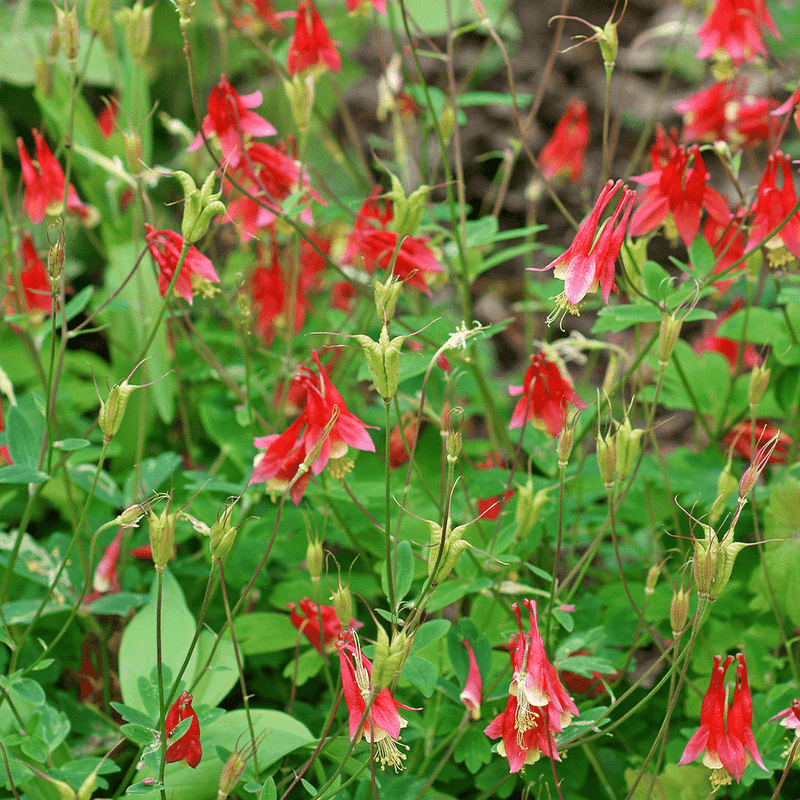
One of the first native wildflowers to bloom each spring in Ohio, wild columbine has a delicate, graceful look that might make you think it would be an easy target for rabbits.
Surprisingly, its foliage contains compounds that most rabbits seem to find unpleasant, and the plant tends to get overlooked in favor of softer, more palatable options nearby.
That natural resistance makes it a smart early-season choice for Ohio gardeners who want spring color without constant worry.
The flowers are unmistakable, with red and yellow nodding blooms that dangle from slender stems and attract hummingbirds arriving in Ohio during spring migration.
The bloom period runs from mid-spring into early summer, filling a gap in the garden when many other native perennials have not yet started flowering.
After blooming, the foliage remains attractive and lacy through much of the summer season.
Wild columbine grows one to two feet tall and does well in partial shade to full sun with well-drained, lean soil.
It tends to self-seed lightly and naturalize over time, which helps it fill in shaded borders and woodland garden edges without much help.
For Ohio gardeners looking for a native plant that combines early charm with reasonable resilience against rabbit browsing, wild columbine is a lovely and reliable option worth growing.
9. Ninebark Offers Tough Shrub Color And Texture
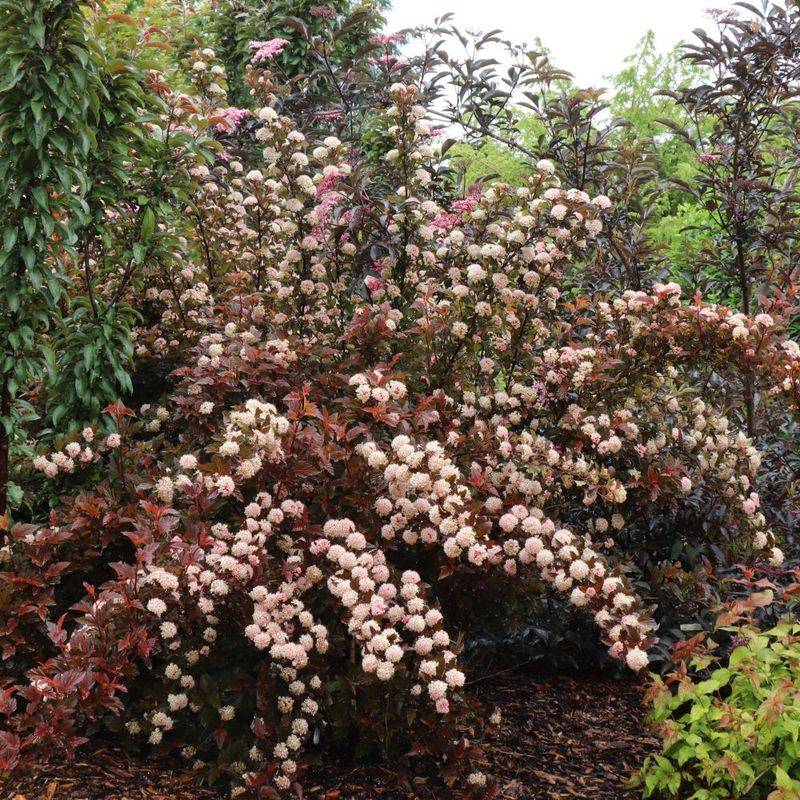
When it comes to native Ohio shrubs that hold up well in rabbit-prone yards, ninebark earns serious consideration. Its stems are woody and mature quickly, which reduces the kind of soft, tender growth that rabbits find most appealing.
While very young plants can occasionally get some attention from rabbits, established ninebark shrubs are generally left alone once the woody structure develops fully.
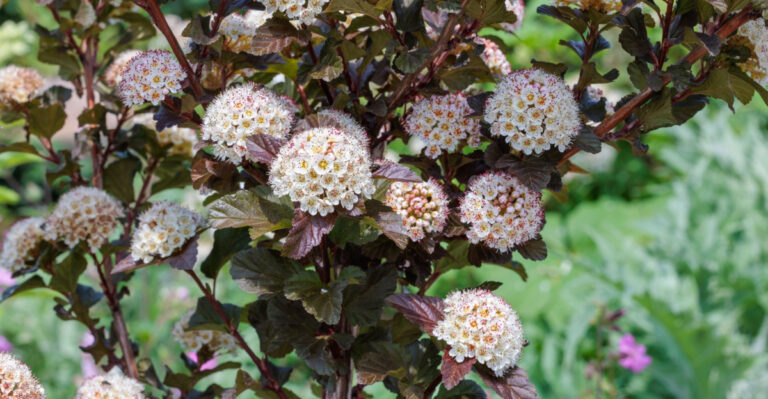
Ninebark is a versatile native shrub with a lot to offer Ohio home landscapes. Depending on the variety, foliage ranges from deep burgundy and purple to chartreuse green, giving gardeners real flexibility in color combinations.
Clusters of small white or pinkish flowers appear in late spring, followed by reddish seed capsules that add interest through summer and attract birds in fall and winter.
The shrub grows five to ten feet tall and wide, making it suitable for hedges, foundation plantings, mixed borders, and naturalized areas in Ohio yards. It tolerates a wide range of soil conditions and handles both sun and partial shade reasonably well.
The exfoliating bark, which peels in thin layers to reveal multiple colors underneath, adds winter texture and visual interest when the garden is otherwise bare.
For Ohio gardeners wanting a tough, attractive native shrub with multi-season appeal, ninebark is a strong and dependable choice.