These Creepy-Cool Houseplants Keep The Halloween Vibes Going In Your New York Home
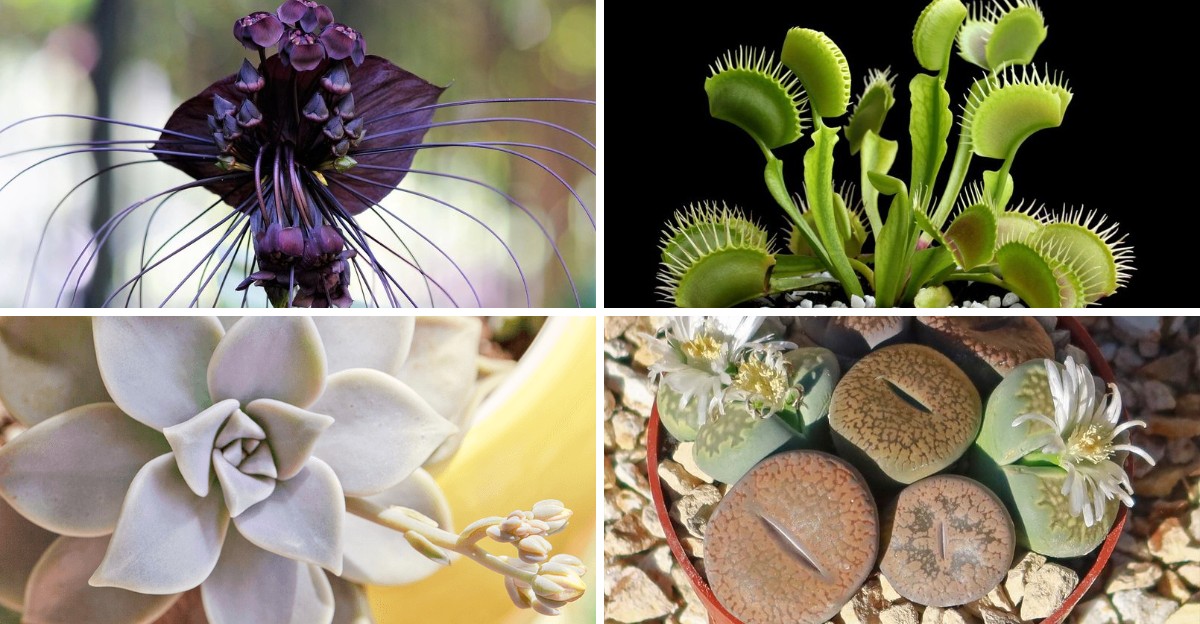
Who says spooky season has to end when the pumpkins leave the stoop? Some houseplants look like they crawled out of a haunted greenhouse, and they can keep the eerie mood alive all year.
Inky black leaves, snapping green jaws, and pale rosettes that seem to glow in dim light add drama to any room. In New York, they’re a fun fit for small apartments and sunny brownstone windows.
Many handle indoor life well, even through long gray winters and dry radiator heat. Some are fussy, while others shrug off missed waterings like a ghost passing through a wall.
You’ll meet carnivores, shadowy beauties, and odd little plants that look like rocks. Each one brings its own kind of creepy charm.
1. Bat Flower Blooms Like A Winged Creature
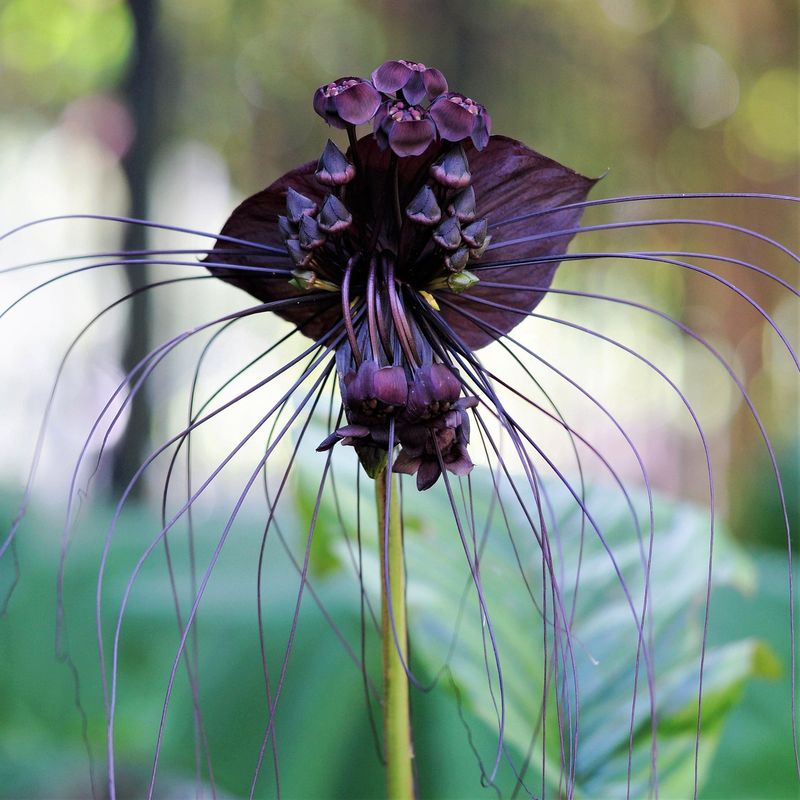
Imagine a flower that looks ready to flap off into the night sky. The bat flower, or Tacca chantrieri, pulls off that trick with ease.
Its large, wing-shaped bracts frame a cluster of small blossoms in the center. Long, whisker-like threads dangle below, sometimes reaching ten inches in length.
The most common type wears deep purple bracts that look nearly black. Guests often stop and stare, wondering if the bloom is real or a Halloween prop.
Bat flowers come from warm, humid forests in Southeast Asia. Indoors, they want filtered light, steady warmth, and plenty of moisture in the air.
Rich, well-drained soil that stays evenly moist works best for this plant. Let the top inch feel slightly damp, not soggy, before you water again.
New York apartments can get very dry once the radiators start hissing in fall. A humidifier nearby or a pebble tray under the pot can make a big difference.
Bright, indirect light from an east-facing window is a smart choice. Harsh afternoon sun may scorch the leaves, so keep sheer curtains handy.
To be honest, the bat flower is not the easiest plant on this list. It rewards patient growers, though, with a show that few other houseplants can match.
Here is a helpful tip for winter care. Keep the plant away from cold drafts near doors, since chilly air can stall its growth.
Once those wings unfold, you will have a conversation starter all year.
2. Venus Flytraps Snap Shut On Prey
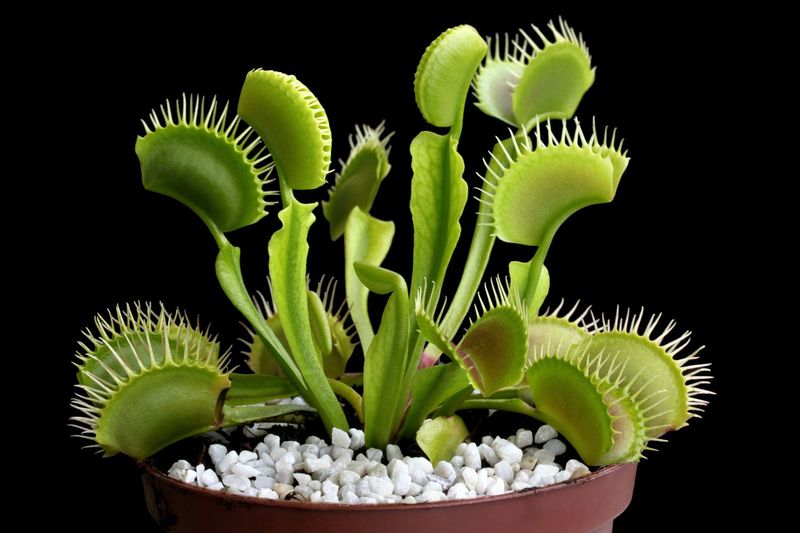
Snap! In a blink, a curious fly becomes lunch.
Few plants deliver drama quite like the Venus flytrap.
Dionaea muscipula has leaves shaped into jaw-like traps lined with spiky teeth. Sweet nectar inside lures flies, spiders, and other small bugs.
Tiny trigger hairs sit on the inner surface of each trap. When two hairs get touched within about twenty seconds, the trap slams closed.
That motion counts among the fastest movements in the plant world. Digestive juices then break down the insect over several days.
Fun fact for curious readers: these plants grow wild only in a small area of the Carolinas. Their home soil is boggy and very low in nutrients.
Tap water can harm flytraps because of its minerals. Use distilled water or collected rainwater instead to keep them healthy.
Your New York Garden Changes Every Week. Your Plan Should Too.
Gardening in New York changes quickly throughout the season. Every Friday you’ll receive a simple weekly plan showing exactly what to plant, prune, fertilize, harvest, and protect so you never miss the right timing.
Soil should stay moist at all times, much like a wet sponge. Many growers set the pot in a shallow saucer of water.
Light matters even more than water for this hungry plant. A south-facing window or a small grow light helps in darker apartments.
Resist the urge to trigger the traps just for fun. Each trap can only close a limited number of times before it stops working.
Skip fertilizer, too, since rich food can burn the roots. Expect a winter rest period when growth slows down, which is perfectly normal behavior.
3. Pitcher Plants Lure Insects Inside
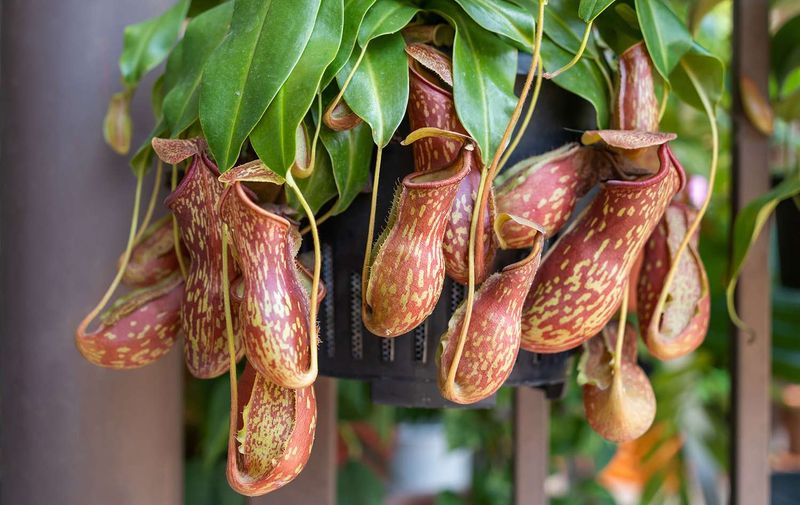
Think of a pitcher plant as a tiny trap disguised as a party cup. Bugs come for the treats and seldom make it back out.
Carnivorous pitcher plants include two popular groups, Nepenthes and Sarracenia. Both have special leaves shaped like tubes or jugs filled with fluid.
Bright colors and sugary nectar near the rim draw insects closer. Slippery walls send them tumbling into the liquid, where the plant absorbs them.
Nepenthes, often called tropical pitcher plants, look great in hanging baskets. Their pitchers dangle from the leaf tips like creepy little lanterns.
Give Nepenthes bright, indirect light and plenty of humidity. Moist, airy soil low in nutrients, such as sphagnum moss, keeps them happy.
Sarracenia, the trumpet pitchers, grow tall and upright instead. These sun lovers need many hours of direct light each day.
Many growers keep Sarracenia pots sitting in a tray of water. That trick copies the soggy bogs where these plants grow naturally.
In New York, a sunny balcony or bright windowsill works well for Sarracenia during summer. Bring them somewhere cool but bright for their winter rest.
Here is a quirky detail worth sharing. Some Nepenthes in the wild grow pitchers big enough to trap small frogs.
As with flytraps, stick to distilled water or rainwater. Minerals in tap water can build up and slowly weaken these clever bug catchers.
4. Black ZZ Plant Has Glossy, Inky Leaves
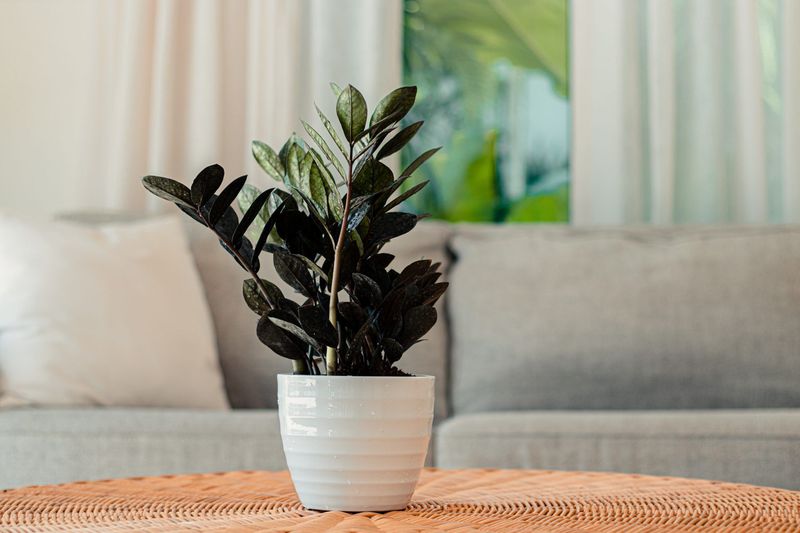
Goth decor fans, meet your new favorite roommate. The Raven ZZ plant looks like someone dipped it in a pot of shiny black ink.
Officially, it is a cultivar of Zamioculcas zamiifolia. New leaves pop out a bright lime green, which surprises many first-time owners.
Over several weeks, those leaves darken to a rich purple-black. The final look is glossy and almost lacquered, like polished piano keys.
Thick, oval leaves line upright stems that give the plant a sculptural shape. It adds instant drama to a bookshelf, desk, or empty corner.
Better still, the Raven ZZ is tough as old boots. Low light and skipped waterings rarely bother it much at all.
Underground, it stores water in chunky rhizomes that look a bit like potatoes. Those storage roots help it ride out dry spells with ease.
Let the soil dry out fully before giving it a deep drink. In most homes, that means watering every two to three weeks.
Overwatering is the main thing that causes trouble for this plant. Yellow, mushy stems are a sign to cut back right away.
Many New York apartments face brick walls or narrow airshafts with little sun. Raven handles those shadowy spots better than most houseplants.
Keep it away from curious pets and small kids, though. Its sap can irritate skin and upset stomachs, so gloves help during repotting.
5. Alocasia ‘Black Velvet’ Looks Like Dark Velvet
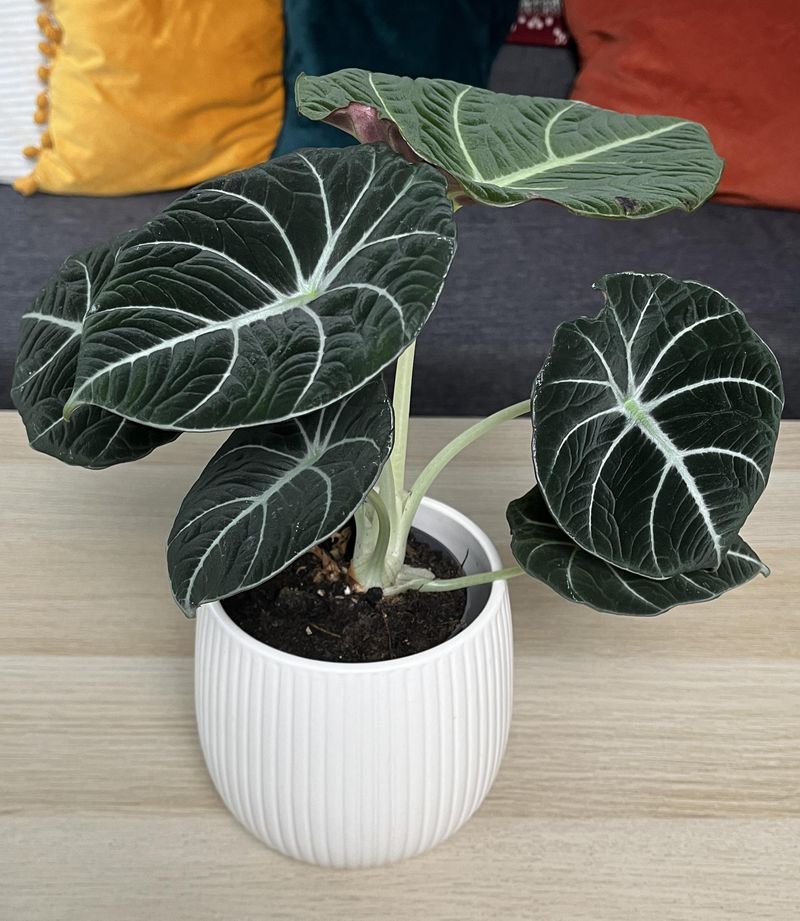
Run a fingertip across one leaf, and you might expect fabric instead of foliage. Alocasia Black Velvet feels as luxurious as it looks.
Its botanical name is Alocasia reginula, and fans call it a jewel Alocasia. The heart-shaped leaves come in a deep shade that looks nearly black.
Bold white or silver veins cut across each leaf like lightning in a midnight sky. The contrast feels a little spooky and very elegant.
Small spaces love this plant, since it stays compact. Most reach only about 12 to 18 inches tall.
That size makes it a smart pick for a crowded windowsill or a tiny studio. It fits nicely on a nightstand or a narrow shelf.
Bright, indirect light helps those velvety leaves stay healthy. Direct sun can scorch them and leave crispy brown edges.
Humidity is where this beauty gets a bit picky. It prefers moisture levels between 60 and 80 percent, plus steady warmth.
Grouping it with other plants or setting up a small humidifier can help. Some growers even keep it inside a glass cabinet for extra moisture.
Keep the soil lightly moist but never waterlogged. A chunky mix with bark and perlite drains well and protects the roots.
Do not panic if it drops a leaf during winter. Many Alocasias slow down in cooler months and bounce back once spring arrives.
6. Ghost Plant Has Pale, Silvery Rosettes
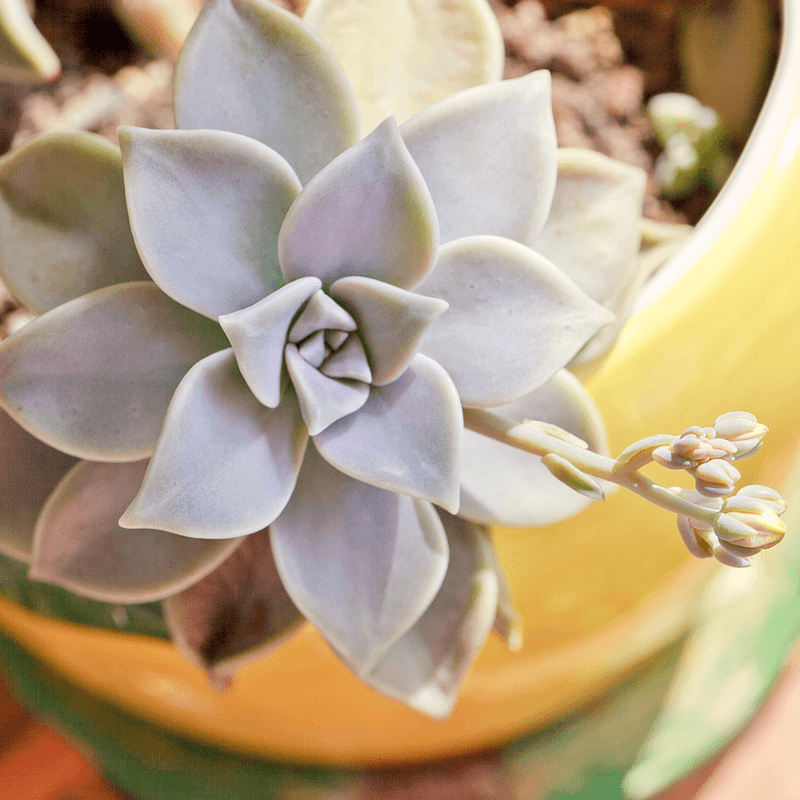
Some plants whisper rather than shout, and the ghost plant is one of them. Its pale rosettes seem to float like little spirits in a pot.
Graptopetalum paraguayense is a succulent with fleshy, star-shaped leaves. Colors range from whitish green to soft blue-gray.
A powdery coating called farina gives the leaves a dusty, ghostly glow. Try not to rub it off, since it protects the plant from strong sun.
Bright light can bring out pretty pink or yellow tints. In shadier spots, the rosettes stay cooler and more silvery.
As the plant grows, its stems stretch and trail over the pot edge. That habit makes it a lovely choice for hanging planters.
Care is refreshingly simple for this pale little charmer. It enjoys full sun to partial shade and well-drained, gritty soil.
Water only when the soil feels dry all the way down. Soggy roots are the biggest threat to any succulent, including this one.
A sunny south or west window in a New York apartment suits it well. During summer, it can even spend time outside on a balcony.
Here is a fun bonus for budget-friendly gardeners. Loose leaves that fall off can root and grow into brand-new plants.
Just lay a fallen leaf on dry soil and wait. Within weeks, tiny roots and a baby rosette usually appear.
7. Medusa’s Head Grows Writhing, Snake-Like Arms
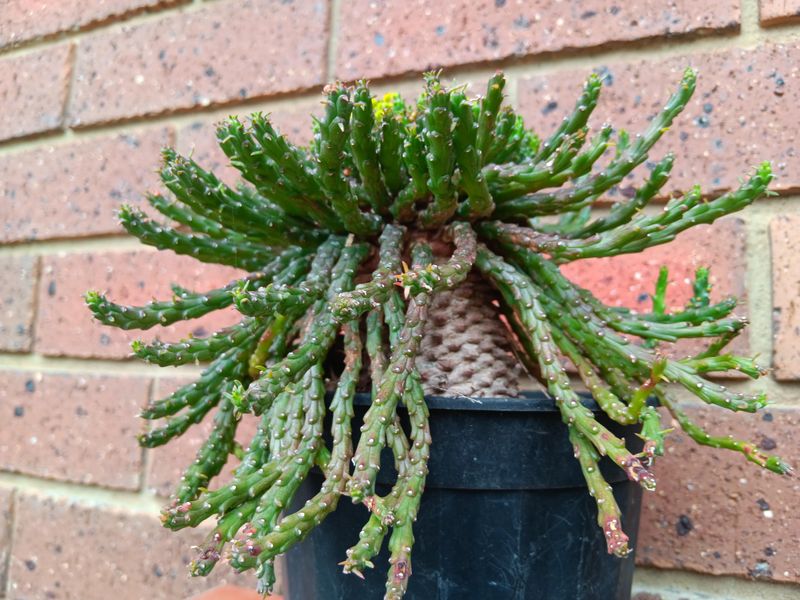
In Greek myths, one look at Medusa could turn people into stone. Luckily, this plant only turns heads, not bodies.
Euphorbia flanaganii earns its nickname from a central stem crowned with twisting, snake-like arms. The branches curl outward as if they are slowly slithering away.
Over time, those thick stems can spread up to sixteen inches wide. Tiny yellow flowers sometimes pop up in clusters near the center.
Its ancient, mythical look adds a playful creep factor to any shelf. It pairs especially well with dark pots or stone-colored planters.
Beginners can handle this succulent without much stress. The main need is plenty of bright, direct sun.
Aim for at least six hours of sunlight each day. A south-facing window is ideal for this light lover.
Without enough light, the arms grow long and floppy. A small grow light can help during short winter days.
Water regularly in summer, but let the soil drain fully every time. In winter, cut back and water only now and then.
One safety tip matters a lot with this plant. Like other Euphorbias, it oozes a milky sap that can irritate skin and eyes.
Wear gloves when pruning or repotting, and wash your hands afterward. Place it out of reach of pets that like to nibble on greenery.
8. Living Stones Look Like Pebbles Come To Life
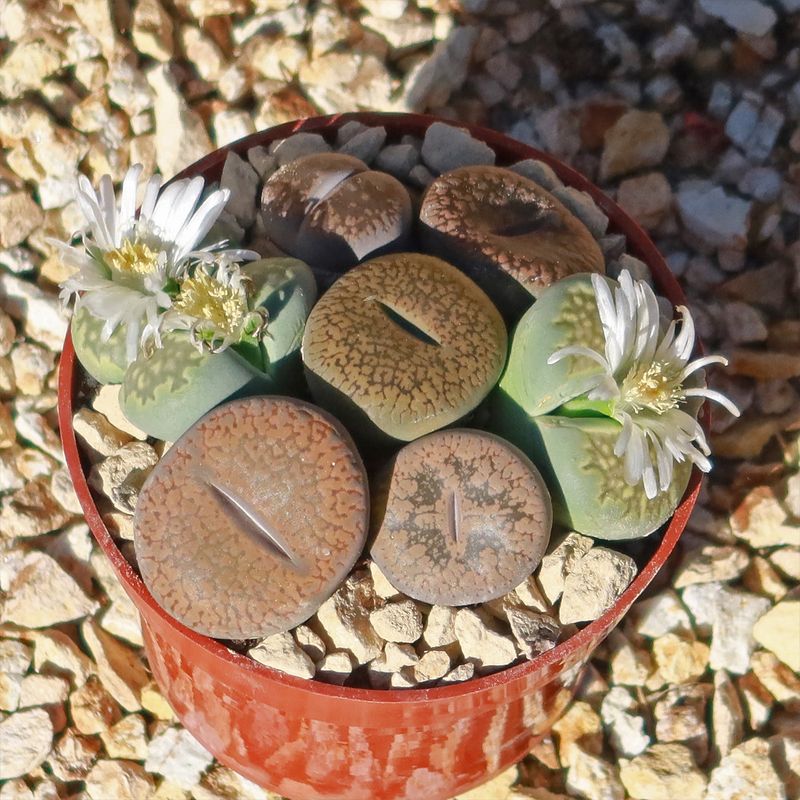
Picture a pot of pebbles that suddenly sprouts a flower. Friends may not believe these tiny lumps are alive until they bloom.
Lithops, often called living stones, are succulents built for disguise. In southern Africa, they blend into rocky ground to hide from hungry animals.
Each plant usually has two fat leaves fused together with a slit between them. New leaves and flowers emerge from that little crack.
Many tops have see-through patches called windows. Those spots let sunlight reach inside the plant while most of it stays buried.
Watering is the trickiest part of growing living stones. They need far less water than most people expect.
Let the soil dry fully between drinks, copying their dry desert home. During certain resting periods, they may need almost no water at all.
Watch for old leaves shriveling as fresh ones push through. Hold off on watering then, since the plant feeds on its old leaves.
Gritty, fast-draining soil keeps roots from rotting. A cactus mix with extra pumice or small gravel works well.
Full sun is a must, so give them your brightest window. Too little light makes them stretch and lose their stony shape.
Mix several colors in one shallow dish for a creepy rock garden. Daisy-like yellow or white flowers in fall make a sweet seasonal surprise.
9. String Of Hearts Trails Like Spooky Vines
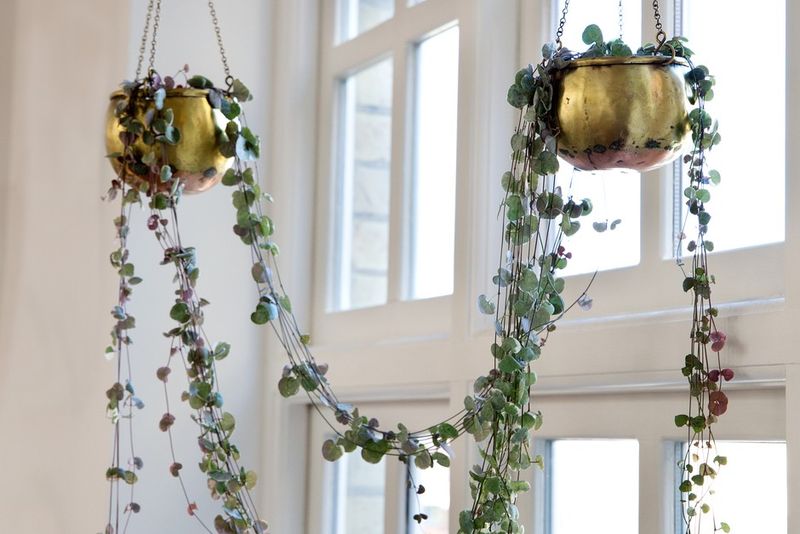
Long, thin vines spill over the edge of a shelf like cobwebs in an old attic. Look closer, and you will spot hundreds of tiny hearts.
Ceropegia woodii, better known as String of Hearts, is a trailing succulent. Its leaves show marbled swirls of dark green and silver.
The undersides often blush purple, which adds a moody touch. Vines can grow several feet long, creating a cascade that feels spooky yet romantic.
Odd little flowers may appear too, shaped like tiny pink and purple lanterns. They look a bit like miniature alien pods.
Bright, indirect light keeps the leaves colorful and spaced nicely. In dim corners, vines grow thin with big gaps between leaves.
Water only when the soil has dried out completely. Since the plant handles drought well, too much water causes more trouble than too little.
Small round tubers form along the vines over time. You can press them into soil to start new plants for friends.
Hanging pots or high shelves show off the trailing vines best. Many New York renters drape them from curtain rods to save space.
Give the vines a gentle trim if they get tangled. Snipped pieces root easily in water or moist soil.
Want a fun Halloween trick? Twist the vines around a small skeleton or plastic spider for a creepy display.