How To Get Your Christmas Cactus Blooming Before Christmas In North Carolina
Many Christmas cacti bloom late, or not at all, and the owners never figure out why. The plant is waiting for a signal. Cooler nights and longer darkness tell it that winter is on the way. Buds form in response.
North Carolina homes are often too warm and too bright in fall, so the signal gets lost. A few simple changes can bring it back.
Keep the plant in a cooler room, give it uninterrupted nights, and ease off on watering. Avoid moving it once buds appear, because sudden changes can make them drop.
It takes about six weeks of these conditions for buds to form, then a few more weeks for them to open. Start soon, and your cactus can be in full bloom by the holidays.
1. Start The Bloom Process By Early October
Ask any longtime grower about holiday blooms, and they will tell you the secret is a calendar, not luck. A Christmas cactus, known by scientists as Schlumbergera, does not just decide to flower one morning.
It needs several weeks of cool temperatures or long nights before it even begins to form buds.
After those buds appear, the waiting is not over yet. Tiny buds take several more weeks to grow, swell, and finally open into those gorgeous tube-shaped flowers.
When you add those two stretches of time together, you can see why starting late often pushes the show into January.
So when should you begin? Aim to give your plant bud-setting conditions sometime between mid September and early October.
That means cooler nights, longer periods of darkness, or both, which we will cover in the next few tips.
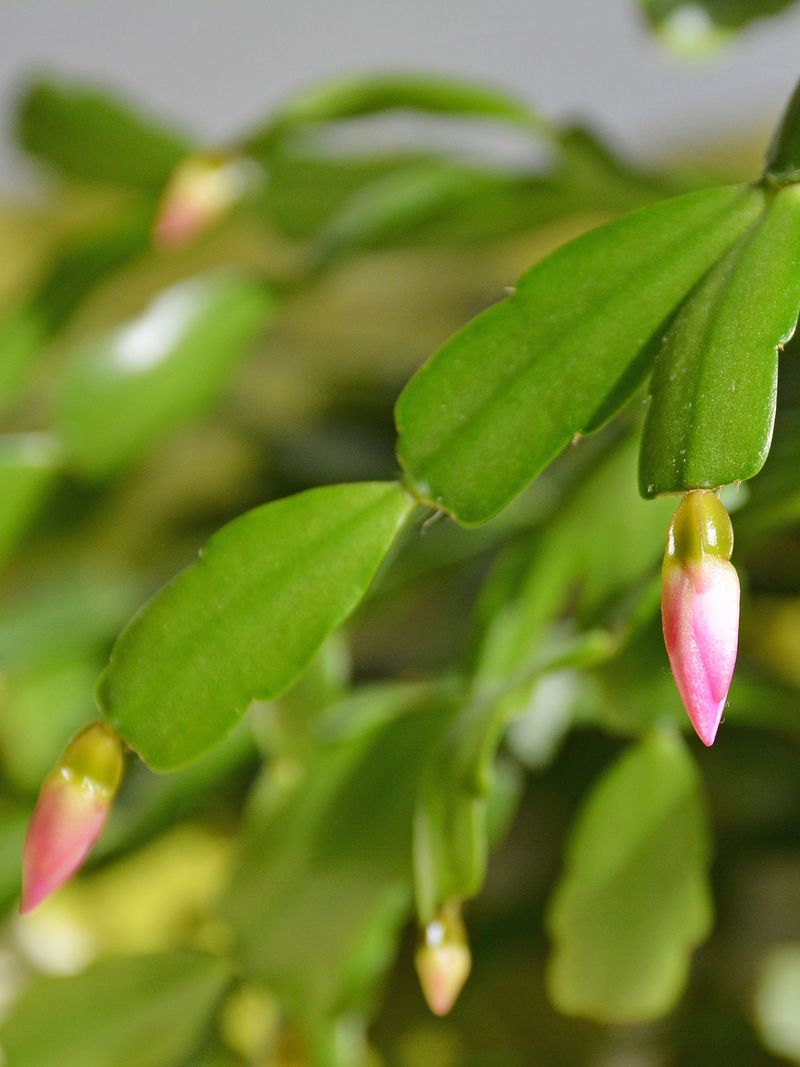
Once you start, keep an eye on the tips of the flat stem segments. Small bumps usually show up within several weeks, and they often look pink or reddish as they grow.
If all goes well, those buds should open between late November and December, just in time for holiday decorating.
Timing matters even more here in North Carolina. Our falls are often warm and sunny, and some years October feels more like summer than autumn.
A plant left to its own schedule may not get the cool signals it needs until much later, which delays blooming.
A good habit is to write a reminder on your calendar for late September. When that note pops up, check the weather, look at your plant, and get the process rolling. A little planning now pays off with a burst of color later.
2. Use Cool Fall Nights Outdoors To Your Advantage
Mother Nature can do a lot of the hard work for you. Cool nights, somewhere around 50 to 55°F, send a strong message to your Christmas cactus that it is time to make flowers.
Outdoor fall air usually reaches those temperatures well before the inside of your home does.
Many gardeners keep their plants outside through summer, and that is a great setup for this trick. Simply leave the pot outdoors as fall begins.
Choose a shady spot, like under a porch roof or beneath a leafy tree, since strong afternoon sun can scorch the stems and turn them reddish.
Your North Carolina Garden Changes Every Week. Your Plan Should Too.
Gardening in North Carolina changes quickly throughout the season. Every Friday you’ll receive a simple weekly plan showing exactly what to plant, prune, fertilize, harvest, and protect so you never miss the right timing.
Rain is the next thing to watch. A gentle shower is fine, but heavy downpours can leave the soil soaked for days.
A covered porch solves that problem nicely, and it also gives some shelter on chilly, windy evenings. Keep the plant outside until nights drop to about 50°F. After that, check the forecast often.
Bring your cactus indoors before nights fall below about 45°F or whenever frost is predicted, because cold damage can ruin both the stems and the developing buds.
North Carolina makes this method fun to plan, since the timing changes depending on where you live. Folks in the Mountains, around Boone or Asheville, may see cool nights by late September or early October.
In the Piedmont, around Charlotte or Raleigh, those nights often arrive in October. Gardeners near the coast, in places like Wilmington or the Outer Banks, may wait a bit longer for the right chill.
Wherever you are, a cheap outdoor thermometer near your plant takes the guesswork away. Your cactus will thank you with plenty of buds.
3. Give It Long, Dark Nights Indoors
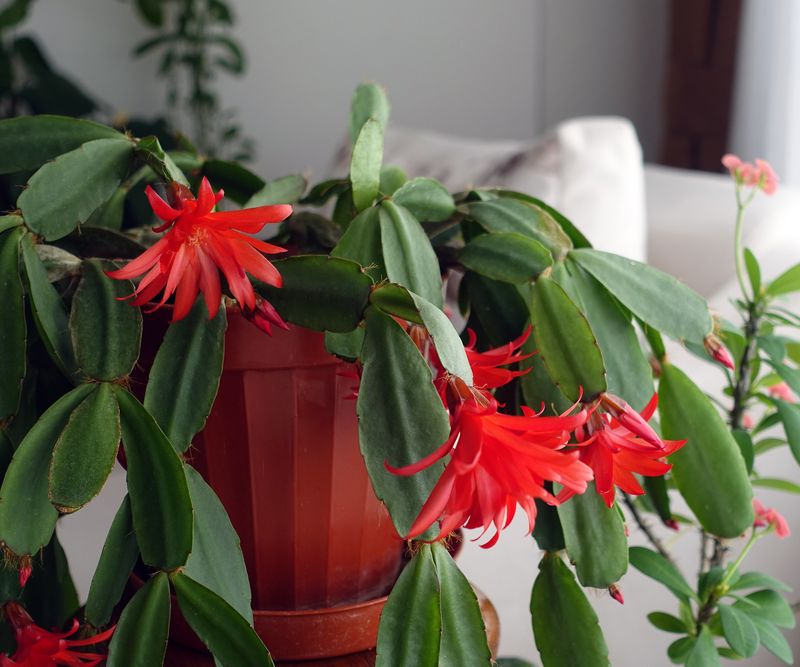
Darkness might sound boring, yet for a Christmas cactus it is pure magic. When the plant lives in a warm room, cool temperatures alone will not do the job.
Instead, it needs about 12 to 14 hours of complete, unbroken darkness every night for roughly six weeks. Here is the tricky part. Even a little light can break the spell.
A reading lamp, a glowing TV, or a streetlight shining through the window can be enough to interrupt bud formation.
Finding the right room is the easiest fix. A spare bedroom, a guest room, or a quiet corner that nobody uses at night works well. Closing the curtains helps block outside light too. No empty room? No problem.
Many gardeners simply set a cardboard box over the plant each evening, around 5 or 6 p.m., and lift it off the next morning. A dark closet can work as well, as long as you remember to bring the plant back out.
Daytime light still matters a lot. Each morning, return your cactus to a spot with bright, indirect light, like near an east-facing window. That daily light gives the plant energy to build healthy buds.
Why does this step matter so much in North Carolina? Our homes often stay warm through fall because of mild weather and heat pumps that keep rooms cozy. Without cool air to help, long nights become your main tool for getting buds started.
Setting a phone alarm can keep you on track for those six weeks. It feels like a small chore, but the reward is a plant loaded with blossoms.
4. Water A Little Less While Buds Set
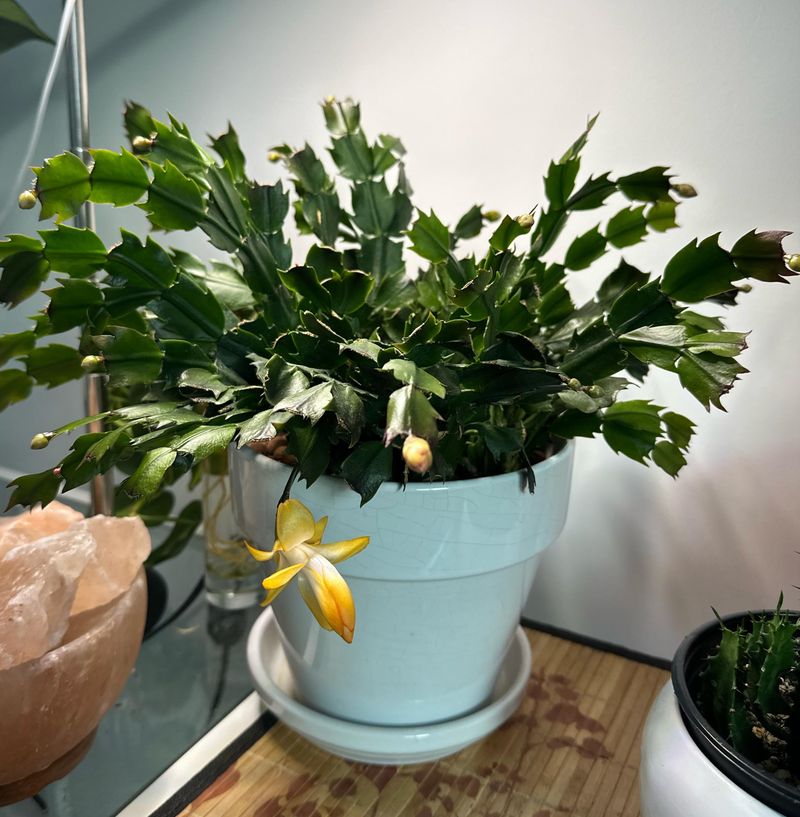
Your watering can deserves a short break this fall. During the bud-setting weeks, a Christmas cactus is not busy pushing out lots of new stems. Since it uses less water, a slightly drier routine helps it shift energy toward making flowers.
The finger test is your best friend here. Poke your finger into the soil, and if the top inch or two feels dry, go ahead and water. If it still feels damp, wait a few more days and check again.
When you do water, give the pot a good drink and let the extra drain out of the bottom. Always empty the saucer afterward.
Standing water around the roots can lead to rot, which is one of the most common problems with this plant.
Remember, drier does not mean bone dry. A Christmas cactus is a jungle cactus, not a desert one, and it naturally grows on trees in the cloud forests of Brazil. It likes a bit of moisture, just not soggy soil.
Fertilizer should take a rest too. Stop feeding your plant from late summer onward, since extra nutrients can encourage leafy growth instead of buds. You can start again in spring when new growth returns.
North Carolina weather adds a twist for plants kept outside. Our humid fall air slows down how fast soil dries, so a pot might stay wet much longer than you expect.
Check outdoor plants carefully before watering, and skip a turn if the soil still feels moist. A pot with good drainage holes and a light, airy potting mix makes this whole step much easier.
5. Know Whether You Have A Thanksgiving Or Christmas Cactus
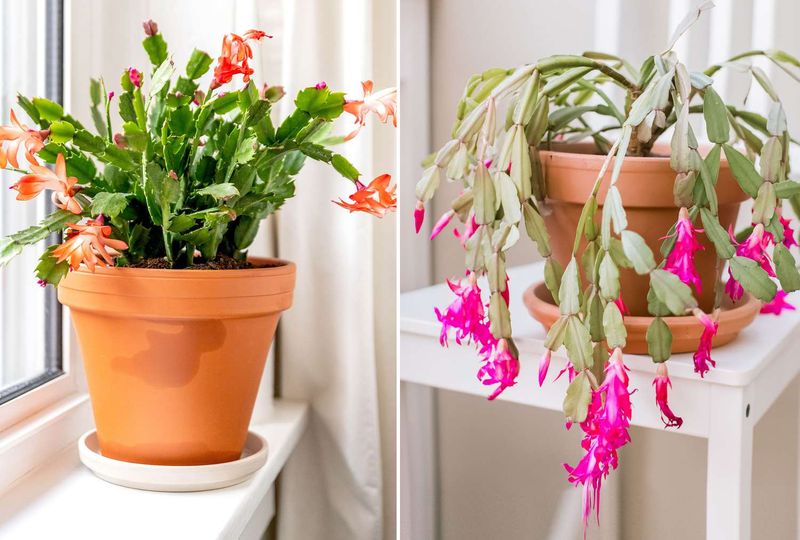
Plenty of people have been growing a Thanksgiving cactus for years without knowing it. Stores often label every holiday cactus as a Christmas cactus, but many of them are actually Schlumbergera truncata, the Thanksgiving type.
Mixing them up can throw off your whole holiday plan. Luckily, telling them apart is easy. Take a close look at the flat stem segments.
Thanksgiving cactus segments have sharp, pointed edges that look a bit like little claws or crab pincers. A true Christmas cactus looks softer. Its segments have rounded, scalloped edges with gentle bumps instead of points.
The flowers also hang down more on a Christmas cactus, while Thanksgiving blooms tend to stick out sideways.
Bloom timing is the big difference. A Thanksgiving cactus usually flowers in late November, while a true Christmas cactus often opens a few weeks later.
That gap can mean the difference between blooms at the holiday dinner or blooms after the decorations come down.
Once you know your plant, you can adjust your schedule. If you have a Thanksgiving cactus and want flowers closer to Christmas, start the cool nights or long darkness a few weeks later than usual.
With a true Christmas cactus, start a little earlier so it has enough time. For North Carolina gardeners, this small detail removes a lot of guessing. Our mild falls already make timing tricky, so knowing the type gives you one less mystery to solve.
Grow both kinds? Lucky you. With smart planning, you can enjoy flowers from Thanksgiving straight through New Year’s.
6. Keep Conditions Steady Once Buds Appear
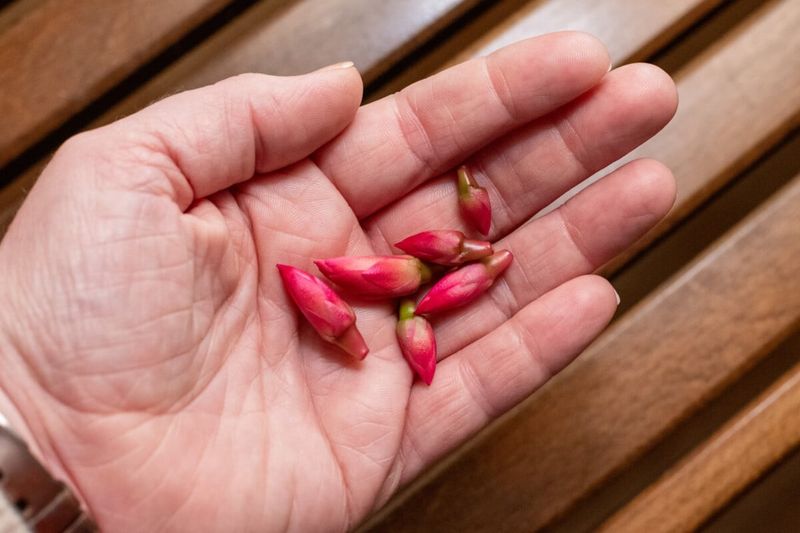
Few things feel worse than watching perfect buds fall onto the table. Sadly, it happens often, because Christmas cactus buds are quite sensitive.
Once they appear, your main job is to keep life calm and predictable for the plant. Moving the pot is a common mistake. It is tempting to carry your plant to the dining room or show it off to friends, but changes in light and temperature can cause buds to drop.
Pick one good spot and leave it there. Bright, indirect light works best during this stage. You can also stop the nightly darkness routine now and let the plant enjoy normal room lighting.
The buds are already set, so regular evenings will not undo your hard work. Watering needs a small adjustment as well. Keep the soil lightly and evenly moist, never soggy and never completely dry.
A pot that dries out all the way is one of the quickest ways to lose buds. Location matters just as much as water. Keep your cactus away from outside doors that let in cold drafts every time someone walks through.
Stay clear of heat vents, space heaters, and fireplaces too, since hot, dry air can shock the buds.
North Carolina homes get busy with heating as December rolls in. Heat pumps and furnaces kick on more often, sending bursts of warm air through rooms. Take a quick walk around your house and find a spot that stays steady all day.
A little patience now goes a long way. Calm conditions give every bud the best chance to open into a full, bright flower.
7. Use Warmth To Speed Up Or Slow Down Opening
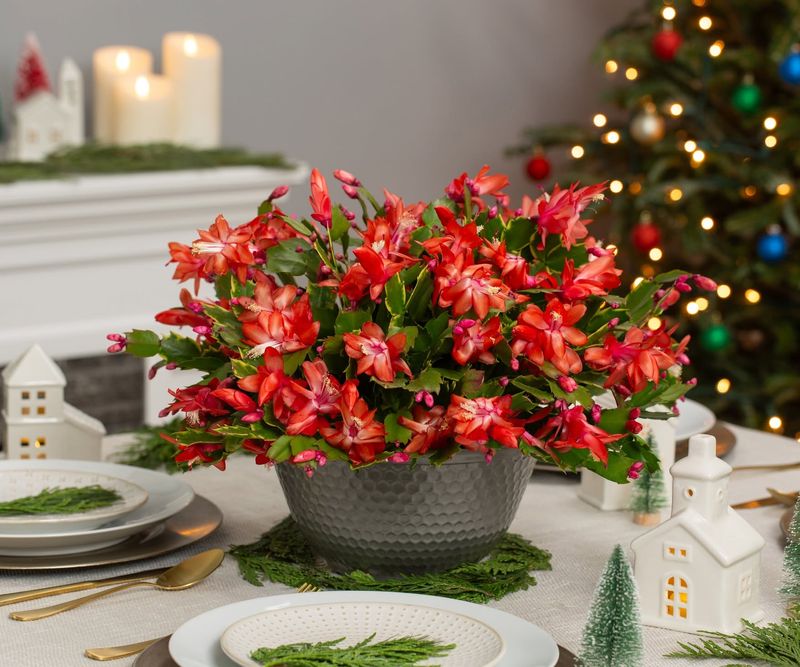
Think of temperature as a gentle dial for your blooms. Once buds have formed, warmth can nudge them to open sooner. Cooler air does the opposite, slowing things down and holding flowers back a little.
Suppose it is early December and your buds still look tiny. Moving the plant to a slightly warmer room with bright light can help them grow faster.
A cozy living room or kitchen often works well, as long as the plant stays away from direct heat like vents or radiators.
Now flip the situation around. Maybe your buds are racing ahead, and you worry the flowers will fade before your family arrives.
Placing the plant in a cooler spot, such as a chilly guest room, can slow things down by several days.
Go slowly with any change. Sudden jumps in temperature can stress the plant and cause buds to fall off, which undoes all your effort.
Try shifting to a nearby room rather than carrying the pot from a cold garage into a hot kitchen.
Each flower usually lasts several days, and a healthy plant opens its buds over a few weeks. That means good timing can give you color through the whole holiday season, not just on one special day.
Here in North Carolina, holiday gatherings often bring big family dinners, church parties, and visits from neighbors. A blooming cactus makes a cheerful centerpiece for all of them.
Using warmth wisely lets you set the stage for the moment that matters most to you. Watch your plant, adjust a little, and enjoy the show.