The One Thing North Carolina Fig Trees Need In June Or Rust Will Spread To Every Leaf By August
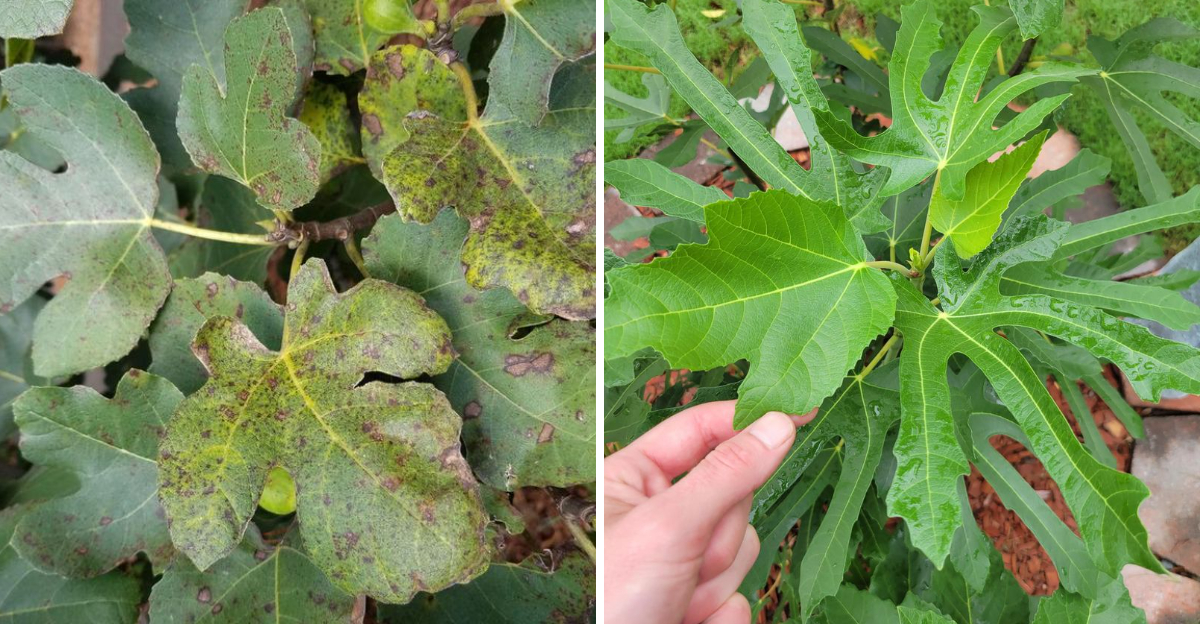
Fig trees are among the most rewarding things a North Carolina gardener can grow, producing generous harvests with far less fuss than most fruit trees demand through the season.
That easygoing reputation makes it tempting to ignore figs through early summer. However, a timely intervention is needed right then to stop fig rust from gaining a foothold and spreading aggressively through the canopy by late summer.
North Carolina’s humidity and warmth through June create near-ideal conditions for rust development, and the fungus moves faster in this climate than most gardeners expect once it gets established on the lower leaves.
Acting in June, before visible symptoms appear widely, is what keeps a manageable situation from becoming one that affects fruit quality and tree health through the rest of the season.
1. June Is The Time To Start The Dry Leaf Routine
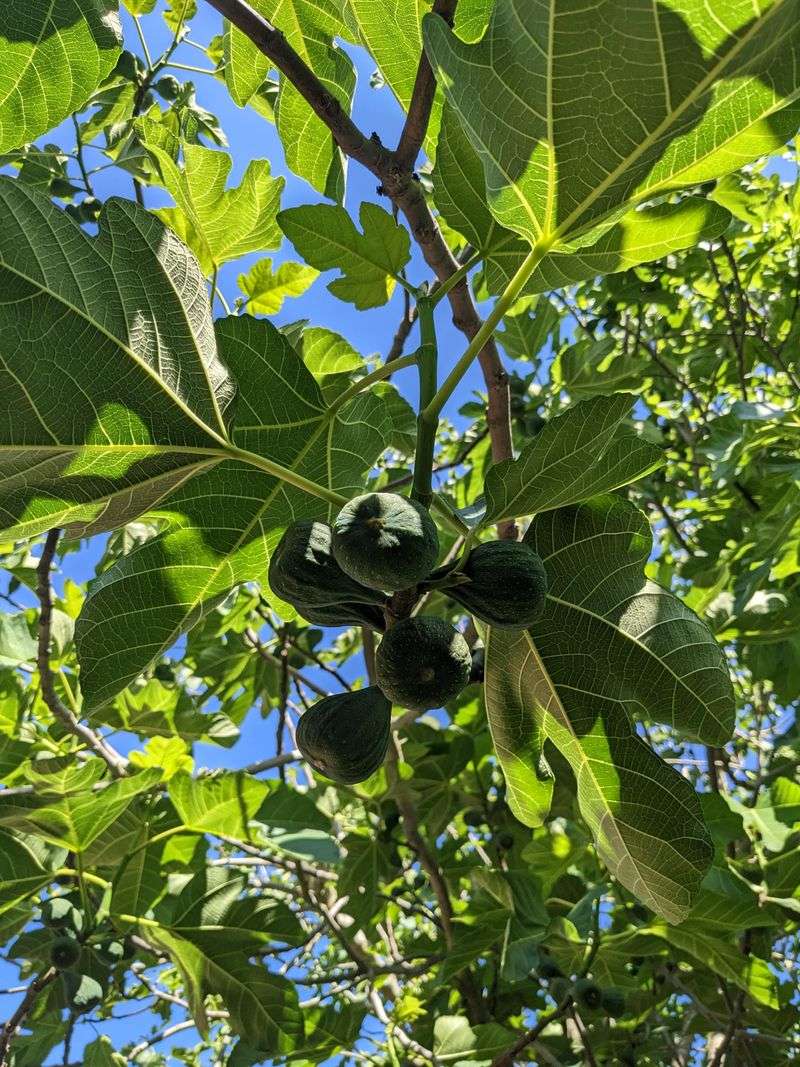
Most gardeners wait until they see a problem before they act, but with fig rust in North Carolina, waiting costs you the whole season. June is the sweet spot.
The weather is warming up fast, humidity is climbing, and fig rust spores are already moving through the air. Starting a dry-leaf routine right now gives your tree the best shot at staying healthy through the hottest months.
Fig rust is a fungal disease caused by Cerotelium fici, and it thrives when leaves stay wet. Warm temperatures combined with high humidity create the perfect setup for rust to spread from leaf to leaf across the entire canopy.
North Carolina summers check every one of those boxes, which is exactly why June action matters so much.
The dry-leaf routine is not complicated. It focuses on keeping foliage as dry as possible, improving airflow around the tree, and removing infected material before it has a chance to spread further.
You are not trying to eliminate every spore in the air. That is not realistic.
The goal is to reduce how long leaves stay wet and lower the amount of infected material sitting in and around the canopy.
Starting this routine in June rather than July or August gives the tree more time to benefit from better conditions. Rust that spreads slowly is much easier to manage than rust that has already taken over half the canopy.
A little consistency now makes a real difference by the time August arrives.
2. Water At Soil Level Only
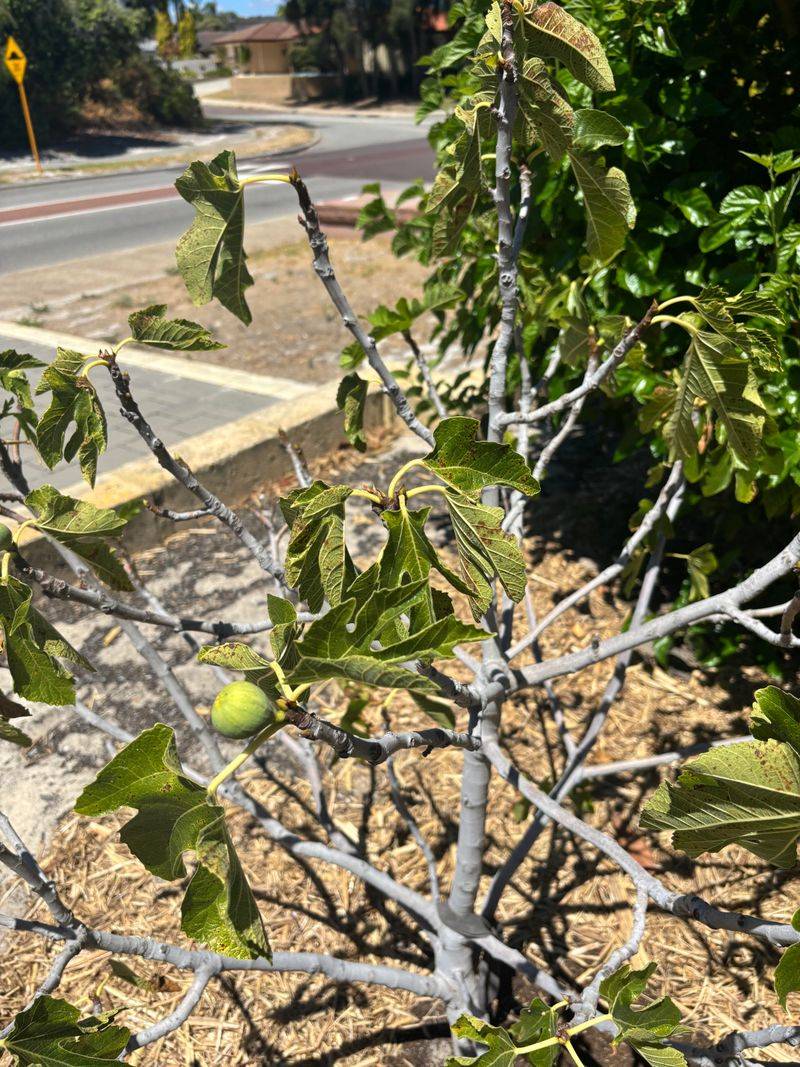
Picture this: you grab the hose after work, spray the whole fig tree to cool it down, and walk away feeling like a great gardener. Unfortunately, that overhead spray just gave fig rust exactly what it needs to thrive.
Wet leaves in humid North Carolina summers are an open invitation for fungal spores to settle in and spread.
The fix is simple but makes a huge difference. Water your fig tree at the root zone, not the canopy.
A drip irrigation line, a soaker hose, or even a regular garden hose placed slowly near the drip line all work well. The idea is to deliver water directly to the soil where the roots can absorb it, without splashing or soaking the leaves above.
Your North Carolina Garden Changes Every Week. Your Plan Should Too.
Gardening in North Carolina changes quickly throughout the season. Every Friday you’ll receive a simple weekly plan showing exactly what to plant, prune, fertilize, harvest, and protect so you never miss the right timing.
Fig trees have deep, spreading root systems that respond well to slow, deep watering at ground level. This approach actually encourages stronger root growth because the roots follow the moisture downward rather than staying near the surface.
Deep soil moisture also helps the tree handle summer heat stress better than frequent shallow watering does.
Wet foliage, on the other hand, gives rust spores a chance to germinate and penetrate leaf tissue. Even a short period of leaf wetness during warm weather can be enough for infection to begin.
Keeping the canopy dry while keeping the root zone well hydrated is one of the most practical and effective steps you can take in June to lower rust pressure all summer long.
3. Avoid Evening Sprinklers Around The Fig Tree
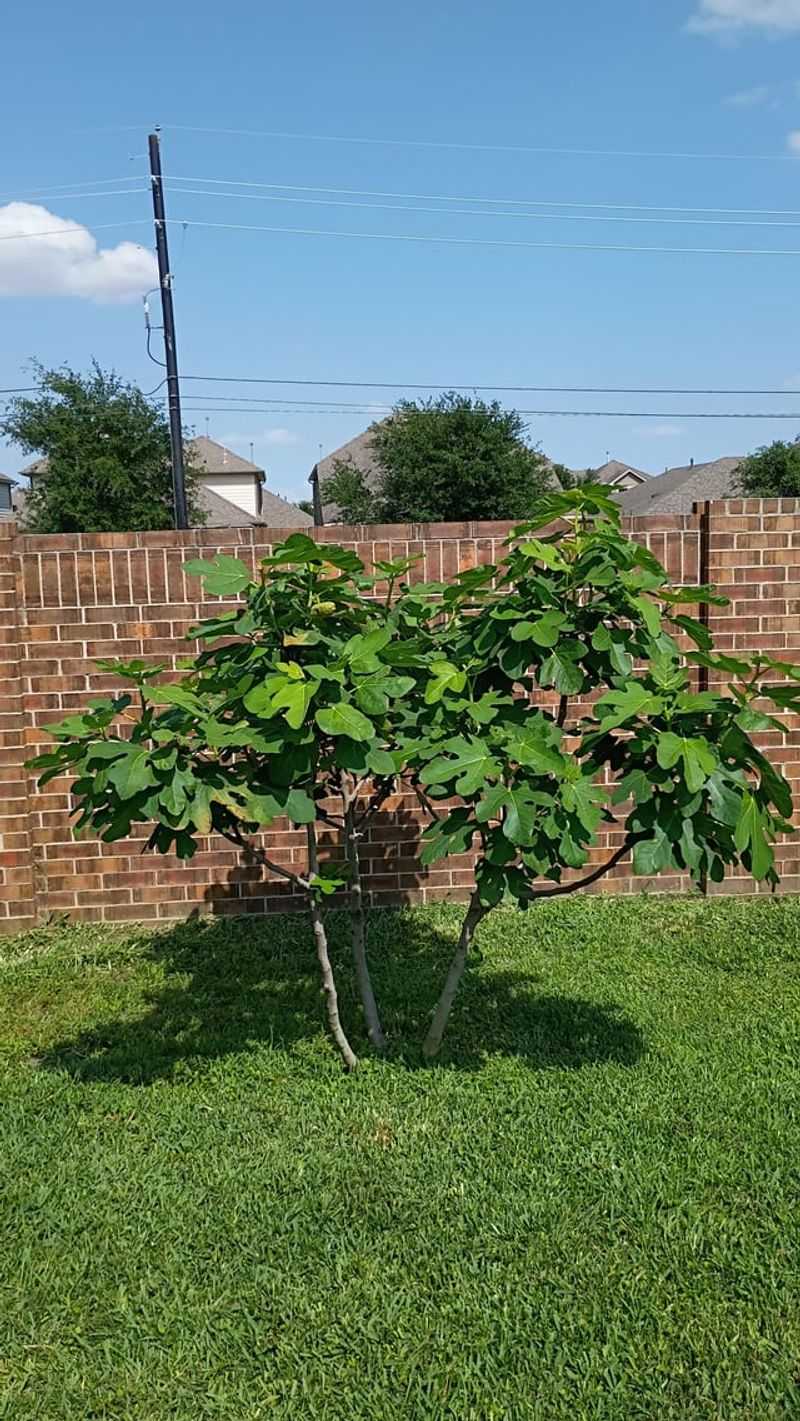
Timing matters more than most gardeners realize. Running sprinklers in the evening around your fig tree might seem harmless, but in North Carolina’s humid summers, those wet leaves can stay damp all the way through the night.
That extended leaf-wetness period is one of the biggest drivers of fig rust spreading fast across the canopy.
When temperatures drop overnight and humidity rises, leaves that got wet from evening sprinklers have almost no chance to dry before morning.
Rust spores germinate and infect leaf tissue during exactly these conditions: warmth, moisture, and time.
The longer leaves stay wet, the greater the chance that infection takes hold and spreads to neighboring leaves.
Morning watering is a much smarter approach. Watering at the soil level in the early morning means the sun and warmth of the day help evaporate any surface moisture quickly.
Even if a little water splashes onto lower leaves, daylight and airflow dry things out before conditions become favorable for rust to spread.
If you use an automatic sprinkler system, check where the heads are aimed and adjust any that spray directly onto fig foliage. Even nearby sprinklers watering lawn areas can drift onto fig leaves if the wind is blowing.
Redirecting or adjusting those heads takes only a few minutes but can meaningfully shorten the time your fig tree’s leaves stay wet each day.
Shorter leaf-wetness time is one of the most reliable ways to slow rust pressure from June all the way through August.
4. Open The Canopy For Better Air Movement
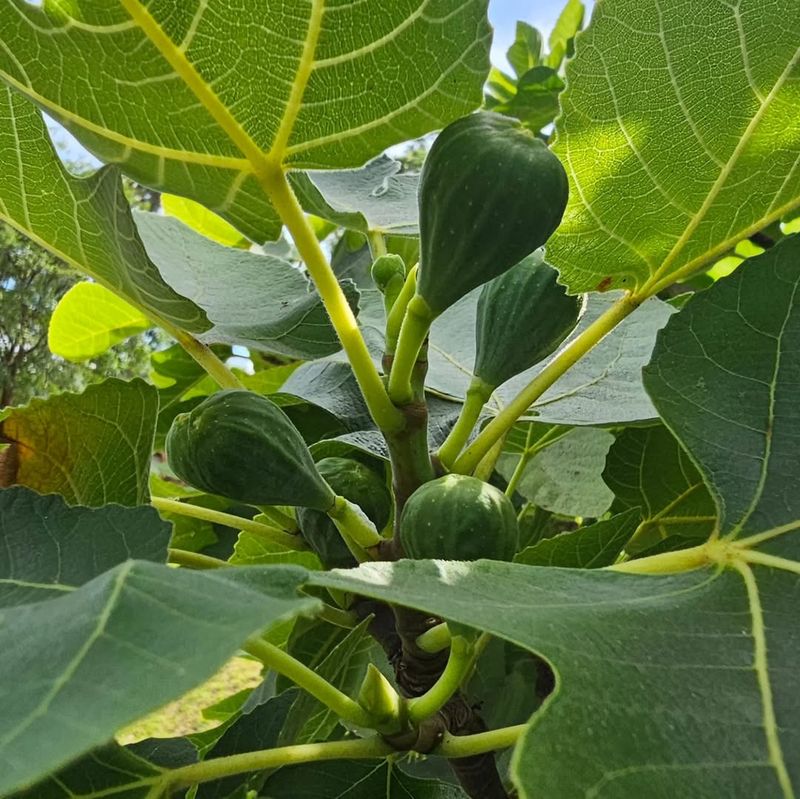
A thick, crowded fig canopy might look lush and full, but inside all those packed branches, humidity builds up fast. After a rain shower or a dewy night, those inner leaves can stay damp for hours because air simply cannot move through the tangle of growth.
That trapped moisture is exactly what fig rust loves most. Light selective pruning in June can open up the canopy enough to improve airflow without taking away too much of the tree’s productive foliage.
Focus on removing branches that cross over each other, shoots growing back toward the center of the tree, and any growth that is rubbing against other branches.
You are not reshaping the whole tree. You are just creating a few pathways for air to move through.
Better airflow helps leaves dry faster after rain, morning dew, or humid overnight periods. When leaves dry out more quickly, the window of opportunity for rust spores to germinate and infect tissue gets shorter.
That small change in drying time adds up over weeks and months of summer weather.
Use clean, sharp pruning shears and make cuts just above a healthy bud or branch junction. Avoid cutting large limbs unnecessarily since the goal is gentle thinning rather than heavy pruning.
Wipe your pruner blades with rubbing alcohol between cuts if you notice any rust-spotted tissue to avoid accidentally spreading spores from one part of the tree to another. A few careful cuts now can keep air moving through your fig all summer long.
5. Remove Rust-Spotted Leaves You Can Reach
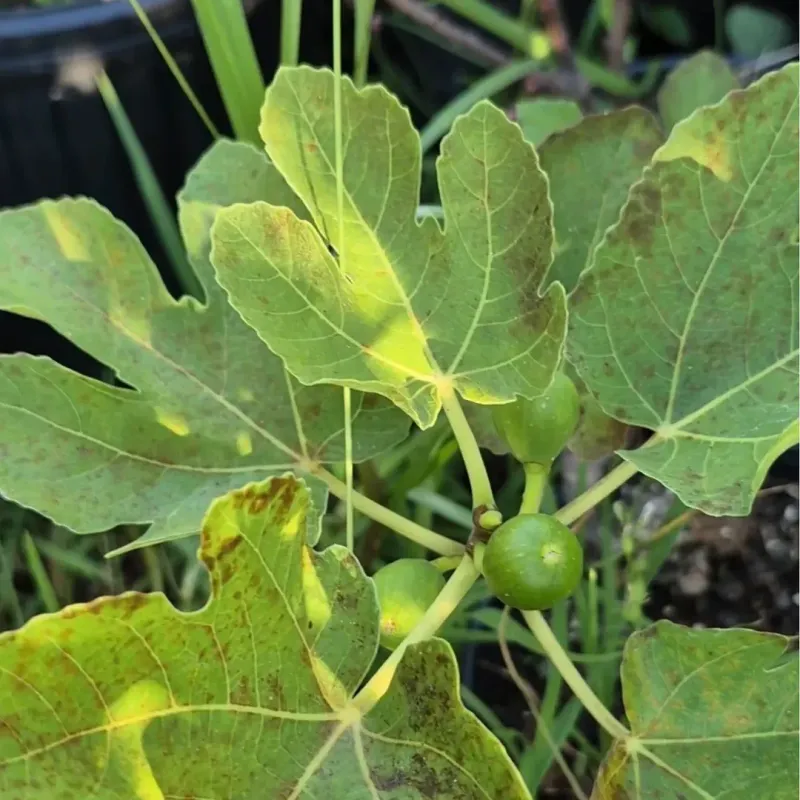
Spotting the first rust-colored dots on your fig leaves in June is actually good news in one way: you caught it early. Early detection gives you a chance to act before the infection spreads to every leaf in the canopy.
One of the most straightforward things you can do right away is remove the worst-affected leaves you can safely reach by hand.
You do not need to strip the tree bare. That would do more harm than good since fig trees need their leaves to photosynthesize and fuel summer fruit production.
Instead, focus on leaves that show heavy spotting, especially those near the center of the canopy where airflow is lowest and humidity tends to linger longest.
Once you pull a spotted leaf, do not toss it on the ground underneath the tree. Bag it immediately in a plastic bag and remove it from the garden area entirely.
Rust-infected leaf tissue still carries spores that can splash back onto the tree during rain or watering. Leaving infected leaves sitting under the canopy is like leaving the problem right where it started.
Check your hands and clothing after handling infected leaves since spores can transfer easily. Some gardeners prefer to wear disposable gloves for this task and toss them along with the bagged leaves.
Removing even a modest number of heavily infected leaves in June helps reduce the overall spore load in and around the tree, which gives healthy foliage a better chance of staying clean through the rest of summer.
6. Clear Fallen Leaves Under The Tree
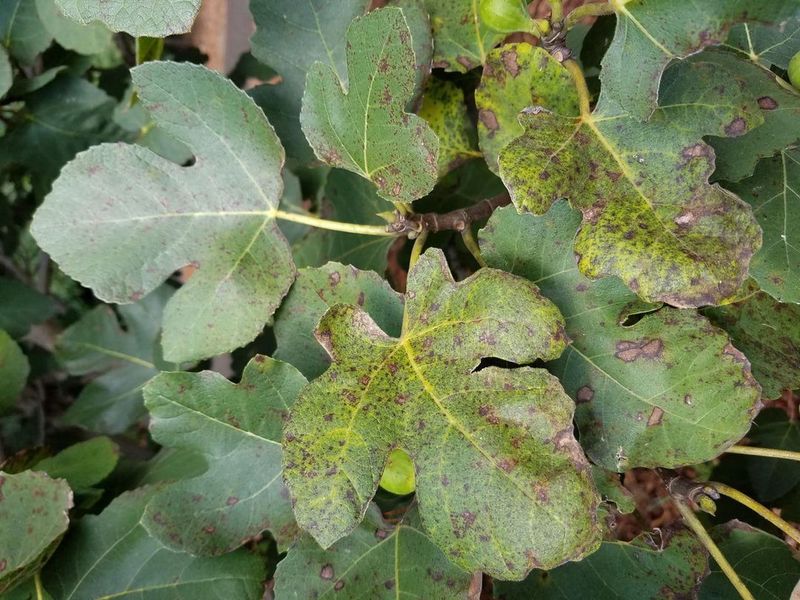
Here is something that surprises a lot of fig growers: the ground under the tree can be just as much of a rust problem as the canopy above it.
Fallen fig leaves, especially those that dropped because of rust infection, carry active spores that rain can splash right back up onto the lower branches.
Letting that leaf litter sit under the tree all summer keeps the cycle of infection going.
After storms, heavy leaf drop, or any time you notice visible rust spotting on fallen leaves, do a cleanup sweep under the canopy. You do not need to obsess over every tiny leaf fragment, but removing the bulk of fallen material regularly makes a real difference.
A simple rake and a yard waste bag are all you need for this task. North Carolina summers bring frequent afternoon thunderstorms, and every heavy rain event is an opportunity for soil-level spores to splash upward onto lower foliage.
A clean area under the fig tree reduces how much infected material is available to splash around.
Combined with the other steps in this routine, regular ground cleanup helps break the cycle of reinfection that allows rust to rebuild after each rain.
Avoid composting rust-infected fig leaves in a home compost pile since backyard compost often does not reach temperatures high enough to break down fungal spores completely.
Bag the leaves for yard waste pickup or dispose of them away from the garden area. Keeping the ground under your fig tree tidy from June onward is one of the simplest and most overlooked parts of a solid rust management routine.
7. Mulch The Root Zone Without Crowding The Trunk
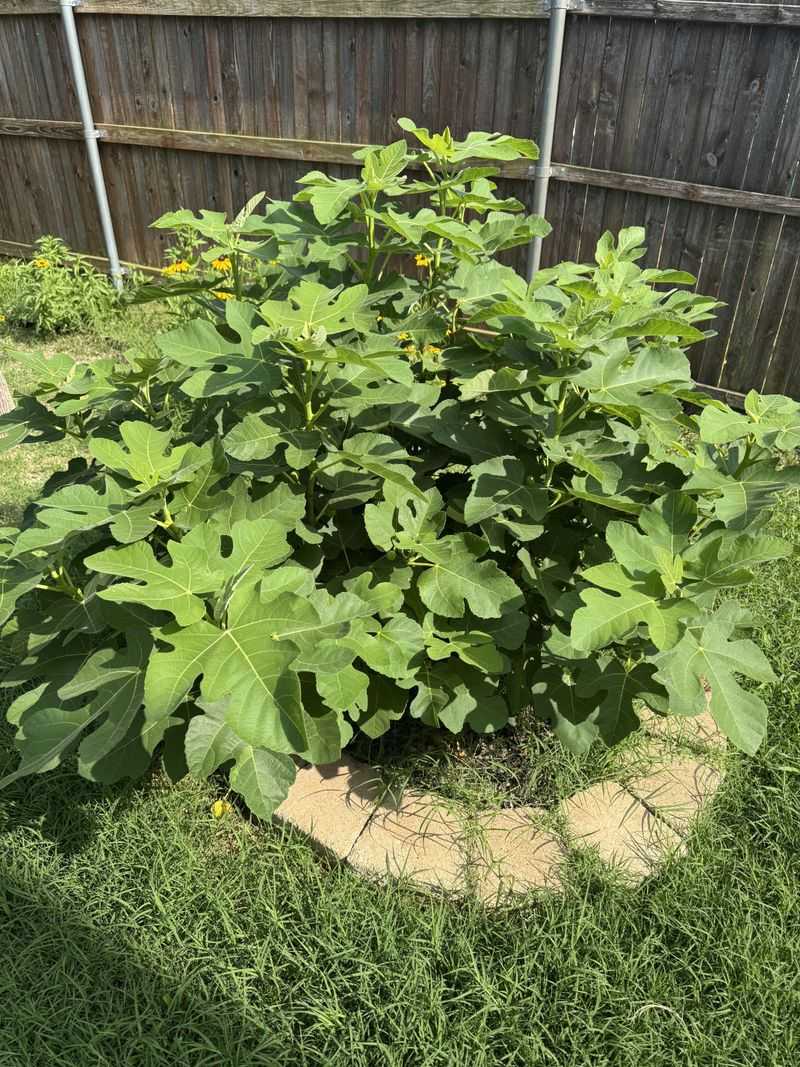
Mulch does not get nearly enough credit in the world of fig rust management.
Most gardeners think of mulch as a moisture-saving trick, and it absolutely is that, but it also plays a quiet role in reducing the soil splash that carries rust spores from the ground back up onto lower fig leaves during rain or irrigation.
A wide, even layer of wood chip mulch or shredded bark spread over the root zone creates a soft buffer between the soil and the air above it. When raindrops hit bare soil, they kick up tiny droplets that can carry spores several inches upward.
Mulch absorbs that impact and dramatically reduces how much splash happens beneath the canopy.
The key is placement. Keep mulch pulled back at least three to four inches from the trunk itself.
Mulch piled against the trunk traps moisture against the bark, which can encourage a whole different set of fungal problems right at the base of the tree. Spread it wide instead, reaching out toward the drip line where the feeder roots are most active.
A two to three inch layer is plenty for most North Carolina fig trees. Deeper mulch can sometimes hold too much moisture in very wet summers, so keeping it at a moderate depth strikes the right balance.
Beyond reducing splash, consistent soil moisture from mulching also helps the tree avoid the stress of repeated wet and dry cycles, which can weaken foliage and make trees more vulnerable to rust pressure over the long summer season.
8. Check Leaf Undersides Every Week
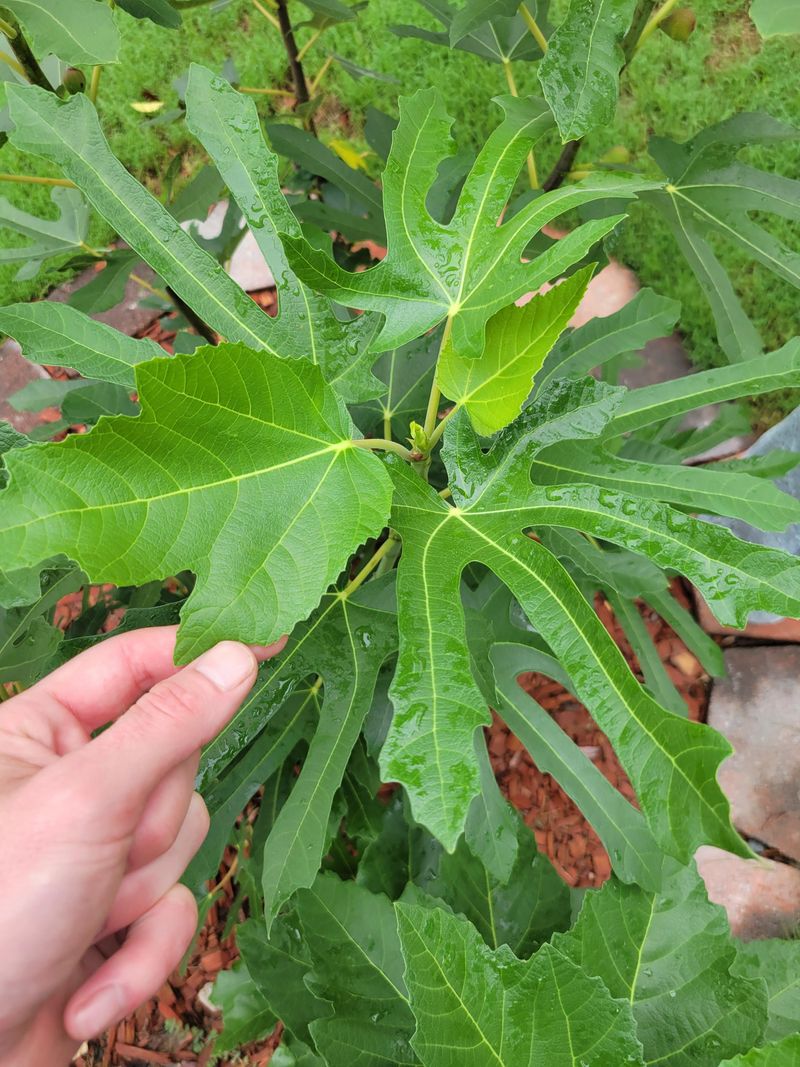
Weekly leaf checks might sound like extra work, but they take only a few minutes and give you the earliest possible warning that rust is starting to build. Fig rust almost always shows up on the underside of the leaf before it becomes obvious from above.
Tiny yellow, orange, or reddish-brown spots on the lower leaf surface are the first sign that spores have settled in and infection has begun.
Walk around your fig tree once a week starting in June and gently lift a selection of leaves from different parts of the canopy, checking both the top surface and the underside.
Pay extra attention to leaves in the lower and inner sections of the tree where humidity tends to be highest. Those spots tend to show rust first before it works its way outward.
When you find early spotting, you can act immediately: remove the worst leaves, check your watering habits, clear any ground litter, and make sure airflow through the canopy is still good. Early action keeps the situation from getting out of hand before August arrives.
Catching rust when it affects only a handful of leaves is a very different situation from catching it after it has spread across the whole tree.
The June goal is straightforward and completely achievable: dry leaves, open air, clean ground, steady soil moisture, and fast action the moment rust first appears.
Stick to this weekly check as a habit and you give your North Carolina fig tree its best possible chance of carrying healthy, full foliage all the way through the summer season.