How To Grow A Lush And Thriving Rosemary Plant In A Pot In Arizona Using This One Simple Trick
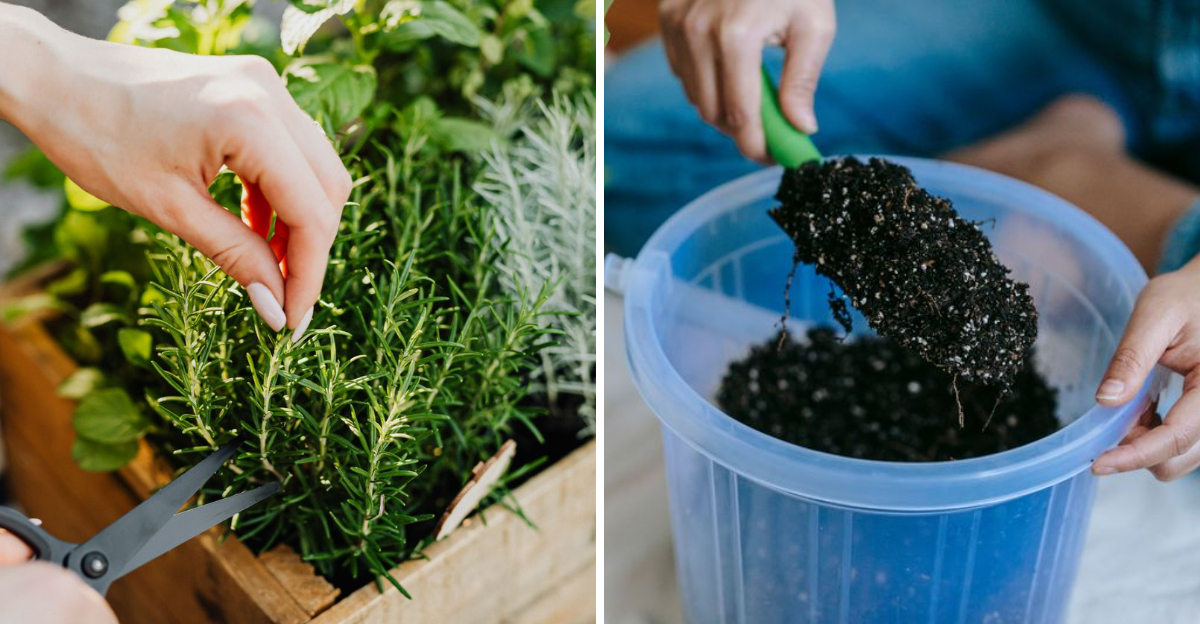
Rosemary and Arizona should be a match made in herb garden heaven. It loves heat, it handles dry conditions like a pro, and it smells absolutely incredible every time you brush past it.
So why do so many potted rosemary plants in Arizona end up looking sad, yellow, and completely uninspired? Nine times out of ten it comes down to one thing that most people don’t think about until it’s already a problem.
Drainage. Container rosemary is dealing with a genuinely tricky situation.
The intense sun and dry air can pull moisture out of potting mix surprisingly fast, but soggy or compacted soil is just as damaging as drought stress for a plant that absolutely needs its roots to breathe.
Get the drainage right from day one and your patio rosemary has a real shot at thriving all year long.
1. Use A Fast-Draining Mix From The Start
Hot Arizona patios can expose container soil to conditions that standard potting mixes were not really designed to handle well.
Most bagged potting soils are blended for moisture retention, which can work against rosemary in a climate where heat accelerates everything.
A fast-draining mix gives rosemary roots the breathing room they need to stay healthy through Arizona summers.
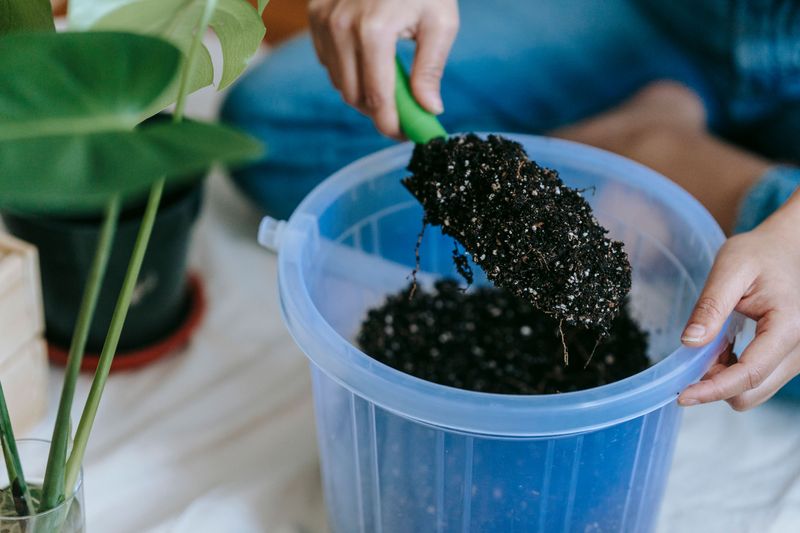
A good approach is to blend a quality potting mix with coarse perlite or pumice to improve drainage and airflow.
Many Arizona gardeners find that using a ratio of roughly half standard potting mix and half perlite or pumice creates a container environment that suits rosemary well.
The mix should feel light and gritty rather than dense or spongy when you press it between your fingers.
Coarse sand can also be added to improve texture, though perlite and pumice tend to perform more consistently in containers. Avoid fine sand, which can actually make drainage worse by filling air pockets in the mix.
Starting with the right blend from day one means you are building a foundation that supports healthy root development rather than correcting problems after they appear.
Getting the mix right before you plant is one of the most practical steps you can take for growing rosemary in an Arizona container.
2. Choose A Pot With Real Drainage Holes
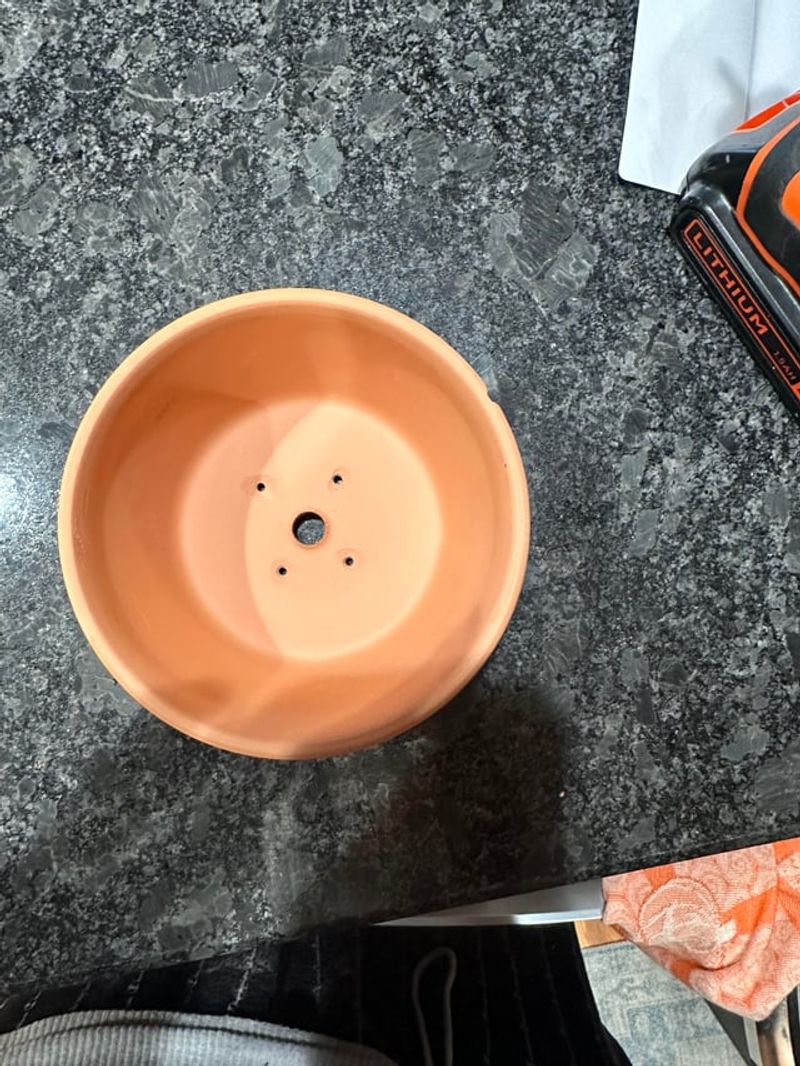
Walking through a garden center, it is easy to be drawn to decorative pots that look beautiful but lack proper drainage holes. For rosemary growing in an Arizona container, drainage holes are not optional.
They are the single most important physical feature a pot can have.
Without drainage holes, excess water has nowhere to go after you water the plant. It collects at the bottom of the pot and keeps the lower portion of the root zone wet, which rosemary does not tolerate well over time.
In Arizona’s heat, this can become a problem quickly because warm, wet soil creates conditions that stress roots even when the surface of the mix looks dry.
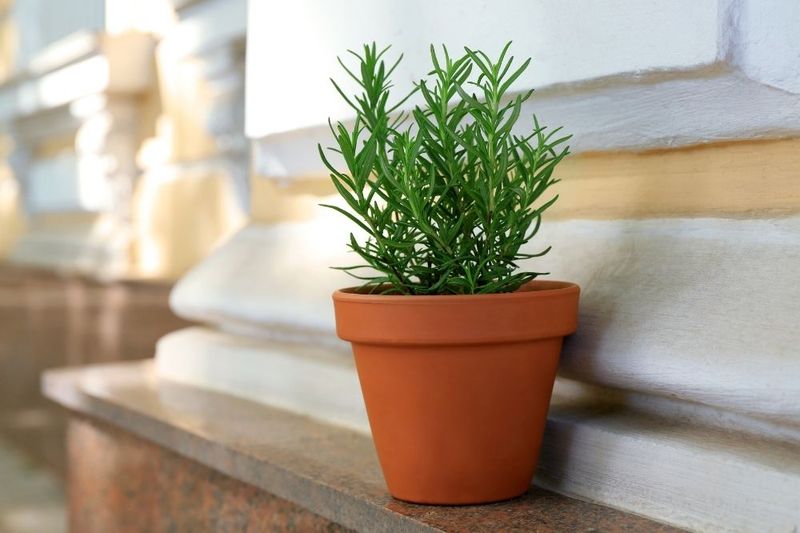
Terracotta pots are a popular choice among Arizona herb gardeners because they are breathable and allow some moisture to evaporate through the walls. Unglazed clay pots can also help the root zone stay slightly cooler on very hot days.
Your Arizona Garden Changes Every Week. Your Plan Should Too.
Gardening in Arizona changes quickly throughout the season. Every Friday you’ll receive a simple weekly plan showing exactly what to plant, prune, fertilize, harvest, and protect so you never miss the right timing.
Plastic and glazed ceramic pots can work too, as long as they have drainage holes and are not sitting in standing water.
When shopping for a pot, check the bottom before you buy. A single small hole may not be enough for a fast-draining setup.
Multiple holes or one generously sized opening will help water move through the container more reliably, which is exactly what rosemary needs in an Arizona growing environment.
3. Avoid Letting Rosemary Sit In Wet Soil
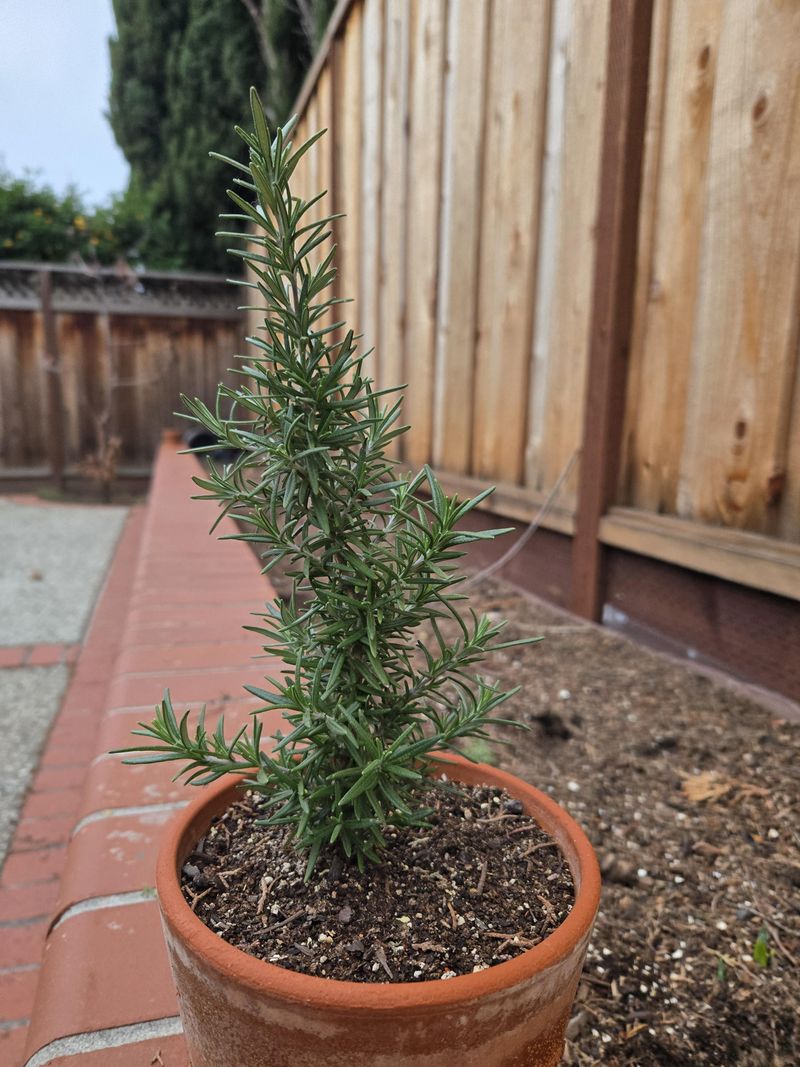
Mediterranean herbs like rosemary evolved in regions with well-drained, rocky soils and warm, dry summers.
That background matters when you are trying to grow rosemary in a pot in Arizona because it explains why the plant can be so sensitive to consistently wet conditions, even in a hot climate where you might not expect overwatering to be an issue.
Soggy soil limits the oxygen available to rosemary roots. Roots need both water and air to function well, and when the potting mix stays wet for extended periods, the balance tips in the wrong direction.
You might notice yellowing foliage, a musty smell from the soil, or stems that begin to look limp despite the soil feeling moist. These are signs that the root zone may be staying too wet.
Saucers placed under pots can trap water and keep the bottom of the container sitting in moisture. If you use a saucer, empty it after watering so water does not pool beneath the pot.
Grouping pots together on a raised surface or using pot feet can also help reduce the chance of roots sitting in stagnant water.
Keeping an eye on how quickly your container mix dries between waterings gives you useful information about whether your drainage setup is working well for your specific Arizona patio conditions and the size of your pot.
4. Water Deeply, Then Let The Mix Dry Down
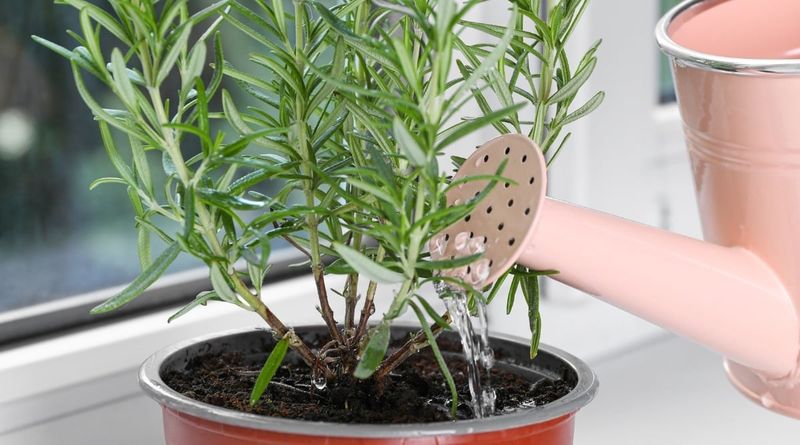
One of the most common misunderstandings about growing rosemary in Arizona containers is thinking that because the climate is dry, you should water lightly and often.
Frequent shallow watering can actually encourage roots to stay near the surface rather than growing deeper into the container where conditions are more stable.
Deep watering means applying enough water that it flows out of the drainage holes at the bottom of the pot. This approach ensures the entire root zone receives moisture and helps flush any buildup of minerals from the mix over time.
After watering deeply, the key is to let the potting mix dry down noticeably before watering again.
In Arizona summers, containers can dry out faster than you might expect, especially smaller pots sitting in full sun on a reflective patio surface.
Checking the soil by pressing a finger an inch or two into the mix gives you a more reliable read than guessing based on surface appearance alone.
If the mix still feels slightly cool or damp at that depth, hold off on watering.
Larger containers tend to hold moisture longer than small ones, which is worth considering when choosing pot size for your rosemary.
A bigger pot also gives roots more room to spread, which can support a fuller, more established plant over time in an Arizona container setting.
5. Raise The Pot So Water Can Escape
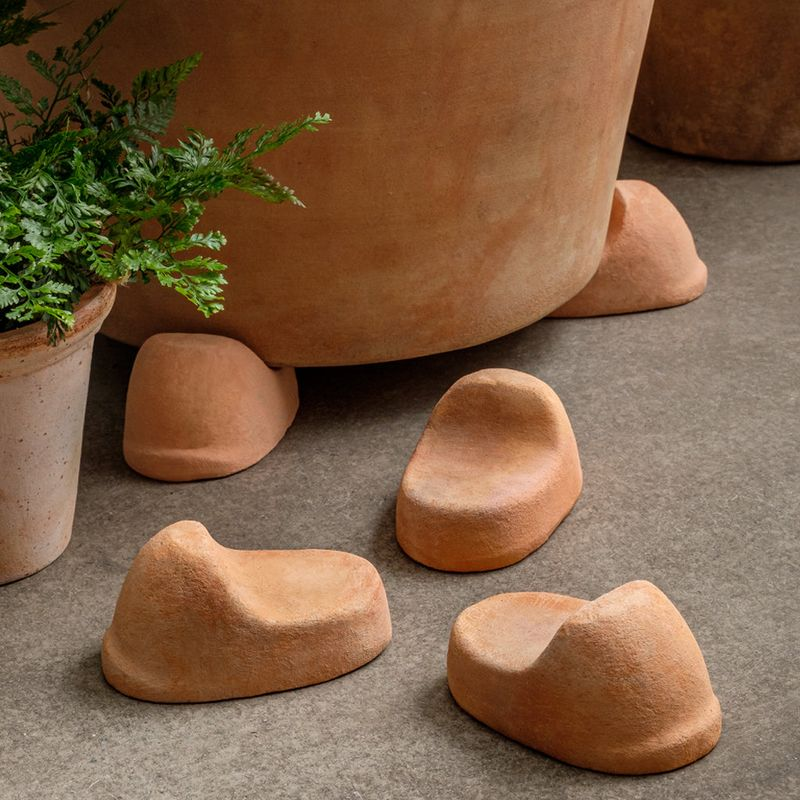
Flat patio surfaces can block drainage holes when a pot sits directly on the ground. Even a pot with several drainage holes may not drain as efficiently as it should if those holes are pressed against a solid surface like concrete, tile, or a wooden deck.
Raising the pot slightly solves this problem in a simple and inexpensive way.
Pot feet, small risers, or even a few flat stones placed under the container can lift the base just enough to let water flow freely from the drainage holes. This small adjustment makes a noticeable difference in how well the container drains after watering.
It also allows air to circulate beneath the pot, which can help the bottom of the root zone dry out more evenly between waterings.
Arizona patios made of concrete or tile can radiate significant heat during summer afternoons.
Raising a pot slightly off a hot surface may also reduce the amount of heat that transfers directly into the bottom of the container, though it is not a complete solution to heat management on its own.
Pot feet and risers are available at most garden centers and are an easy addition to any container setup.
If you already have rosemary planted and notice that drainage seems sluggish, simply lifting the pot onto risers is a quick adjustment that may improve how water moves through your Arizona container setup going forward.
6. Skip Heavy Garden Soil In Containers
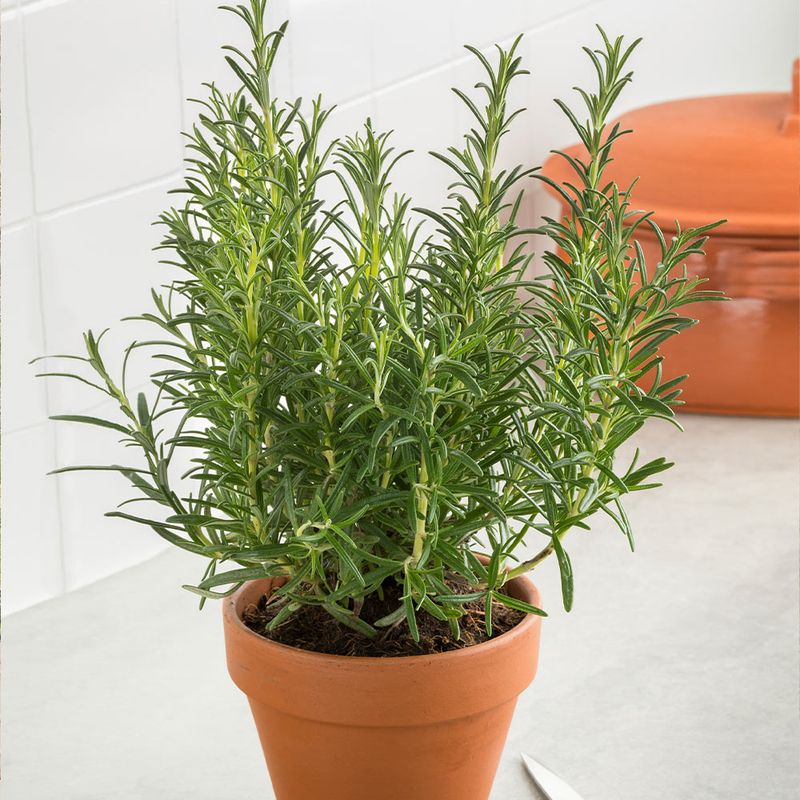
Scooping soil from a backyard garden bed and filling a container with it might seem like a practical shortcut, but it tends to create more problems than it solves, especially for rosemary.
Garden soil compacts heavily in containers, reducing the air pockets that roots rely on and making drainage much slower than what a Mediterranean herb needs.
In Arizona, where clay-heavy or caliche-influenced soils are common in many areas, using native ground soil in a pot can be particularly problematic.
These soils may drain reasonably well in the ground where there is more volume and depth, but in the confined space of a container, they can become dense and slow-draining within a single growing season.
A quality potting mix designed for containers is formulated to stay lighter and more porous than garden soil.
When combined with perlite or pumice as mentioned earlier, it creates a growing environment where water moves through at a rate that rosemary roots can handle.
The mix also stays loose enough to allow roots to spread without encountering hard or compacted layers.
Refreshing container mix periodically is also worth considering. Over time, organic matter in potting mix breaks down and the overall structure becomes more compact.
Repotting rosemary into fresh, well-amended mix every couple of years can help maintain the drainage and aeration that supports steady growth in an Arizona container garden.
7. Watch Summer Heat Without Overwatering
Summer in Arizona brings a level of heat that can make even experienced gardeners second-guess their watering routine. When temperatures climb and a potted rosemary starts to look a little stressed, the instinct is often to water more.
However, more water is not always the answer, and adding water to a mix that has not dried down enough can create a different kind of stress for the roots.
Rosemary is reasonably heat-tolerant, but containers absorb and radiate heat differently than garden beds. A dark-colored pot sitting in direct afternoon sun on a concrete patio can heat the root zone significantly.
Reflected heat from walls, fences, or light-colored surfaces can intensify conditions further in many Arizona residential settings.
Monitoring the soil moisture rather than watering on a fixed schedule tends to work better in Arizona summers because conditions can change quickly.
A stretch of overcast days followed by a heat wave means the same watering frequency that worked last week may not be right this week.
Staying observant and adjusting based on what the soil and plant are telling you is a more reliable approach.
Providing some afternoon shade during peak summer months can help reduce heat stress on the container without compromising the rosemary’s need for good light overall.
Placing the pot where it receives morning sun but is sheltered from intense late-afternoon rays is one practical way to make that work.
8. Let Drainage Do Most Of The Work
Good drainage is not just one piece of the puzzle when growing rosemary in a pot in Arizona. It is the foundation that makes most other aspects of care easier and more forgiving.
When the container setup drains well, you have more room to adjust your watering timing without the plant suffering from either extreme.
A well-draining setup means the roots get water when they need it and air when they need that too. Rosemary roots that are not sitting in wet, compacted mix tend to be healthier and more capable of supporting steady above-ground growth.
That translates to a fuller, more fragrant plant that holds up better through Arizona’s demanding summer conditions.
The simple trick at the heart of this article is not a single product or a special formula.
It is a practical approach: use a fast-draining mix, choose a pot with real drainage holes, raise the container so water escapes freely, and avoid adding heavy soil that will compact over time.
These steps work together as a system rather than as isolated fixes.
Once your drainage foundation is in place, the day-to-day care of an Arizona potted rosemary becomes more manageable.
You can water deeply without worrying as much, adjust for seasonal changes, and enjoy a plant that has the structural support it needs to grow lush and thriving in a container on your Arizona patio, balcony, or backyard herb garden.