How Seven Months Of Dry Weather Leaves Its Mark On New Jersey Lawns
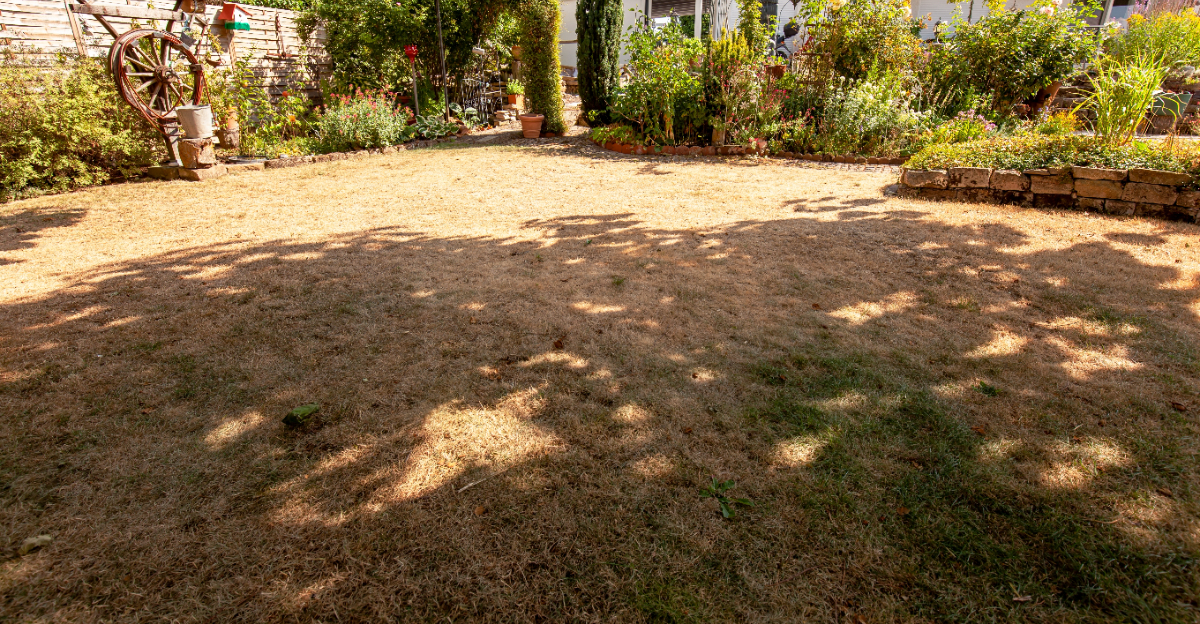
Seven months without enough rain quietly dismantles a lawn from the ground up. You step outside one morning and the grass that looked fine last week is now crunchy underfoot, patchy in spots, and pulling away from the soil like it has given up.
It does not happen overnight, and that is exactly what makes it so frustrating. By the time the damage is obvious, it has already been building for weeks beneath the surface.
Roots have shortened, soil has hardened, and the lawn’s ability to bounce back has taken a serious hit. A dry stretch of this length does not just pause your lawn’s growth, it changes its entire condition.
Knowing what actually happened underground, at the surface, and across your yard gives you a real starting point for bringing things back.
Dry Spells And Grass Roots Trigger A Slow But Visible Decline
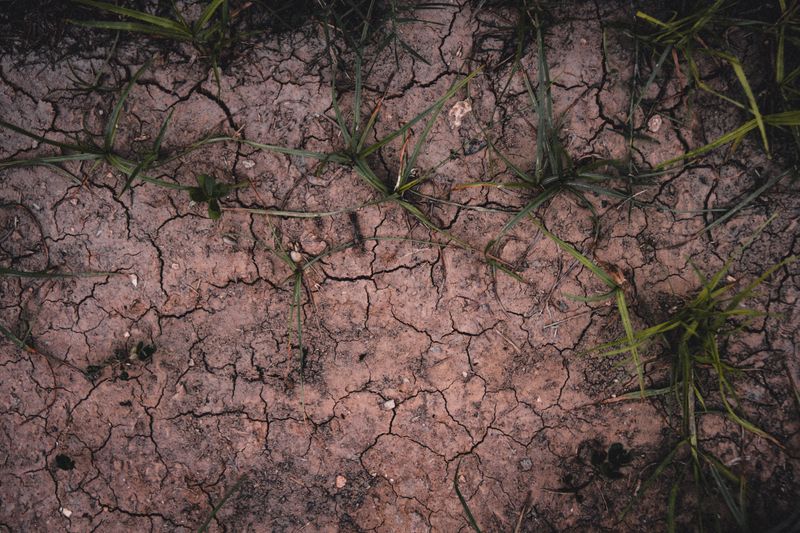
Brown patches do not show up overnight. Dry weather on New Jersey lawns works quietly, pulling moisture from the soil one hot day at a time.
Grass roots are the first to feel the pressure. When the top few inches of soil dry out, shallow roots lose their grip on water and nutrients fast.
Cool-season grasses like tall fescue and Kentucky bluegrass are common across the state. These types go dormant when stressed, turning tan and straw-like as a survival move.
Dormancy is not death, but it looks alarming from the curb. The lawn essentially hits pause, waiting for relief that may not come for weeks or months.
After seven months of low rainfall, root systems can shrink and weaken considerably. Shortened roots mean less reach, less resilience, and a much harder recovery ahead.
Soil compaction worsens during dry stretches because foot traffic on parched ground presses particles tighter together. Compacted soil blocks water from soaking in even when rain finally arrives.
Homeowners often notice the decline starting near sidewalks and driveways first. Those spots heat up faster and lose moisture more quickly than shaded lawn areas.
Catching the signs early makes a real difference in how well a lawn bounces back. Watch for color changes, thinning blades, and soil pulling away from edges as your first warning signals.
New Jersey Soil Under Seven Months Of Low Rainfall
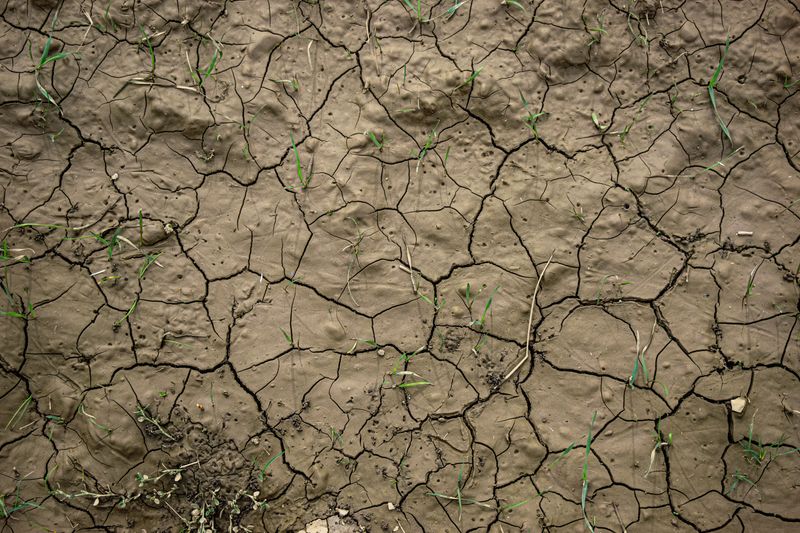
Soil is not just dirt. It is a living system full of air pockets, microbes, and moisture channels that all collapse under prolonged dry conditions.
New Jersey has diverse soil types ranging from sandy loam in the south to heavier clay soils in the north. Each reacts differently when rainfall disappears for months.
Sandy soils drain fast, which sounds helpful, but they also lose stored moisture quickly. A lawn sitting on sandy ground can show drought stress within days of the last rain.
Clay soils hold water longer but become rock-hard when fully dried out. That hard surface repels water rather than absorbing it, creating runoff instead of relief.
Soil microbes that break down organic matter and feed grass roots need moisture to survive. Seven months without adequate rain can meaningfully reduce microbial activity in the top layers of soil.
Your New Jersey Garden Changes Every Week. Your Plan Should Too.
Gardening in New Jersey changes quickly throughout the season. Every Friday you’ll receive a simple weekly plan showing exactly what to plant, prune, fertilize, harvest, and protect so you never miss the right timing.
When microbial life slows down, nutrients stop cycling properly through the ground. Grass may sit in soil that contains nutrients but struggle to access them when there is not enough water to carry them through the root system.
Earthworm populations also drop during extended dry stretches. Fewer worms mean less natural aeration, which compounds the compaction problem already created by heat and foot traffic.
Testing your soil after a long dry period gives you a clear picture of what is missing. A simple soil test from a local extension office can guide your recovery plan with real data, not guesswork.
Weeds And Pests That Thrive When Lawns Are Stressed
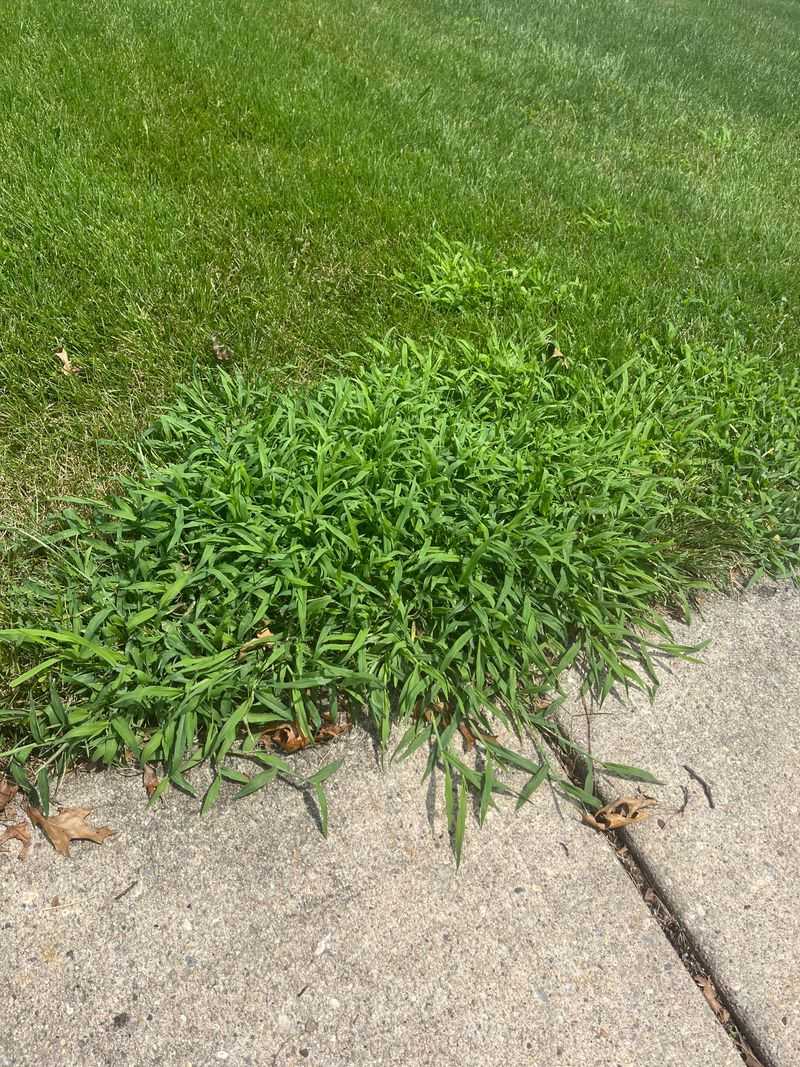
Stressed lawns are basically open invitations. Weeds and pests move in fast when grass thins out and bare soil patches appear across the yard.
Crabgrass is one of the biggest opportunists around. It loves hot, dry conditions and spreads aggressively into any bare spot a struggling lawn leaves behind.
Nutsedge is another weed that seems to multiply during dry periods. It thrives in compacted, warm soils and outcompetes weakened turf with surprising speed.
Chinch bugs are a serious pest concern during drought conditions in the region. They pierce grass blades and extract sap, while injecting a toxin that disrupts the plant’s ability to move water and nutrients.
Sod webworms also become active when lawns are weakened. Their larvae feed on grass blades and stems at the surface, often at night, leaving irregular brown patches that worsen an already struggling yard.
Identifying pest damage versus drought damage requires a closer look. Pull back a section of brown turf and check for insects, larvae, or chewed root systems at the base of the blades.
Weeds fill in bare spots quickly because they are built for survival. Most lawn weeds have deeper or more efficient root systems than turf grasses, giving them a clear advantage in dry soil.
Tackling weeds and pests separately from drought recovery is a mistake many homeowners make. Addressing all three problems together gives your lawn a much stronger shot at full recovery.
Watering Habits That Help And Those That Make Things Worse
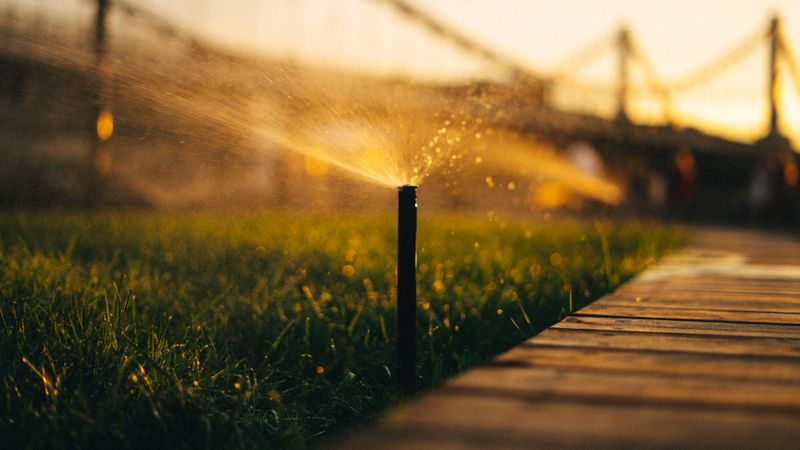
Grabbing the hose every afternoon feels productive, but it can actually hurt more than it helps. Shallow, frequent watering trains grass roots to stay near the surface instead of growing deep.
Deep, infrequent watering is the approach that builds drought-resistant lawns. Watering once or twice per week and letting it soak in fully encourages roots to push deeper into the soil.
The best time to water is early morning, before the sun gets intense. Watering in the evening leaves blades wet overnight, which invites fungal diseases that compound drought stress.
Midday watering is the worst option because heat causes rapid evaporation. Much of the water disappears before it can soak in deeply, and what little does reach the soil rarely goes far enough to matter.
During a genuine drought, even well-intentioned watering may not be enough to reverse months of damage. Supplemental watering can slow decline, but it rarely undoes seven months of stress in a few sessions.
Overwatering a dormant lawn during dry weather can also cause problems. Consistently wet soil on top while the deeper layers stay dry creates conditions for shallow root growth and fungal issues.
Irrigation systems need regular checks during dry stretches to ensure proper coverage. Clogged heads or misaligned sprinklers leave dry zones that quietly worsen while other areas get too much water.
A smart watering schedule, adjusted to your specific soil type, can genuinely shorten your recovery time. Small changes in timing and frequency add up to a big difference by season’s end.
Lawn Recovery After A Long Dry Stretch
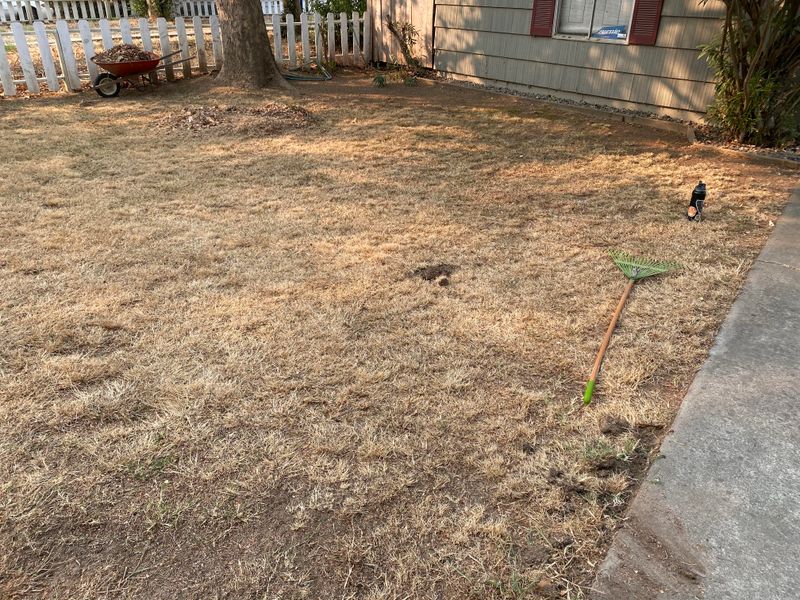
Recovery takes patience, and that is the hardest part for most homeowners. After months of dry weather on New Jersey lawns, there is no quick fix that works overnight.
Fall is the best season to begin serious lawn repair in this region. Cooler temperatures, natural rainfall, and shorter days create ideal conditions for cool-season grass to germinate and establish.
Overseeding is one of the most effective recovery tools available to homeowners. Spreading fresh seed over thin or bare areas gives the lawn a chance to rebuild its density before winter arrives.
Core aeration should happen before overseeding to loosen compacted soil. Hollow tines pull small plugs from the ground, opening channels for air, water, and seed to reach deeper into the earth.
Starter fertilizer applied after aeration and seeding gives new grass the nutrients it needs. Look for a formula higher in phosphorus, which supports strong root development in young seedlings.
Keeping newly seeded areas consistently moist during the first two to three weeks gives seeds the best chance to germinate and establish.
Avoid heavy foot traffic on recovering sections for at least four to six weeks. Young grass plants are fragile and need time to anchor before they can handle pressure.
Recovery is genuinely possible, even after a long dry stretch, if you follow the right steps at the right time. Your lawn has more resilience than it looks like right now.
Realistic Expectations For New Jersey Homeowners Going Forward
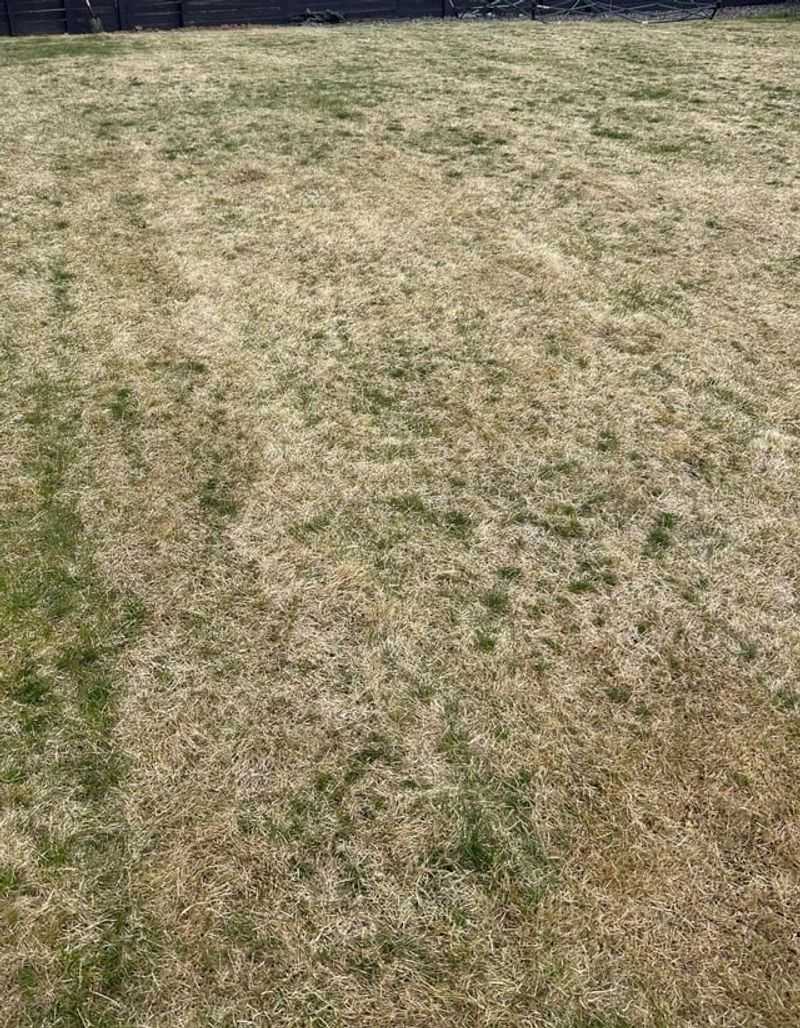
Honesty matters more than optimism when it comes to lawn recovery timelines. Some sections of a lawn that endured seven months of dry weather may not fully bounce back in one season.
Areas with severe compaction, pest damage, or complete turf loss need more than just overseeding. Those spots may require dethatching, soil amendments, or even sod installation for faster results.
Setting a realistic recovery timeline of one to two full growing seasons is a smart approach. Rushing the process with heavy fertilizer or aggressive watering often creates new problems instead of solving old ones.
Drought-tolerant grass varieties are worth considering for future plantings in problem areas. Tall fescue blends with improved drought resistance are widely available and well-suited to the regional climate.
Mulching around trees and garden beds helps conserve soil moisture across the entire yard. Reducing competition for water between grass and ornamental plants gives turf a better chance during future dry spells.
Monitoring local weather patterns and adjusting lawn care practices seasonally builds long-term resilience. Homeowners who pay attention to rainfall data make smarter irrigation decisions that protect their turf year-round.
Connecting with a local cooperative extension office or certified lawn care professional adds real value. They understand the specific soil types, grass varieties, and climate patterns unique to this region.
Dry weather will come again, and knowing how it affects New Jersey lawns puts you ahead of the problem. A prepared homeowner is always a step closer to a lawn that survives the next long stretch.