Best Plants For Spring Containers In Western North Carolina
Spring container season has a certain kind of excitement to it. Garden centers are full, porches start looking bare by comparison, and suddenly every empty pot feels like an opportunity.
In Western North Carolina, that first burst of planting energy usually comes with a little caution too, because spring weather here can change its mind in a hurry.
That is what makes container choices so important. The right plants can handle cool nights, warm afternoons, and the stop-and-start rhythm of the season without sulking.
The wrong ones can struggle fast, especially in pots that dry out quickly or sit in exposed spots.
Containers are also where a lot of gardeners get creative. You can grow flowers, herbs, leafy greens, or a mix that does a bit of everything.
Some plants shine for color, some for flavor, and some for the simple pleasure of watching a porch or patio come alive again.
1. Basil For Fresh Kitchen Flavor
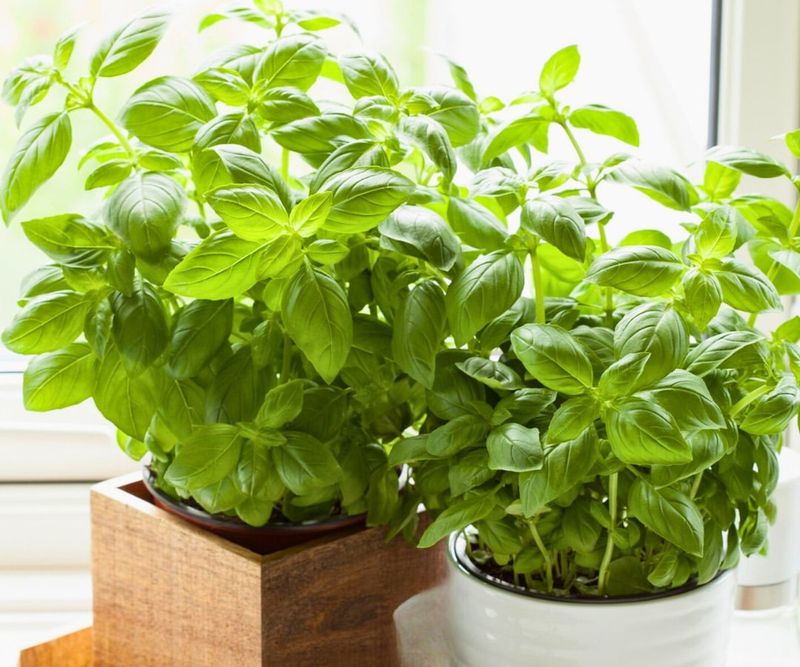
Few herbs smell as amazing as fresh basil, and growing it in a container in late spring in Western North Carolina is one of the smartest moves a home gardener can make. Basil loves warmth and sunshine, so placing your pot in a spot that gets at least six hours of direct sun each day will keep it thriving.
A south-facing porch or deck in the mountains is a wonderful location for this fragrant herb.
When choosing a container, go for something at least eight to ten inches deep so the roots have plenty of room to spread out. Use a good-quality potting mix that drains well, since basil does not like soggy soil at all.
Water your plant when the top inch of soil feels dry to the touch, and try not to get the leaves too wet when you water.
One fun thing about growing basil is that the more you trim it, the bushier and more productive it becomes. Pinch off the flower buds as soon as they appear to keep the plant focused on producing those delicious leaves.
Basil pairs beautifully with tomatoes in cooking, and it happens to grow well alongside tomatoes in containers too. Western North Carolina gardeners love growing basil because it is easy, rewarding, and incredibly useful in the kitchen all spring and summer long.
2. Lettuce For Quick Cool-Season Harvests
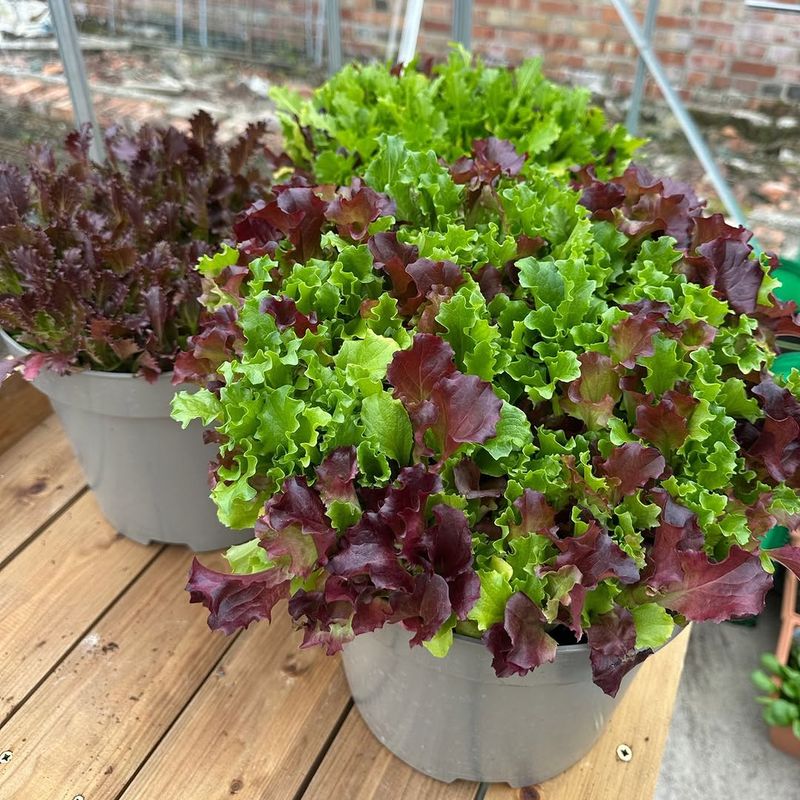
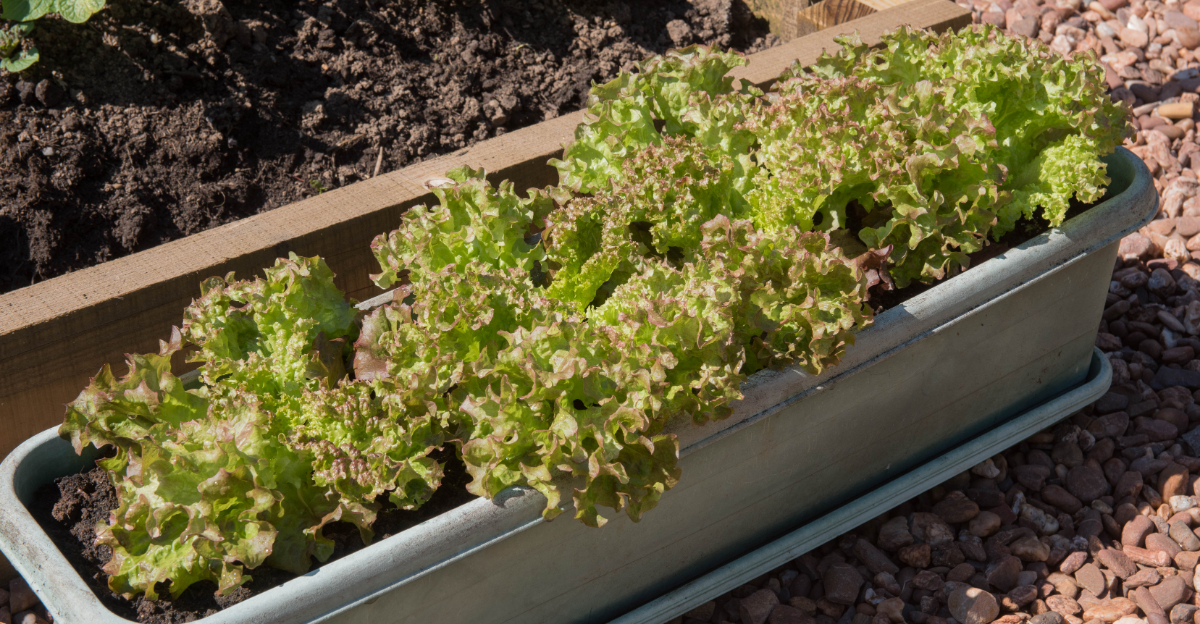
Unlike plants that need heat to grow well, lettuce actually prefers the mild, slightly chilly mornings that are so common in the Appalachian region during March and April. You can have a steady supply of fresh salad greens growing right on your porch or balcony with very little effort.
Choose a wide, shallow container for lettuce since the roots do not go very deep. A pot that is at least six inches deep and twelve inches wide gives you plenty of room to grow a nice mix of varieties.
Try planting loose-leaf types like Red Sails or Black-Seeded Simpson, which are fast-growing and perfect for cutting and coming back again and again throughout the season.
Your North Carolina Garden Changes Every Week. Your Plan Should Too.
Gardening in North Carolina changes quickly throughout the season. Every Friday you’ll receive a simple weekly plan showing exactly what to plant, prune, fertilize, harvest, and protect so you never miss the right timing.
Keep the soil evenly moist and place your container where it gets morning sun and some afternoon shade. In Western North Carolina, the afternoon sun can get surprisingly warm even in spring, and a little shade will keep your lettuce from bolting too soon.
Start harvesting outer leaves once the plant reaches about four inches tall, and your container will keep producing fresh greens for weeks. Lettuce is one of those plants that gives you a big reward for very little work, making it a top pick for spring container gardens in the region.
3. Radishes For Fast Container Wins
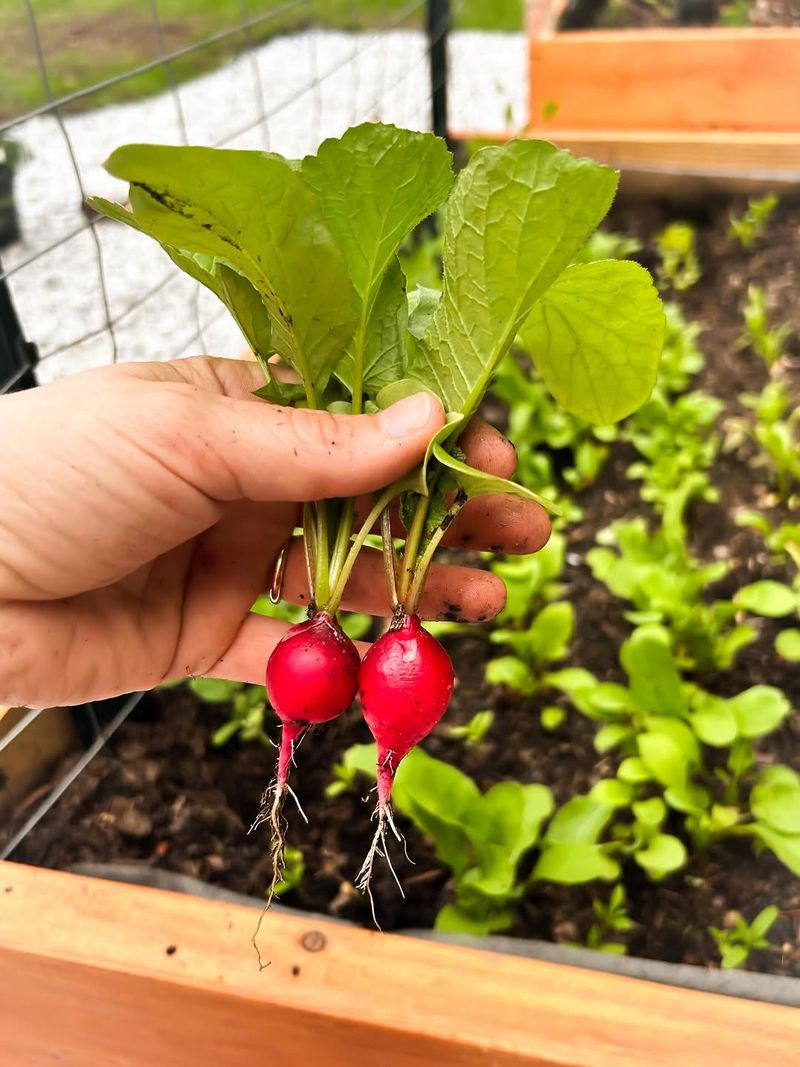
If you want almost instant gratification from your container garden, radishes are the answer. Some varieties go from seed to harvest in as little as three weeks, which makes them one of the most exciting vegetables to grow in spring in Western North Carolina.
Watching those little red globes push up through the soil is genuinely satisfying, especially for kids who are just getting started with gardening.
Radishes prefer cool weather, which means Western North Carolina’s spring climate is basically ideal for them. Plant seeds directly into a container that is at least six inches deep, spacing them about two inches apart.
They do not need a lot of room, so even a small pot on a windowsill or apartment balcony can produce a decent harvest. Use a light, well-draining potting mix and water consistently to keep the soil from drying out between waterings.
One important tip is to make sure your container gets full sun for most of the day. Radishes grown in too much shade tend to put all their energy into leaves rather than forming nice, round roots.
Succession planting is a smart strategy with radishes, meaning you plant a small batch every two weeks so you always have fresh ones ready to harvest. Cherry Belle and Easter Egg varieties are popular choices among Western North Carolina container gardeners for their reliable performance and colorful results throughout the spring season.
4. Carrots For Crisp Homegrown Pulls
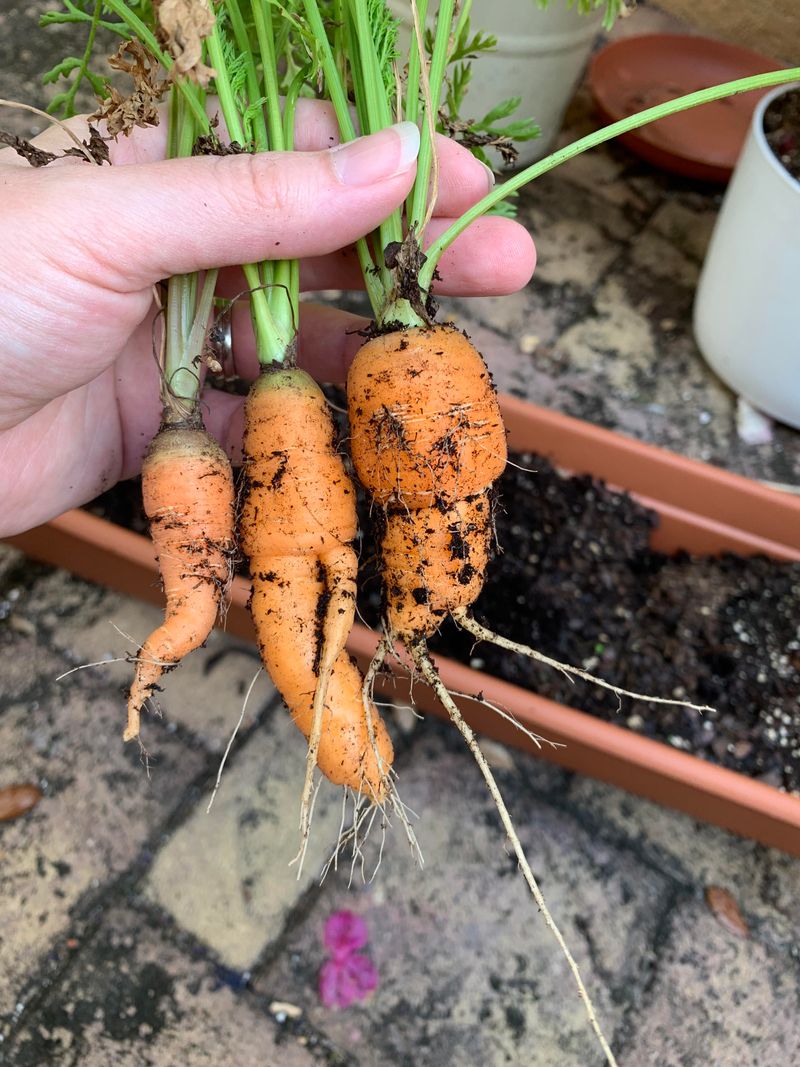
They might seem like a crop that needs a big garden bed, but carrots grow beautifully in containers with the right variety and the right pot. Shorter, rounder types like Chantenay or Danvers are especially well-suited to container life because they do not need as much depth as the long, slender grocery store varieties.
Spring is the perfect time to get them started in Western North Carolina before the mountain summer heats things up too much.
The most important thing to get right with container-grown carrots is the depth of your pot. Go for a container that is at least twelve inches deep, and fill it with a loose, light potting mix that does not have large chunks of bark or debris in it.
Carrots need to push straight down through the soil, and anything that blocks their path can cause them to fork or twist into funny shapes. While twisted carrots still taste great, uniform ones are easier to harvest.
Water your carrot container regularly and make sure it drains well, since waterlogged roots can develop rot. Place the pot in a spot that gets at least six hours of sunlight daily.
Thin seedlings to about two inches apart once they sprout so each carrot has enough room to develop properly. Western North Carolina gardeners who try container carrots for the first time are often amazed at how sweet and flavorful homegrown carrots taste compared to store-bought ones.
5. Kale For Steady Leafy Pickings
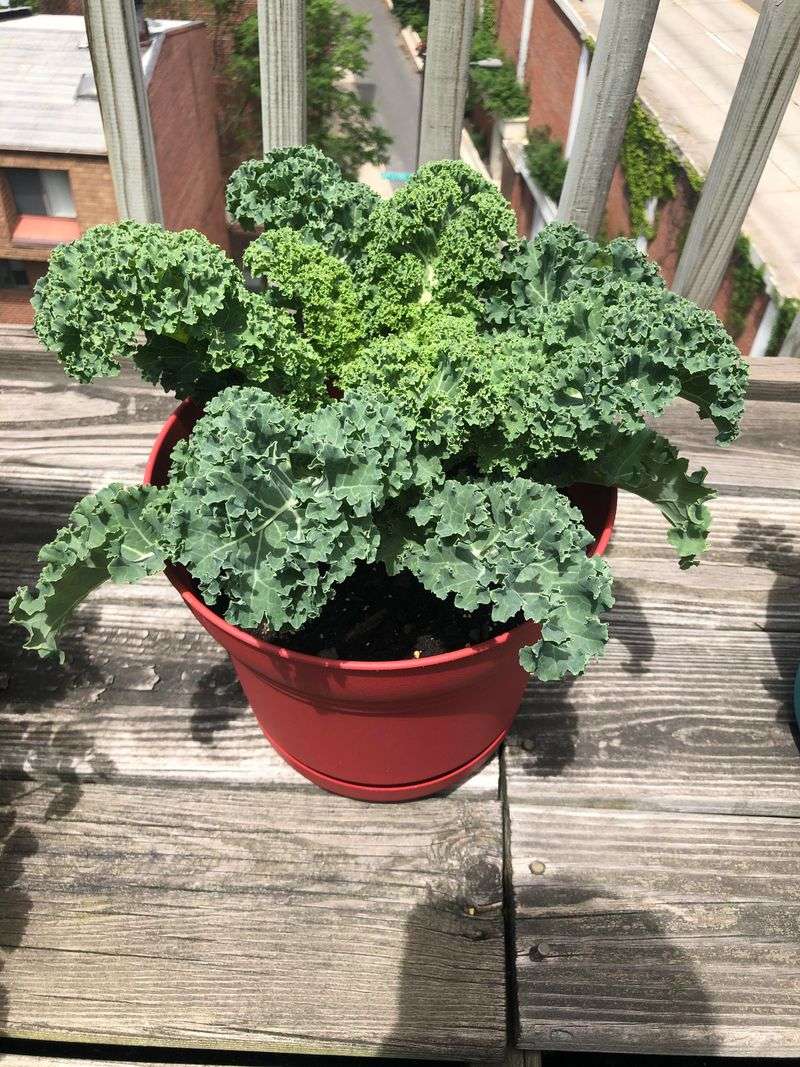
Kale is one of the toughest and most nutritious vegetables you can grow in a container during spring in Western North Carolina. Known for its bold, slightly bitter flavor and incredible nutritional profile, kale thrives in cool weather and can even handle a light frost without missing a beat.
The mountain climate of Western North Carolina, with its cool mornings and mild spring days, is nearly perfect for growing lush, flavorful kale.
Plant kale in a container that is at least ten to twelve inches deep and equally wide. It grows into a fairly large plant, so giving it plenty of room will pay off with a bigger, more productive harvest.
Lacinato kale, also called dinosaur kale, and Red Russian kale are two varieties that do especially well in containers and look gorgeous with their textured, colorful leaves. Use a rich potting mix and add a slow-release fertilizer at planting time to keep the plant well-fed.
Kale loves consistent moisture, so check the soil every day or two and water when the top inch feels dry. Harvest outer leaves first, starting when they are about the size of your hand, and the plant will keep producing new growth from the center for a long time.
One fun fact about kale is that a light frost actually makes it taste sweeter, so do not worry if an unexpected cold snap rolls through the Western North Carolina mountains during spring. Your kale will be just fine.
6. Spinach For Tender Spring Leaves
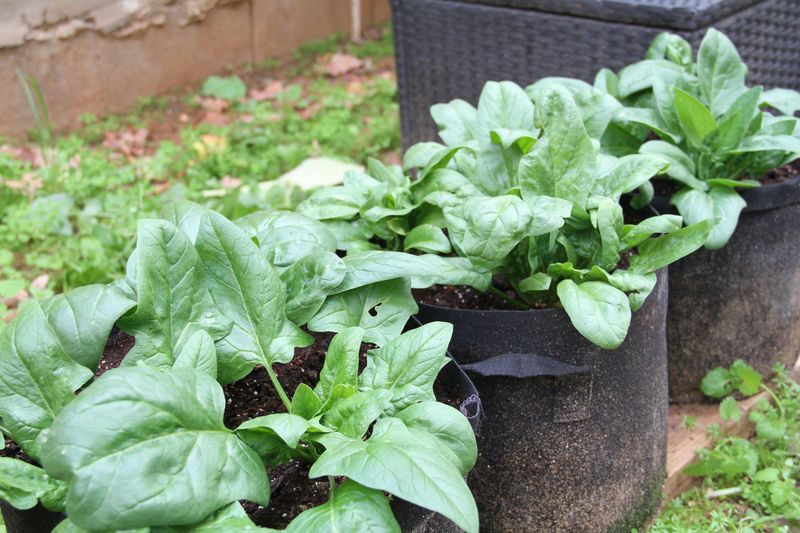
Cool temperatures help spinach develop its best flavor, and the mountain climate of this region delivers exactly that during the spring months. Compared to summer crops that need heat and humidity, spinach is refreshingly low-maintenance and quick to produce results you can actually eat.
Choose a container that is at least six to eight inches deep and as wide as you can manage, since spinach spreads out as it grows. Sow seeds directly into the pot about half an inch deep and one to two inches apart.
Once seedlings emerge and grow a couple of inches tall, thin them out slightly so each plant has a little breathing room. A good potting mix with some compost blended in will give spinach the nutrients it needs to grow full, dark green leaves.
Keep the soil consistently moist but never waterlogged, and position your container in a spot with morning sun and afternoon shade to prevent early bolting. Spinach tends to send up flower stalks and stop producing good leaves once temperatures get too warm, so harvesting regularly and keeping the plant cool will extend your growing window.
Start picking leaves when they are about three inches long for the most tender texture. Western North Carolina gardeners often grow spinach as one of their very first spring container crops because it is so reliable and rewarding from the very beginning of the season.
7. Parsley For Handy Everyday Snips
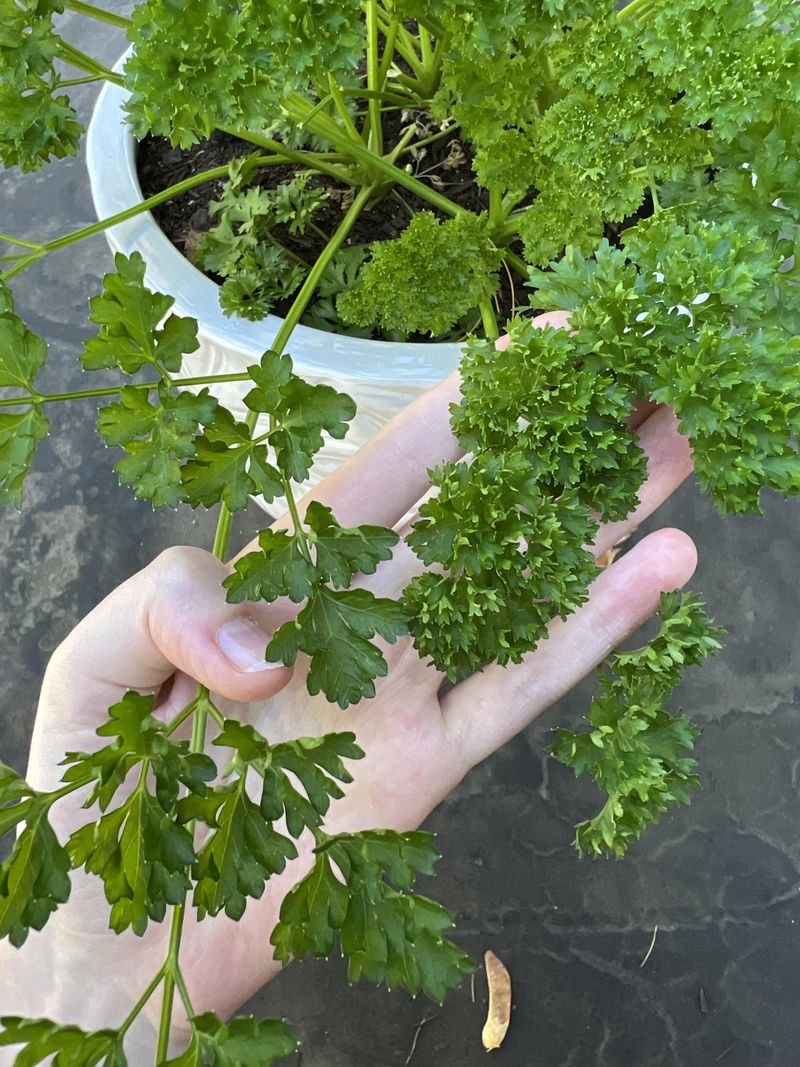
It looks beautiful in a container, smells fresh and clean, and adds a bright, grassy flavor to soups, salads, and pasta dishes that is hard to replicate with dried herbs from a jar. Spring is a great time to get parsley established in containers in Western North Carolina because the cool temperatures help it settle in and grow strong before the heat of summer arrives.
There are two main types of parsley to consider: curly leaf and flat-leaf, also called Italian parsley. Flat-leaf parsley tends to have a stronger, more complex flavor and is often preferred for cooking, while curly leaf parsley is popular as a garnish and looks lovely spilling over the edge of a decorative pot.
Both types grow well in containers with at least eight inches of depth and full to partial sun exposure throughout the day.
Parsley can be a little slow to germinate from seed, sometimes taking two to three weeks to sprout, so many gardeners in Western North Carolina prefer to start with transplants from a local nursery. Once established, parsley is quite hardy and will continue producing all spring and into summer.
Water regularly and fertilize once a month with a balanced liquid fertilizer to keep the plant lush and productive. Harvest stems from the outside of the plant first, cutting them close to the base, and new growth will fill in quickly from the center.
8. Tomatoes For Big Flavor In Pots
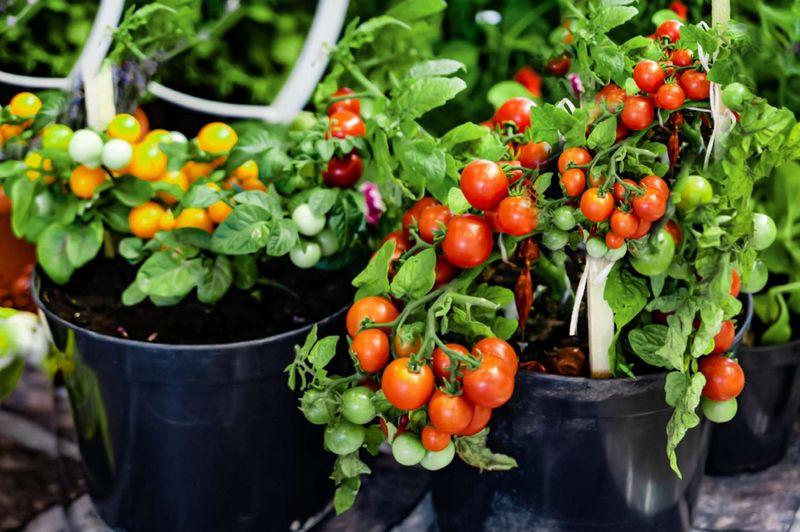
Ask any gardener in Western North Carolina what they most want to grow in containers by late spring, and there is a very good chance the answer is tomatoes. There is nothing quite like picking a ripe, sun-warmed tomato straight from a pot on your own porch and eating it right there on the spot.
Container tomatoes have become incredibly popular in the region because they allow gardeners at higher elevations to control the growing environment more easily than in-ground plants.
For containers, compact or dwarf varieties work best because they stay manageable and do not require the heavy staking that large indeterminate plants need. Patio, Tumbling Tom, and other compact or determinate tomatoes are solid choices for Western North Carolina container growers.
Choose a large container, at least five gallons and ideally ten or more, to give the roots enough space to support a productive plant. Fill it with a rich, well-draining potting mix and add a slow-release vegetable fertilizer at planting time.
Tomatoes need a lot of sunlight, so place your container in the sunniest spot you have, ideally getting eight or more hours of direct sun each day. Water deeply and consistently, since uneven watering can lead to problems like blossom end rot.
Start hardening off your transplants in late April or early May in Western North Carolina, gradually introducing them to outdoor conditions before leaving them outside full time. With a little attention and care, container tomatoes in this region will reward you with a generous harvest all season long.