Texas Container Plants That Won’t Wilt In Early Summer Heat
Ever step outside in early summer, look at your container plants, and wonder how they got so dramatic so fast? One stretch of Texas heat can turn a full, happy pot into a wilted mess before the day is even over.
That is the frustrating part of container gardening in this climate. Plants in pots heat up faster, dry out quicker, and tend to show stress long before anything in the ground starts complaining.
Still, that does not mean you have to give up on a colorful porch, patio, or backyard setup. It just means plant choice matters a lot more than people think.
The best container plants for Texas are the ones that can take the heat without folding the second temperatures climb. They stay attractive, keep their shape, and do not demand constant rescuing with the hose.
That makes all the difference when summer is just getting started and the toughest weather is still ahead. With the right plants, your containers can keep looking lively, bright, and pulled together instead of tired and thirsty by the first hot spell.
1. Lantana (Lantana Urticoides / Hybrids)
Few plants in Texas can match the toughness of lantana when the temperature starts climbing.
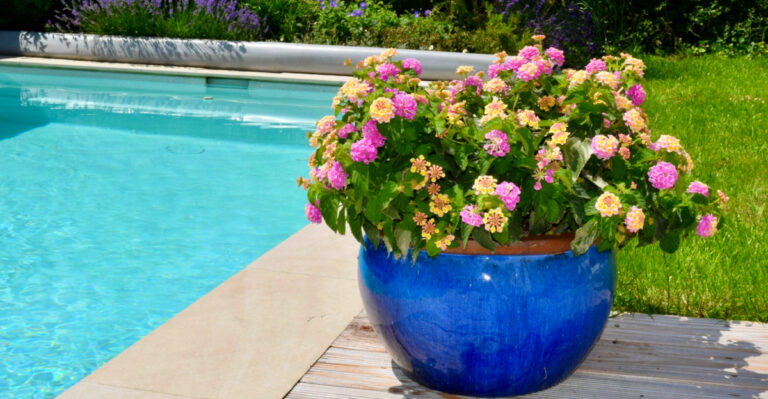
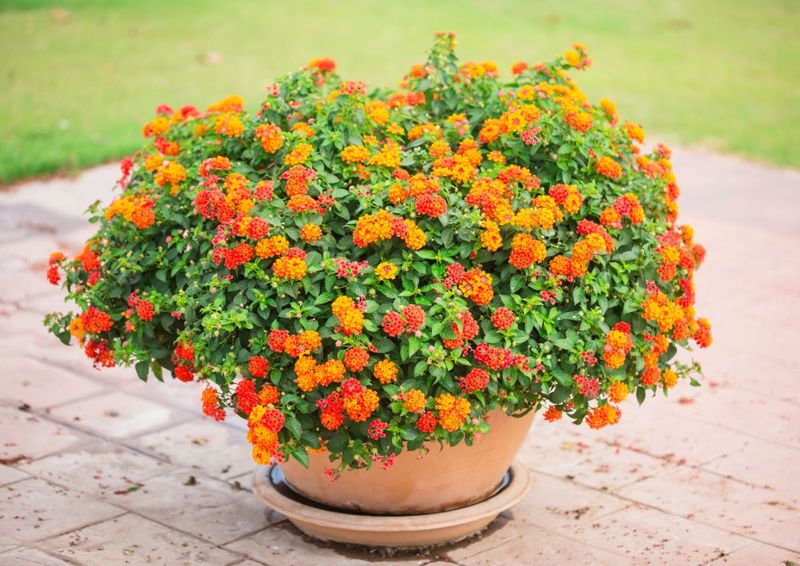
Walk through any Texas neighborhood in June and you are almost guaranteed to spot those cheerful clusters of red, yellow, orange, and pink blooms spilling out of pots and planters. Lantana does not just survive the heat. It actually seems to enjoy it.
One of the biggest reasons lantana thrives in containers across Texas is its remarkable drought tolerance. Once it gets established, it can handle dry spells that would stress most other flowering plants.
That said, a deep watering a few times per week during the hottest stretches will keep it blooming at its best. Use a well-draining potting mix and a container with good drainage holes to prevent soggy roots.
Lantana is also a fantastic pollinator magnet. Butterflies flock to it, and you may even catch hummingbirds stopping by for a sip.
That makes it a double win for Texas gardeners who want both beauty and wildlife activity in their outdoor spaces.
Pruning is simple. If the plant starts to look a little leggy or tired mid-season, a light trim will encourage a fresh flush of blooms.
Native lantana species like Lantana urticoides are especially well-suited to Texas conditions because they evolved here. Hybrid varieties also perform beautifully in pots.
Either way, you get a plant that handles intense Texas sun with ease and rewards you with nonstop color all summer long.
2. Purslane (Portulaca Grandiflora)
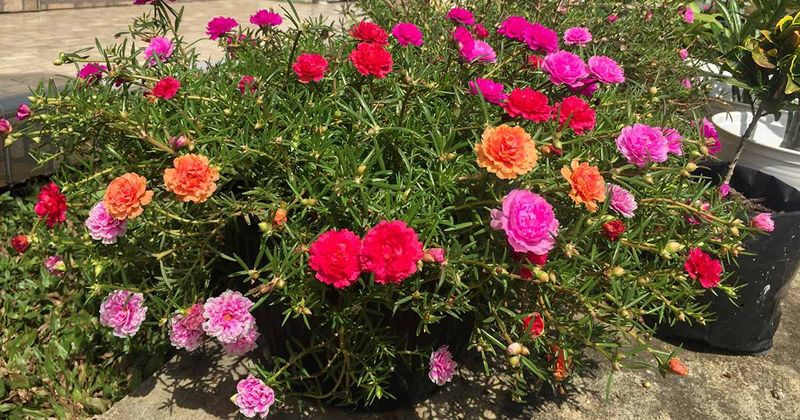
Purslane is one of those plants that looks almost too delicate to handle Texas summers, but do not let those silky, tissue-thin blooms fool you. Portulaca grandiflora is a true heat warrior.
It is low-growing, fast-spreading, and absolutely loves the kind of blazing sun that sends other plants running for shade.
The secret to purslane’s staying power is in its leaves. They are thick and succulent, which means the plant stores water inside its own tissue.
Your Texas Garden Changes Every Week. Your Plan Should Too.
Gardening in Texas changes quickly throughout the season. Every Friday you’ll receive a simple weekly plan showing exactly what to plant, prune, fertilize, harvest, and protect so you never miss the right timing.
On a scorching Texas afternoon when the soil in your container dries out fast, purslane can draw on those reserves to keep going. That built-in water storage system makes it one of the most forgiving container plants you can grow in Texas.
Purslane is a perfect fit for shallow containers, window boxes, and hanging baskets. It trails beautifully over the edges and fills in quickly, giving you a full, lush look without much effort.
The flowers come in hot shades of orange, fuchsia, coral, yellow, and white, and they open wide in direct sunlight. On cloudy days they tend to close up, but as soon as the sun returns, so do the blooms.
Watering needs are minimal compared to most flowering annuals. In Texas, once or twice a week is usually enough unless you are going through an unusually dry stretch.
Avoid overwatering because purslane strongly prefers dry conditions. Plant it in fast-draining soil, give it full sun, and it will reward you with color all season.
3. Pentas (Pentas Lanceolata)
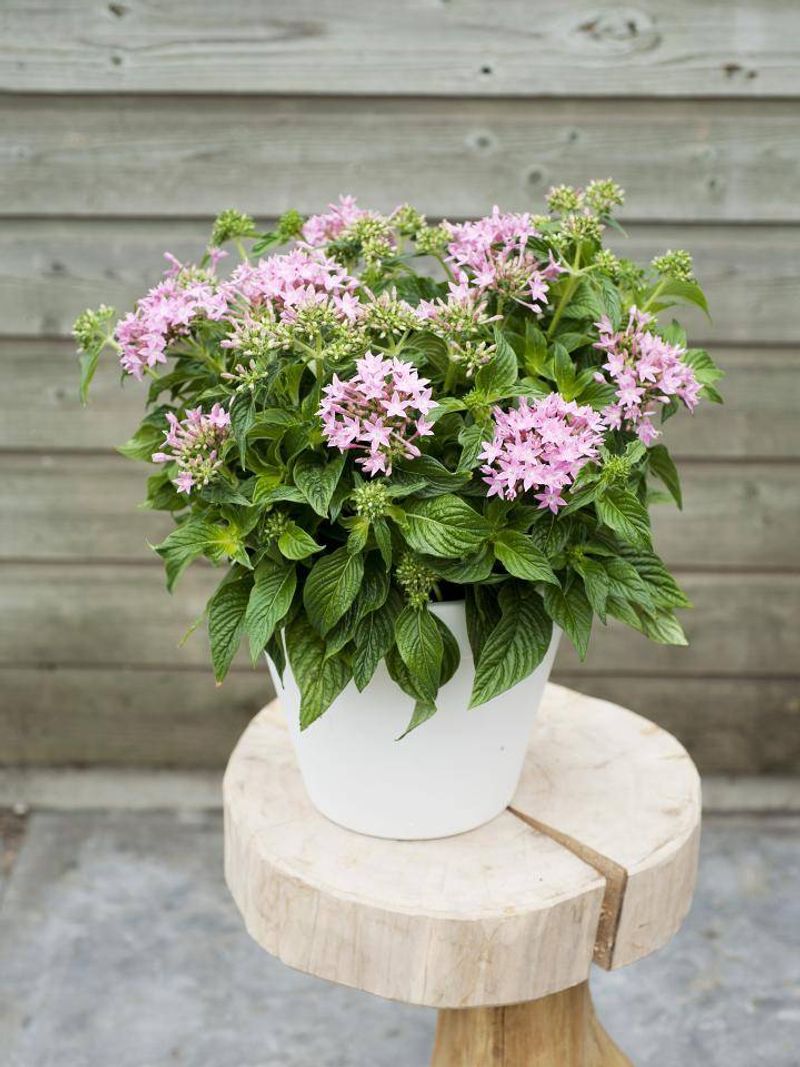
Pentas has earned a loyal following among Texas gardeners, and it is easy to understand why. Also known as Egyptian star flower, this cheerful bloomer produces dense clusters of tiny star-shaped flowers in shades of red, pink, white, and lavender.
It keeps those flowers coming all summer long, even when the Texas heat is at its most relentless.
What makes pentas stand out from other summer bedding plants is its ability to handle both heat and humidity without skipping a beat. Many plants that do fine in dry heat start to struggle once the humid Texas summer air settles in.
Pentas takes it all in stride. It is also more forgiving about watering than some of its competitors.
Keep the soil consistently moist but not waterlogged, and it will stay happy through the hottest months.
Pentas is a well-known butterfly and hummingbird magnet. If you set a pot of pentas on your porch in Texas, expect regular visits from swallowtails, monarchs, and other pollinators.
That added wildlife activity makes it even more rewarding to grow, especially for kids who are just starting to get interested in gardening.
For best results in containers, choose a pot that holds at least two gallons of soil so the roots have room to spread. Feed pentas with a balanced slow-release fertilizer at planting time, then follow up with a liquid fertilizer every few weeks during the growing season.
Deadheading spent blooms is optional since pentas tends to clean itself up, but a light trim mid-summer can encourage even bushier growth.
4. Angelonia (Angelonia Angustifolia)
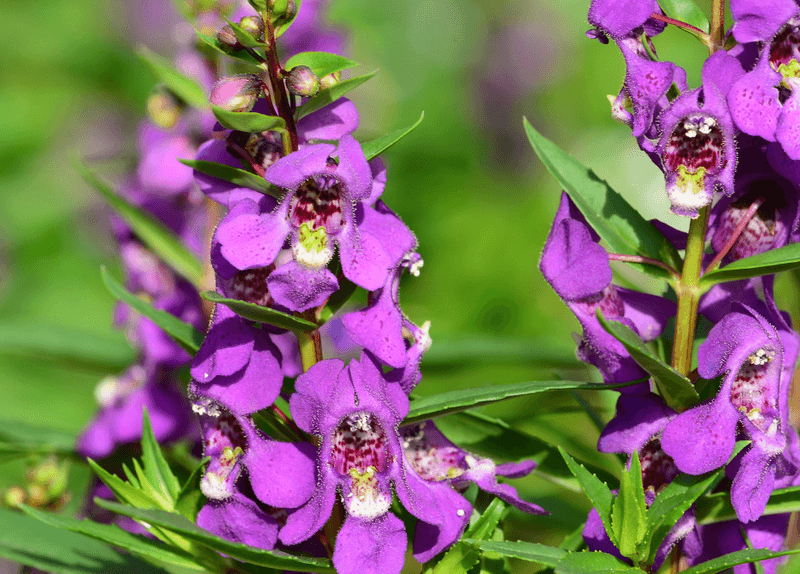
Gardeners in Texas have a nickname for angelonia: summer snapdragon. That name tells you a lot about what to expect.
It looks elegant, stands upright, and produces long spikes of small, orchid-like blooms in shades of purple, pink, white, and bicolor. Unlike traditional snapdragons that fade when the heat arrives, angelonia actually hits its stride when temperatures rise.
Humidity and heat are no problem for this plant. Texas summers can feel oppressive to people and plants alike, but angelonia genuinely thrives in those conditions.
It does not wilt, it does not drop its flowers, and it does not need constant attention to keep looking good. That low-maintenance personality makes it a favorite for busy homeowners who want a polished patio without a lot of daily upkeep.
In containers, angelonia grows upright and tidy, reaching anywhere from 12 to 24 inches tall depending on the variety. It pairs beautifully with trailing plants like purslane or blue daze at the edges of a large pot.
The contrast of upright spikes against cascading foliage creates a layered, professional look that is easy to pull off even for beginners.
Water angelonia regularly but allow the top inch of soil to dry out between waterings. It tolerates short dry spells well but performs best with consistent moisture during peak summer heat.
One fun detail worth knowing: the flowers have a faint sweet scent that becomes more noticeable in the warmth of a Texas afternoon. Plant it near a seating area and you might catch that subtle fragrance while you relax outside.
5. Blue Daze (Evolvulus Glomeratus)
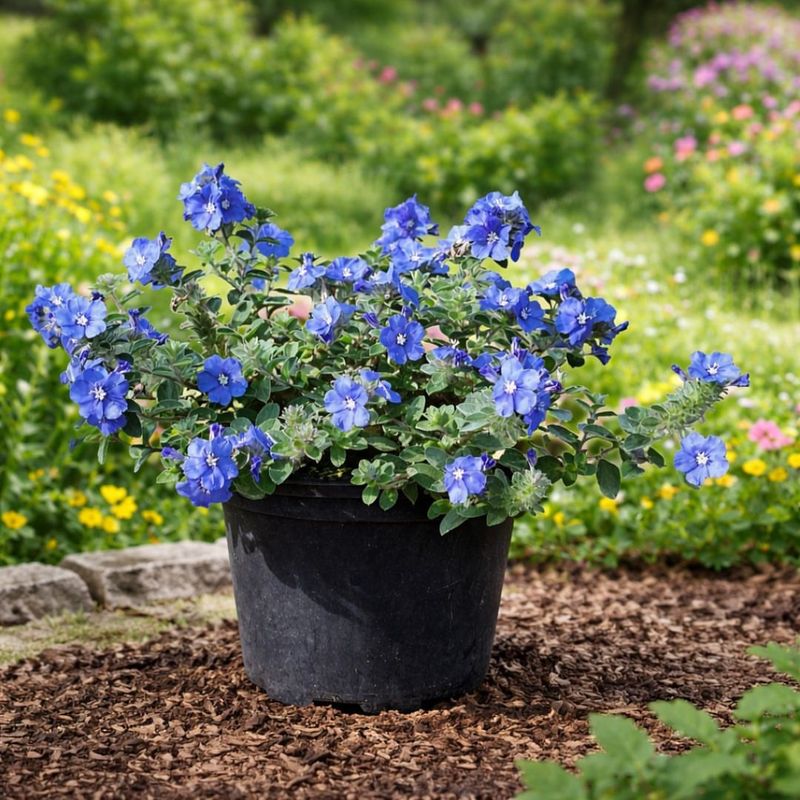
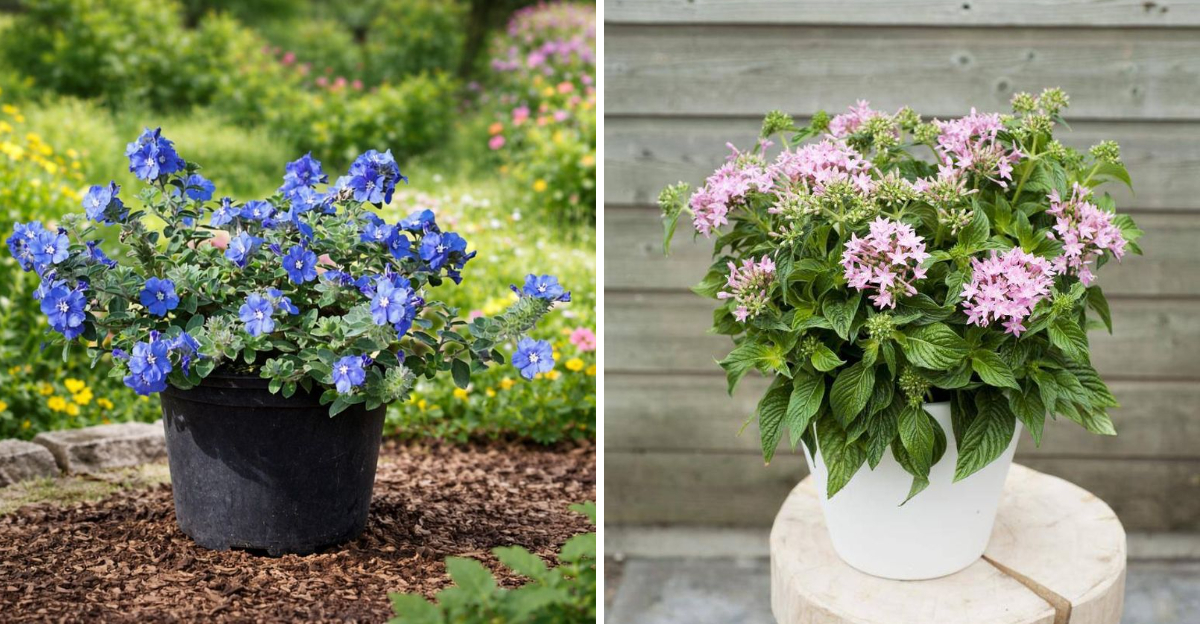
Sky-blue flowers are surprisingly rare in the gardening world, which makes blue daze feel like a real find. Evolvulus glomeratus produces small, vivid blue blooms that open fresh each morning, giving your containers a crisp, cheerful look every single day throughout the Texas summer.
The flowers are petite but numerous, and they stand out beautifully against the plant’s soft, silvery-green foliage.
Blue daze is a natural fit for Texas because it was developed specifically for hot, sunny conditions. It loves full sun and handles the intense afternoon heat that bakes patios and porches across the state.
The plant stays low and trails gracefully, which makes it ideal for container edges, window boxes, and mixed planters where you want something to spill over the sides.
One thing to keep in mind is that blue daze does need regular watering in containers. It is more drought-tolerant than many flowering annuals, but it is not quite as forgiving as purslane or lantana during extended dry stretches.
Water it when the top inch of soil feels dry, and it will reward you with a steady stream of blooms from late spring through fall.
Pairing blue daze with yellow or orange flowers creates a striking color combination that looks intentional and polished. Try it alongside lantana or zinnias for a Texas-tough container arrangement that turns heads all season.
No deadheading is needed since the spent blooms fall away on their own. Just give it sun, warmth, and occasional water, and blue daze will handle the rest beautifully.
6. Red Yucca (Hesperaloe Parviflora)
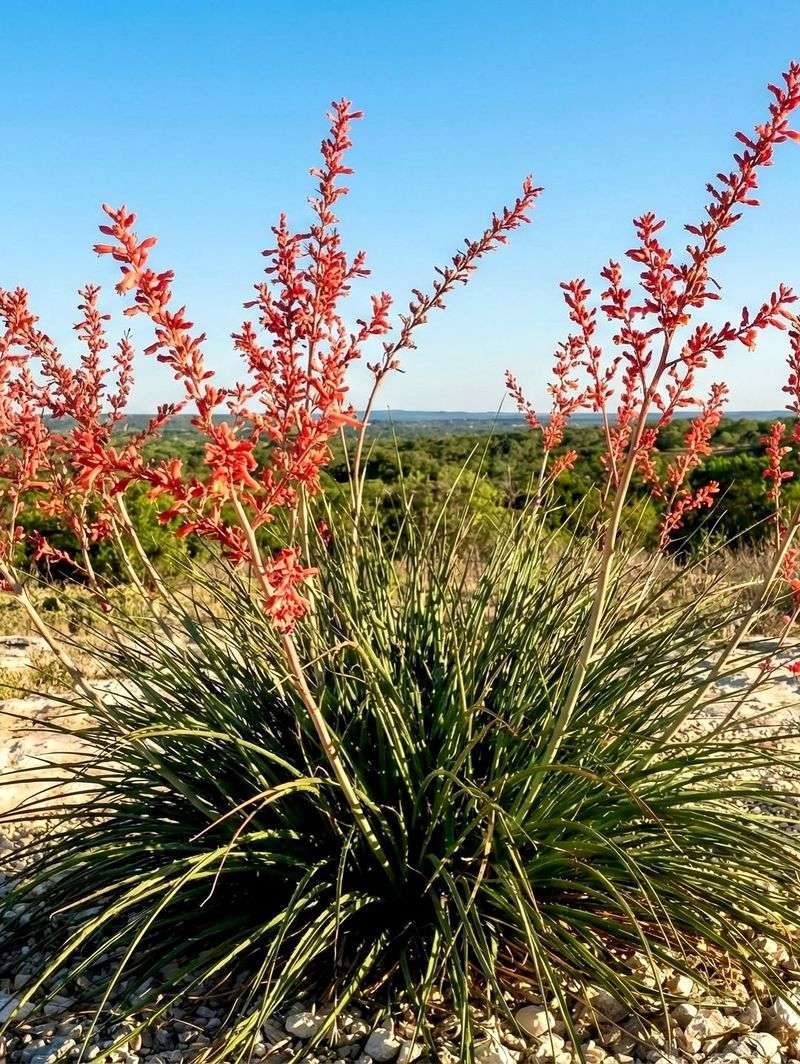
Not every container plant has to be soft and flowery. Sometimes you want something bold, structural, and a little dramatic, and that is exactly what red yucca brings to the table.
Hesperaloe parviflora is a native Texas plant that sends up tall, arching spikes of coral-red tubular flowers in late spring and early summer. Those spikes can reach four to five feet, making it a genuine showstopper in a large container.
Red yucca is one of the most heat and drought tolerant plants you can grow in Texas, full stop. It was shaped by the harsh conditions of the Texas Hill Country and the Chihuahuan Desert, so intense summer sun is simply its natural habitat.
Once established in a container, it needs very little supplemental water. A deep soak every week or two is plenty, even during the hottest part of summer.
Beyond its toughness, red yucca is a hummingbird favorite. Those long tubular flowers are perfectly designed for hummingbird feeding, and in Texas you can expect regular visits from ruby-throated and black-chinned hummingbirds throughout the blooming season.
It adds movement and life to your patio in a way that most flowering annuals simply cannot match.
For container growing, choose a large, heavy pot with excellent drainage. Red yucca does not like wet roots, so a gritty, well-draining mix works best.
The strap-like foliage stays attractive year-round, meaning you get structure and interest even when the flowers are not in bloom. It is a long-term investment that pays off season after season in Texas landscapes.
7. Zinnias (Zinnia Spp.)
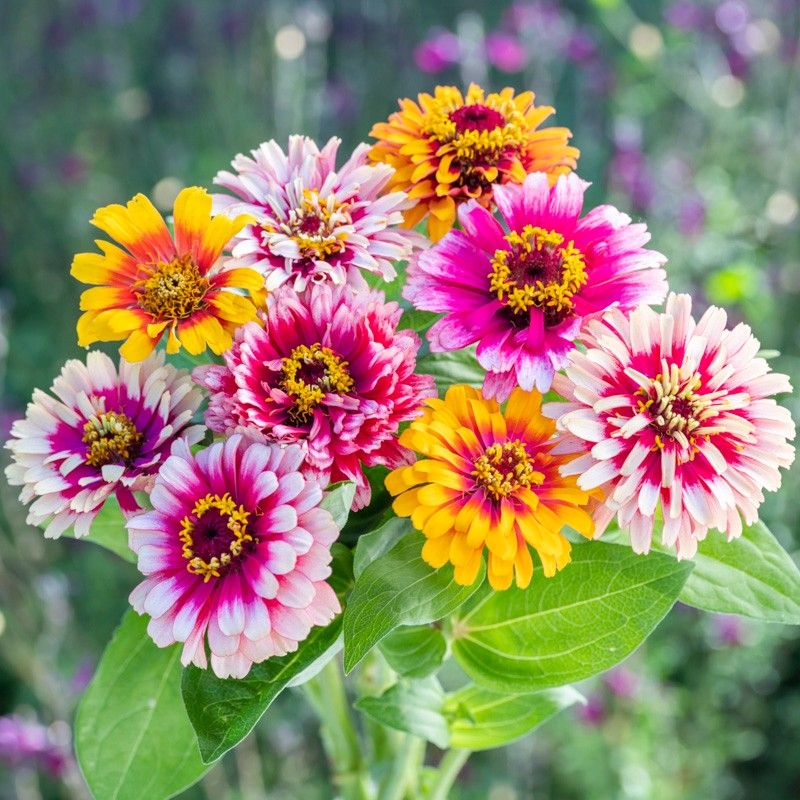
Zinnias have been a garden staple for generations, and there is a very good reason they keep showing up in Texas pots and planters every summer. They grow fast, bloom hard, and handle full sun with the kind of enthusiasm that makes other flowers look lazy.
Drop a seed or transplant into a container in late spring and within weeks you will have a burst of color that lasts all the way through the hottest months.
What makes zinnias especially valuable for Texas container gardening is their adaptability. They come in nearly every color imaginable, from deep red and orange to soft pink, white, and even green.
Sizes range from compact dwarf varieties that stay under a foot tall to taller types that can reach two feet or more. That variety means you can find a zinnia that fits any container size or patio style.
Zinnias do best with consistent watering but they tolerate short dry spells better than many people expect.
Water at the base of the plant rather than overhead to keep the leaves dry and reduce the chance of powdery mildew, which can show up during humid Texas summers. Good air circulation around the container also helps keep foliage healthy.
Deadheading spent blooms is the single best thing you can do to keep zinnias producing all season. When you remove faded flowers, the plant puts its energy into making new ones.
A few minutes of deadheading every few days keeps your containers looking fresh and colorful. Zinnias also attract butterflies, so you get the bonus of extra garden activity buzzing around your Texas patio all summer long.