How To Grow A Spilling Wandering Jew Indoors Or Outdoors In Texas Homes
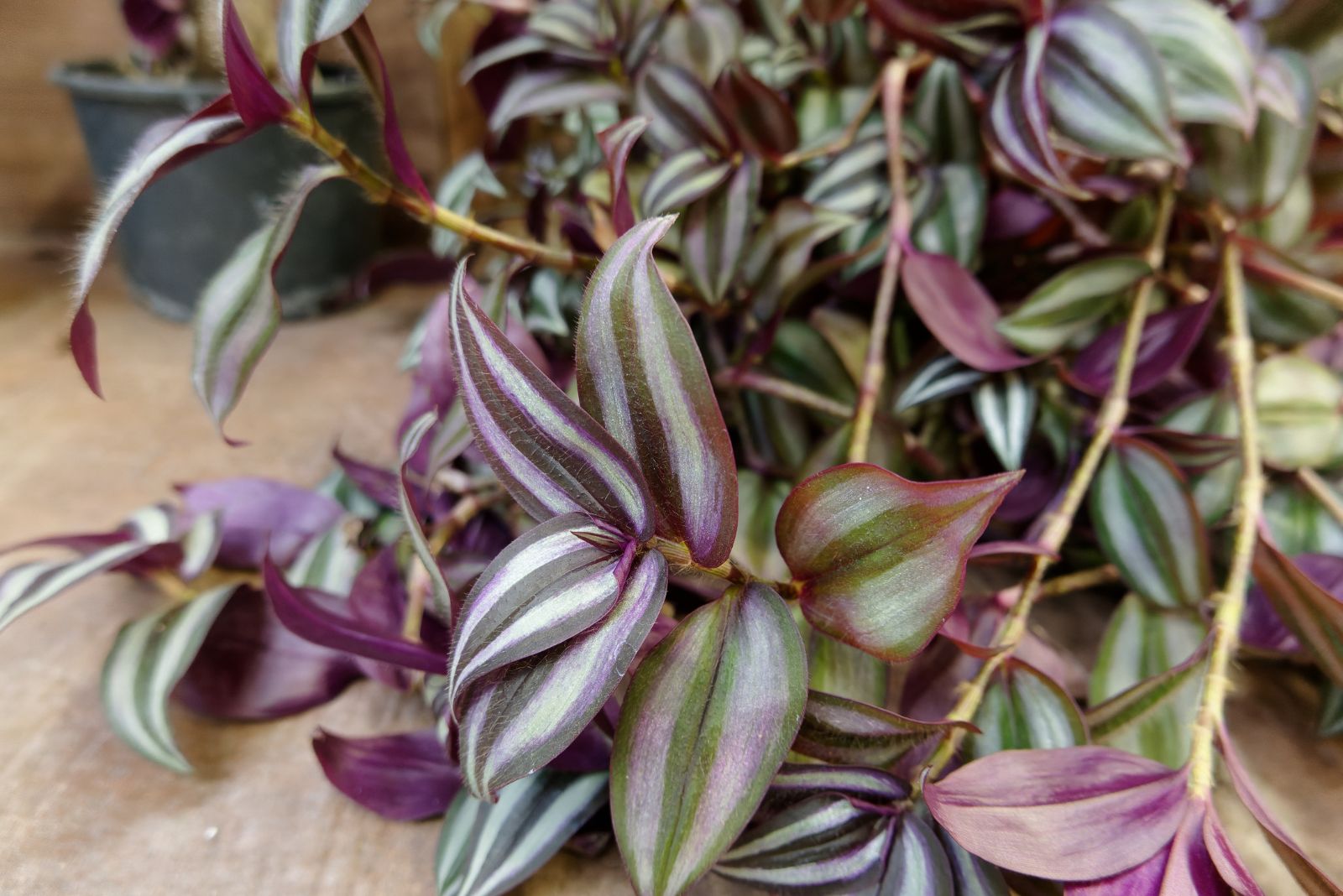
Ever seen a plant spill beautifully over a pot and wondered how to get that look at home? Wandering Jew is famous for its trailing vines and bold colors, making it a favorite in many Texas homes.
This fast-growing plant looks amazing in hanging baskets, window planters, and outdoor containers. But getting that full, flowing appearance doesn’t always happen on its own.
Without the right care, it can turn thin, leggy, or uneven. The good news is that it doesn’t take much effort to grow a thick, healthy plant that spills over the edges. With a few simple tips, you can enjoy lush growth and vibrant color all year long.
Whether you want to brighten up a sunny window, decorate a patio, or add texture to your garden, learning how to grow wandering Jew the right way will help you get the best results possible.
1. Choose The Perfect Light Location For Your Plant
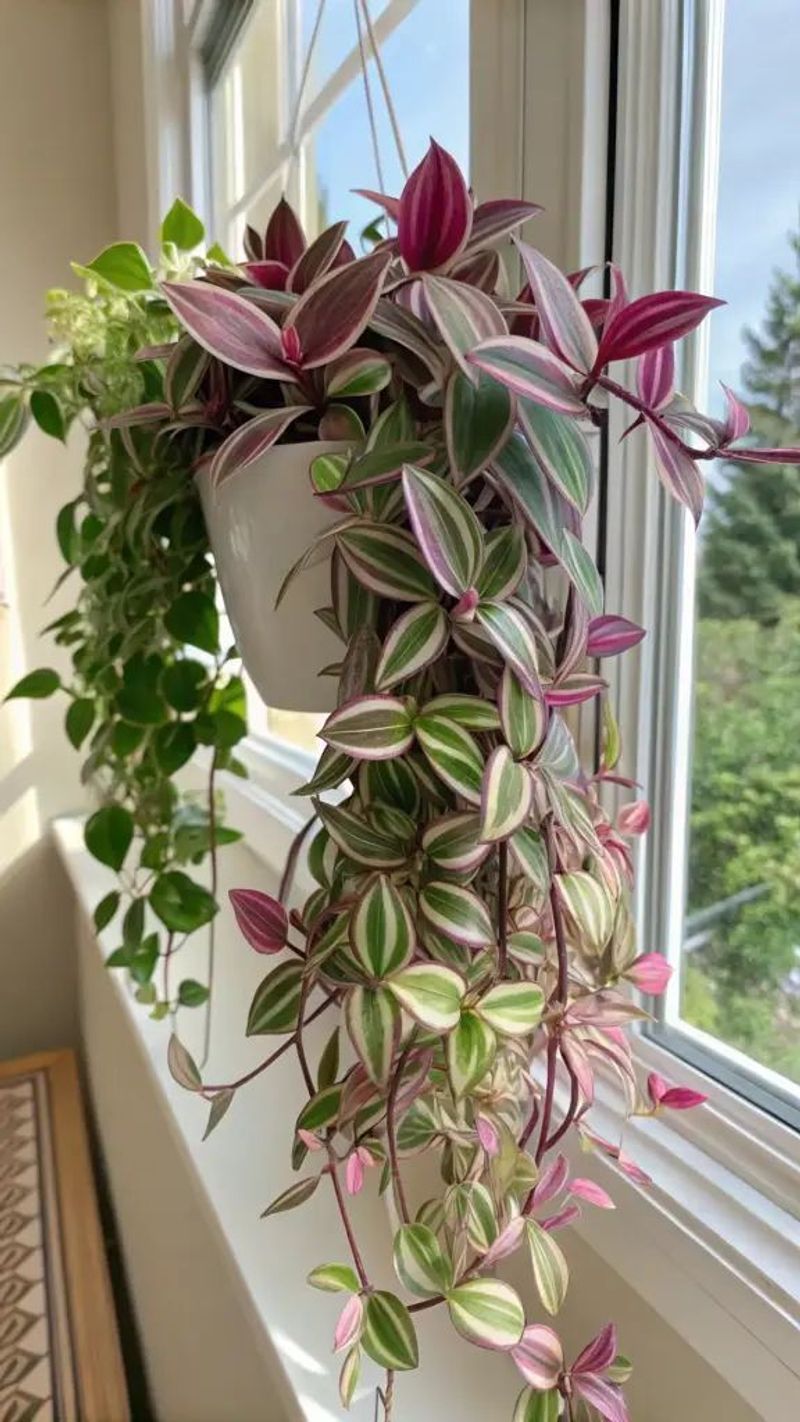
Finding the right spot makes all the difference when growing Wandering Jew plants in Texas. These colorful vines love bright, indirect light that mimics their natural tropical forest habitat.
Place your plant near an east or north-facing window where it gets gentle morning sun without harsh afternoon rays.
Direct Texas sunlight can be intense, especially during summer months when temperatures soar above 95 degrees. Too much sun bleaches the beautiful purple colors and turns leaves pale or brown.
You want those vibrant stripes to pop, so filtered light through sheer curtains works perfectly indoors.
Outdoors in Texas, partial shade creates ideal growing conditions. Morning sun combined with afternoon shade protects plants from our brutal heat.
Try hanging baskets under covered patios or beneath tree canopies where dappled light filters through leaves.
Watch how your plant responds to its location. If stems stretch out and leaves grow far apart, the plant needs more light.
When colors fade or leaves develop brown edges, it’s getting too much direct sun. Adjusting placement by just a few feet can make a huge difference.
Indoor Texas homes with air conditioning provide stable temperatures that Wandering Jew plants appreciate.
Keep them away from heating vents in winter and AC vents in summer to prevent stress from temperature swings. Room temperatures between 60 and 80 degrees work best.
Rotate your plant every week so all sides receive equal light exposure. This prevents lopsided growth and keeps the entire plant full and bushy.
Good light placement sets the foundation for healthy, colorful growth throughout the year in Texas.
2. Water Correctly For Texas Climate Conditions
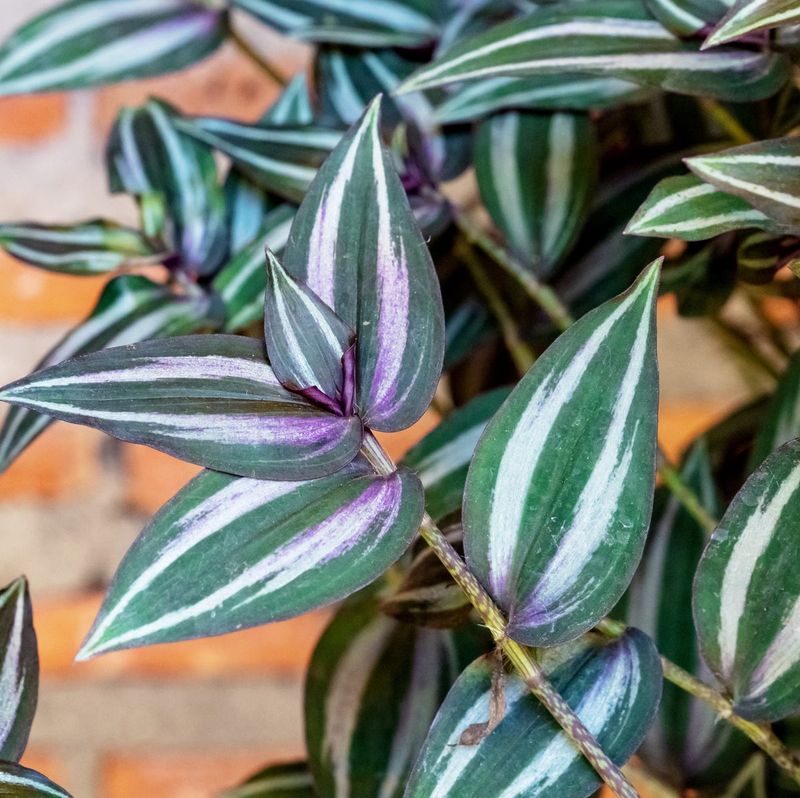
Watering becomes crucial when you’re growing Wandering Jew plants in Texas homes. Our climate varies dramatically from humid coastal areas to bone-dry western regions. Understanding your local conditions helps you water appropriately for thriving plants.
These plants prefer consistently moist soil but hate sitting in water. Check the top inch of soil with your finger before watering.
When it feels dry to touch, it’s time to water thoroughly until liquid drains from the bottom holes.
Texas summers demand more frequent watering than cooler months. Indoor plants might need water every three to four days during hot weather.
Outdoor plants in hanging baskets dry out faster and may require daily watering when temperatures exceed 90 degrees.
Humidity levels affect watering needs significantly across Texas. Houston and coastal areas have natural humidity that keeps plants happy.
Dallas, Austin, and San Antonio experience drier air that pulls moisture from leaves faster. Consider using a pebble tray filled with water beneath pots to boost humidity indoors.
Yellow leaves often signal overwatering, while crispy brown edges indicate underwatering. Finding the sweet spot takes practice but becomes easier as you observe your plant’s patterns. Room temperature water works best and prevents shocking the roots.
Reduce watering frequency during winter months when plant growth naturally slows down. Even in mild Texas winters, Wandering Jew plants need less moisture. Overwatering during dormant periods leads to root rot and mushy stems.
Rainwater or filtered water produces the best results if your Texas tap water contains high mineral content. Hard water leaves white deposits on leaves and soil over time.
3. Use Well-Draining Soil Mix For Healthy Roots
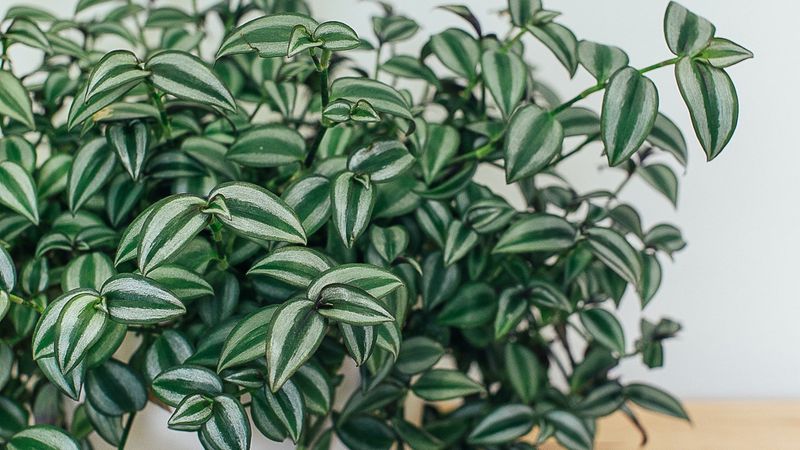
Soil quality determines whether your Wandering Jew thrives or struggles in Texas homes. Regular garden soil becomes too compact and holds excessive moisture that damages roots. Creating the right soil blend gives plants the drainage and nutrients they need.
Start with a high-quality potting mix designed for houseplants. Add perlite or coarse sand to improve drainage, mixing about one part amendment to three parts potting soil.
This combination allows water to flow through while retaining enough moisture for healthy growth.
Wandering Jew plants don’t demand rich, heavy soil like some other houseplants. They actually prefer lighter mixes that dry out between waterings. The goal is soil that feels fluffy and crumbly rather than dense and clay-like.
Containers must have drainage holes at the bottom. Without proper drainage, even perfect soil becomes waterlogged in Texas humidity. Excess water needs somewhere to escape, preventing root suffocation and rot issues.
Consider adding a small amount of compost or worm castings to provide gentle nutrition. These organic materials release nutrients slowly over time without overwhelming the plant. Too much fertilizer causes leggy growth with fewer colorful leaves.
Repot your Wandering Jew every year or two using fresh soil mix. Old soil becomes compacted and depleted of nutrients, limiting growth potential.
Spring is the perfect time for repotting in Texas, right before the active growing season begins.
For outdoor container plants in Texas, ensure pots have adequate drainage and use the same soil mix. Outdoor conditions can be harsher, so good drainage becomes even more critical during summer thunderstorms.
Well-draining soil prevents waterlogged roots that lead to plant health problems.
4. Prune Regularly To Encourage Bushy Growth
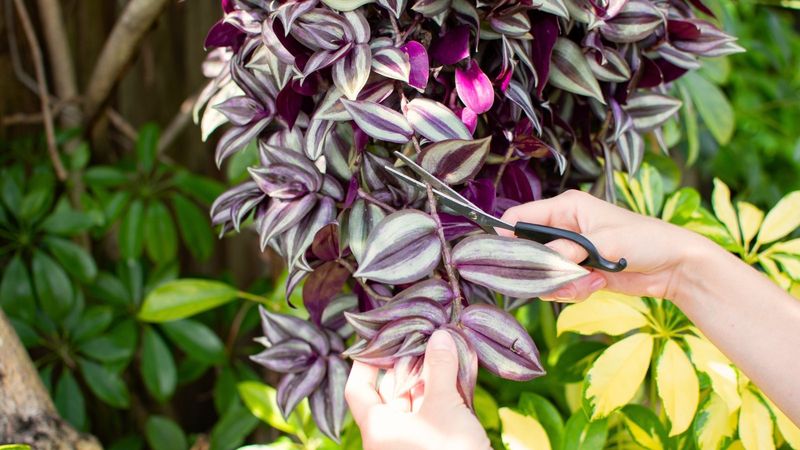
Pruning transforms leggy Wandering Jew plants into full, gorgeous displays. Without regular trimming, these vines grow long and sparse with bare stems. Strategic cutting promotes branching and creates the lush, spilling effect everyone loves.
Start by identifying stems that have grown too long or lost leaves near the base. Use clean, sharp scissors or pruning shears to cut stems back to your desired length. Make cuts just above a leaf node where new growth will emerge.
Don’t fear cutting back aggressively. Wandering Jew plants respond beautifully to pruning and bounce back quickly in Texas growing conditions. You can trim up to one-third of the plant at once without causing harm.
Save your cuttings because they root incredibly easily. Place trimmed stems in water, and roots develop within one to two weeks. This gives you free plants to expand your collection or share with friends across Texas.
Pinching growing tips encourages bushier growth patterns. Simply use your fingers to pinch off the top inch of stems regularly. This signals the plant to send out side shoots, creating fuller appearance.
Remove any brown, damaged, or faded leaves during pruning sessions. These drain energy from healthy growth and detract from the plant’s beauty. Clean plants also resist pests better than neglected ones.
Spring and summer are ideal pruning times in Texas when plants grow most actively. Avoid heavy pruning during winter months when growth slows naturally. Light maintenance trimming works fine year-round to keep plants looking their best.
Regular pruning prevents plants from becoming straggly and maintains vibrant color. Well-maintained Wandering Jew plants create stunning focal points in Texas homes both indoors and outdoors.
5. Fertilize Sparingly During Growing Season
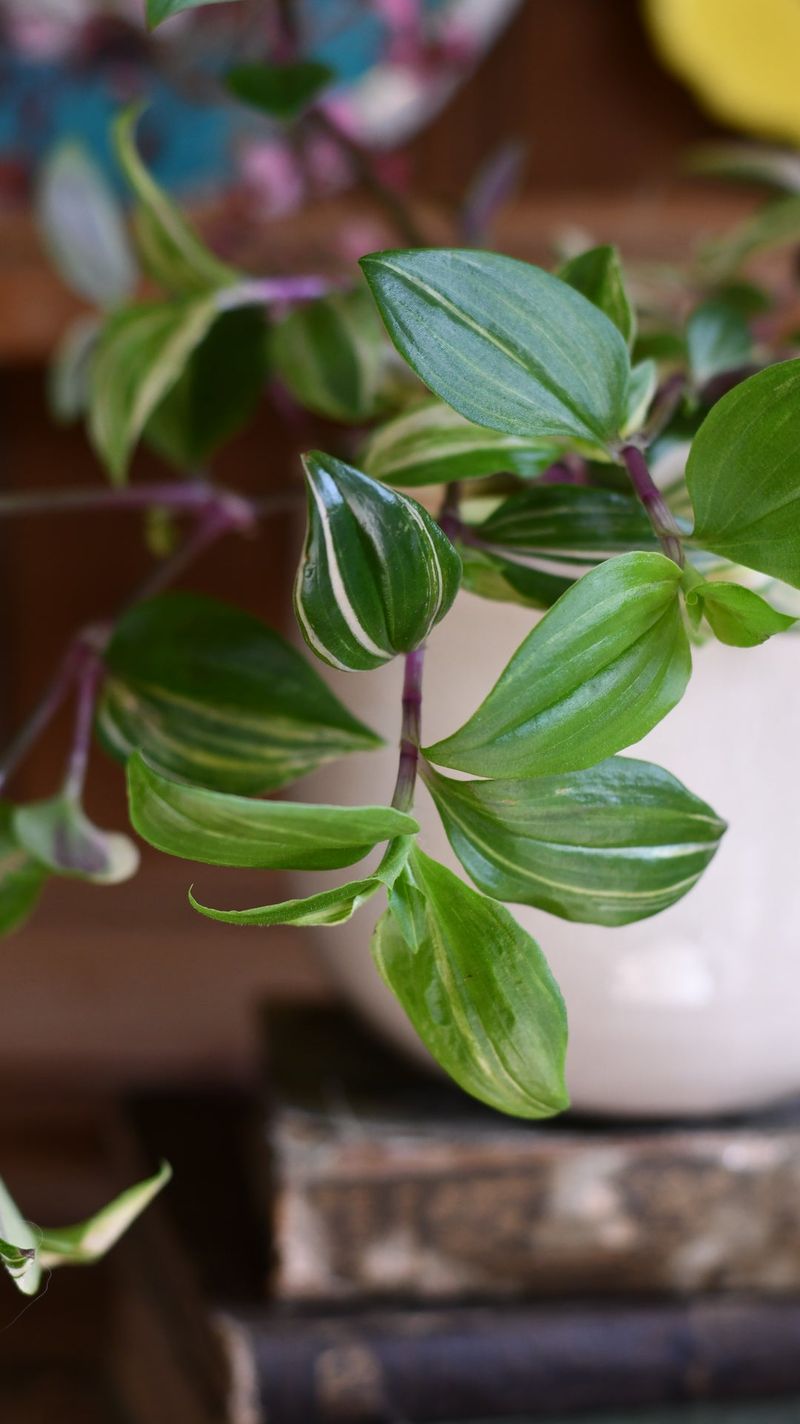
Feeding your Wandering Jew plant properly keeps colors vibrant and growth strong. These plants aren’t heavy feeders, so less is definitely more when it comes to fertilizer. Overdoing nutrients causes more problems than benefits in Texas growing conditions.
Use a balanced, water-soluble fertilizer diluted to half strength. Feed your plant once monthly during spring and summer when active growth occurs.
This gentle approach provides necessary nutrients without overwhelming the plant’s system.
Stop fertilizing completely during fall and winter months. Even in mild Texas winters, Wandering Jew plants slow their growth rate naturally. Feeding during dormancy leads to weak, stretched growth and salt buildup in soil.
Look for fertilizers with equal ratios like 10-10-10 or 20-20-20. These balanced formulas support overall plant health rather than pushing excessive leaf or flower production. Organic options like fish emulsion work wonderfully and release nutrients gently.
Watch for signs of over-fertilization including brown leaf tips, white crust on soil surface, or extremely rapid but weak growth. If you notice these symptoms, flush the soil thoroughly with water and skip fertilizing for several months.
Indoor Texas plants need less fertilizer than outdoor ones. Indoor environments provide stable conditions with less nutrient loss.
Outdoor container plants exposed to rain and heat may benefit from slightly more frequent feeding during peak summer months. Remember that good soil and proper care matter more than heavy fertilizing.
Wandering Jew plants grown in quality potting mix with adequate light and water naturally display beautiful colors. Fertilizer simply supports what good care already provides rather than replacing it.
6. Protect From Temperature Extremes In Texas Weather
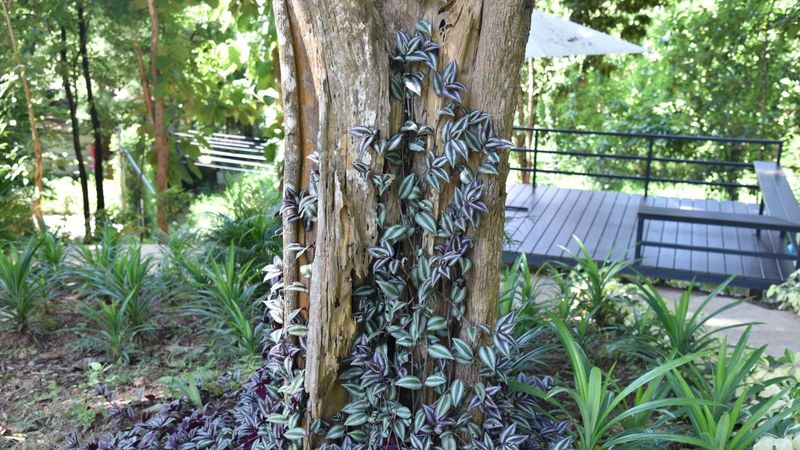
Temperature management keeps Wandering Jew plants healthy through Texas seasonal changes. These tropical plants prefer warmth but struggle with extreme heat and cold.
Understanding temperature needs prevents stress and maintains those gorgeous purple hues.
Ideal temperatures range between 60 and 80 degrees Fahrenheit. Most Texas homes naturally maintain this range indoors year-round with climate control.
Keep plants away from drafty windows during winter and direct heat sources like fireplaces.
Outdoor plants face bigger temperature challenges across Texas. Bring hanging baskets and containers indoors when temperatures drop below 50 degrees. Even brief cold snaps can damage tender growth and cause leaves to drop.
Summer heat above 95 degrees stresses Wandering Jew plants outdoors. Move containers to shadier locations during the hottest weeks of July and August. Increased watering and misting help plants cope with extreme Texas heat.
Sudden temperature swings cause more damage than gradual changes. Avoid placing plants near air conditioning vents that blast cold air directly on leaves. Similarly, don’t position them beside heating vents during winter months.
Texas spring and fall offer perfect outdoor growing conditions. Temperatures stay moderate, and humidity levels support healthy growth.
These seasons are ideal for transitioning plants between indoor and outdoor locations gradually.
Monitor overnight temperatures carefully in early spring and late fall. Texas weather can be unpredictable with surprise cold fronts.
Have a plan to quickly move outdoor plants inside when forecasts show temperature drops.
Indoor plants tolerate Texas conditions well when given consistent temperatures. Avoid placing them in garages, sunrooms, or other spaces without climate control.
Stable conditions produce the most reliable growth and vibrant coloring throughout the year.