How To Grow Onions In Containers In Texas For Fresh Harvests Year Round
Fresh onions from your own patio might sound ambitious, but in Texas it’s more doable than most people think.
With long growing seasons, plenty of sunshine, and relatively mild winters in many areas, Texas offers great conditions for container onion gardening.
From the humid Gulf Coast to the dry Hill Country and even the Panhandle, containers make it easier to manage soil, adjust sunlight, and fine-tune planting times.
That flexibility opens the door to steady harvests across much of the year.
For beginners and experienced gardeners alike, growing onions in pots is a simple, practical way to bring fresh flavor within easy reach.
1. Choosing The Right Onion Types For Texas Growing Seasons
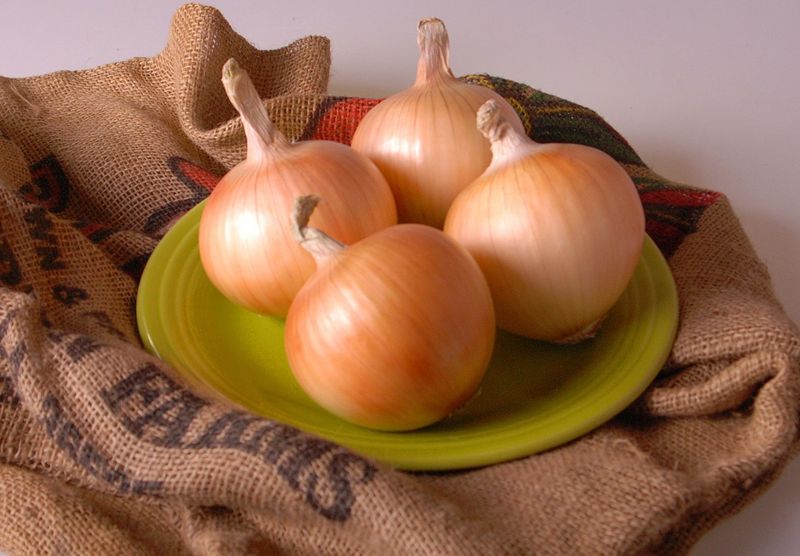
Not every onion variety performs the same way across the country, and in Texas, that distinction matters more than most gardeners realize. Onions respond to day length, meaning the number of daylight hours triggers bulb formation.
Choosing the wrong type for your region can leave you with lush green tops but little to no bulb development beneath the soil.
Short-day onions are the go-to choice for most of Texas. These varieties begin forming bulbs when days reach around 10 to 12 hours of light, which happens during the cooler months of late fall through early spring.
Popular short-day options like Texas Grano 1015, Red Creole, and Southern Belle thrive in Texas conditions and produce sweet, mild bulbs that are hard to beat fresh off the plant.
Intermediate-day varieties, which need roughly 12 to 14 hours of daylight, can also work in northern Texas regions where planting windows shift slightly later into winter.
These types tend to suit gardeners in the Dallas-Fort Worth area or the Texas Panhandle who plant in late winter for a summer harvest.
Long-day onions, on the other hand, are generally not recommended for Texas growing conditions because the state does not receive the extended summer daylight those varieties require.
Matching the right onion type to your Texas region is the single most important decision you will make before planting season begins.
2. Picking Containers With Enough Depth For Bulb Development
Container size is one of those details that gardeners sometimes underestimate, especially when growing root vegetables like onions.
The right pot gives bulbs the room they need to swell and develop properly, while the wrong container can stunt growth before it even gets started.
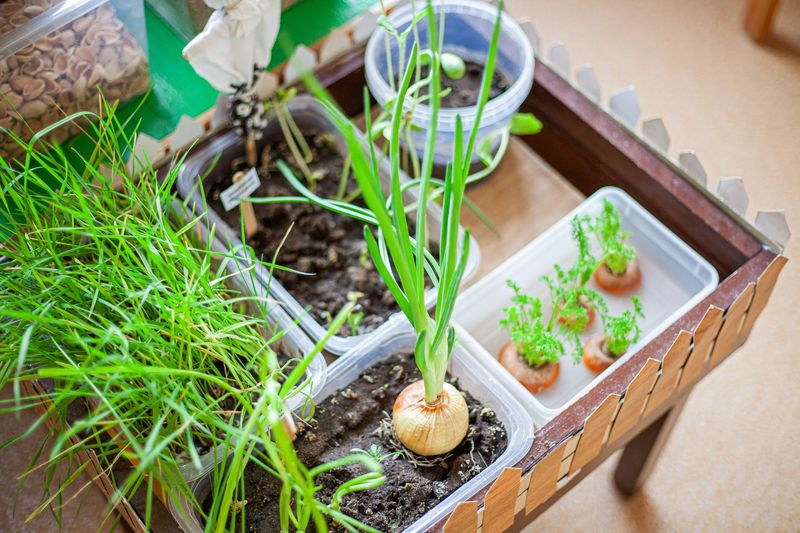
For growing onions in containers in Texas, aim for pots that are at least 10 to 12 inches deep. That depth gives roots enough space to anchor the plant and allows bulbs to expand without restriction.
Shallower containers tend to limit bulb size and can cause onions to push out of the soil prematurely, which exposes developing bulbs to intense Texas heat and dries them out faster than expected.
Width matters just as much as depth. A container that is 12 to 18 inches in diameter can comfortably hold several onion plants when spaced correctly.
Larger containers, like half-barrel planters or wide rectangular troughs, are especially useful for growing a meaningful quantity of onions in a small space.
Fabric grow bags have become popular among Texas container gardeners because they promote excellent drainage and air pruning of roots, which supports healthier plants overall.
Whatever material you choose, clay, plastic, wood, or fabric, make sure the container has multiple drainage holes at the bottom.
Standing water is one of the fastest ways to introduce root rot, particularly during the rainy stretches that parts of Texas experience in spring and early summer.
3. Using Well Draining Soil Mixes For Better Growth
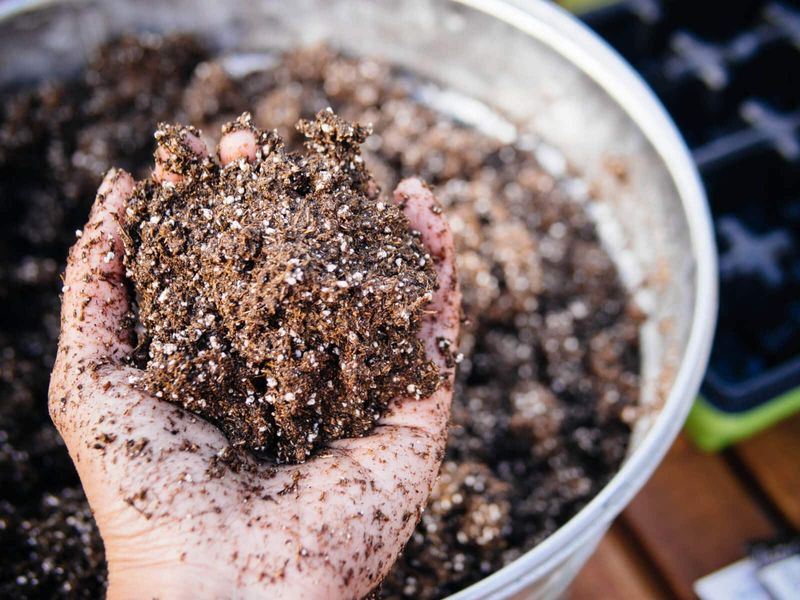
Garden soil pulled straight from the ground is rarely a good fit for container gardening, and with onions, poor soil choices show up quickly in stunted plants and underdeveloped bulbs.
Containers need a mix that drains efficiently while still holding enough moisture and nutrients to support steady growth through the season.
A reliable starting point is a high-quality potting mix blended with compost and perlite or coarse sand.
The compost adds organic matter and nutrients, while perlite or sand opens up the texture so water moves through rather than pooling around the roots.
Onions prefer a slightly acidic to neutral soil pH, somewhere between 6.0 and 7.0, and most quality potting mixes fall within that range. If you are unsure about your mix, an inexpensive soil pH test from a local garden center can give you a clear reading.
Avoid mixes that feel heavy or dense when wet.
Compacted soil in containers suffocates roots and holds excess moisture, which encourages fungal problems, especially during Texas summers when humidity spikes in coastal and eastern regions.
Refreshing your potting mix between growing seasons is a smart habit that prevents nutrient depletion and reduces the risk of soil-borne issues carrying over from one planting to the next.
Some Texas gardeners also mix in a slow-release granular fertilizer when preparing their containers, which gives newly planted onions a gentle, steady nutrient boost right from the start without the risk of overfeeding.
4. Planting At The Right Time Across Texas Regions
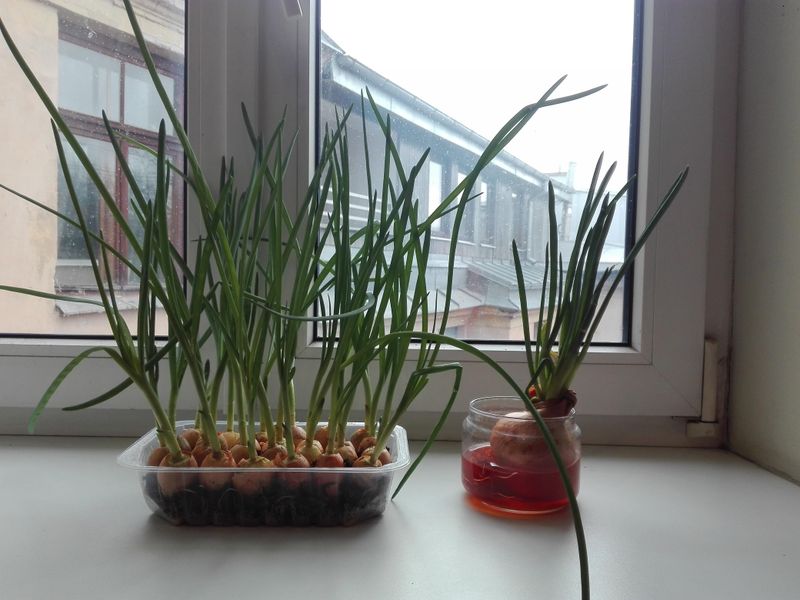
Timing is everything when it comes to onions in Texas, and the state’s geographic diversity means planting windows vary significantly depending on where you live.
South Texas gardeners operate on a different schedule than those in the Panhandle, and understanding those regional differences can make or break a harvest.
In South Texas and along the Gulf Coast, fall planting is the most reliable approach.
Planting short-day onion sets or transplants between October and December allows bulbs to develop during the mild winter months and reach maturity before the brutal summer heat arrives.
Central Texas, including the Austin and San Antonio areas, follows a similar fall-to-spring schedule, with planting typically running from October through January.
North Texas and the Dallas area gardeners often plant in late January through February for a late spring harvest.
Container gardening offers a meaningful advantage here because pots can be moved to sheltered spots during unexpected cold snaps, which are not uncommon in northern and western Texas during winter.
Young onion plants can tolerate light frost, but severe freezes can damage transplants if they are left exposed without protection.
In West Texas, where temperatures swing widely between seasons, containers make it easier to respond quickly to changing conditions.
Succession planting, starting a new container of onions every six to eight weeks, is a practical strategy for gardeners across Texas who want a steady, ongoing supply rather than one large harvest all at once.
5. Giving Onions Full Sun For Strong Bulb Formation
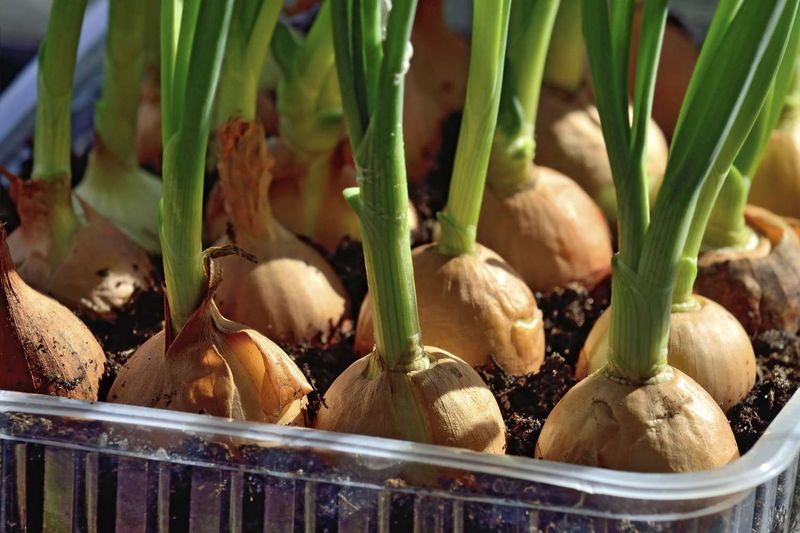
Sunlight is the engine behind onion bulb development, and giving your containers the right sun exposure is one of the most impactful things you can do for a strong harvest.
Texas is fortunate in this regard because the state receives abundant sunshine through most of the growing season, making it well-suited for sun-loving crops like onions.
Onions generally need six to eight hours of direct sunlight each day to develop full, healthy bulbs. Containers placed in partial shade may produce decent green tops, but the bulbs beneath the soil often remain small and underwhelming.
One of the best features of container growing is the ability to reposition pots throughout the day or across seasons to chase the most favorable light as the sun angle shifts.
In Texas, intense summer sun can create the opposite problem for fall-planted onions that are still developing in late spring.
When temperatures climb into the upper 90s and beyond, containers sitting on concrete patios or driveways can heat up quickly, stressing roots and accelerating soil moisture loss.
Placing containers on wooden decking, grass, or elevated plant stands can reduce heat transfer from hot surfaces.
Reflective or light-colored containers also absorb less radiant heat compared to dark pots, which is a small but worthwhile consideration during warm Texas springs.
Monitoring your container placement through the season, rather than setting it once and forgetting it, tends to produce noticeably better results.
6. Watering Consistently Without Overdoing It
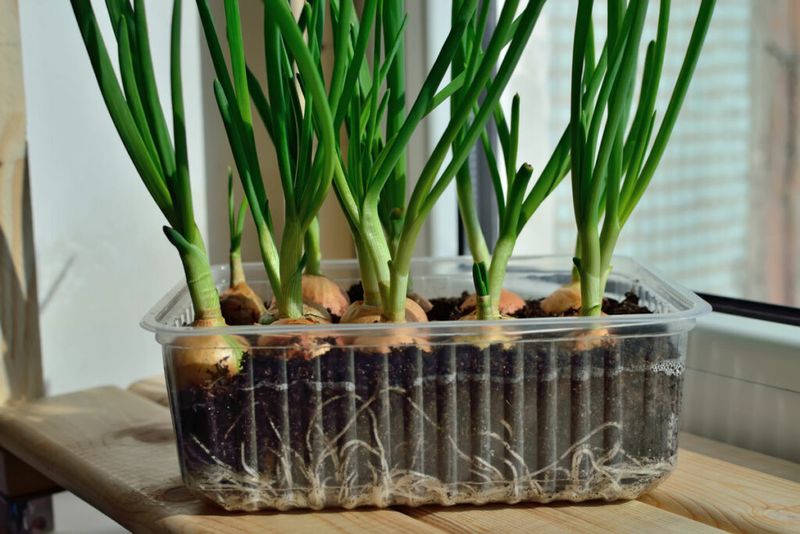
Getting watering right with container onions takes a bit of practice, but once you find the rhythm, it becomes second nature.
Containers dry out faster than in-ground beds, especially during the warm, windy stretches that Texas gardeners know well from spring and early summer.
At the same time, consistently wet soil creates conditions that invite root problems.
The general rule is to water when the top inch of soil feels dry to the touch. Press a finger into the soil near the edge of the container, not just at the surface.
If it feels dry an inch down, it is time to water thoroughly until moisture drains from the bottom holes. Shallow, frequent watering encourages roots to stay near the surface, which makes plants more vulnerable to heat stress.
Deep, less frequent watering encourages roots to grow downward where conditions are more stable.
During the hottest stretches of Texas spring, container onions may need water every one to two days depending on pot size, sun exposure, and wind.
Smaller containers lose moisture faster than larger ones, so grouping pots together can help slow evaporation slightly.
Mulching the top of the container soil with a thin layer of straw or shredded leaves is another practical technique that helps retain moisture between waterings.
Drip irrigation setups or self-watering containers can also take some of the guesswork out of watering schedules, particularly useful for gardeners who travel or have busy weekday routines.
7. Fertilizing To Support Healthy Leaf And Bulb Growth
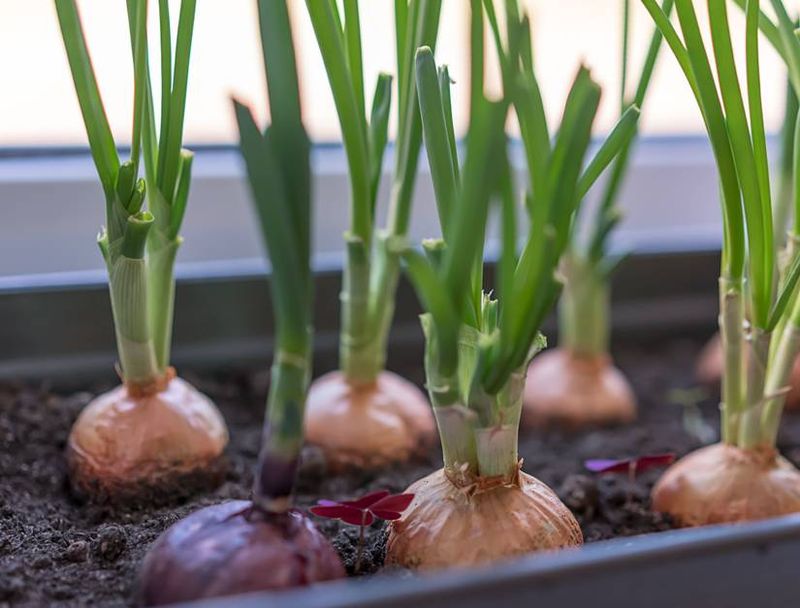
Onions are moderate feeders, meaning they benefit from regular fertilization but do not need to be loaded up with nutrients to perform well.
In containers, nutrients wash out of the soil faster than in garden beds, so keeping up with a consistent feeding schedule matters more than many gardeners expect.
During the early weeks after planting, a balanced fertilizer with roughly equal parts nitrogen, phosphorus, and potassium supports strong leaf development.
Healthy green tops are important because the leaves are what drive energy down into the developing bulb.
A fertilizer applied every three to four weeks during the vegetative growth phase keeps the plant well-nourished without pushing excessive leafy growth at the expense of the bulb.
Once you notice the base of the plant beginning to swell, signaling that bulb formation has started, it helps to shift toward a fertilizer lower in nitrogen and higher in potassium.
Too much nitrogen during bulb development can push the plant to keep producing leaves rather than concentrating energy on forming a fat, flavorful bulb.
Liquid fertilizers work well for container onions because they move quickly into the root zone and can be adjusted easily from feeding to feeding.
Fish emulsion and seaweed-based liquid fertilizers are popular choices among organic gardeners in Texas because they are gentle, effective, and widely available at local garden centers throughout the state.
8. Spacing Plants Properly In Containers
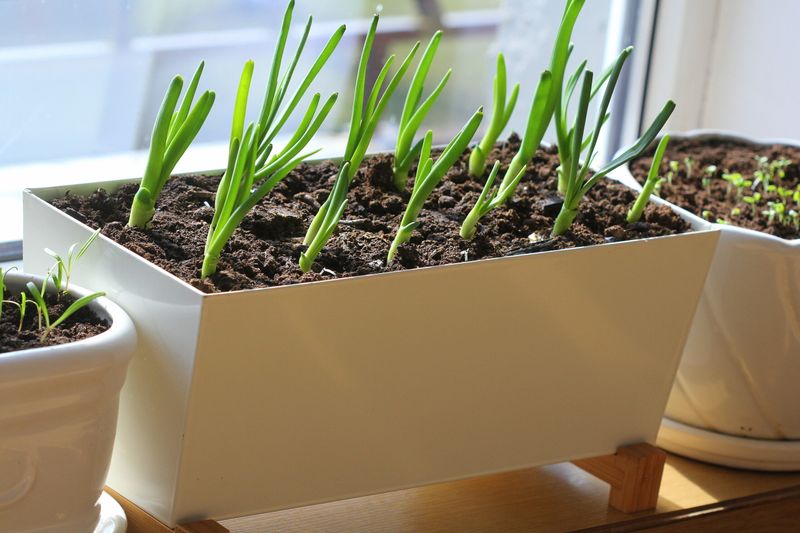
Crowding onion plants together is a common mistake that leads to competition for nutrients, reduced airflow, and smaller bulbs at harvest.
Proper spacing in containers is just as important as it is in a traditional garden bed, even though the temptation to squeeze in extra plants when working with limited pot space is understandable.
For bulb onions grown in containers, a spacing of three to four inches between plants is a practical target. That gap gives each bulb enough room to expand laterally without pressing against its neighbors.
In a 12-inch diameter container, you can typically fit five to six onion plants comfortably when arranged in a circular pattern with one plant in the center.
Larger containers allow for more plants, and a rectangular planter or window box can accommodate a surprisingly productive row of onions when spaced correctly.
Green onions, also called scallions or bunching onions, can be spaced more closely at about one to two inches apart since they are harvested before forming large bulbs.
This makes them a great option for smaller containers or for Texas gardeners who want a quicker harvest while waiting for bulb onions to mature.
Thinning seedlings to the proper spacing early in the season, rather than waiting until plants are large, reduces root disturbance and gives remaining plants a better start.
Consistent spacing also improves air circulation around the foliage, which helps reduce the likelihood of fungal leaf issues during humid Texas weather periods.
9. Knowing When To Harvest For The Best Flavor
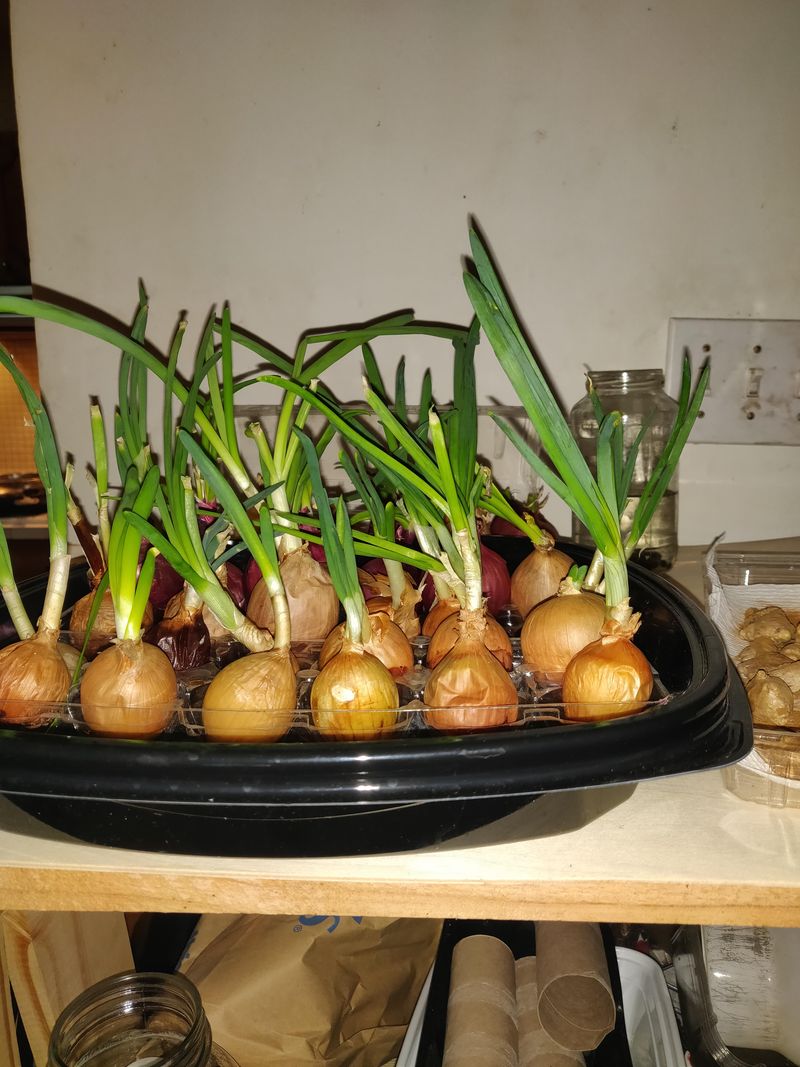
Patience pays off at harvest time, and learning to read the signs that onions are ready is one of the more satisfying skills a container gardener can develop. Pull too early and the bulbs are small and underdeveloped.
Wait too long and the outer skin can soften and the onion becomes harder to cure for storage.
The clearest signal that onions are approaching harvest is when the green tops begin to yellow and fall over naturally. At that point, the plant has shifted its energy away from leaf production and toward the bulb itself.
Some gardeners gently bend over any tops that have not yet fallen on their own, which encourages the plant to finalize bulb development.
After the tops have fallen, let the bulbs sit in the container for a few more days before pulling them to allow the outer skin to firm up slightly.
To harvest, loosen the soil around the bulb with your fingers or a small hand fork, then lift gently rather than yanking to avoid bruising.
Freshly harvested onions benefit from a curing period of one to two weeks in a dry, well-ventilated spot out of direct sun, which tightens the outer layers and extends shelf life considerably.
In Texas, where humidity can be high in coastal areas, curing onions indoors with a fan running nearby produces better results than leaving them outside.
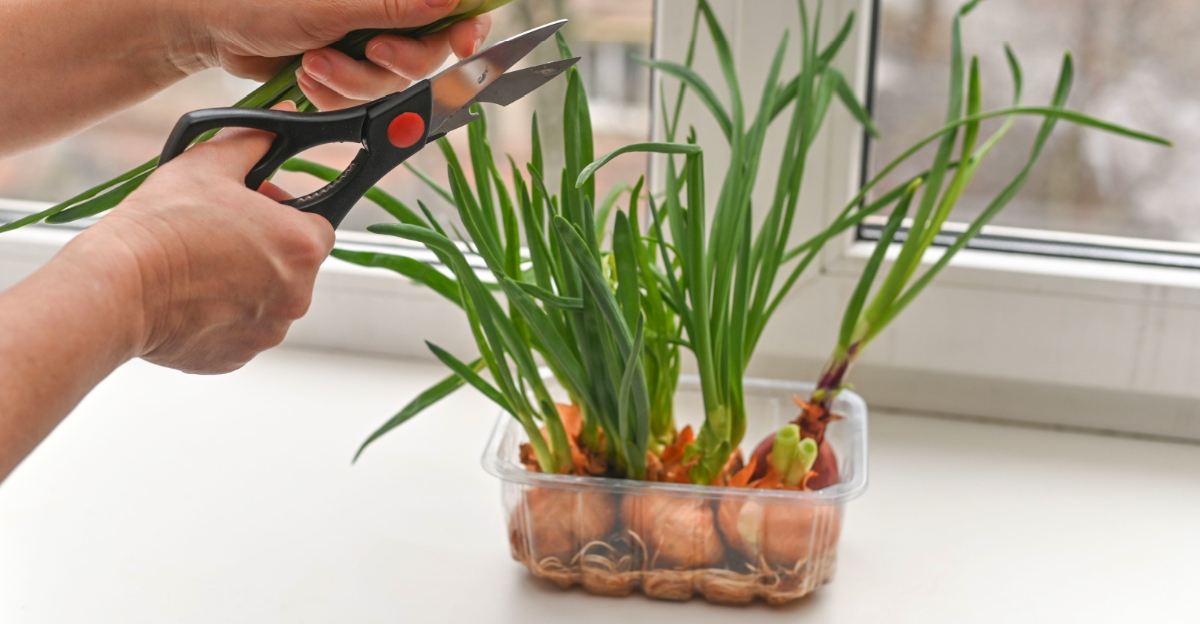
Green onions and scallions can be harvested much earlier, snipped at the base as soon as they reach a usable size for a quick, satisfying reward.