How To Identify Snake Attracting Plants In A California Yard
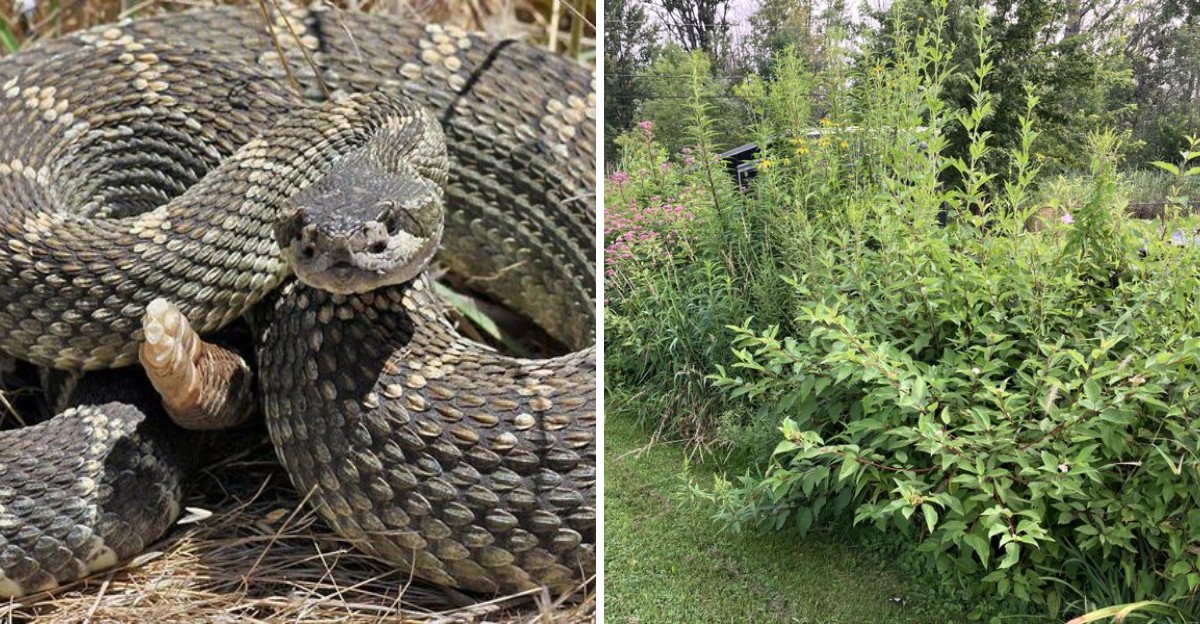
Snake sightings near the house often send homeowners searching for a list of plants to blame.
Ivy, roses, citrus trees, and lavender all end up under suspicion at some point.
The real answer, however, has very little to do with plant species. Snakes choose yards based on shelter and food, and certain kinds of growth happen to provide plenty of both.
UC IPM guidance focuses on habitat rather than individual plants for exactly this reason.
Learning to read a yard’s structure makes problem areas much easier to spot. A few smart adjustments can mean fewer surprise visitors slithering past the patio.
Its Habitat, Not Scent That Draws Them
A snake can slide past a row of blooming lavender without paying it the slightest attention. Scent, color, and flowers simply don’t factor into where snakes decide to spend time.
According to the UC Statewide IPM Program, snakes show up where they can find two things: shelter and food. No single plant species in a California yard is secretly calling them over.
The shape and condition of the yard matter most. Thick cover, cool hiding spots, and plenty of rodents, lizards, or frogs make up the real draw.
The National Pesticide Information Center also points to habitat changes as one of the best ways to manage snakes. Removing hiding places and food sources does far more than any spray or so-called repellent plant.
Claims that certain plants push snakes away aren’t well supported by research. That’s worth remembering before spending money on them.
A better approach starts with a different question. Instead of asking which plant attracts snakes, it helps to ask which areas offer a safe hiding place or an easy meal.
That small shift makes real problem zones much easier to spot. It also saves time spent pulling out plants that were never the issue.
Most California snakes, like gopher snakes and garter snakes, are harmless and even helpful. Rattlesnakes are the main species to watch, and understanding what draws all of them helps keep encounters rare and calm.
Dense Groundcover Tops The List
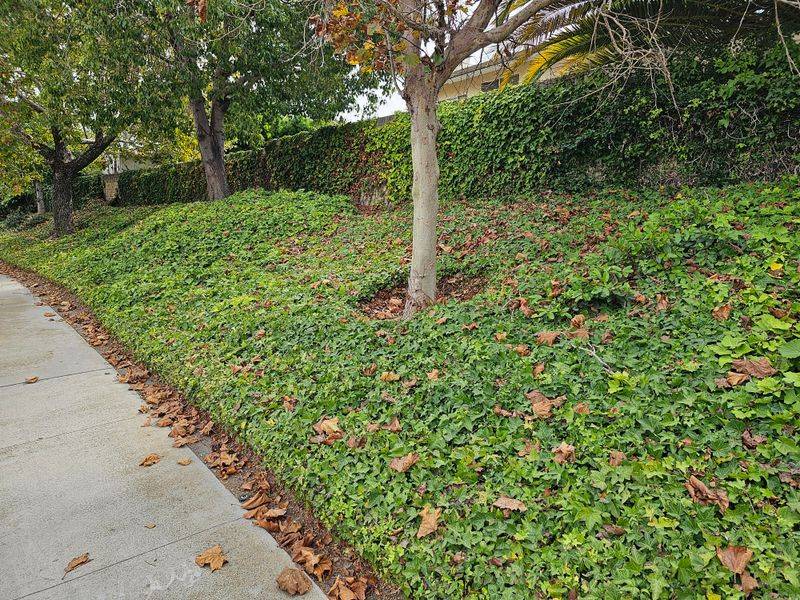
Ivy, ice plant, and thick periwinkle can look lovely spilling across a slope. Underneath that leafy carpet, though, sits a cool, shady world a snake would gladly call home.
Dense groundcover ranks among the biggest habitat features linked to snake activity in yards. The reasons are simple and fairly predictable.
Snakes are cold-blooded and need places to escape the hot California sun. A thick mat of leaves stays cooler and damper than open soil, and it hides them from hawks and other predators.
Groundcover also shelters mice, voles, and lizards, exactly what many snakes hunt. A dense patch offers both a bedroom and a snack bar in one convenient spot.
The plant name matters very little here. Any low, tangled plant can create this effect once it grows thick enough over time, so density and depth deserve the most attention.
A gentle poke with a garden rake reveals a lot about a patch. A rake that disappears under several inches of tangled stems points to prime hiding space.
Your California Garden Changes Every Week. Your Plan Should Too.
Gardening in California changes quickly throughout the season. Every Friday you’ll receive a simple weekly plan showing exactly what to plant, prune, fertilize, harvest, and protect so you never miss the right timing.
Thinning the patch, trimming edges back from walkways, or swapping some of it for gravel or mulch can make a real difference. Even partial changes reduce the amount of usable cover.
Gloves and sturdy shoes are smart choices when working in thick plants. A quick look before reaching in keeps hands safe and avoids any startling surprises for both sides.
Overgrown Shrubs Create Hidden Corridors
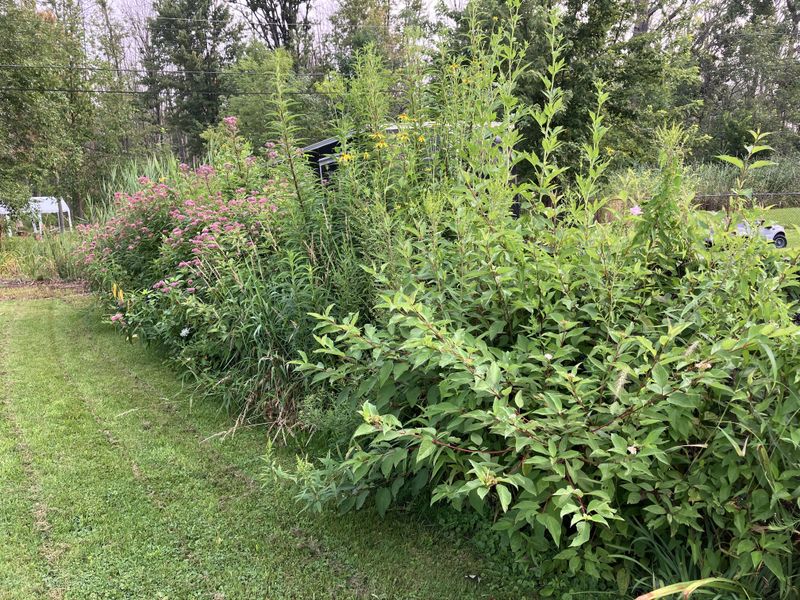
An overgrown hedge works a lot like a secret tunnel. From the outside, it looks like a green wall, but underneath, the branches form a shady hallway along the ground.
Snakes use these hidden paths to travel around a yard without ever being seen. When shrubs grow wild, lower branches often droop and touch the soil.
Leaves pile up underneath, and the space stays dark and cool all day. A snake can slip from one end of the yard to the other while staying fully protected.
These corridors often run along fences, walls, and house foundations. That can guide snakes right up to doors, garages, or crawl spaces without warning.
Rodents use the same paths, which makes them even more appealing to a hungry snake.
The shrub type isn’t the issue, since rosemary, juniper, or pittosporum can all create this effect when left untrimmed. What matters is how low and thick the branches grow.
A simple fix called limbing up solves much of the problem. Trimming the lowest branches to leave a gap of about a foot or more above the ground opens the space.
Raking out the leaf litter underneath allows a clear view inside from a few steps away.
Once the soil under shrubs is visible, snakes lose their cover. The yard also looks neater and brighter, a welcome bonus for very little effort.
Tall Grass Hides Both Snakes And Prey
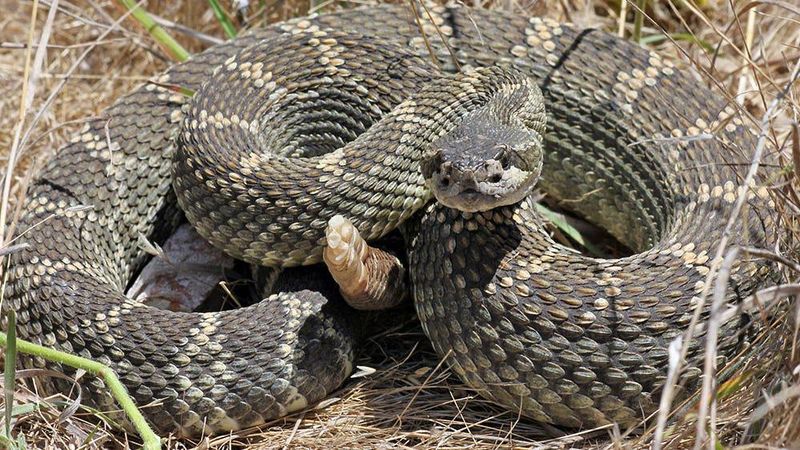
Walking through knee-high grass often brings a twinge of nervousness about what might be hiding below. That instinct is actually pretty smart.
Tall grass gives cover to snakes and to the small animals they eat. Mice, rats, and gophers feel safe there because owls and hawks can’t spot them easily.
Grasshoppers and lizards hang out in long grass, too. With so much food close by, a snake has every reason to settle in.
In California, this is especially common at yard edges bordering open hillsides or empty lots. Dry, golden grass in late spring and summer is classic rattlesnake territory.
Unmowed strips along back fences can act like a welcome mat from the wild land beyond. They connect natural habitat directly to the yard.
Tall grass also makes it hard to see where feet land. That raises the chance of an accidental bite, which usually happens when someone surprises a snake.
Short grass allows a snake to be spotted long before anyone gets close. The UC IPM Program suggests keeping grass mowed short around the home.
Edges, corners, and spots near play areas or doorways deserve extra attention. Wild areas meant to stay natural work best far from busy paths.
Regular mowing does double duty, removing hiding spots and making the area less cozy for the rodents that bring snakes around in the first place.
Water Features Draw Them Indirectly
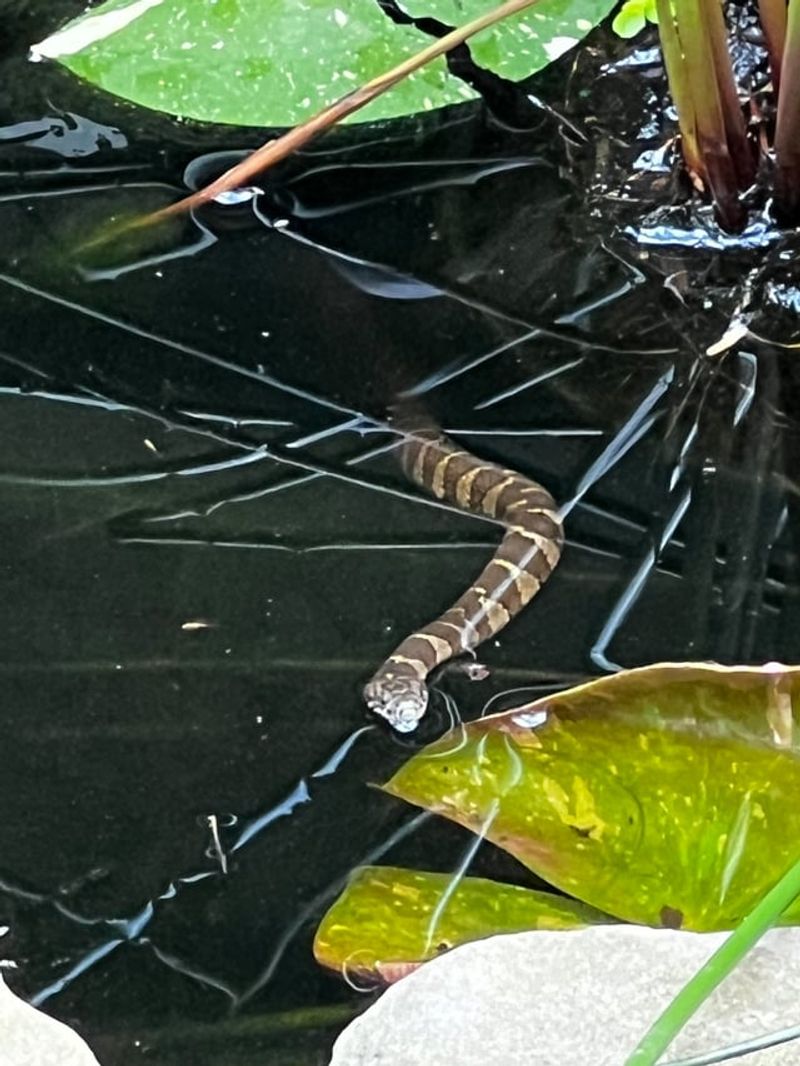
A bubbling fountain or small pond can turn a yard into a peaceful retreat. Frogs, birds, and insects think so too, and snakes often follow wherever those animals gather.
Snakes do drink water, especially during long, dry California summers. The bigger reason they visit water features, however, is the food that shows up there.
Garter snakes are known for hunting frogs, toads, and small fish near ponds. Garden ponds can become a favorite stop for them during warm months.
Rodents also come looking for a drink when weather turns hot. A leaky hose, dripping faucet, or outdoor pet water bowl can bring them in just like a fancy pond.
That chain of animals makes water an indirect snake magnet. The surrounding plants matter as well, though not because snakes like them.
Thick reeds, rocks, and lush leaves near the edge offer shelter right beside a food source. That combination is hard for a snake to pass up.
Draining the pond isn’t necessary. Keeping edge plants trimmed allows a clear view of the ground.
Fixing leaks, emptying unneeded standing water, and avoiding loose rock stacks at the water line all reduce appeal. Small changes like these keep the water feature enjoyable without turning it into a hunting ground.
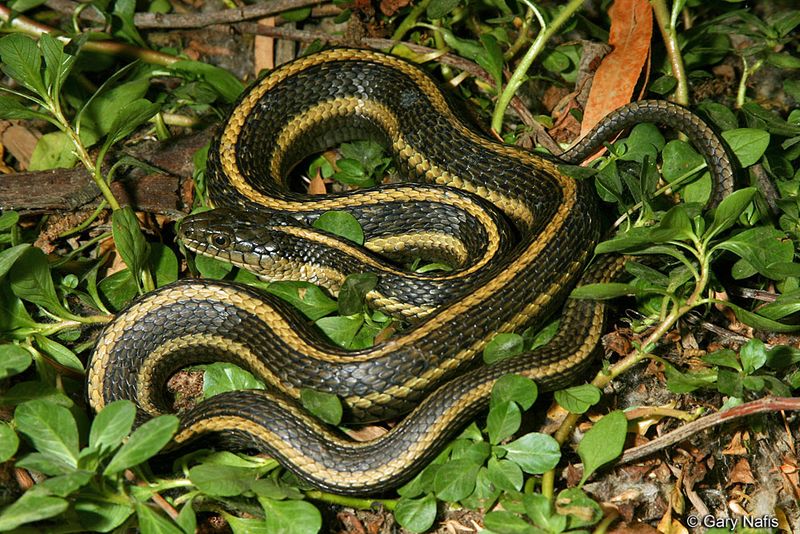
Garter snakes rank among the most common snakes in California and are harmless to people. Many gardeners actually welcome them for eating slugs and other garden pests.
Fallen Fruit Attracts Their Favorite Meals
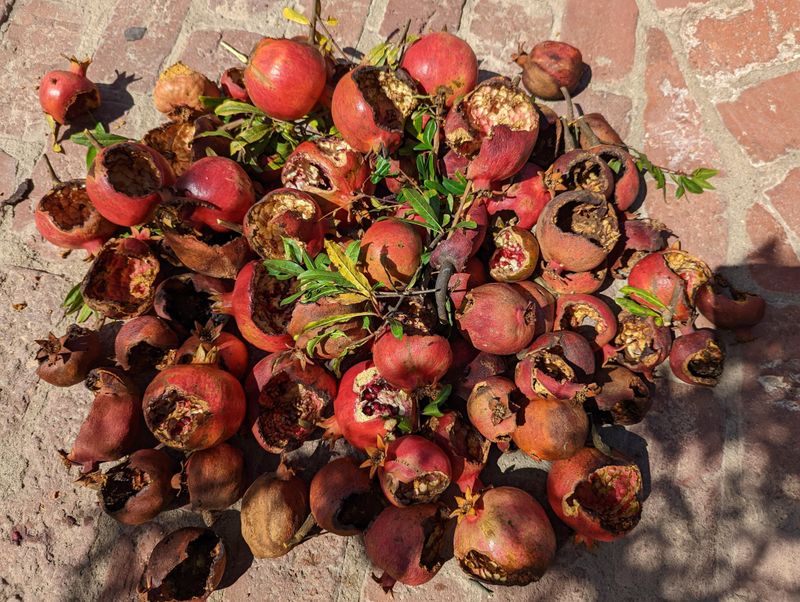
Few things say California quite like a backyard orange or lemon tree. Ripe fruit dropping to the ground, however, turns into a midnight buffet for rats.
Roof rats in particular are famous for feasting on citrus, avocados, and figs. Once rodents find a steady fruit supply, they stick around and raise families nearby.
The food chain then takes one more step. Gopher snakes, kingsnakes, and rattlesnakes all hunt rodents, so they soon come looking for an easy meal.
This is a perfect example of why the tree itself isn’t the problem. A citrus tree doesn’t attract snakes, but the decaying fruit beneath it attracts rodents, which then bring in the snakes.
The UC IPM Program notes that picking up fallen fruit is a key step in controlling rats around homes. It’s also one of the easiest habits to build.
A few minutes every day or two during harvest season makes a big difference. Regular pickup keeps the buffet closed before rodents get comfortable.
Other food sources work the same way. Birdseed spilled under feeders, pet food left outside, and open compost piles can all feed rodents. Cleaning them up cuts off the supply that keeps snakes interested.
Chewed fruit still hanging on branches or hollowed-out oranges on the ground are telltale clues. Those signs point to rodent visits, and snakes may not be far behind.
Tidy Structure Matters More Than Species Choice
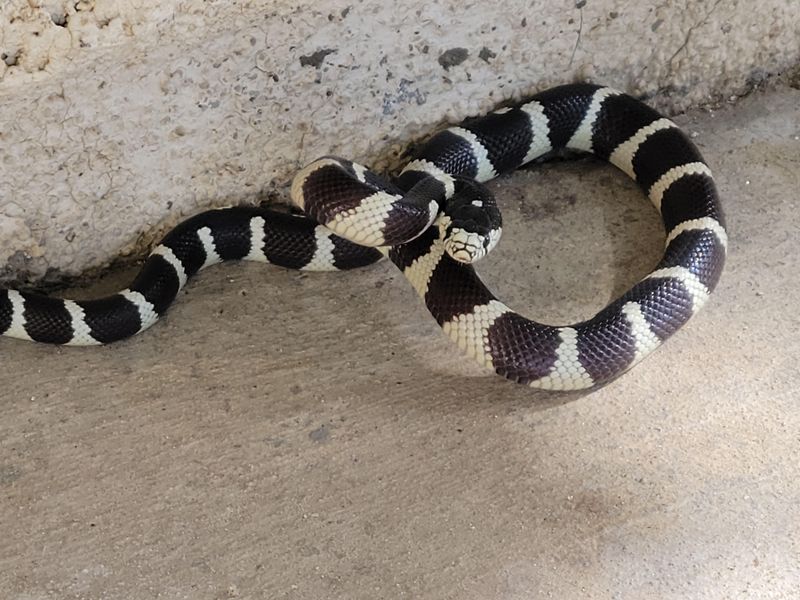
Two neighbors can grow the exact same flowers and end up with very different snake stories. One keeps things trimmed, raked, and open, while the other lets everything grow wild.
The wilder yard usually sees more slithery visitors. That’s the big lesson behind this entire topic.
No plant species is a snake magnet on its own. What matters is whether the yard offers places to hide and food to eat.
A quick walk-through helps spot risky areas. Thick groundcover, shrubs touching the soil, tall grass, and wood or rock piles all deserve attention.
Fallen fruit, spilled seed, leaks, and signs of rodents belong on that list too. Each one adds to the appeal of a yard for snakes.
According to both NPIC and UC IPM, habitat changes are the most reliable long-term way to reduce snakes. Sprays and repellent products have little proof behind them.
Sealing gaps under doors and around foundations can also keep snakes out of the house. That simple step adds an extra layer of protection.
Most snakes help by eating pests, so the goal is balance rather than battle. A rattlesnake that feels too close for comfort calls for plenty of distance.
Local animal control or a wildlife professional can step in, since handling one is best left to experts. A tidy, open yard keeps everyone, snakes included, a little more comfortable.