What Spinach, Radishes, And Peas Need To Thrive In A California Fall Garden
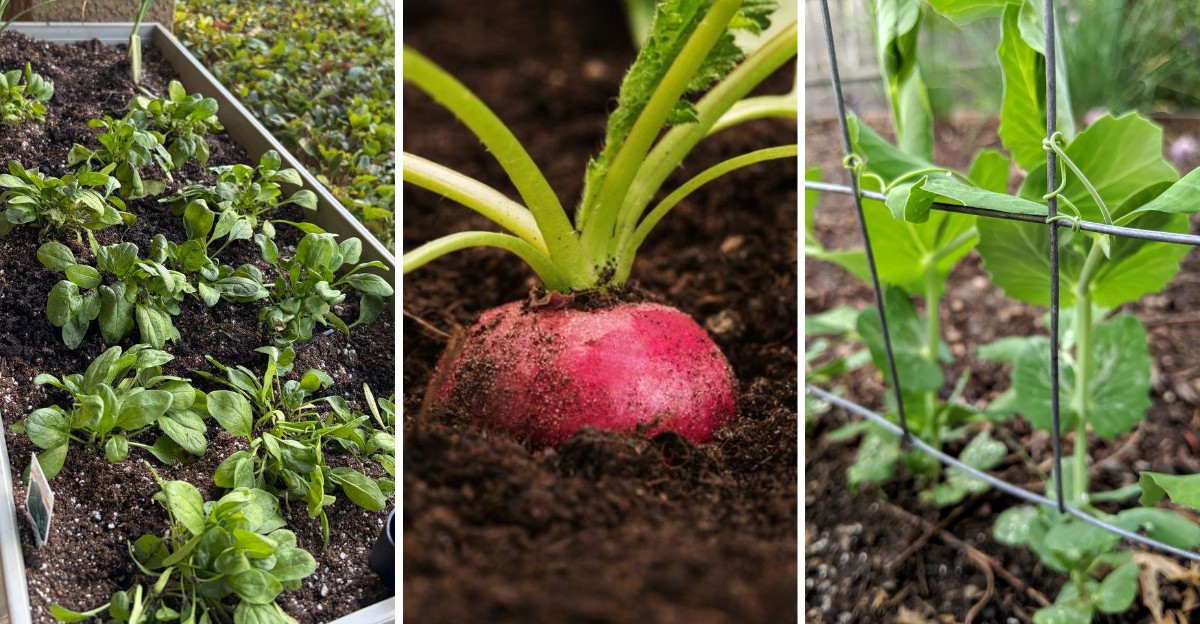
Three cool-season crops often end up sharing the same fall bed and the same assumptions. They look like natural partners, yet each one plays by its own set of rules.
One sulks when soil runs warm. Another races to harvest but turns fussy with lumpy ground and uneven watering. The third reaches for support almost the moment it sprouts.
California adds its own twist, since coastal fog, valley heat, desert sun, and mountain frost all shift the timing.
Small details at planting time can decide between a basket of crisp, sweet food and a bed full of surprises.
Each crop has a secret or two, and learning them early turns a hopeful fall garden into a generous one.
1. Spinach Needs Cool Soil To Germinate
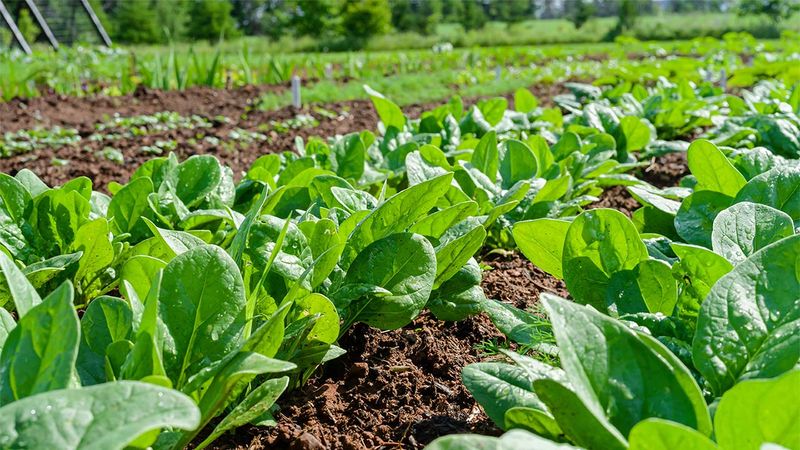
Plenty of gardeners sow spinach on a hot September afternoon, water faithfully, and see almost nothing come up. The seeds were fine, but the soil was simply too warm for them to wake up properly.
Spinach seed is fussy about temperature. It sprouts best in cool soil, roughly in the 50s to around 70 degrees Fahrenheit.
Once soil climbs much past 75 degrees, germination drops sharply, and seedlings that do appear may be weak. UC garden guidance treats spinach as a true cool-season crop for this reason.
An inexpensive soil thermometer ends the guessing game. Morning readings taken about two inches deep for a few days in a row reveal the real trend.
Steady, comfortably cool readings signal planting time. In hotter parts of the state, that often means waiting until October or later.
Warm days can also push spinach to bolt, rushing up a flower stalk. Leaves then turn bitter and stop coming.
Planting into cooling weather gives the plant a long, calm stretch of short days for lush growth.
A few tricks help in borderline weather. Watering the bed well and shading it with burlap or a board for a few days cools the surface.
Some gardeners chill seeds in the fridge for a week before sowing. Seeds sown about half an inch deep in consistently moist soil usually reward patience with tidy green rows.
2. It Also Wants Rich Moist Soil
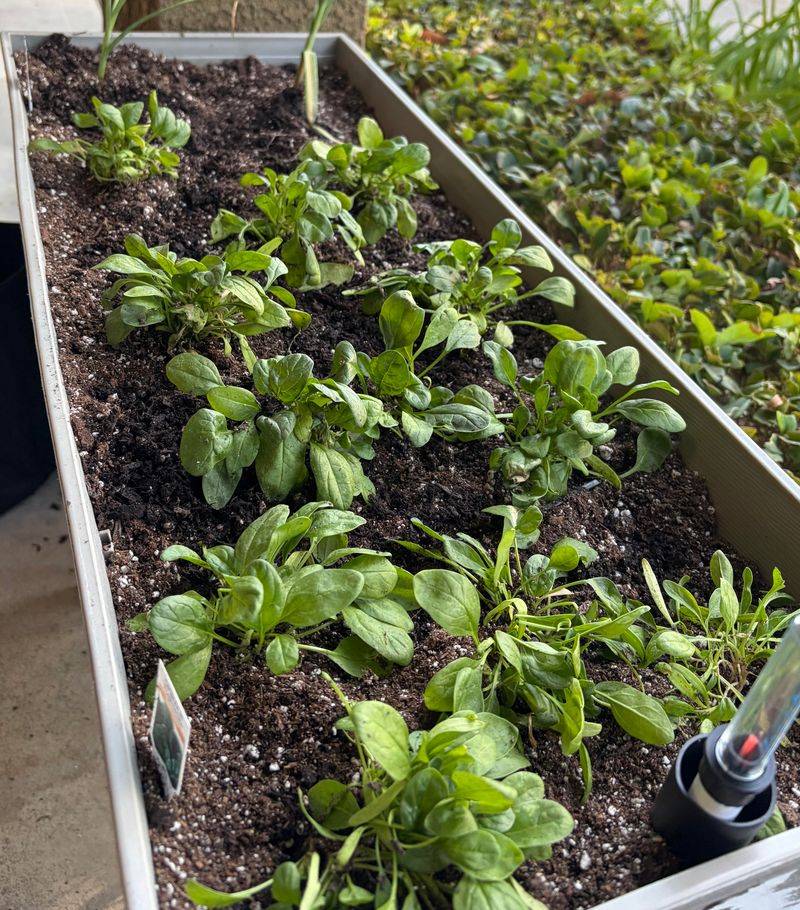
Leaves so dark and glossy they almost shine come from soil that feeds spinach well and keeps it from going thirsty for long.
As a leafy crop, spinach craves nitrogen, the nutrient that fuels green growth. Two to three inches of finished compost mixed into the top several inches of soil gives it a strong start.
A balanced vegetable fertilizer worked in at planting helps, too. Pale yellow leaves later in the season often signal the need for a light side dressing of nitrogen.
Moisture matters just as much. Spinach has fairly shallow roots, so the top few inches of soil can dry quickly on a breezy fall day.
Stressed plants grow slowly and may bolt early. Soil about as damp as a wrung-out sponge, rather than soggy, hits the sweet spot.
Drip lines or soaker hoses work beautifully here. They deliver water to the roots and keep leaves dry, lowering the risk of leaf diseases.
Your California Garden Changes Every Week. Your Plan Should Too.
Gardening in California changes quickly throughout the season. Every Friday you’ll receive a simple weekly plan showing exactly what to plant, prune, fertilize, harvest, and protect so you never miss the right timing.
A thin layer of straw or shredded leaves holds moisture and keeps soil cooler on warm afternoons. Drainage still counts, though.
Spinach dislikes standing water, and heavy clay that stays wet can lead to root rot. Raised beds make a smart fix for yards that hold puddles.
Spinach also prefers soil close to neutral rather than strongly acidic. With rich ground and steady water, outer leaves are often ready to harvest in roughly six weeks, depending on the variety.
3. Radishes Need Loose Soil For Round Roots
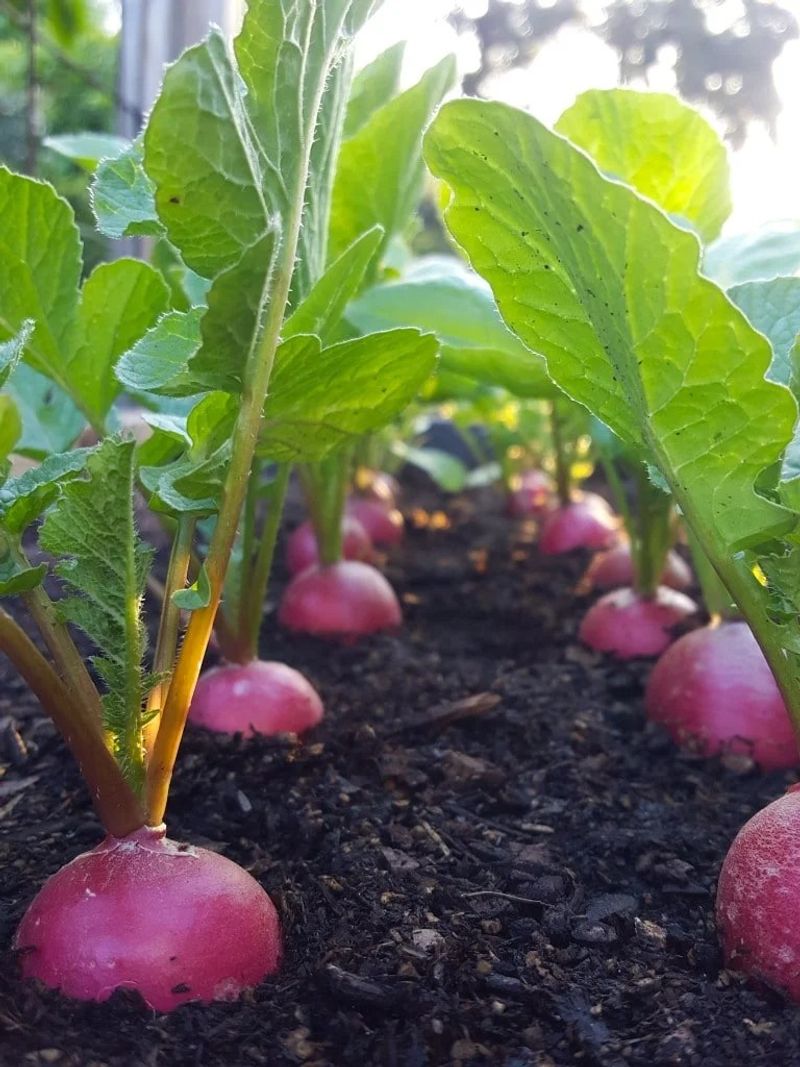
Hard, rocky ground can turn a radish into a twisted, forked little root that looks more like a cartoon than a salad topping. The crop is only as good as the soil it pushes through.
A radish root swells right in the top few inches of soil. When it bumps into clods, pebbles, or a crusty layer, it bends or splits around the obstacle.
Loose, crumbly soil lets it expand evenly into a smooth globe or a neat, tapered shape. Preparing that soil takes little effort.
Loosening the bed six to eight inches deep with a garden fork makes a strong start. Raking out rocks, old roots, and big chunks clears the path.
Compost blended in lightens heavy clay and helps sandy soil hold water. Fresh manure makes a poor pick, since too much nitrogen can produce big leafy tops and skimpy roots.
Seed depth matters, too. Radish seeds do best sown about half an inch deep and roughly an inch apart.
In clay soil, a light sprinkle of compost or fine potting mix over the seed row helps prevent a hard crust after watering. Seedlings then pop up without a struggle.
Speed adds a fun bonus. Many round varieties reach harvest in about three to four weeks, while longer daikon types take more time.
Because they grow so fast, some gardeners sow them alongside slower crops to mark the rows. That quick start leaves a lasting first impression.
4. They Also Want Steady Moisture
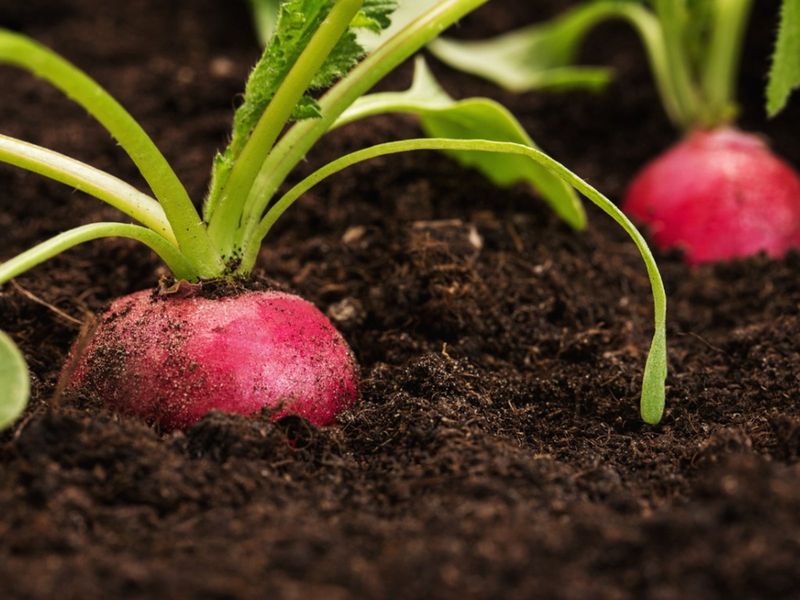
A radish that went through dry spells gives itself away at the first bite. It may taste extra hot, feel tough, or have a spongy, hollow center that gardeners call pithy.
Uneven water is the usual culprit. Radishes grow so quickly that any pause in moisture shows up in the root.
Dry soil slows growth and makes the flesh woody and sharp. A heavy soaking after a dry stretch can then make the swelling root crack open.
Consistency wins here. The top several inches of soil do best evenly moist from sowing until harvest.
In light, sandy soil, that may mean watering every day or two during warm fall weather. In clay, less frequent but thorough watering often works.
A finger pushed into the soil gives a quick answer. Dryness an inch down signals time to water.
Mulch makes a quiet helper. A thin layer of straw or fine compost between rows slows evaporation and keeps soil temperature steady.
Tiny seedlings are best left uncovered at first. Mulch works well once they stand an inch or two tall.
Harvest timing protects quality, too. Radishes left in the ground too long turn pithy even with perfect watering.
Frequent checks once the shoulders peek above the soil help catch them at a good eating size. A short row sown every week or two keeps a steady supply coming without a mountain of overgrown roots at once.
5. Peas Need A Trellis From The Start
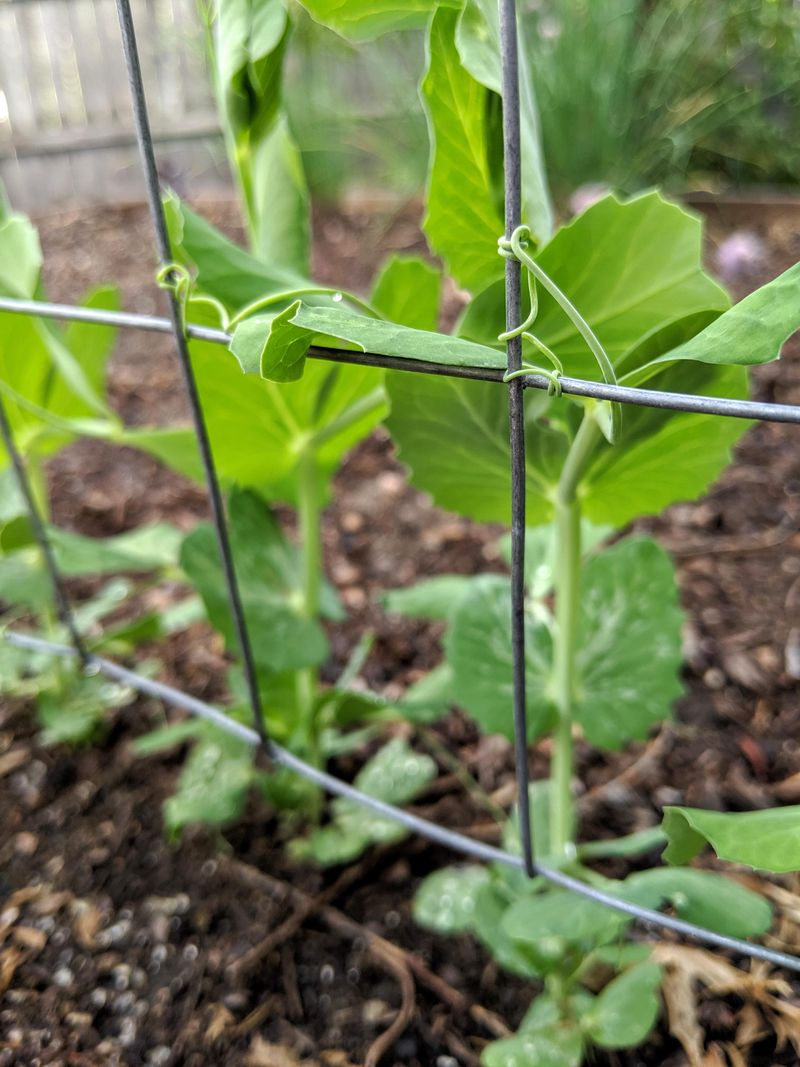
Tiny curly tendrils reach out from a pea seedling within days of sprouting. They search for something to grab, and without support, the vines soon sprawl across the ground in a tangled heap.
Support installed on planting day is far easier than adding it later. Stakes pushed into the soil after vines are growing can tear roots and snap tender stems.
Untangling flopped plants takes time and often breaks them. Setting the trellis first, then sowing seeds along its base, avoids that trouble.
The right support depends on the variety. Tall vining peas can reach five or six feet, so they need sturdy posts with netting, wire mesh, or string.
Shorter bush or dwarf types still benefit from a low fence or a row of twiggy branches. Peas climb by wrapping tendrils, so thin supports work better than thick poles.
Seeds do well sown about one to two inches deep and a couple of inches apart along the trellis line. Wandering tendrils can be gently guided toward the support.
Once they latch on, they climb with little help. Vertical growth brings extra perks.
Pods hang where they’re easy to see and pick. Air moves freely around the leaves, which helps reduce disease.
Pods also stay off damp soil, so fewer get nibbled by slugs and snails. A little effort upfront keeps the whole crop looking up all season long.
6. They Also Prefer Cool Mild Weather
Sweet, crunchy pods straight off the vine taste best when the weather feels like a light-sweater day. Peas thrive in mild temperatures, growing happily when days are cool and nights are crisp.
Heat is their weak spot. Hot weather slows flowering, and pods that do form may be few and starchy.
A fall planting that matures as the air cools can work well in many California gardens. Many varieties take roughly two months or more from sowing to harvest, so counting back from cooler weeks helps set the date.
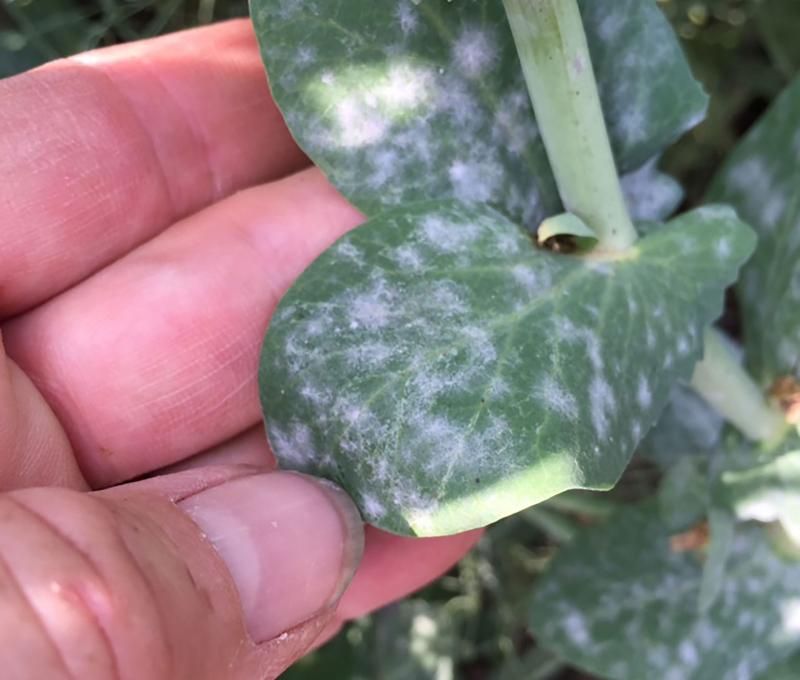
Fall brings one big challenge. Powdery mildew, a fungus that coats leaves in white dust, often shows up on fall peas.
Warm days paired with cool, humid nights favor it. Infected plants weaken, and harvests shrink.
Smart choices keep it in check. Varieties labeled resistant to powdery mildew offer a strong first line of defense.
Full sun and roomy spacing help air circulate around the vines. Morning watering at soil level, rather than spraying leaves, also helps.
Badly infected leaves are best removed and sent to the trash rather than the compost pile. Frost usually poses less of a worry.
Pea plants handle light frost fairly well, though hard freezes can damage flowers and pods. Colder areas benefit from timing pods before the deepest chill.
Frequent picking keeps vines producing, and the sweetest rewards often come to those who pea-tiently wait for cooler weather.
7. Thin Seedlings For Bigger Harvests
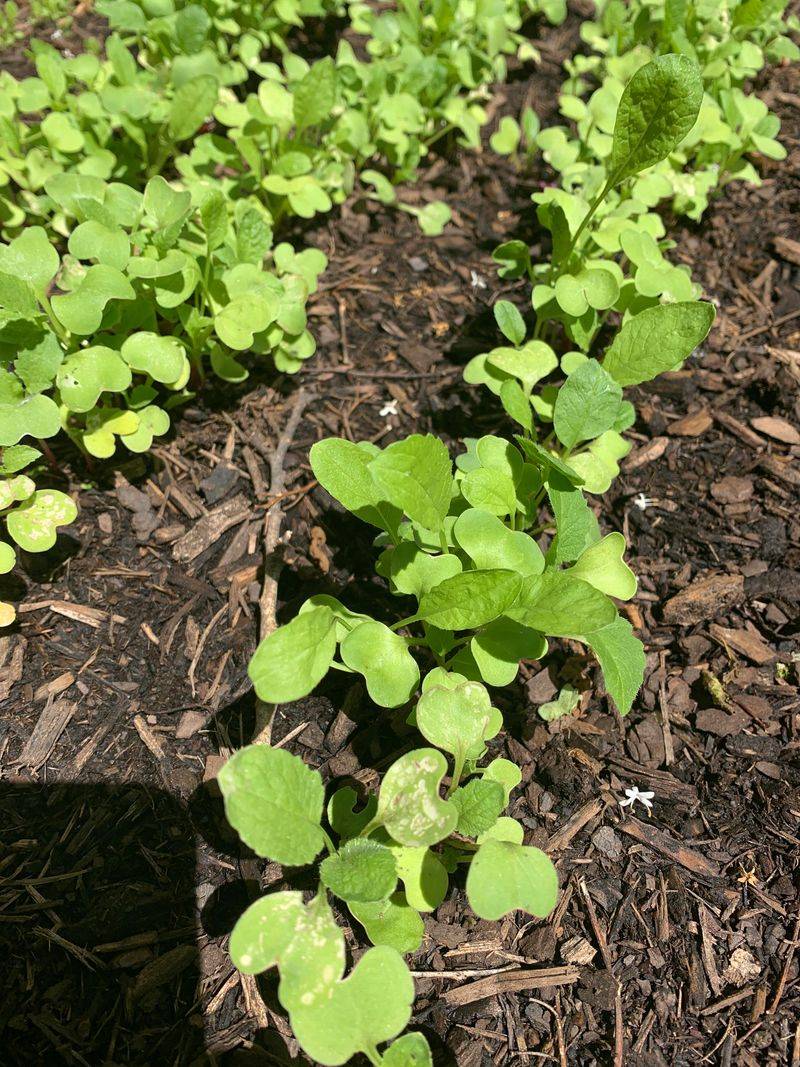
Pulling up healthy little seedlings feels wrong at first. Crowded rows, however, usually produce smaller, weaker plants, so thinning ranks among the kindest favors for a garden.
Crowded plants compete for water, nutrients, and light. Radishes suffer most, staying skinny and rarely forming round roots when packed too tightly.
Thinning them to about one to two inches apart once the first true leaves appear gives each root room to swell. Spinach needs more elbow room.
Plants spaced roughly three to six inches apart, depending on whether baby leaves or full heads are the goal, grow best. Better airflow helps leaves dry faster after watering or dew, lowering the chance of leaf diseases.
Thinned spinach seedlings also make a tender addition to salads. Nothing goes to waste.
Peas need less thinning, though spacing still matters. Seeds that sprouted in thick clumps do better thinned to about two inches apart along the trellis.
Tight bunches trap humid air, which can invite powdery mildew in fall. Technique makes a difference, too.
Snipping extra seedlings at soil level with small scissors works better than yanking them out, since pulling can disturb the roots of neighbors worth keeping.
Cool mornings or the hours after watering, when soil is soft, make the best timing. Thinning in stages works well, with a few removed now and more a week later.
A little firmness early pays off with fewer but far bigger, healthier plants.
8. Regional Timing Still Applies
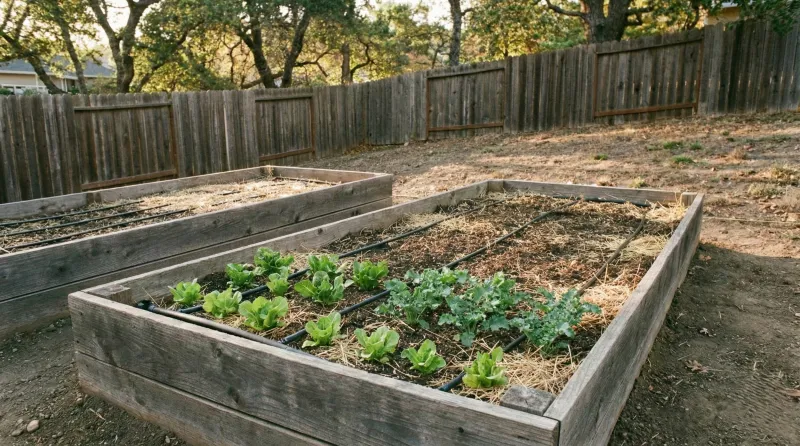
A gardener in foggy San Francisco and another in sizzling Palm Springs could plant on the same day and get completely different results. California packs many climates into one state, and fall timing has to match each one.
Coastal gardens enjoy mild temperatures, so planting can often begin in late summer or early fall. Sowing can continue for months, since fog keeps soil cool.
Inland valleys, like the Central Valley and inland Southern California, stay hot well into fall. Gardeners there usually wait until soil cools, often in October, especially for spinach.
Peas and radishes in those areas benefit from the same patience. A few extra weeks of waiting often means stronger plants and better harvests.
Low desert areas flip the usual script. Summer heat runs too fierce for these crops, so planting typically starts in mid to late fall and runs through winter, when conditions finally turn mild.
High desert and mountain regions face the opposite problem. Early frosts and freezing winters arrive fast, so earlier planting, sometimes in late summer, works best.
In the coldest spots, shifting these crops to spring may make more sense. Exact dates vary even within a single county.
Any calendar works best as a rough guide. Soil temperature and local frost dates offer more reliable signals.
UC ANR publishes regional vegetable planting guides, and local nurseries can share timing that fits each neighborhood. Paired with a soil thermometer, those resources turn guesswork into a steady harvest.