How To Keep Arizona Container Gardens Looking Good Through Summer
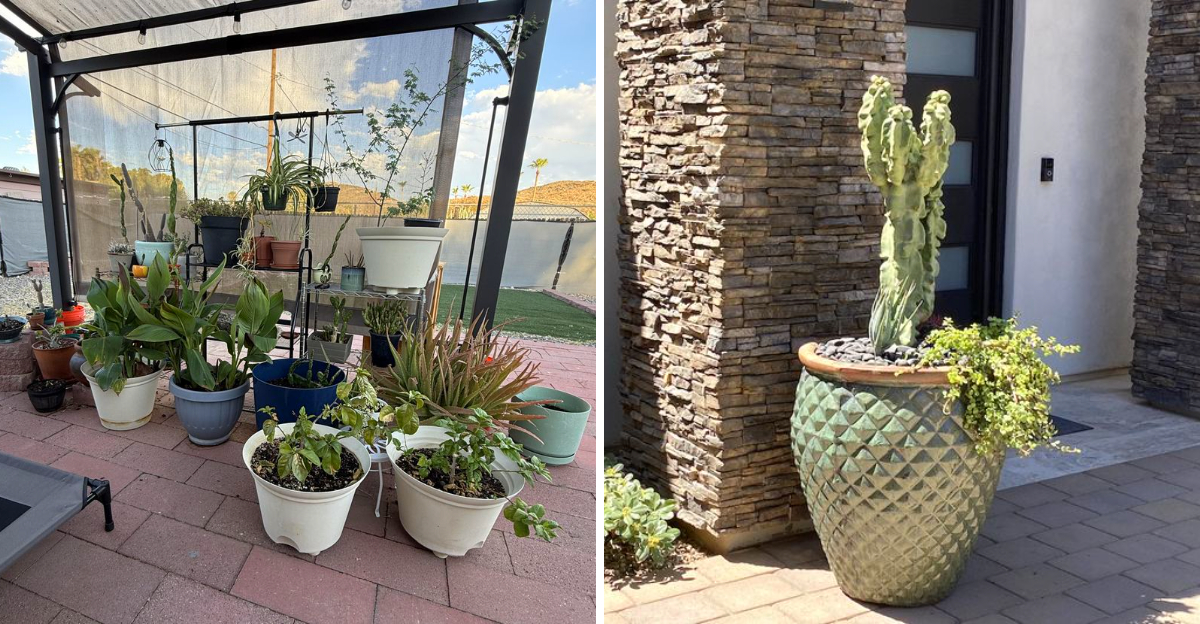
Container gardening in Arizona summer is not for the faint of heart.
Pots on a sun-baked patio absorb heat like nobody’s business, potting mix dries out at a speed that feels almost aggressive, and that lovely stucco wall you thought would add charm is quietly radiating extra heat onto everything nearby.
It’s a lot. Small containers especially have almost no buffer against the kind of conditions Arizona throws around in July and August, and a plant that looked perfectly happy in May can go sideways surprisingly fast if a few key things aren’t dialed in.
Here’s the encouraging part though: container gardens can genuinely thrive through an Arizona summer with the right setup. Pot size, watering depth, drainage, afternoon shade placement, smart grouping.
These things matter more than most people realize, and getting them right changes everything.
1. Choose Larger Containers Before Summer Peaks
Walking out to a patio full of wilting plants on a July morning is something many Arizona gardeners know all too well. Small pots are often the reason.
When a container holds only a few cups of potting mix, that soil can go from moist to bone dry in just a few hours during peak summer heat.
Larger containers hold more soil volume, which means they retain moisture longer and buffer plant roots from extreme temperature swings. A pot that is at least twelve to sixteen inches wide and deep gives roots room to spread and reduces how often you need to water.
On an Arizona patio in summer, that difference can be significant.
Shallow or small decorative containers may look appealing at the nursery, but they tend to struggle once triple-digit temperatures arrive.
If you are planning ahead, repotting plants into larger containers before summer peaks gives them a better chance of staying healthy through the hottest weeks.
Unglazed terra cotta pots, while charming, tend to dry out faster than glazed ceramic or resin options because they are porous. For Arizona summers, glazed ceramic, thick plastic, or resin pots often help soil stay moist longer between waterings.
Choosing the right container size and material before the heat sets in is one of the most practical decisions an Arizona container gardener can make.
2. Use A Well-Draining Potting Mix
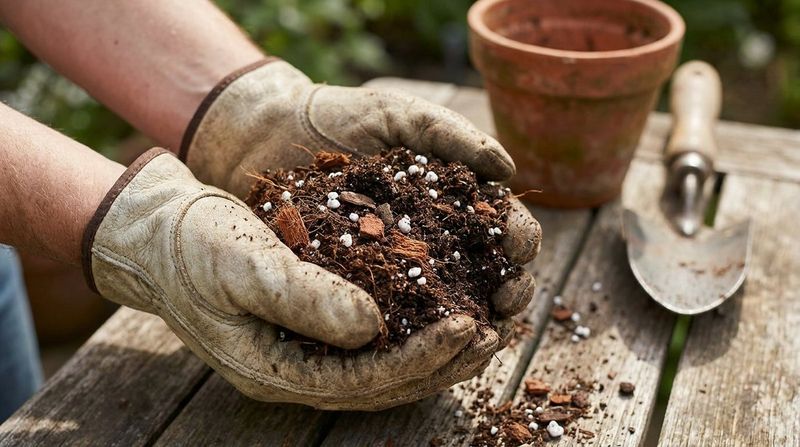
Soggy roots and scorched leaves might seem like opposite problems, but both can happen in the same pot when the wrong potting mix is used.
Standard garden soil packed into a container tends to compact quickly, block drainage, and hold excess moisture around roots in ways that cause serious problems during Arizona summers.
A quality potting mix designed for containers is lighter, airier, and drains well while still holding enough moisture for roots to absorb between waterings. Many Arizona gardeners improve drainage further by mixing in perlite, coarse sand, or pumice.
These amendments open up the soil structure and prevent waterlogging, which can be just as harmful to container plants as drought stress.
For succulents and cacti in pots, a specialized cactus and succulent mix with extra grit is worth using because these plants are particularly sensitive to sitting in wet soil.
Your Arizona Garden Changes Every Week. Your Plan Should Too.
Gardening in Arizona changes quickly throughout the season. Every Friday you’ll receive a simple weekly plan showing exactly what to plant, prune, fertilize, harvest, and protect so you never miss the right timing.
Herbs, vegetables, and flowering annuals tend to do well in a general-purpose container mix with added perlite for drainage.
Refreshing potting mix each season also helps because used mix breaks down over time, becoming dense and less effective at draining.
Before summer arrives, checking the condition of the potting mix in your containers and replacing or amending it as needed sets your Arizona pots up for a much smoother season ahead.
3. Check Soil Moisture More Often Than In-Ground Beds
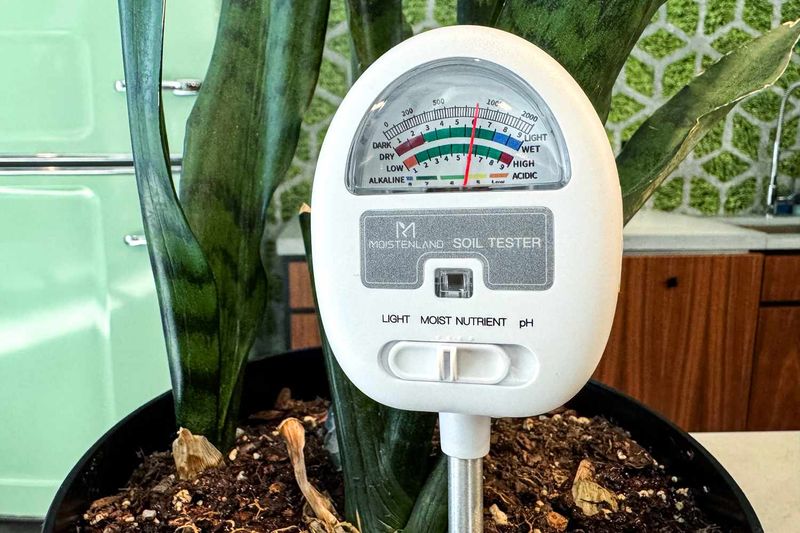
Potted plants in Arizona dry out at a rate that surprises even experienced gardeners. Unlike in-ground beds where soil acts as a large reservoir, container soil is exposed to heat on all sides, including through the pot walls and drainage holes.
That means moisture evaporates faster than most people expect, especially during the hottest stretch of summer.
Checking soil moisture daily, or even twice a day during heat waves, is a reasonable habit for Arizona container gardeners. The most reliable method is simply pushing a finger about an inch into the soil.
If it feels dry at that depth, it is time to water. Relying on a schedule alone, without checking the soil, can lead to either overwatering or underwatering depending on how temperatures shift day to day.
Moisture meters are inexpensive tools that can help take the guesswork out of checking pots that are harder to reach, such as hanging baskets or elevated planters on balconies.
Some gardeners use them regularly during summer and find them helpful for staying consistent.
Keep in mind that different plants have different moisture preferences, so checking each pot individually rather than assuming all pots dry at the same rate leads to better results.
Staying attentive to soil moisture is one of the most effective ways to keep Arizona container plants looking healthy through the demanding summer months.
4. Water Deeply Until The Pot Drains
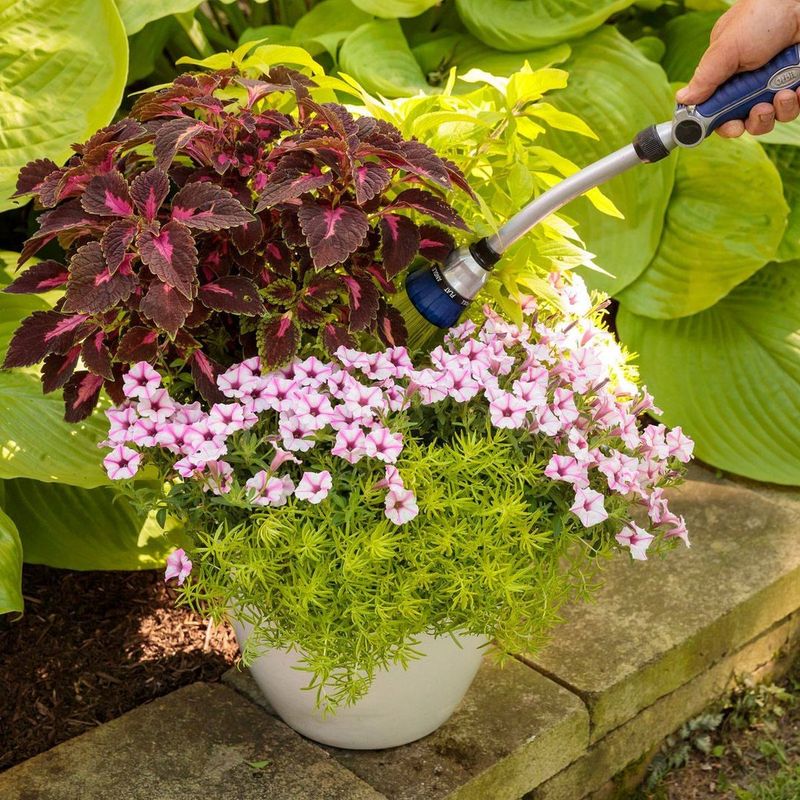
Light, frequent watering is one of the most common mistakes made with Arizona container gardens in summer. When only the top inch or two of soil gets wet, roots stay shallow and never develop the deeper reach they need to access moisture between waterings.
Over time, this habit weakens plants and makes them less resilient to heat stress.
Watering deeply means applying enough water that it flows freely from the drainage holes at the bottom of the pot. This signals that moisture has moved through the entire root zone rather than just wetting the surface.
In Arizona, where summer temperatures can stay above one hundred degrees for weeks, deep watering helps roots stay hydrated and healthy.
Watering slowly and thoroughly, rather than quickly drenching the surface, gives the potting mix time to absorb moisture evenly.
Some potting mixes become hydrophobic when they dry out completely, causing water to run off the surface without soaking in.
When this happens, watering slowly in two or three passes, waiting a few minutes between each, helps the mix rehydrate properly.
Watering in the early morning is generally recommended for Arizona containers so that foliage dries before temperatures peak and moisture does not evaporate immediately from the soil surface.
Deep, well-timed watering makes a meaningful difference in how container plants handle summer heat.
5. Give Containers Afternoon Shade In Extreme Heat
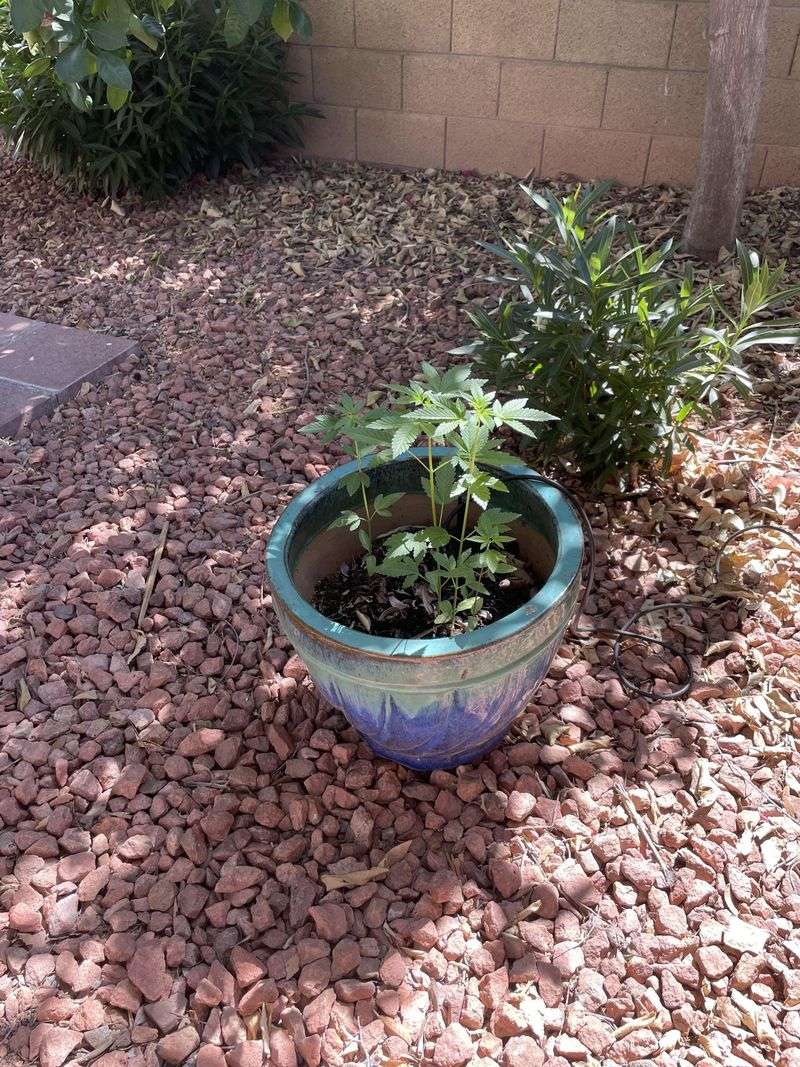
Shade cloth stretched over a patio pergola, a well-placed umbrella, or even a tall potted cactus casting a shadow can make a noticeable difference for container plants struggling through Arizona afternoons.
Full sun exposure from morning to evening is more than many potted plants can handle when temperatures climb well past one hundred degrees.
Most flowering annuals, herbs, and vegetables benefit from some afternoon shade during Arizona summer.
Morning sun tends to be gentler and supports healthy growth, while afternoon sun, particularly from two to six in the evening, delivers intense heat that can scorch leaves and dry out pots rapidly.
Moving containers to a spot that receives morning sun but is shielded during the hottest afternoon hours often improves plant appearance and reduces watering frequency.
Shade cloth rated at thirty to forty percent is a practical option for covering patio areas where containers are grouped. It reduces light intensity without blocking the sunlight plants need for photosynthesis.
Some Arizona homeowners use lattice panels, patio covers, or strategically placed outdoor curtains to create partial shade zones for their container gardens. Even moving a pot a few feet under an eave or overhang can reduce heat stress significantly.
Afternoon shade is not a substitute for proper watering, but combined with deep watering and good drainage, it gives Arizona container plants a much more manageable environment to grow through summer.
6. Move Pots Away From Reflected Heat
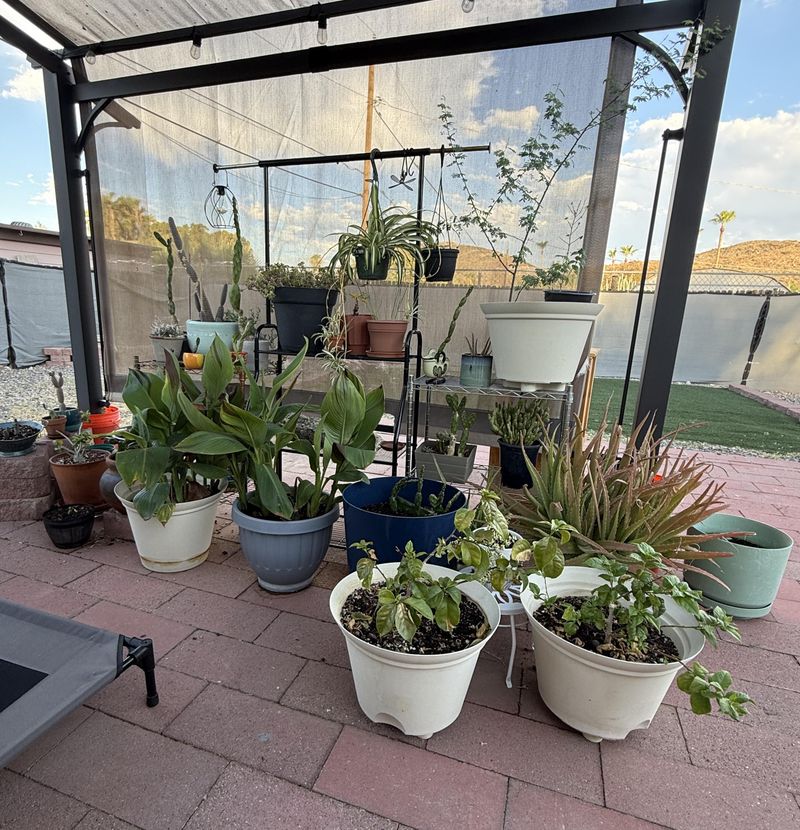
Stucco walls, concrete block fences, light-colored pavers, and metal railings all reflect and radiate heat in ways that dramatically increase the temperature around potted plants.
An Arizona patio that faces south or west can feel like a furnace by mid-afternoon, and containers placed directly against a wall in that environment can absorb far more heat than plants sitting in the open or in a shaded corner.
Pulling containers even a foot or two away from heat-reflecting surfaces can reduce the temperature the plants experience.
Walls that absorb heat during the day continue radiating warmth into the evening, which means pots placed against them may not get the cooler nighttime relief that helps plants recover from daytime stress.
Spacing matters more than many gardeners realize.
Light-colored or reflective pot surfaces can also contribute to heat buildup around roots. Dark-colored pots absorb more solar radiation and can heat potting mix to temperatures that stress roots even when the air temperature seems manageable.
Wrapping dark pots in light-colored burlap or moving them to shadier spots reduces this effect. Placing pots on wooden decking rather than direct concrete or tile can also help, since wood does not conduct heat to pot bottoms as readily.
Being thoughtful about where Arizona containers are placed, and what surrounds them, is a practical step that costs nothing but pays off noticeably through the summer months.
7. Group Plants By Similar Water Needs
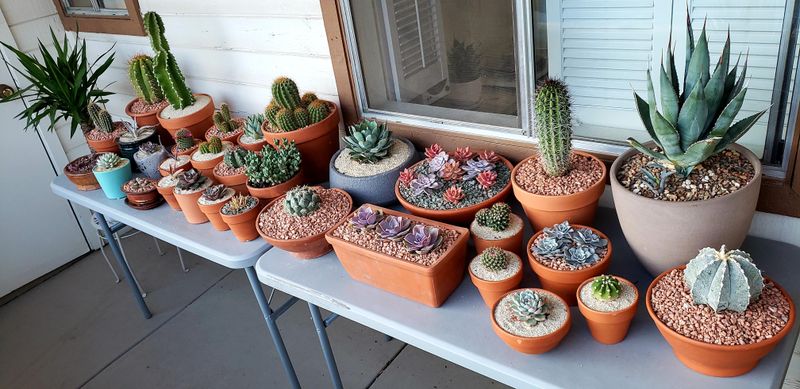
Herb containers sitting next to succulent bowls on the same Arizona patio can create a watering challenge that leads to one group being overwatered while the other goes thirsty.
Grouping plants with similar moisture needs together makes watering routines much more manageable and reduces the risk of accidentally harming plants by applying a one-size-fits-all approach.
Drought-tolerant plants like succulents, agave, and native desert species generally need far less frequent watering than vegetables, herbs like basil, or tropical flowering plants.
When these groups are mixed together in the same watering zone, it becomes difficult to meet the needs of all of them without compromising some.
Organizing containers by water requirement means each group gets what it actually needs.
This approach also makes it easier to identify problems quickly. When a cluster of herb pots all start showing similar stress signs, you know the issue is likely watering, soil, or shade rather than an isolated problem with one plant.
For Arizona homeowners managing several containers across a patio or courtyard, grouping by water needs also makes it practical to set up drip emitters or soaker systems that deliver the right amount of water to each zone.
Thoughtful grouping reduces guesswork, saves water, and helps every container in an Arizona garden look its best through the demanding heat of summer.
8. Mulch The Soil Surface To Slow Drying
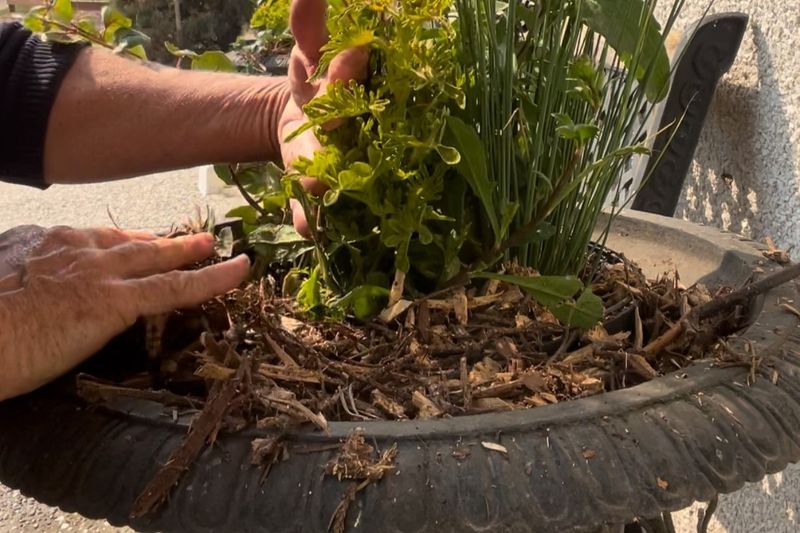
Bare potting mix sitting in the Arizona sun loses moisture at a rate that can catch gardeners off guard. The soil surface heats up quickly, and evaporation pulls moisture out of the top layers of the pot long before roots have a chance to absorb it.
Covering that exposed surface with a layer of mulch is a simple step that slows evaporation and helps soil stay consistently moist longer between waterings.
For container gardens, fine bark mulch, shredded straw, or decorative gravel work well as surface mulch options. A layer about one to two inches deep is enough to make a difference without causing issues.
Keeping mulch a short distance from plant stems reduces the chance of moisture-related problems developing at the base of the plant.
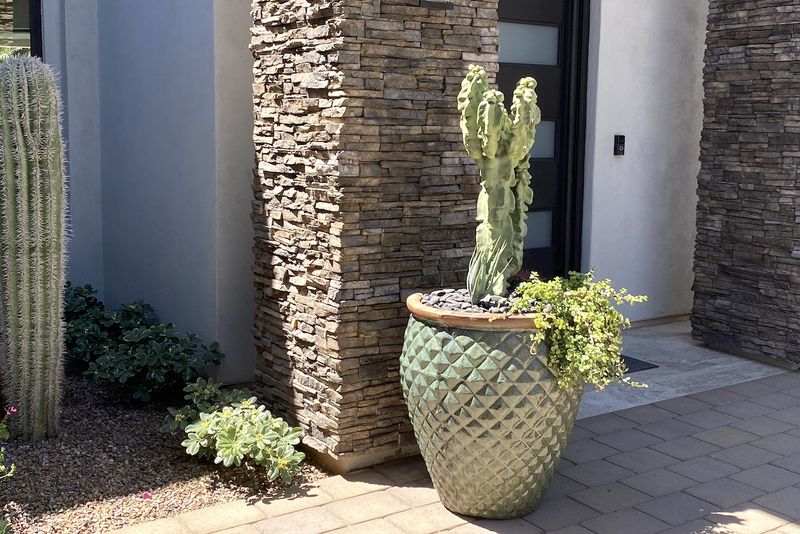
In Arizona, decorative gravel or small river rock is a popular mulch choice for container gardens because it looks attractive, reflects less heat than dark bark in some settings, and holds up well through intense summer sun without breaking down quickly.
Light-colored gravel in particular can help keep the soil surface cooler than dark materials.
Bark mulch is a solid choice for herb and vegetable containers where a more organic look fits the style of the garden.
Whichever material you choose, adding a mulch layer to Arizona container gardens before the hottest weeks arrive is a low-effort step that pays off in reduced watering frequency and healthier-looking plants through summer.