7 Michigan Perennials You Should Divide Before May Ends And 3 You Shouldn’t Divide At All
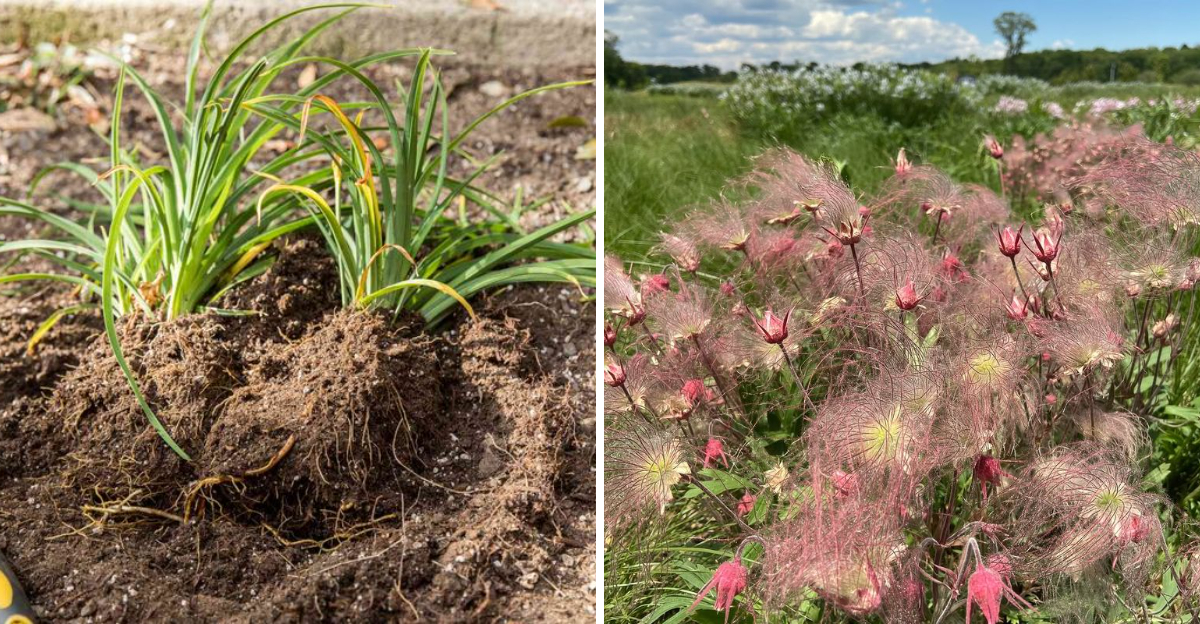
Division is one of the most useful skills in a Michigan gardener’s toolkit, and late spring is prime time to act on it for many popular perennials.
The plants that benefit from being divided before May closes out use the remaining warm weeks to push new roots and settle in before summer heat arrives, coming back stronger and more floriferous than they would have without the intervention.
But gardening advice around division does not always come with the honest counterpoint, which is that some perennials genuinely do not respond well to being split regardless of when you do it.
Dividing them sets them back, stresses root systems that prefer to stay undisturbed, and sometimes results in plants that never quite recover to their original form.
Knowing which category each of your perennials falls into before you reach for a shovel saves you from a mistake that can take multiple seasons to undo.
This covers the seven Michigan perennials most worth dividing right now and the three that are better left completely alone.
1. Bee Balm (Monarda didyma)
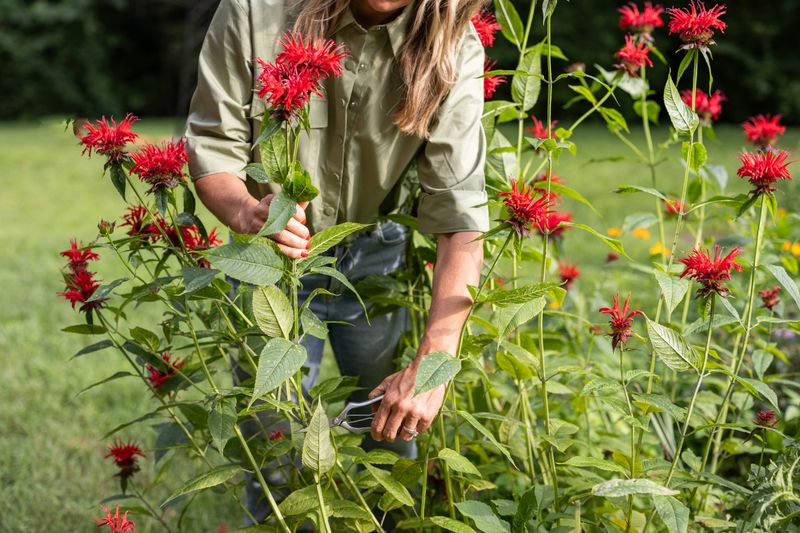
Bee balm is one of those plants that looks absolutely stunning in a Michigan summer garden, with its bold, shaggy flowers attracting bees, butterflies, and hummingbirds all at once.
The catch is that bee balm spreads fast and can get seriously overcrowded if you skip a few seasons without dividing it.
Crowded clumps are also the first to develop powdery mildew, which is a common frustration for Michigan gardeners during humid summers.
Dividing bee balm before May ends solves both problems at once. You open up the clump, improve airflow between plants, and reduce the conditions that allow mildew to take hold.
Use a sharp spade to slice through the outer edges of the clump, selecting the most vigorous sections from the outside ring and discarding the older, woodier center.
Replant your divisions with good spacing, at least 18 to 24 inches apart, so air can circulate freely. A spot with full sun to light shade and decent drainage works best across most of Michigan.
Once settled in, bee balm grows vigorously and rewards you with weeks of gorgeous blooms. Pollinators will absolutely love you for keeping this plant healthy and thriving in your garden all season long.
2. Hosta (Hosta spp.)
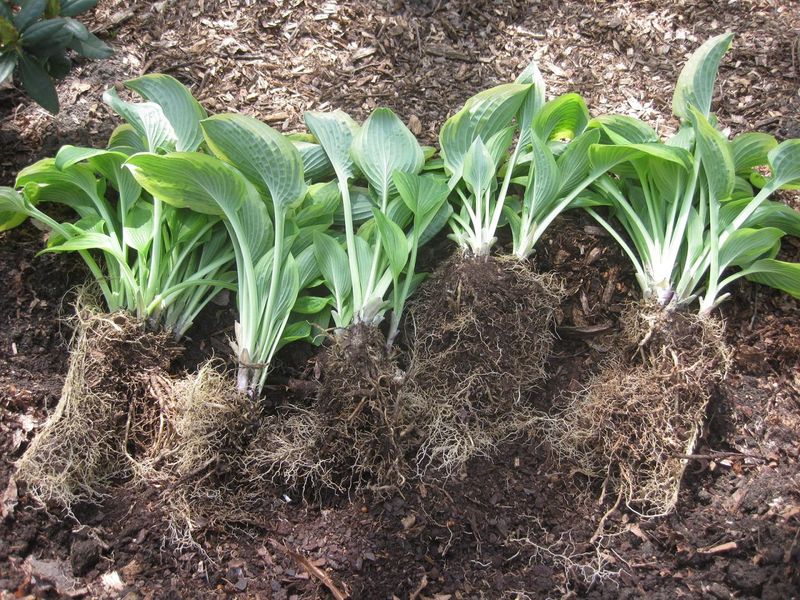
Few plants reward a Michigan gardener quite like hostas do. These leafy, shade-loving plants are practically begging to be divided every few years, and spring is hands down the best time to do it.
When you catch them just as the new shoots push up through the soil, division becomes surprisingly easy and stress on the plant stays very low.
Cool Michigan spring temperatures are a huge advantage here. The roots settle into new spots quickly without baking in summer heat, and the plant barely skips a beat.
You can use a sharp spade or garden fork to slice through the clump, making sure each section has several healthy shoots attached.
Dividing hostas also gives you free plants to spread around your yard or share with neighbors. A single mature clump can produce four to six new plants in one session.
Your Michigan Garden Changes Every Week. Your Plan Should Too.
Gardening in Michigan changes quickly throughout the season. Every Friday you’ll receive a simple weekly plan showing exactly what to plant, prune, fertilize, harvest, and protect so you never miss the right timing.
Replant divisions at the same soil depth they were growing before, water them well, and watch them take off through the season. Michigan gardeners who divide hostas regularly tend to have fuller, healthier beds that look fantastic right through fall.
3. Sedum (Hylotelephium spp.)
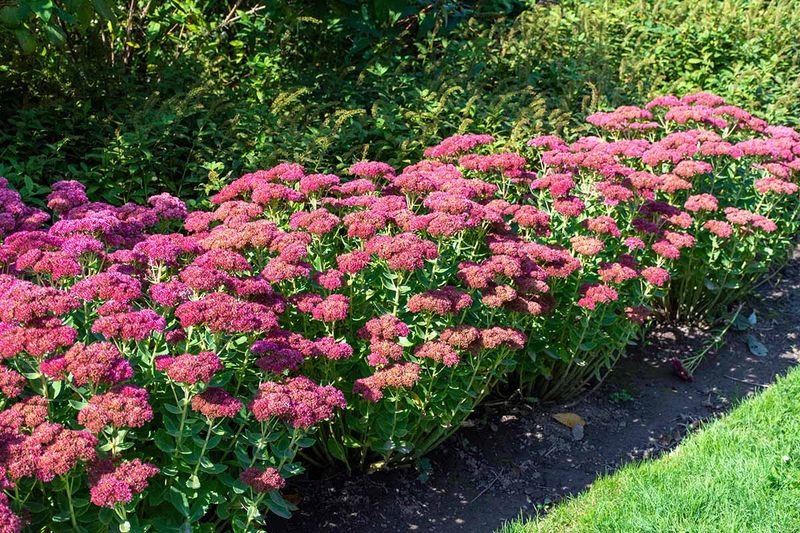
Sedum, now often called Hylotelephium, is a sturdy Michigan garden favorite known for its thick, fleshy leaves and late-season flower clusters that turn a rich coppery pink as fall arrives.
What many gardeners do not realize is that older clumps tend to flop open in the center over time, creating an untidy look that a simple spring division can completely fix.
Splitting sedum before May ends gives each new division a full growing season to establish a compact, upright form before the next bloom cycle. The process is straightforward.
Lift the entire clump with a garden fork, shake off excess soil, and cut through the root mass with a clean, sharp knife or spade. Each piece needs a healthy set of roots and at least a few visible growth points.
Sedum thrives in well-drained soil and full sun, which is easy to find across most of Michigan. One interesting thing about this plant is that it is incredibly drought-tolerant once established, making it a low-maintenance choice for busy gardeners.
Replant divisions at the same depth, firm the soil around the roots, and water them in. Within a few weeks you will see fresh growth pushing up, and by late summer those new plants will be covered in flower heads that pollinators absolutely flock to.
4. Shasta Daisy (Leucanthemum x superbum)
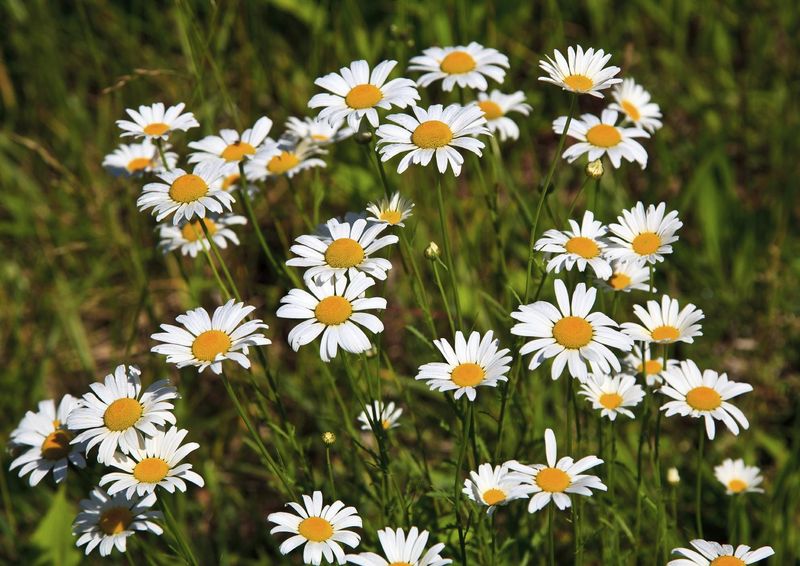
There is something cheerful and timeless about a patch of Shasta daisies blooming in a Michigan summer garden. Those crisp white petals surrounding a bright yellow center never get old.
But here is the thing: Shasta daisies have a tendency to weaken in the center of the clump after a few years, and that tired center stops producing the strong blooms you fell in love with in the first place.
Spring division is the perfect fix. As soon as new growth appears and temperatures are still cool, lift the clump and cut away the outer sections, which are always the most vigorous.
Toss the worn-out center and replant the fresh outer pieces with good spacing in a sunny, well-drained spot.
Shasta daisies prefer full sun and do very well across Michigan, handling both clay and amended garden soils with ease.
Dividing every two to three years keeps the plants blooming at their best and prevents that frustrating hollow-center problem from taking over.
Each new division grows into a full, flowering plant by midsummer, giving you a fresh wave of white blooms that brighten up any garden bed. Pair them with purple coneflower or black-eyed Susan for a classic Michigan cottage garden look that never goes out of style.
5. Daylily (Hemerocallis spp.)
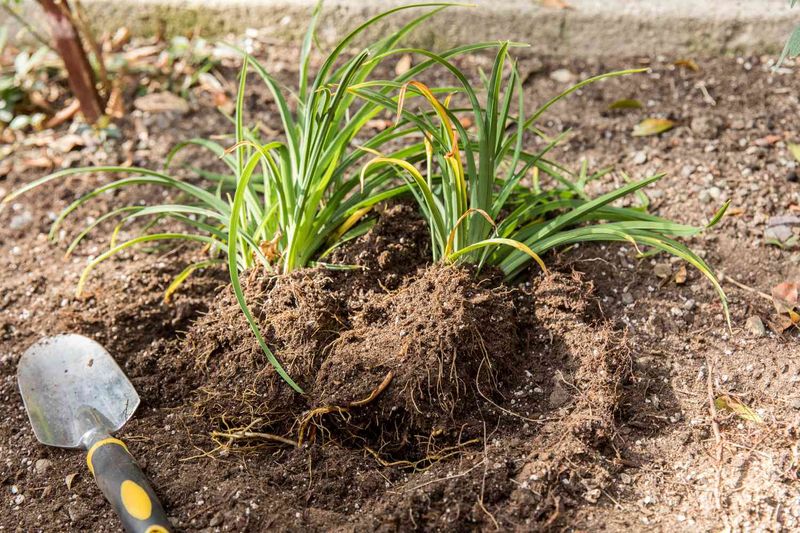
Daylilies are one of the toughest, most forgiving perennials you can grow in Michigan, and their willingness to be divided is a big part of what makes them so popular.
A crowded clump that has not been divided in several years will start producing fewer blooms, which is a clear signal that it is time to act before May ends.
Spring division works beautifully because the plants are actively growing but the heat of summer has not arrived yet. You can pull apart the fan-shaped clumps by hand or use a garden fork to loosen stubborn sections.
Each division should have at least three to five healthy fans of foliage to bounce back strong.
One fun fact about daylilies is that each individual flower only lasts a single day, yet a healthy clump can produce hundreds of blooms across a full season.
Dividing them regularly keeps that bloom count high and prevents the plant from getting too congested at the root level.
After dividing, plant the sections in a sunny Michigan garden spot, water deeply, and expect a great show of color by midsummer. Sharing extras with friends is always a bonus.
6. Yarrow (Achillea millefolium)
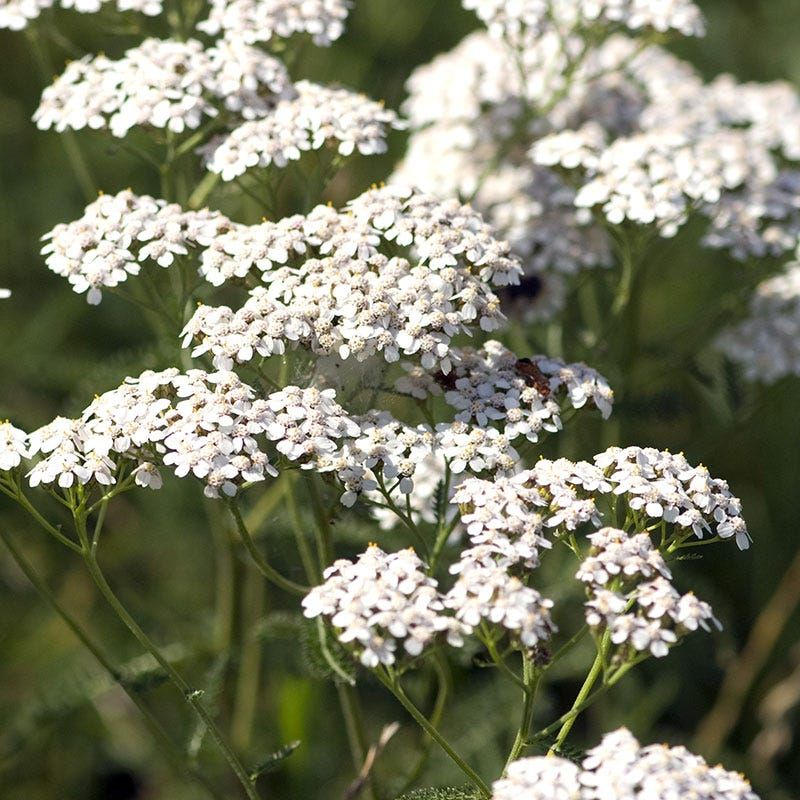
Yarrow is one of those quietly tough Michigan perennials that does not ask for much but gives back a lot. Its feathery foliage and flat-topped clusters of flowers in shades of yellow, pink, red, and white are a favorite with pollinators and low-maintenance gardeners alike.
Over time, though, yarrow spreads quite aggressively, and clumps that have not been divided in a few years can start to crowd out neighboring plants.
Before May ends is the sweet spot for dividing yarrow in Michigan. The cool spring soil makes it easy to lift the shallow root system without causing too much disruption.
Pull the clump apart by hand or use a garden fork, selecting the healthiest sections with fresh green growth and discarding any older, less vigorous pieces from the center.
Yarrow loves full sun and well-drained, even somewhat poor soil. It is actually one of those rare plants that performs better when you do not over-fertilize it.
Replant your divisions about 12 to 18 inches apart to give them room to grow without immediately crowding again. One interesting tidbit: yarrow has been used in traditional herbal medicine for centuries, which adds a little extra history to your Michigan garden.
Regular division keeps the plants compact, tidy, and producing plenty of those cheerful blooms all summer long.
7. Garden Phlox (Phlox paniculata)
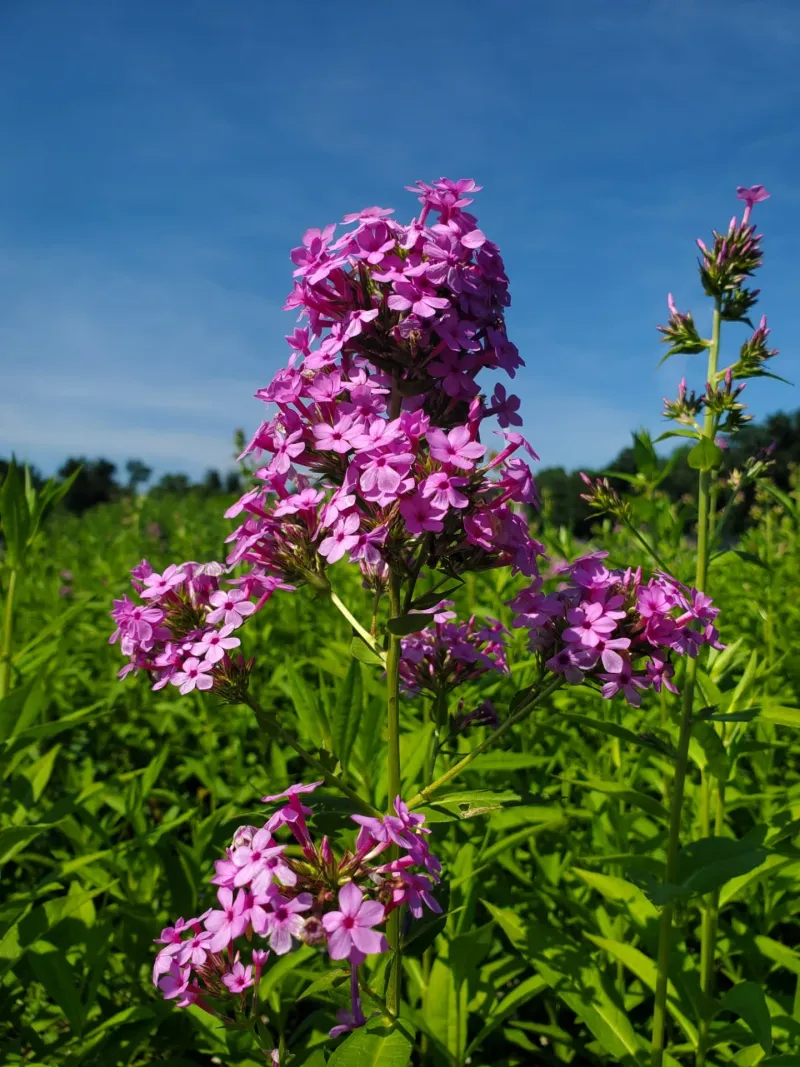
Garden phlox fills a Michigan summer garden with color and fragrance that is hard to match. Those tall, domed clusters of flowers in shades of purple, pink, white, and coral are a staple in cottage-style gardens across the state.
The problem is that phlox is highly susceptible to powdery mildew, and crowded, airless clumps are basically an open invitation for that fungal issue to take hold during Michigan’s humid summer months.
Dividing garden phlox before May ends is one of the best preventative steps you can take. Splitting the clump creates better spacing and allows air to move through the foliage freely, which dramatically reduces mildew pressure.
As with bee balm, select the outer sections of the clump, which tend to be the most vigorous, and replant them with generous spacing of at least 18 inches between divisions.
Garden phlox does best in full sun with consistently moist, well-drained soil. Adding a layer of mulch around the base helps retain moisture and keeps roots cool during Michigan’s warmer months.
Dividing every two to three years also rejuvenates the plant and keeps bloom production strong. You will notice taller, sturdier stems and larger flower clusters on freshly divided plants compared to old, overcrowded ones.
A little effort in spring pays off with a spectacular floral display from midsummer right through early fall.
8. Butterfly Weed (Asclepias tuberosa)
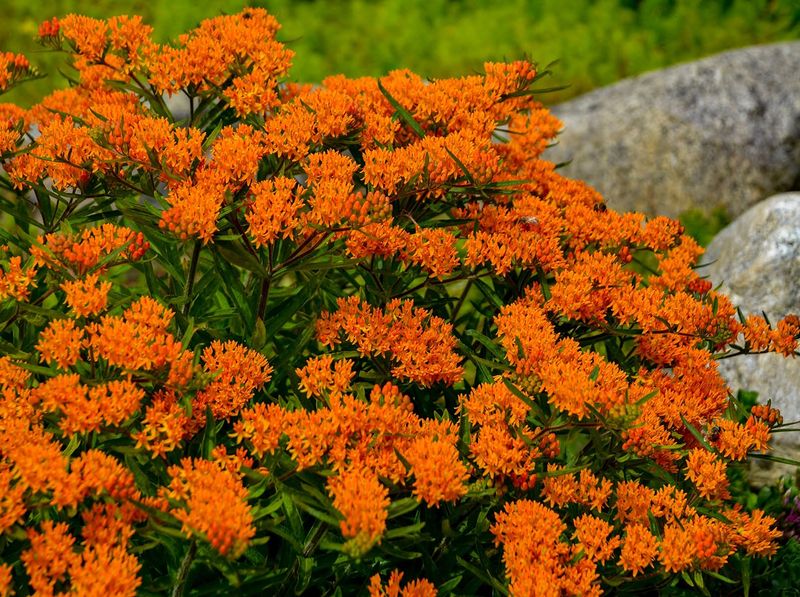
Butterfly weed is one of Michigan’s most beloved native wildflowers, and the brilliant orange blooms it produces every summer are an absolute magnet for monarch butterflies and other pollinators.
Here is the important part that every Michigan gardener should know: butterfly weed develops a very deep, fleshy taproot, and once established, it absolutely resents being disturbed.
Attempting to divide it almost always ends in failure.
Unlike the first seven plants on this list, butterfly weed is not a candidate for spring division. The deep taproot stores energy and water for the plant, and breaking it apart damages that system in ways the plant struggles to recover from.
Even experienced gardeners who have tried dividing established butterfly weed often find that the divisions simply do not recover and fail to regrow.
The best approach with butterfly weed is to plant it in the right spot from the start and then leave it alone to mature. It thrives in full sun and well-drained, even sandy soil, which makes it a great fit for many Michigan landscapes.
If you want more plants, grow them from seed instead. One fun fact: butterfly weed is one of the most important host plants for monarch caterpillars, so keeping a healthy, undisturbed clump in your Michigan garden is a meaningful contribution to monarch conservation efforts across the region.
9. Baptisia (Baptisia australis)
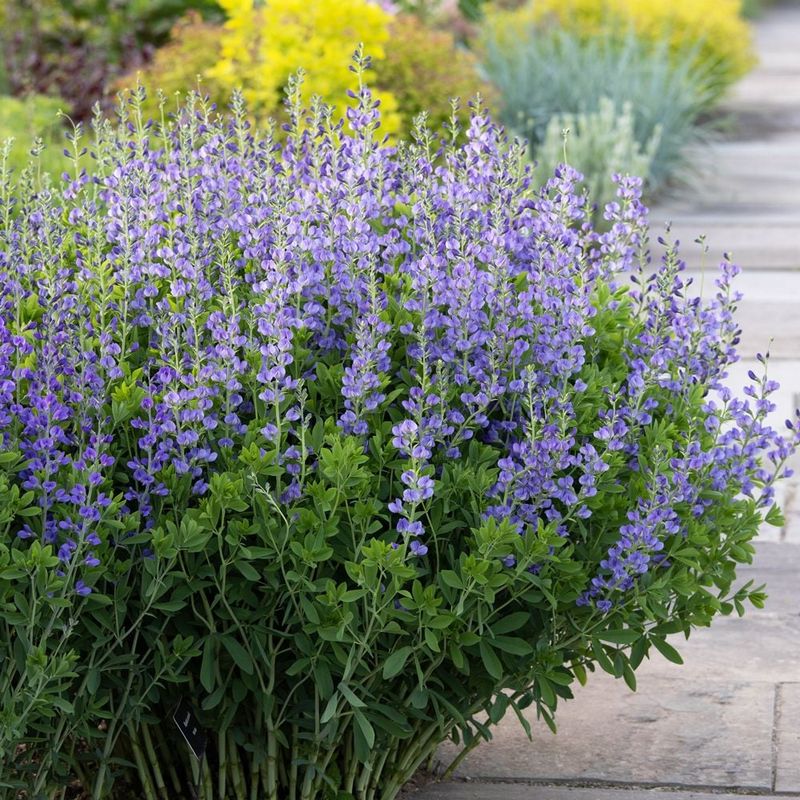
Baptisia, commonly called false indigo or wild indigo, is one of the most striking long-lived perennials you can grow in Michigan.
Its tall spikes of deep blue-purple flowers in late spring are genuinely breathtaking, and the attractive blue-green foliage looks great all the way through fall.
The plant can live for decades in the same spot, slowly growing into an impressive, shrub-like clump that becomes a true garden centerpiece.
That longevity comes with a trade-off, though. Baptisia develops an incredibly deep, extensive root system over the years, and attempting to divide a mature plant is extremely difficult and rarely successful.
The roots go down far deeper than most gardeners expect, and breaking them apart causes serious damage that the plant struggles to recover from. Most divisions simply do not establish well, even with the best care.
The wisest approach with baptisia in Michigan is to choose your planting location carefully and then commit to it for the long term. Give it full sun to light shade, well-drained soil, and plenty of room to spread, because a mature clump can reach four feet wide or more.
If you want more plants, propagate from seed in fall. Baptisia is also notably drought-tolerant once established, making it one of the most rewarding low-maintenance perennials available to Michigan gardeners who value plants built to last.
10. Prairie Smoke (Geum triflorum)
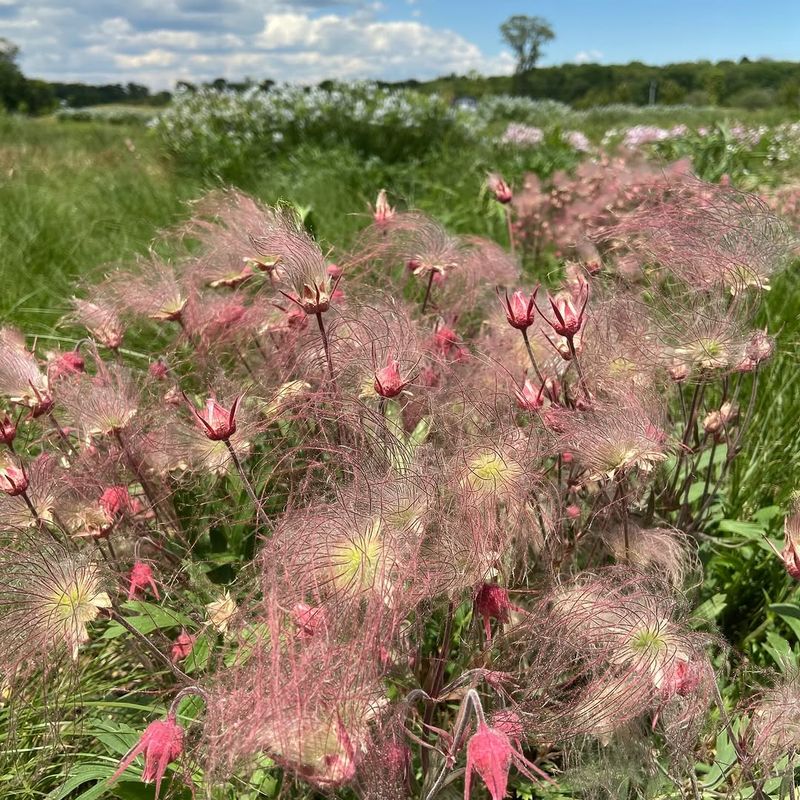
Prairie smoke is one of Michigan’s most enchanting native perennials, and if you have never seen it in bloom you are truly missing out.
The nodding pinkish-red flowers appear in early spring, and as the season progresses, the seed heads develop into feathery, smoke-like plumes that catch the light in the most magical way.
It is a plant that rewards patient gardeners who are willing to let it grow undisturbed. Prairie smoke is not a plant that benefits from regular division. It prefers stable, undisturbed conditions and does not respond well to having its root system disrupted.
Unlike hostas or daylilies that bounce back quickly after being split, prairie smoke tends to sulk after disturbance and can take a very long time to re-establish, if it recovers at all.
In Michigan, prairie smoke thrives in full sun with well-drained, lean soil. It is perfectly suited to rock gardens, native plant borders, and dry meadow-style plantings where it can spread gently on its own terms without interference.
The plant spreads slowly by short runners, which means you can eventually have a lovely ground-covering colony without ever needing to divide it. Appreciating prairie smoke means working with its natural rhythm rather than against it.
Leave it alone, give it the right conditions, and it will reward your Michigan garden with years of truly unique and captivating beauty.