The Meaning Behind Seeing A Mourning Dove In Your Georgia Yard
Some backyard moments feel special simply because they are so peaceful. A quiet bird resting nearby, a soft sound in the distance, or a familiar visitor returning to the same spot can make a yard feel more connected to nature.
These small encounters often stand out because they happen during ordinary parts of the day.
Mourning doves are one of those birds that many people recognize without knowing much about them. Their gentle appearance and calming calls make them easy to notice when they visit a yard.
Seeing one often leads to curiosity about why it chose that particular place.
Georgia yards can provide the food, shelter, and open spaces these birds look for throughout the year. A mourning dove showing up is usually a simple sign that your outdoor space offers something appealing.
Understanding their behavior can make these quiet visits even more interesting the next time one appears.
1. Food Sources Bring Mourning Doves Into Yards
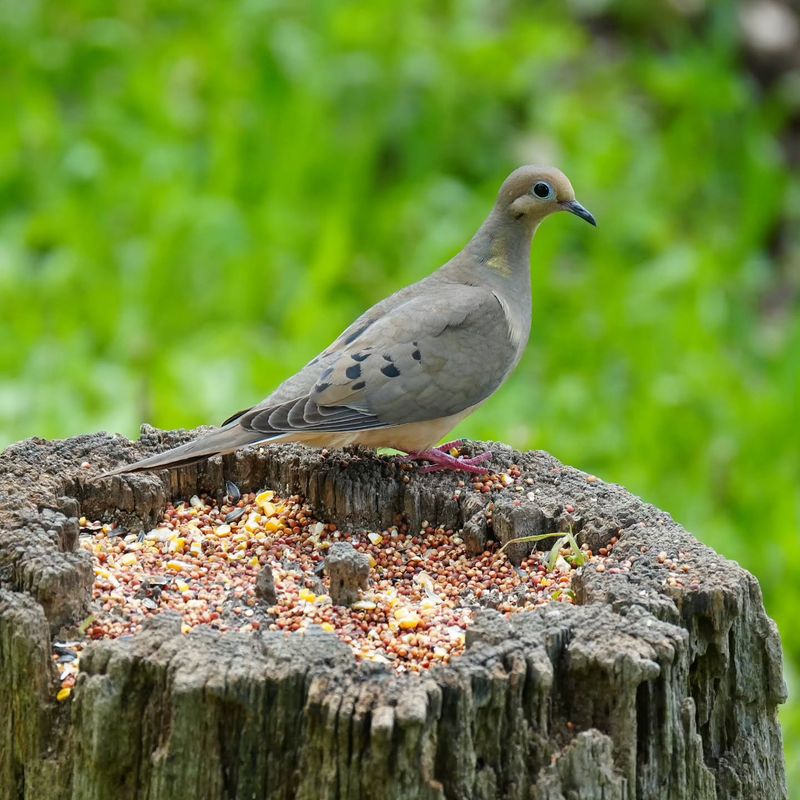
Mourning doves are ground feeders first and foremost. Scatter seeds on a flat surface and they will show up fast.
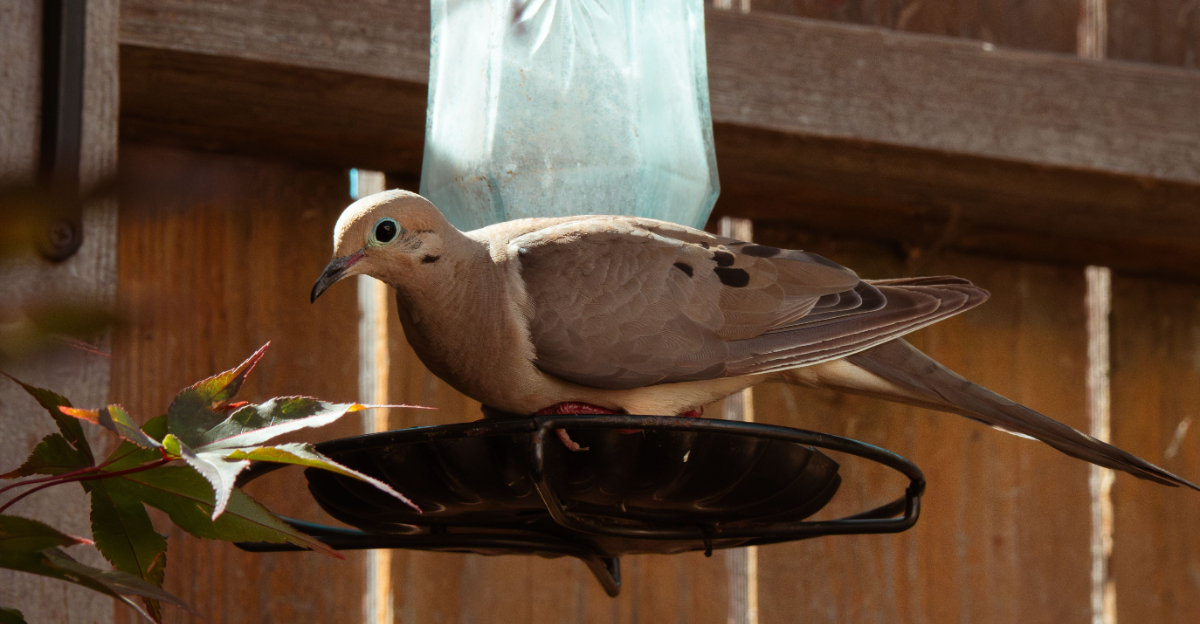
Raised feeders with perches are less appealing to them than open ground or low platform feeders.
Millet is their top choice. Cracked corn and sunflower seeds also work well.
Skip the mixed seed bags full of filler grains because doves will ignore most of it and move on.
Placing seed near open ground makes feeding easier for them. Doves feel safer when they can see in multiple directions while eating.
Avoid placing food under dense shrubs where they feel trapped.
Consistent feeding matters more than large amounts. Putting out a small amount daily builds their habit of returning.
Once they associate your yard with reliable food, they will come back on their own schedule.
Keeping the feeding area clean is just as important as the food itself. Old, wet seed grows mold quickly.
Rake away leftovers every couple of days to keep things fresh and safe for the birds.
Mourning doves can eat up to 20 percent of their body weight in seeds daily. That appetite keeps them coming back regularly.
2. Fresh Water Encourages Regular Yard Visits
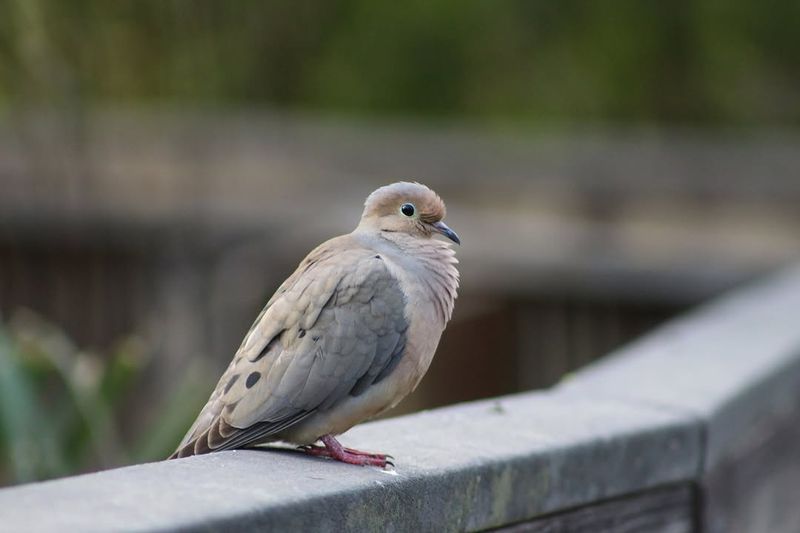
Water is a bigger draw than most people realize. Mourning doves need to drink daily, and they prefer shallow, open water sources they can access quickly.
A deep birdbath will get ignored while a shallow dish gets used every morning.
Keep the water no deeper than two inches. Doves wade in and drink with their heads down, unlike many birds that scoop water up.
Shallow water fits their natural drinking style perfectly.
Place the birdbath in a spot with some open space around it. Doves feel exposed when drinking, so they want to see any approaching threat.
Open placement gives them that comfort and makes them more likely to return.
Changing the water every two to three days prevents algae and mosquito growth. Stagnant water repels birds over time.
Fresh, clean water keeps doves and other backyard visitors coming back consistently.
In warmer months, water evaporates fast. Check levels daily during summer heat.
Your Georgia Garden Changes Every Week. Your Plan Should Too.
Gardening in Georgia changes quickly throughout the season. Every Friday you’ll receive a simple weekly plan showing exactly what to plant, prune, fertilize, harvest, and protect so you never miss the right timing.
A solar-powered dripper or mister can help maintain levels and attract even more attention from passing birds.
Mourning doves tend to visit water sources in pairs or small groups. Once one finds a reliable spot, others follow.
3. Trees And Shrubs Provide Safe Resting Spots
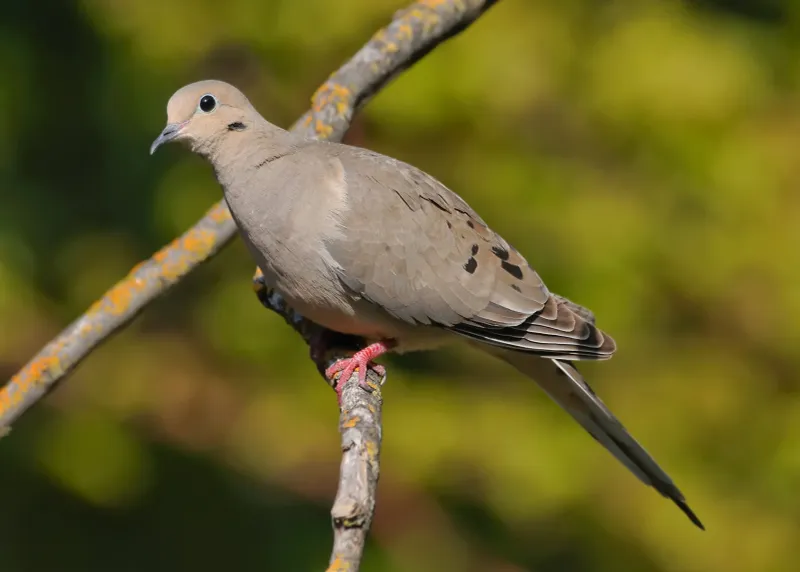
Doves are not deep-forest birds. Open woodlands and yard edges with scattered trees suit them far better.
A pine tree, a crepe myrtle, or even a tall fence post gives them exactly what they need to rest safely between meals.
Low, horizontal branches are their favorite perching spots. Doves do not hop around like sparrows.
They prefer to land, sit still, and scan their surroundings from a stable position.
Native shrubs also play a role. Wax myrtle and beautyberry are common in Southern yards and provide both shelter and occasional food.
Planting a mix of shrubs at varying heights creates a layered habitat doves find very appealing.
Avoid over-trimming your trees and shrubs during nesting season, which runs roughly from March through August in the South. Heavy pruning removes the exact spots doves use for cover and resting.
A slightly wilder yard edge actually serves them better than a perfectly manicured one.
Dense evergreens like hollies offer year-round shelter. Doves use these spots during cold snaps and rain.
Having at least one evergreen shrub near a feeding area gives them a quick retreat when they feel startled.
4. Open Ground Makes Feeding Much Easier
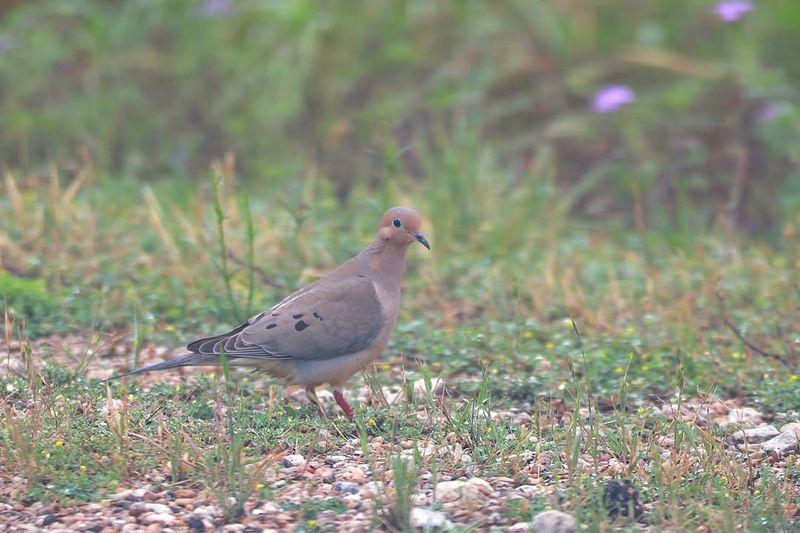
Mourning doves love open ground more than almost any other habitat feature. Bare patches, short-mowed grass, and gravel paths are all spots where doves feel comfortable foraging.
Thick, tall grass makes feeding difficult and exposes them to hidden threats.
Short lawns work especially well. Doves walk slowly while feeding, scanning constantly.
Low grass lets them move freely without obstruction and keeps their sight lines clear in every direction.
Garden bed edges with loose soil are another favorite spot. Seeds often fall there naturally from nearby plants.
Doves will work along those edges methodically, picking up whatever they find.
Gravel driveways and stone pathways attract doves too. Small stones help with digestion since doves swallow grit to help grind seeds in their crop.
A bit of gravel near a feeding area is genuinely useful to them.
Avoid using thick bark mulch in areas where you hope to attract doves. Deep mulch hides seeds and makes walking difficult for ground-feeding birds.
A thin layer of pine straw or no mulch at all works much better near feeding zones.
Keeping at least one open, low-cut area in your yard gives doves a natural landing and foraging zone.
5. They Often Return To Places They Know
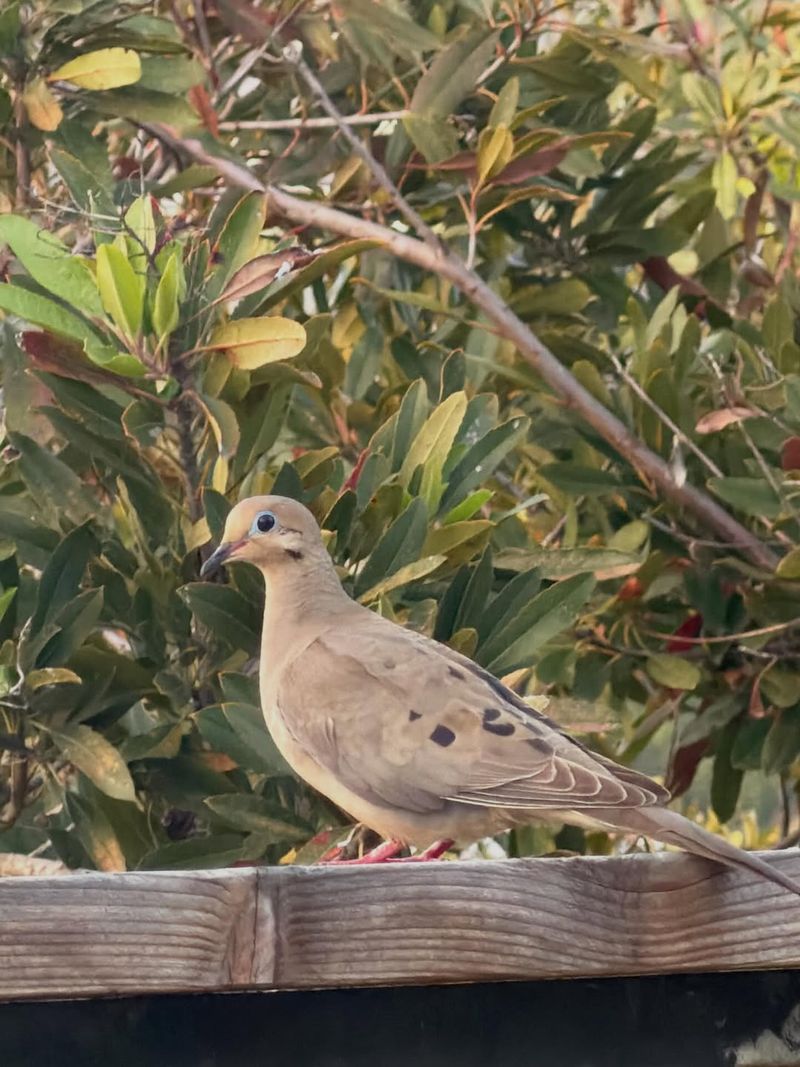
Mourning doves have strong site fidelity. Once they find a yard they feel safe in, they come back repeatedly.
Regulars will show up at roughly the same time each day, often in the same spots.
Watch for the same individuals over time. Subtle markings like wing spots or size differences can help you recognize returning birds.
Some backyard watchers report the same pairs visiting for multiple seasons in a row.
Consistency on your end reinforces their habit. Filling feeders at the same time each morning trains them to expect food on a reliable schedule.
Irregular feeding breaks the pattern and may cause them to shift their route.
Disturbances reset their comfort level quickly. Loud noise, pets running loose, or sudden changes near feeding areas can scatter doves for days.
Keeping the feeding zone calm and predictable is key to keeping regulars around.
Doves that nested in your yard previously are especially likely to return the following year. They remember successful nesting locations and often reuse them.
Leaving a past nest undisturbed increases the chance of a return visit.
Building trust with wild birds takes patience. Slow, quiet movements near feeding areas help doves grow comfortable with human presence over time.
6. Quiet Areas Make Nesting More Likely
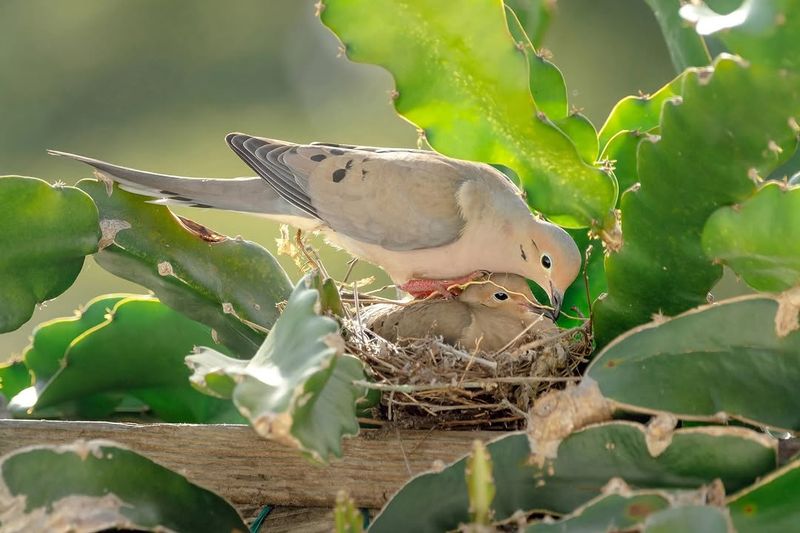
Noise is one of the biggest reasons doves skip a yard for nesting. Constant activity, barking dogs, or loud lawn equipment pushes them toward calmer spots.
A quiet corner of your yard could be exactly what a nesting pair needs.
Mourning dove nests are famously simple. Loosely arranged twigs on a low branch, a ledge, or even a window box are enough.
Do not expect an elaborate structure because they genuinely build some of the most minimal nests of any common backyard bird.
Low evergreen shrubs and small pine trees are popular nesting sites in Southern yards. Heights between five and fifteen feet are most common.
Doves rarely nest at extreme heights and prefer spots with partial canopy coverage above them.
Nesting pairs are sensitive to foot traffic. Avoid working too close to known nest sites during the nesting period.
Giving them space for even a few weeks dramatically increases the chance of a successful brood.
Both parents share incubation duties. Males typically sit on the nest during the day while females take overnight shifts.
Watching this behavior from a respectful distance is genuinely one of the more rewarding things a backyard birder can experience.
7. Seasonal Nesting Can Increase Yard Visits
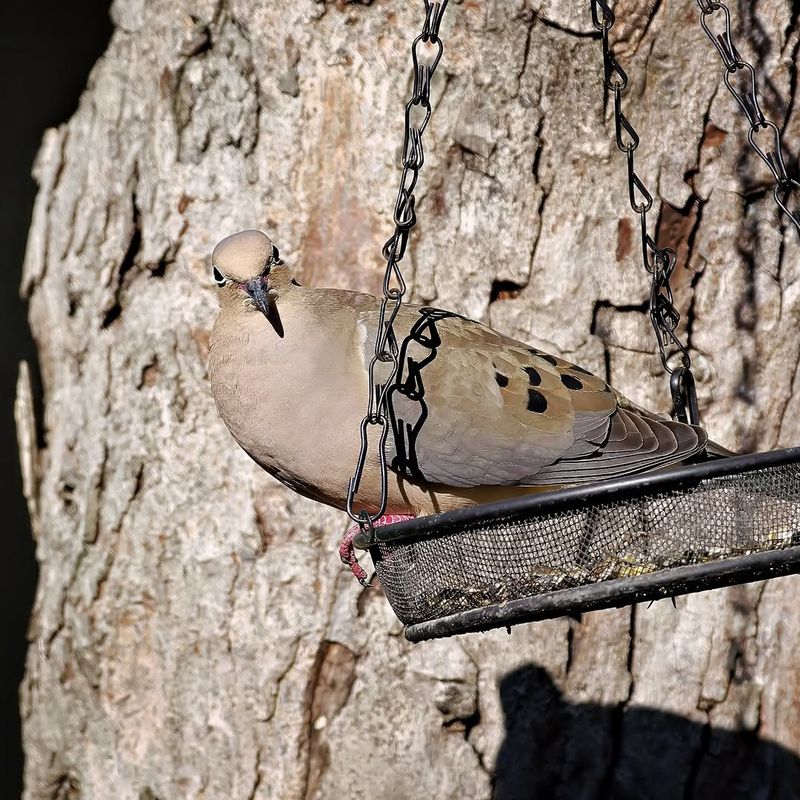
Spring and early summer bring a noticeable spike in mourning dove activity across the South. Nesting season pushes pairs to explore new territories and revisit familiar feeding grounds more aggressively.
Yards that offered food and water the previous fall often get priority attention.
Mourning doves can raise multiple broods per year. In warmer climates, nesting activity can stretch from late February all the way into October.
More broods mean more time spent near reliable food and water sources, which works in your favor as a backyard host.
Young doves fresh from the nest look slightly different from adults. Scaly feather patterns and shorter tails give them away.
Seeing juvenile doves in your yard is a strong sign that nesting happened nearby, possibly in your own trees.
Pair bonding also increases yard visits during nesting season. Mated doves forage close together and often arrive at feeders as a unit.
Seeing two doves consistently together is a reliable sign of an active pair rather than two unrelated birds.
Males call frequently during nesting season. That soft, low cooing sound carries well across a quiet yard.
Hearing it regularly in your outdoor space almost certainly means a nest is somewhere within a short distance.
Supporting doves through nesting season with steady food, clean water, and minimal disturbance creates a cycle.