The August Lawn Mistake That Can Lead To Lawn Fungus In Georgia
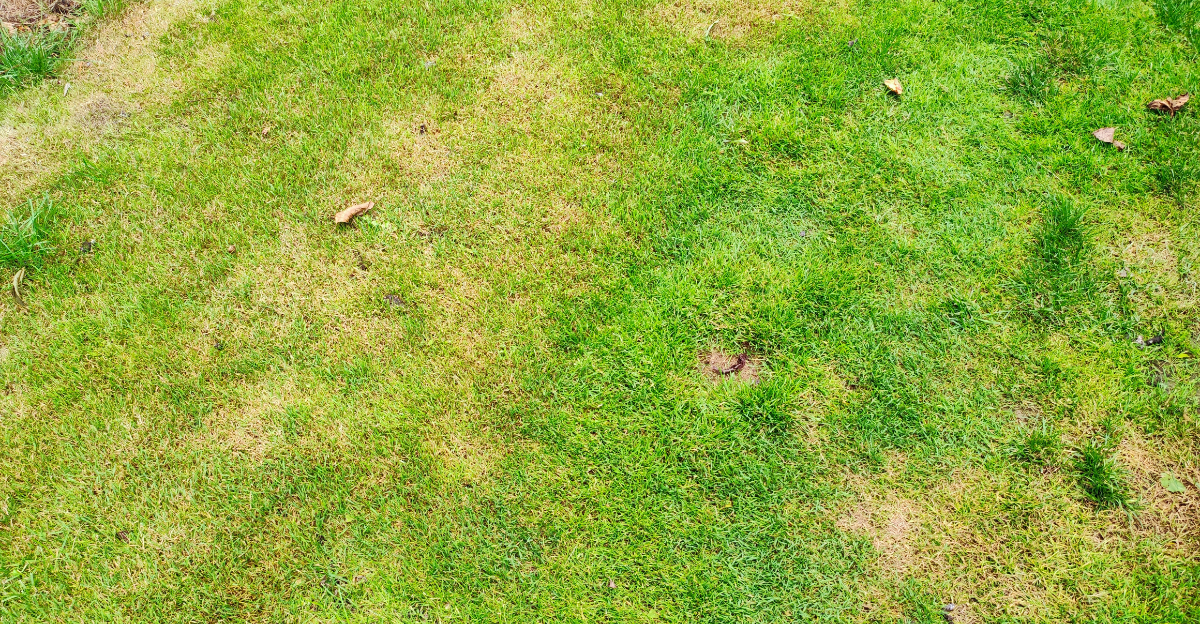
Brown patches can seem to appear overnight in August, even when your lawn looked perfectly healthy just days earlier.
Many homeowners blame the heat, but one common lawn care habit quietly creates the perfect conditions for lawn fungus to spread.
If your grass suddenly looks worse after summer storms, don’t assume the weather is the only thing to blame. Georgia’s warm nights, heavy humidity, and lingering moisture give fungal problems every advantage.
Knowing which everyday mistake causes it is the first step toward stopping it. Once you see what’s really happening, you’ll never look at your August lawn routine the same way again.
That simple habit catches far more homeowners than they realize, and the damage often starts before anyone notices the first brown patch appear at all that season.
1. Evening Watering Can Trigger Lawn Fungus
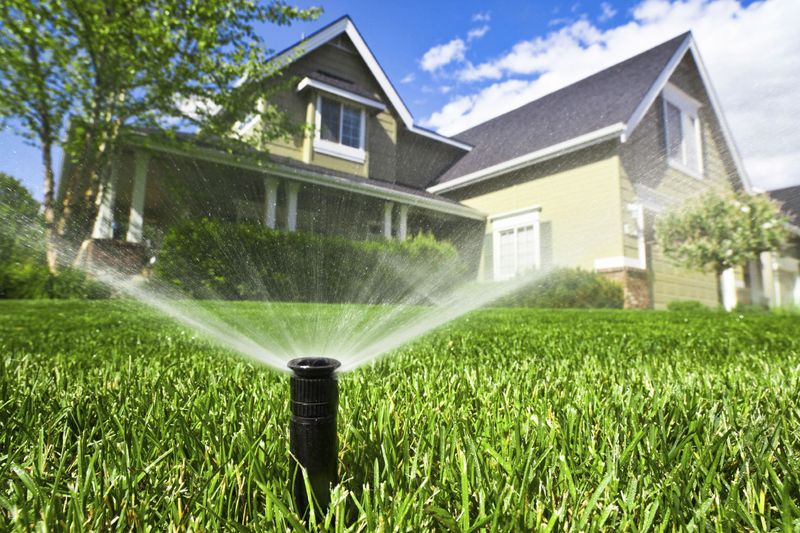
Watering your lawn at night might seem harmless, but it is one of the fastest ways to invite fungus into your yard. Grass blades that stay wet for hours overnight create exactly the kind of damp environment that fungal spores need to spread.
Warm nights in Georgia rarely drop below 70 degrees in August. That warmth combined with moisture sitting on the grass all night is a recipe for brown patch and other common fungal problems.
Fungal spores are present in most lawns year-round. They just need the right conditions to activate.
Wet grass overnight gives those spores the moisture window they need to germinate and spread across your turf.
Brown patch can spread several feet in a single night under the right conditions. Catching the early signs early matters, but avoiding evening watering in the first place is the smarter move.
Switching your watering schedule away from evenings can reduce the risk of fungal outbreaks significantly. It is one of the simplest adjustments you can make in August.
Your lawn does not need water at night to stay healthy. It just needs water at the right time of day to absorb it properly without creating fungal conditions.
2. Switch To Early Morning Watering
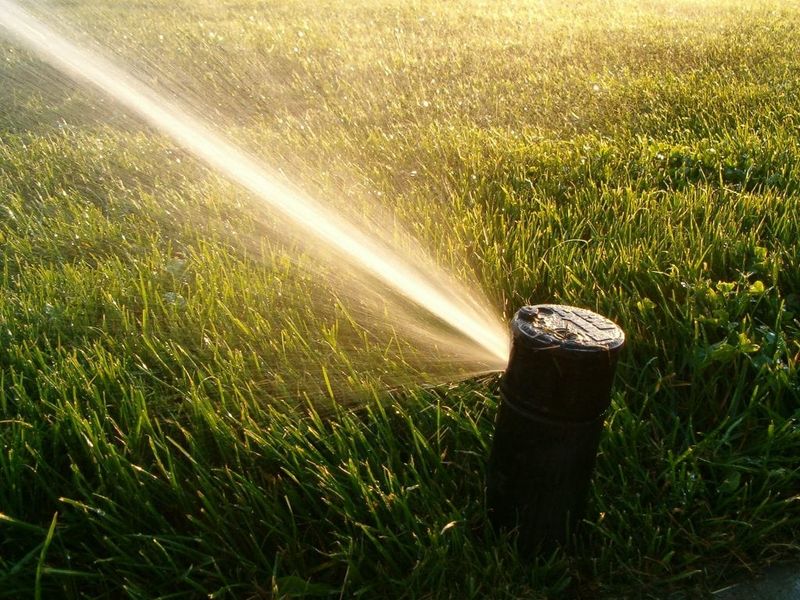
Early morning watering is one of the best habits a Georgia lawn owner can build in August. Watering between 4 a.m. and 9 a.m. gives grass time to absorb moisture before the heat of the day sets in.
Sunrise brings rising temperatures that naturally dry out grass blades.
When you water early, the sun does the work of drying off excess surface moisture, which reduces the chance of fungus taking hold overnight.
Grass roots absorb water most efficiently when soil temperatures are cooler. Morning watering takes advantage of that window before the afternoon sun bakes the ground and causes evaporation to spike.
Watering in the middle of the day wastes water through evaporation and does not give roots the slow, steady absorption they need. It can also stress grass that is already struggling in peak summer heat.
A consistent early morning schedule also helps you track how much water your lawn is actually getting. Inconsistent watering leads to dry patches and weak turf, which makes fungal problems easier to take hold.
Your Georgia Garden Changes Every Week. Your Plan Should Too.
Gardening in Georgia changes quickly throughout the season. Every Friday you’ll receive a simple weekly plan showing exactly what to plant, prune, fertilize, harvest, and protect so you never miss the right timing.
Aim for about one inch of water per week total, including rainfall. Adjust based on recent rain and avoid overwatering, since soggy soil creates its own set of problems.
3. Skip Watering After Heavy Rain
Running your sprinklers right after a heavy rainstorm is a mistake that happens more often than most homeowners realize. Automated irrigation systems are especially prone to this problem since they run on a schedule regardless of recent rainfall.
Overwatered soil stays saturated for hours. Roots sitting in waterlogged ground cannot get the oxygen they need, and wet grass blades become vulnerable to fungal infections that spread quickly in August heat.
Checking your soil moisture before watering is a simple step that takes less than a minute. Push a screwdriver about six inches into the ground.
If it slides in easily, the soil already has enough moisture and does not need more water added.
Smart irrigation controllers with rain sensors can help by automatically skipping scheduled watering cycles after rainfall. If your system does not have one, manually overriding it after a storm is worth the effort.
Pooling water on your lawn after rain is a sign that drainage may be an issue. Low spots that hold standing water for more than a few hours create ongoing fungal risk throughout the season.
Letting your lawn dry out between watering cycles is not neglect. It is smart management.
4. Raise The Mowing Height In August
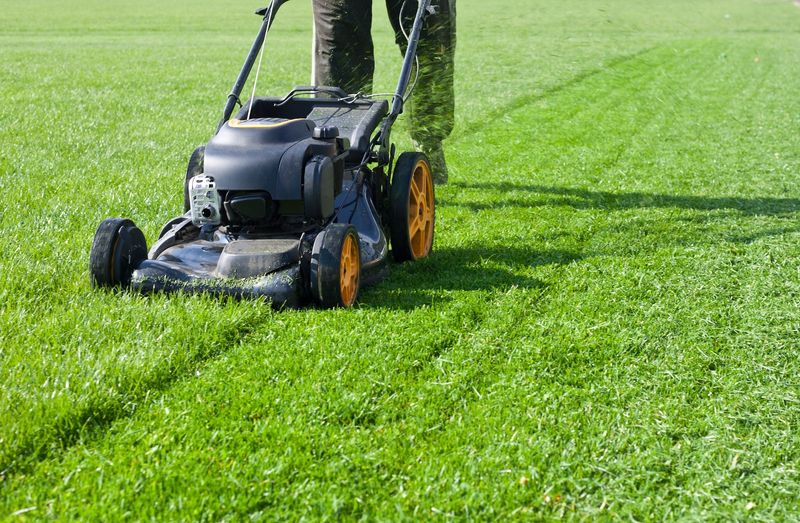
Cutting grass too short in August puts serious stress on turf that is already fighting heat and humidity.
Scalped lawns lose shade cover at the soil level, which lets moisture evaporate faster and creates warm, exposed conditions where fungal spores can settle easily.
Warm-season grasses like Bermuda and Zoysia are common across Georgia yards. Both handle heat well but struggle when mowed too aggressively during peak summer.
Raising your mowing height by even half an inch can help reduce that stress.
Taller grass blades provide light shade to the soil surface. That shade slows moisture loss and helps keep soil temperatures slightly lower, which discourages the kind of surface fungal activity that spreads through turf in August.
Mowing too short also removes too much leaf blade at once, which is known as scalping. Removing more than one-third of the grass blade in a single mow weakens the plant and slows recovery time significantly.
Sharp mower blades matter just as much as cutting height. Dull blades tear grass instead of cutting cleanly.
Torn grass tips turn brown and create entry points for fungal pathogens to move into the plant.
Check your mower blade before each mow in August. A clean cut heals faster.
5. Reduce Excess Thatch That Holds Moisture
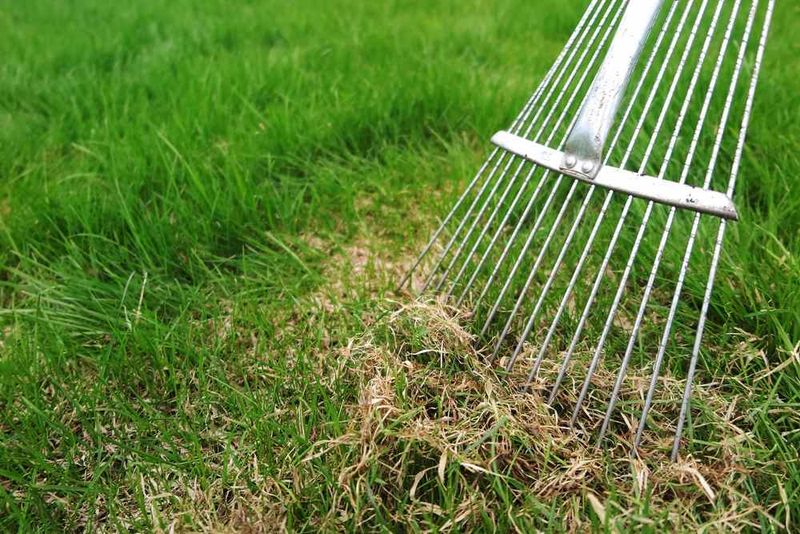
Thatch is the layer of grass stems, roots, runners, and other organic material that builds up between the grass blades and the soil.
A thin layer is normal and even helpful, but when it becomes too thick, it traps moisture and creates a warm, humid zone right at the base of your grass.
That trapped moisture zone is where fungal problems often start. Spores landing on wet thatch have a much easier time establishing themselves than spores landing on dry, well-drained soil.
In August, that difference can mean the gap between a healthy lawn and a patchy one.
Thatch over half an inch thick starts to block water from reaching the soil properly. Ironically, thick thatch can make a lawn look watered while the roots stay dry underneath.
That uneven moisture creates stress and weakens turf resistance.
Dethatching with a power rake or vertical mower removes the excess buildup and opens up the grass canopy.
Late summer is not always the ideal time for aggressive dethatching, so checking with a local lawn care professional about timing for your specific grass type is a reasonable step.
Core aeration is another option that helps break up thatch while improving drainage and airflow at the soil level. Better airflow means faster drying between waterings.
6. Avoid High Nitrogen Fertilizer In August
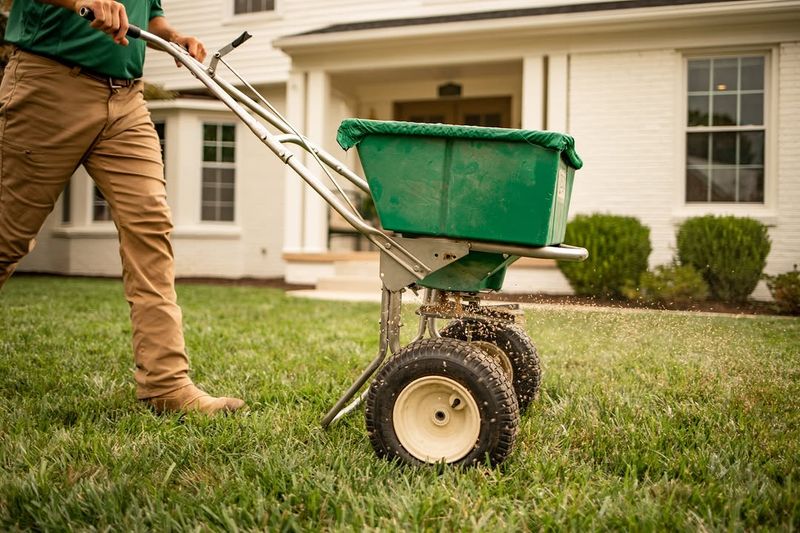
Pushing your lawn with high nitrogen fertilizer in August is a mistake that backfires fast. Nitrogen drives rapid green growth, but that soft, lush new growth is highly vulnerable to fungal infection during hot, humid weather.
Fungal pathogens like brown patch actively target tender, fast-growing grass tissue. Feeding your lawn heavily right before peak fungal season gives the disease more to work with, not less.
Lawns in the Southeast are especially prone to this pattern in mid to late summer.
Slow-release fertilizers are a much safer option if your lawn genuinely needs feeding in August. They deliver nutrients gradually without triggering the burst of soft growth that high-nitrogen products create.
Check your product label carefully before applying anything this time of year.
Soil testing before fertilizing is always worth considering. A basic test can tell you what your lawn actually needs versus what you are guessing it needs.
Applying nutrients your lawn does not need wastes money and can create imbalances that stress the grass further.
Potassium is one nutrient that can be beneficial in late summer because it supports root strength and stress tolerance without promoting excessive top growth. It helps grass handle heat and recover from minor damage more effectively.
7. Treat Brown Patches Before They Spread
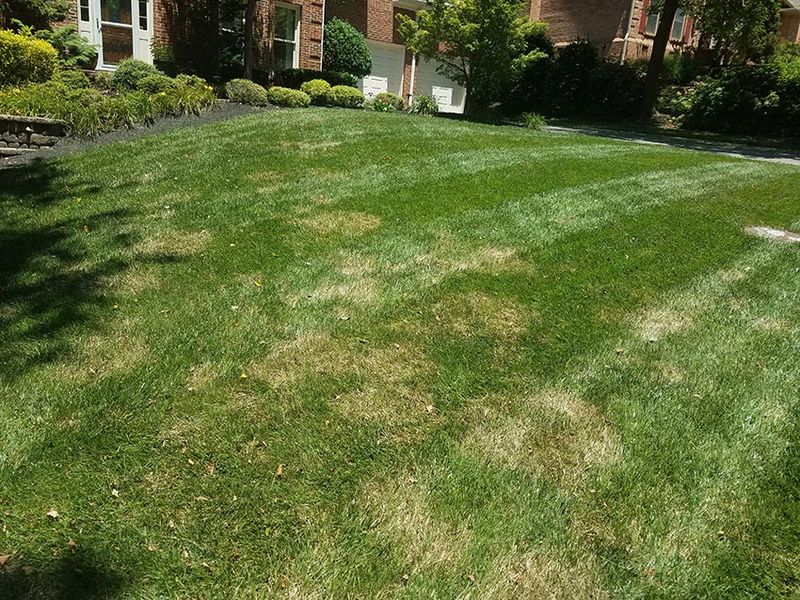
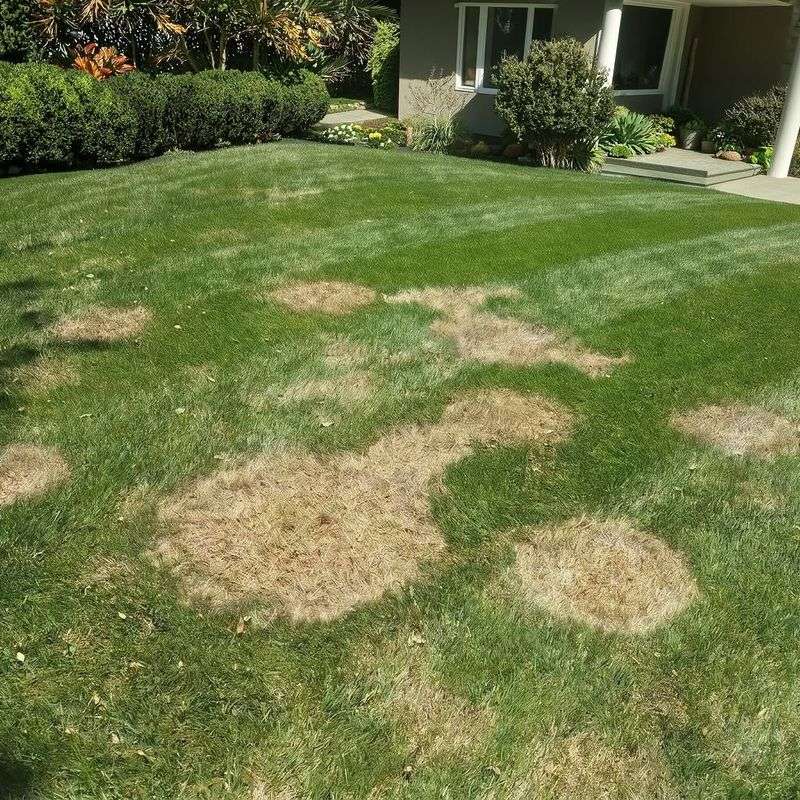
Brown patches showing up in your yard in August are not just cosmetic. They are a sign that fungal activity is already underway, and waiting too long to respond gives the problem more time to expand across your turf.
Brown patch fungus tends to show up as circular or irregular areas where grass has turned tan or brown. The edges of the affected area may look darker or water-soaked, especially in the early morning before the day warms up.
Catching that pattern early makes treatment more manageable.
Fungicides labeled for brown patch are available at most garden centers.
Applying them at the first sign of an outbreak can help slow the spread, though results vary depending on how advanced the infection is and what grass type you are working with.
Systemic fungicides absorb into the plant and offer longer protection windows than contact fungicides, which only work on the surface.
Reading the label and choosing the right product for your grass type matters more than just grabbing the first option on the shelf.
Avoid watering affected areas more than necessary while treating.
Extra moisture during an active fungal outbreak can counteract treatment efforts and help the fungus spread to healthy grass nearby.
Georgia summers make brown patch a recurring challenge for many homeowners.