How To Keep Lantana Blooming All Summer In The Arizona Heat
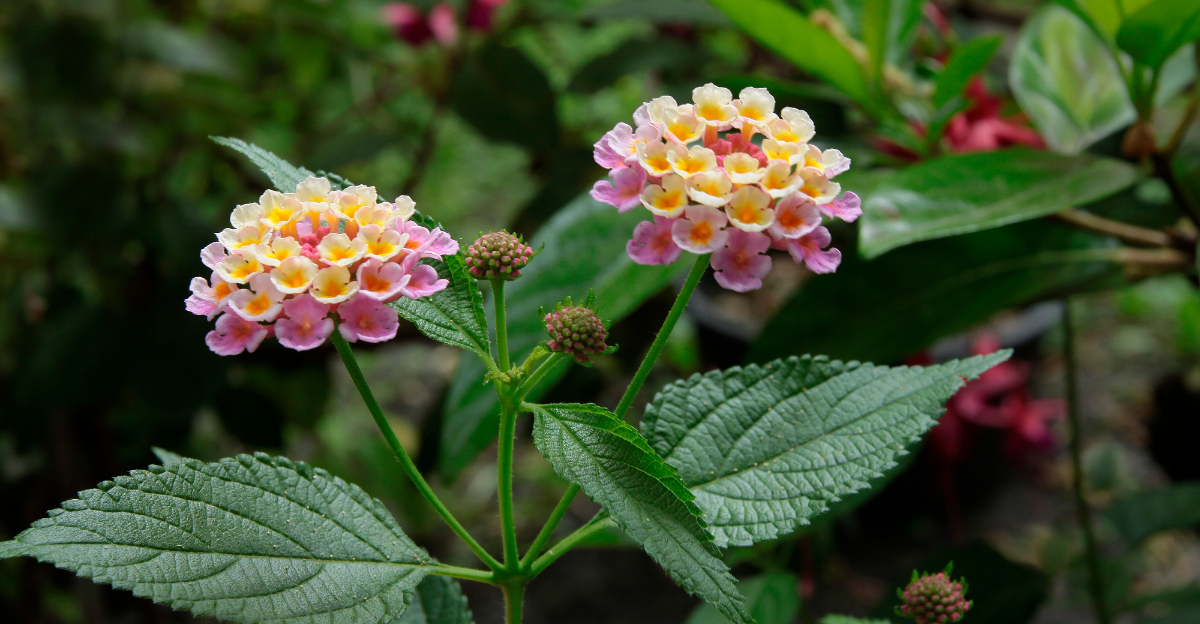
A yard can look completely different when lantana is covered with bright flowers. The color stands out from a distance, catches the eye immediately, and keeps the landscape looking lively even during the hottest part of summer.
That lasting display is a big reason so many homeowners continue planting it year after year.
The frustration starts when those flowers begin slowing down sooner than expected. A plant that looked fantastic earlier in the season may suddenly seem less impressive, leaving people wondering whether the heat has already taken its toll.
It is easy to assume there is not much that can be done once blooming starts to fade.
Lantana is tougher than many flowering plants and can continue putting on a colorful display well into summer. Arizona landscapes are filled with it for good reason.
With the right care, fresh blooms can keep appearing long after many other flowers have started losing momentum.
1. Give Lantana Plenty Of Sun Throughout The Summer
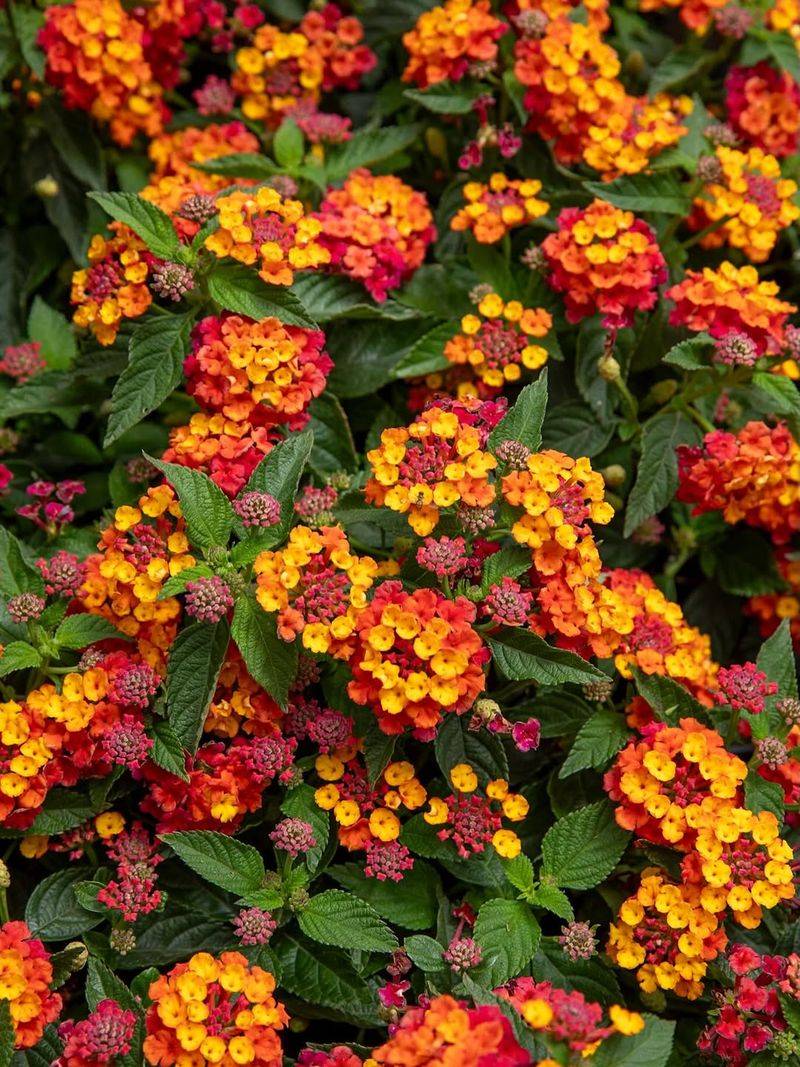
Full sun is not optional for lantana. It is absolutely essential.
Without at least six to eight hours of direct sunlight daily, bloom production drops fast and the plant gets leggy.
Lantana evolved in warm, sun-drenched climates. It actually performs better when temperatures climb.
In the low desert, summer sun is intense, and lantana takes full advantage of every ray.
Shaded spots might seem tempting during brutal July afternoons. But lantana planted under trees or near shade structures often blooms poorly compared to plants growing in wide-open spots.
South-facing and west-facing beds tend to produce the strongest flowering. Reflected heat from walls or pavers can actually push bloom production even harder during peak summer months.
One thing worth knowing: even heat-loving plants can show stress when temperatures exceed 115 degrees for several days straight. Blooming may slow briefly during extreme heat events, but it typically rebounds once temperatures drop slightly at night.
Position matters more than most gardeners realize. Moving a struggling lantana from a partially shaded bed to a fully exposed location can completely transform its performance within just a few weeks.
2. Remove Faded Flower Clusters As They Appear
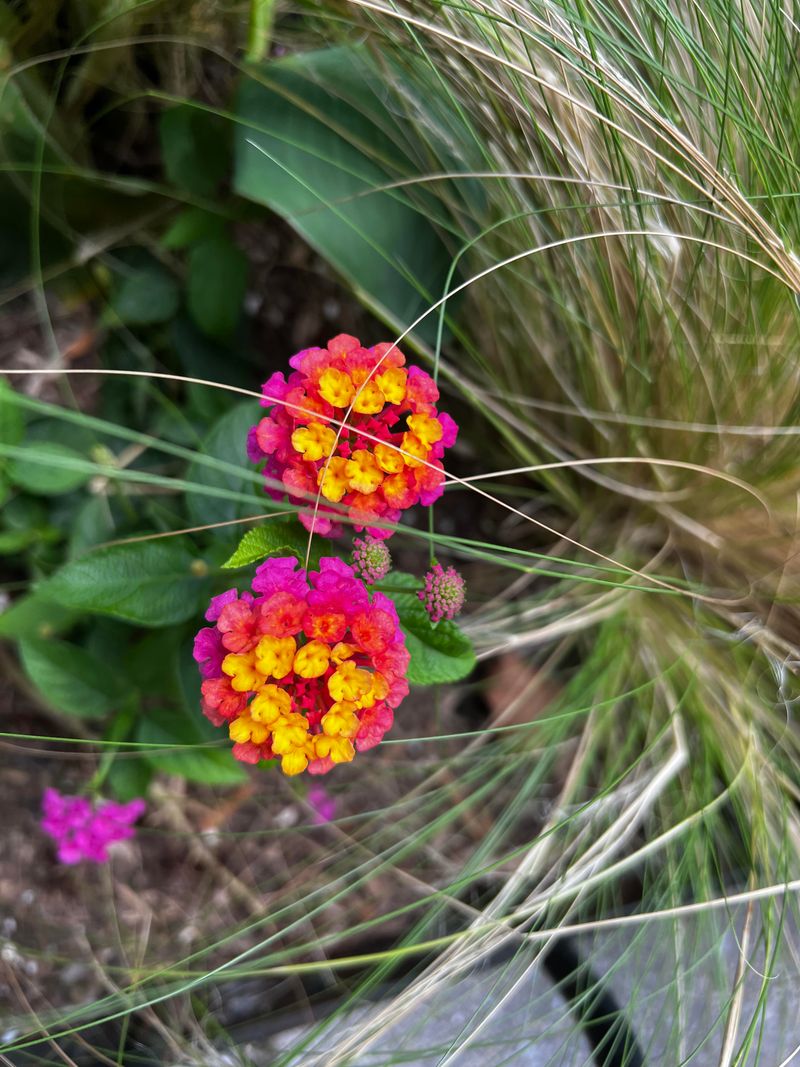
Deadheading lantana is one of the simplest things you can do to extend blooming. When old flower clusters are left on the plant, energy shifts toward seed production instead of new flower growth.
Faded clusters turn brown and papery pretty quickly in summer heat. Pinching them off as soon as they look spent keeps the plant focused on pushing out fresh color rather than finishing seeds.
You do not need fancy tools for this job. Fingers work perfectly fine for snapping off spent blooms.
Some gardeners prefer small pruning snips for a cleaner cut, especially on thicker stems.
Check your plants every few days during peak summer. Lantana can cycle through blooms quickly when conditions are right, so staying on top of spent clusters makes a noticeable difference in how full and colorful the plant looks.
Removing faded flowers also keeps the plant looking tidy. A well-maintained lantana with fresh blooms visible throughout is far more attractive than one covered in brown, dried-out clusters mixed with new growth.
Your Arizona Garden Changes Every Week. Your Plan Should Too.
Gardening in Arizona changes quickly throughout the season. Every Friday you’ll receive a simple weekly plan showing exactly what to plant, prune, fertilize, harvest, and protect so you never miss the right timing.
It is worth noting that lantana berries are toxic if eaten. Removing flower heads before berries fully form is a smart habit, especially in yards where children or pets spend time outdoors.
Consistent deadheading, done even casually during a quick walk through the garden, adds up over a season.
3. Avoid Overwatering During Hot Weather
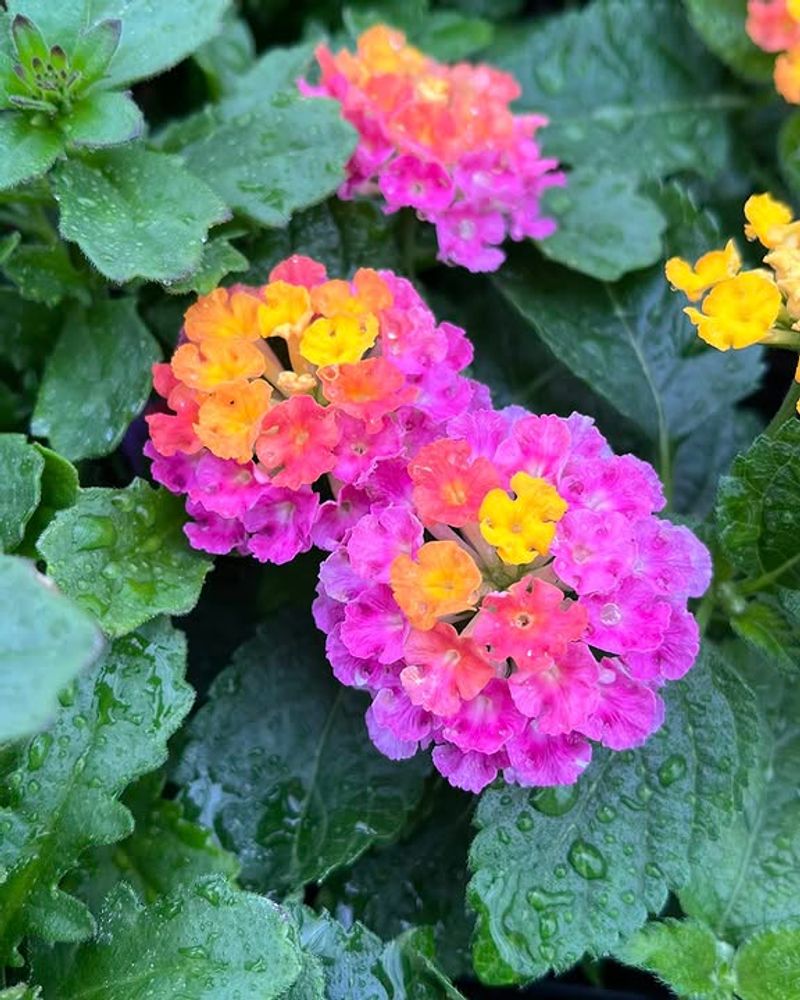
Overwatering is one of the most common mistakes people make with lantana. Soggy roots cause far more problems than dry soil ever will for this plant.
Lantana is naturally drought-tolerant once established. Its roots prefer to dry out slightly between waterings rather than sitting in consistently wet ground.
Wet roots in hot weather invite root rot fast.
In desert landscapes, established lantana plants often thrive on deep watering every seven to ten days during summer. Young plants need more frequent water until roots spread out, but even then, less is usually better than more.
Sandy or rocky desert soils drain quickly, which works in lantana’s favor. Clay-heavy soils hold moisture longer and require extra care to avoid waterlogging the root zone during summer monsoon season.
Watch the plant for signs of overwatering. Yellowing leaves, wilting despite moist soil, and poor bloom production are common signals.
If soil feels wet more than two inches below the surface, hold off on watering.
Monsoon rains can add significant moisture during July and August. Adjust your irrigation schedule when storms come through.
Natural rainfall often handles much of the watering load during the monsoon season without any extra help.
Getting the watering balance right takes a little observation at first.
4. Use Light Pruning To Encourage Fresh Blooms
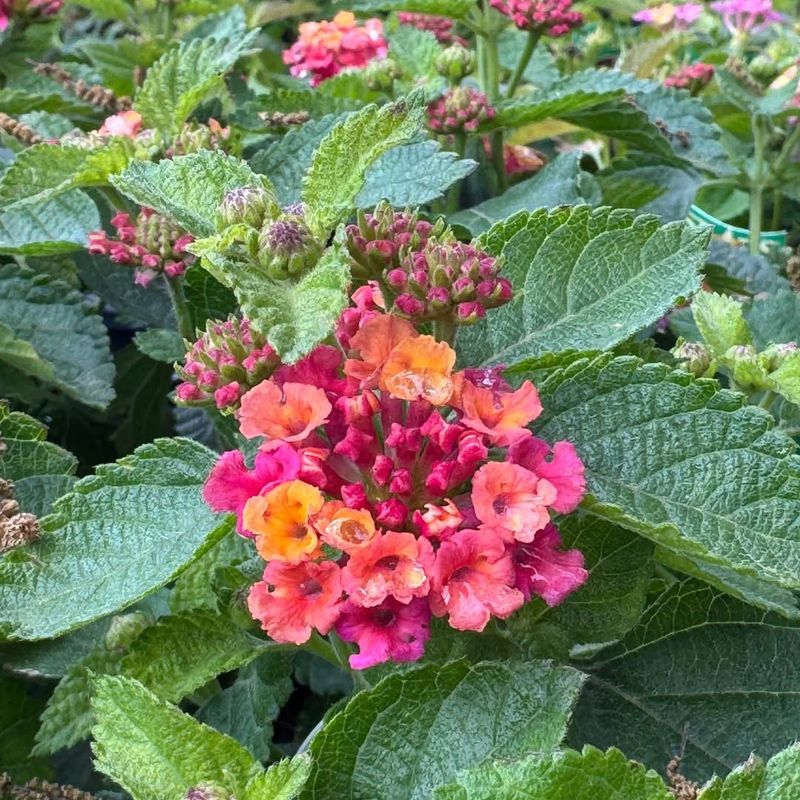
Light pruning works like a reset button for lantana. Cutting back the tips of stems by a few inches pushes the plant to branch out and produce more flower sites almost immediately.
Heavy pruning in the middle of summer is not recommended. Removing too much foliage during peak heat stresses the plant and can slow blooming significantly for several weeks.
Keep cuts light and targeted.
Focus on stems that look stretched, woody, or bare at the tips. Snipping just above a leaf node encourages two new shoots to emerge from that spot, which means more branch tips and more flower clusters soon after.
Timing matters here. A light trim in late June or early July, just before the monsoon season kicks in, takes advantage of the moisture and slightly cooler nights that follow summer storms.
New growth responds well to those conditions.
Sharp, clean pruning tools make a real difference. Dull blades crush stems instead of cutting cleanly, which slows healing and can open the plant up to pests or disease during already stressful summer conditions.
Avoid pruning during the hottest part of the day. Early morning is the best time.
Cutting in afternoon heat adds unnecessary stress right when temperatures peak.
5. Skip Heavy Fertilizer Applications In Summer
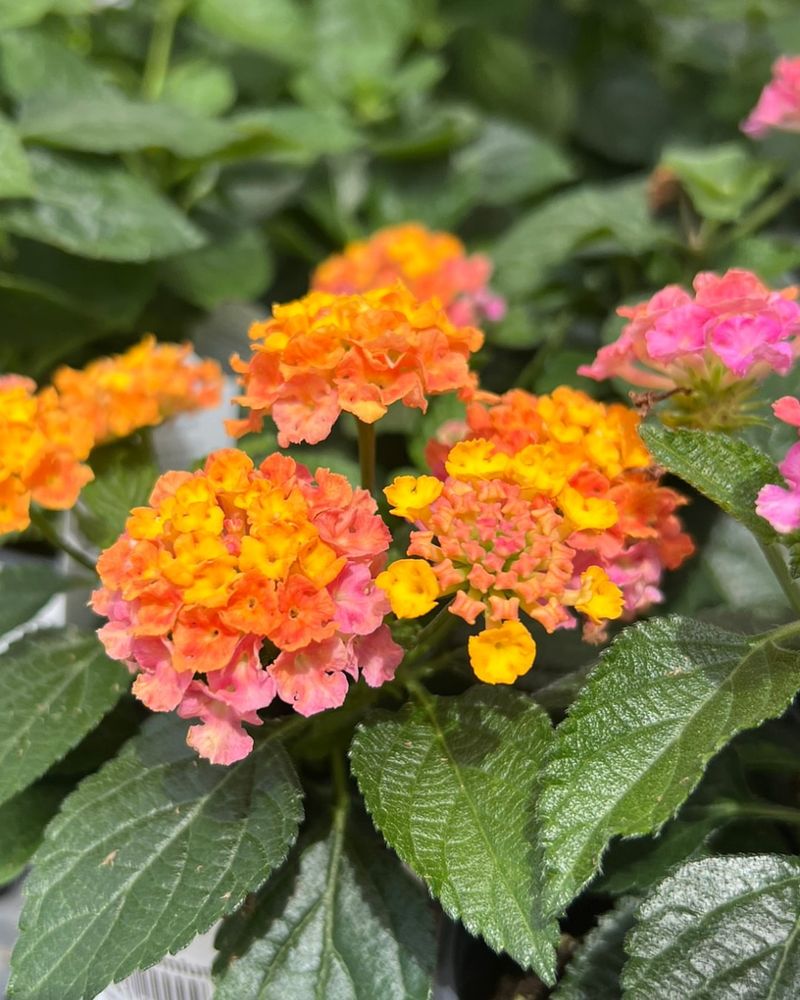
Pouring fertilizer on lantana during summer heat is a setup for disappointment. Too much nitrogen pushes the plant to produce lots of leafy growth at the direct expense of flower production.
Lantana actually prefers lean soil. It is native to regions where soils are not particularly rich.
Rich, heavily amended soil can throw off the plant’s natural balance and reduce blooming noticeably.
If you want to fertilize at all, use a light application of a balanced, slow-release granular fertilizer in early spring before heat builds. That single application provides a steady, low-level nutrient supply through the growing season without pushing excessive vegetative growth.
Liquid fertilizers applied during summer heat can also burn roots when soil temperatures are already extreme. Desert soil in direct sun can reach temperatures well above 120 degrees just a few inches below the surface during July and August.
Signs of over-fertilization include lots of lush green leaves with very few flowers. If your lantana looks full and green but is not blooming well, hold off on any additional feeding and let the plant work through what is already in the soil.
Compost worked into the soil before planting is generally a better approach than repeated fertilizer applications. It improves drainage and adds mild nutrients without creating the nitrogen spike that suppresses blooms.
6. Prevent Drought Stress During Long Hot Spells
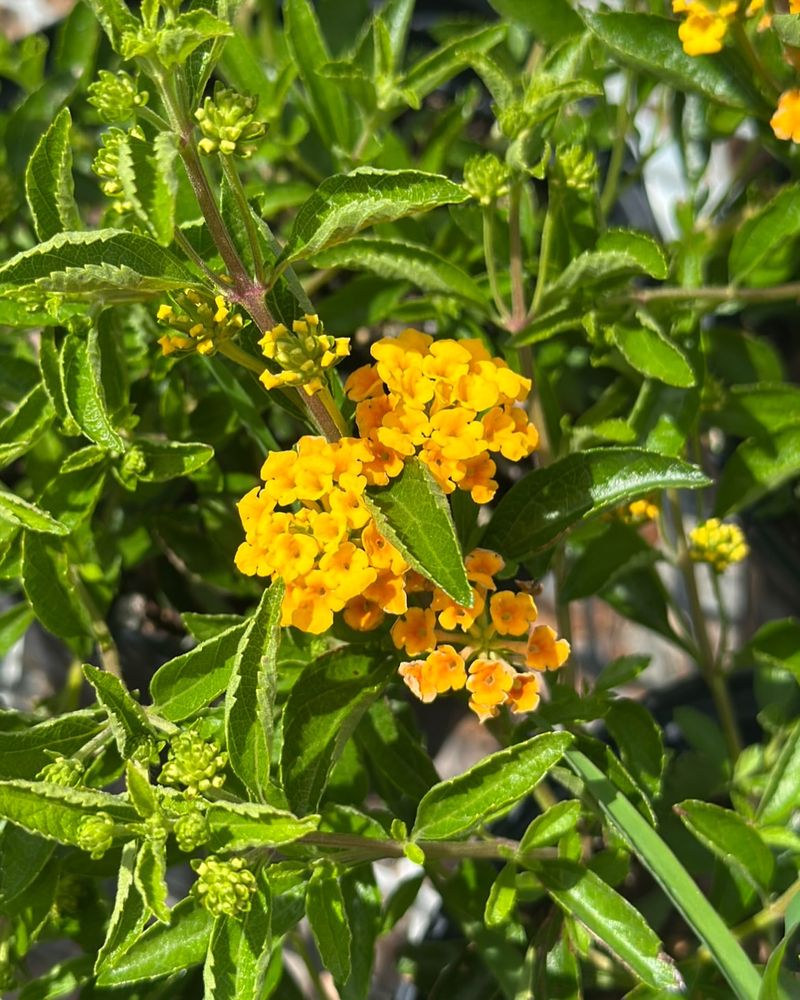
Even drought-tolerant plants hit a wall when heat and dryness combine for weeks without relief. Lantana can handle a lot, but extended dry spells without any supplemental water will eventually reduce blooming and stress the plant.
Watch for early signs of drought stress before they become serious. Slightly curled leaves in the morning, reduced flower size, and stems that look limp even in cooler morning hours are all signals the plant needs water soon.
Deep, infrequent watering is the right approach. Watering slowly and deeply encourages roots to grow downward into cooler soil layers.
Shallow, frequent watering keeps roots near the surface where heat stress is most intense.
Drip irrigation works well for lantana in desert landscapes. It delivers water directly to the root zone without wetting foliage, which can cause issues when wet leaves are exposed to intense afternoon sun.
Mulching around the base of the plant helps significantly. A two to three inch layer of gravel or organic mulch reduces soil temperature, slows moisture evaporation, and keeps roots more comfortable during the hottest stretches of summer.
During extreme heat events, even established lantana plants may benefit from a mid-week supplemental watering. Adjust based on what you observe, not just a set schedule.
Catching drought stress early and responding quickly keeps lantana blooming through the toughest summer weeks.
7. Consistent Care Supports Color All Season Long
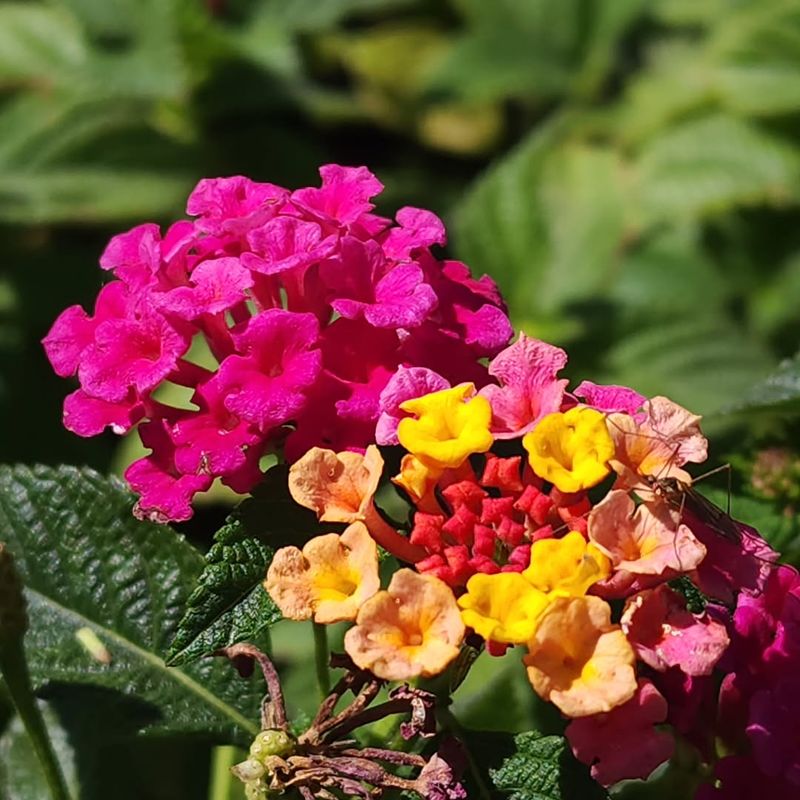
Consistency is the real secret behind lantana that blooms from May through October without fading out mid-season. No single tip here works in isolation.
Combined, they keep the plant performing at full capacity.
Build a simple weekly routine. Walk past your lantana plants a few times each week.
Check for spent blooms, watch soil moisture, and look at the overall shape of the plant. Small observations prevent big problems.
Gardening in the desert Southwest means adapting to a climate that changes dramatically within a single season. Spring is dry and hot.
Monsoon brings humidity and rain. Late summer brings more intense heat before fall cools things down.
Lantana handles those shifts better than almost any other flowering shrub available to desert gardeners. But it still benefits from a gardener who pays attention and adjusts care as conditions change throughout the season.
Track what works in your specific yard. Soil type, sun exposure, irrigation setup, and microclimates all vary from property to property.
What works perfectly in one garden may need slight adjustment in another just a few streets away.
Keep records if it helps. A simple note on your phone about when you watered, pruned, or fertilized makes it easier to spot patterns and repeat successes the following year.