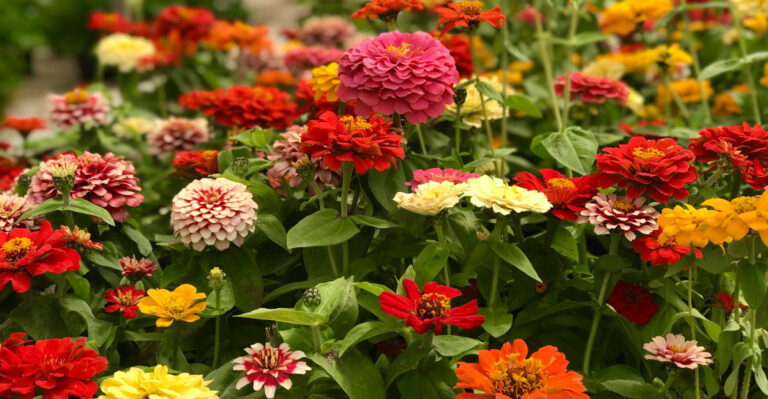
10 Drought-Tolerant Native Flowers That Thrive In Ohio Gardens
Ohio’s dry stretches keep getting longer, and most garden flowers keep struggling to keep up. Petunias, hydrangeas, and other yard favorites demand steady water to look their best, and one missed week during a dry spell can undo an entire season of care.
Native Ohio flowers evolved under a very different set of rules. Deep summer heat, unpredictable rain, and stretches without a drop don’t faze them once they’re established.
Root depth explains most of it. These flowers reach far below where typical garden plants ever stretch, pulling moisture from soil that stays damp long after the surface turns dusty.
Less watering, less stress, and a garden that holds its color through the exact conditions that flatten everything imported from a greenhouse. Ten flowers stand out above the rest, and your hose might finally get a break this season.
1. Butterfly Weed Turns Dry Heat Into Orange Color
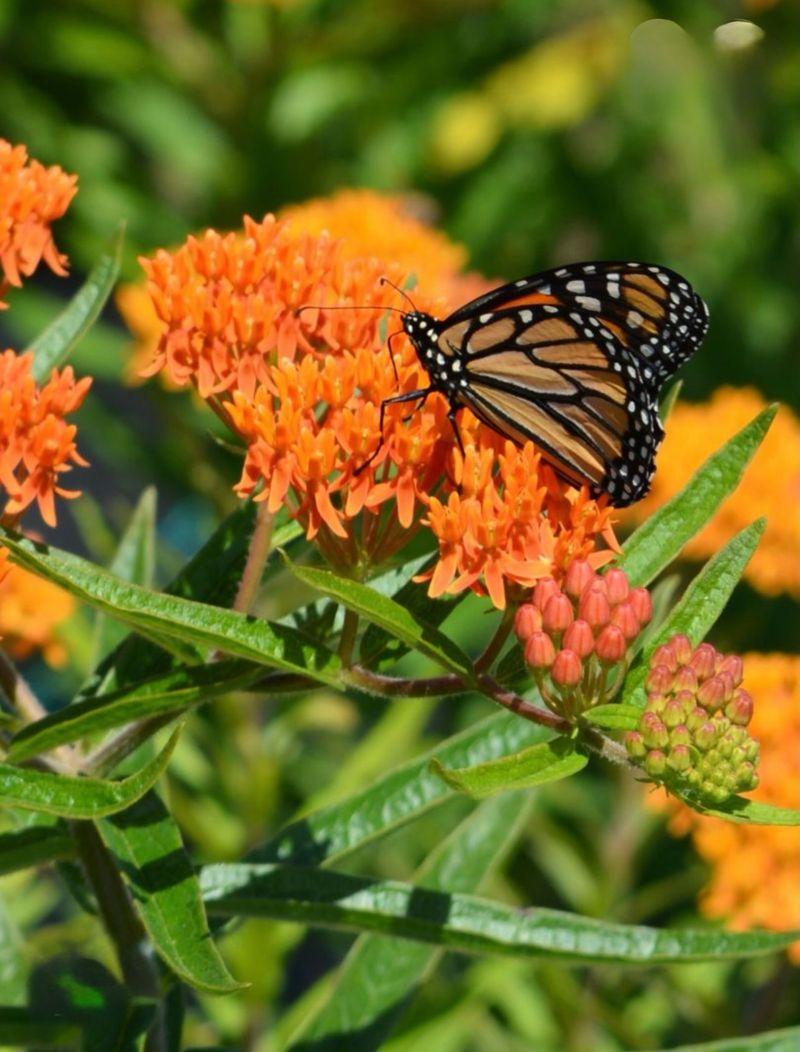
Few sights in a summer garden stop people in their tracks quite like a cluster of vivid orange blooms rising out of dry, sandy soil.
Butterfly Weed, Asclepias tuberosa, is one of Ohio’s most striking native wildflowers, and it earns its place in low-water gardens through years of reliable performance.
Ohio State University Extension recognizes it as a true native that thrives in sunny spots with well-drained to dry soil.
Unlike many perennials, Butterfly Weed develops a deep taproot that helps established plants access moisture stored far below the surface. That root system is part of what makes it so resilient during dry summer stretches.
However, a newly planted specimen still needs consistent moisture through its first season while those roots grow deep enough to sustain the plant on their own.
Butterfly Weed is a milkweed, which gives it special ecological importance. Monarch butterfly caterpillars depend on milkweed as their only food source, making Asclepias tuberosa a host plant for one of North America’s most recognized insects.
Adult butterflies and bees also visit the flowers for nectar. Avoid soggy or poorly drained soil, since wet roots are far more harmful to this plant than summer heat and dry conditions.
2. Purple Coneflower Keeps Going Through Summer Dry Spells
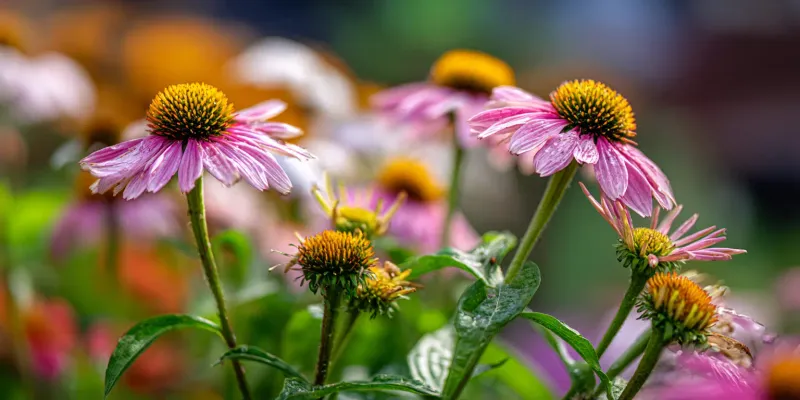
A hot, dry July is when many flower beds start looking ragged. Purple Coneflower keeps sending up purple-pink blooms in well-drained soil.
Echinacea purpurea is a widely recognized Ohio native wildflower valued for both its toughness and its bold color. The State University Extension lists it as a reliable perennial for sunny to partly shaded sites with well-drained soil.
After establishment, Purple Coneflower shows a solid ability to tolerate occasional dry spells without losing its flowers. That said, tolerating dryness is not the same as thriving in severely parched ground with zero moisture over many weeks.
Newly planted coneflowers need regular watering through their first full growing season to build the strong root system that supports later drought tolerance.
The flowers feature drooping pink-purple petals surrounding a prominent, spiky central cone that gives the plant its name. Bees and butterflies visit the blooms for nectar through summer.
Your Ohio Garden Changes Every Week. Your Plan Should Too.
Gardening in Ohio changes quickly throughout the season. Every Friday you’ll receive a simple weekly plan showing exactly what to plant, prune, fertilize, harvest, and protect so you never miss the right timing.
Once flowering finishes, leave the seed heads standing. The State native plant guidance notes that they provide food for goldfinches and other seed-eating birds.
Plant Purple Coneflower in full sun for the strongest performance, and avoid heavy clay or constantly wet soil for best results.
3. Wild Bergamot Brings Lavender Color To Dry Soil
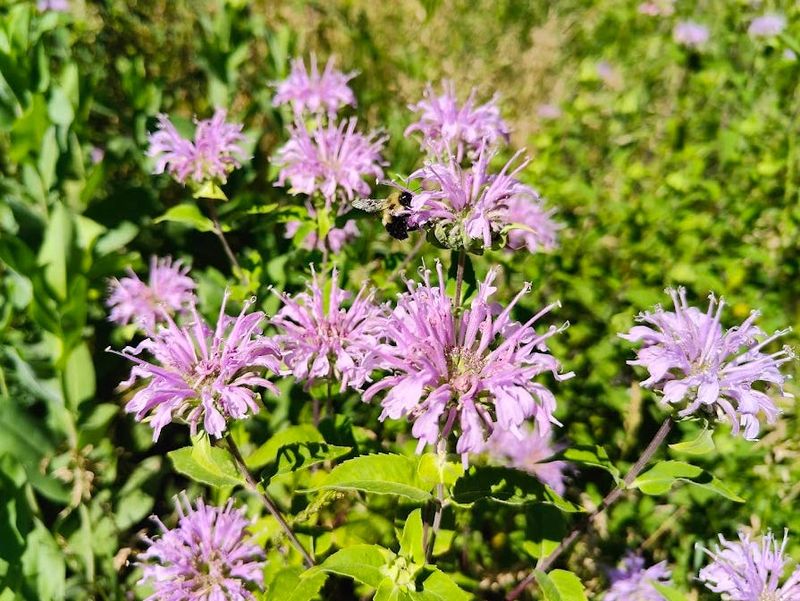
Lavender-pink flower heads floating above aromatic foliage make Wild Bergamot one of the most recognizable native wildflowers in dry meadows and prairies.
Monarda fistulosa is native to the state and is well suited to gardens that experience summer dry spells, according to Ohio State University Extension.
It grows best in full sun to light shade and handles dry to medium soil conditions without much fuss.
The rounded clusters of tubular flowers carry a pleasant herbal fragrance, and the foliage itself smells strongly when brushed. Bumblebees, native bees, and butterflies are frequent visitors to Wild Bergamot blooms, making it a solid choice for pollinator gardens.
Good air circulation around the plants can help reduce powdery mildew, a common issue with Monarda in humid conditions, as noted in reliable horticultural guidance.
Gardeners sometimes confuse Wild Bergamot with Scarlet Bee Balm, Monarda didyma, but the two plants have meaningfully different moisture preferences.
Scarlet Bee Balm generally prefers moist to wet conditions, while Wild Bergamot is the better choice for dry or average garden sites.
Newly planted Wild Bergamot still needs watering while roots establish during the first season. After that, established plants handle dry summer periods with much greater ease than their moisture-loving relatives.
4. Rough Blazing Star Sends Purple Spikes Through Dry Ground
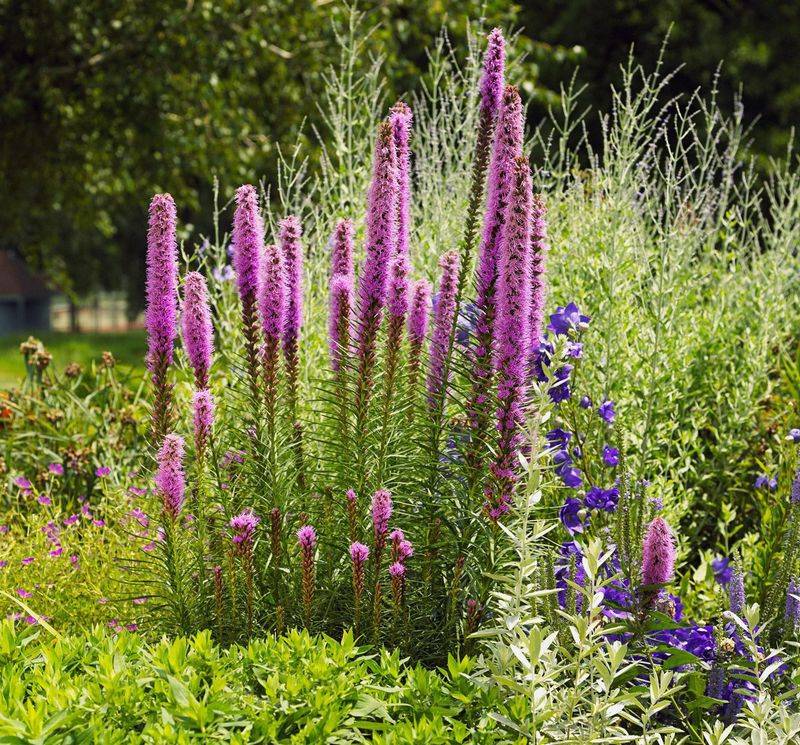
Tall, upright spikes of rosy purple rising from dry, sandy ground have a dramatic quality that few other native plants can match. Rough Blazing Star (Liatris aspera) is native to our state.
The State-supported references associate it with dry prairies, sandy soils, and open rocky sites. Full sun and sharp drainage are the conditions where this plant performs best.
Choosing the right Liatris species matters in a drought-tolerant garden. Rough Blazing Star, Liatris aspera, is genuinely suited to dry ground, while Dense Blazing Star, Liatris spicata, generally prefers moist to average soil.
Using the wrong species in a dry bed can lead to disappointing results, so confirming the species before purchasing is worth the extra step.
The flowers open from the top of the spike downward, creating a long bloom period through late summer. Monarch butterflies, bumblebees, and other native bees are drawn to the blooms, based on pollinator habitat guidance from reliable sources.
Goldfinches may visit the seed heads after flowering finishes. Newly planted Rough Blazing Star needs regular moisture through its first growing season.
Once established, its deep corm helps it pull through dry summers with far less supplemental water than most garden perennials require.
5. Lanceleaf Coreopsis Keeps Sunny Beds Golden
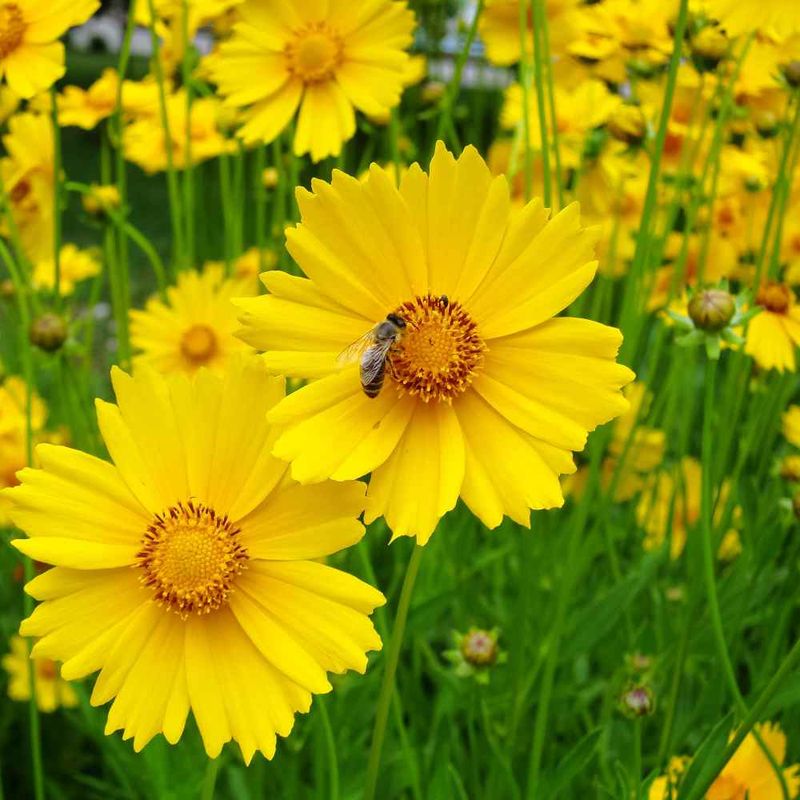
Cheerful golden-yellow flowers filling a dry, sunny bed from late spring into early summer create exactly the kind of low-effort color most gardeners dream about.
Lanceleaf Coreopsis, Coreopsis lanceolata, is native to the state and well adapted to sunny sites with well-drained, even lean soil.
The State University Extension recognizes it as a dependable native perennial that handles lower moisture conditions after establishment.
The bright yellow, daisy-like blooms appear on slender stems above a low basal rosette of narrow leaves. Compared with taller prairie species, Lanceleaf Coreopsis has a more compact form that suits the front or middle of a native planting or sunny border.
Rich, heavily fertilized soil is not what this plant wants. Lean, well-drained conditions actually encourage stronger flowering and longer plant life.
Lanceleaf Coreopsis can reseed into nearby areas when conditions suit it, gradually spreading to fill open sunny spots. Bees and butterflies visit the flowers for pollen and nectar.
Watering during the first growing season remains important while the plant builds its root system. After establishment, it tolerates the dry, sunny stretches that summers regularly deliver.
Avoid planting in poorly drained or heavy clay soil, since consistently wet conditions are far more problematic for this species than summer heat.
6. Ohio Spiderwort Handles Heat With Blue Blooms
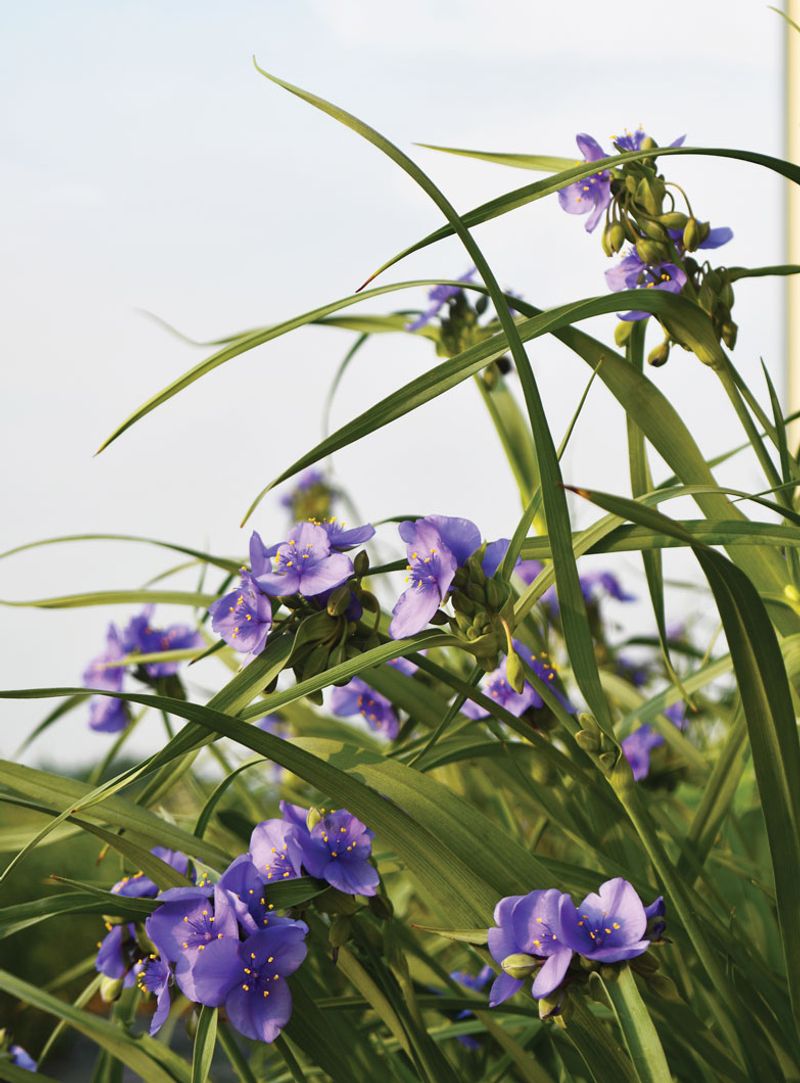
Vivid blue to blue-purple flowers opening in the morning light of a prairie give Ohio Spiderwort a look that stands out among native wildflowers.
Tradescantia ohiensis is native to the state and naturally grows in prairies, open woodlands, and roadsides across the state.
It handles sunny conditions and is listed as adaptable to a range of soil moisture levels, from dry to moist, in reliable horticultural references.
Drought tolerance for Ohio Spiderwort falls in a moderate range. Established plants manage dry spells reasonably well, but this species should not be treated as one of the toughest dry-site plants on this list.
Prolonged, severe drought can stress the plant more than occasional dry periods. Matching it to a site with average to somewhat dry soil gives the best results.
Each flower has three rounded petals and lasts only a single day, but new blooms keep opening through early summer. The narrow, grass-like foliage is distinctive and attractive when the plant is in active growth.
After flowering, the foliage sometimes looks less tidy, and cutting plants back lightly can encourage fresh growth, according to native plant care guidance.
Newly planted Ohio Spiderwort needs regular moisture through its first season before it develops the root system that supports its heat and dry-spell tolerance.
7. Rattlesnake Master Brings Tough Prairie Drama
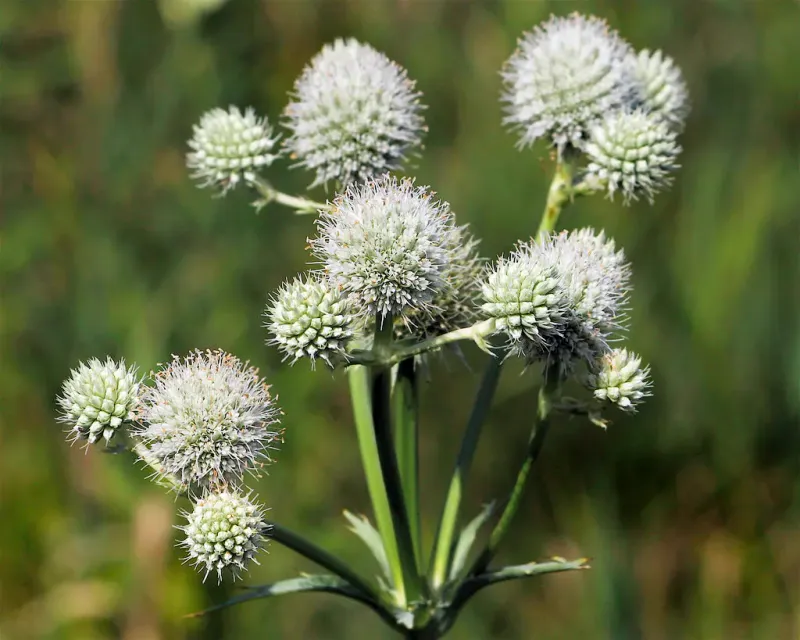
Round flower heads sit atop stiff stems surrounded by spiky, yucca-like leaves. Together, they create one of the most dramatic silhouettes in a prairie garden.
Rattlesnake Master (Eryngium yuccifolium) is native to Ohio. The native plant and ODNR resources place it in dry to mesic prairies and open sunny habitats.
Full sun and well-drained soil are the key requirements for this plant. It handles dry conditions after establishment and is considered appropriate for sunny, low-water native plantings.
Its unusual appearance sets it apart from the daisy-shaped flowers that dominate most native gardens. The leaves look similar to yucca, but Rattlesnake Master is not related to yucca.
It belongs to the carrot family, which becomes apparent when you look closely at the structure of its flower heads.
Native bees, wasps, and other pollinating insects visit the blooms, based on pollinator references from reliable native plant sources. The common name comes from historical folk uses, not from any actual relationship with snakes.
Newly planted specimens still need consistent moisture while roots establish. Once established, Rattlesnake Master is a genuinely tough plant.
It adds bold structure to sunny gardens and thrives with little attention during dry summer weather.
8. Flowering Spurge Brightens The Driest Beds
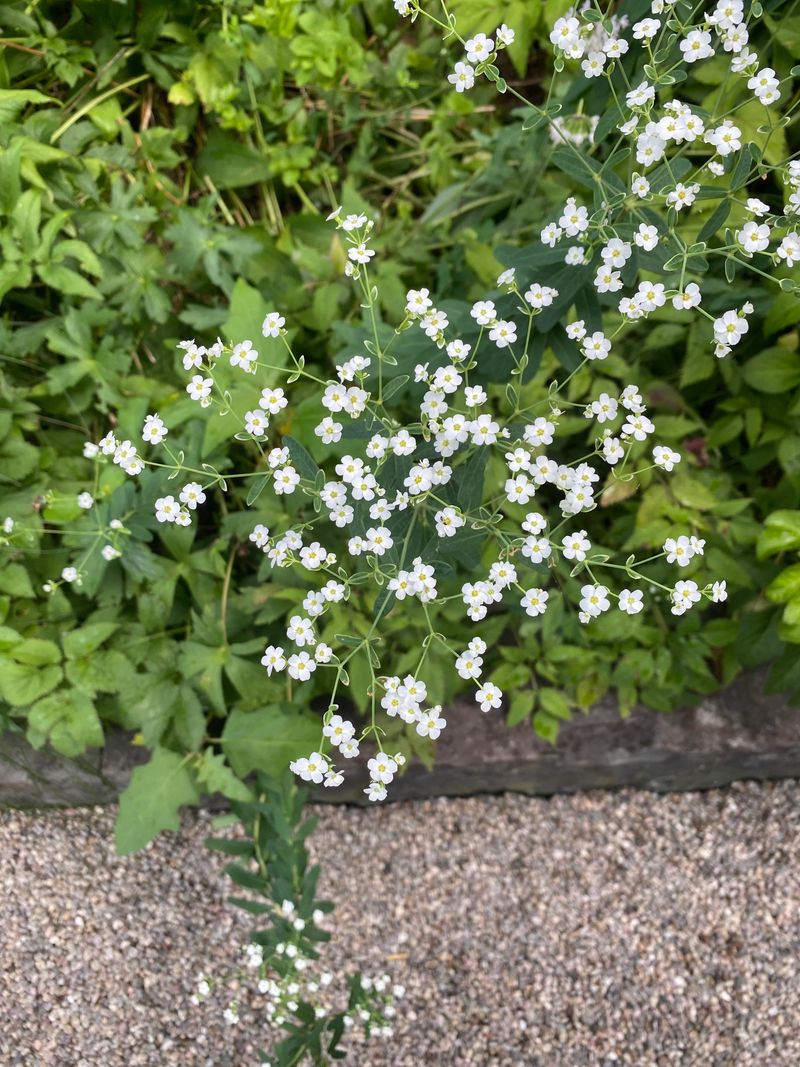
A cloud of tiny white flowers floating on branching stems brings a light, airy quality to dry sunny beds that heavier prairie flowers cannot always provide.
Flowering Spurge, Euphorbia corollata, is native to Ohio and naturally found in dry prairies, open woodlands, and sandy or rocky sites.
The native plant references confirm its strong adaptation to dry, sunny conditions after establishment.
The white display comes from small, petal-like bracts surrounding the tiny true flowers, a structure typical of the Euphorbia family.
The overall effect is delicate and lacy, creating a pleasant visual contrast when planted alongside bold prairie flowers like coneflowers or blazing stars.
Flowering Spurge tends to stay relatively compact and blends easily into a naturalistic planting without overwhelming neighboring plants.
Handling this plant with care is a good practice, because like other euphorbias, it contains a milky sap that can irritate skin and eyes in some people.
Wearing gloves when cutting or transplanting is a reasonable precaution, as noted in general Euphorbia handling guidance.
Wet or poorly drained soil is not suitable for this species. It performs best where drainage is sharp and moisture stays on the lower side.
First-year plants still need regular watering until the root system establishes fully in its new location.
9. Aromatic Aster Saves Its Color For Fall
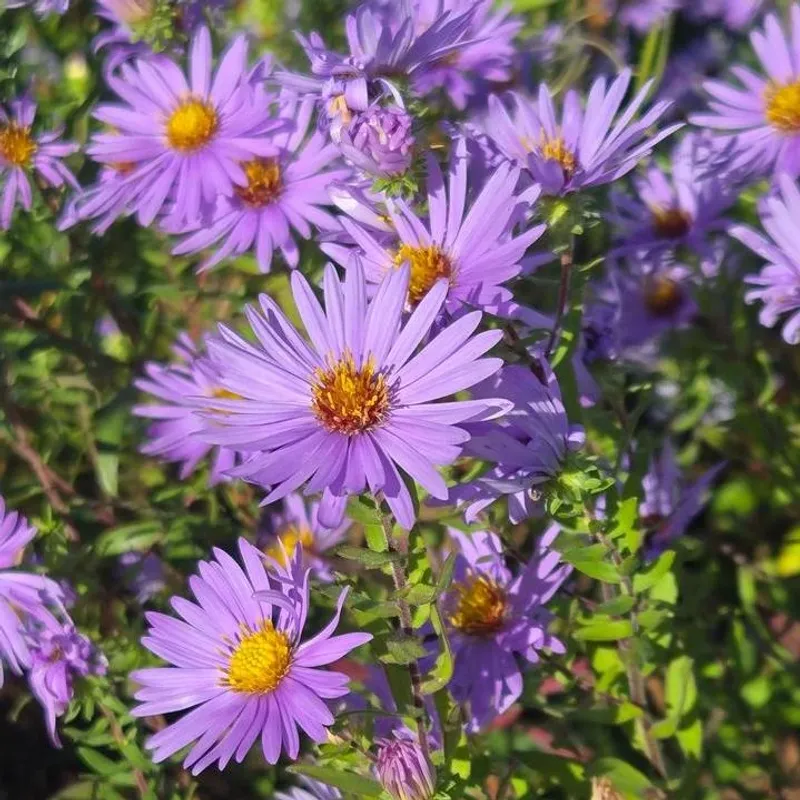
Just as most summer flowers wind down, a bushy mound of blue-purple blooms brings color back to the garden. It arrives when the landscape is starting to look tired.
Aromatic Aster (Symphyotrichum oblongifolium) is native to the state and strongly drought tolerant. Ohio native plant and Extension guidance recommend full sun and well-drained to dry soil.
The flowers are small, daisy-like, and produced in impressive numbers across a rounded, compact plant. Bloom time falls in late summer and extends into fall, making Aromatic Aster one of the most valuable native plants for late-season color in our gardens.
Bees and butterflies, including migrating monarchs, visit the blooms for nectar. Pollinator habitat references highlight their value during this important late-season feeding window.
Foliage carries a pleasant, spicy fragrance when brushed, which is where the common name comes from. The plant holds its shape well without staking and does not need rich soil to perform.
Lean, dry conditions actually suit it better than heavy, moist ground. Bloom timing can shift somewhat depending on location, weather patterns, and growing conditions in a given year.
New plantings need regular moisture through the first season before the plant develops the root system that supports its dry-site toughness.
10. Gray-Headed Coneflower Powers Through Prairie Heat
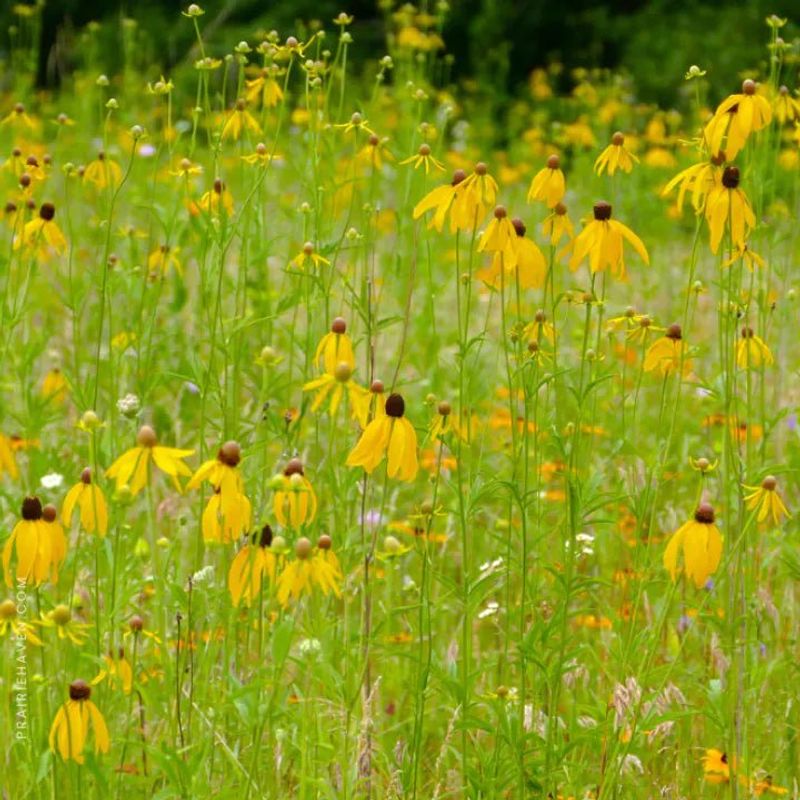
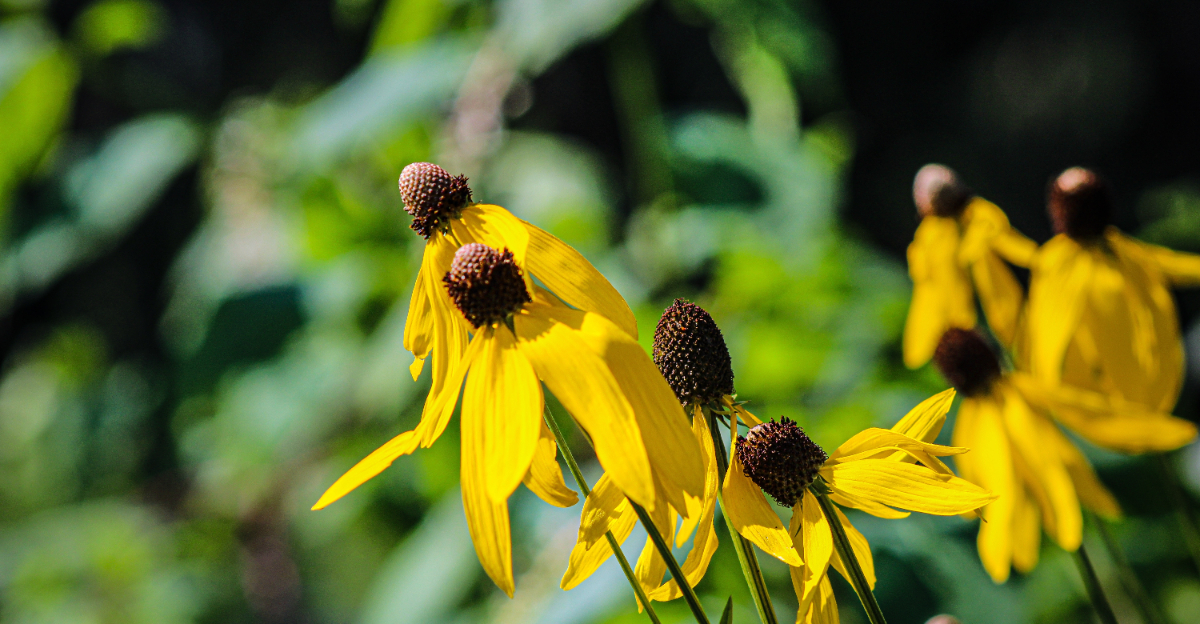
Tall stems with drooping yellow petals surround a long, grayish-brown central cone. This gives Gray-Headed Coneflower a loose prairie look that suits naturalistic gardens.
Ratibida pinnata, also called Yellow Coneflower in some Ohio references, is native to the state and naturally grows in prairies and open sunny sites with well-drained soil. The native plant resources confirm it as appropriate for sunny, dry to medium moisture conditions.
Mature plants can reach five to seven feet tall in good growing conditions, which makes placement in the garden worth thinking through carefully.
Positioning Gray-Headed Coneflower toward the back of a planting or in a spot where its height reads as intentional rather than accidental gives the best visual result.
The tall stems can sway attractively in a breeze, adding movement to the garden.
Birds visit the seed heads after flowering to feed on the seeds, adding wildlife value beyond the summer bloom period. Bees and other native pollinators use the flowers during summer.
Gray-Headed Coneflower handles dry spells reasonably well once established, but it grows in dry to medium soil rather than the absolute driest conditions on this list. First-year plants need consistent watering while roots settle in.
After that, it proves to be a reliable, low-maintenance native that suits sunny gardens with average to somewhat dry soil.