How To Keep Whiteflies From Destroying Your Newly Planted Georgia Cabbage
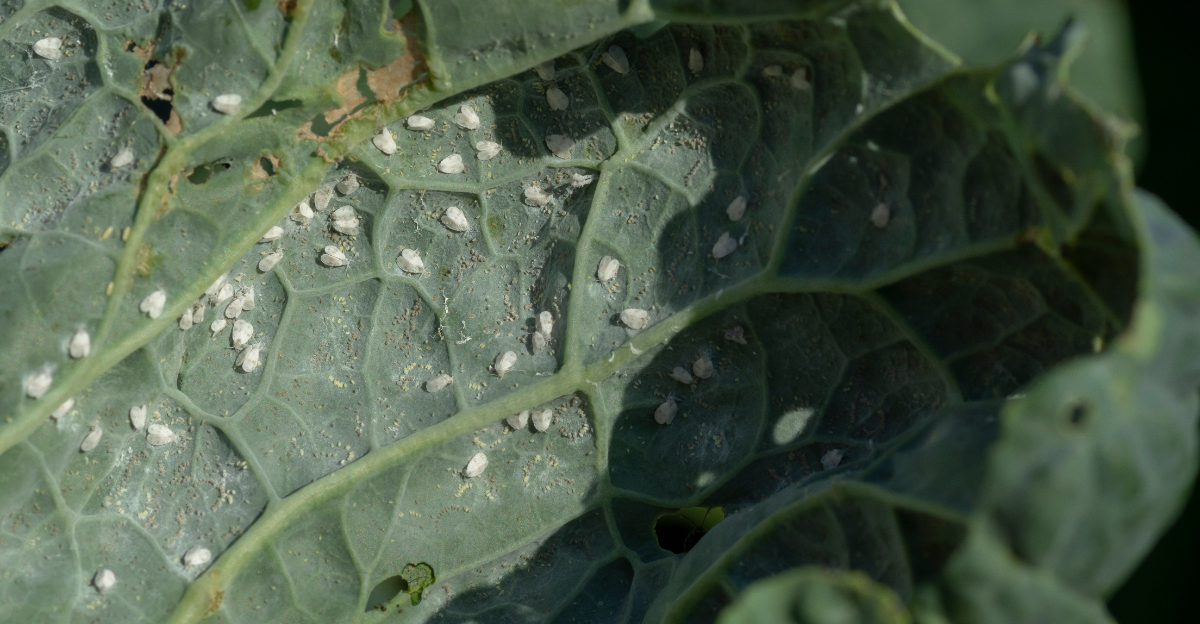
Underneath every leaf you inspect, a colony could already be settling in, draining sap before you even see a symptom. Sticky residue collects on the surface first, long before wilting gives you any warning.
Georgia’s warm fall days hand this pest every advantage, letting it spread while you’re still hoping it’s nothing. Mold follows that residue fast, turning a minor nuisance into a real threat to your entire harvest.
Winged, nearly invisible, and stubborn, this pest keeps spreading while you decide how seriously to take it. Rows that look healthy today can turn into losses within days, and you won’t get a warning label.
Your cabbage patch cannot afford delay, and neither can you. Every hour you wait gives it more ground to claim.
1. Inspect Transplants For Eggs Before They Leave The Nursery Tray
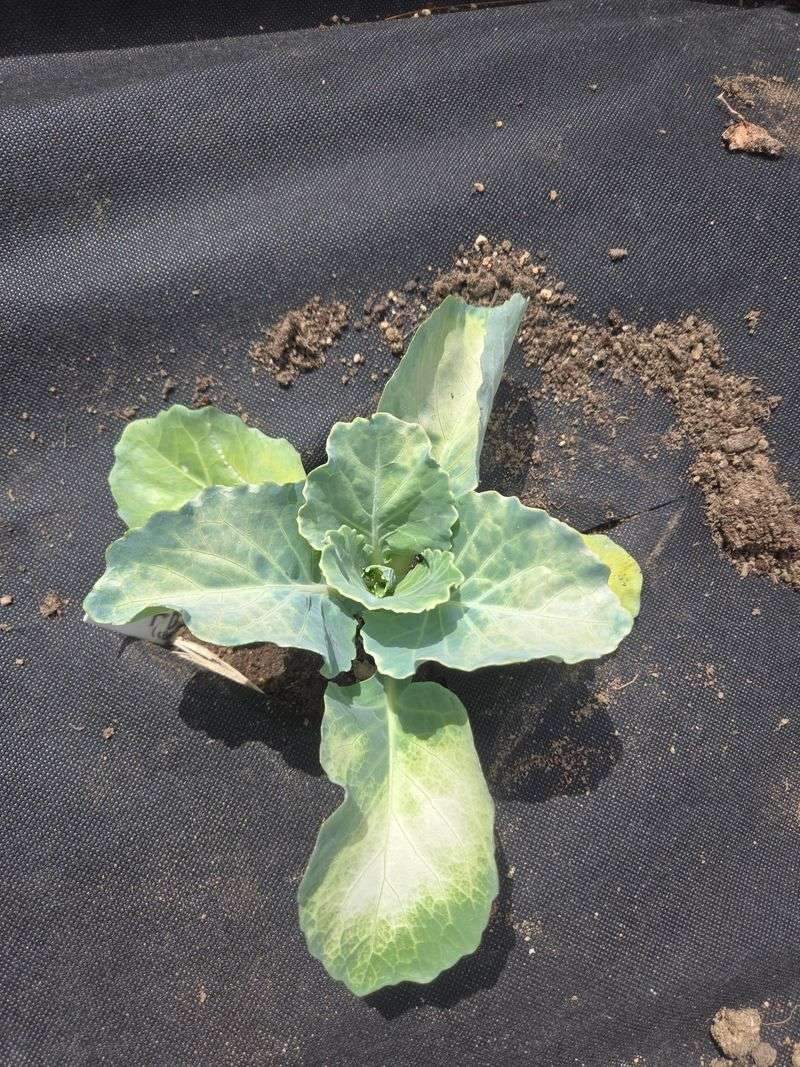
Most whitefly problems start before a single plant reaches the soil. Eggs hide on the undersides of seedling leaves, nearly invisible to a quick glance.
Grab a magnifying glass before you buy or transplant anything. Turn each leaf over and look for tiny white or yellowish specks arranged in a circular pattern.
Nursery trays are warm, crowded, and ideal for whitefly eggs to survive unnoticed. One infested transplant can spread the problem across your entire bed within weeks.
Check every plant, not just a few from the top of the tray. Reject any transplant that shows sticky residue, yellowing, or white specks underneath the foliage.
Healthy transplants have firm, green leaves with no stickiness or discoloration on the undersides. A clean start is one of the most effective ways to protect your Georgia cabbage patch from an early setback.
Inspect trays in the morning or evening when whiteflies are less active and easier to spot on still leaves. Midday heat sends adults scattering the moment you disturb a plant, which makes an infestation look lighter than it actually is.
Ask nursery staff if transplants were treated with a systemic insecticide before you buy. That single question can tell you how much natural protection your cabbage will still have once it goes into the ground.
Spending five extra minutes at inspection can save you hours of spraying later. Protecting your newly planted Georgia cabbage starts the moment you pick up a tray at the nursery.
2. Clear Out Squash And Bean Residue Left From Summer Plantings
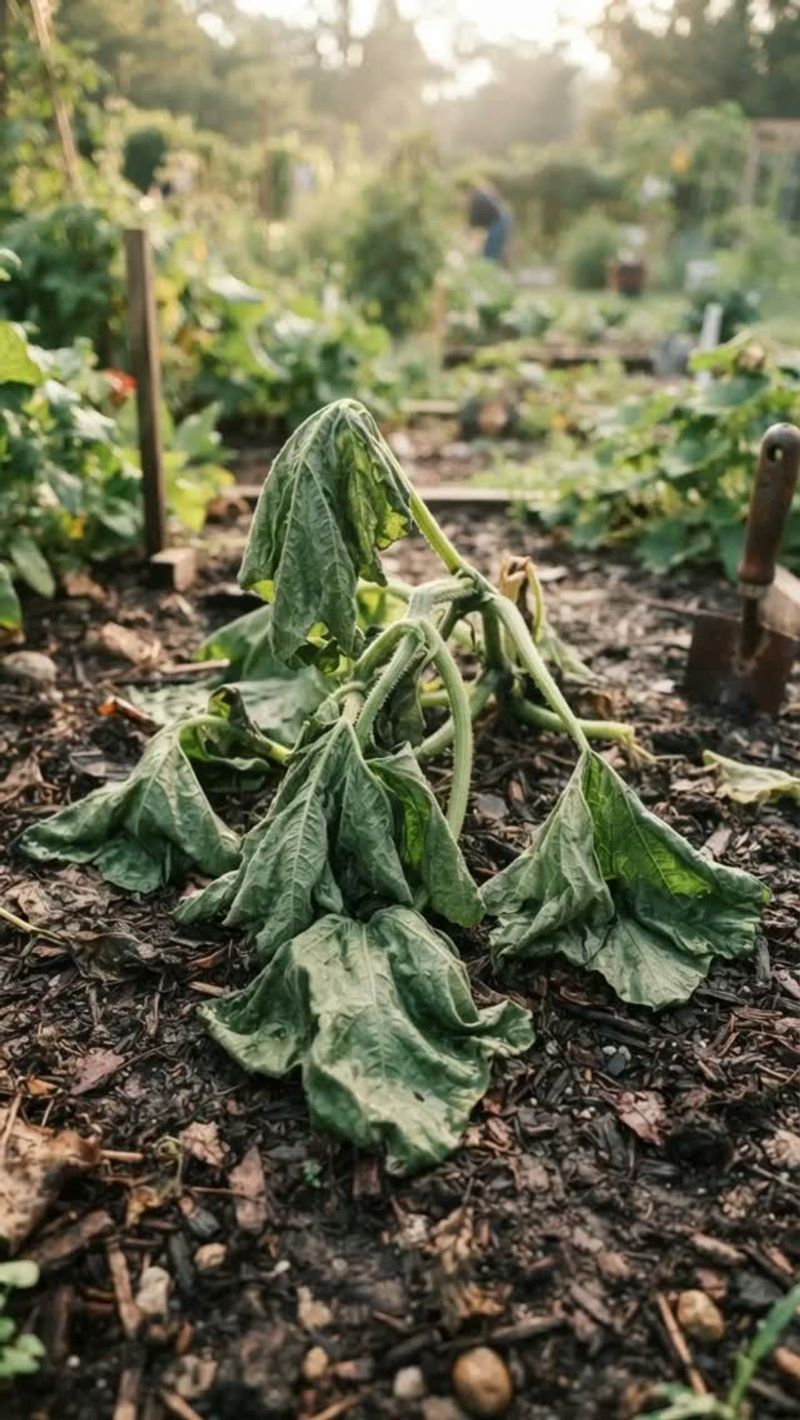
Old squash vines and bean stalks are basically a whitefly hotel. They linger in beds long after harvest and shelter adult insects through warm Georgia fall days.
Whiteflies that fed on summer crops do not just disappear when the season ends. They stay behind, waiting for fresh green leaves to land on next.
Pull every vine, stalk, and leaf fragment out of the bed before you set in your cabbage transplants. Do not just cut plants at the base and leave roots and stems behind.
Bag the debris and take it well away from the garden area. Composting summer residue on-site can keep whitefly pupae alive right next to your new planting.
Your Georgia Garden Changes Every Week. Your Plan Should Too.
Gardening in Georgia changes quickly throughout the season. Every Friday you’ll receive a simple weekly plan showing exactly what to plant, prune, fertilize, harvest, and protect so you never miss the right timing.
Rake the soil surface after clearing to expose any pupae or eggs clinging to plant matter. A clean, bare bed gives whiteflies far fewer places to hide and breed.
Some gardeners also lightly till the top inch of soil to disrupt egg clusters left behind. Starting with a cleared, tidy bed is one of the simplest ways to protect your newly planted Georgia cabbage from an early infestation.
Check nearby fence lines and flower beds too, since whiteflies do not stay confined to a single crop. Weeds like pigweed and morning glory can host adults just as easily as leftover vegetable stalks.
Give cleared beds a few days to rest before transplanting whenever your schedule allows. That short gap lets stray adults move on to find food elsewhere instead of settling straight into your new cabbage rows.
3. Lay Reflective Silver Mulch Between Rows At Planting
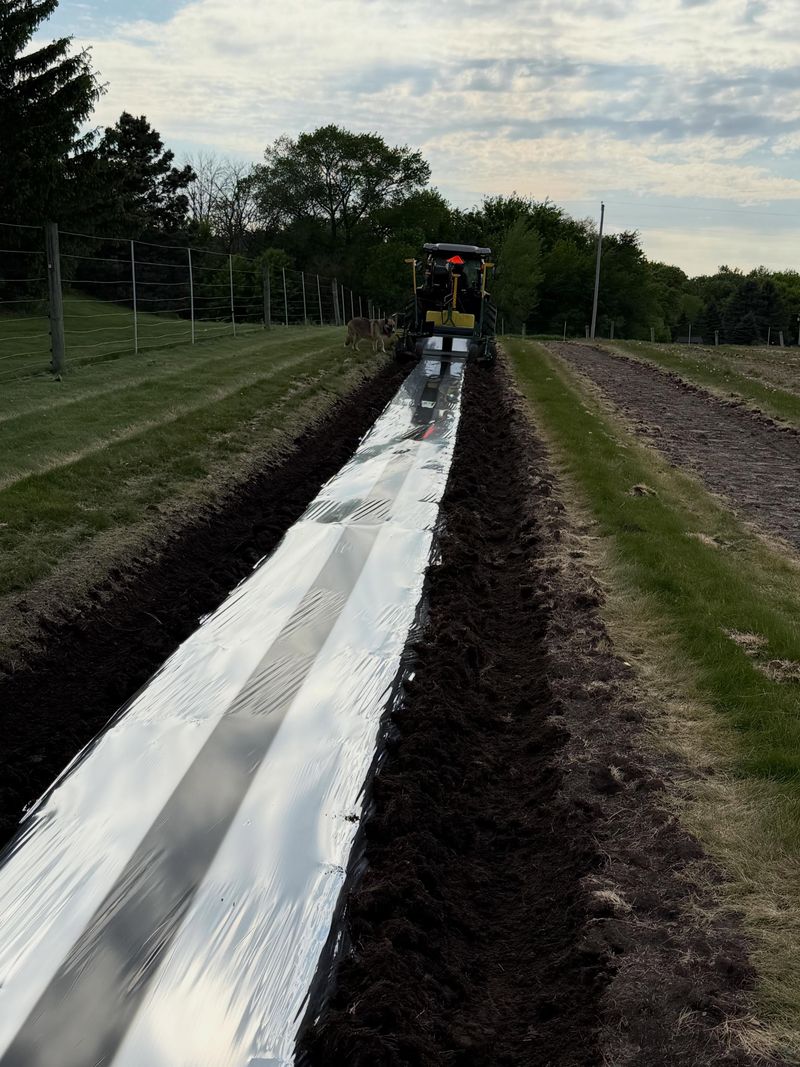
Reflective silver mulch might look unusual in a garden bed, but it works on a simple principle. Whiteflies navigate by light, and the glare bouncing off the surface disorients them before they ever land.
University of Georgia field trials found that reflective mulch cut whitefly numbers compared to standard plastic mulch, though the reduction varied widely by season and location. Even a modest drop gives your cabbage transplants a real head start during their most fragile weeks.
Roll the silver plastic mulch between rows right at planting time. Cut small holes or slits where your transplants will sit, and press the edges down firmly so wind cannot lift them.
The reflective surface also helps retain soil moisture and keeps weeds from sprouting between rows. You get pest control and weed suppression from a single layer of plastic.
As the season progresses and plants grow taller, the canopy will shade the mulch. That is fine, because the critical protection happens in those first few weeks when plants are small and vulnerable.
Silver mulch is available at most garden supply stores and online. Laying it down at planting is a low-effort step that supports whitefly control for your newly planted Georgia cabbage.
Choose a mulch with a true metalized surface rather than a plain gray or light-colored plastic, since dull finishes do not reflect enough light to confuse whiteflies. Cheaper mulches sometimes lose their shine after a few heavy Georgia rainstorms, so check the surface partway through the season.
4. Cover Young Beds With Floating Row Fabric For The First Weeks
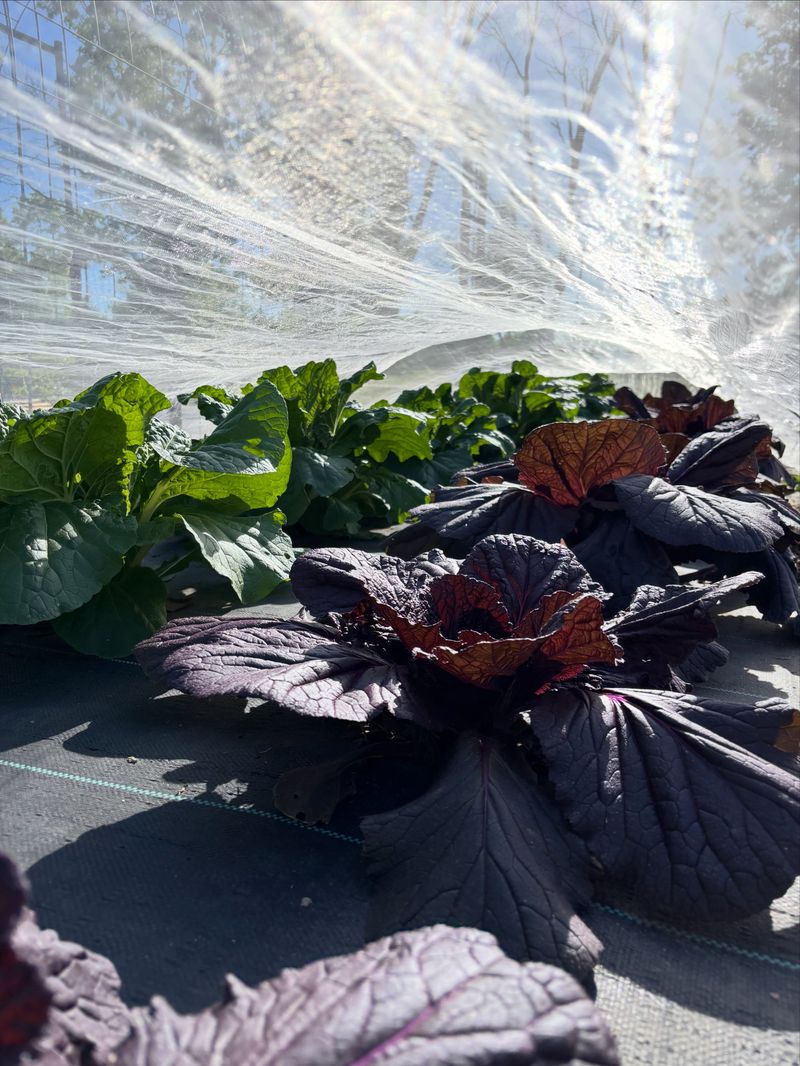
Floating row fabric is one of the most reliable physical barriers a home gardener can use. It lets in light, air, and rain while keeping flying insects off your plants.
Whiteflies cannot land on leaves they cannot reach. A properly installed row cover blocks them out during the most vulnerable stage of your cabbage’s life.
Drape the lightweight fabric loosely over transplants right after planting. Leave enough slack so plants have room to grow without the fabric pressing down on leaves.
Secure the edges with soil, rocks, or garden staples to seal out any gaps. Even a small opening gives determined insects a way inside.
Keep the cover on for the first three to four weeks, or until plants are well-established and growing strongly. After that, plants are better able to handle some pest pressure without serious damage.
Check under the cover every few days to make sure no insects got in and to watch for moisture buildup. Row fabric is inexpensive, reusable for several seasons, and non-toxic to handle.
Choose a lightweight grade of fabric made for insect exclusion rather than a heavier frost-cover material, since the thicker weight traps too much heat during warm Georgia afternoons. A breathable, lightweight cover protects against pests without cooking your young transplants underneath it.
For newly planted Georgia cabbage, this simple step matters more than it looks. It can mean the difference between a thriving crop and one struggling with whitefly damage from week one.
5. Hang Yellow Sticky Cards To Track Numbers Before Damage Shows
Yellow sticky cards are a gardener’s early warning system. Whiteflies are strongly attracted to the color yellow, and they fly right into the adhesive surface.
Hanging cards above your cabbage rows lets you monitor insect activity before populations climb out of control. You can catch a problem when it is still manageable instead of after damage appears.
Place cards about six to eight inches above the tops of your plants. Move them upward as the cabbage grows so they stay at the right height throughout the season.
Check cards every two to three days and count what you see. A sudden spike in whitefly numbers on the cards means it is time to act with other control methods.
Replace cards when they fill up with insects or debris. Dirty, covered cards stop working and give you false confidence that pest pressure is low.
You can find yellow sticky cards at garden centers or order them in bulk online for a very low cost. Some packs include twist ties for easy hanging on stakes or wire.
Space a few cards throughout the bed instead of relying on one or two, since pressure often varies from row to row. Cards near field edges or old crop debris tend to fill up first and signal where trouble is starting.
Monitoring is not glamorous, but it works. Knowing your whitefly numbers early gives you the upper hand in protecting your newly planted Georgia cabbage before leaves start to yellow or curl.
6. Rinse Leaf Undersides With A Firm Spray Of Water
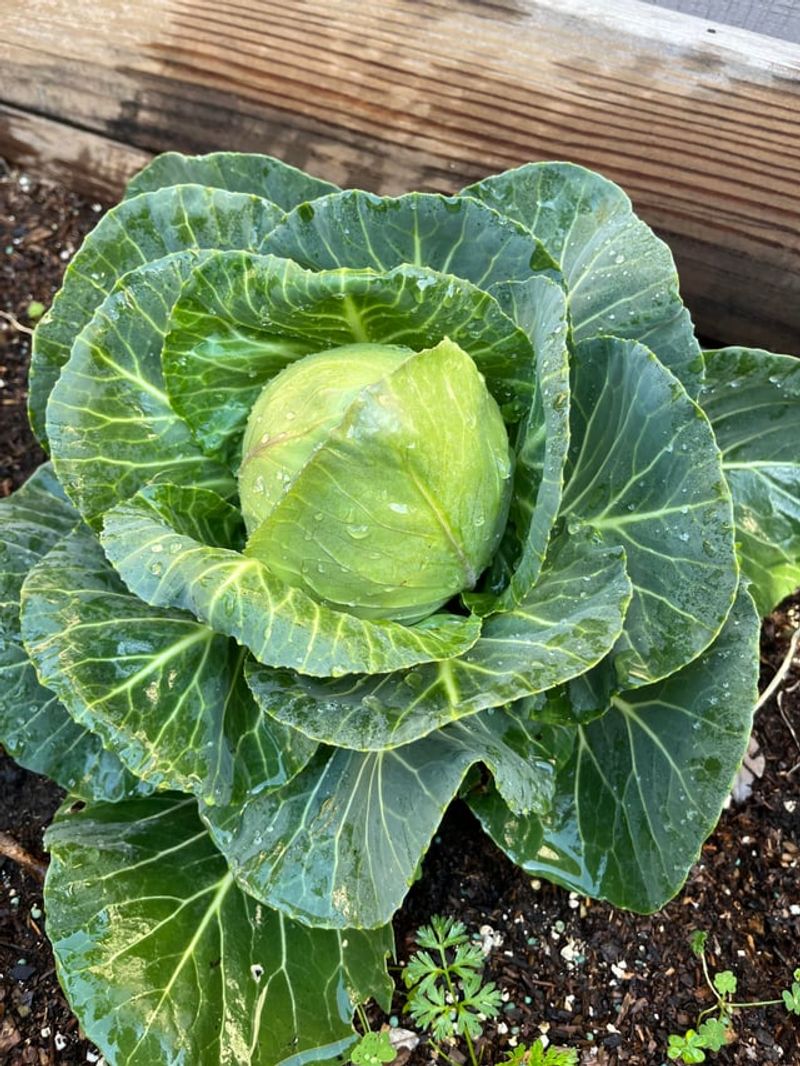
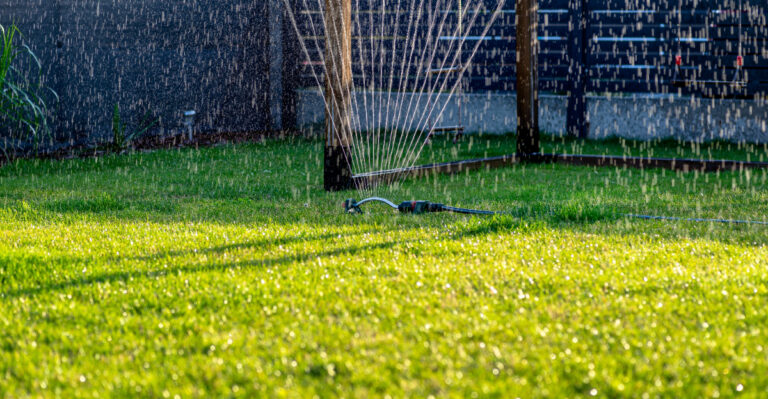
Water is one of the most underrated tools in your pest-control toolkit. A firm spray aimed at leaf undersides physically removes whitefly adults, nymphs, and eggs in seconds.
Whitefly nymphs are slow-moving and cannot return to the plant once knocked off. Adults are faster but get disoriented by a strong spray and often do not resettle on the same leaf.
Use a hose with an adjustable nozzle set to a firm, focused stream. Tilt the nozzle upward under each leaf and sweep back and forth along the entire row.
Do this in the morning so leaves dry quickly in the sun. Wet foliage left damp through the evening can invite fungal problems, which is a headache you do not need.
Repeat the rinse every two to three days for the best effect. Consistency matters more than intensity, because stray adults will try to return between sessions.
This method works best as part of a broader strategy alongside other controls. On its own, rinsing keeps pressure low but rarely clears a heavy infestation by itself.
Watch water pressure on young transplants, since a stream strong enough to dislodge whiteflies can also bruise tender new leaves. A gentler setting near the base, with a firmer stream only on established lower leaves, protects the cabbage while still doing the job.
Even so, it costs nothing beyond a few minutes and a little water. Making it a routine part of your week is a smart, chemical-free way to protect your newly planted Georgia cabbage.
7. Rotate Insecticidal Soap And Horticultural Oil Applications
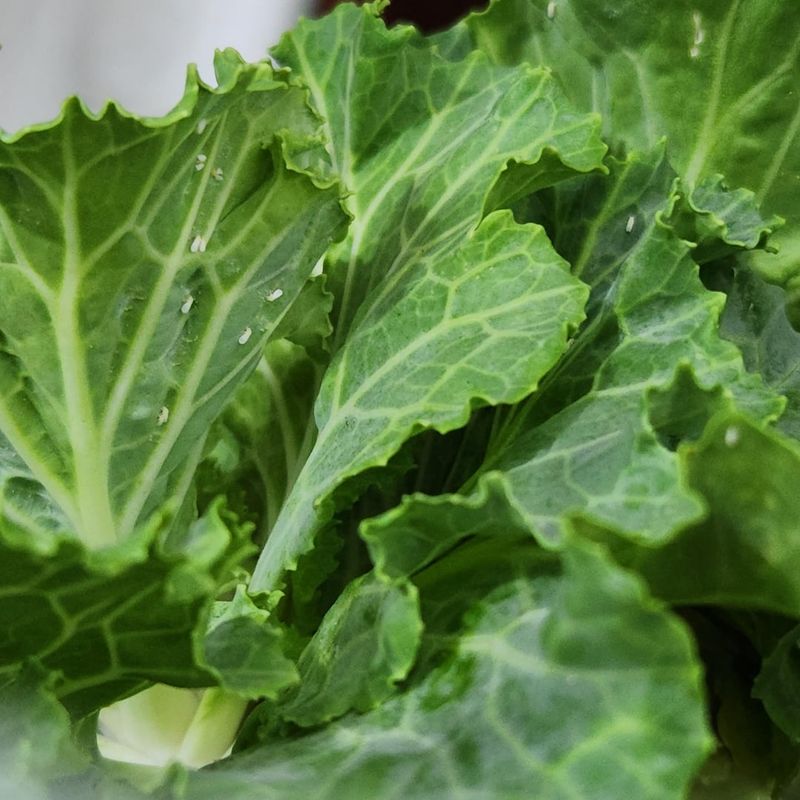
Insecticidal soap and horticultural oil are two of the most effective soft pesticides for whitefly control. Using them in rotation reduces the chance of insects adapting to either one.
Insecticidal soap works by breaking down the outer coating of soft-bodied insects on contact. It must touch the insect directly to work, so thorough coverage is critical.
Horticultural oil smothers eggs and nymphs by blocking their ability to breathe. It is especially effective when applied to leaf undersides where immature whiteflies cluster most densely.
Apply insecticidal soap one week, then switch to horticultural oil the next. This rotation targets insects at different life stages and through different mechanisms.
Spray in the early morning or late evening to avoid leaf burn in hot sun. Georgia summers can be intense, and midday application of any oil or soap can scorch foliage fast.
Read product labels carefully before mixing or applying. Some formulas need dilution, and using too strong a concentration can damage tender cabbage leaves.
Test any new product on a small section of the bed first and wait a day before treating the rest. Cabbage leaves can react differently to oils and soaps depending on the variety, recent watering, and how hot the week has been.
Reapply after rain, since both products wash off easily. Staying consistent with your rotation schedule gives your newly planted Georgia cabbage a strong shot at staying clean and healthy through the growing season.
8. Leave Alyssum And Dill Nearby To Support Parasitic Wasps
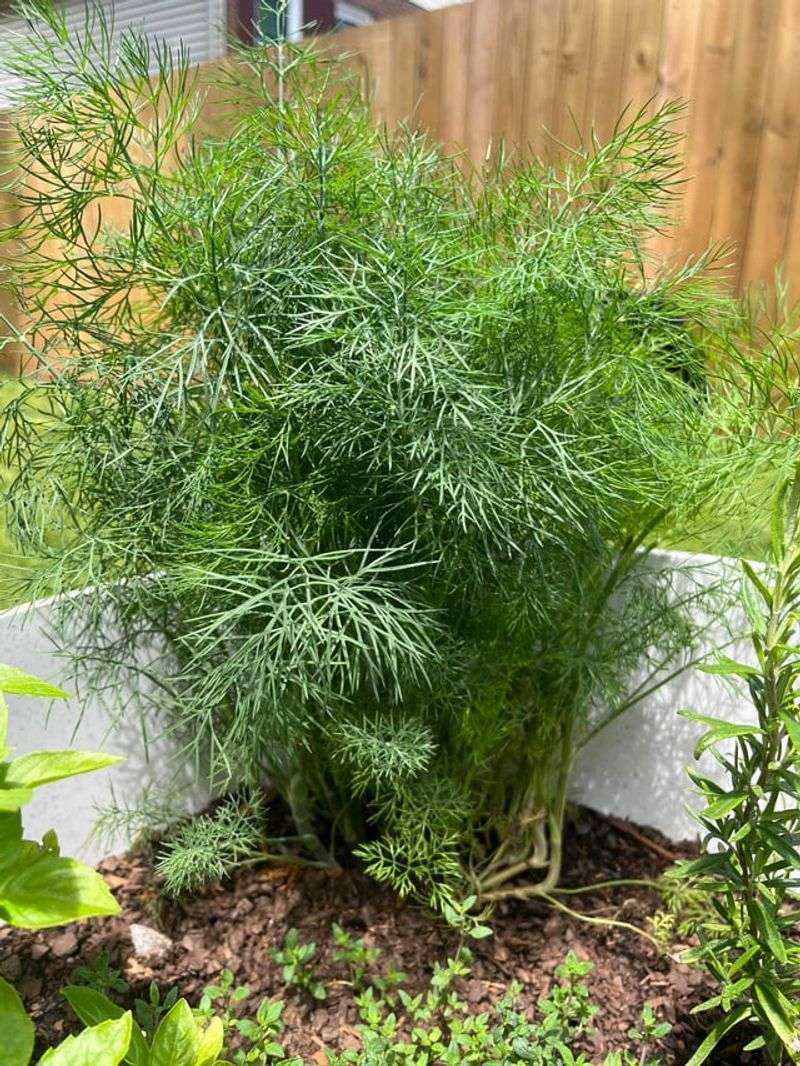
Parasitic wasps offer one of the most useful natural checks on whiteflies you can invite into a garden. These wasps lay their eggs inside whitefly nymphs, and the developing larvae feed on the host as they grow.
You do not need to buy or release these wasps yourself. They are already present in most Georgia gardens, just waiting for the right flowering plants to feed and shelter them.
Sweet alyssum is a low-growing, fast-blooming annual that parasitic wasps favor strongly. Its tiny clustered flowers produce nectar at just the right height and quantity for small beneficial insects.
Dill is equally attractive to wasps and also draws in other beneficial predators like lacewings. Plant it in clumps near your cabbage beds rather than scattering single plants across the garden.
Both alyssum and dill are easy to grow from seed and thrive in Georgia’s fall planting season. Sow them at the same time as your cabbage transplants go in so they bloom when you need them most.
Avoid spraying broad-spectrum pesticides near these companion plants. Wiping off beneficial insects while trying to control whiteflies is a trap many gardeners fall into without realizing it.
Check leaf undersides occasionally for nymphs that look darker or flattened. That discoloration usually means a wasp has already moved in.
A garden that supports its own beneficial insect population handles pest pressure with far less outside help. Planting alyssum and dill is one of the smartest long-term moves for protecting your newly planted Georgia cabbage season after season.