How To Keep Your Christmas Cactus Thriving All Summer Long
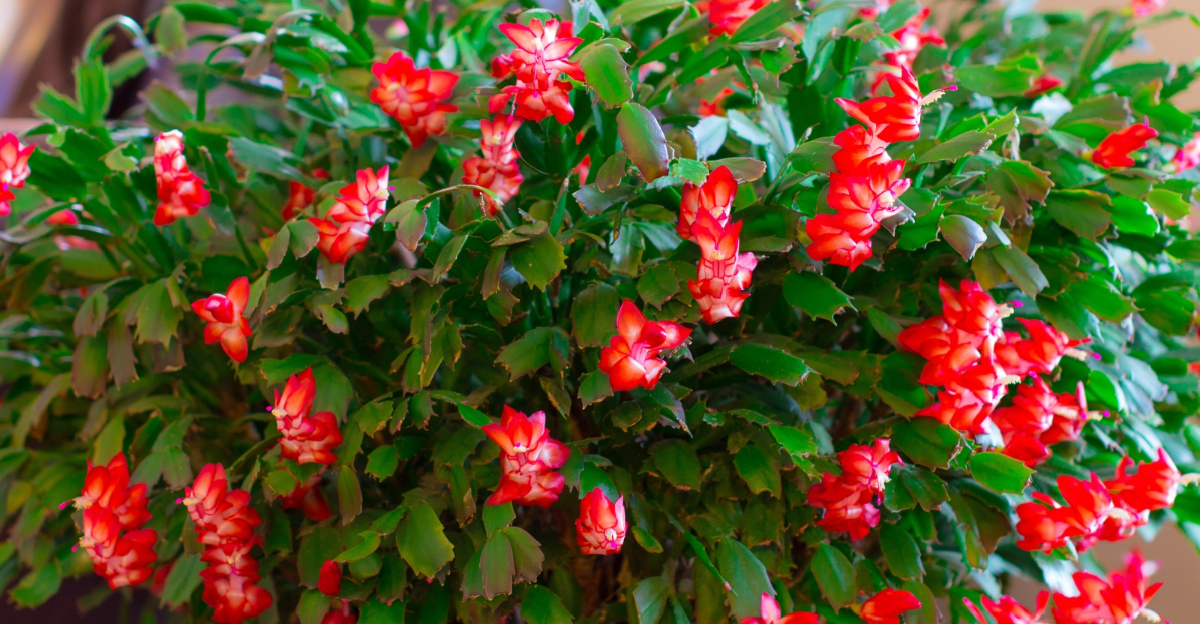
Your Christmas cactus made it through December. Now July quietly changes what your plant needs.
Summer changes everything for this plant. Most owners pull back in July, and that is exactly where things go wrong. Miss this window, and the blooms will show it. Think about that for a second.
What if your biggest mistake happens in the months when nothing seems to matter? Attention never takes a season off.
Each small decision you make right now shapes what comes later. Something shifts beneath the surface during these quiet months. Hidden momentum builds while you are not watching. Plants carry memory.
They remember how you treated them when blooms felt impossible. Get this season right, and something remarkable stirs when the temperature drops.
Your plant is already preparing for its next performance. Give it what it needs now, and December will take your breath away.
1. Move To Bright Indirect Light
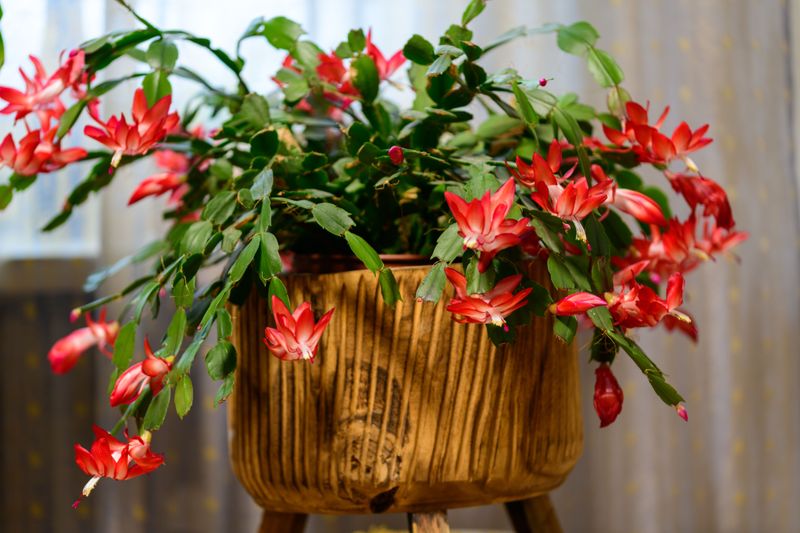
Summer sun is sneaky. What feels like a cozy window spot in January can become too intense by June.
Your Christmas cactus needs bright light, but never direct afternoon rays. Those flat green segments will fade, yellow, or develop dry patches if direct sun hits them for too long.
The sweet spot is a north or east-facing window. Morning light is gentle and energizing, perfect for this plant.
Sheer curtains work beautifully if your only option is a south or west-facing window. They filter the intensity without blocking the brightness your plant craves.
Think of it like sunscreen for your plant. It still gets the brightness without the intensity. Rooms that feel naturally bright without being sunny are often ideal.
A spot a few feet back from a sunny window can be just right. Watch the leaves for clues. Pale or washed-out color means too much light, while dark dull green can signal too little.
Rotating the pot a quarter turn every week or two keeps growth even. One side will not get all the light while the other struggles.
Moving your plant to its ideal summer spot is one of the most impactful things you can do. Get the light right first, and everything else becomes easier.
2. Adjust Your Watering Routine For Summer
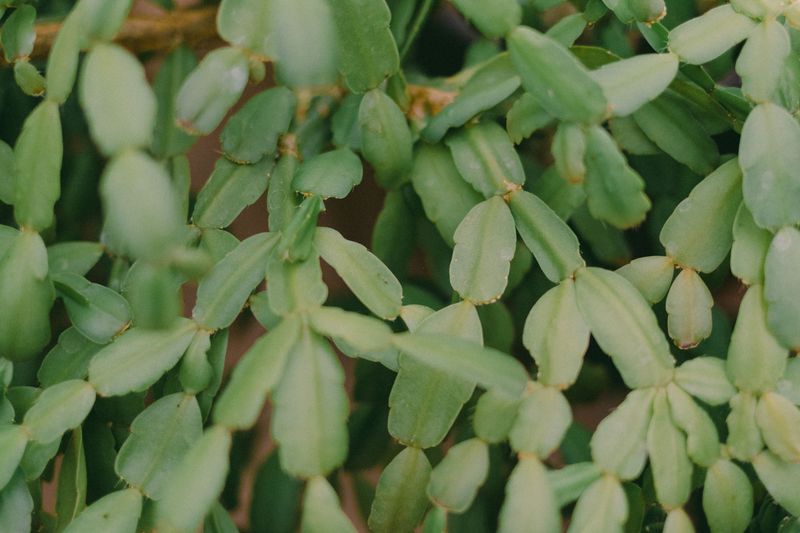
Summer heat changes everything about how your plant drinks. The soil dries out faster, and your Christmas cactus notices immediately.
During warmer months, check the soil every few days. Stick your finger about an inch deep into the soil to feel for moisture.
If it feels dry at that depth, it is time to water. If it still feels slightly damp, give it one more day before checking again.
Water thoroughly until it drains freely from the bottom of the pot. Then empty the saucer so roots are never sitting in standing water.
Overly wet roots can lead to root rot, which is far harder to fix than underwatering. When in doubt, go a little dry rather than soaking the soil.
The type of water matters more than most people realize. Tap water with high fluoride or chlorine can stress this plant over time.
Letting tap water sit overnight helps if your supplier uses chlorine. If your water contains chloramine, this method will not work. Filtered water or collected rainwater is the most reliable option either way.
Morning watering is ideal because it gives foliage time to dry before cooler evenings. Wet leaves overnight can invite fungal issues.
Adjusting your watering rhythm for summer is one of the simplest ways to keep your Christmas cactus thriving. A consistent routine beats random guessing every single time.
3. Feed With A Balanced Fertilizer
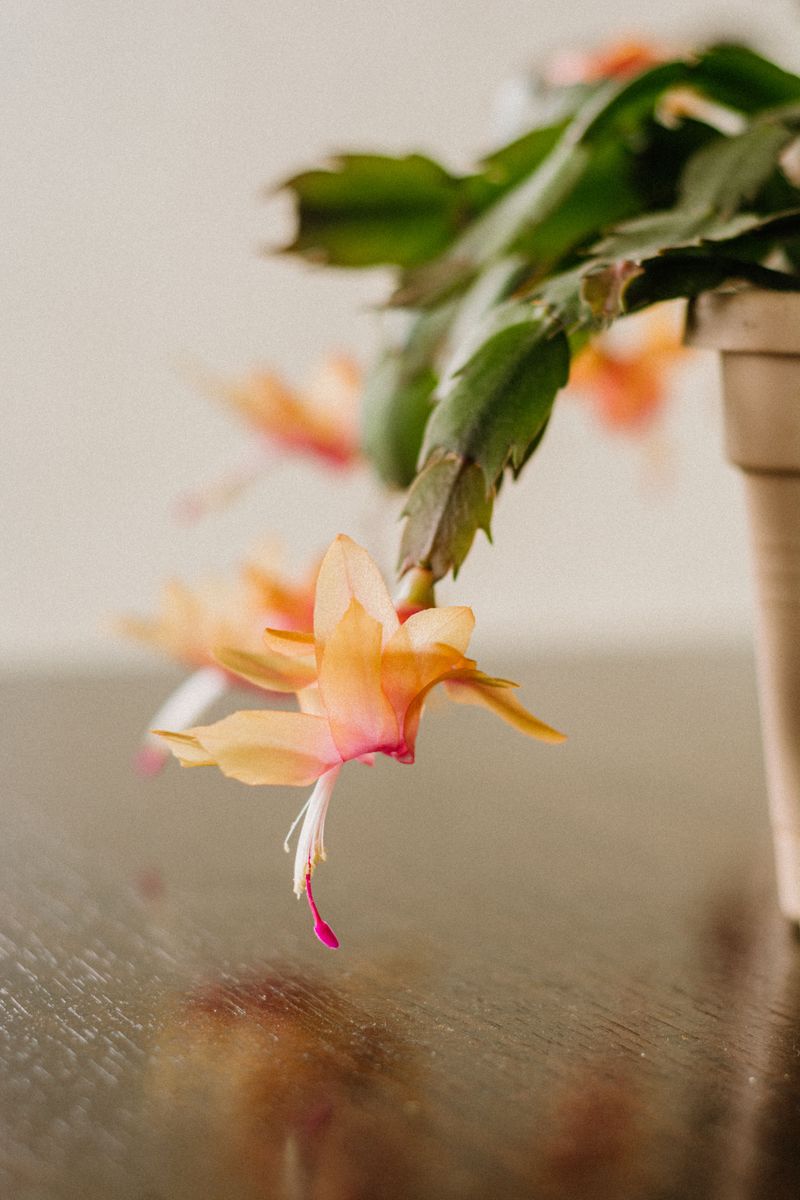
Think of summer as your Christmas cactus going back to school. It is actively growing, and it needs proper fuel to do the job well.
A balanced fertilizer, something labeled 10-10-10 or 20-20-20, gives your plant equal amounts of nitrogen, phosphorus, and potassium. That trio supports healthy leaves, strong roots, and future blooms.
Start feeding once a month from late spring through late summer. Avoid fertilizing in fall and winter when the plant naturally slows down.
Always water your plant before applying fertilizer. Feeding dry soil can shock the roots and cause tip burn on those lovely green segments.
Liquid fertilizers are easy to mix and apply during a regular watering session. Slow-release granules also work well if you prefer a lower-maintenance approach.
Over-fertilizing is a real concern. Too much nitrogen pushes leafy growth at the expense of blooms later in the year.
Half-strength doses are often better than full-strength, especially for plants in smaller pots. Less is more when it comes to feeding indoor succulents.
Look for signs that feeding is working: new segment growth, vibrant green color, and firm stems. Pale or limp growth can mean your plant is hungry.
Feeding consistently through summer sets up a strong foundation for the blooming season ahead. A well-fed plant in July is a spectacular plant come November.
4. Maintain Proper Humidity

Here is a fun fact most people skip: Christmas cacti are not true desert cacti. They actually come from the humid rainforests of Brazil.
That means they appreciate moisture in the air, especially during dry summer months when air conditioning pulls humidity out of every room.
Average indoor humidity in an air-conditioned home can drop to 30 percent or lower. Your Christmas cactus prefers humidity levels closer to 50 or 60 percent.
A small humidifier near your plant is one of the most effective solutions. It creates a consistent moisture zone without requiring daily effort.
Pebble trays are another easy option. Fill a shallow tray with pebbles and water, then set the pot on top so the base stays above the waterline.
As the water evaporates, it gently raises humidity right around the plant. Refill the tray every few days to keep it working.
Grouping plants together also helps. Multiple plants release moisture through their leaves, naturally creating a more humid microclimate.
Misting directly onto leaves is sometimes suggested, but it can encourage fungal problems if air circulation is poor. Stick to indirect humidity sources when possible.
Keeping humidity stable through summer prevents dry, shriveled segments and supports lush new growth. A little extra moisture now means a much happier plant when blooming season arrives.
5. Repot If Rootbound
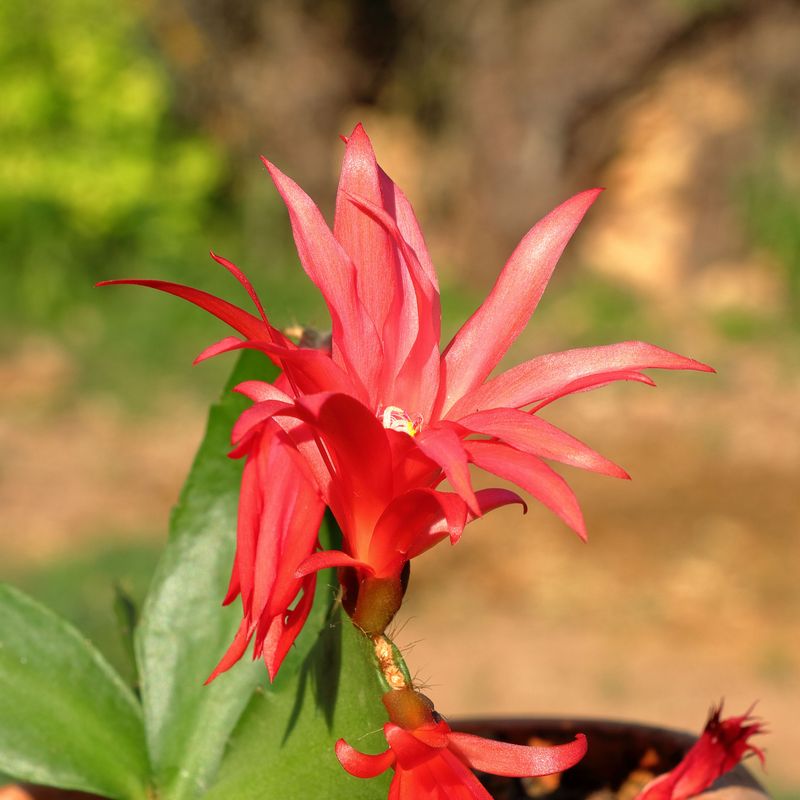
Roots poking out of the drainage holes are your plant sending you a message. That message is: I need more room.
A Christmas cactus that is rootbound will stop growing well no matter how much you water or feed it. The roots have simply run out of space to expand.
Summer is a great time to repot because the plant is in active growth mode. It will adjust to its new home quickly and start thriving almost right away.
Choose a pot just one size larger than the current one. Going too large causes excess soil to hold moisture longer than the roots can use, risking rot.
A well-draining potting mix is essential. A blend of regular potting soil with added perlite or coarse sand works beautifully for this species.
Gently loosen the root ball before placing it in the new container. Avoid pulling or yanking, since the stems are brittle and break easily.
Fill in around the roots with fresh mix and press lightly to eliminate air pockets. Water thoroughly after repotting to help the soil settle in.
Hold off on fertilizing for about four weeks after repotting. Fresh potting mix already contains some nutrients, and adding more too soon can overwhelm new roots.
Giving your plant a fresh home is one of the most rewarding steps you can take. Watch for new growth within a few weeks as proof it worked.
6. Pinch Back For Bushier Growth
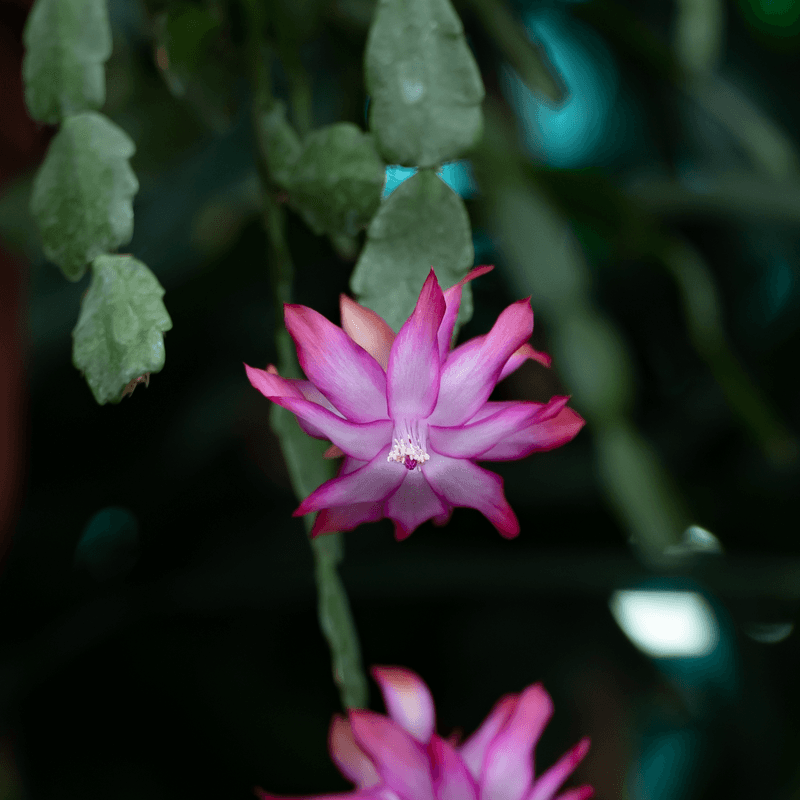
Leggy and sparse is not the look anyone wants from a Christmas cactus. Pinching back a few stems in early summer changes everything.
This simple technique encourages the plant to branch out instead of growing in one long, droopy direction. More branches mean more blooms when the season comes.
To pinch back, simply twist or snip off one or two segments from the tip of a stem. No special tools are needed for this job.
Do this in late spring or early summer, before the plant starts setting buds for fall. Pinching too late in the season can accidentally remove future flowers.
The segments you remove are not trash. They can be propagated into brand-new plants with just a little patience.
Let each cutting dry for a day or two so the cut end calluses over. Then place it an inch deep into moist potting mix and keep it in a warm, bright spot.
Roots usually develop within three to four weeks. You can even start multiple cuttings in one pot for a fuller-looking new plant from the beginning.
Back on the mother plant, you will notice new growth branching out from where you pinched. That bushy shape develops over just a few weeks of summer growing time.
Pinching is one of those small actions that pays off in a big, beautiful way. Your future self will thank you when bloom season rolls back around.
7. Keep Temperatures Between 65 And 75 Degrees Fahrenheit (18 To 24 Celsius)
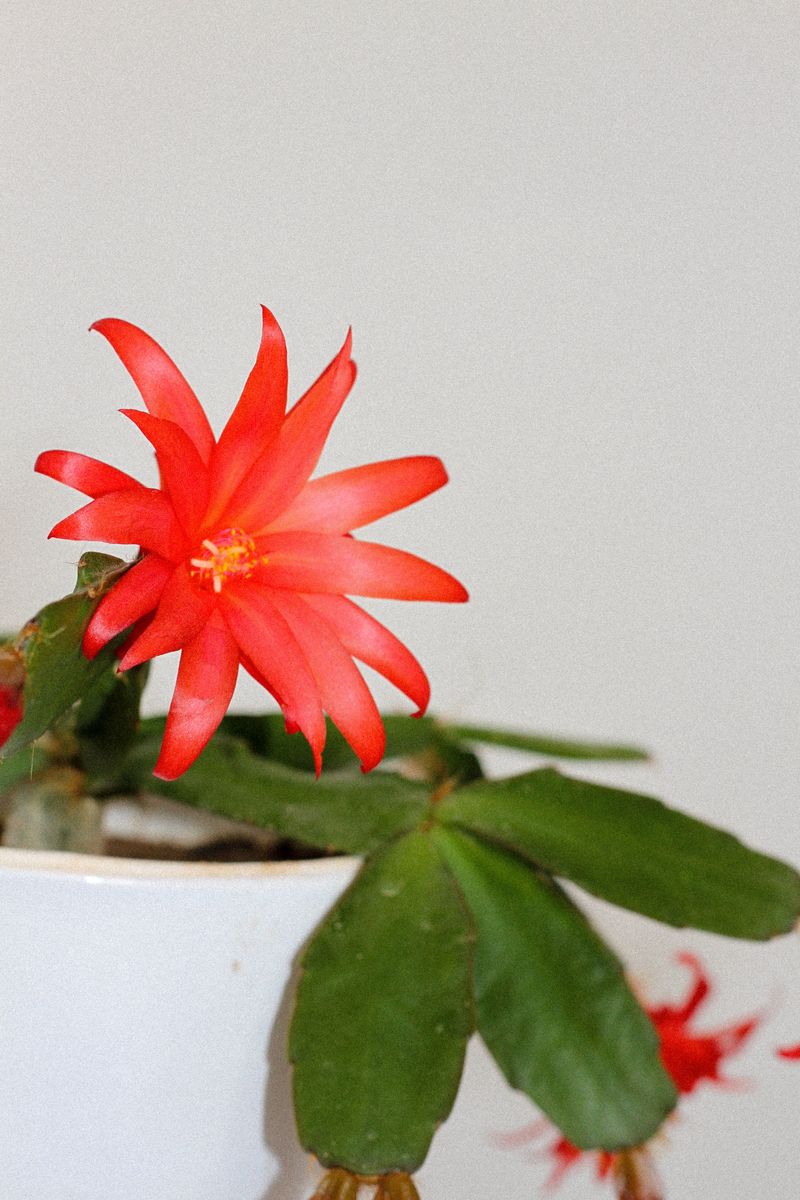
Temperature is one of those invisible factors that quietly influences how well your plant performs. Your Christmas cactus has a clear comfort zone, and summer can push it out of bounds.
The ideal range is 65 to 75 degrees Fahrenheit, or 18 to 24 degrees Celsius. Most well-air-conditioned homes stay right in that range, which is great news.
Problems arise when plants sit near heat sources like radiators, sunny windows, or appliances that run hot. Even a few hours of excessive heat causes the plant to show visible strain.
Cold air from AC vents is equally problematic. A blast of cold air directly on the leaves can cause segments to drop or wilt unexpectedly.
Keep your plant away from exterior doors that open frequently in hot weather. Each burst of hot summer air disrupts the stable environment your plant prefers.
If you move your plant outdoors for summer, choose a shaded porch or covered patio. Temperatures above 90 degrees Fahrenheit will cause visible stress within days.
Bring outdoor plants back inside before nighttime temperatures drop below 50 degrees Fahrenheit. Sudden cold snaps can shock the plant and delay blooming later in the year.
A simple thermometer near your plant helps you monitor conditions without guessing. Small adjustments make a surprisingly large difference in how well your plant performs.
Keeping your Christmas cactus thriving all summer long often comes down to consistency. Stable temperatures are one of the easiest ways to deliver exactly that.
8. Watch For Pests And Treat Early
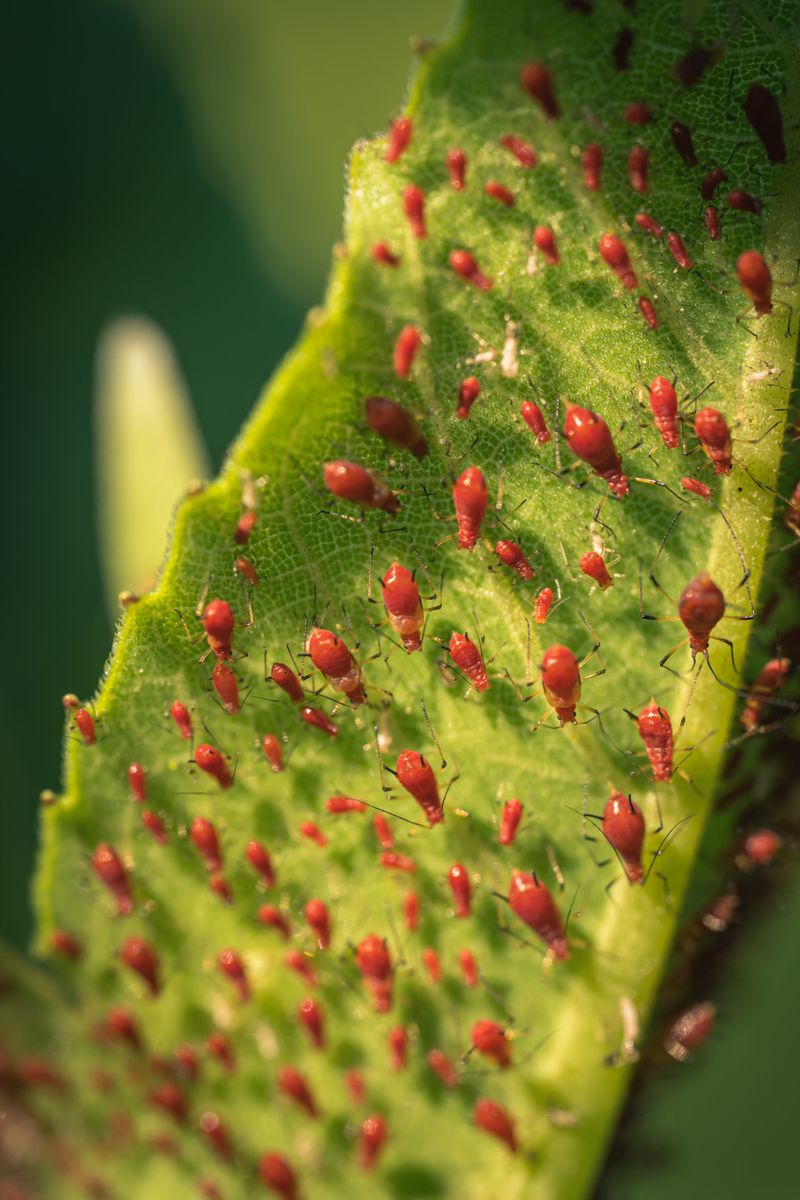
Warm weather brings more than sunshine. It also brings insects that target houseplants. Spider mites, mealybugs, and fungus gnats are the most common pests that target Christmas cacti during summer months.
Catching them early is the key to keeping your plant healthy. Check the undersides of the stem segments at least once a week.
That is where spider mites build their fine webs and mealybugs hide in their white cottony clusters.
A strong spray of water from a sink faucet can knock off a surprising number of pests before they establish. Do this outdoors or in a shower to avoid mess.
Neem oil is a natural, effective treatment for most soft-bodied insects. Mix it with water and a drop of dish soap, then spray the entire plant thoroughly.
Repeat the neem oil application every seven to ten days for at least three rounds. One treatment rarely clears a full infestation on its own.
Fungus gnats are attracted to overly moist soil. Letting the top layer of soil dry out between waterings discourages them from laying eggs in the mix.
Sticky yellow traps placed near the pot catch adult gnats and help you gauge how bad the situation is. They are inexpensive and surprisingly satisfying to use.
Staying consistent with pest checks protects all your hard work through the summer. A thriving Christmas cactus all summer long starts with keeping the little invaders under control.