The One Thing North Carolina Basil Needs In June Before Downy Mildew Takes It Out
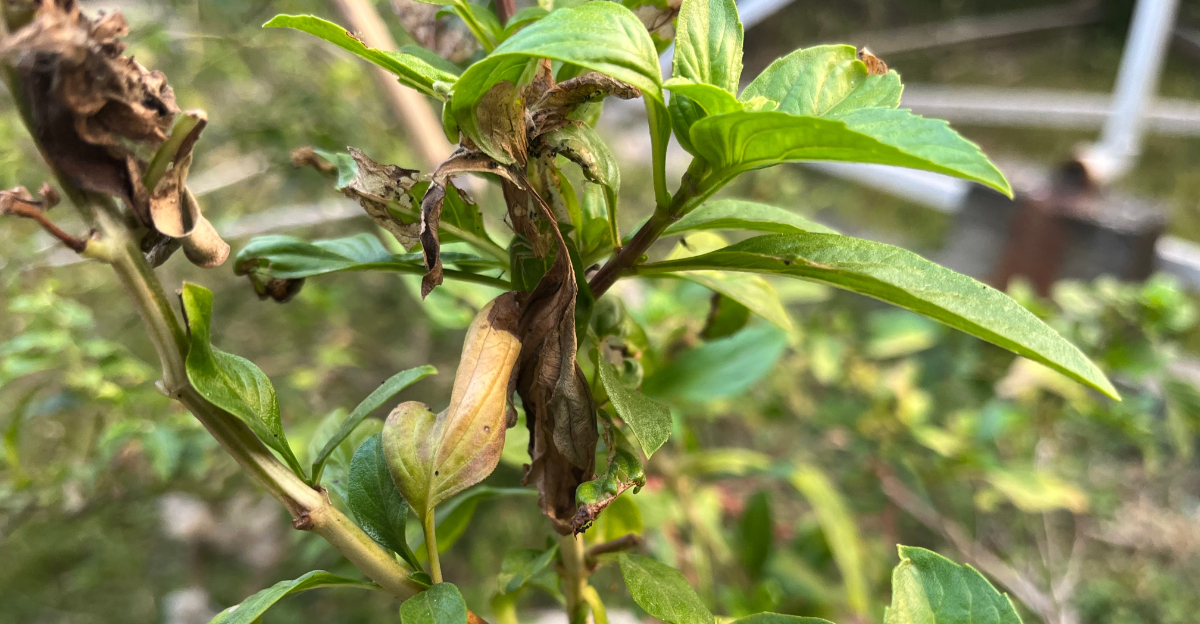
Basil downy mildew has fundamentally changed what it means to grow this herb successfully in North Carolina, and gardeners who treated basil as a simple set-it-and-forget-it plant have watched entire plantings collapse with frustrating speed.
The pathogen responsible thrives in exactly the warm, humid conditions that June delivers across most of the state, and once visible symptoms appear on the leaves, the window for saving the planting has already narrowed significantly.
There is one specific action that needs to happen in June, before any symptoms are present, that dramatically changes how basil holds up through the rest of the season.
Gardeners who understand the timing and know what to do have been growing productive, healthy basil through North Carolina summers while others have given up on it entirely.
1. June Is When North Carolina Basil Needs Extra Attention
Something shifts in the basil garden when June arrives in North Carolina.
The air gets heavier, the nights stay warm, and the humidity that settles in overnight creates conditions that basil downy mildew absolutely thrives in.
Gardeners who pay attention during this month give their plants a much stronger chance of staying healthy through the rest of summer.
Basil downy mildew is caused by a pathogen called Peronospora belbahrii, and it spreads through spores that move easily in humid, moist air.
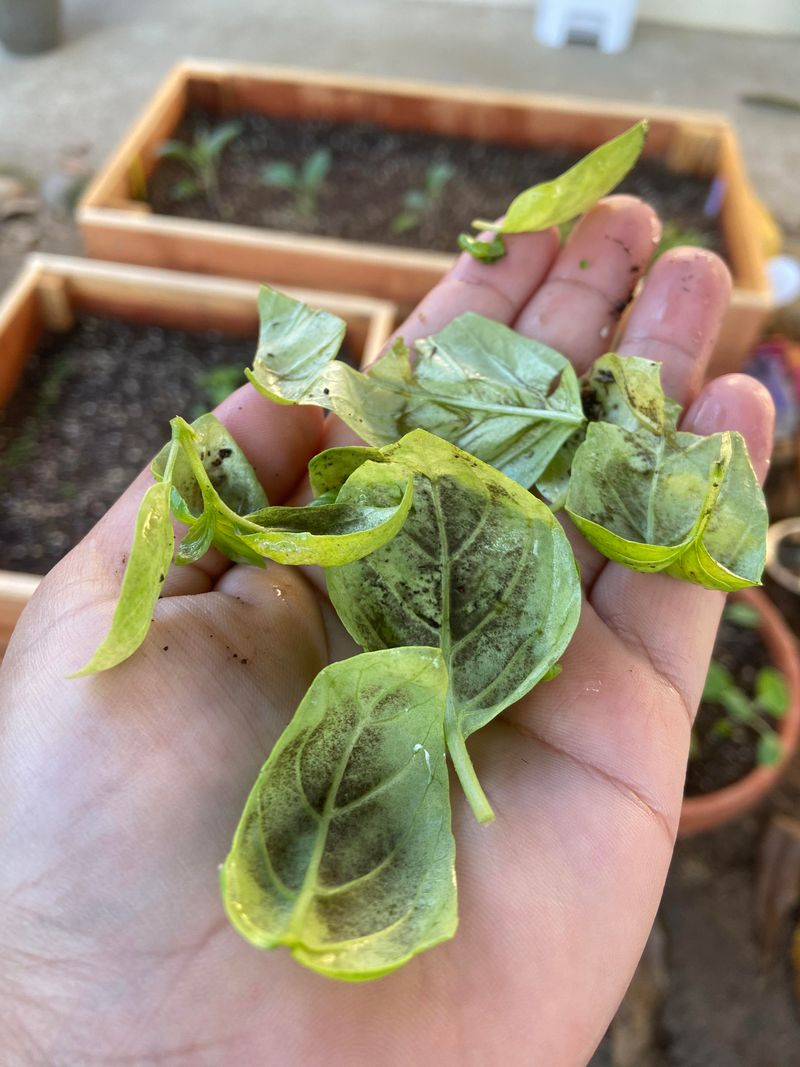
Symptoms often start on the underside of leaves as a grayish, fuzzy coating, while the top of the leaf turns yellow in irregular patches.
Once you spot those signs, the disease has already taken hold, and slowing it down becomes much harder. Prevention really is the smarter path here.
Home gardeners who start watching their basil closely in early June, before any symptoms appear, are in the best position to act.
Simple cultural habits like checking leaf moisture, adjusting watering routines, and improving airflow around plants can all make a meaningful difference.
The goal is not to panic but to stay one step ahead of the conditions that allow the disease to spread. June awareness is where good basil seasons are built.
2. Leaf Moisture Is The Main Cultural Problem To Manage
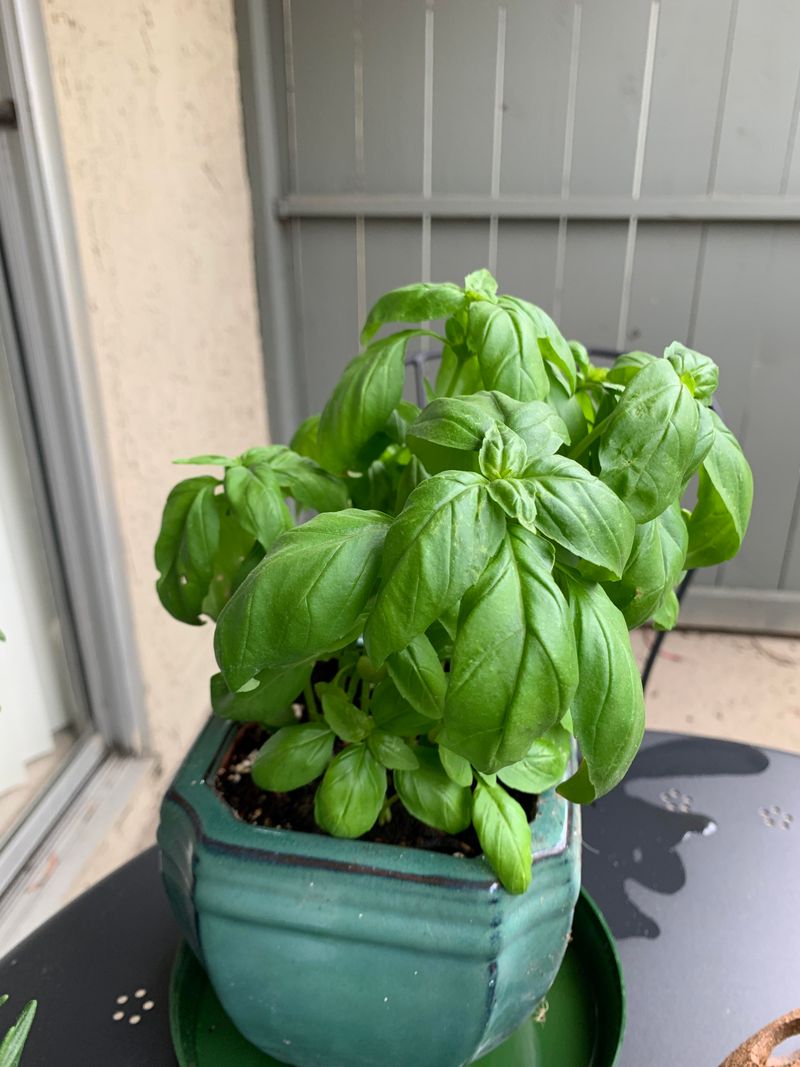
Water on basil leaves is not just a cosmetic issue. When moisture sits on foliage for extended periods, it creates exactly the kind of environment that basil downy mildew spores need to germinate and spread.
North Carolina gardeners managing this one factor give their basil a real fighting chance through June and beyond.
Rain, morning dew, and overhead watering are the three most common ways basil leaves end up staying wet.
While you cannot always control the weather, you can absolutely control how you water.
The roots need consistent moisture to keep the plant healthy and productive, but the leaves should stay as dry as possible.
Those are two separate goals, and keeping them separate is the key insight most home gardeners miss.
Think of it this way: the soil is where the water belongs, and the leaves are where the air belongs.
When that balance flips and leaves stay damp for hours at a time, the risk of downy mildew increases noticeably.
Your North Carolina Garden Changes Every Week. Your Plan Should Too.
Gardening in North Carolina changes quickly throughout the season. Every Friday you’ll receive a simple weekly plan showing exactly what to plant, prune, fertilize, harvest, and protect so you never miss the right timing.
Foliage that dries quickly after rain or dew is far less hospitable to the pathogen than foliage that stays coated in moisture well into the afternoon.
Managing leaf wetness is one of the most practical and accessible things any home gardener can do, and it costs nothing beyond a little attention and a change in watering habits.
3. Morning Dew Can Be Enough To Cause Trouble
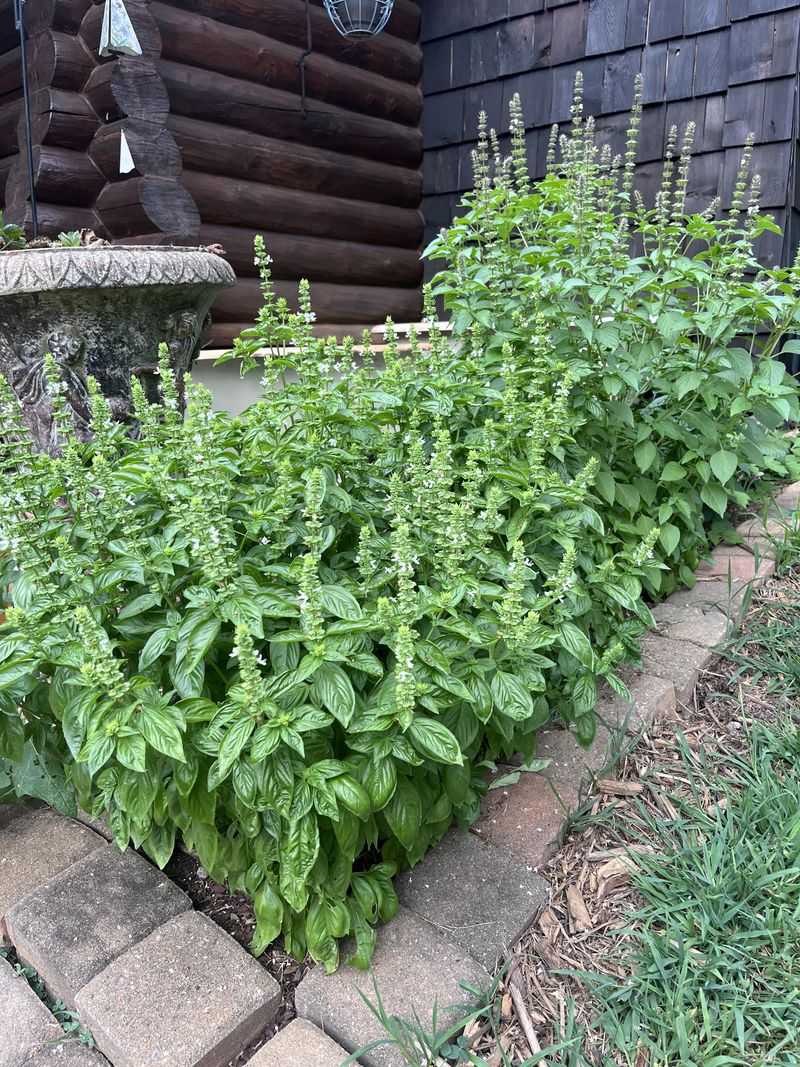
Most gardeners think about rain when they worry about wet leaves, but morning dew is actually one of the sneakiest sources of prolonged leaf moisture in North Carolina.
During June, overnight humidity levels can be high enough that dew forms on basil leaves well before sunrise and lingers for hours after.
A plant sitting in a crowded or shaded spot may not dry out until late morning or even midday.
Basil planted close to fences, walls, tall shrubs, or other plants tends to stay damp longer simply because airflow around those spots is restricted.
Shade also slows drying because sunlight is one of the fastest ways to evaporate surface moisture from leaves.
When you combine low airflow with limited sun and high humidity, you create a setup where leaves stay wet far longer than they should.
A few simple adjustments can speed up drying time significantly. Spacing plants farther apart allows air to move between them more freely.
Thinning out overcrowded growth inside the plant canopy opens up the interior so air circulates better.
Choosing a location that gets direct morning sun is one of the most effective moves you can make, since early sunlight hits the leaves right when dew is heaviest.
None of these steps require special tools or products, just thoughtful placement and a little maintenance to keep the plant open and well-ventilated through the most vulnerable weeks of summer.
4. Overhead Watering Makes The Risk Worse
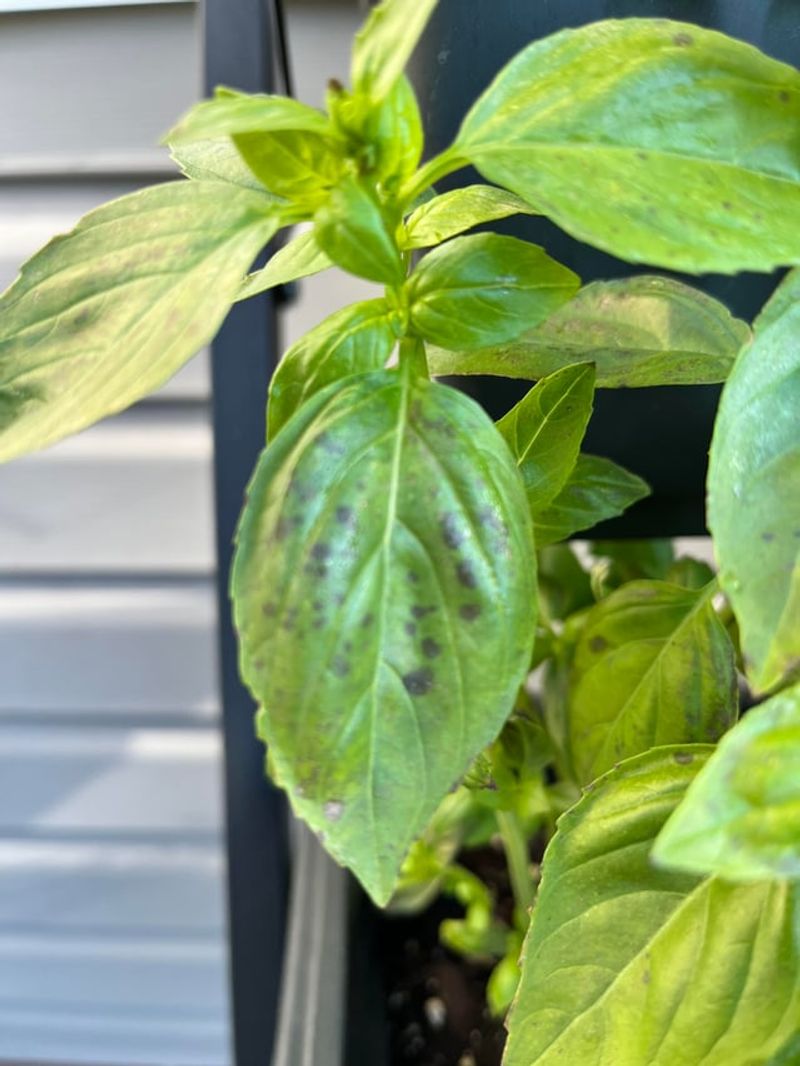
Watering basil from above with a hose or sprinkler is one of those habits that feels totally normal until you understand what it does to leaf moisture.
When water sprays onto the foliage, it coats the leaves just like rain does, and in North Carolina’s June humidity, those leaves may not dry out for a long time.
That window of wetness is all basil downy mildew needs to gain a foothold. The fix is straightforward and does not require expensive equipment.
A simple watering can with a long spout lets you direct water right at the base of the plant, keeping the soil moist while the leaves stay completely dry.
Drip irrigation systems and soaker hoses do the same job on a larger scale, delivering water slowly and directly to the root zone without ever touching the foliage.
Both options are widely available and easy to set up even in small home gardens.
Switching to soil-level watering is one of the quickest wins a North Carolina gardener can get in June.
It takes almost no extra effort once the habit is established, and the difference it makes to leaf dryness is real. Basil roots need water, not basil leaves.
Keeping that distinction in mind every time you pick up the hose is a simple but powerful way to reduce the conditions that favor downy mildew throughout the growing season.
5. Watering Early Gives Leaves Time To Dry
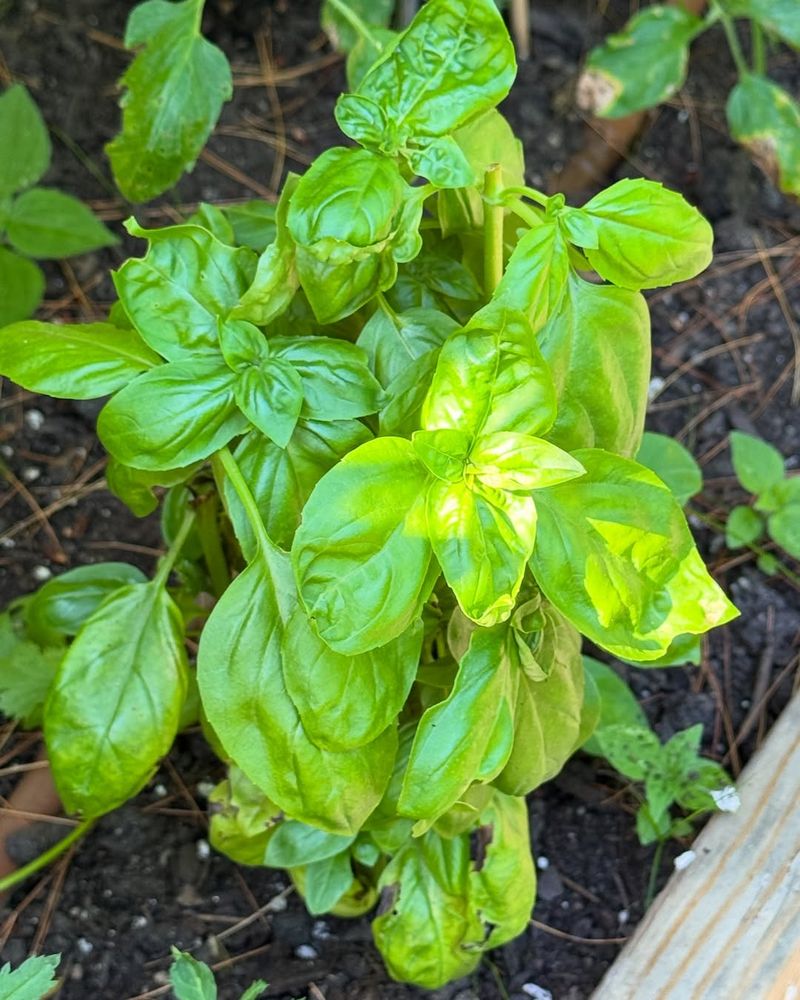
Timing matters more than most gardeners realize when it comes to watering basil in June.
Even if a little water accidentally splashes onto the leaves, watering early in the morning gives the plant the entire day to dry off.
Sunlight, warmth, and natural daytime breezes work together to evaporate surface moisture quickly, which keeps the leaves in much better shape than if they had stayed wet through the night.
Evening watering is the habit to break. When basil leaves get wet at dusk and the air cools overnight, moisture can sit on the foliage for eight to ten hours or more without evaporating.
That extended period of wetness is one of the most favorable conditions for basil downy mildew to develop.
Switching your watering schedule to the morning is one of the easiest and most impactful changes you can make this June. Morning watering also benefits the plant in other ways.
Basil absorbs water efficiently when temperatures are cooler, and the roots have time to take in moisture before the heat of midday.
Pairing early watering with a soil-level method like a watering can or drip line means the leaves stay dry while the roots get what they need. It is a small scheduling shift that lines up perfectly with how basil actually grows best.
Start your watering routine with the sunrise, and your plants will reward you with healthier, more productive growth all season long.
6. Wider Spacing Helps Air Move Through Basil
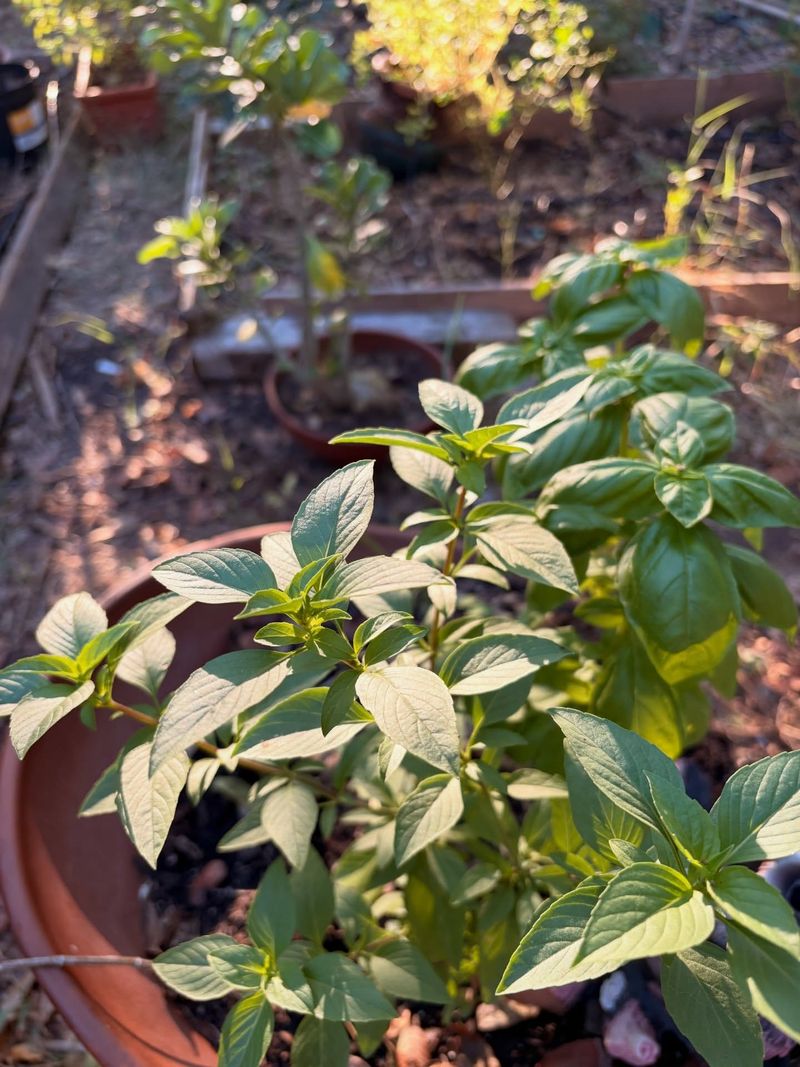
Crowding basil plants together might seem like a smart way to fill a garden bed, but it actually works against you in a humid climate like North Carolina.
When plants are packed tightly, the leaves overlap and the canopy becomes dense. Air cannot move through freely, moisture gets trapped between plants, and drying after rain or dew takes much longer than it should.
Giving basil more room to breathe is one of the most effective low-cost strategies for reducing downy mildew risk.
Most basil varieties do well with about 12 to 18 inches of space between plants, though some larger types benefit from even more room.
That spacing might look sparse when the plants are young, but as they grow through June and July, that open space becomes genuinely valuable for airflow and leaf drying.
Think of proper spacing as building ventilation into your garden from day one.
Just like a stuffy room holds humidity longer than one with open windows, a tightly packed basil bed holds moisture longer than one with room between plants.
When you plant basil in North Carolina this June, resist the urge to fill every inch of the bed.
Give each plant its own space, let the air move, and you create a garden environment that naturally works against the conditions downy mildew needs.
A little extra room now pays off in healthier, more productive plants through the whole growing season.
7. Smart Harvesting Improves Airflow
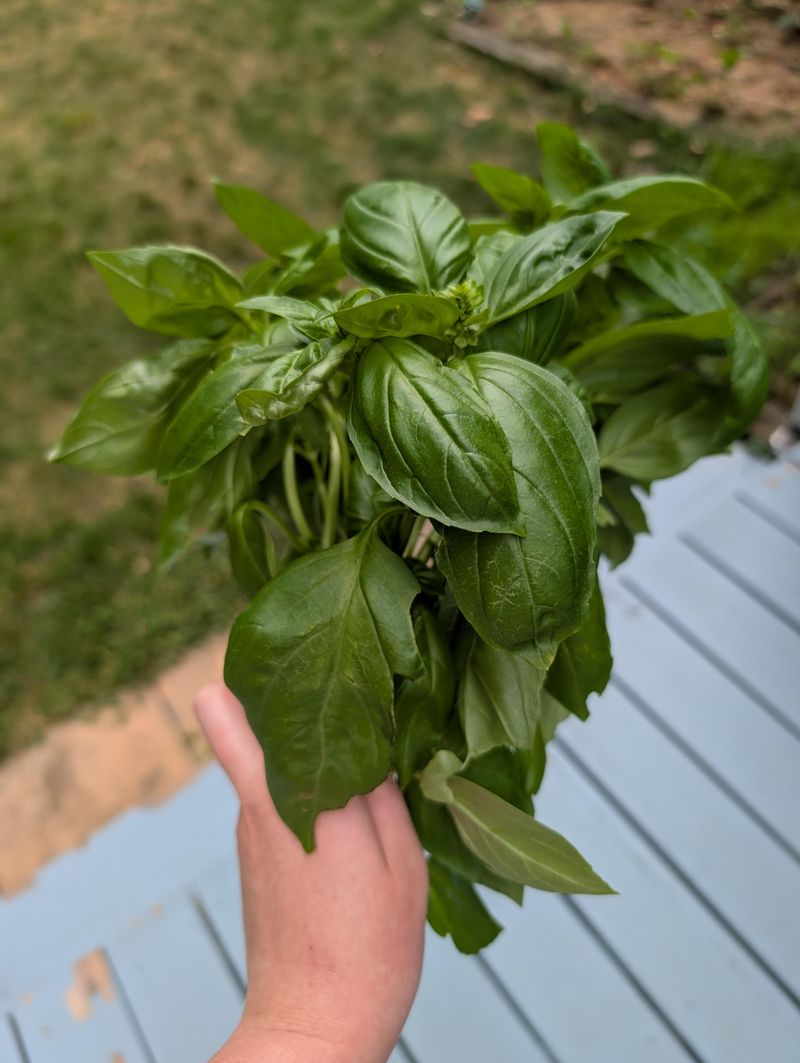
Regular harvesting is one of those gardening habits that does double duty.
It keeps your kitchen stocked with fresh basil and, when done correctly, it also helps keep the plant open and well-ventilated.
A basil plant that gets harvested often tends to stay bushier and more compact rather than tall, tangled, and dense, and that open shape is much friendlier for airflow between and through the leaves.
The technique matters here. Pinching stems just above a pair of leaves encourages the plant to branch out rather than grow straight up.
Over time, this creates a fuller, more open plant with better air circulation throughout the canopy.
Removing any stems that have become overcrowded, crossing, or shading other growth also helps keep the interior of the plant from becoming a trapped, humid pocket where moisture lingers.
Some gardeners skip harvesting or do it infrequently because they want the plant to get bigger, but that approach often backfires in June.
A thick, tangled basil plant in North Carolina humidity is a plant where leaves stay wet for longer after dew or rain. Keeping the growth thinned and the shape open is not just about looks.
It directly supports the goal of helping foliage dry faster, which is the single most important cultural habit for reducing downy mildew risk.
Harvest often, pinch consistently, and your basil will stay productive and better protected at the same time.
8. A Sunny Open Spot Gives Basil The Best Chance
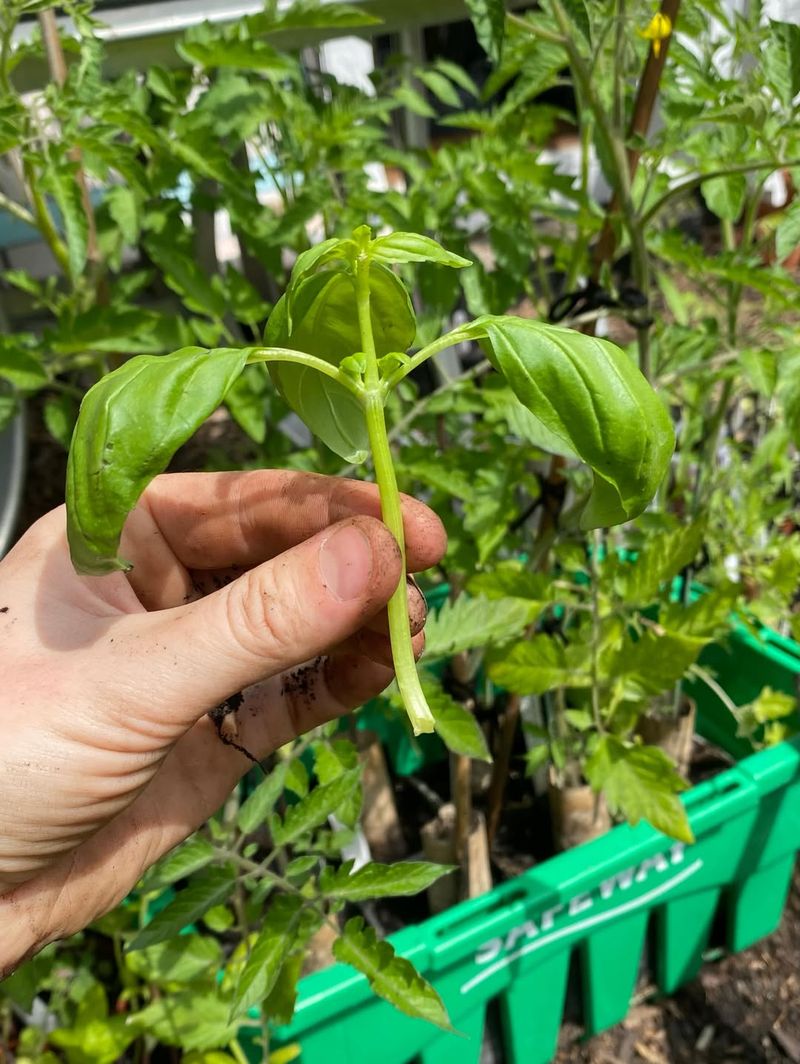
Where you plant basil matters just as much as how you water it. A sunny, open location in your North Carolina garden gives basil the best possible setup for staying healthy through June.
Direct sunlight helps dry leaves quickly after dew or rain, and an open spot with good natural airflow means moisture does not linger around the foliage the way it does in shaded or sheltered corners.
Shady garden spots, crowded beds near tall plants or structures, and areas with little air movement all create conditions that work in downy mildew’s favor.
Even if your basil looks fine in partial shade, the extra hours of leaf wetness in those locations add up over weeks.
A location that gets at least six to eight hours of direct sun each day, with room on all sides for air to pass through, gives your plants the environmental advantage they need in a humid climate.
Pairing a good location with soil-level watering, proper plant spacing, and regular harvesting creates a combination of habits that genuinely lowers the risk of downy mildew taking hold.
No single step is a guarantee, and North Carolina’s summer humidity means some risk will always be present.
But gardeners who set their basil up in the right spot from the start, and maintain good habits through June, give their plants the strongest foundation possible for a long, productive growing season.
Smart placement is where every good basil season begins.