How To Landscape An Arizona Front Yard That Still Meets HOA Rules
Fresh mulch, healthy plants, and neat borders can make a front yard feel complete. It is satisfying to see everything come together after putting time into the landscape.
Then a question pops up that many homeowners have faced. Will this design actually meet the neighborhood rules, or will something need to be changed later?
Planning a landscape is not only about choosing plants that look good. Every decision affects how the yard will look, how much maintenance it will need, and whether it fits the expectations of the community.
Making a few smart choices from the beginning can save time, money, and plenty of frustration down the road.
For homeowners in Arizona, it is possible to create a front yard that looks attractive without giving up practicality or curb appeal. Plenty of landscapes work well in the desert climate while still fitting HOA requirements.
A little planning at the start can make the entire project much easier.
1. Choose Plants That Comply With Community Guidelines
Not every plant belongs in every neighborhood. Before you buy anything, check your HOA’s landscaping guidelines.
Some communities provide approved or restricted plant lists, while others only have general landscaping rules.
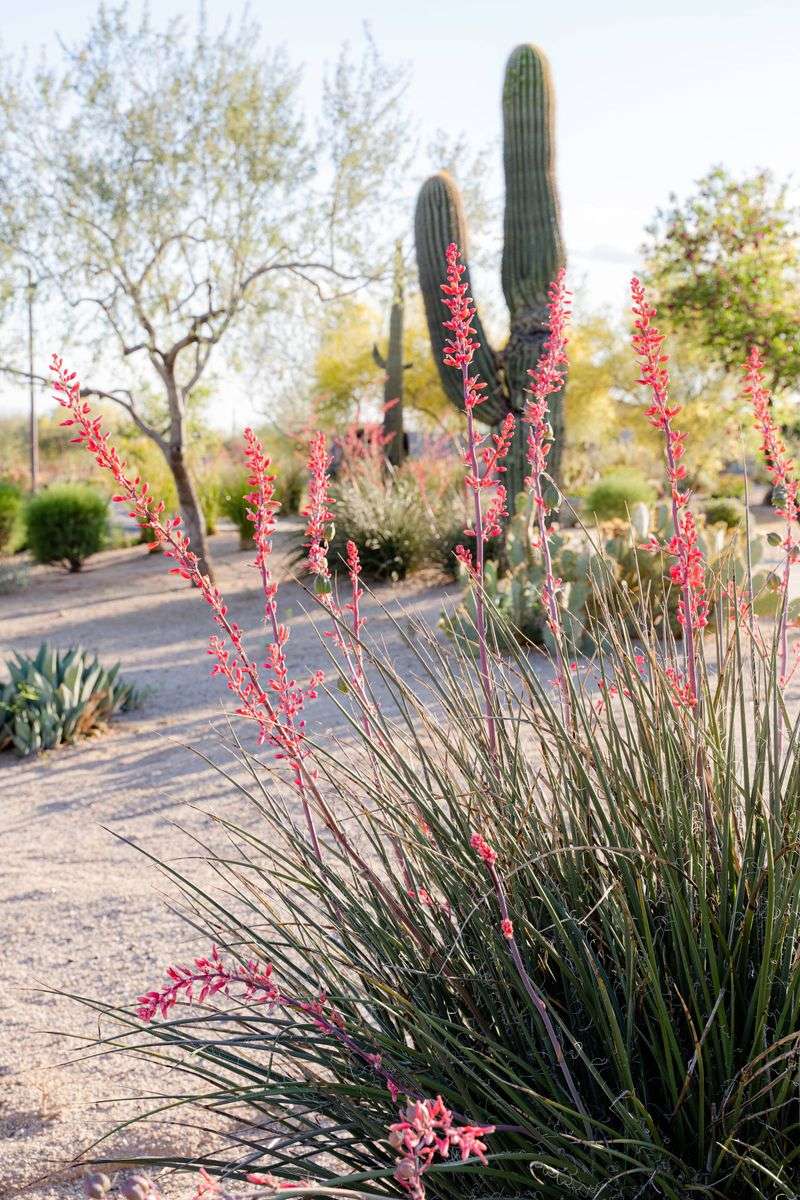
Plants like desert marigold, globe mallow, and red yucca are popular picks. They handle extreme heat without much fuss.
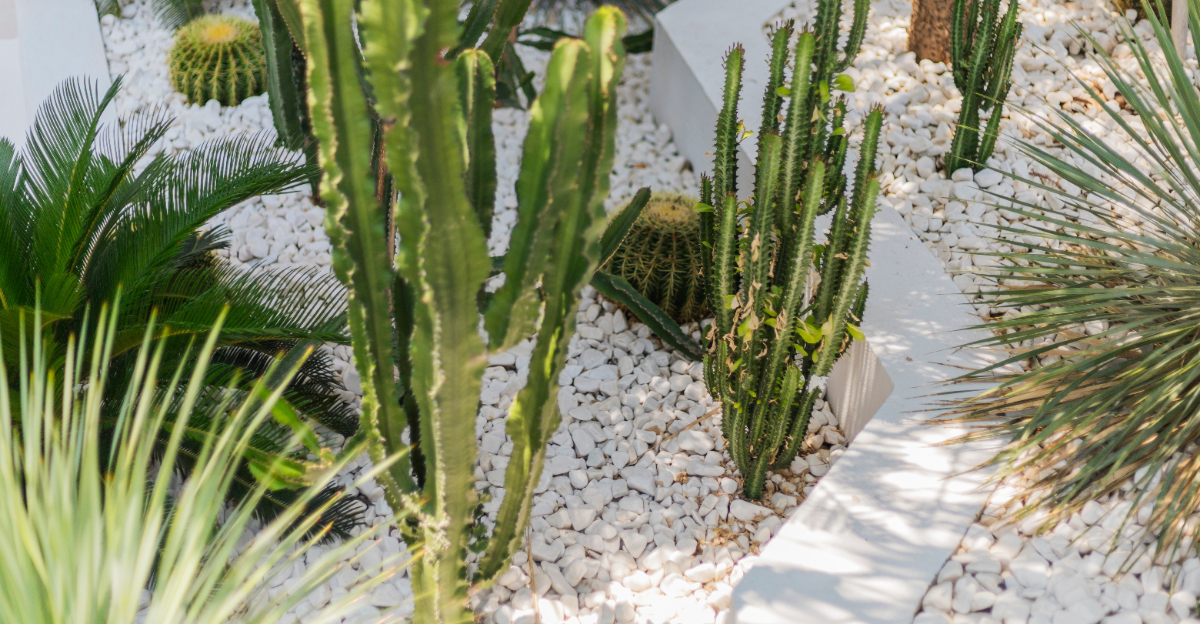
Agave and low-growing prickly pear are also popular choices in Arizona landscapes because they look neat and need very little water.
Avoid plants that grow fast and spread into neighboring yards. Invasive grasses or flowering vines might look pretty but can cause problems with your HOA quickly.
Stick to compact, well-behaved plants that stay where you put them.
Check whether your HOA limits plant height at the front of the house. Some communities cap plants at three or four feet near the street.
Knowing that before you plant saves you from having to remove something later.
Color matters too. Many Arizona HOAs encourage landscaping that complements the surrounding desert environment.
Soft greens, silver-gray foliage, and warm earth tones tend to blend well with the surrounding landscape. Purple sage and brittlebush are both great options that fit that look.
A little research up front makes the whole project go much smoother.
2. Select Trees That Fit The Space At Full Size
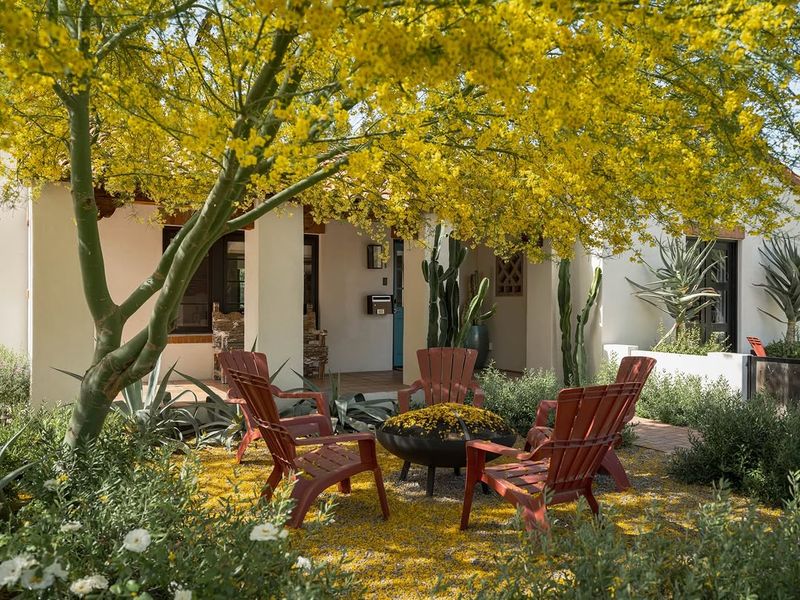
Planting the wrong tree is one of the most common front yard mistakes. A tree that looks small at the nursery can spread fifteen feet wide in ten years.
Always check the mature size before you buy.
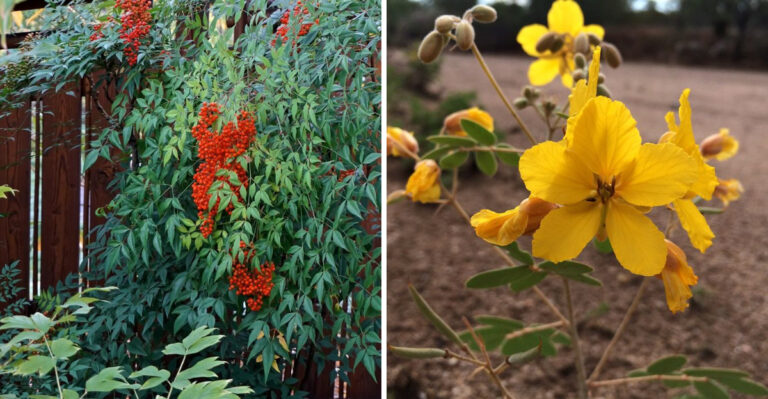
Palo verde trees are a top choice for desert front yards. They grow to a manageable size, produce bright yellow blooms in spring, and cast enough shade to cool the ground around them.
Desert willow is another solid option, with airy foliage that casts light shade rather than a dense canopy.
Keep the mature canopy in mind when choosing placement. Trees planted too close to driveways, sidewalks, or the house can cause problems as roots expand.
Leave enough space for the tree to reach its mature size without crowding buildings, sidewalks, or driveways.
Your Arizona Garden Changes Every Week. Your Plan Should Too.
Gardening in Arizona changes quickly throughout the season. Every Friday you’ll receive a simple weekly plan showing exactly what to plant, prune, fertilize, harvest, and protect so you never miss the right timing.
Mesquite trees are beautiful but can grow very large. If your yard is small, a smaller cultivar or a different species might be a smarter fit.
Some HOAs also have rules about how close trees can be to property lines.
Avoid fast-growing trees that drop a lot of debris. Constant leaf and pod cleanup can be time-consuming and may lead to complaints from neighbors or HOA notices.
A slower-growing, clean tree takes more patience upfront but causes far fewer headaches long-term. Pick something you can live with for decades.
3. Prune Shrubs On A Regular Schedule
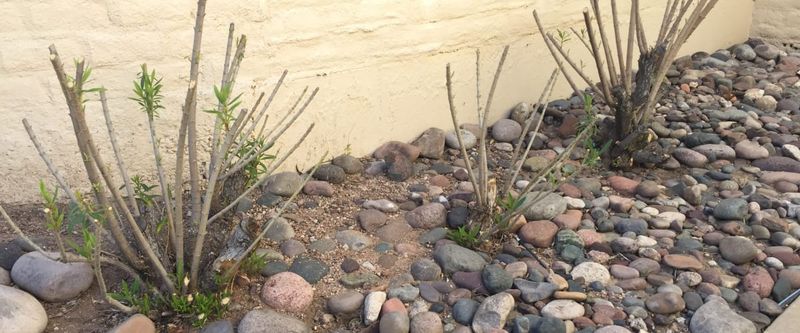
Overgrown shrubs are one of the fastest ways to get a notice from your HOA. Even beautiful plants look messy when left untrimmed for too long.
A consistent pruning schedule keeps everything looking intentional and cared for.
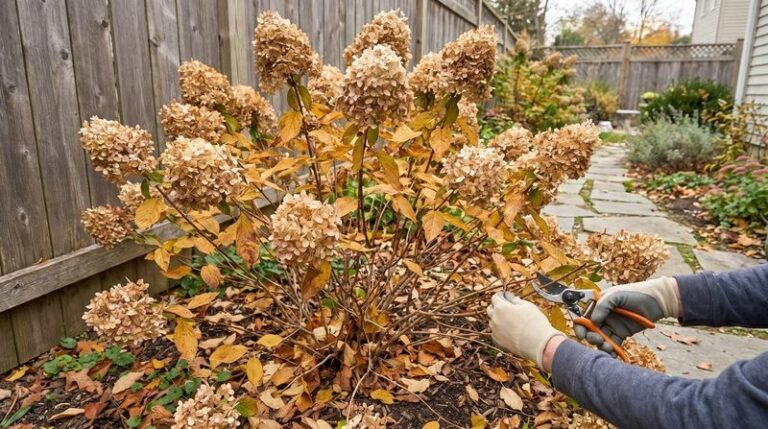
Many desert shrubs benefit from occasional pruning to maintain their natural shape and health. Late winter before new growth starts is a great time to cut back woody shrubs.
A light trim in early fall can also help plants look tidy heading into cooler months.
Avoid cutting back too aggressively in summer. Removing too much foliage during peak heat can stress plants that are already working hard to survive.
Light shaping is fine, but heavy pruning is better saved for cooler seasons.
Use clean, sharp tools every time. Dull shears tear stems instead of cutting them cleanly, which opens the plant up to pests and disease.
Wipe blades between plants to avoid spreading problems from one shrub to another.
Shape shrubs to look natural, not boxy. Hard geometric cuts can look out of place in a desert landscape.
Soft, rounded shapes tend to blend better with the organic look of native plants. Round forms also tend to hold up better in wind without creating sail-like resistance.
A little attention every few months keeps your yard looking sharp all year without much extra effort.
4. Maintain Gravel And Mulch For A Finished Look
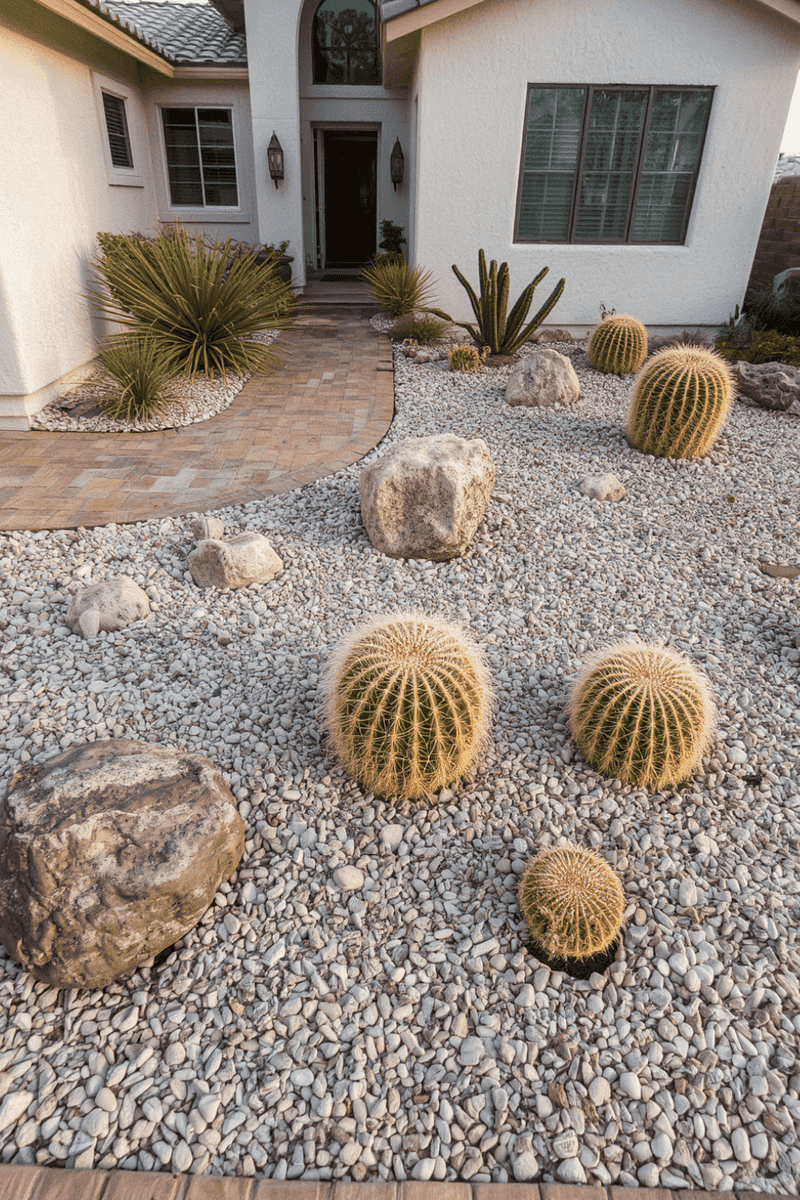
Gravel and mulch do more than fill space. They hold moisture, regulate soil temperature, and give the yard a clean, finished appearance.
Without them, bare soil looks neglected and weeds move in fast.
Decomposed granite is the most popular ground cover in desert front yards. It compacts well, drains quickly, and comes in several colors to match different home styles.
Light tan blends naturally with the desert surroundings, while reddish tones add warmth to the overall look.
Rake gravel regularly to remove debris and keep it level. Leaves, seed pods, and dust collect on the surface and make even a nice yard look unkempt.
A quick rake every week or two keeps things tidy with minimal effort.
Top off gravel beds once a year or whenever bare patches appear. Over time, gravel shifts and settles, especially after heavy rain.
Adding a fresh layer brings the coverage back up and refreshes the color.
Organic mulch works well around trees and larger shrubs. It breaks down slowly and adds nutrients to the soil underneath.
Keep mulch a few inches away from plant stems to prevent moisture buildup that can cause rot. Dark brown mulch contrasts nicely against the lighter gravel in the rest of the yard.
A well-maintained ground cover ties the whole landscape together and signals that the yard gets regular attention.
5. Prevent Plants From Blocking Walkways And Driveways
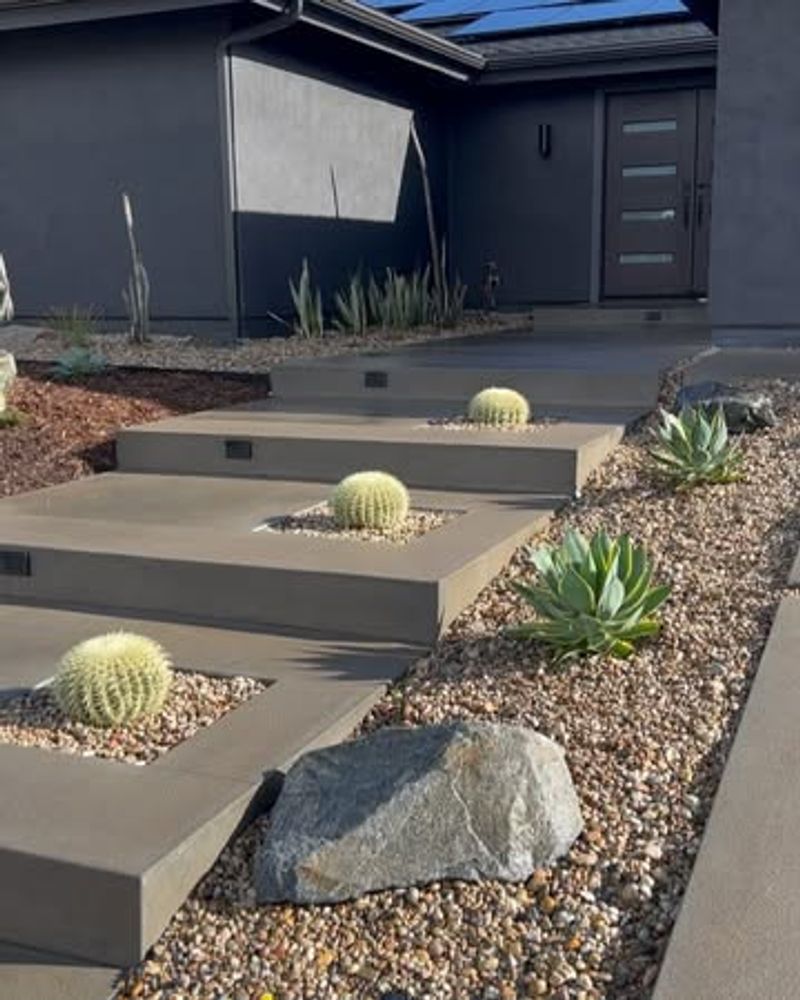
Plants that creep into walkways become a real problem fast. They scratch cars, snag clothing, and make guests feel unwelcome before they even reach the front door.
Keeping pathways clear is both practical and a common HOA expectation.
Plan plant placement with growth in mind from the start. A small shrub planted right next to a walkway will likely need constant trimming as it matures.
Give plants enough room to reach their full width without ever touching the path.
Spiky plants like agave and cactus need extra clearance. A spine to the arm or leg is not a great guest experience.
Keep anything with sharp edges at least three feet back from any area where people walk regularly.
Check your driveway edges too. Plants that spread across the concrete can trap leaves, flowers, and other debris, making walkways harder to keep clean and safe.
Trim anything that reaches the edge of the pavement before it becomes a bigger issue.
Low-growing groundcovers can work well right next to paths as long as they stay flat. Trailing lantana or low desert verbena adds color without growing tall enough to block the route.
Edge these plants regularly to keep them from spreading onto hard surfaces. A clear, open path makes the yard feel welcoming and well-organized.
Visitors notice it right away, and so does your HOA during neighborhood walk-throughs.
6. Use Borders To Keep Planting Beds Well Defined
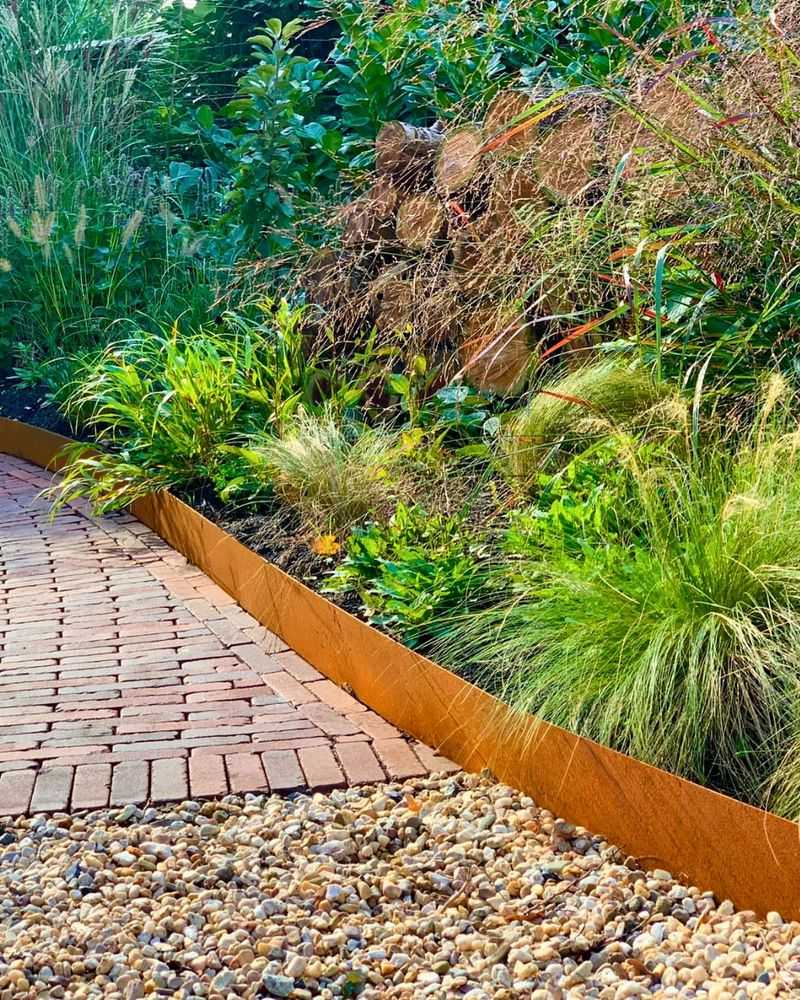
A yard without borders looks unfinished, even if the plants are healthy and well-chosen. Edging separates planting areas from gravel, grass, or hardscape and gives the whole space a structured, intentional look.
Steel edging is one of the cleanest options for desert landscapes. It holds curves well, stays put over time, and has a slim profile that almost disappears once plants fill in around it.
Powder-coated black or brown finishes hold up well in intense sun without fading quickly.
Concrete mow strips are another popular choice, especially along driveways and sidewalks. They create a hard boundary that requires almost no maintenance once installed.
The upfront cost is higher than flexible edging, but they last for decades without shifting or rusting.
Natural stone borders add texture and blend easily with desert surroundings. Flat flagstone or river rock stacked a few inches high creates a clear visual boundary without looking too formal.
Just make sure the height stays consistent so the border looks deliberate rather than random.
Check with your HOA before installing any border material. Some communities have preferences for materials, colors, or heights.
Getting that information early saves you from having to redo work later. Well-defined borders also make routine maintenance easier because it is clear where gravel ends and planting beds begin.
Edging is a small detail that makes a large difference in how polished your front yard looks from the street.
7. Maintain A Clean And Well-Cared-For Front Yard
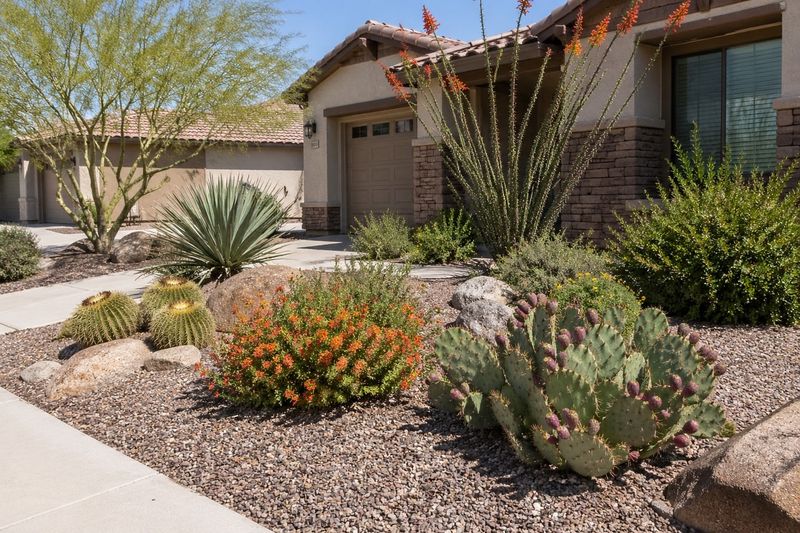
Curb appeal is not just about design. How clean and cared-for your yard looks day to day matters just as much as what you planted.
A beautiful layout with scattered debris still looks neglected.
Sweep or blow off hard surfaces weekly. Dust, gravel, and leaf litter collect on driveways and walkways fast in desert climates.
Keeping those surfaces clean makes the entire yard look more polished without any extra planting or design work.
Pick up fallen branches or spent flower heads after windy days. Desert storms can roll through quickly and leave behind a surprising amount of debris.
A quick walk-through after a storm keeps things tidy and prevents buildup.
Check irrigation regularly for leaks or misdirected heads. A wet patch in the gravel or a puddle near the driveway signals a problem.
Fixing it fast prevents water waste and keeps the yard looking clean and dry as it should.
Seasonal color plants can refresh the look of your yard a few times a year. Pansies in winter, vinca in summer, and marigolds in fall all add brightness without permanent commitment.
Swap them out when they start to fade to keep things looking fresh.
A front yard that gets regular attention sends a clear message to neighbors and your HOA that you take pride in your home. Consistency matters more than perfection.