The Forgotten Native Plant That Deserves A Spot In Your New Jersey Garden Again
Long before store shelves were lined with imported teas, colonists in New Jersey found something worth steeping in a plant growing quietly along their fence lines.
Soldiers fighting for independence turned to its leaves when proper tea grew scarce and unpatriotic.
Native tribes had already known its value for generations, using it for remedies that modern medicine cabinets now handle with a pill.
Gardeners a century ago liked it too, tucking it into borders for its soft clouds of white summer blooms and the butterflies that always seemed to find them.
Then, little by little, it faded out of cultivation, overshadowed by flashier imports and eventually forgotten by nurseries.
Here’s the gentle mystery of it: this plant isn’t rare, isn’t finicky, and isn’t hard to find if you know where to look.
It simply stopped being asked for. Its story reaches from New Jersey’s colonial kitchens to Revolutionary War campfires, yet most gardeners today wouldn’t recognize it on sight. That’s about to change.
A Closer Look At New Jersey Tea And Its Origins
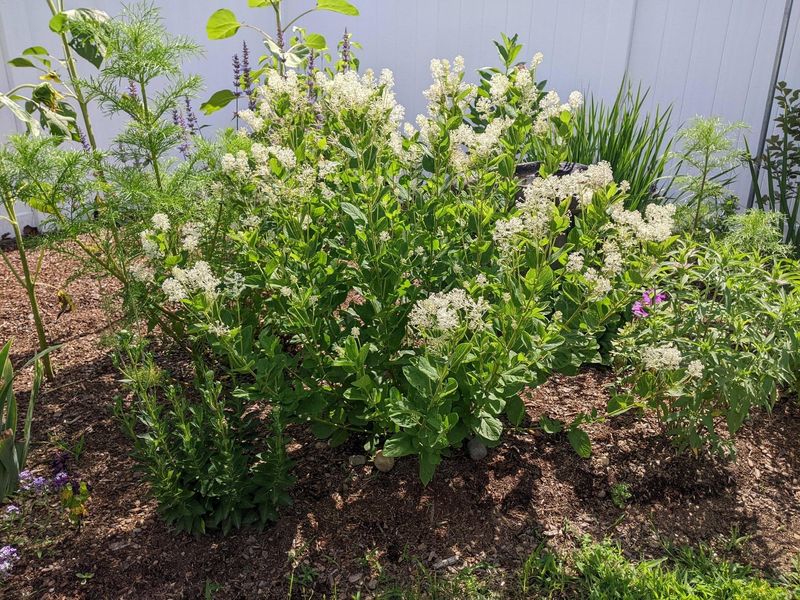
Picture a low-growing shrub covered in clouds of tiny white blooms, buzzing with pollinators on a warm summer afternoon. That is New Jersey Tea, and it is more interesting than its modest size suggests.
Ceanothus americanus is a native North American shrub that typically grows two to four feet tall. It thrives across the eastern half of the country, from the rocky slopes of New England down to the sandy plains of the South.
The plant earned its common name during the Revolutionary War era. Colonists brewed its dried leaves as a substitute for imported British tea, which had become both expensive and politically charged.
Beyond its historical nickname, this shrub is a genuine ecological powerhouse. Its root system hosts nitrogen-fixing bacteria, improving the ground around it naturally without any added fertilizer.
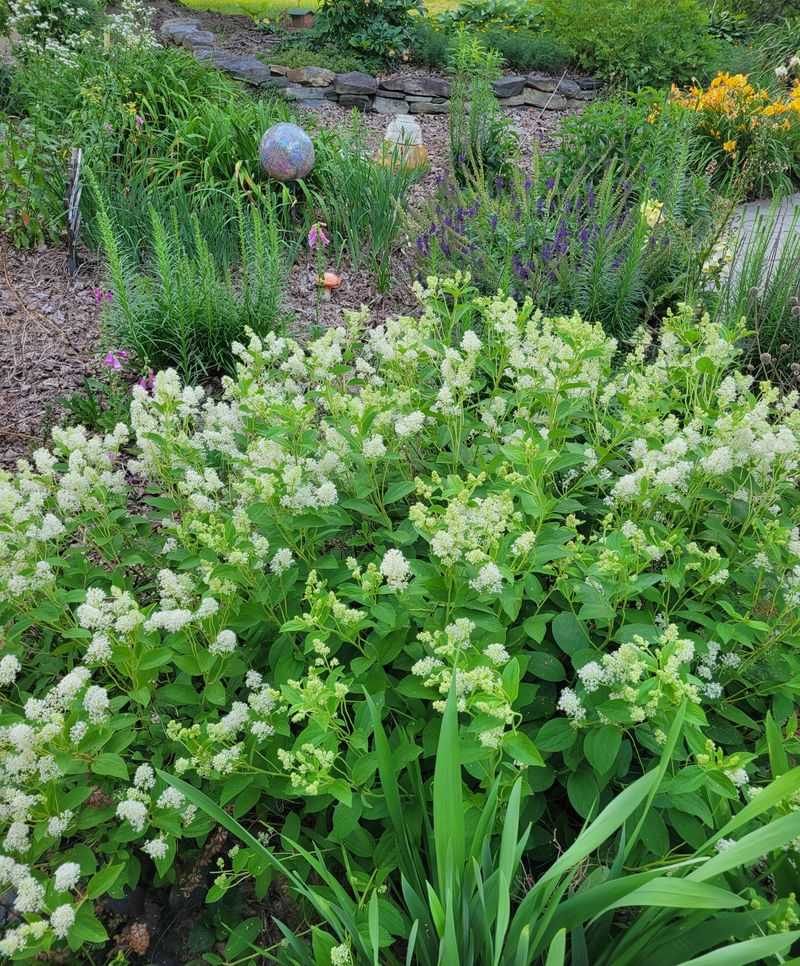
The flowers bloom from June through July, producing frothy clusters of creamy white blossoms that attract bees, butterflies, and beneficial insects by the dozens. Few native plants offer that kind of wildlife value in such a compact package.
The leaves are slightly textured, oval-shaped, and a rich medium green that holds color well through summer heat. Even outside of bloom season, the plant looks tidy and attractive in a mixed border or naturalized planting.
Getting to know this plant is the first step toward bringing it back where it belongs. Your garden, and your local ecosystem, will thank you for making the introduction.
Why This Herb Has Been Forgotten Over Time
Gardening trends changed over time, and this plant simply fell out of fashion. New Jersey Tea did not vanish because it stopped working. It faded because the gardening world moved on without it.
When commercial tea imports became affordable again after the Revolution, the practical need to brew homegrown leaf tea disappeared almost overnight. Without that everyday purpose, the plant lost its most visible role in American households.
Then came the surge of ornamental gardening in the late 1800s and early 1900s. Exotic imports from Europe and Asia flooded American nurseries, and showy foreign plants grabbed all the attention.
Your New Jersey Garden Changes Every Week. Your Plan Should Too.
Gardening in New Jersey changes quickly throughout the season. Every Friday you’ll receive a simple weekly plan showing exactly what to plant, prune, fertilize, harvest, and protect so you never miss the right timing.
Native shrubs looked plain by comparison, even when they outperformed their flashy rivals.
Nursery culture played a huge part in the decline too. Plants that are hard to propagate commercially tend to disappear from shelves, and Ceanothus americanus has a deep, stubborn taproot that makes transplanting tricky.
Growers likely stopped stocking it because it was easier to sell something else. Suburban lawn culture in the mid-twentieth century dealt another blow.
Tidy grass, foundation shrubs, and imported perennials became the American gardening standard.
Native plants were seen as weedy, wild, and somehow less desirable than cultivated imports.
Awareness is slowly shifting now, thanks to the native plant movement and growing interest in pollinator gardens. Gardeners are asking better questions about what actually belongs in their region.
The forgotten herb is getting a second look, and the timing could not be better for bringing it back.
The Benefits Of Growing New Jersey Tea In Your Garden
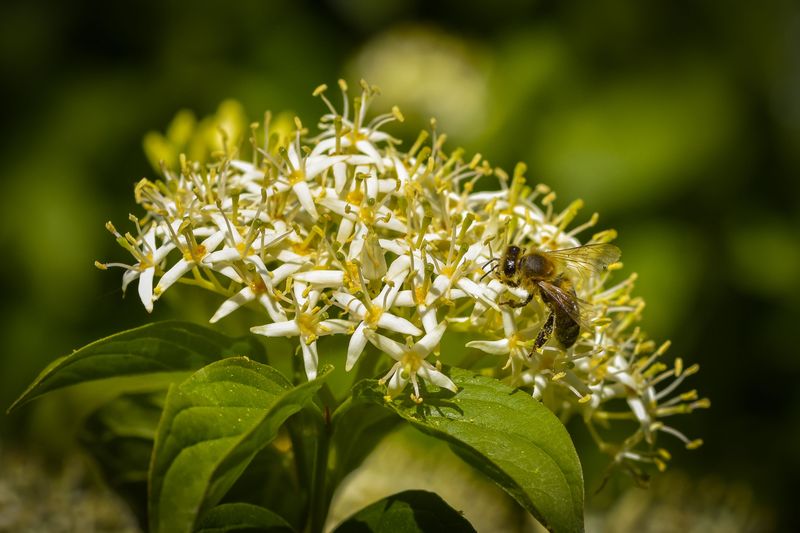
Some plants earn their keep by looking good. Others earn it by doing good. New Jersey Tea manages both at the same time, which is a rare and genuinely exciting combination for any home gardener.
Start with the soil benefits. The plant forms a symbiotic relationship with nitrogen-fixing bacteria on its roots, meaning it actively enriches the ground it grows in.
You get a healthier garden bed without opening a single bag of fertilizer. Pollinators are strongly drawn to the blooms.
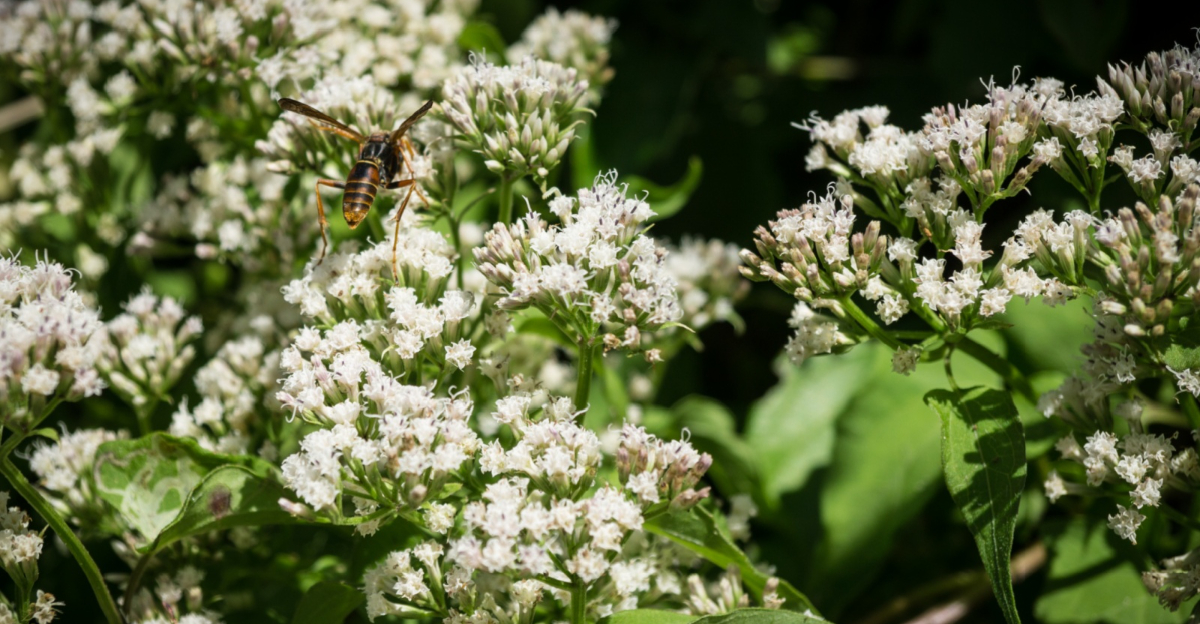
Bees, native wasps, skippers, and several butterfly species visit the flowers heavily during the June and July bloom window.
Planting this shrub can meaningfully boost the productivity of nearby vegetables and fruit plants.
Drought tolerance is another major selling point. Once established, the deep taproot allows the plant to pull moisture from far below the surface.
During dry summers, it stays green and healthy while shallower-rooted plants struggle visibly.
Deer resistance is a bonus that any New Jersey gardener will appreciate immediately. White-tailed deer tend to avoid Ceanothus americanus, making it a smart choice for properties that back up to wooded areas or open fields.
The plant also has a long history of herbal use. Historically, people used the root bark as an astringent remedy for sore throats and mouth sores.
While modern medical advice should always guide health decisions, the plant carries a rich legacy of practical use.
Few shrubs offer this many overlapping benefits in one tidy, low-maintenance package. Growing it feels like a genuinely smart decision from every angle.
How To Plant And Grow New Jersey Tea Successfully
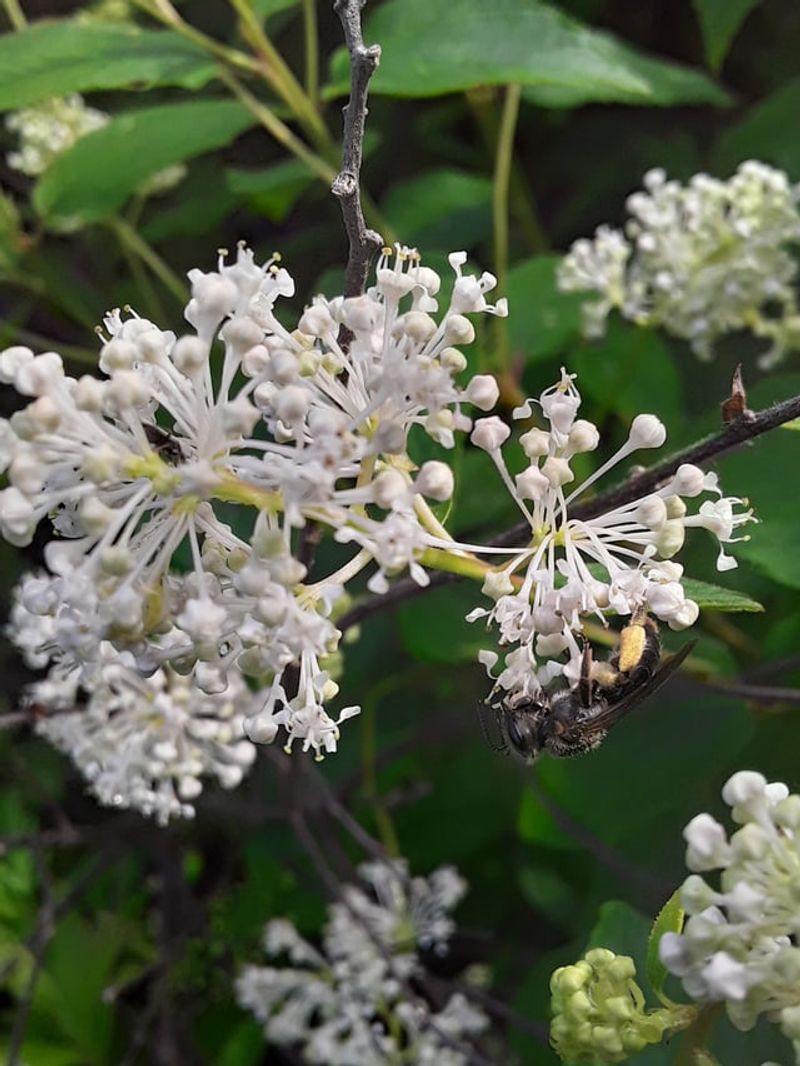
Growing New Jersey Tea is not complicated, but it does reward gardeners who pay attention to a few key details upfront. Get the conditions right from the start, and the plant practically takes care of itself afterward.
Sunlight is the most important factor. This shrub wants full sun to perform at its best, though it tolerates light shade in warmer exposures.
Shady spots will reduce flowering significantly and weaken the plant over time. Soil drainage matters enormously. Ceanothus americanus struggles with wet feet, so avoid low-lying areas where water tends to pool after rain.
Sandy or loamy soils with good drainage produce the strongest, healthiest plants. Soil fertility is actually not a concern. Because the plant fixes its own nitrogen, it thrives in poor, lean soils where other shrubs might struggle.
Adding rich compost or fertilizer can actually cause overly lush, floppy growth that weakens the structure.
Spring planting gives the shrub the best chance to establish its taproot before summer heat arrives.
Water consistently during the first growing season, then step back and let the plant develop its natural drought tolerance on its own schedule.
Pruning should be light and strategic. Trim back old stems in early spring before new growth appears to keep the plant tidy and encourage fresh flowering wood. Avoid heavy cutting into old wood, as the plant regenerates best from young stems.
Starting from seed is possible but requires patience and cold stratification. Buying a nursery-grown plant from a reputable native plant source is the easier and faster path to success.
Common Mistakes To Avoid When Growing This Herb
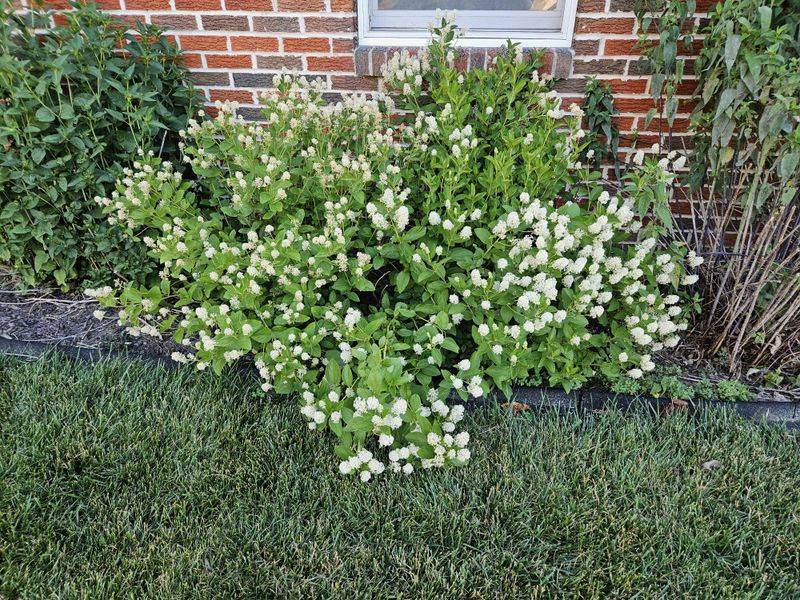
Even a tough, adaptable plant like New Jersey Tea can run into trouble when gardeners make assumptions based on more common shrubs. Knowing what not to do is just as valuable as knowing what to do.
The biggest mistake is planting in wet or poorly drained soil. The taproot is powerful, but it is not built for standing water.
Clay-heavy spots that stay soggy after rain will cause root problems that no amount of care can fix later.
Overwatering established plants is another common error. Once the shrub has settled in after its first season, it genuinely prefers drier conditions.
Gardeners who keep watering on a regular summer schedule often end up doing more harm than good.
Planting in deep shade is a setup for disappointment. The blooms will be sparse, the growth will be leggy, and the plant will never reach its full potential.
Even partial shade should be considered a compromise rather than an ideal condition. Transplanting a mature specimen almost always fails. The taproot anchors deeply and does not tolerate being moved once established.
Choose your planting location thoughtfully the first time, because relocation is rarely an option worth attempting.
Skipping the patience phase is perhaps the most frustrating mistake of all. New Jersey Tea is famously slow in its first year, putting most of its energy underground to build that deep root system.
Gardeners who expect fast top growth often give up too soon on a plant that is simply working below the surface.
Stick with it through year one, and the payoff in years two and three is genuinely worth the wait.
Every New Jersey Gardener Should Bring This Herb Back
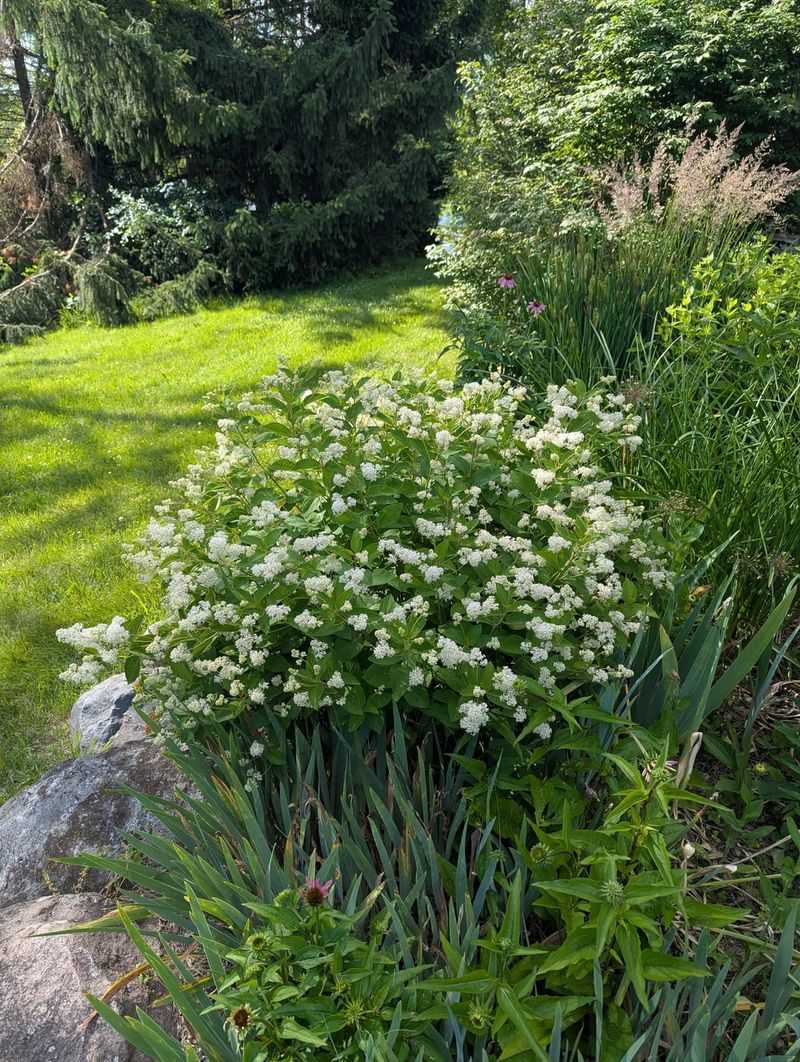
There is something deeply satisfying about growing a plant that actually belongs where you live. New Jersey Tea is not just a charming historical curiosity.
It is a genuinely useful, ecologically meaningful addition to any modern garden in this region.
The native plant movement has been gaining real momentum across the country, and for good reason.
Plants that evolved alongside local insects, birds, and soil conditions support the ecosystem in ways that imported ornamentals simply cannot replicate.
Ceanothus americanus specifically supports several specialist bee species that depend on native shrubs for food and nesting resources.
Planting it means contributing to the health of the local pollinator population in a direct and measurable way.
From a purely practical standpoint, the plant asks very little once established. No fertilizer, minimal water after year one, and only light pruning to keep things tidy.
For busy gardeners, that kind of low-maintenance reliability is genuinely hard to find. The historical connection adds an emotional layer that makes growing this herb feel meaningful beyond the garden itself.
Brewing a cup of tea from leaves you grew connects you to a long and fascinating American tradition that most people have completely forgotten.
Local native plant nurseries and some online specialty growers appear to stock Ceanothus americanus more reliably than they did five years ago.
Finding a plant to get started has, by many accounts, become easier for gardeners across this region in recent years.
New Jersey Tea deserves a spot in your yard, your community, and your gardening story. Bring it back and add a meaningful piece of regional history to your garden.