How To Revive Heat Damaged Pentas In Florida So Butterflies Keep Coming
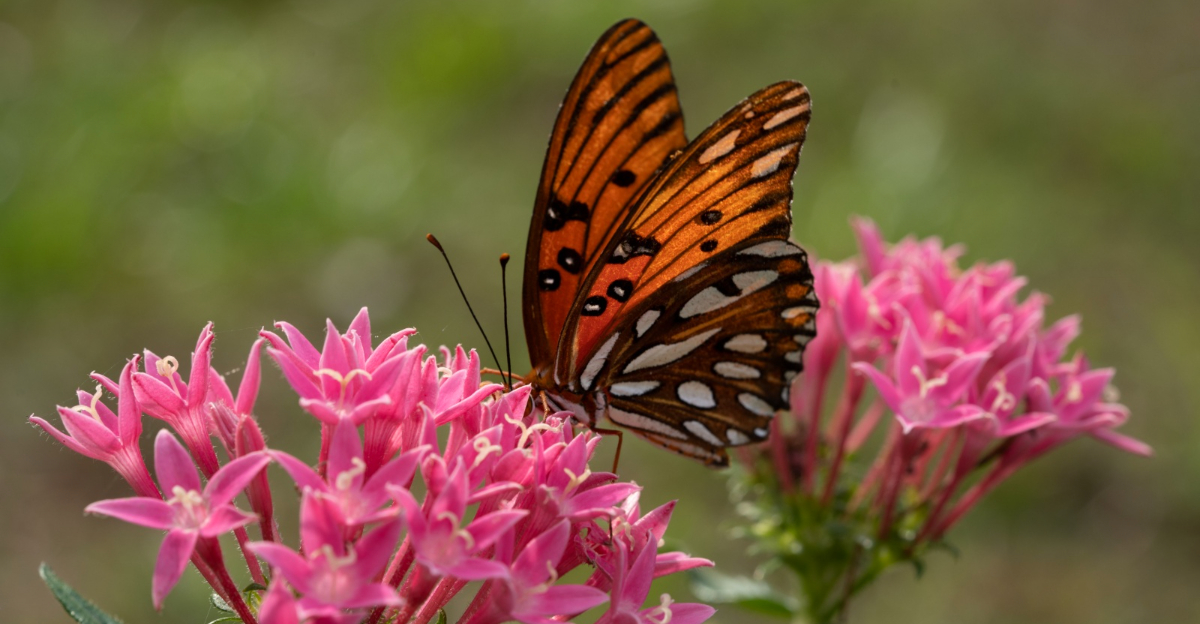
Pentas have a well-earned reputation for handling Florida summers better than most flowering plants, but even the toughest performers have their limits.
A few weeks of relentless heat, dry soil swings, waterlogged containers, or walls absorbing afternoon sun all day can quietly push a pentas plant into a stressed state.
That slowdown in flower production tends to happen right when butterflies and hummingbirds are showing up most reliably, which is frustrating timing to say the least.
Frustrating timing, honestly. The good news is that pentas are resilient, and catching the signs of stress early makes a real difference in how quickly they bounce back.
Simple, low-stress care focused on moisture management, mulch, drainage, and a little light cleanup is usually all it takes to get things back on track and keep those nectar-rich blooms coming through the rest of the season.
1. Check Soil Moisture Before Watering Again
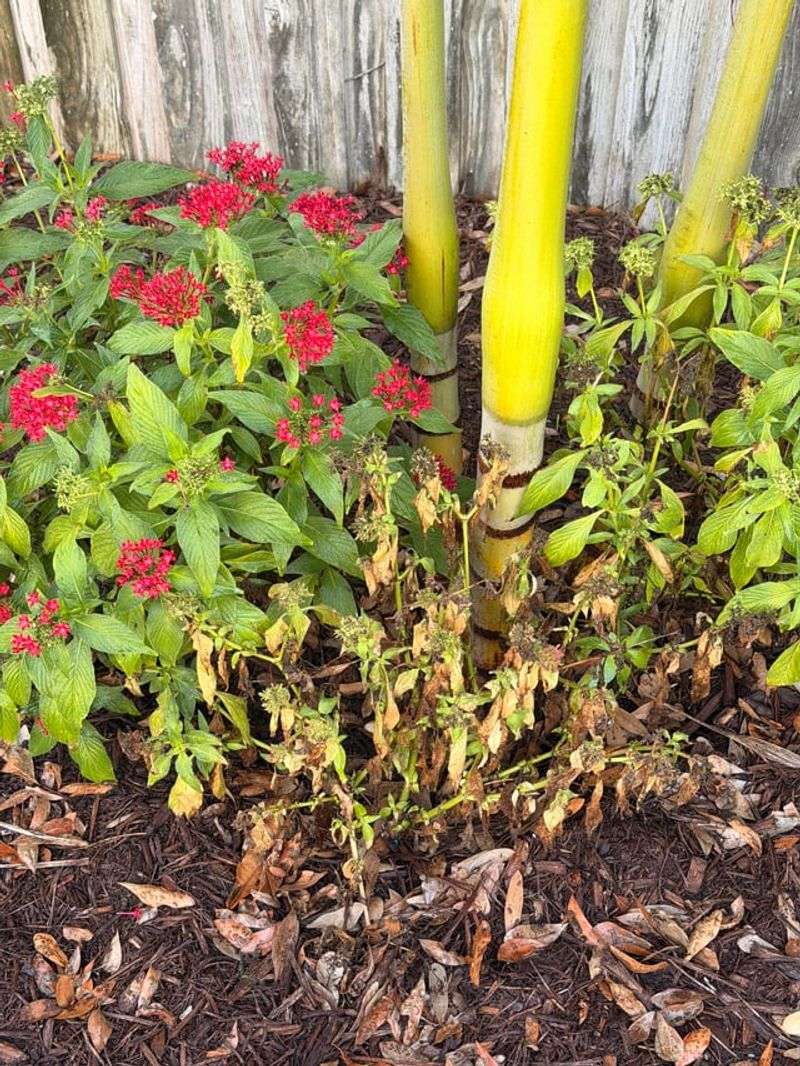
Wilting pentas in a Florida garden can be misleading. A drooping plant does not automatically mean the soil is dry, and reaching for the hose before checking can sometimes make the situation worse rather than better.
The root zone tells the real story. Push a finger about two inches into the soil near the base of the plant.
If the soil feels damp or cool, the pentas may not need more water right now. If it feels dry and crumbly, that is a clearer signal that moisture is the issue.
Container pentas in Florida tend to dry out faster than those planted in the ground, especially when pots sit on sun-baked patios where heat radiates from the surface.
However, containers with poor drainage can also stay soggy after heavy summer rain, which stresses roots in a different way.
Both dry soil and waterlogged soil can cause a pentas plant to look tired and limp. Checking first helps you avoid adding water stress on top of heat stress.
A simple soil check takes less than a minute and gives you better information than looking at the leaves alone.
Florida gardeners who get in the habit of checking before watering tend to keep their pentas in better shape through the hottest months. Let the root zone guide your decisions rather than the appearance of the foliage.
2. Water Deeply When Rainfall Is Limited
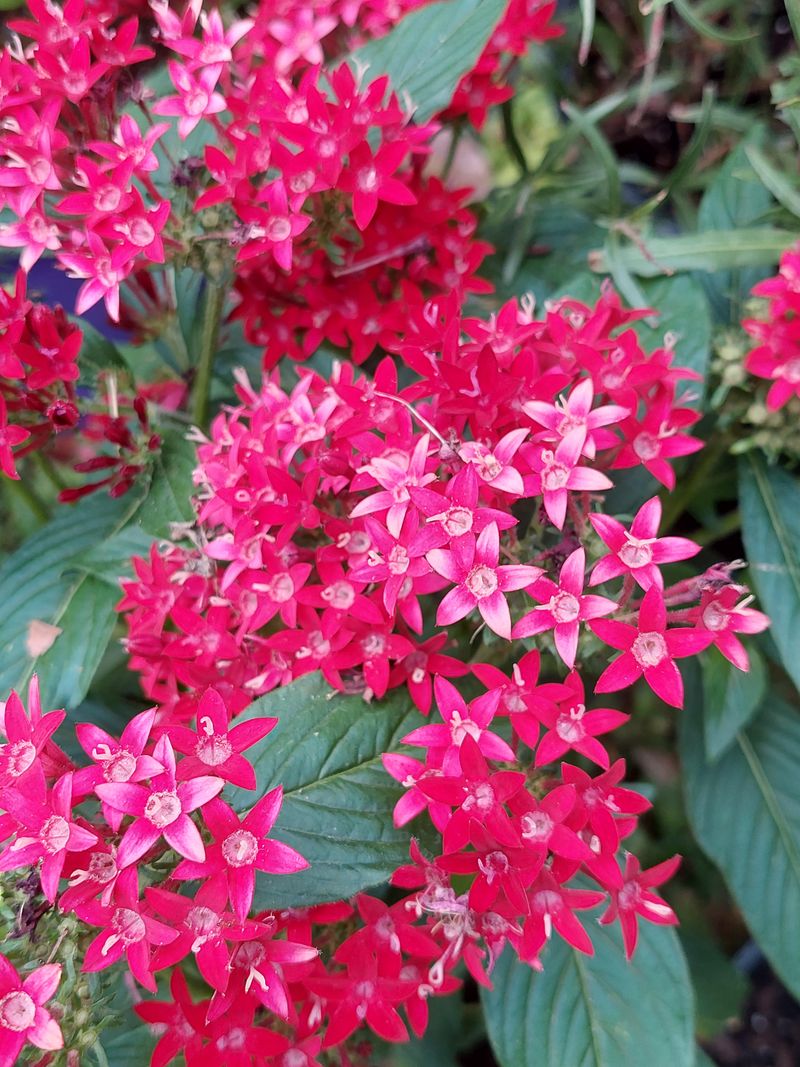
During stretches of dry Florida summer weather, pentas need consistent moisture to stay healthy and keep producing the flower clusters that attract butterflies.
A quick splash from a watering can often wets only the top layer of soil, leaving the deeper root zone dry and stressed.
Slow, deep watering encourages roots to stay established and helps the plant manage heat more steadily. Letting water run gently at the base for a longer period, rather than a fast pass over the top, gives moisture a chance to reach where the roots actually are.
Florida’s sandy soils drain quickly, so water can move through the root zone faster than in heavier soils. That means pentas planted in sandy beds may need more frequent attention during hot, dry stretches than gardeners expect.
Your Florida Garden Changes Every Week. Your Plan Should Too.
Gardening in Florida changes quickly throughout the season. Every Friday you’ll receive a simple weekly plan showing exactly what to plant, prune, fertilize, harvest, and protect so you never miss the right timing.
Watering in the early morning is generally a good approach in Florida. It gives the plant moisture before peak afternoon heat, and it allows foliage and the soil surface to dry before evening, which can reduce conditions that favor fungal issues.
If your pentas are in containers, check them more often during heat waves because pots lose moisture faster than in-ground beds.
Consistent, thoughtful watering during dry gaps in Florida’s rainy season can make a real difference in how well heat-stressed pentas recover and continue flowering for pollinators.
3. Keep Pentas In Sun With Good Drainage
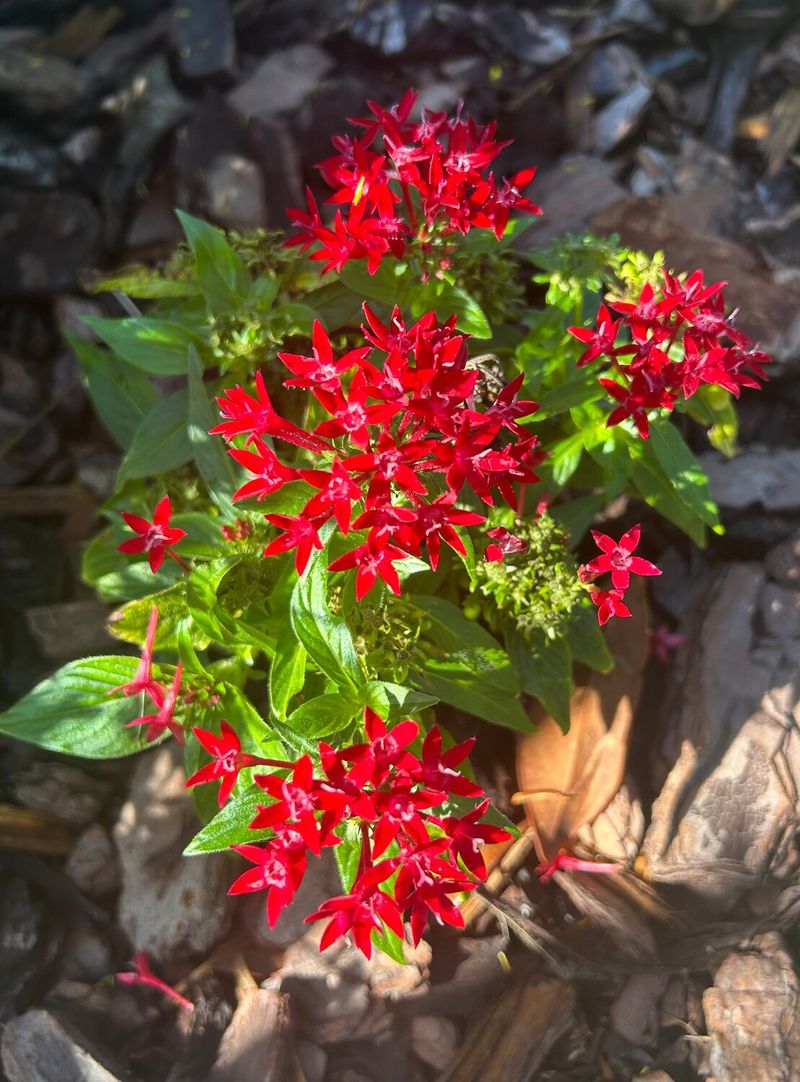
Faded flower clusters and sparse blooms on pentas are sometimes a sign that the plant is not getting the light it needs rather than a heat problem.
Pentas generally perform well in full sun and tend to produce more flowers when they receive several hours of direct sunlight each day.
Moving a container pentas to a shadier spot to protect it from heat can seem like a reasonable fix, but too much shade often reduces flowering over time.
In Florida gardens, a sunny location with good air circulation usually supports better pentas performance than a shaded corner, even during summer.
Drainage matters just as much as sunlight. Florida summers bring heavy rain, and pentas sitting in soggy soil after a storm can develop root stress that shows up as wilting, yellowing, or slowed growth.
Raised beds, amended soil, and containers with drainage holes all help prevent standing water from building up around the roots.
If your pentas are planted in a low area that collects water after rain, that location may be working against recovery.
Improving drainage or moving container plants to a spot where water flows away freely can reduce one of the most common stressors pentas face in Florida landscapes.
Sunlight and drainage together create the conditions pentas need to stay productive and keep blooming through the season.
4. Refresh Mulch Around The Root Zone
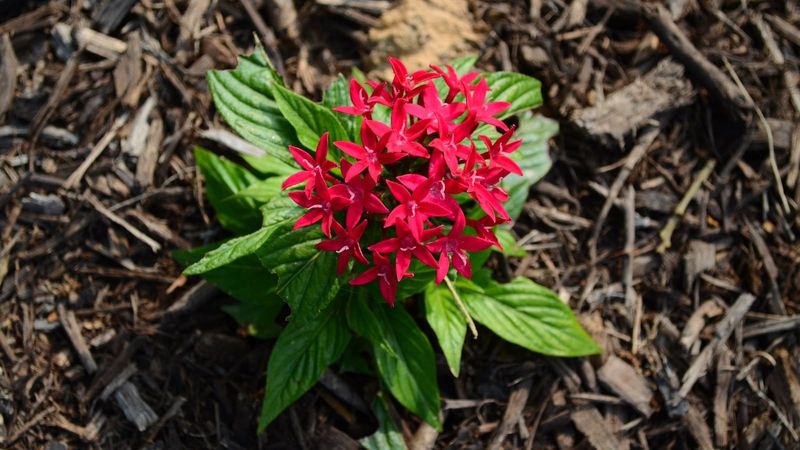
Dry, thin mulch around pentas is easy to overlook, but it plays a real role in how well the root zone handles Florida heat.
Mulch that has broken down or blown away leaves the soil exposed to intense sun, which speeds up moisture loss and can raise soil temperature around the roots.
Refreshing mulch with a two-to-three inch layer around pentas can help moderate soil temperature and slow evaporation between waterings.
This gives the root zone a more stable environment, which supports recovery when plants are already dealing with heat stress.
One thing to keep in mind is placement. Mulch should be spread out to the drip line of the plant but kept a few inches away from the stem and crown.
Piling mulch tightly against the base of pentas can hold excess moisture against the stem and create conditions that stress the plant rather than help it.
In Florida, organic mulches like shredded wood or pine bark tend to work well in landscape beds.
They break down over time, which benefits the soil, but that also means they need to be replenished periodically, especially after Florida’s rainy season when heavy rain can shift or compact mulch layers.
A fresh layer of mulch is one of the simpler steps a gardener can take to support struggling pentas without adding any extra stress to the plant during recovery.
5. Hold Off On Heavy Pruning
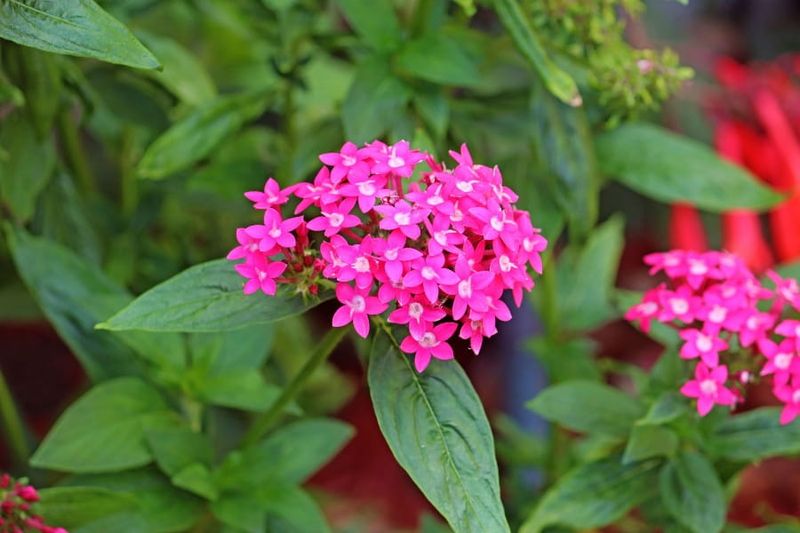
When pentas look rough after a long stretch of Florida heat, the instinct to cut them back hard can feel like the right move.
A major pruning seems like a fresh start, but for a plant that is already under stress, heavy cuts can take away more energy than the plant can spare at that moment.
Pentas use their remaining leaves and stems to gather energy and push new growth. Removing too much at once when the plant is heat-stressed can slow recovery rather than speed it up.
Waiting until the plant looks more stable before making significant cuts gives it a better chance of bouncing back on its own timeline.
Light shaping is a different story. Trimming a few ragged or clearly damaged stems is reasonable and can tidy the plant without overwhelming it.
The goal during recovery is to reduce stress, not add to it.
Florida gardeners sometimes prune pentas aggressively in late summer expecting a strong flush of new growth, and that approach can work well when the plant is healthy.
However, when the plant is already struggling with heat, holding off on major cuts and focusing on moisture and stability first tends to give better results.
Once the pentas starts showing fresh growth and more consistent blooms, that is a reasonable signal that the plant has stabilized enough to handle more significant pruning if needed.
6. Skip Fertilizer Until Plants Look Steadier
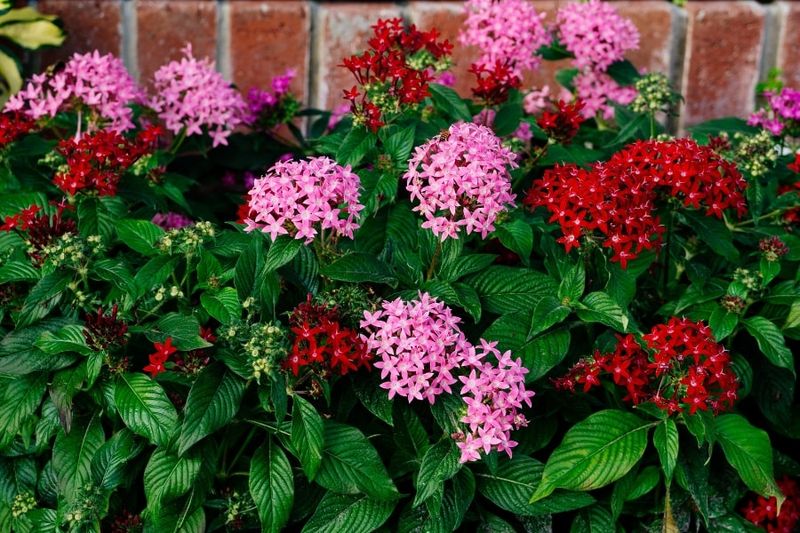
Reaching for fertilizer when pentas look tired is a common reaction, but feeding a heat-stressed plant before it has stabilized can sometimes add more pressure rather than help.
Fertilizer encourages new growth, and pushing a struggling plant to produce new leaves and stems before the root system is ready can make recovery harder.
The more useful first steps are stabilizing moisture, improving drainage if needed, and making sure the plant is getting appropriate light.
Once those conditions are closer to where they should be, the plant has a better foundation for responding to fertilizer when the time comes.
Healthy pentas in active growth do benefit from regular fertilizing during Florida’s growing season. A balanced fertilizer applied at the right time can support vigorous blooming and help the plant stay productive.
However, timing matters, and applying fertilizer to a plant that is still under heat stress is not the most effective approach.
Watch for signs that the pentas is recovering, such as new leaves emerging, stems firming up, and flower clusters starting to develop again. Those signals suggest the plant is ready for a more active care routine that can include fertilizing.
Skipping fertilizer for a few weeks while focusing on the basics is not neglect. It is a straightforward way to avoid piling more demands on a plant that is working hard just to stabilize in the Florida heat.
7. Remove Spent Flowers And Ragged Growth Lightly
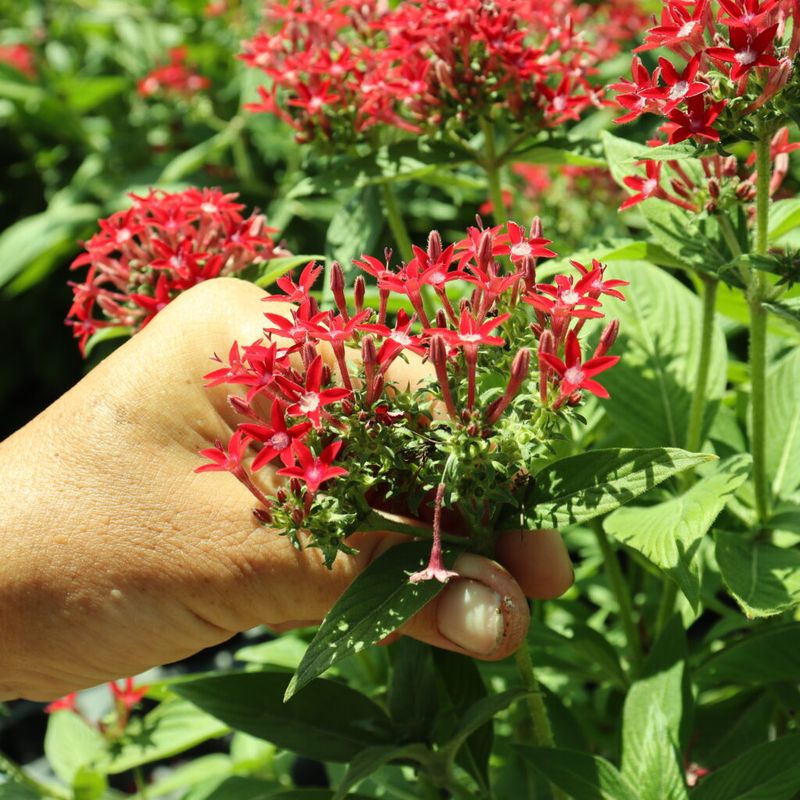
Spent flower clusters and a few ragged leaves on heat-stressed pentas are easy to spot, and tidying them up lightly can help the plant redirect energy toward new growth without adding the stress of a hard cutback.
A gentle pass through the plant to remove what is clearly finished or damaged is usually enough.
Pentas do not always require aggressive deadheading the way some other flowering plants do.
In Florida gardens, the plant tends to continue cycling through blooms reasonably well on its own, so light cleanup is often more appropriate than a thorough removal of every spent cluster.
Being selective matters here. Focus on flower heads that are fully brown and dry, stems that look clearly damaged, and leaves that have yellowed or shriveled.
Leave stems and growth that still look viable, even if they are not at their best, because those parts may still contribute to the plant’s recovery.
Butterflies are drawn to open, fresh flower clusters, so removing spent blooms can help keep the plant looking more appealing to pollinators as it recovers.
That said, the goal is a light, selective cleanup rather than a dramatic reshaping of the plant while it is under stress.
A little tidying done thoughtfully can make a meaningful difference in how the plant looks and how pollinators respond to it during the recovery period in Florida’s summer heat.
8. Avoid Sprays That Push Butterflies Away
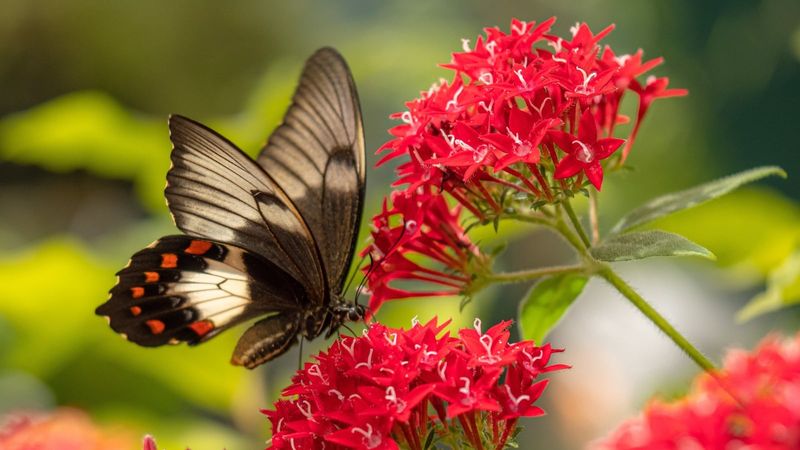
Butterflies hovering near tired pentas blooms are a sign that the plant is still doing its job as a nectar source, even when it looks a little rough.
Keeping those visits going means being thoughtful about what gets sprayed around the plant, especially during and after heat-stress recovery.
Many common pesticide sprays can affect butterflies and other pollinators, and applying them to or near blooming pentas can reduce pollinator activity in that part of the garden. Before reaching for any spray, it helps to identify the pest first.
Not every insect on a pentas plant is causing harm, and treating for a pest that is not actually present adds unnecessary chemical pressure to the garden.
When pest management is genuinely needed, looking for options that are less disruptive to pollinators and applying them carefully, away from open blooms, can reduce the impact on butterfly activity.
Florida’s warm climate means pest pressure can be steady through much of the year, so building a habit of checking before spraying is a practical approach for any pollinator-friendly garden.
Pentas are listed as useful nectar plants for butterflies and hummingbirds in Florida landscapes, so protecting the blooms and the pollinators that visit them is part of keeping the garden working the way it should.
Recovery from heat stress goes more smoothly when the plant can continue attracting pollinators without the added disruption of spray exposure near its flowers.