How To Level A Bumpy North Carolina Lawn Without Using Any Heavy Equipment
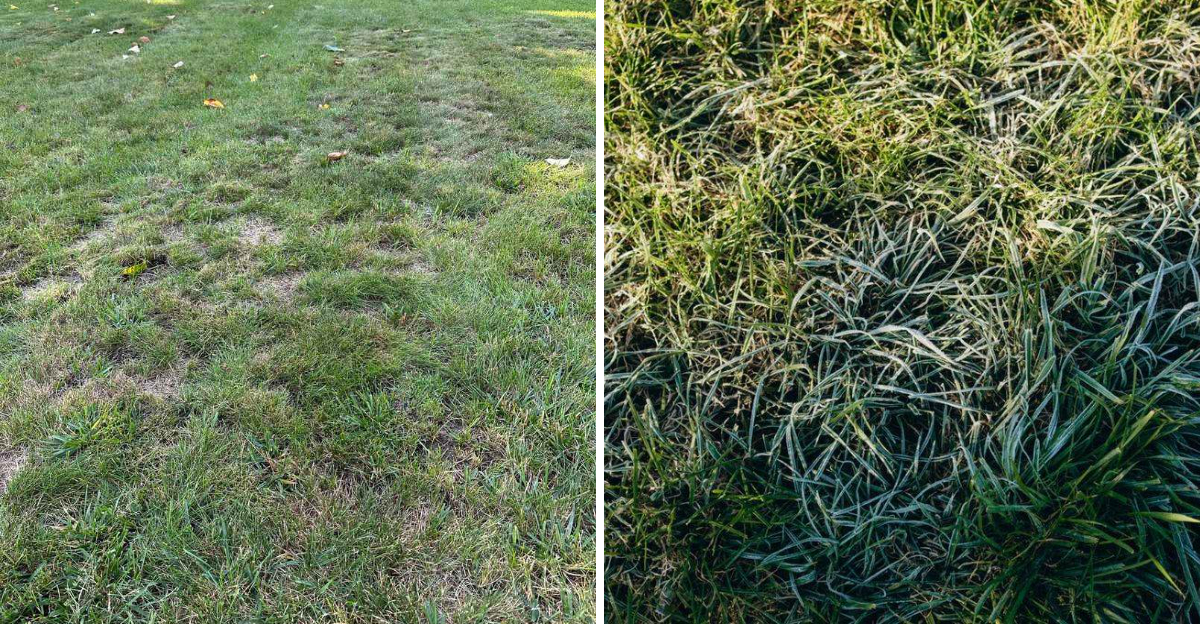
A lawn with dips, bumps, and uneven patches is one of those yard problems that seems like it should require serious equipment and professional help to fix properly. For most North Carolina homeowners, that is not the case.
The majority of bumpy lawn situations can be handled with basic tools, a little patience, and an understanding of what actually caused the unevenness in the first place.
North Carolina yards develop surface problems for several specific reasons, from the shrink and swell cycle that clay soil goes through between wet and dry seasons, to settling after landscaping work, shallow tree roots pushing up beneath turf, and thatch buildup that creates an inconsistent layer under the grass.
Each cause has a slightly different fix, and matching your approach to the actual problem is what separates a lawn that levels out well from one that looks better temporarily and develops the same issues again within a season or two. No heavy machinery required for any of it.
1. Identify The Cause Before Adding Soil
Before you grab a shovel, take a good look at what is actually causing the bumps in your North Carolina lawn. Knowing the root cause makes all the difference between a fix that lasts and one that keeps coming back year after year.
Bumps can come from many different sources, and each one needs a slightly different approach.
North Carolina clay soil is notorious for settling unevenly after heavy rain. Over time, pockets can form underground from animal tunnels, old tree stumps breaking down, or buried debris left over from construction.
Erosion along slopes is another common culprit, especially in areas with frequent summer storms.
Walk your lawn slowly and press down on raised areas with your foot. If a bump feels spongy, you might be dealing with a tunnel or decomposing root system underneath.
Firm bumps usually point to compaction or soil shifting caused by freeze-thaw cycles during North Carolina winters.
Spotting the source first saves you a lot of time and wasted material. Filling over an active tunnel or rotting root without addressing it first means the problem will resurface within a season or two.
Take notes, mark problem areas with small flags, and create a simple plan before you start any soil work. Starting smart leads to smoother, longer-lasting results for your lawn.
2. Use A Topdressing Mix Instead Of Straight Clay Soil
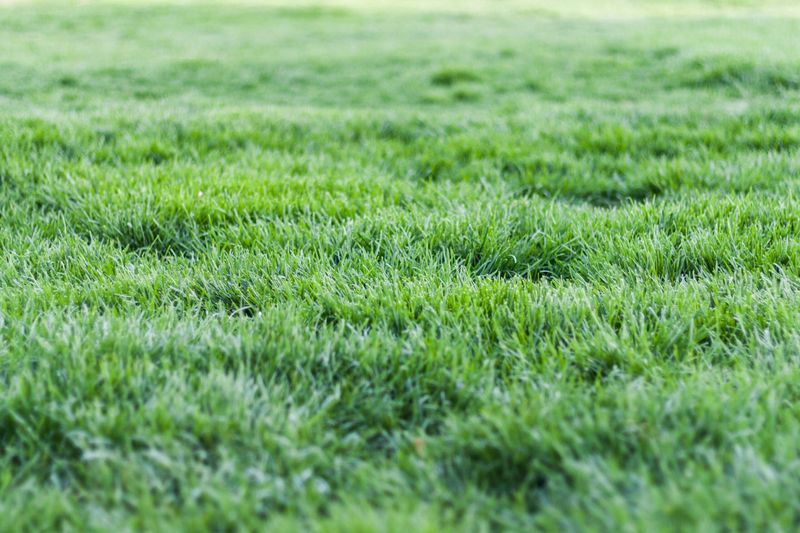
Straight clay soil pulled from your yard might seem like the easiest fix, but it can actually make your lawn worse over time. Dense raw clay compacts quickly, blocks water drainage, and makes it tough for grass roots to push through.
A better option is a blended topdressing mix that works with your turf instead of against it.
A popular and effective blend for North Carolina lawns combines screened topsoil with finished compost in roughly a 50/50 ratio. This mix stays loose enough for grass to grow through while still providing enough weight and body to fill low spots properly.
Some lawn care enthusiasts also add a small amount of coarse sand to improve drainage in especially heavy clay areas.
Your North Carolina Garden Changes Every Week. Your Plan Should Too.
Gardening in North Carolina changes quickly throughout the season. Every Friday you’ll receive a simple weekly plan showing exactly what to plant, prune, fertilize, harvest, and protect so you never miss the right timing.
You can find screened topsoil and compost at most local garden centers or landscape supply yards across North Carolina. Buying in bulk bags works well for smaller lawns, while larger yards may benefit from ordering a cubic yard or two delivered.
Either way, the investment pays off quickly when you see how much easier the mix is to spread and how well grass fills in afterward.
Mixing your own topdressing is also a great way to recycle finished compost from a backyard bin.
Good organic material improves soil structure season after season, giving your North Carolina lawn a healthy foundation that holds its level much longer than raw clay ever could.
3. Fill Low Areas Gradually Over Time
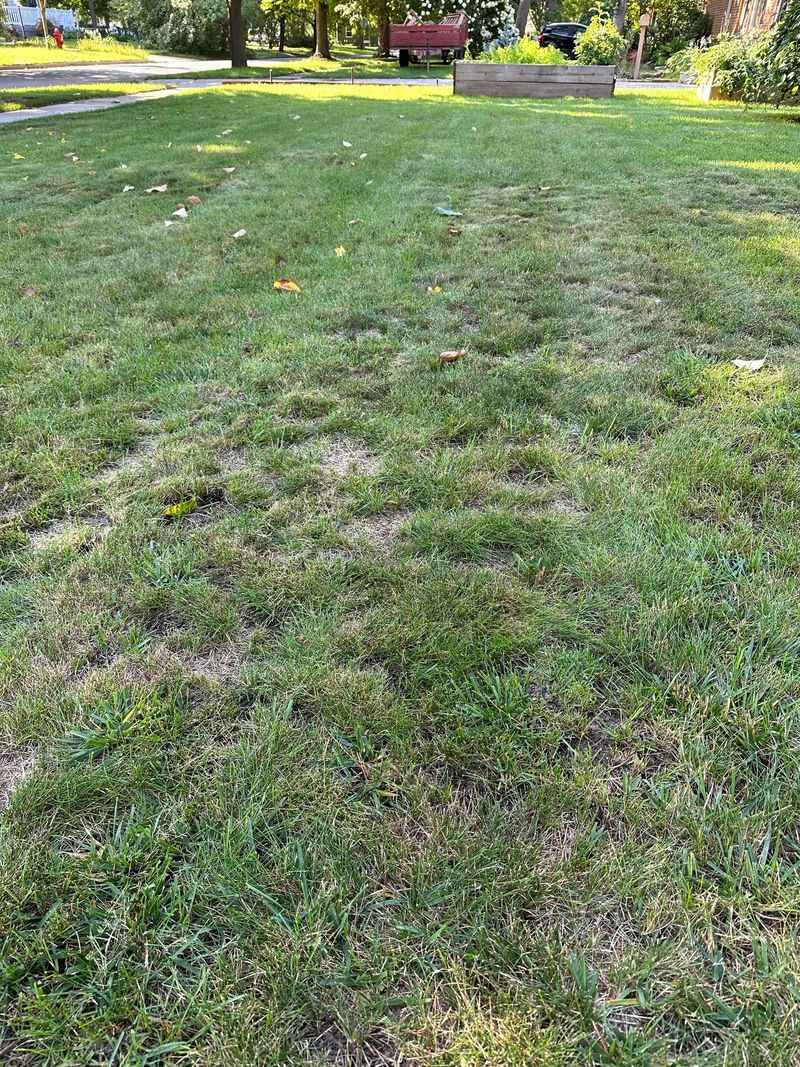
One of the biggest mistakes homeowners make when leveling a bumpy North Carolina lawn is dumping too much soil at once.
Piling on several inches of fill in one go smothers existing grass and creates a patchy, uneven mess that takes months to recover. Patience here is genuinely your best tool.
The golden rule for filling low spots without harming your turf is to apply no more than half an inch to one inch of leveling mix at a time. That thin layer lets sunlight reach the grass blades while still giving soil enough contact to settle into the depression below.
Within a few weeks, healthy grass will grow right through the new layer and anchor it in place.
For deeper low spots that need more than an inch of fill, plan on doing the job in stages spread across multiple growing seasons. Apply one layer, wait for the grass to fully recover and grow through, then assess whether another application is needed.
This gradual method keeps your turf alive and growing throughout the entire process.
North Carolina summers bring plenty of warm weather and rain that help grass recover quickly between applications. Warm-season grasses like Bermuda and Zoysia, which are common across much of the state, are especially resilient and bounce back fast.
Timing your applications during active growth periods gives each layer the best possible chance to settle in and hold firm for years to come.
4. Rake The Surface Smooth By Hand
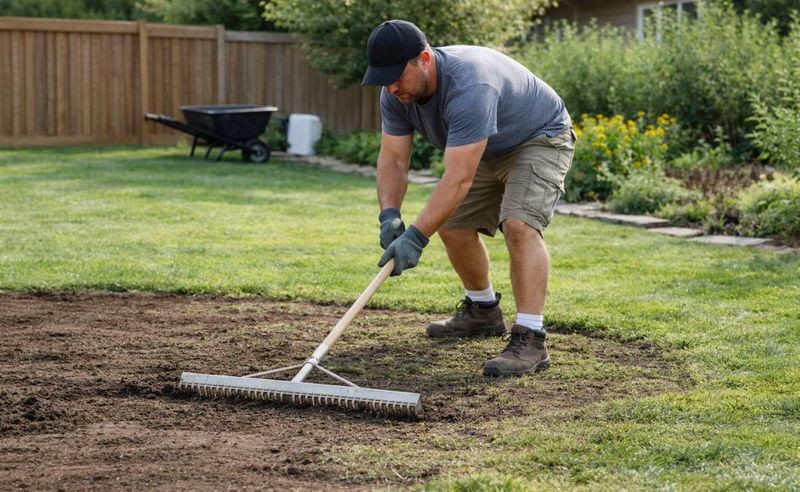
A good rake is honestly one of the most underrated tools in a lawn leveling project.
Many homeowners assume they need expensive machinery to get a truly smooth surface, but a quality landscape rake or leveling rake does an impressive job on small to medium depressions without any motor required.
The right technique matters just as much as the tool itself. Start by spreading your topdressing mix over the low area with a shovel, then use the back of the rake head to push and pull the material into an even layer.
Work in multiple directions, going back and forth and then side to side, to catch any ridges or gaps you might have missed.
The goal is a smooth, consistent surface that blends naturally into the surrounding turf. Pay close attention to the edges where the filled area meets your existing lawn.
Feathering the edges, which means gradually thinning out the topdressing as you move toward the surrounding turf, prevents sharp transitions that can look unnatural or create new trip hazards.
This finishing step is what separates a rough patch job from a clean, professional-looking result.
Across North Carolina, lawn care enthusiasts often recommend a bow rake for initial spreading and a thatch rake for final smoothing. Both are lightweight, easy to handle, and affordable at any local hardware store.
With a bit of practice, hand raking becomes surprisingly satisfying work, and the results speak for themselves once the grass fills back in.
5. Work When Soil Is Slightly Moist
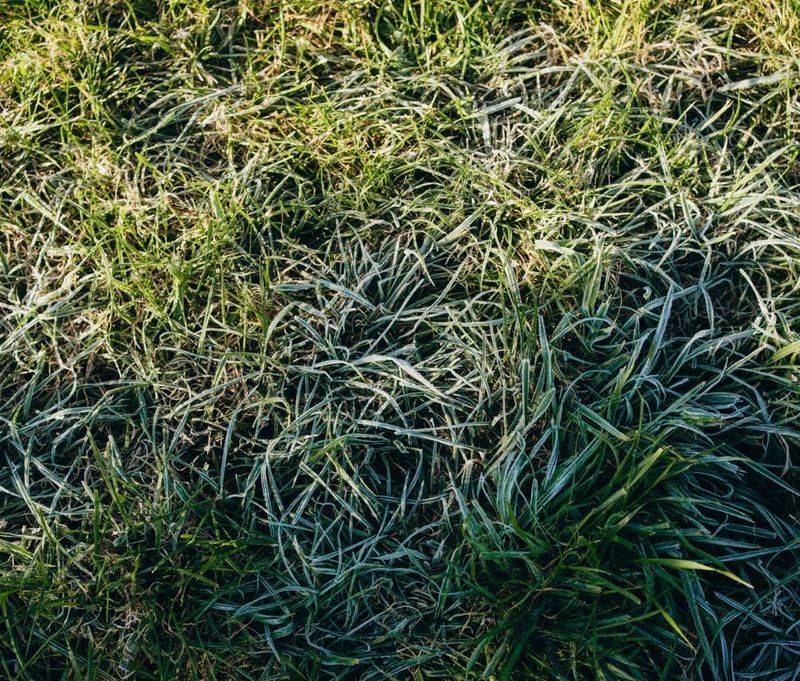
Timing your lawn leveling work around soil moisture is a tip that most beginners overlook, but experienced North Carolina gardeners swear by it.
Clay-heavy soil, which covers a large portion of the Piedmont and Coastal Plain regions of the state, behaves very differently depending on how wet or dry it is.
Getting the moisture level right makes spreading and shaping the leveling mix significantly easier.
When North Carolina clay is bone dry, it hardens into a surface that is almost impossible to work with hand tools. Trying to spread topdressing over cracked, parched soil creates air pockets and uneven settling that can undo your hard work after the first good rain.
On the flip side, working with saturated soil is equally frustrating because it smears, compacts under foot traffic, and sticks to everything.
Slightly moist soil holds its shape well, moves smoothly under a rake, and makes good contact with the existing lawn surface. A simple test is to squeeze a handful of your leveling mix.
If it holds together without dripping water, you are in the ideal range for spreading and smoothing work. After heavy rain, waiting just one or two days usually brings the soil to that perfect workable state.
Keeping an eye on the North Carolina weather forecast before you plan your leveling day is a smart habit. Scheduling work after a light rain or early morning dew gives you that sweet spot of moisture without the mess.
Your back and your rake will both thank you for choosing the right conditions.
6. Overseed Thin Areas After Leveling
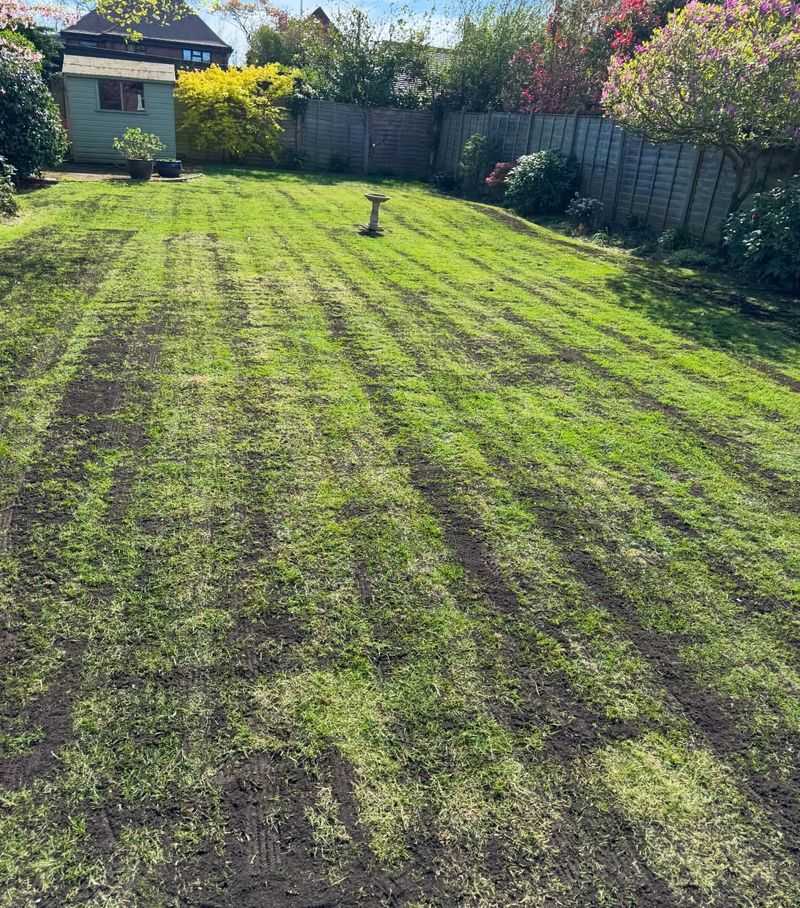
Leveling a bumpy lawn is only half the job. Once you have smoothed out those low spots and uneven areas, thin or bare patches often appear where the topdressing covered existing grass or where the turf was already struggling.
Overseeding is the step that transforms a leveled lawn from a patchy work in progress into a lush, full, green surface.
Timing overseeding correctly in North Carolina depends heavily on what type of grass you have.
Cool-season grasses like tall fescue, which are popular in the Piedmont and mountain regions of the state, perform best when overseeded in early fall between mid-September and mid-October.
Soil temperatures during this window are ideal for germination, and cooler air reduces stress on new seedlings.
Warm-season grasses like Bermuda, Centipede, and Zoysia, which thrive across the warmer coastal and central parts of North Carolina, are best repaired and overseeded in late spring through early summer.
Active growth during warm months helps new grass establish quickly and fill in bare areas before the season ends. Matching your seed type to your existing turf is essential for a uniform-looking lawn.
After spreading seed, lightly rake it into the topdressing mix and water consistently until germination occurs. Keeping the seedbed moist for the first two to three weeks gives new grass the best possible start.
Once the new growth reaches mowing height, your leveled and overseeded North Carolina lawn will look remarkably better than it did before you started.
7. Avoid Heavy Rolling On Clay Soil
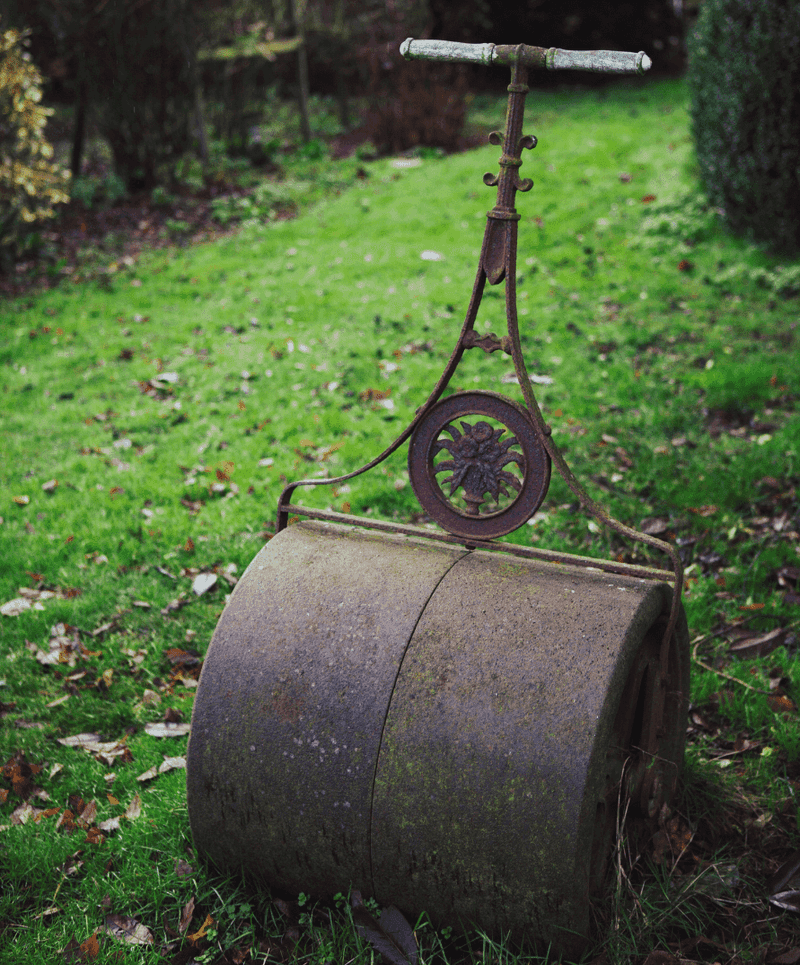
Heavy lawn rollers might look like the obvious solution for smoothing out a bumpy yard, but in North Carolina they can actually create more problems than they solve.
The state is home to large stretches of Piedmont clay, and that type of soil compacts under pressure in ways that are genuinely difficult to reverse without heavy aeration equipment.
Understanding why rollers are risky on clay helps you make smarter choices for your lawn.
When clay soil gets compacted, water has nowhere to go. Drainage slows down dramatically, puddles form after every rain, and grass roots struggle to push down into the dense, airless soil below.
North Carolina summers bring plenty of moisture, and compacted clay can turn a well-intentioned leveling project into a soggy, struggling lawn within just one season.
Light settling from regular rainfall and irrigation is actually a much safer and more natural way to help topdressing mix settle into low areas. After you rake and level a section, simply water it in gently and let the weather do the work over the following weeks.
The soil will find its own natural level without the damage that a heavy roller can cause.
If you feel a light pass with a roller is truly necessary, use the lightest option available and only roll when the soil is slightly moist but not wet.
Many lawn care experts across North Carolina recommend skipping the roller entirely and relying on consistent watering and grass regrowth to firm up leveled areas naturally. Simple, patient methods protect your soil structure and keep your lawn thriving long term.