How To Make A Poinsettia Rebloom Next Christmas In A Georgia Home
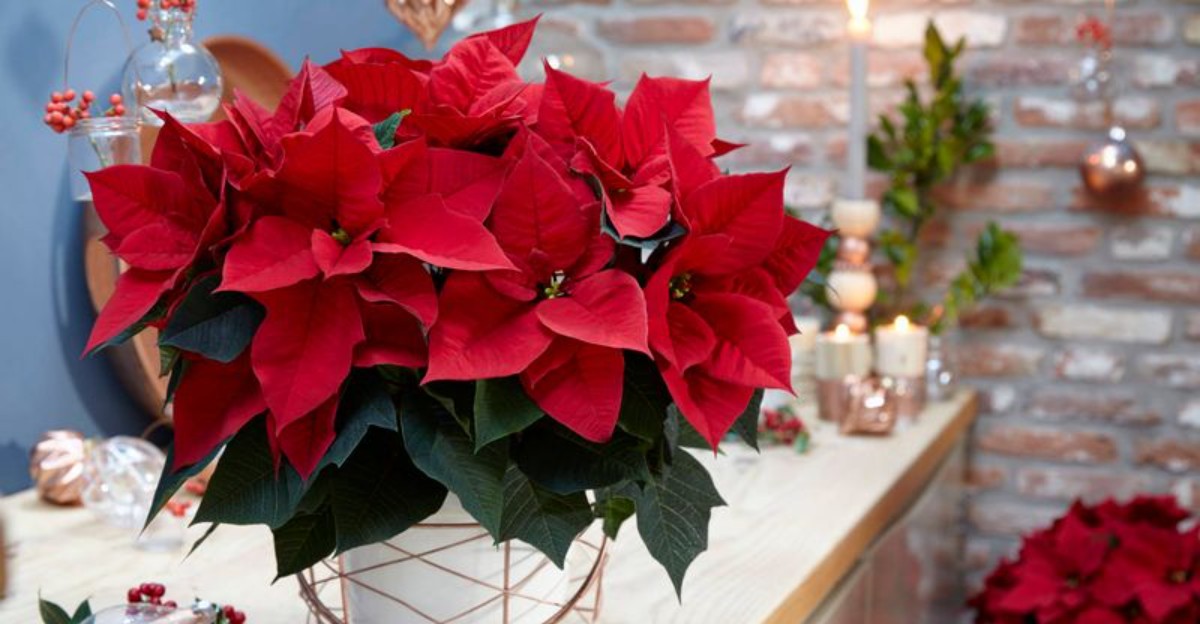
Those famous red petals on your holiday plant are not petals at all. They are leaves that change color, and the real flowers are the tiny yellow buttons sitting in the middle.
In the wild, this plant grows as a shrub that can reach ten feet or more. In its natural habitat, it colors up each winter with zero help from anyone.
I like how that turns a throwaway decoration into a living puzzle you can solve. Here in Georgia, you have long warm summers on your side, and that gives you a real head start.
The catch is one strange habit that trips up most people by October. Your plant is quietly counting the hours of darkness every single night.
Would you believe a single lamp left on in the den can undo a whole year of care?
1. Those Red Poinsettia Bracts Run On A Secret Clock

Darkness is the secret ingredient most folks miss. Poinsettias are short-day plants, which means they only start coloring up after nights grow long enough.
University extension experts, including the University of Georgia, explain that the plant needs about 14 hours of steady darkness each night to form buds. During the day, it still wants bright light so it has energy to put on a show.
Here is why that matters in your house. Outdoors, autumn nights naturally get longer, but indoors we flip on lamps, TVs, and porch lights.
Even a short burst of light at night can reset the plant and delay color for weeks.
I find this part kind of charming. Your plant is basically keeping a nightly diary of darkness, and it will not bloom until the math adds up.
So the whole year of care really leads up to one key season. Spring and summer build a strong, leafy plant.
Fall is when you control the dark hours.
Keep that big picture in mind as you go. Every trim, feeding, and move outdoors simply sets the stage for those long October nights.
2. A Closet Or Cardboard Box Gives Poinsettias Their Long Fall Nights
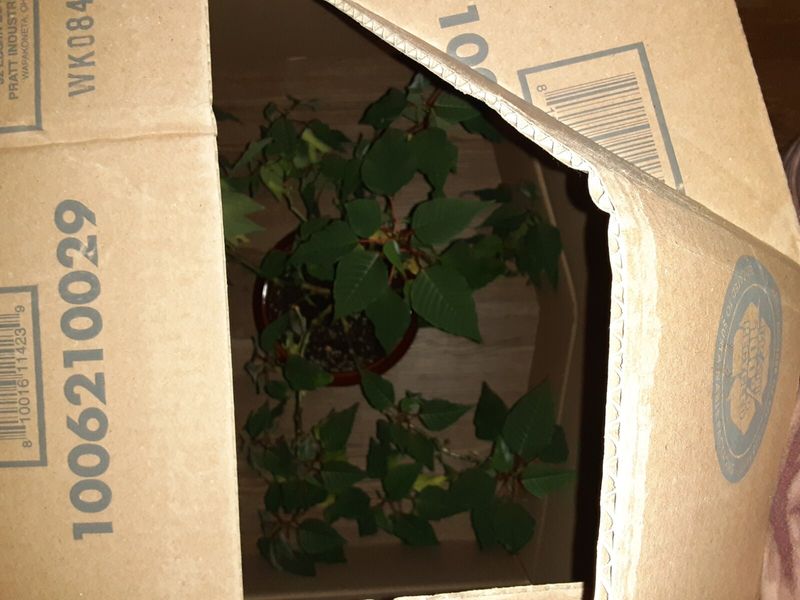
Starting around October 1, your poinsettia needs a strict nightly routine. Give it about 14 hours of total darkness, roughly from 6 p.m. to 8 a.m.
A dark closet works well if nobody opens it at night. An upside-down cardboard box or a heavy black trash bag over the pot also does the job, as long as no light leaks in.
Each morning, bring the plant back out to a sunny window for 8 to 10 hours of bright light. Skipping days can set the plant back, so try to treat it like brushing your teeth.
Keep the temperature steady too. Nights in the low 60s and days around 65 to 70 degrees help the color develop evenly.
Stick with this for about 8 to 10 weeks. Color usually starts showing by late November or early December.
Once the bracts are clearly colored, you can stop covering the plant. A phone reminder set for evening and morning helps a lot, because forgetting is the most common slip.
I put mine on a sticky note on the fridge, and it saved my plant more than once.
3. Let Your Holiday Poinsettia Rest After The Bracts Fade
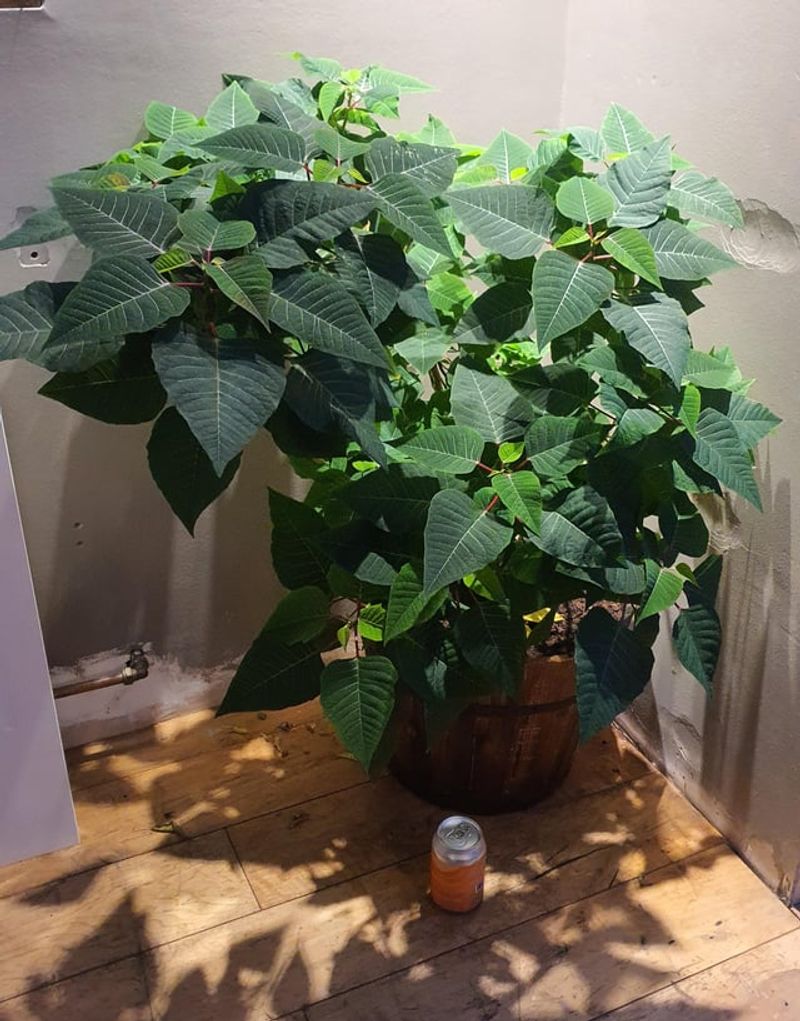
January and February are rest time. After the holidays, keep your poinsettia in a bright window and let it relax.
A few dropped leaves are normal, so no need to panic. Water when the top inch of soil feels dry, and pour out any water left in the saucer.
Soggy roots are a common problem. Poinsettias hate wet feet, and root rot can set in fast when the pot sits in water.
Those foil wrappers from the store look festive, but they trap water. Poke holes in the bottom or remove the wrapper entirely so extra water can drain.
Keep the plant away from cold drafts, heater vents, and fireplaces. Steady room temperatures between 60 and 70 degrees keep it comfortable.
You do not need to feed it during this stretch. The plant is slowing down, and fertilizer will not help much until new growth appears.
Personally, I like this lazy season. It is the easiest part of the whole year, and it gives you time to pick a good spot for spring.
Think of it as a nap before the real work begins.
4. Cutting Poinsettia Stems Back To Six Inches Sparks Fresh Growth
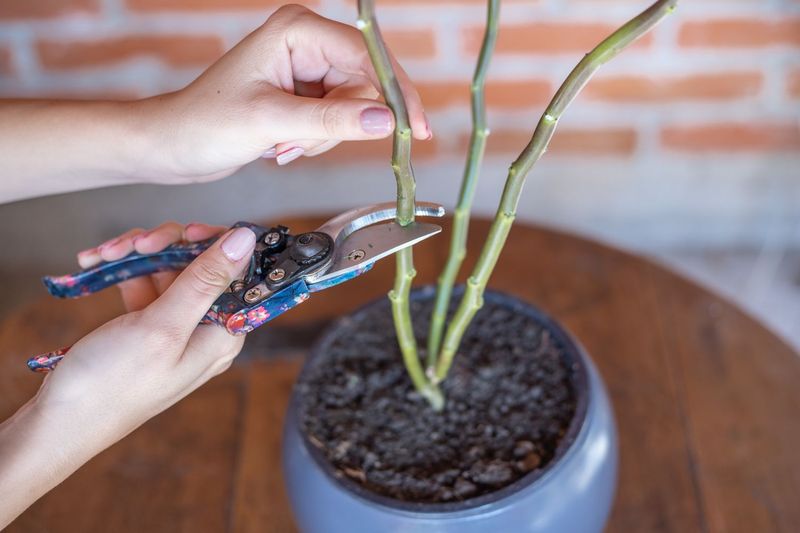
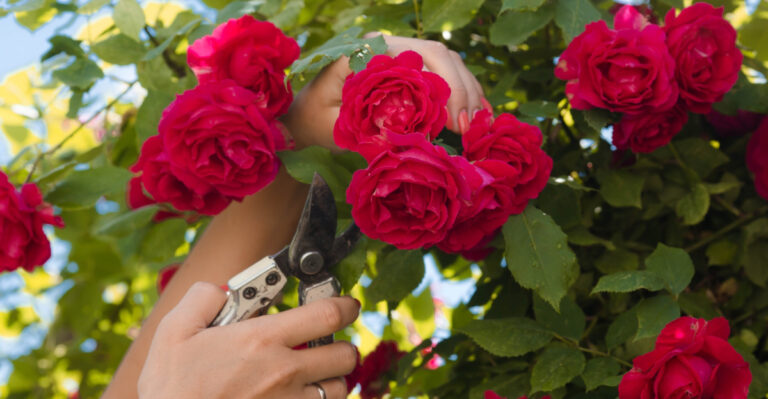
Grab your pruners in early spring. Around March or early April, cut each stem back to about 4 to 6 inches tall.
Leave at least one to three leaves or buds on every stem. Those spots are where new shoots will sprout.
Watch for milky white sap when you cut. It can bother sensitive skin, so wearing gloves is a smart move, especially for anyone with a latex allergy since the plants are related to rubber trees.
Fun fact for the curious. Poinsettias are not the poisonous menace many people believe, according to poison control experts, though the sap can still cause mild stomach upset or itching.
After pruning, move the plant to a slightly bigger pot if roots are crowded. Use a fresh, well-draining potting mix and a container with holes in the bottom.
Now is the time to begin feeding. A balanced houseplant fertilizer every two to three weeks keeps the new growth healthy and green.
The plant may look a little sad right after the haircut. Give it a few weeks, and you will see bright new leaves popping out all over.
5. Your Poinsettia Can Spend A Georgia Summer On The Porch
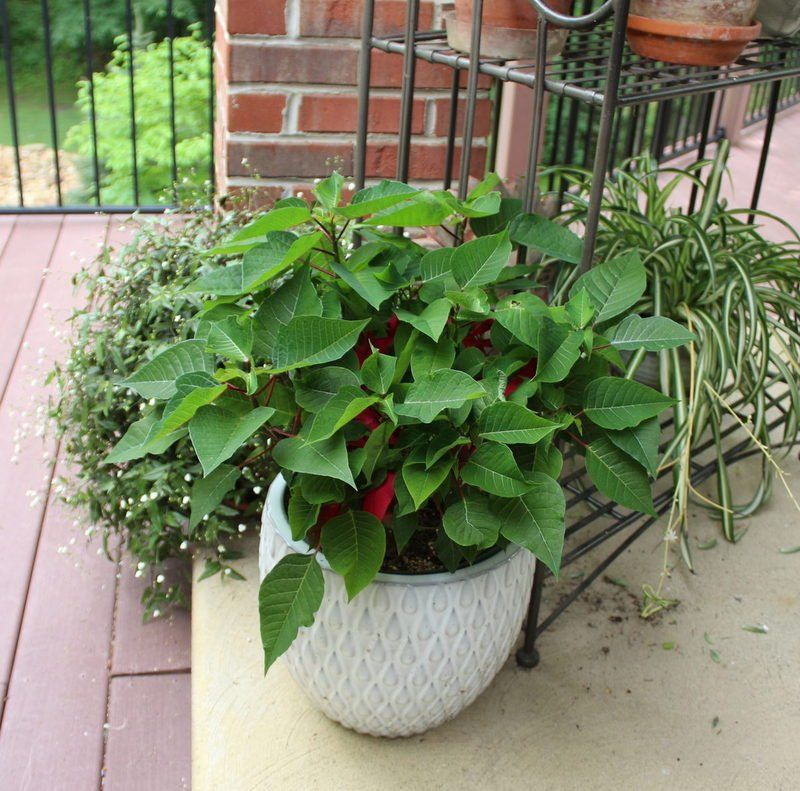
Warm Georgia weather is a gift for this plant. Once nights stay above about 55 degrees, usually by late April in south Georgia and mid-May in the north, the pot can move outside.
Start slowly. Place it in shade for a week, then move it to a spot with morning sun and afternoon shade.
That afternoon break matters here. Our summer sun can scorch the leaves, especially in places like Macon or Valdosta where heat lingers.
Container plants dry out quickly in July and August. Check the soil daily during hot spells and water deeply when the top inch feels dry.
Keep feeding every two to three weeks through summer. A complete fertilizer keeps those leaves big and healthy.
Watch for whiteflies and mealybugs on the undersides of leaves. A spray of insecticidal soap usually handles small problems.
Planting it straight into the garden is tempting, but keeping it in a pot is easier. Hard frosts are common across most of the state, and a pot makes the fall move indoors simple.
Honestly, the plant often looks happiest in summer. That lush green growth is fuel for the color show ahead.
6. Pinching Poinsettia Tips In Summer Builds A Bushier Plant
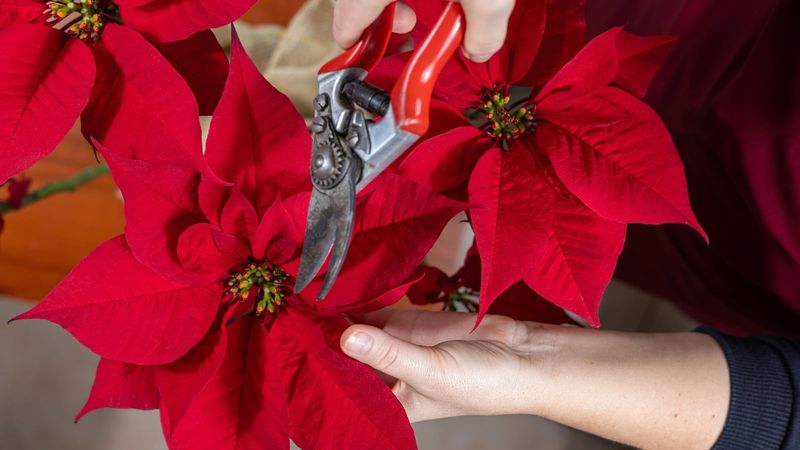
Leggy stems make for a skimpy holiday display. A little pinching in summer gives you a fuller plant with more colorful tops.
Every stem tip you remove pushes the plant to grow two or more side shoots. More shoots means more spots for bracts to form later.
Around early July, pinch or snip off the top inch or so of each new stem. Leave three or four leaves below the cut.
Many extension guides suggest a final pinch no later than mid-August. In warm Georgia gardens, some growers aim for late August, but stopping by Labor Day is a safe rule.
Pinching later than that can backfire. The new shoots will not have time to mature before the dark treatment starts.
You can root the tips you remove, too. Stick healthy cuttings in moist potting mix, keep them shaded and humid, and you might end up with bonus plants.
I love this part because it feels like sculpting. A few quick snips now turn a gangly plant into a round, eye-catching centerpiece by December.
7. Bring The Poinsettia Pot Indoors Before Chilly September Nights

Timing the move inside matters more than you might expect. Poinsettias start to struggle once nights dip below about 50 degrees.
In north Georgia mountain towns, that can happen by mid to late September. Folks in Atlanta often have until early October, while coastal areas may stretch a bit longer.
Check the plant carefully before it comes in. Rinse the leaves with a hose and look under them for pests that may hitch a ride.
Set the pot in your sunniest window. South-facing windows are ideal for giving it plenty of light.
Keep it away from drafty doors and heating vents. Sudden temperature swings can cause leaves to yellow and drop.
Indoors, the plant will use less water than it did on the porch. Water when the top of the soil feels dry, and keep feeding until color starts to appear.
Get it settled before October 1. That way, it can adjust to indoor life before the nightly darkness routine begins.
Think of this step as a soft landing. A calm, unstressed plant responds much better once the long nights start.
8. Show Off Your Homegrown Poinsettia When The Red Returns

What a moment when the first red edges show up. By early December, your patience pays off with real color.
Stop the dark treatment once the bracts are clearly colored. Move the plant to a bright spot with indirect light where everyone can see it.
Ease up on fertilizer now. The plant is in show mode and does not need extra feeding.
Keep watering when the top inch of soil is dry. Too much water still causes trouble, even during the holidays.
Honest expectations help here. Your reblooming plant may be smaller or show fewer bracts than a greenhouse plant, since growers use exact lighting and temperature controls.
Still, I think a homegrown one has more charm. It carries a whole year of your care in every leaf.
Write down what worked and what did not. Notes about pinching dates, light leaks, or watering will make next year even easier.
Then the cycle starts again in January. Some gardeners keep the same poinsettia going for many years, and each season feels like a small victory you grew yourself.