North Carolina Shrubs That Handle Clay Soil And Drought With Ease
North Carolina clay soil has a reputation that precedes it, hard as concrete in a dry spell and sticky as glue after rain.
Plenty of shrubs simply give up trying to work with it. Getting a new shrub through its first year or two in this kind of ground already takes patience and a fair amount of babying.
Consistent watering, careful planting, maybe even some soil amendments just to give roots a fighting chance. But the real test comes later, once that initial hand holding stops and a shrub is left to fend for itself through whatever the weather brings.
Some varieties keep sailing along without a second thought from you. Others quietly start to struggle the moment attention shifts elsewhere.
1. Ninebark
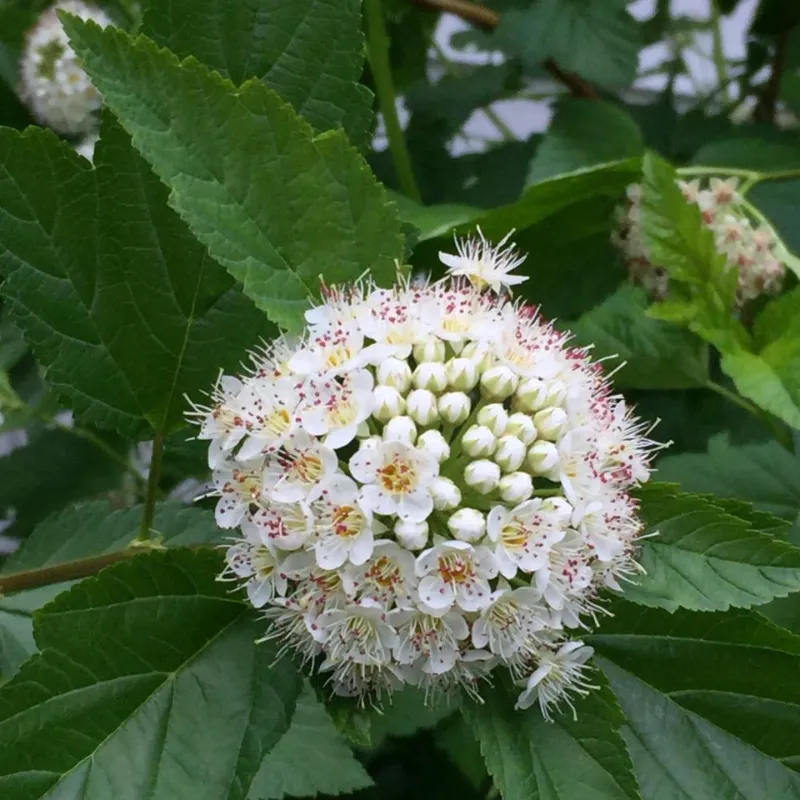
Few shrubs earn the nickname “tough as nails” quite like ninebark. This native beauty grows in some of the roughest spots a yard can offer, and it barely blinks at compacted clay.
The name comes from its papery bark, which peels away in thin layers as the plant ages. Gardeners love this shrub for more than its looks, though. It handles wet ground in spring and dry ground in late summer without missing a beat.
Ninebark comes in many leaf colors, from deep burgundy to bright gold, so you can match it to almost any garden style. In late spring, clusters of small pink or white flowers cover the branches, and bees show up in happy crowds.
Once the roots grow deep, this shrub becomes very drought tolerant. During its first year, give it steady water so it can settle in. After that, you can mostly leave it alone and let nature do the work.
Prune it in late winter if you want a tidier shape, but it looks great even when left wild. The arching branches give it a relaxed, natural feel that fits both formal beds and casual borders.
Plant ninebark in full sun for the boldest leaf color, though it accepts a little shade too. Space plants a few feet apart so air moves freely around them.
For anyone battling stubborn clay and hot, rainless weeks, ninebark is a smart and forgiving choice that keeps giving year after year.
2. Black Chokeberry
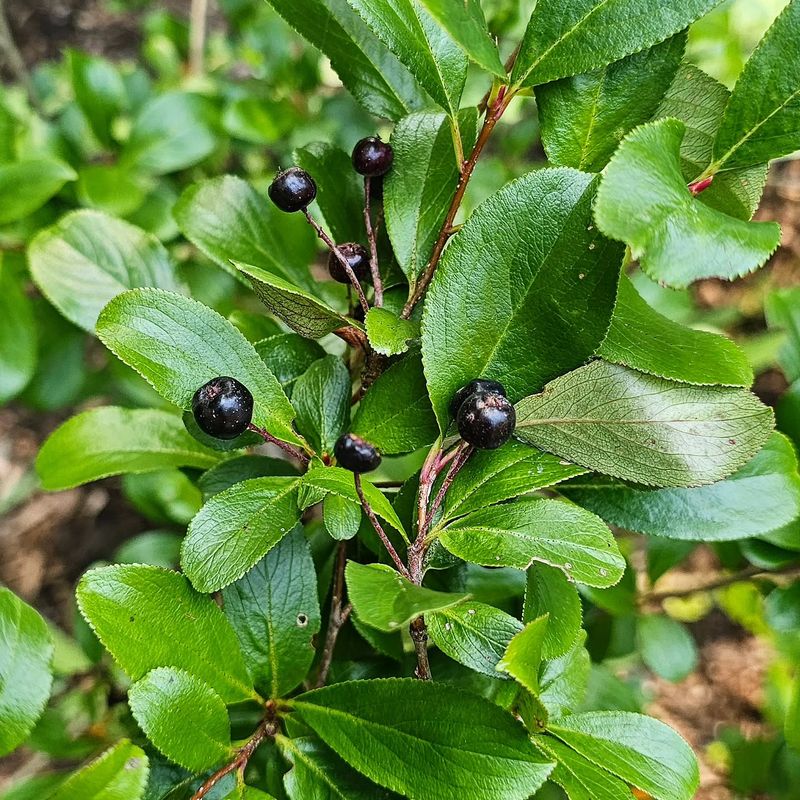
Black chokeberry packs three seasons of beauty into one hardworking package. This native shrub delivers spring flowers, summer fruit, and fiery fall color, all while growing happily in heavy clay.
In April and May, the branches fill with clusters of white blooms that pollinators adore. By late summer, those flowers turn into shiny dark berries that birds love to snack on. If you enjoy homemade jams, the fruit works well cooked and sweetened too.
Come autumn, the leaves put on a show, glowing red and orange across the yard. Not many shrubs can claim such a long stretch of interest, and even fewer do it in tough soil.
Clay never seems to bother black chokeberry. It also tolerates wet areas, which makes it perfect for low spots that stay soggy after rain.
Once the plant is well rooted, it handles dry stretches with ease. Water it regularly during the first growing season, then let it stand mostly on its own.
This shrub grows in a loose, upright shape and spreads slowly by suckers, so give it a little space to fill in. You can trim it lightly to keep it neat, but wild growth looks charming too.
Full sun brings the best fruit and the brightest fall leaves, though it accepts partial shade. Plant a few together for a natural hedge that feeds wildlife all season.
For a low-fuss shrub that rewards you nearly all year, black chokeberry is hard to beat.
3. Fragrant Sumac
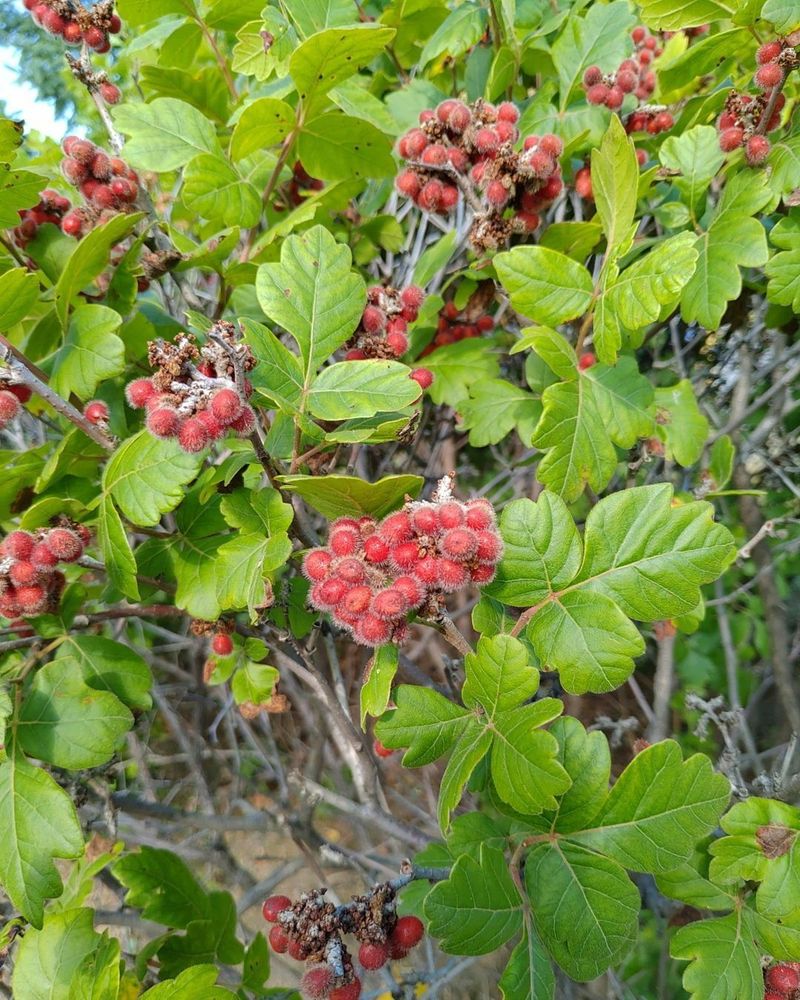
Fragrant sumac is the shrub you call when nothing else will grow. Rocky banks, baking sun, and thin clay all suit this rugged native just fine.
Crush a leaf and you get a fresh, spicy scent that gives the plant its name. The three-part leaves look a bit like poison ivy, but do not worry, this cousin is completely friendly and safe to touch.
What makes fragrant sumac so useful is its love of hard places. It grips slopes with a wide, low-growing habit, holding soil in place where grass would slide away. Erosion problems often shrink once this shrub moves in.
Heat and drought barely register for an established plant. Its roots dig deep and store what they need, so summer dry spells pass without stress. During the first season, water it now and then to help it root, and after that it fends for itself.
Small yellow flowers appear in early spring, followed by fuzzy red berries that birds enjoy. The real star, though, is autumn, when the leaves burst into brilliant shades of orange, red, and purple.
Because it spreads sideways, fragrant sumac makes a great ground cover for large, sunny areas. Choose a compact variety if you want a tidier size for smaller yards.
Plant it in full sun for the strongest color and thickest growth. Give it room to sprawl, then step back and enjoy a shrub that laughs at the toughest corners of your garden.
4. Wax Myrtle
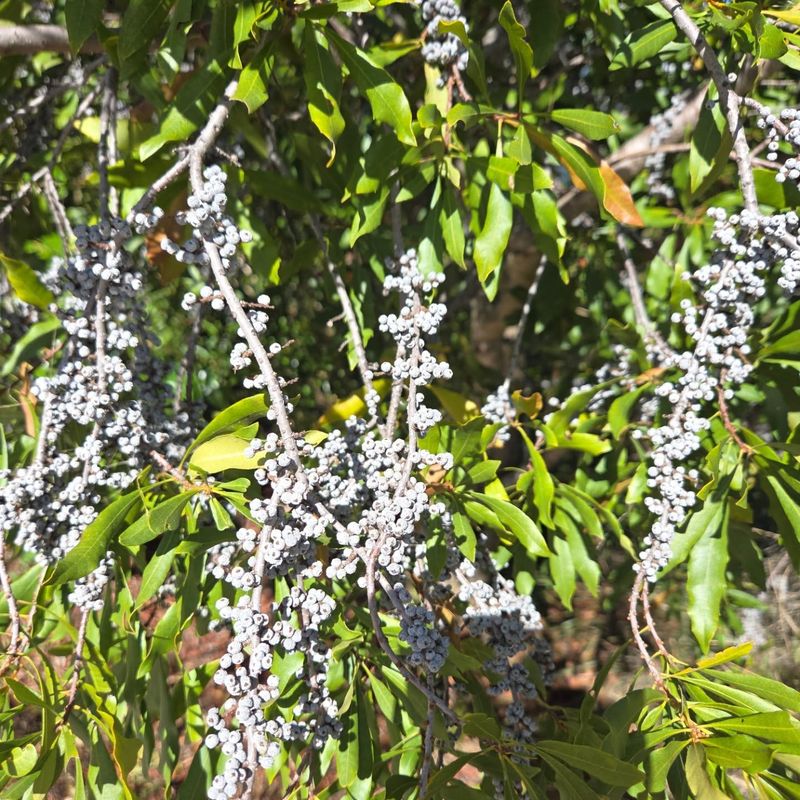
Wax myrtle is the do-everything shrub of the Southeast. Fast growing, evergreen, and nearly bulletproof, it earns a spot in yards all across North Carolina.
Gardeners often reach for this plant when they need a quick, thick privacy screen. It fills in fast and stays green all year, blocking views and softening fence lines with soft, aromatic leaves.
Rub the foliage and you catch a pleasant, spicy smell. The leaves have been used for generations to scent candles and freshen homes, which is where the name comes from.
Clay, sand, salt spray, wet ground, or dry ground, wax myrtle takes it all. This flexibility makes it a favorite from the coast to the Piedmont. Few shrubs adapt to so many soil types without complaint.
Once its roots are established, the plant shrugs off drought with ease. Water it during that first season, then trust it to handle summer heat on its own.
Female plants produce small waxy berries that feed birds through the colder months, adding life to your yard when other food is scarce. The shrub also fixes nitrogen, quietly improving the soil around it.
You can shear wax myrtle into a neat hedge or let it grow loose and natural into a small tree shape. Both looks work beautifully.
Plant it in full sun to part shade with a bit of elbow room. For a hardy, fragrant, evergreen workhorse, wax myrtle rarely lets you down.
5. Smooth Hydrangea
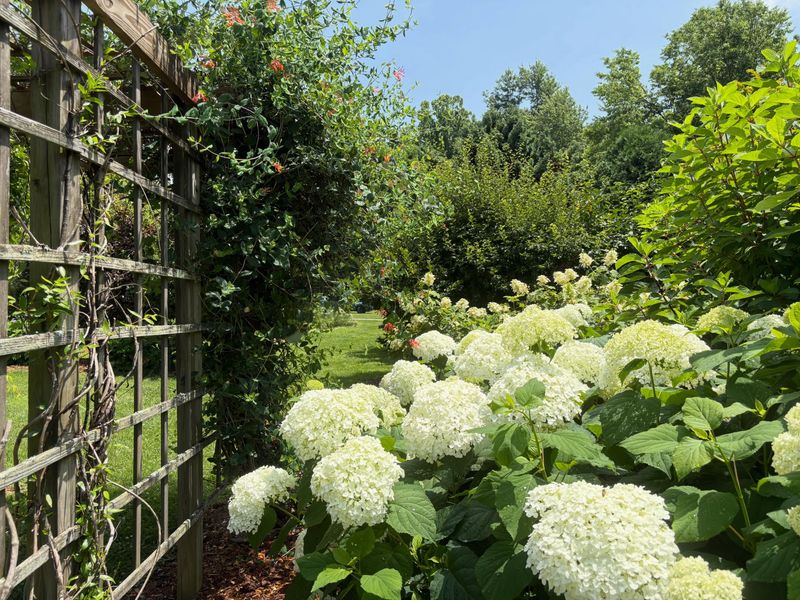
Smooth hydrangea gives you the big, dreamy blooms of a classic hydrangea with a much tougher attitude. This native shrub handles North Carolina heat far better than many fussy cousins.
Its round flower clusters open creamy white and can grow as big as a softball. The famous variety Annabelle is a favorite for its huge, showy heads that light up shady corners of the yard.
Unlike some hydrangeas, this one blooms on new growth. That means you can prune it hard in late winter and still enjoy a full flush of flowers the very same summer.
Clay soil works fine as long as water does not pool for days. Adding a little compost when planting helps roots settle in and grow strong.
Honest truth here, this shrub does like moisture, so it is not the most drought proof plant on the list. It performs best with steady water, especially during hot, dry weeks.
The good news is that once it is well rooted, it grows tougher and bounces back quickly after a dry spell. A layer of mulch keeps the roots cool and helps hold moisture in the soil.
Morning sun with afternoon shade suits it perfectly, protecting those big blooms from wilting in the harsh midday heat. Deep shade works too, though flowering may thin out a bit.
For anyone who craves classic hydrangea charm without endless fussing, smooth hydrangea is a rewarding and forgiving pick.
6. Carolina Allspice (Sweetshrub)
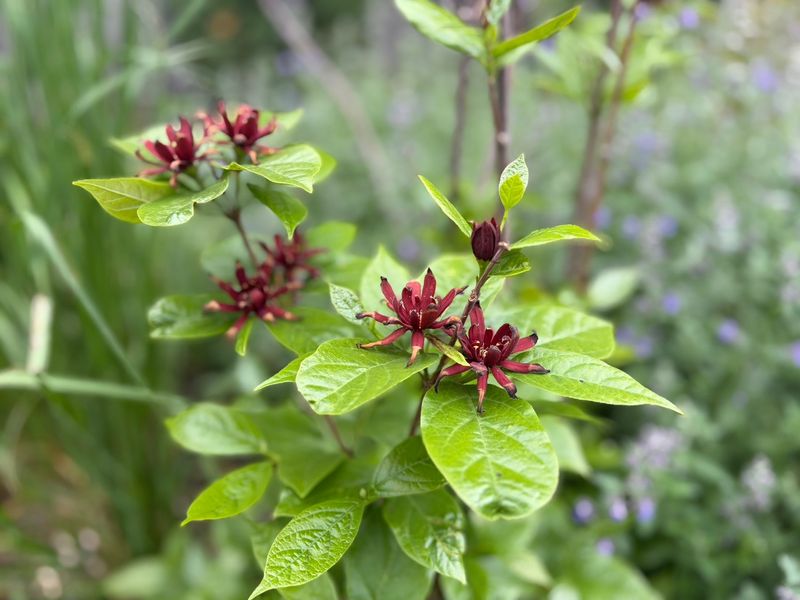
Carolina allspice hides a wonderful surprise inside its odd little flowers. Lean in close and you catch a rich scent that reminds many people of fruit, spice, and warm summer days.
The dark maroon blooms look almost like small, folded ribbons. They are not flashy from a distance, but their fragrance more than makes up for it, drawing you back again and again.
This native shrub grows across a wide range of soils, including the heavy clay so common in our state. Its easygoing nature makes it a great pick for gardeners who want beauty without a heavy workload.
Good drainage does matter, though. While it tolerates clay, roots sitting in soggy water for long stretches can weaken the plant. Planting on a slight slope or mixing in some compost helps water move through.
Once settled, Carolina allspice handles dry spells calmly. Give it regular water the first year, then ease off as the roots reach deeper into the ground.
The glossy green leaves turn a soft yellow in fall, and even the stems carry a faint spicy smell when scratched. Every part of this shrub seems to offer something pleasant.
It grows in a loose, rounded shape and works well tucked near a patio or path where you can enjoy the scent up close. Partial shade or full sun both suit it nicely.
For a low-maintenance shrub with a fragrance you will not forget, sweetshrub deserves a spot in your garden.
7. Virginia Sweetspire
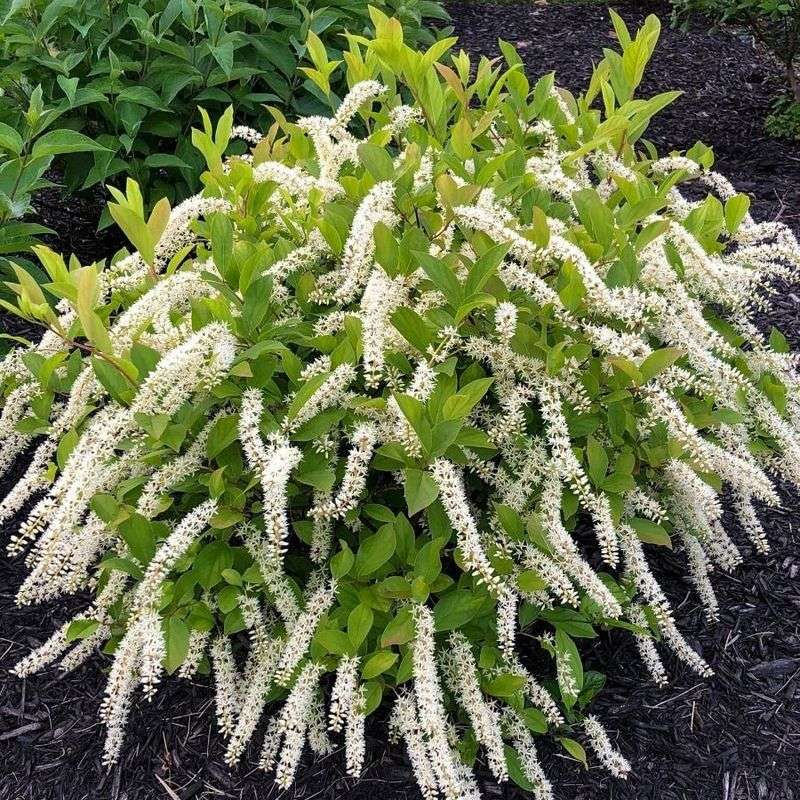
Virginia sweetspire wins hearts with its graceful, drooping flower spikes and its willingness to grow almost anywhere. This native shrub thrives in the messy conditions that stump other plants.
In late spring, long white flower clusters spill down from the branches like little fountains. The blooms carry a light, sweet scent and buzz with visiting bees and butterflies.
Clay soil? No problem. Wet ground near a downspout?
Also fine. Sweetspire even tolerates soggy spots and dry spots, making it one of the most adaptable shrubs you can plant.
Its flexibility does not stop at soil. It grows in full sun, part shade, or fairly deep shade, adjusting its bloom and color to match the light it receives.
Once the plant establishes strong roots, it handles dry weather with real toughness. Water it through the first season, then let it settle into an easy routine of near neglect.
The showstopper comes in autumn, when the leaves turn deep shades of red, purple, and orange. This color often lingers well into the cooler months, giving your yard a long stretch of warmth.
Sweetspire spreads slowly by suckers, forming a loose colony that works beautifully along slopes, borders, or rain gardens. A light trim after flowering keeps it looking neat.
Compact varieties fit smaller yards, while larger types fill big spaces fast. Either way, you get flowers, fragrance, and fall color from one dependable plant.
For low-maintenance charm that adapts to tricky ground, Virginia sweetspire is a standout choice.
8. Blackhaw Viburnum
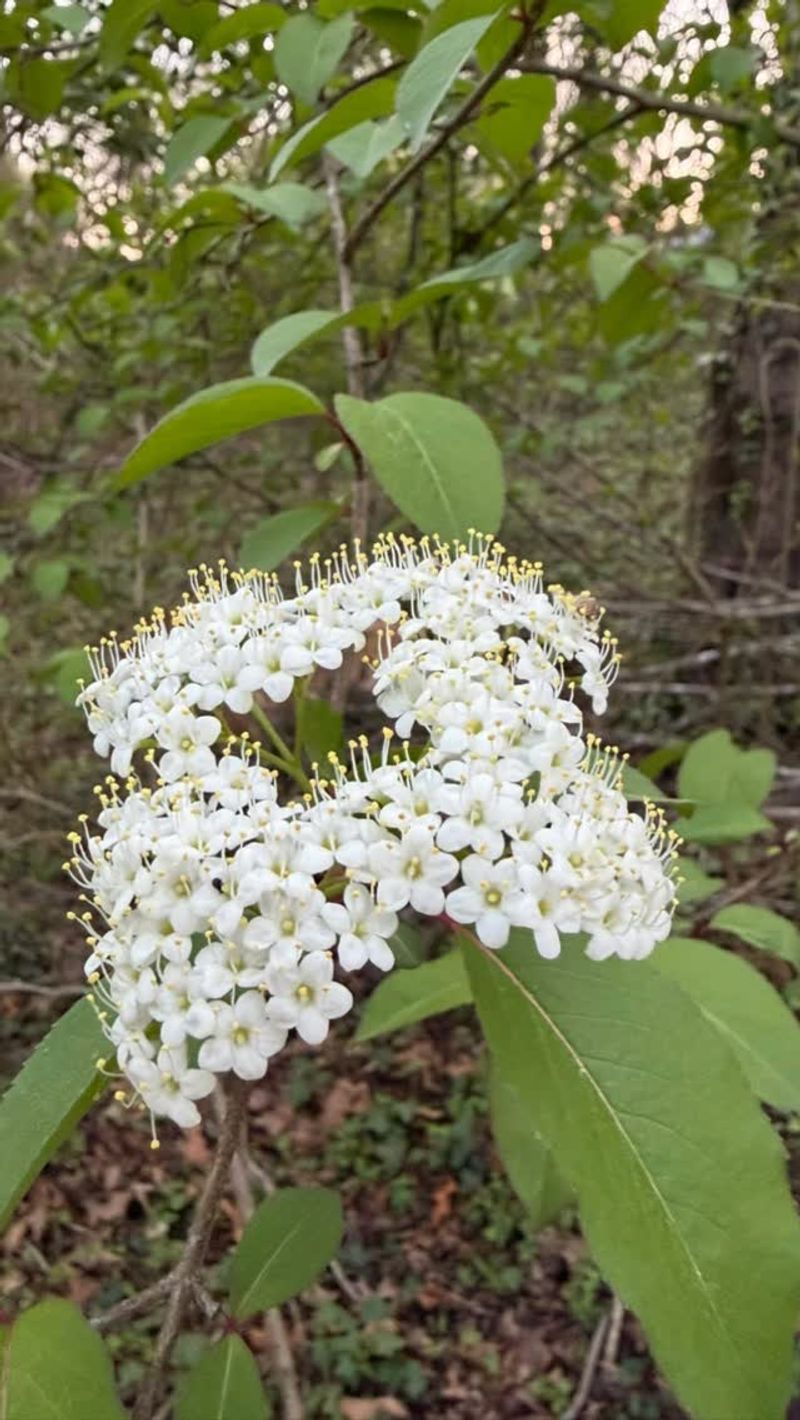
Blackhaw viburnum feels like three plants rolled into one. Flowers, fruit, and fall color arrive in turn, keeping your yard interesting from spring through autumn.
This sturdy native shrub can grow tall enough to work as a small tree, making it useful for the back of a border or a natural screen. Its layered branches give it a handsome, structured look.
Flat clusters of creamy white flowers open in spring, feeding early pollinators. By late summer those blooms turn into blue-black berries that birds and other wildlife eagerly gobble up.
Heavier soils, including dense clay, suit blackhaw viburnum just fine. It also copes with drought once its roots grow deep, so it rarely needs pampering after the first year.
Give it steady water while it settles in, then trust it to handle summer dry spells on its own. This shrub is truly a plant-it-and-forget-it kind of grower.
Fall brings rich shades of burgundy and red to the glossy leaves, closing out the year with a warm glow. The overall effect is elegant without any extra effort from you.
Full sun brings the most flowers and fruit, though partial shade works too. Blackhaw adapts to its spot and keeps performing.
Because it supports birds, bees, and butterflies, this shrub is a gift to backyard wildlife. Gardeners who want beauty and purpose in the same plant will find plenty to love here.
For a dependable, four-season native that shrugs off tough soil, blackhaw viburnum earns its place.
9. Oakleaf Hydrangea
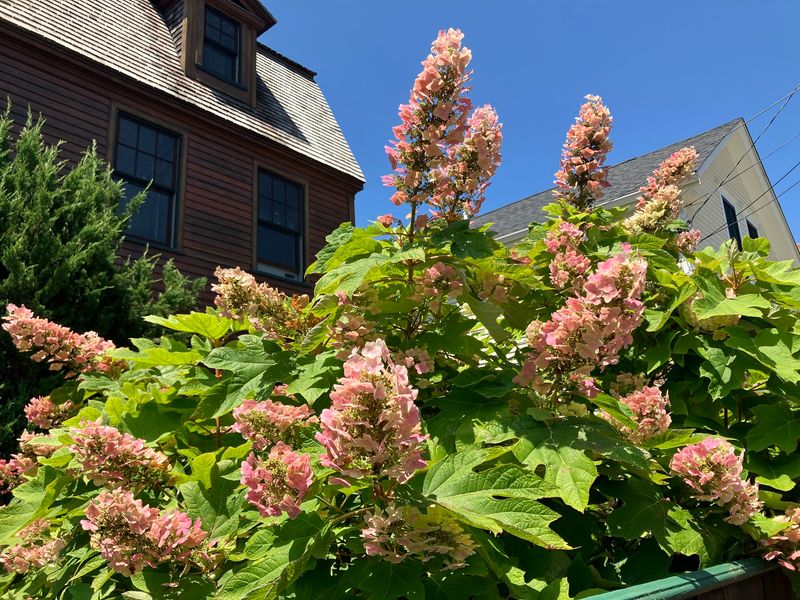
Oakleaf hydrangea proves that hydrangeas can be tough and stunning at the same time. Named for its bold, oak-shaped leaves, this native shrub handles Southern heat better than most of its relatives.
The flowers stand out in a big way. Cone-shaped white blooms rise above the foliage in early summer, slowly fading to soft pink as the weeks pass.
Then autumn arrives and the real magic happens. Those large leaves turn deep shades of red, bronze, and purple, holding their color long after other plants have faded.
Even in winter this shrub earns its keep. The bark peels back in cinnamon-colored strips, adding texture to the cold-season garden when little else is happening.
Clay soil works, but drainage is the key detail here. Roots that sit in standing water can struggle, so plant it where excess moisture can move away. A slightly raised bed or added compost helps a lot.
Once established, oakleaf hydrangea handles dry spells far better than smooth or bigleaf types. Water it well the first year, then ease into a lighter routine as it matures.
Part shade suits it best, especially some protection from harsh afternoon sun. Morning light with dappled shade keeps the blooms fresh and the leaves happy.
This shrub grows fairly large, so give it plenty of room to spread its bold branches. Prune right after flowering, since it blooms on old wood.
For four seasons of beauty on tough ground, oakleaf hydrangea shines.
10. Possumhaw
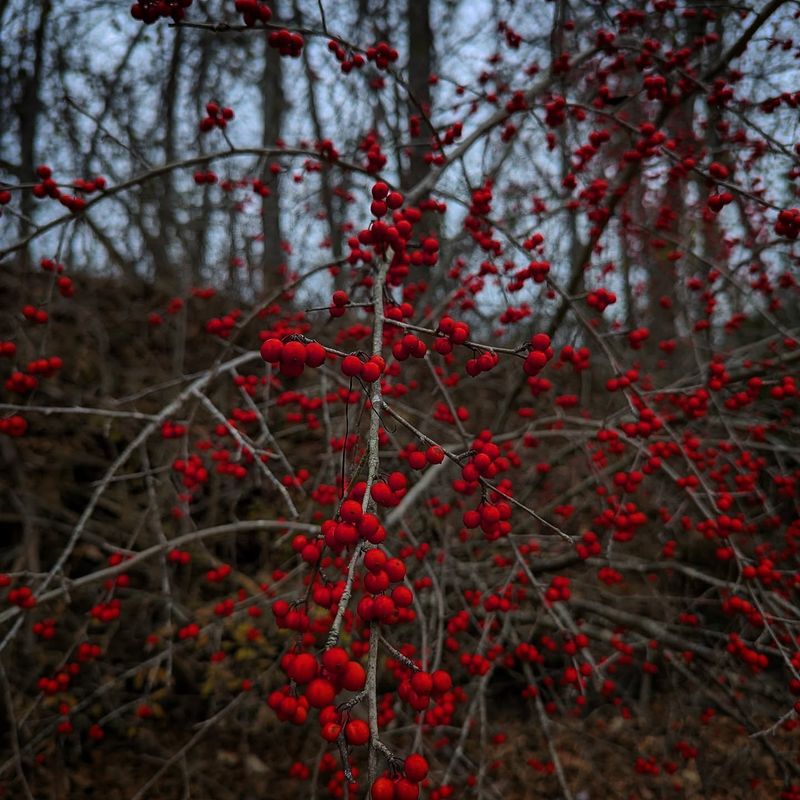
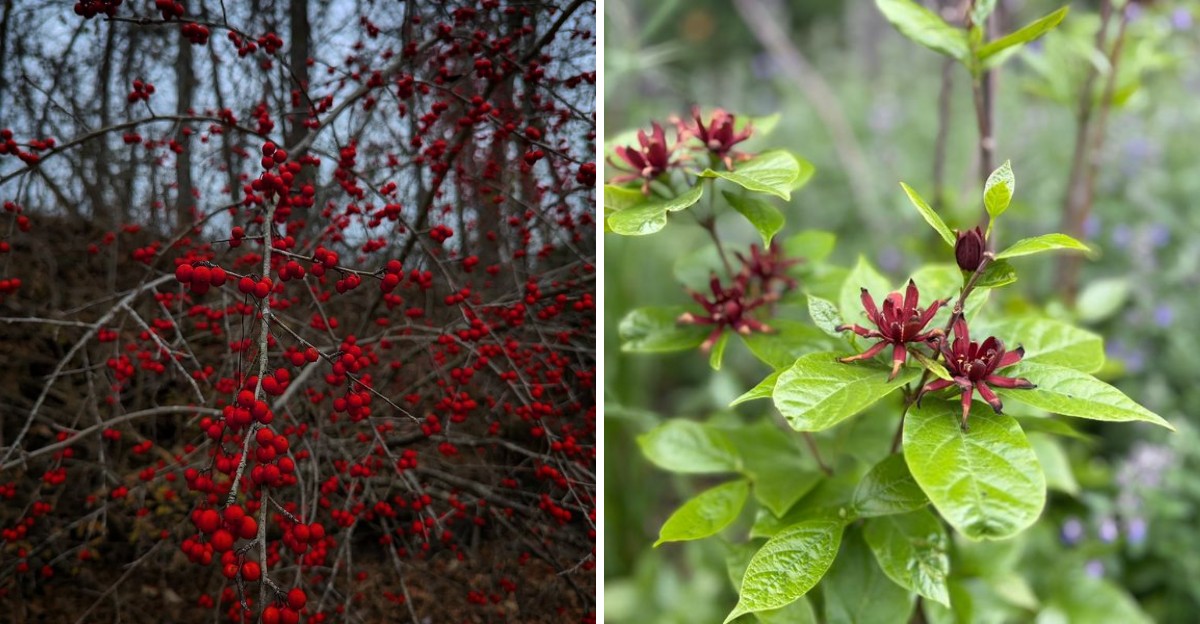
Possumhaw saves its best trick for the cold months, when its bare branches glow with bright red berries. Against a gray winter sky, this native shrub becomes the star of the whole yard.
A member of the holly family, possumhaw drops its leaves in fall, leaving those cheerful berries in full view. Cardinals, robins, and other birds flock to the branches for a welcome winter feast.
This plant is remarkably easygoing about its soil. Heavy clay, wet bottoms, and dry uplands all suit it, which is why it grows wild across so much of the state.
Its toughness makes it perfect for naturalized areas, pond edges, or spots where you want a low-fuss native to fill in. Little care is needed once it takes hold.
Give it regular water during the first year to help the roots dig in. After that, possumhaw handles drought and neglect with quiet strength.
Here is a helpful tip. To get those famous berries, you need a female plant and a male plant nearby for pollination. One male can serve several females, so plan your planting with that in mind.
The shrub grows in a loose, upright shape and can reach the size of a small tree over time. Prune lightly in late winter if you want a tidier form.
Full sun brings the heaviest berry crop, though it accepts some shade. For winter color and happy birds, possumhaw is a wonderful native choice.