How To Divide And Transplant Georgia Daylilies Successfully In June
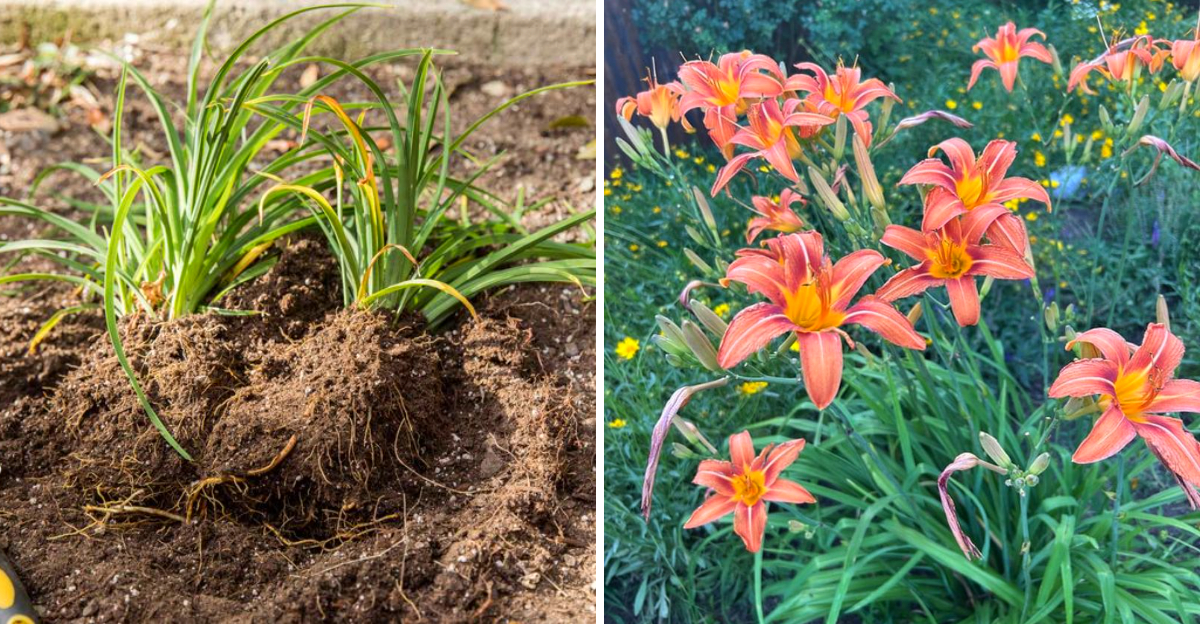
There you are in the middle of June, standing over a daylily clump that has clearly outgrown its welcome. Barely blooming, completely crowded, roots tangled up like they’ve been plotting something underground all winter.
The shovel is right there. The urge is real.
But here’s the thing about dividing daylilies in June in Georgia: the timing is a little complicated.
The blooms are fading, the clumps need attention, and yet the heat and humidity rolling in make transplanting genuinely harder on your plants than it would be in late summer or early fall.
Is it possible to divide in June? Absolutely. Is it ideal? Not exactly.
But when it truly cannot wait, doing it carefully with extra attention to watering, timing, and how you handle those roots can make a real difference in how well your plants recover.
1. June Division Is Possible But Not Ideal
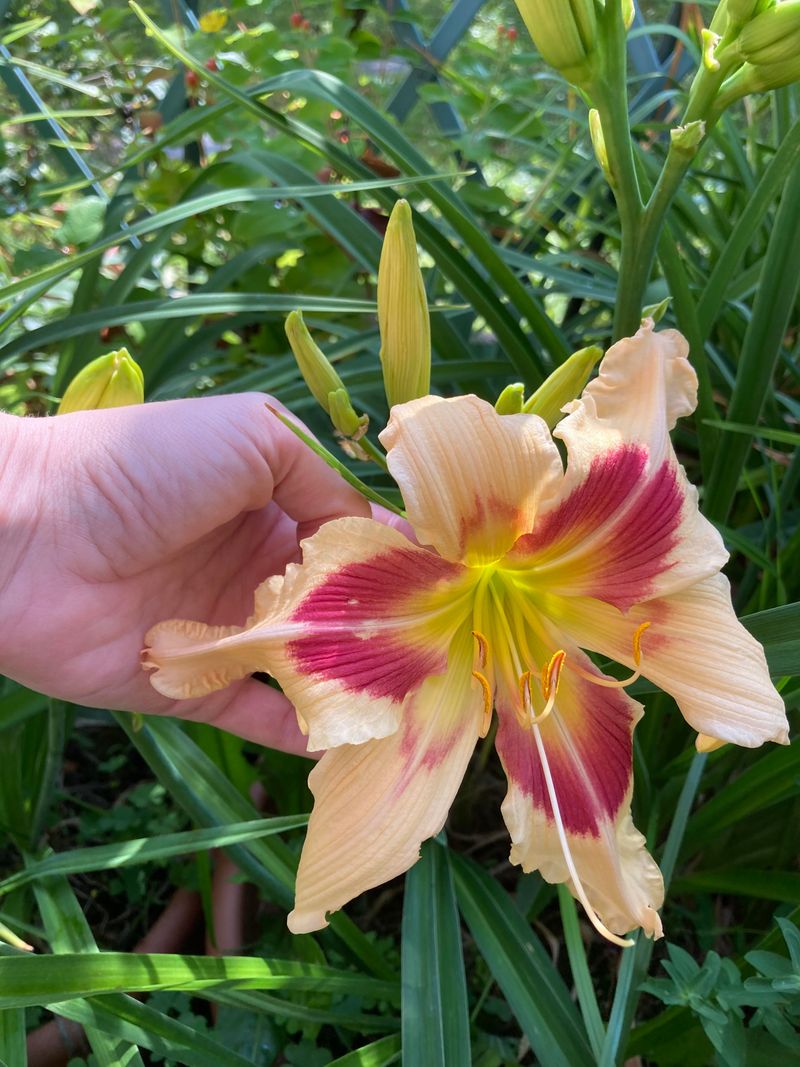
Crowded clumps with fading flowers can make a Georgia gardener feel like division simply cannot wait until fall. The beds look messy, the blooms are sparse, and the roots have clearly outgrown their space.
That frustration is real, and it is one of the main reasons June divisions happen in Georgia landscapes every year.
The challenge is that June soil in Georgia is already warm, daytime temperatures are climbing fast, and daylilies are still actively growing after their bloom period winds down.
Transplanting during active growth adds stress because the plant is working hard to support its foliage while also trying to recover from root disturbance.
That combination can cause wilting, slow establishment, and a longer recovery period compared to fall divisions.
Late summer or very early fall – usually late August through September in Georgia – is when soil temperatures begin to ease and daylilies naturally start slowing their growth. That timing makes root recovery much smoother.
June division should be reserved for situations where a clump is in the way of construction, a bed is being redesigned, or overcrowding has become severe enough that waiting is not practical. Handle June divisions with extra care and the plants can still recover well.
2. Cloudy Weather Helps Reduce Transplant Stress
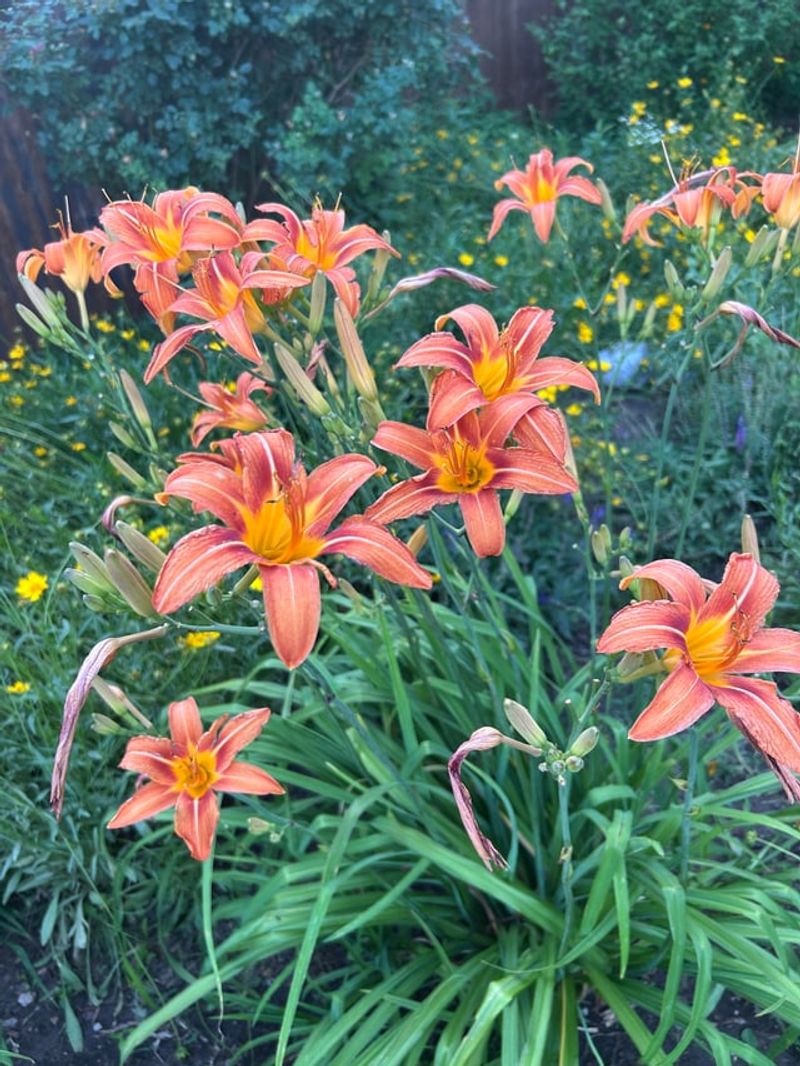
Picking the right day to divide daylilies in June can make a noticeable difference in how well the plants recover. A stretch of cloudy days gives freshly moved divisions a chance to settle without being hit by direct afternoon sun immediately after transplanting.
In Georgia, those overcast windows do not always last long, but when they appear, they are worth taking advantage of.
Full sun on a hot June afternoon can cause transplanted daylilies to wilt quickly because the roots have not yet re-established enough to pull moisture from the soil efficiently.
Even daylilies that are known for handling heat well can struggle during the first few days after being dug up and moved.
Cloudy skies reduce that demand on the plant and give the roots a little more time to make contact with surrounding soil before full sun returns.
Early morning is also a smart time to work. Georgia mornings in June are humid but cooler than afternoons, and getting divisions into the ground before midday reduces the amount of time roots spend exposed to drying air.
Your Georgia Garden Changes Every Week. Your Plan Should Too.
Gardening in Georgia changes quickly throughout the season. Every Friday you’ll receive a simple weekly plan showing exactly what to plant, prune, fertilize, harvest, and protect so you never miss the right timing.
Watching the forecast and planning the work around cloudy or mild stretches is one of the simplest ways to improve transplant success in the middle of summer.
3. Watering First Makes Digging Easier
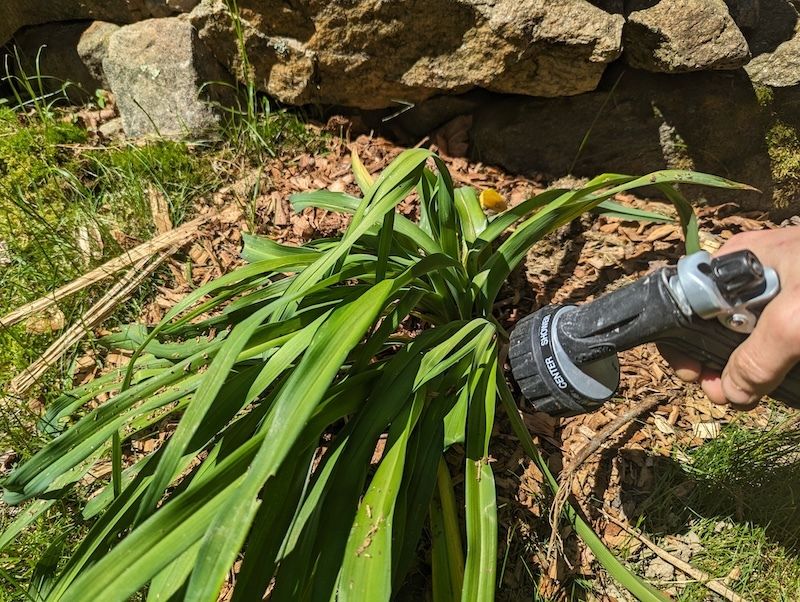
Dry, compacted soil makes dividing daylilies much harder than it needs to be.
Georgia clay in particular can become almost brick-like during dry June stretches, and trying to dig through it with a spade or fork without any preparation is a tough job that can damage more roots than necessary.
Watering the clump thoroughly the day before you plan to divide it softens the soil and makes the whole process go more smoothly.
When the soil around the clump is moist, a garden fork slides in more easily and the roots release from the ground with less tearing.
Daylily roots are fairly tough, but rough handling during digging can remove a significant portion of the fine feeder roots that help the plant absorb water and nutrients after transplanting.
Moist soil reduces that kind of accidental damage and helps keep the root ball more intact when you lift the clump.
Give the clump a deep, slow soak rather than a light sprinkle. You want the moisture to reach down several inches into the root zone, not just wet the surface.
If rain has already fallen recently and the soil feels workable, you may be able to skip this step, but in most Georgia summers, pre-watering before digging is a step worth taking.
4. Lifting The Whole Clump Saves More Roots
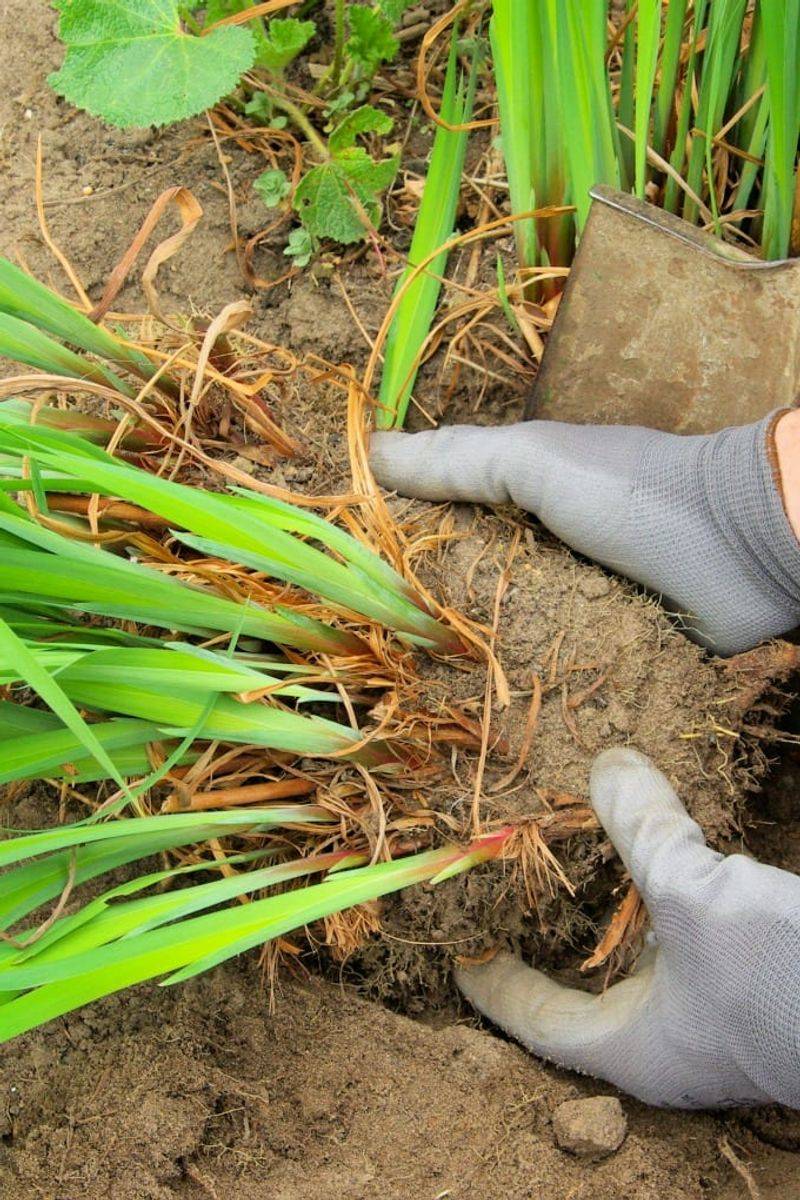
Slicing directly through a daylily clump without lifting it first might seem like a faster approach, but it usually results in more root damage than necessary.
Working a garden fork or spade around the entire perimeter of the clump and then lifting the whole mass out of the ground gives you more control over how the division is made and helps preserve more of the root system in the process.
Once the clump is out of the ground, you can see exactly where the individual fans are growing and how the roots are arranged.
That visibility makes it easier to pull sections apart by hand or use a clean spade to separate them without blindly cutting through the middle of a root mass.
Daylily clumps that have been growing in Georgia clay for several years can be surprisingly dense, and taking a moment to assess the structure before dividing saves time and reduces unnecessary root loss.
Try to work quickly once the clump is out of the ground. Exposed roots dry out faster in warm, humid air than many gardeners expect, especially on a sunny June morning.
Keep a bucket of water nearby to set the lifted divisions in if you need a few minutes before replanting, and avoid leaving roots sitting in direct sun for extended periods.
5. Healthy Fans Make Better Divisions
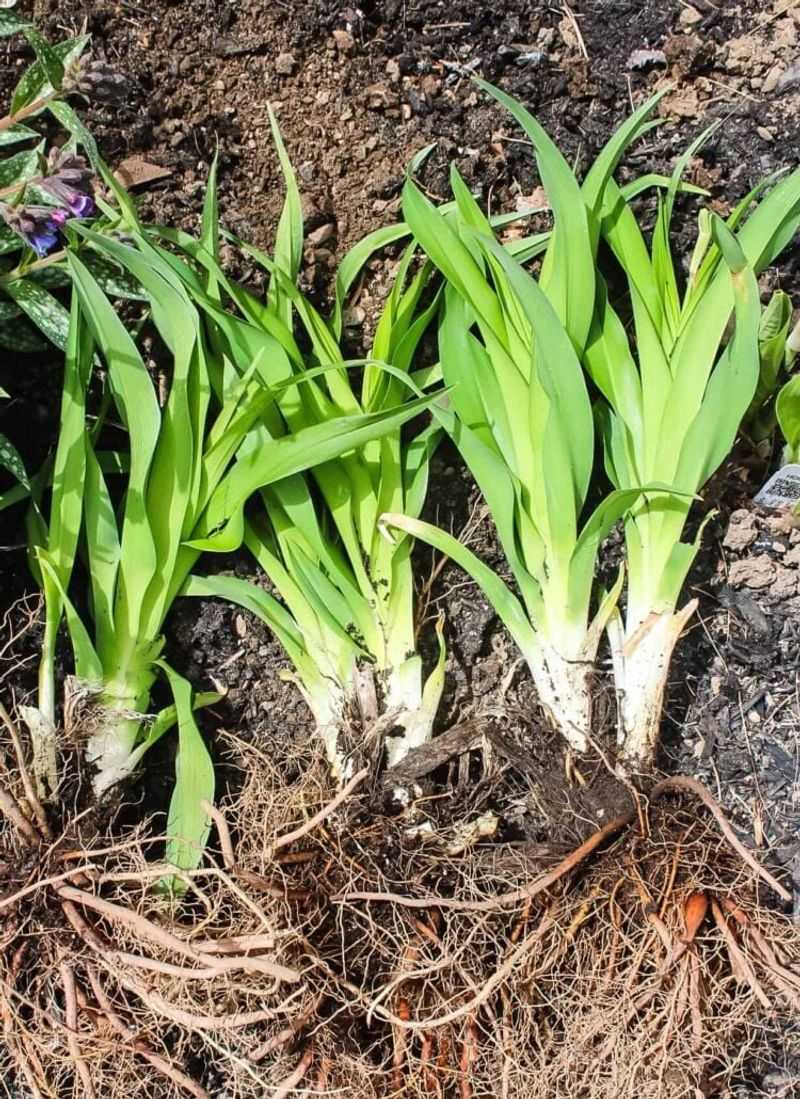
Not every section of a daylily clump is worth replanting. When you pull the clump apart, you will notice that some fans have firm, healthy roots and strong green foliage while others look crowded, yellowed, or sparse.
Choosing the healthiest fans for replanting gives your new divisions the best foundation for recovery, especially when you are working in the heat of a Georgia June.
A good division includes at least one or two healthy fans with a solid root system attached. Fans with very few roots, damaged crowns, or pale, limp foliage are less likely to establish well after transplanting and are better left out of the new planting.
The center of an old clump is often the most exhausted section, while the outer edges tend to produce the strongest, most vigorous fans.
Grouping three to five fans together per planting hole is a common approach in home landscapes because it creates a fuller look more quickly than planting single fans.
However, single fans can establish just as well when given proper care and consistent watering.
What matters most is that each division has healthy tissue and enough roots to support recovery. Starting with strong material gives June transplants a much better chance of thriving through the rest of the Georgia summer.
6. Fast Replanting Helps Roots Settle
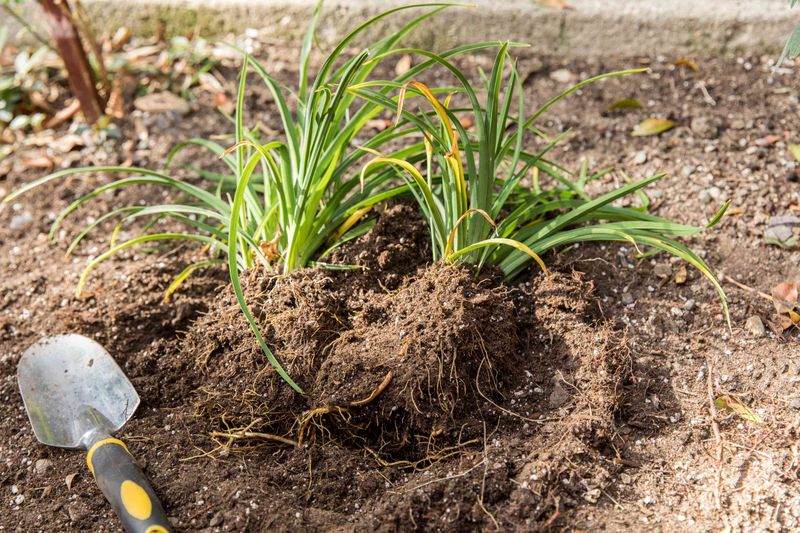
Roots that spend too long out of the ground before replanting have a harder time recovering, particularly during the warm conditions of a Georgia June.
The goal is to get divisions back into prepared soil as quickly as possible after separating them from the main clump.
Having your planting holes dug and ready before you start dividing saves time and reduces the window when roots are exposed to air and heat.
When setting divisions into the hole, position the crown – the point where the foliage meets the roots – at or just slightly below the soil surface. Planting too deep can cause the crown to rot, especially in Georgia’s humid summer conditions.
Planting too shallow leaves roots exposed and makes it harder for the plant to anchor itself and draw moisture from surrounding soil.
Firm the soil around the roots gently but thoroughly to remove large air pockets that can dry out roots before they make full contact with the surrounding soil. Water the newly planted division in right away, even if you plan to water again later in the day.
That initial watering helps settle the soil against the roots and gives the plant its first real support after being moved. Moving quickly and deliberately through each step keeps transplant stress as low as possible.
7. Trimmed Foliage Can Reduce Moisture Stress
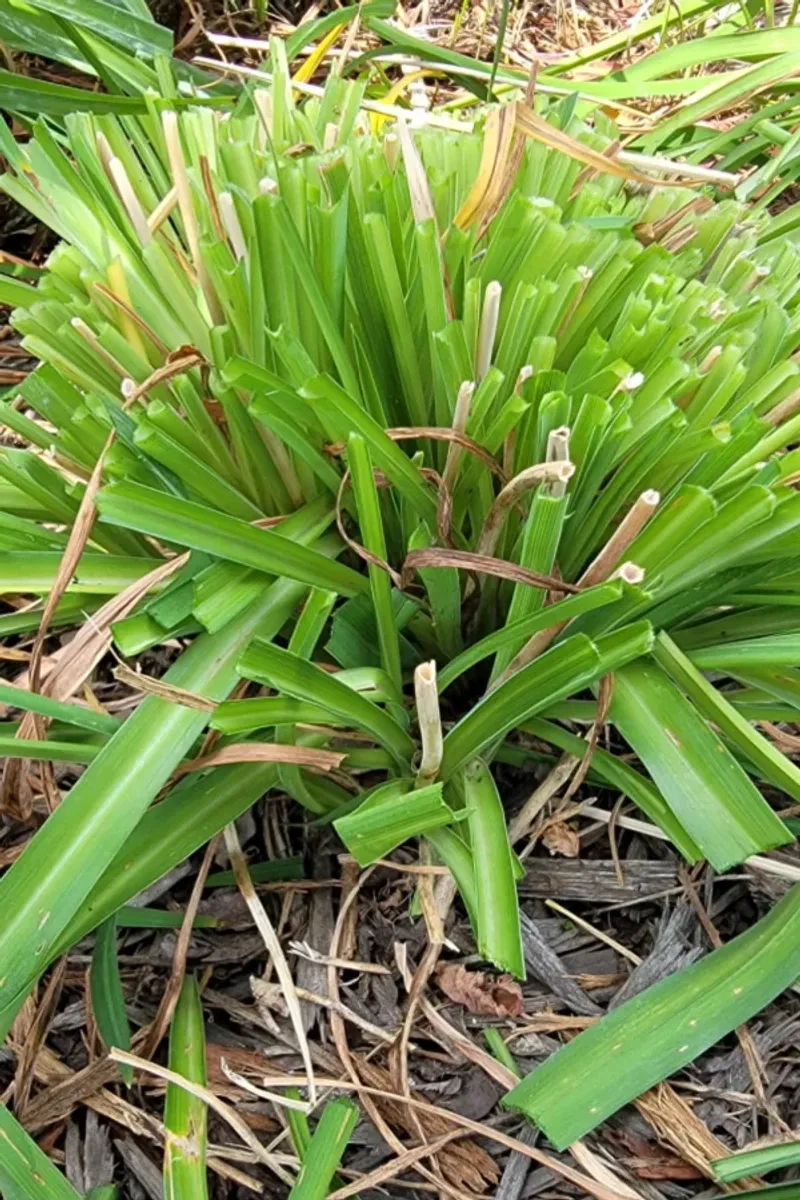
One of the practical steps that can help June transplants recover more smoothly is trimming the foliage back before replanting. When daylily roots are disturbed, they lose some of their ability to absorb water efficiently right away.
Reducing the amount of foliage the plant needs to support gives the root system a little breathing room while it begins to re-establish in the new location.
Cutting the foliage back to about six to eight inches is a commonly used approach. This leaves enough green tissue to allow photosynthesis to continue while reducing the overall demand on a root system that is still settling in.
The trimmed fans may look a little bare at first, but new foliage typically fills back in once the roots begin to recover and establish contact with surrounding soil.
Some gardeners in Georgia skip this step when dividing in fall because cooler temperatures and reduced evaporation make it less critical.
In June, though, the combination of heat and humidity means foliage can lose moisture quickly, and a plant that is trying to support a full head of leaves while also recovering from root disturbance can struggle more than one that has been lightly trimmed.
It is a small adjustment that can make a real difference during summer transplanting.
8. Deep Watering Supports New Root Growth
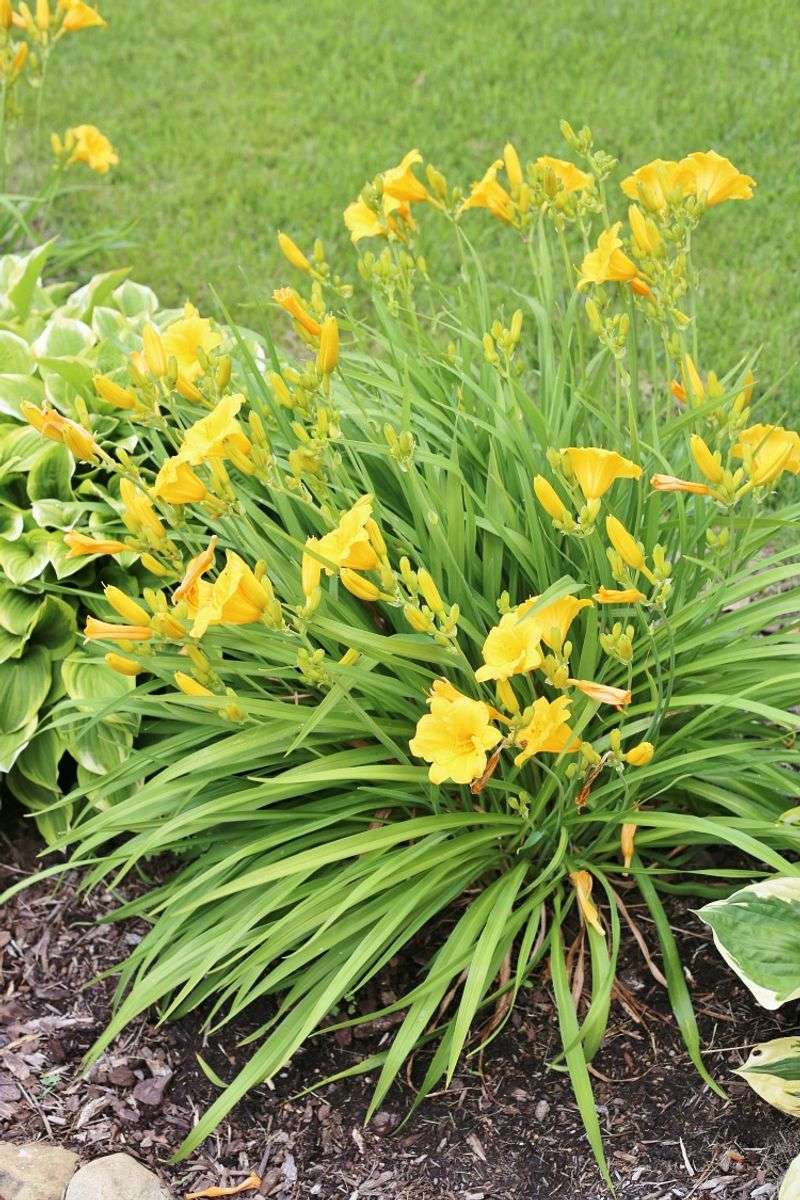
Watering after transplanting is one of the most important parts of helping June daylily divisions establish in Georgia’s summer heat.
Light, frequent watering that only wets the top inch or two of soil does not encourage roots to grow downward, and shallow roots are more vulnerable to drying out quickly during hot stretches.
Deep watering that reaches several inches into the soil is what pushes root growth in the right direction.
A slow, deep soak at the base of each transplanted division – rather than a quick spray over the foliage – is the most effective approach.
Drip irrigation or a soaker hose works well for this because it delivers water directly to the root zone without wetting the foliage, which can contribute to fungal issues in Georgia’s humid summer conditions.
If hand watering, let the water run slowly at the base of the plant for an extended period rather than rushing through.
Newly transplanted daylilies in Georgia may need watering every day or every other day for the first week or two, depending on how hot and dry the weather is.
As roots begin to establish and the plant shows signs of new growth, you can gradually reduce the frequency.
Watching the foliage for signs of wilting during the heat of the day is a good guide for when additional water is needed.
9. Mulch Helps Keep Soil Moist And Cool
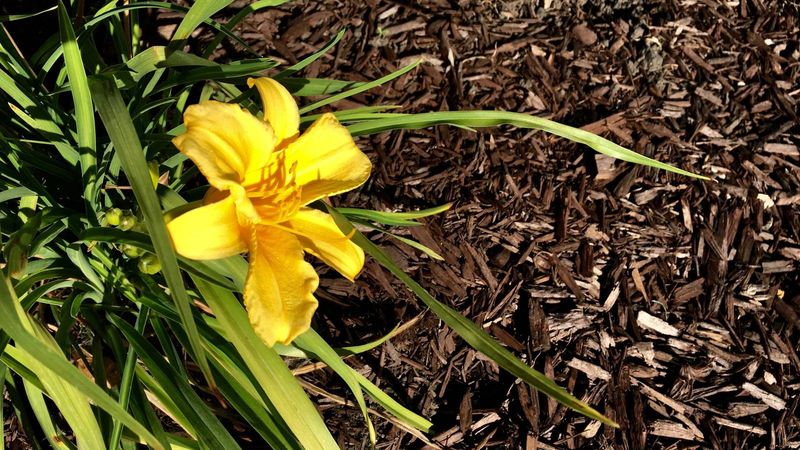
After transplanting and watering, adding a layer of mulch around new daylily divisions is one of the most useful finishing steps you can take, especially in a Georgia summer.
Mulch slows evaporation from the soil surface, which means the moisture from your deep watering stays available to roots longer rather than disappearing quickly in the heat.
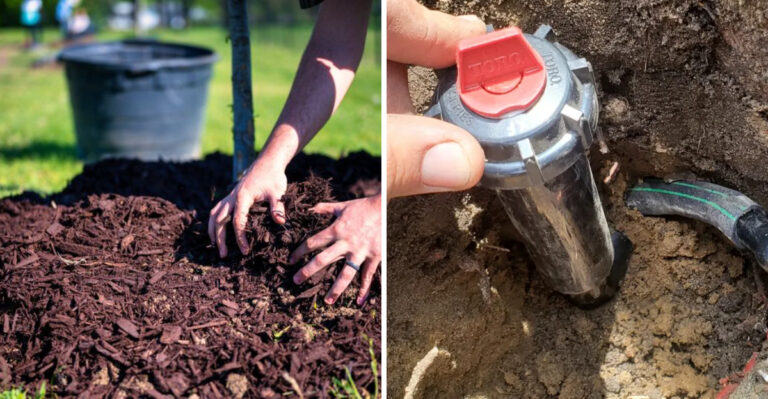
A two to three inch layer of pine straw, shredded bark, or wood chips works well in most Georgia garden beds. Pine straw is particularly common in Georgia landscapes and breaks down gradually while keeping the soil surface cooler than bare ground.
Keeping mulch a few inches away from the crown of the plant helps prevent moisture from sitting directly against the base of the foliage, which can encourage rot during humid stretches.
Beyond moisture retention, mulch also moderates soil temperature. Georgia soil in June can get quite warm in full sun, and high soil temperatures can slow root activity and make establishment harder for recently transplanted divisions.
A consistent mulch layer acts as insulation, keeping the root zone noticeably cooler than unmulched beds.
Refreshing mulch after transplanting rather than waiting until later in the season gives new divisions a more stable environment to recover in during the most demanding weeks of the Georgia summer.
10. Late Summer Remains The Better Window
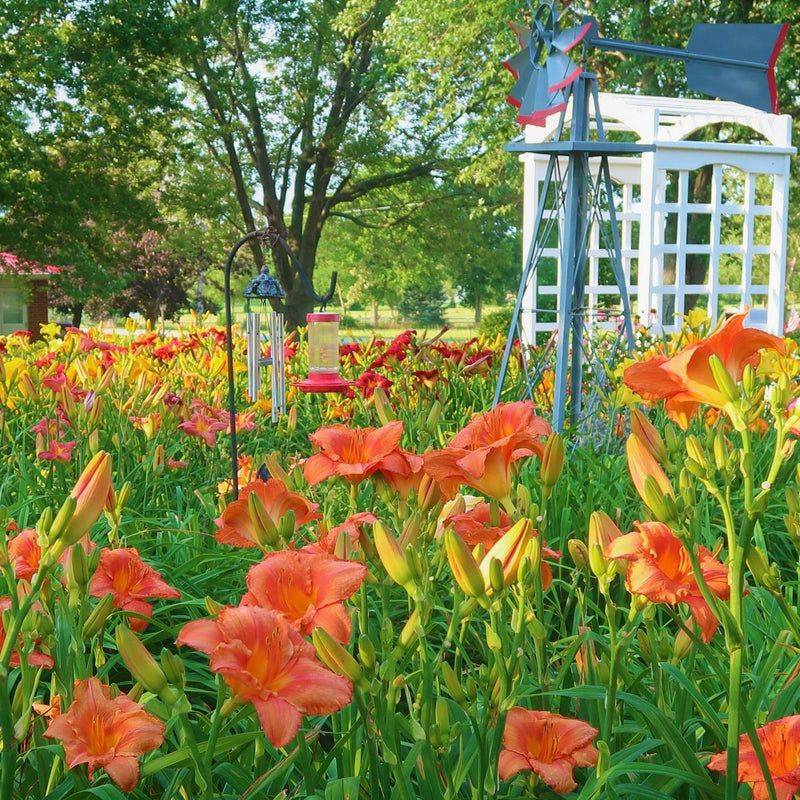
Even after a successful June division, it is worth keeping in mind that late summer or very early fall is simply a more forgiving time to divide daylilies in Georgia.
By late August and into September, daytime temperatures begin to ease, soil moisture tends to be more consistent, and daylilies have finished their active growth period and are naturally starting to slow down.
That combination creates conditions where root recovery happens more quickly and with less stress on the plant.
Divisions made in late summer have several weeks of mild weather ahead of them before winter sets in, giving roots time to spread into surrounding soil and anchor the plant well before growth slows in late fall.
Plants divided in that window also tend to come back stronger the following spring, often blooming more reliably in their first season after transplanting than divisions that were moved under summer stress.
If a June division was necessary because of construction, a bed redesign, or severe crowding, the plants can absolutely recover and do well with proper care.
But for routine maintenance dividing, breaking up clumps to refresh bloom production and spread plants to new areas of the garden, marking late August or September on the calendar is a smart habit to build.
Georgia daylily growers tend to appreciate that timing once they see how smoothly fall divisions establish compared to summer ones.