How To Overwinter Elephant Ears In North Carolina Gardens
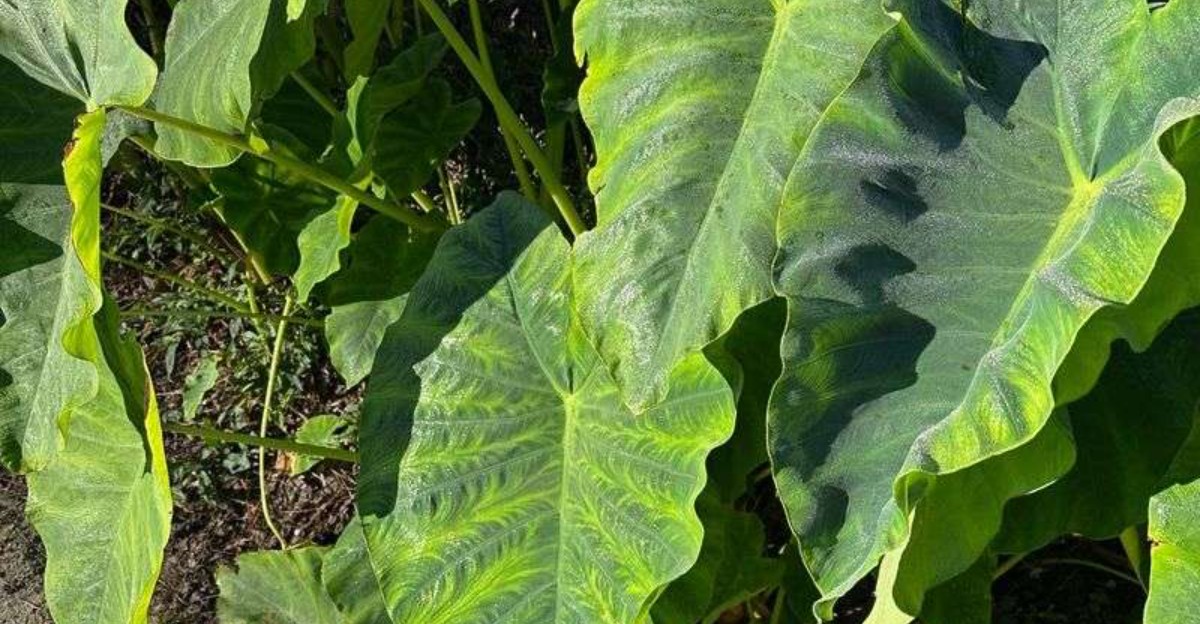
Elephant ears bring a tropical look to any yard. Their leaves can grow wider than a dinner table. Then comes a cold night, and the show ends quickly.
Some varieties handle North Carolina winters outdoors, especially in the milder eastern and southern parts of the state. Others need help. The difference depends on the type you planted and where your garden sits.
Gardeners have three main choices. You can leave the plants in the ground with a thick layer of mulch. You can dig the tubers and store them dry.
Or you can pot the whole plant and bring it inside. Each method has its own risks and rewards. Knowing which one fits your yard saves you from replacing those giant leaves every spring.
1. Know Which Type You’re Growing
Not every elephant ear plays by the same rules. The name covers a few different plants, and each one handles cold in its own way. Knowing your type is the first step toward a smart winter plan.
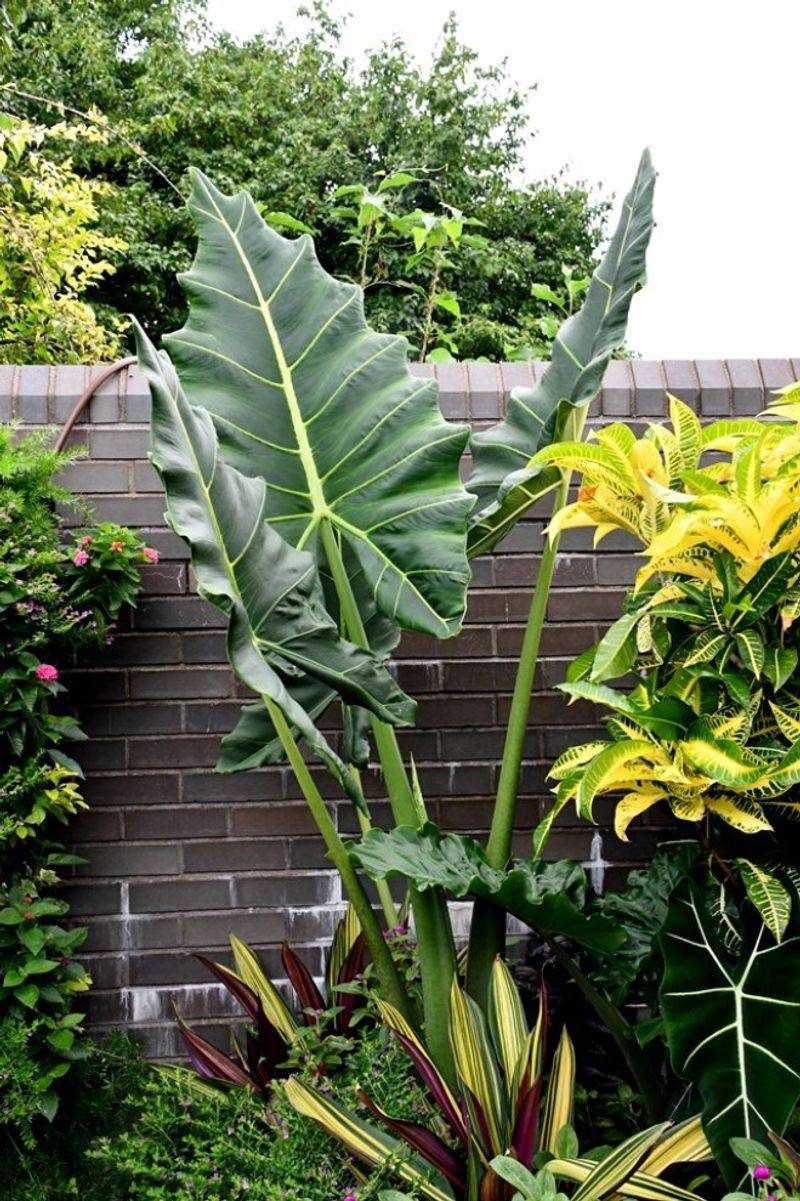
Colocasia is the most common kind in Southern gardens. Its leaves usually point down toward the ground, and many types are fairly cold hardy. Alocasia tends to hold its leaves up, pointing toward the sky, and it usually can’t take as much cold.
Xanthosoma is the tender cousin of the group, so it needs extra care when temperatures drop.
Some named varieties stand out from the crowd. Pink China, a Colocasia with pretty pink stems, has a strong reputation for handling cold better than most. Gardeners in colder spots often choose it for that reason.
So how can you tell what you have? Start with the plant tag if you still have it. If the tag is long gone, look closely at the leaves. Leaves that droop downward often signal Colocasia, while upright leaves often mean Alocasia.
Another clue sits where the stem meets the leaf. On many Colocasia, the stem attaches a little way inside the leaf, not right at the notch. On Alocasia, the stem usually joins at the edge of that notch.
Once you have a name, look up its hardiness so you know its limits. Here in North Carolina, winter can feel very different from place to place.
A beach town near Wilmington stays much milder than a mountain town like Boone. One method won’t work for every plant or every county, so matching the plant to the plan makes all the difference.
2. Leave Hardy Types In The Ground Under Heavy Mulch
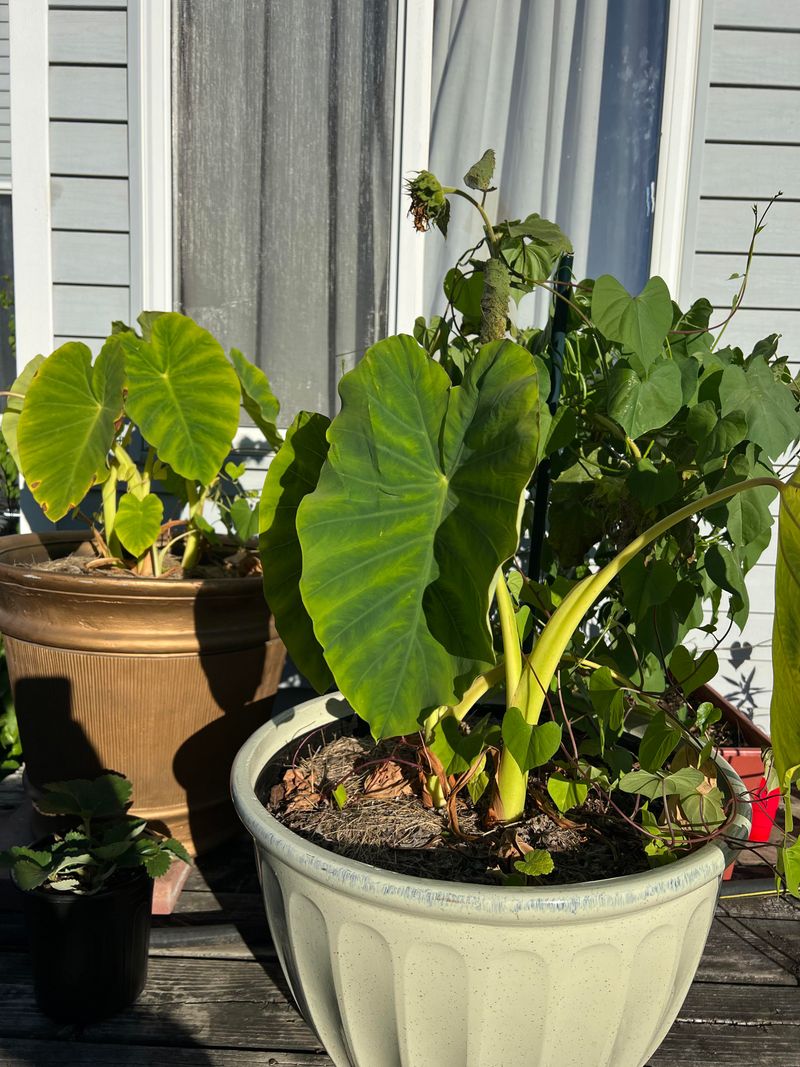
Good news for gardeners in milder areas: many Colocasia can stay right where they are. Below the soil, the plant stores its energy in a thick, bulb-like part called a corm. When that corm stays safe from deep cold, it can sprout fresh leaves when spring returns.
A cozy blanket of mulch makes this possible. The mulch traps warmth in the soil and keeps the corm from freezing. Above ground, the leaves will fade and collapse, but that’s normal. New growth will come back from the corm once the weather warms.
Your North Carolina Garden Changes Every Week. Your Plan Should Too.
Gardening in North Carolina changes quickly throughout the season. Every Friday you’ll receive a simple weekly plan showing exactly what to plant, prune, fertilize, harvest, and protect so you never miss the right timing.
Timing helps a lot here. Wait until the first frost turns the leaves black and mushy. Then cut the stems back to just a few inches above the ground. Wear gloves while you work, since the sap can bother your skin.
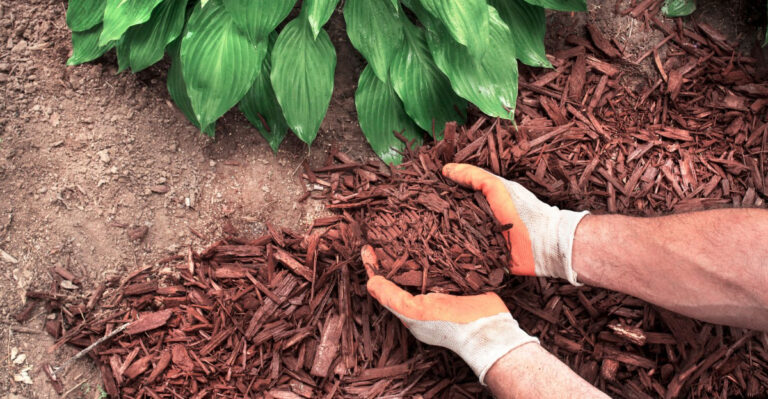
Next, pile on 4 to 6 inches of mulch over the whole planting area. Pine straw works great and is easy to find all over the state. Shredded leaves and bark are also solid choices, and they cost little or nothing if you use what your yard already gives you.
Come spring, don’t yank all the mulch away at once. Pull it back a little at a time as the days warm up. That way, a surprise late freeze won’t catch the waking plant without cover.
Across the Coastal Plain and much of the Piedmont, this simple method often works year after year.
Cities like Raleigh, Charlotte, and Greenville see winters that hardy Colocasia can usually handle. In the Mountains, though, the ground can freeze deeper, so this approach is far less dependable there.
3. Make Sure Winter Drainage Is Good
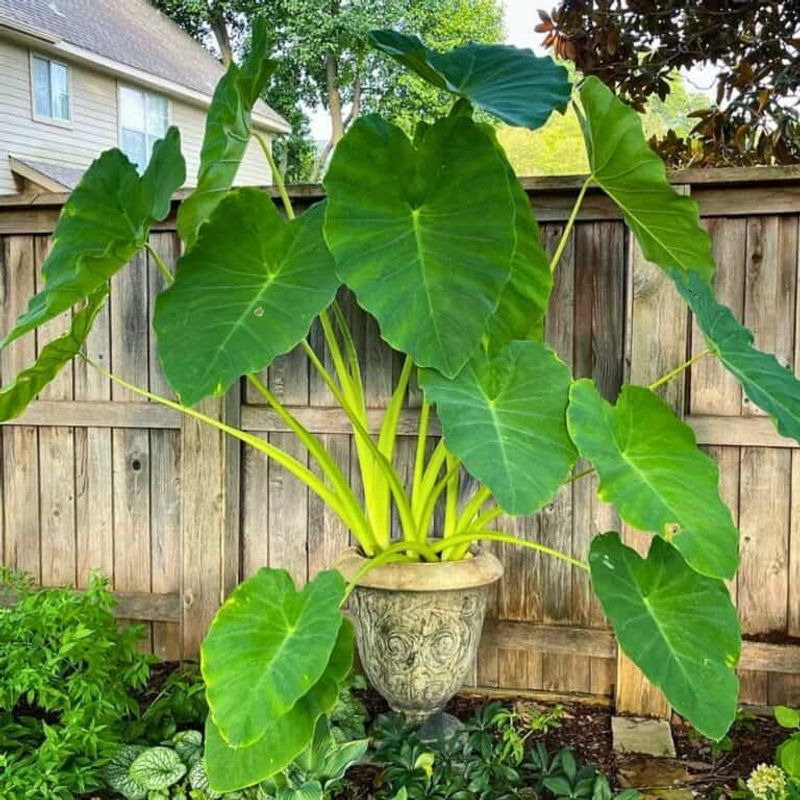
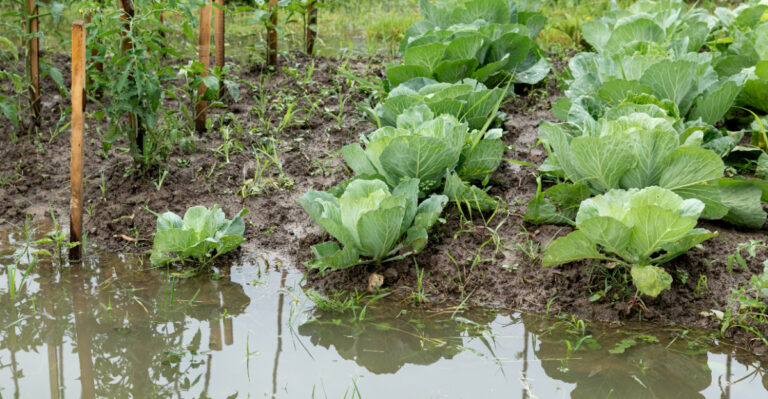
Cold isn’t the only winter threat lurking around your elephant ears. Soggy soil can be just as harmful, and sometimes even worse. Plenty of gardeners blame the frost when water was the real problem.
That might sound strange, since elephant ears drink up water all summer long. During the warm months, they love moist soil and grow fast because of it. Once they go dormant, everything changes.
A resting corm sitting in cold, wet dirt for weeks can easily rot, even during a fairly mild winter.
Choosing the right spot is your best defense. Before planting, watch your yard after a heavy winter rain. If water pools in a certain area and stays for hours, skip that spot. Low corners where runoff gathers are especially risky.
Heavy soil can be improved with a bit of effort. Mix compost into the bed to loosen it up and help water drain away. Raised beds or slightly mounded planting areas can also keep corms from sitting in puddles.
Sometimes a spot just stays wet no matter what you do. In that case, the safest move is to dig the corms in fall and store them indoors. You’ll protect your plants and save yourself from a sad surprise in spring.
Piedmont gardeners know all about stubborn red clay. That dense soil holds water like a sponge, and winter rains in North Carolina can be steady and soaking.
Put those two together, and beds can turn waterlogged fast. A little planning now keeps your corms firm and healthy until warm days return.
4. Dig And Store Corms In Colder Areas
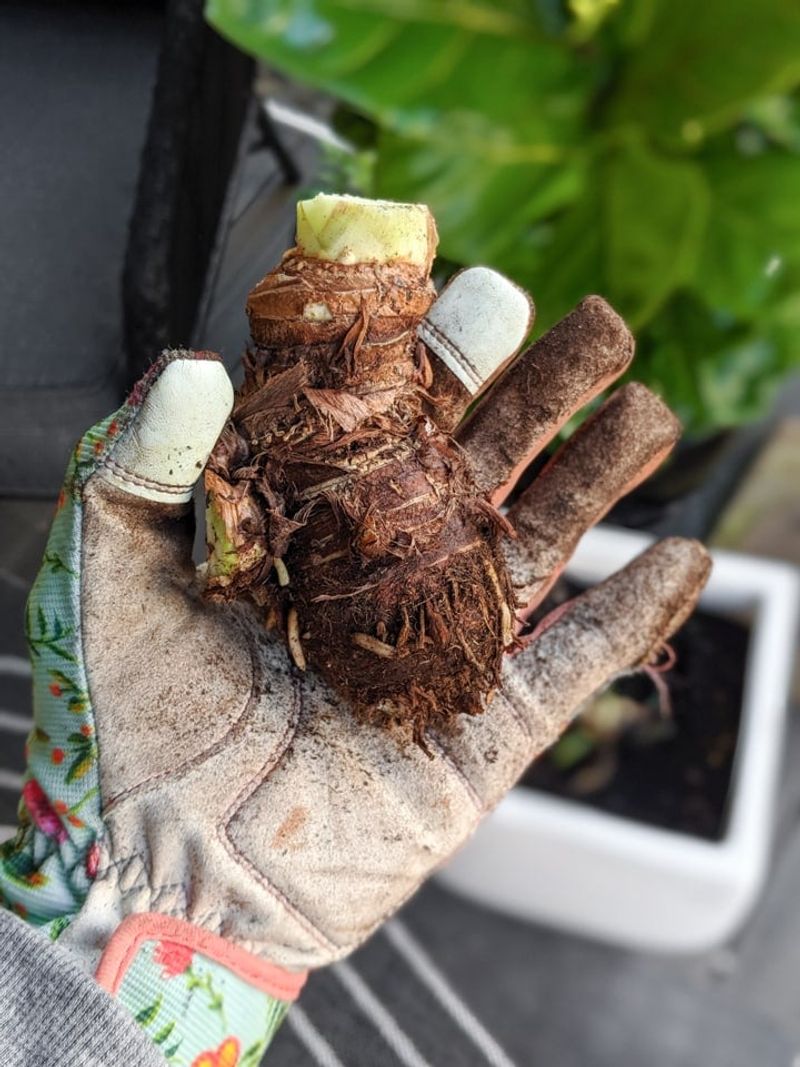
Mountain winters can be tough on tropical plants. When the soil freezes solid, corms left in the ground can suffer serious damage. Lifting them out in fall and bringing them indoors keeps them safe until planting time rolls around again.
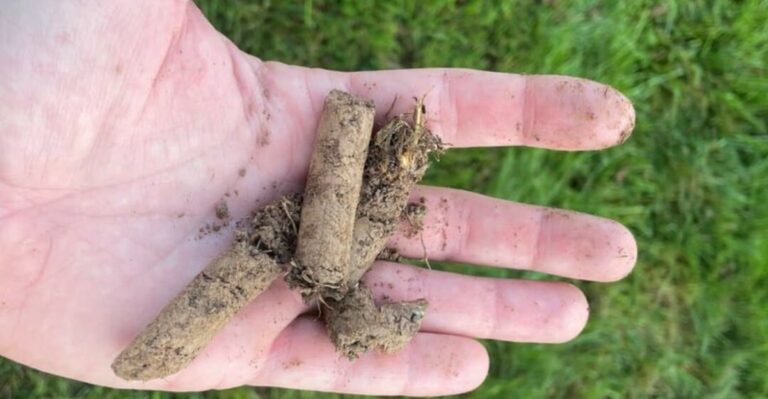
Start by pulling on a good pair of gloves. Elephant ears contain crystals that can irritate your skin, so protection matters. Wait until a frost blackens the leaves, which tells you the plant is ready to rest.
Cut the foliage back to a few inches tall. Then dig carefully around the plant, staying a bit wide so your shovel doesn’t slice into the corm. Lift it gently and shake off loose soil.
Drying comes next, and it’s an easy step to rush. Set the corms in a sheltered, airy spot like a covered porch or garage for a week or two. That drying time helps the outer skin toughen up and lowers the chance of rot during storage.
Once they’re dry, tuck the corms into dry peat moss or paper bags. Avoid plastic bags, since they trap moisture. Store everything in a cool, dark place that stays around 50 to 55 degrees Fahrenheit and never freezes.
A basement often fits the bill nicely. Check on your corms once a month or so. Toss any that feel soft or mushy so problems don’t spread to the healthy ones.
In the North Carolina Mountains and colder parts of the Piedmont, digging is usually the way to go. Places like Asheville and Boone see winters that ground-planted corms often can’t handle. A little fall effort means a big, leafy reward next summer.
5. Grow Potted Plants Indoors As Houseplants
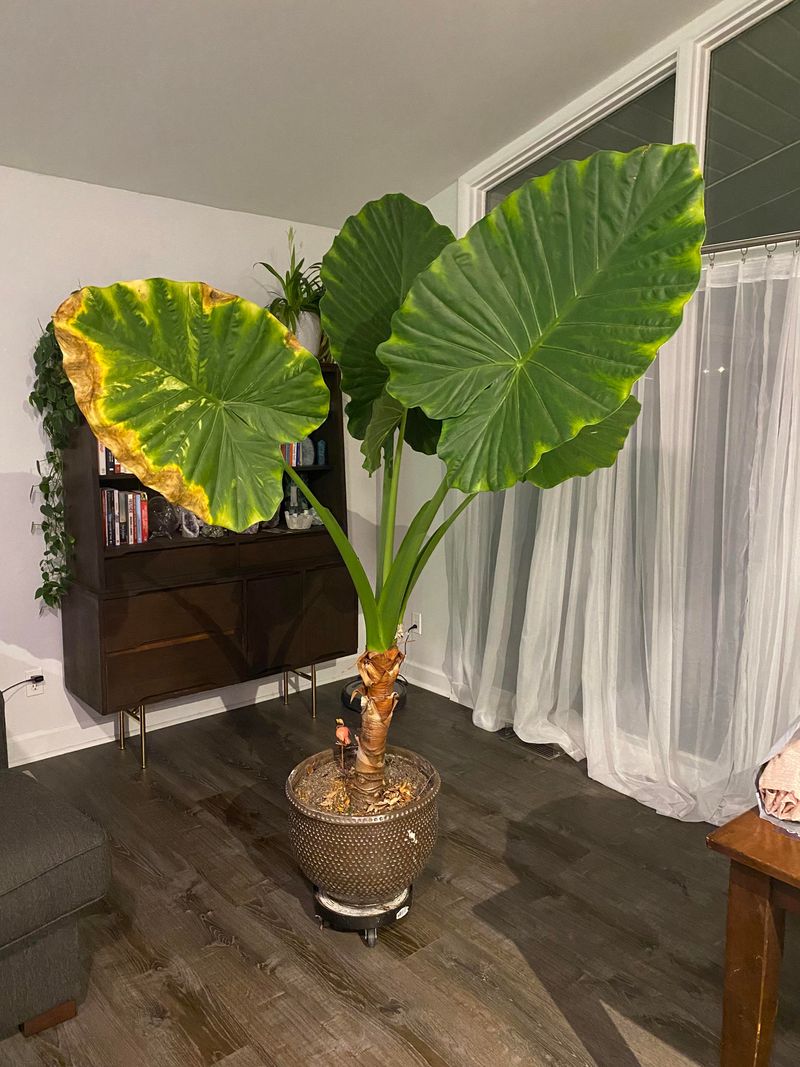
Why say goodbye to those gorgeous leaves when winter arrives? Many elephant ears, especially Alocasia, can live happily indoors as houseplants. With enough light and warmth, they’ll keep their foliage all season and brighten up your home.
Timing is the secret to a smooth move. Bring pots inside before nighttime temperatures dip below about 50 degrees Fahrenheit. These plants dislike chilly nights, and waiting too long can stress them out.
Before the pot crosses your doorstep, give it a careful once-over. Check under the leaves and along the stems for spider mites, aphids, or mealybugs. A quick rinse with the hose or a wipe with soapy water can stop unwanted guests from hitching a ride.
Inside, find a spot with bright, indirect light. A space near an east or west window often works well. Keep the plant away from cold drafts by doors and away from heat vents, which can dry out the leaves quickly.
Watering takes a lighter touch indoors. Stick your finger into the soil, and water only when the top inch feels dry. Too much water in a cool house can lead to root problems.
Don’t panic if a few older leaves turn yellow after the move. Your plant is simply adjusting to new light and air. Trim those leaves off, and fresh growth should follow.
All over North Carolina, Alocasia show up in containers on porches and patios each summer. Since they’re already potted, bringing them indoors is a natural next step. It’s a simple way to enjoy a bit of the tropics while frost covers the yard outside.
6. Store Potted Plants Dormant In A Sheltered Space
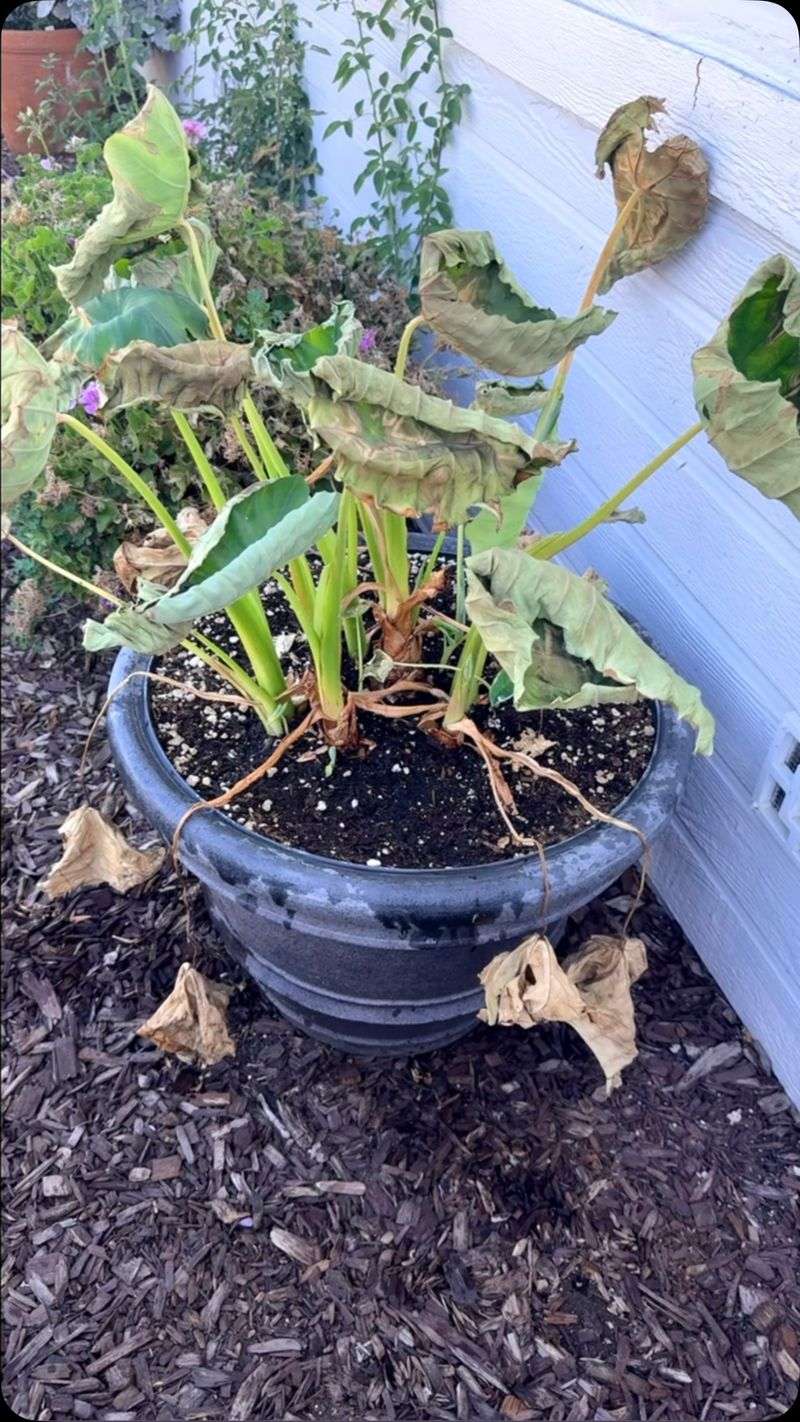
Short on sunny windowsills? You’re not alone, and there’s an easy fix. Potted elephant ears can simply take a long nap through winter instead of growing indoors.
Letting a plant go dormant means it won’t need bright light or much attention. The corm rests quietly in its pot, saving energy for spring. For busy gardeners or those with small homes, this method is a real lifesaver.
Wait for the first frost to damage the leaves. Once they wilt and darken, cut the foliage back to a few inches above the soil. Your plant will look a little bare, but it’s still very much alive under the surface.
Now move the pot to a sheltered space that stays above freezing. A garage, crawl space, or shed can work well. Light doesn’t matter much at this stage, since the plant isn’t actively growing.
Keep the soil mostly dry through winter. Too much water can cause rot in a resting corm. Still, peek at the soil every few weeks, and add a small splash of water if it becomes bone dry. The goal is barely damp, never soggy.
When spring warms up, bring the pot back into light and warmth. Start watering a bit more, and soon you’ll spot new shoots poking through the soil.
Many garages and crawl spaces in the Piedmont and Coastal Plain stay above freezing all winter.
That makes this method a great fit for gardeners in places like Durham, Fayetteville, and New Bern. Just keep an eye on the forecast during rare deep cold snaps, and add a blanket over the pot if needed.
7. Be Patient For Spring Regrowth And Handle With Care
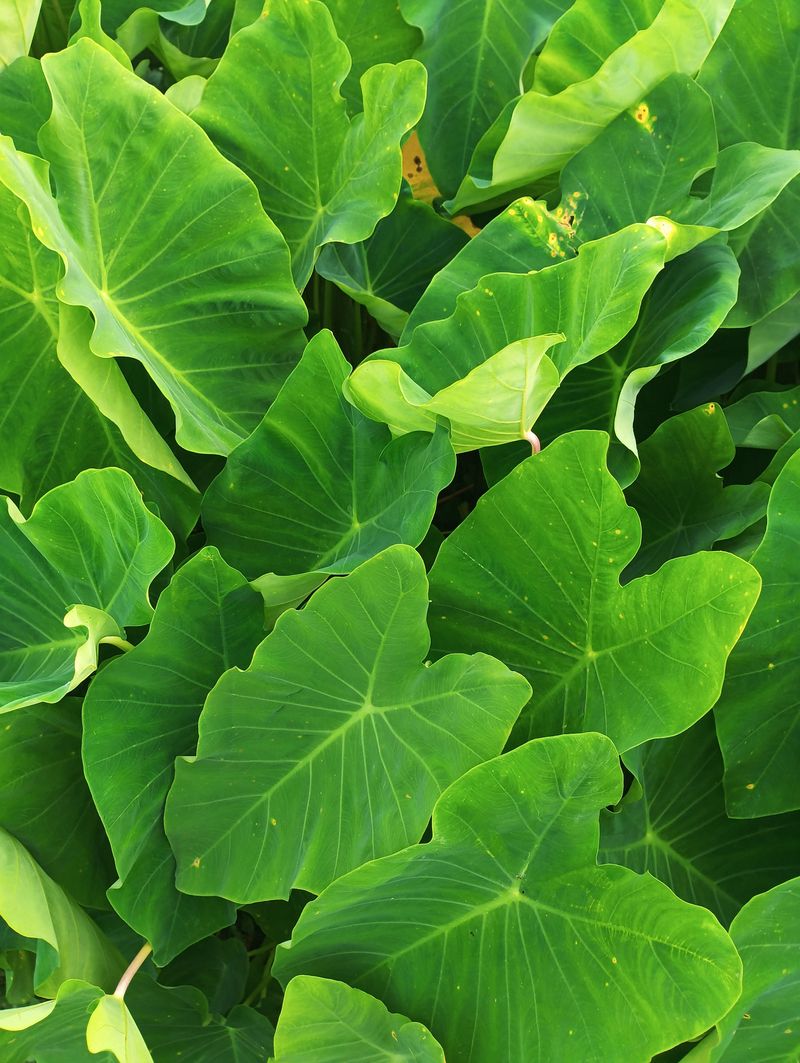
Every spring, eager gardeners grab a shovel too soon. They see bare soil where their elephant ears used to stand and assume the worst. Hold on, because those plants are often just running late.
Elephant ears left in the ground wait for truly warm soil before they wake up. That can mean new shoots don’t appear until late spring. Hostas, daylilies, and ferns may be fully leafed out while your elephant ear spot still looks empty.
A simple marker solves a lot of trouble. Push a stake or plant label into the ground in fall so you remember exactly where each corm sits. That way, you won’t dig into it by accident while planting something new.
Patience pays off here. Wait until late spring, or even early summer in cooler areas, before deciding a plant was lost. Many gardeners have been happily surprised by a shoot popping up in June.
Stored corms have their own schedule too. Replant them once the soil feels warm, usually after nights stay steadily above 50 degrees. Planting into cold ground can slow them down or cause rot.
Safety matters at every step. All parts of elephant ears contain calcium oxalate crystals, which can irritate skin and are harmful if eaten.
Wear gloves when handling corms or cutting stems, and keep plants away from curious children and pets who might chew on them.
Across North Carolina, elephant ears often reappear well after other perennials have returned. Knowing that ahead of time keeps worry away. When those giant leaves finally unfurl, the wait will feel completely worth it.