8 North Carolina Perennials That Bloom Only At Night
The garden clock does not stop when the sun goes down. It simply changes hands.
While most flowers close up and disappear into the background, a few plants wait for the evening spotlight.
They save their best colors, scents, and surprises for the hours when the yard gets quiet.
Have you ever walked outside after sunset and caught a fragrance drifting through the air with no idea where it came from? That little mystery is often hiding in plain sight.
North Carolina gardens have plenty of daytime favorites, but the nighttime performers bring a completely different kind of charm.
Some glow under moonlight. Some attract visitors that rarely appear during the day. Some turn an ordinary corner into the spot everyone wants to visit after dinner.
The fun part is that you do not need a huge landscape to enjoy this evening show. A small border, container, or space near a walkway can become a stage.
Ready to discover the flowers that save their grand entrance for after dark? The night garden has a few secrets worth uncovering.
1. Jasmine Tobacco Opens After Sunset
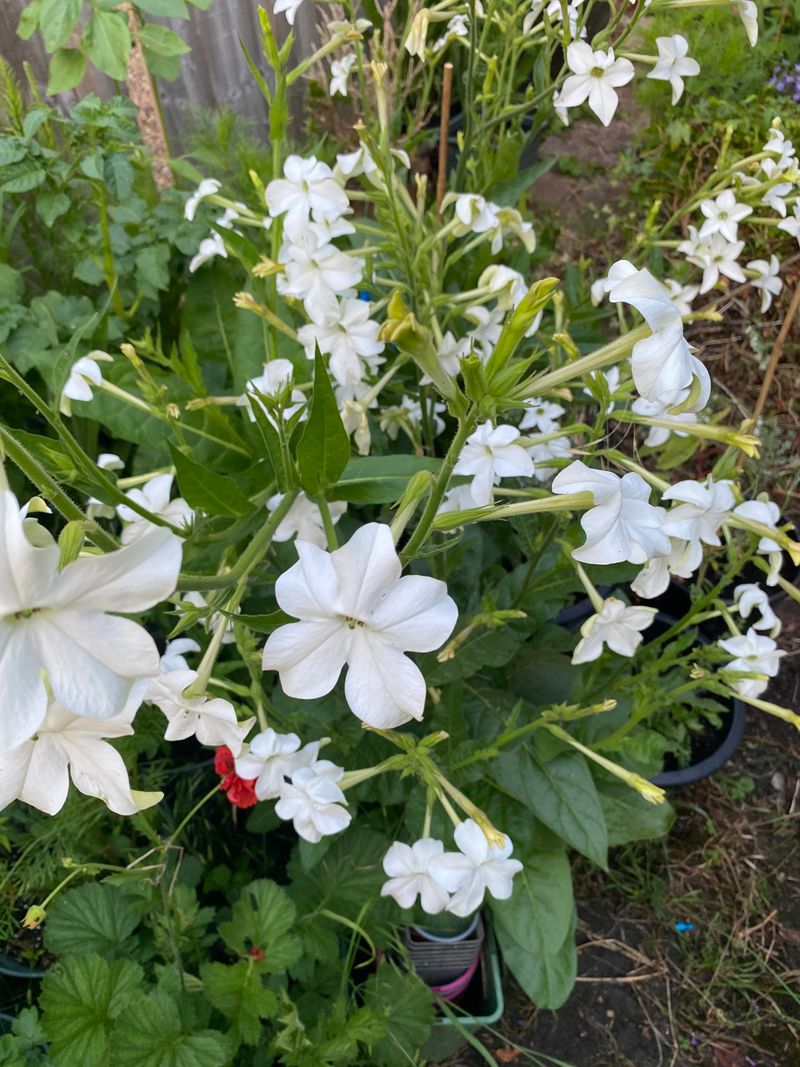
Some flowers know exactly when to make an entrance. Jasmine tobacco waits until the afternoon fades, then slowly opens its white blooms like a garden curtain rising for the evening show.
Nicotiana alata is loved for its sweet fragrance, which becomes stronger after sunset. The tall stems can reach several feet, adding height behind shorter flowers. Those pale trumpet-shaped blooms also stand out nicely in moonlight.
North Carolina gardeners often grow jasmine tobacco as a warm-season annual. In many areas, it may also return from dropped seeds the following year.
The plant prefers rich, well-drained soil with steady moisture. A sunny location with some afternoon protection can help it stay attractive through the season.
The best place for this plant is somewhere you actually visit at night. Near a porch, patio, or garden path works beautifully. You get the full experience instead of letting the fragrance drift away unnoticed.
Sphinx moths are frequent nighttime visitors, adding another layer of interest. Watching one hover near the flowers feels like nature running a tiny evening air show.
Remove old blooms when needed to encourage more flowers. Jasmine tobacco does not need to shout for attention. It simply waits until the right moment and lets the evening do the advertising. Who says plants cannot have good timing?
2. Moonflower Unfurls White Trumpets At Night
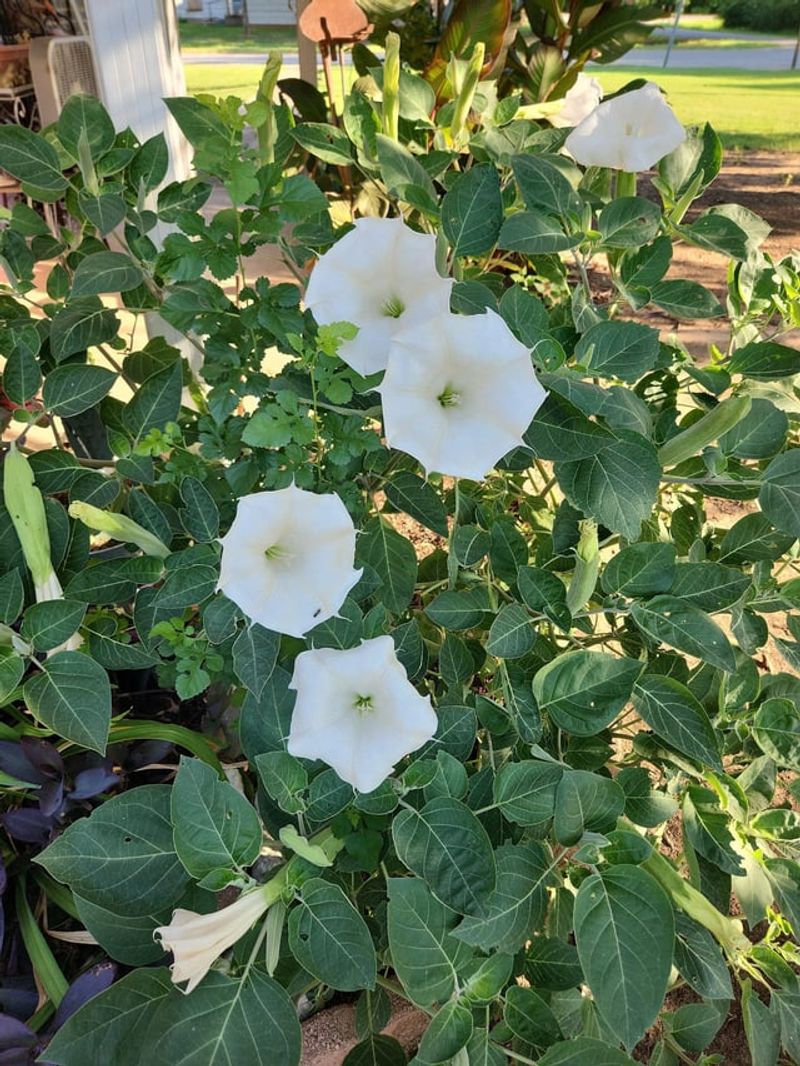
Some garden moments are worth waiting for. Moonflower creates one of those moments.
During the day, the buds stay tightly closed. Then the evening arrives, and the flowers slowly begin to open. Within a short time, large white blooms appear against the darkness like little garden lanterns.
Ipomoea alba is a fast-growing vine that loves warm weather. In North Carolina, gardeners usually grow it as a seasonal plant because cold temperatures can damage it. A sturdy trellis, fence, or arbor gives the vine the support it needs.
Plant moonflower after the danger of frost has passed. The seeds have a tough coating, so soaking them before planting can help them sprout more easily. Full sun and well-drained soil encourage strong growth.
Your North Carolina Garden Changes Every Week. Your Plan Should Too.
Gardening in North Carolina changes quickly throughout the season. Every Friday you’ll receive a simple weekly plan showing exactly what to plant, prune, fertilize, harvest, and protect so you never miss the right timing.
A fun trick is placing moonflower near a seating area. You can actually watch the buds change from tight little points into open flowers. It turns watering time into a front-row garden event.
The blooms usually remain open through the morning before closing later in the day. That gives early risers a chance to enjoy the display too.
Pairing moonflower with a daytime vine can create a garden that keeps changing throughout the day. One plant takes the morning shift. Another takes the night shift. The garden basically runs a floral schedule without needing a tiny manager with a clipboard.
3. Four O’Clock Starts Its Show Late
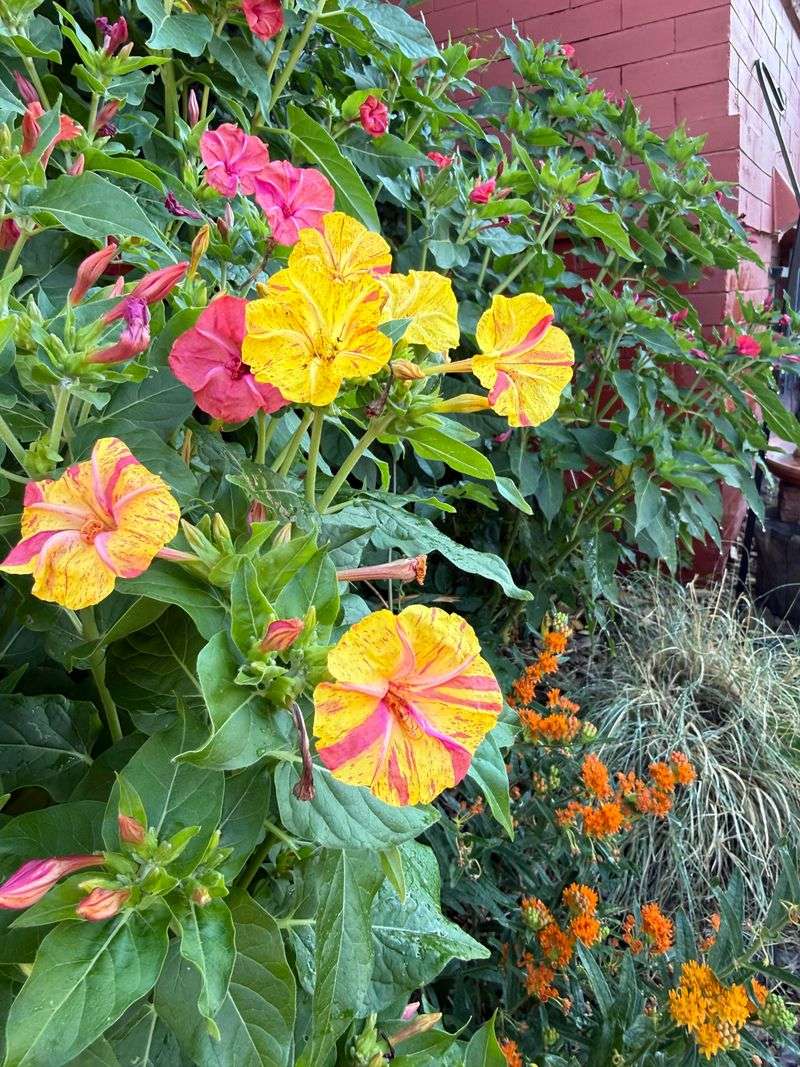
Four o’clocks have a funny habit. They ignore the morning rush and wait until later to start their performance.
Mirabilis jalapa usually opens in the late afternoon and continues blooming through the evening. The flowers come in shades of pink, yellow, white, and mixed colors.
Some plants can even surprise gardeners with different shades appearing on the same plant.
This perennial can return in warmer parts of North Carolina. In cooler areas, it often grows as a self-seeding annual. The plant forms underground roots that help it handle heat and return when conditions are right.
Four o’clocks are a great choice for gardeners who want color without constant attention. They tolerate summer warmth and can handle average garden conditions. Give them space because they can become wide, bushy plants.
The flowers also bring a little garden curiosity. Children often enjoy discovering that one plant can produce such a colorful collection. It feels like the plant mixed its own paint palette.
Place four o’clocks near walkways or outdoor sitting areas where the evening blooms can be enjoyed. Their soft fragrance adds another reason to slow down after a busy day.
Remember that the plant is not meant for eating, so choose planting spots thoughtfully. With the right location, four o’clocks become reliable evening entertainers that know exactly when to clock in.
4. Northern Sundrops Open Around Dusk
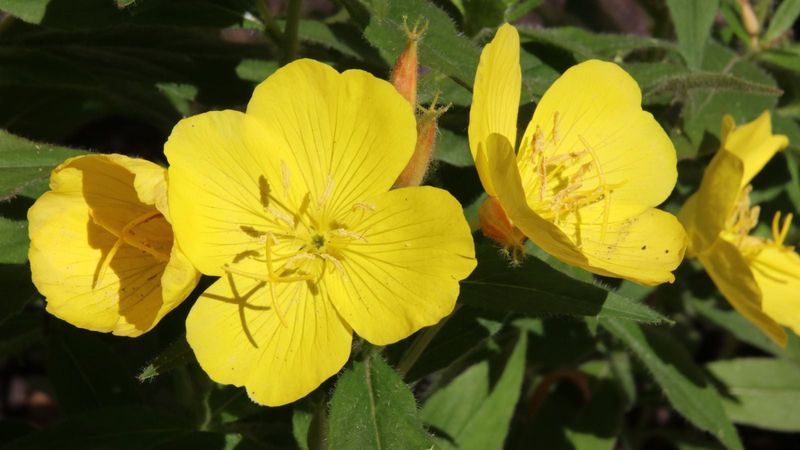
Golden flowers have a way of changing the mood of a garden. Northern sundrops bring that warm glow during the later hours of the day.
Oenothera fruticosa is a North Carolina native perennial that produces bright yellow flowers on upright stems. The blooms usually open during the day but often continue shining into the evening, especially during cooler conditions.
This plant works well for gardeners who want beauty without a demanding routine. Sundrops prefer full sun and well-drained soil. Once established, they can handle periods of dry weather better than many traditional garden favorites.
The plant grows in tidy clumps, which makes it useful along pathways, borders, and pollinator gardens. Its size also helps it fit into smaller spaces without taking over the whole garden conversation.
One charming detail is the way the flowers seem to catch the last light of the day. Place them where evening sun reaches the garden, and they can look almost like tiny golden signals saying goodbye to daylight.
Bees and other helpful insects visit the blooms during their active hours. That gives your garden more movement and life beyond just color.
Northern sundrops prove that evening beauty does not always need dramatic nighttime blooms. Sometimes a plant simply knows how to make the final moments of daylight count. It is the garden version of a perfect closing song.
5. Showy Evening Primrose Favors Evening Hours
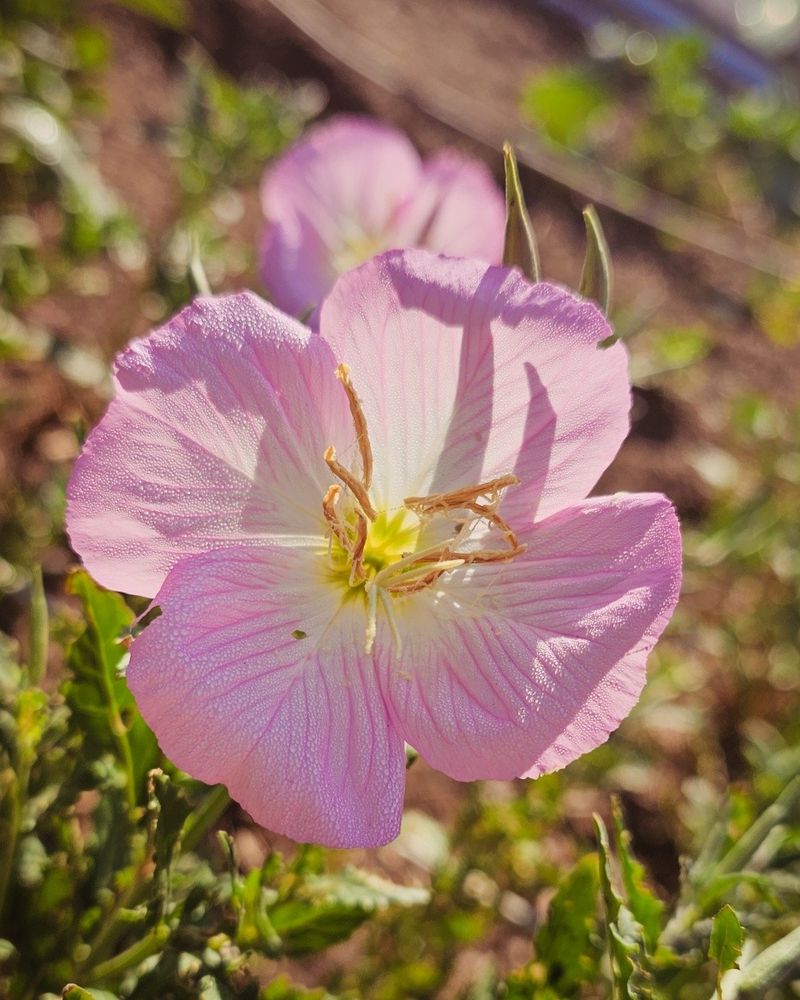
Some plants arrive quietly. Showy evening primrose arrives with a little more confidence.
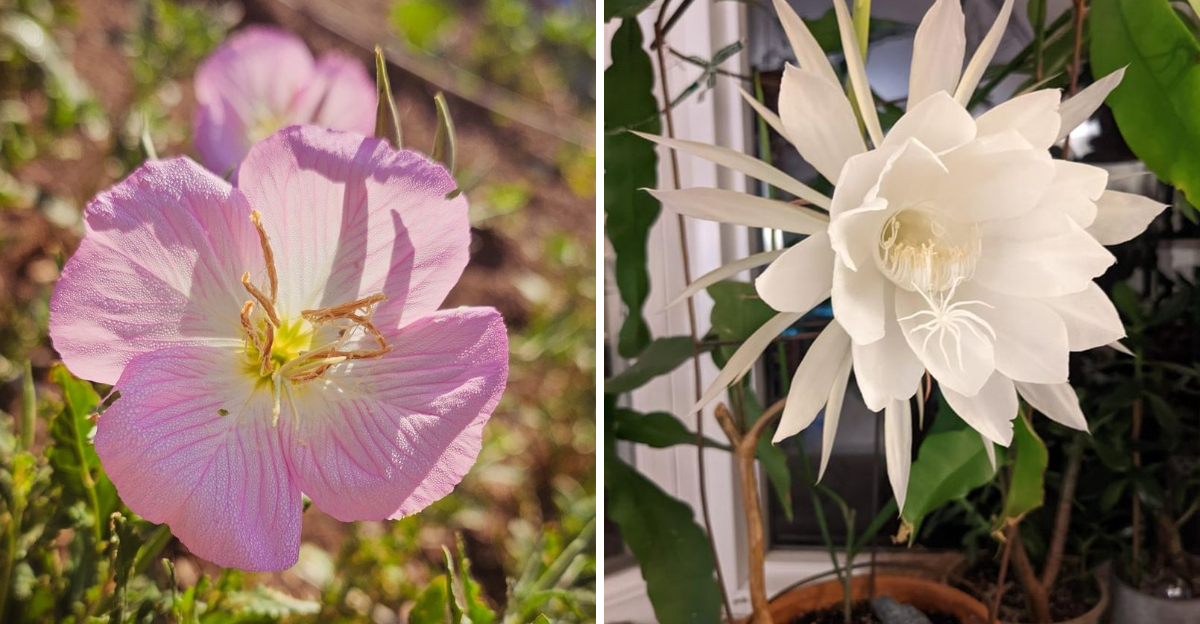
The soft pink flowers of Oenothera speciosa open in the evening and often stay visible into the next morning. Each bloom has delicate petals with darker lines, creating a flower that looks almost painted by hand.
This perennial spreads through underground stems and seeds, which makes it useful for larger areas. It can work well on slopes, open spaces, or places where a spreading ground cover is welcome.
North Carolina gardeners should give this plant room to move. It is not a shy neighbor. It likes to fill empty spaces and create a carpet of color when conditions are favorable.
The plant prefers full sun and handles dry soil once established. That makes it a practical choice for gardeners who want a softer landscape without adding extra maintenance.
A small patch can become a favorite evening viewing spot. Sit nearby as the flowers open and watch native bees and nighttime visitors explore the blooms. It brings a little activity to hours when many gardens become quiet.
Showy evening primrose has plenty of personality. Some gardeners appreciate its enthusiasm. Others keep it in check with regular trimming.
Either way, it brings a beautiful reminder that plants have their own ideas about garden design. Sometimes the flower with the biggest personality becomes the one everyone remembers.
6. Crimson River Lily Brings Late Day Flowers
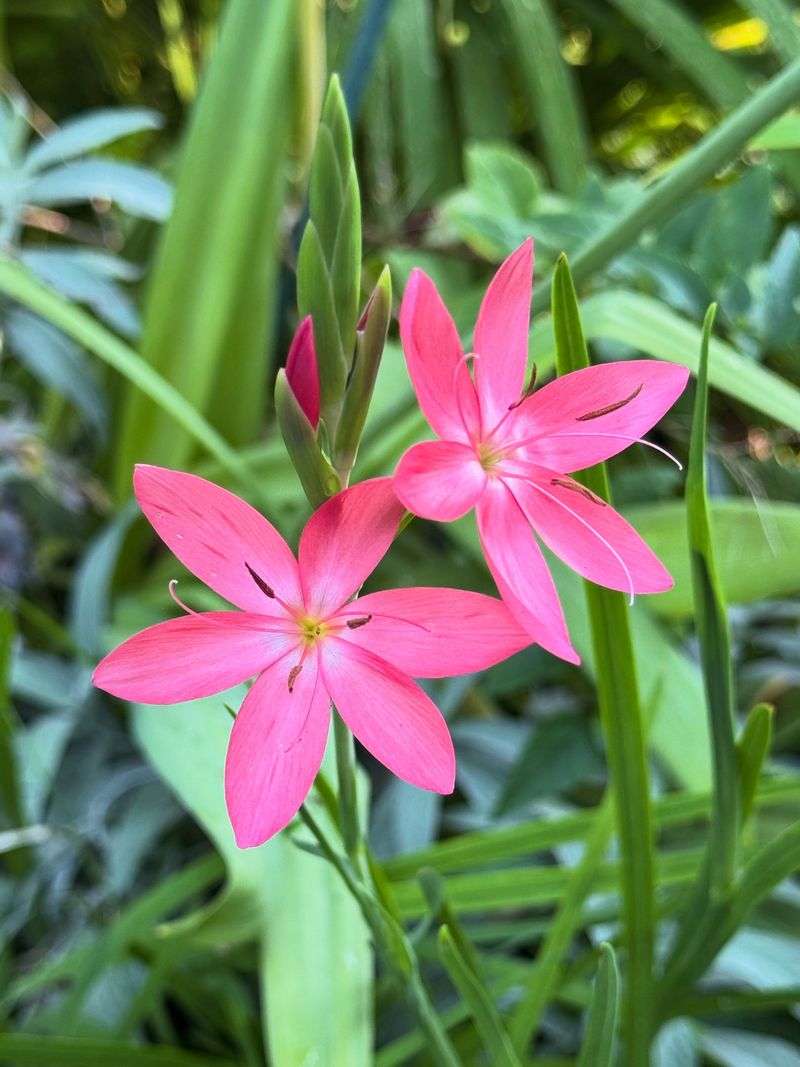
Late summer gardens can start feeling tired. Crimson flag lily steps in right when many plants begin slowing down.
Hesperantha coccinea produces bright red, pink, or coral flowers on tall stems. The blooms appear from late summer into fall, creating a burst of color when many gardens are losing their earlier flowers.
This plant prefers moist soil and performs especially well near water features, rain gardens, or areas that stay evenly watered. It can also handle regular garden beds with good drainage.
The name can cause some confusion because this plant is sometimes called crimson river lily. It is not a strict nighttime bloomer, but its flowers often shine during the late afternoon and evening hours.
That timing makes it a valuable addition for gardeners who enjoy spending time outside after work. A few plants near a patio can bring color into those quiet moments when the temperature finally drops.
Hummingbirds and bees may visit the flowers, adding movement to the late-season garden.
Crimson flag lily also offers a useful gardening lesson. A garden does not need every plant to bloom at the same time.
Some plants wait for their own season to step forward. This one arrives with a late invitation, almost like it saved the best seat for itself at the garden party.
7. Queen Of The Night Blooms After Dark
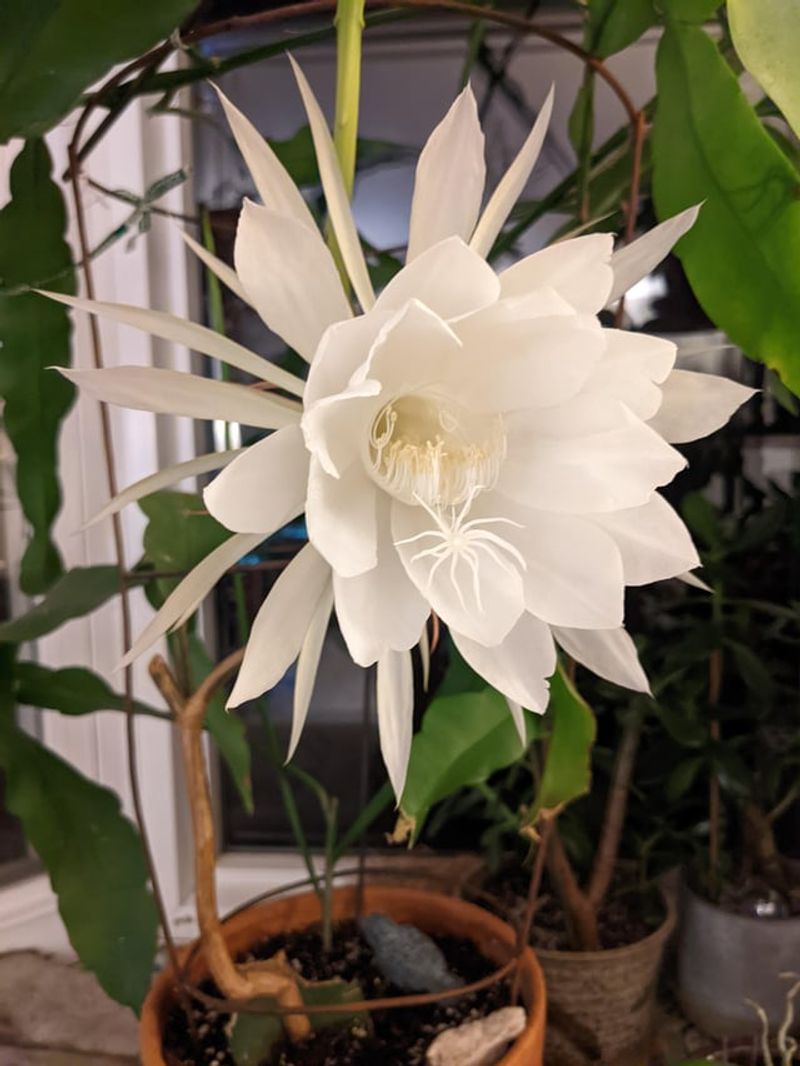
Few plants create as much excitement as queen of the night. This cactus does not rush. It waits for the perfect evening, then creates a flower display that feels like a special event.
Epiphyllum oxypetalum produces large white flowers that open after dark. The blooms are famous for their size, fragrance, and short appearance. By the next day, the show is finished.
In North Carolina, this plant works best as a container plant. Cold winters mean it needs protection indoors. During warm months, it can enjoy outdoor conditions in a shaded or partly shaded spot.
The flat stems look unusual even without flowers. That gives the plant year-round interest. Then, when buds appear, gardeners often start checking them daily for signs of opening.
Many people make an evening out of the bloom. Friends gather, cameras come out, and everyone waits for the flower to unfold. It turns a simple plant into a small backyard celebration.
Use a well-draining soil mix and avoid keeping the roots constantly wet. A little patience goes a long way with this cactus.
Queen of the night teaches gardeners something important. Some of the best moments are not available on demand. Sometimes the garden asks you to slow down, stay awhile, and enjoy the show before the curtain closes.
8. Domino’s Easter Lily Cactus Flowers Overnight
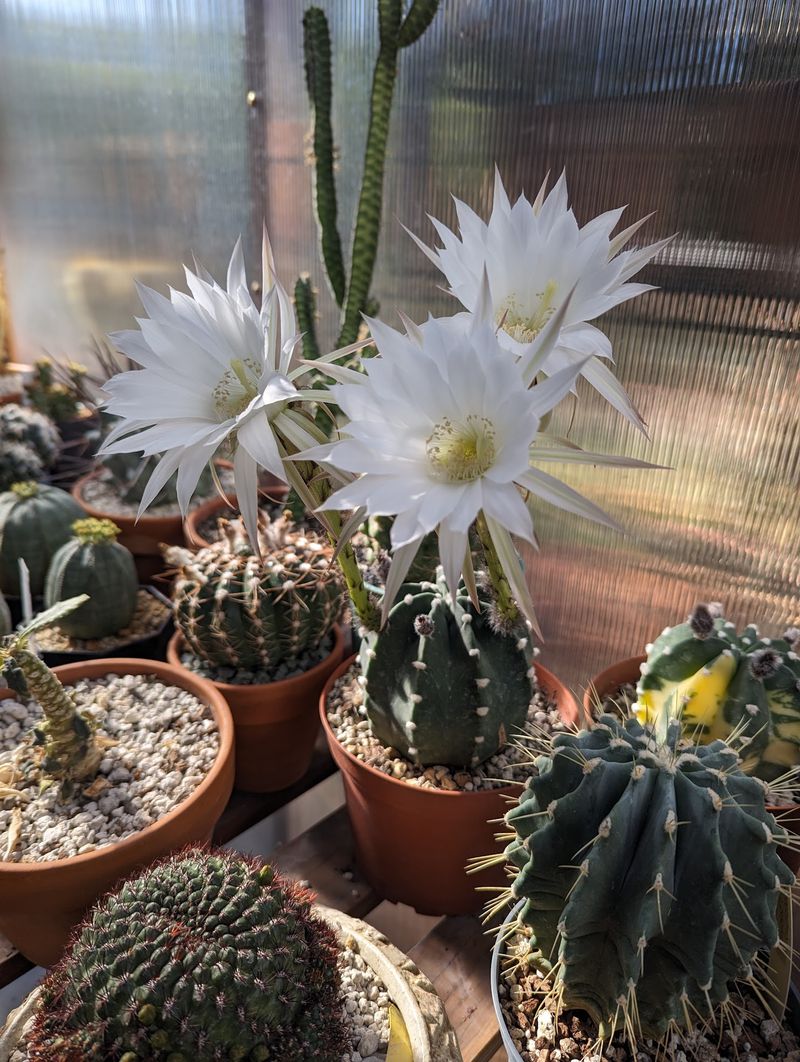
Small container. Big personality. Domino Easter lily cactus proves that a plant does not need a giant footprint to create a memorable moment.
This Echinopsis hybrid produces large trumpet-shaped flowers that open at night. The blooms are often white with soft tones and can become several inches wide.
The plant is well suited for containers in North Carolina. Grow it outdoors during warm months, then bring it inside before cold weather arrives. A bright location and fast-draining cactus soil help keep it happy.
The surprise comes when flower buds appear. A quiet cactus that looked ordinary suddenly becomes the center of attention. Gardeners often check the buds every evening, waiting for the opening performance.
That waiting is part of the fun. The plant creates a little suspense without needing fancy garden tricks.
During winter, reduce watering and allow the plant a rest period. This simple routine can help prepare it for future blooms.
Domino Easter lily cactus fits patios, balconies, and small gardens where space matters. It proves that big garden moments can come from small pots.
A plant that spends most of the year looking calm and then suddenly steals the spotlight has a certain charm. The cactus might not be loud, but it definitely knows how to make an entrance.